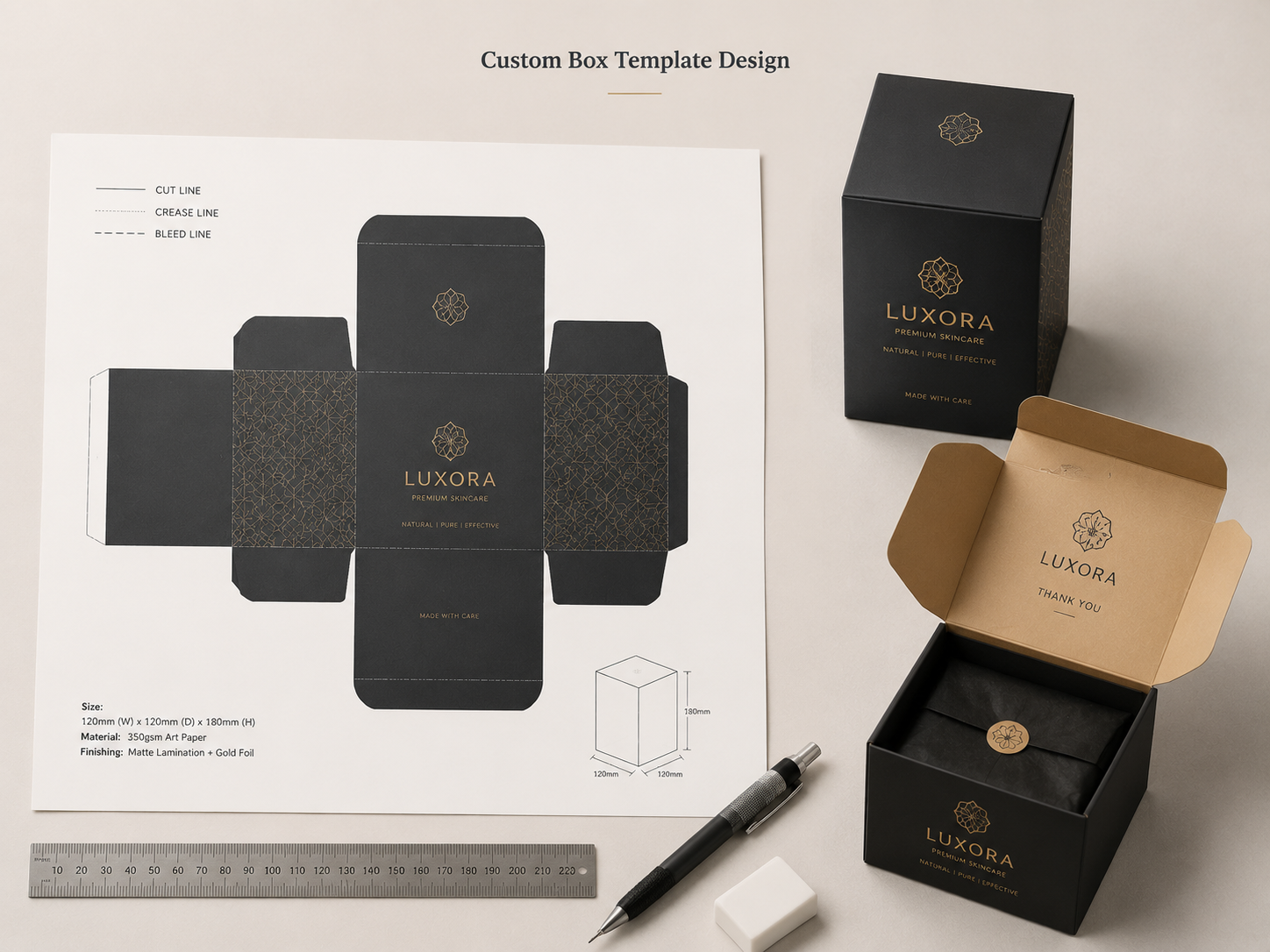
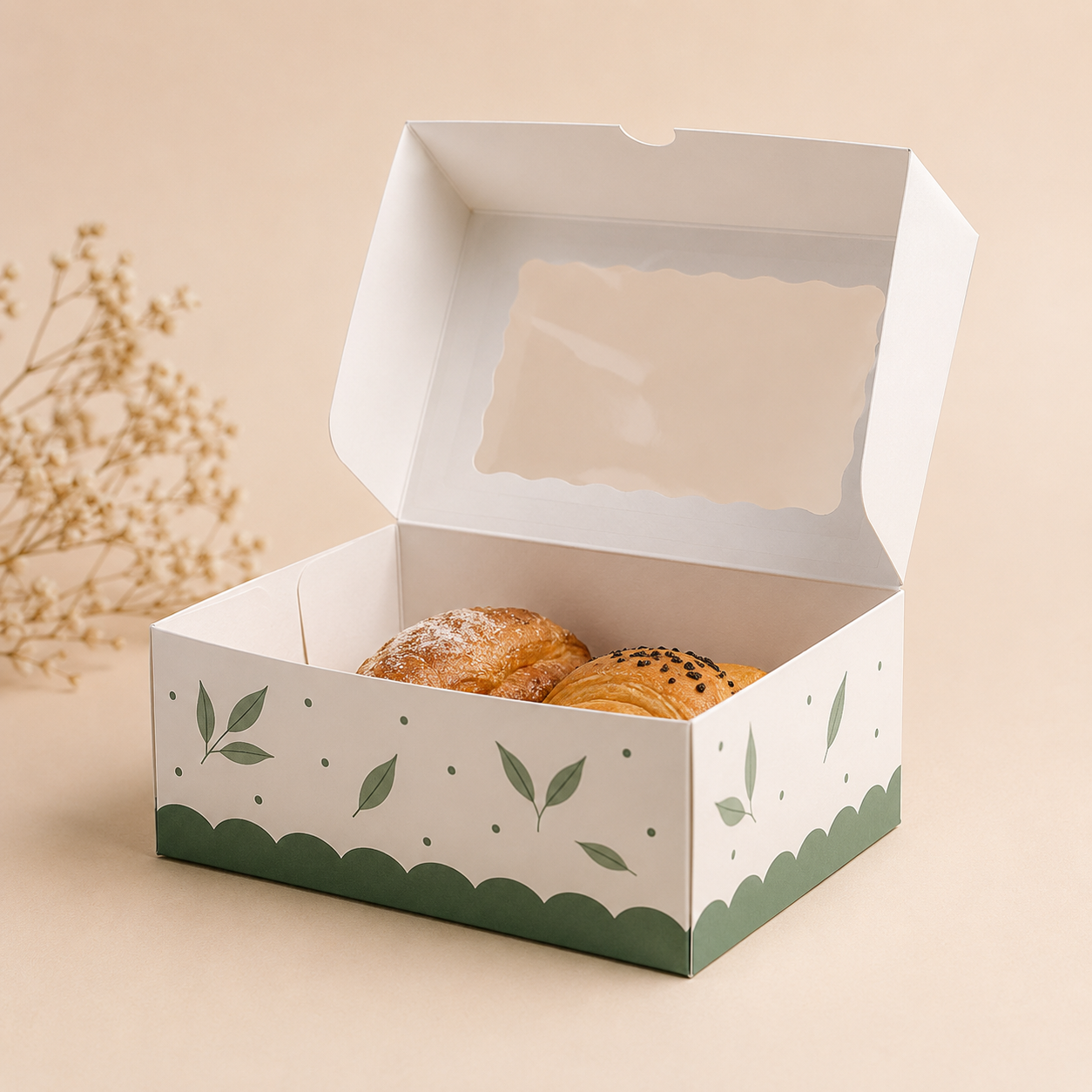
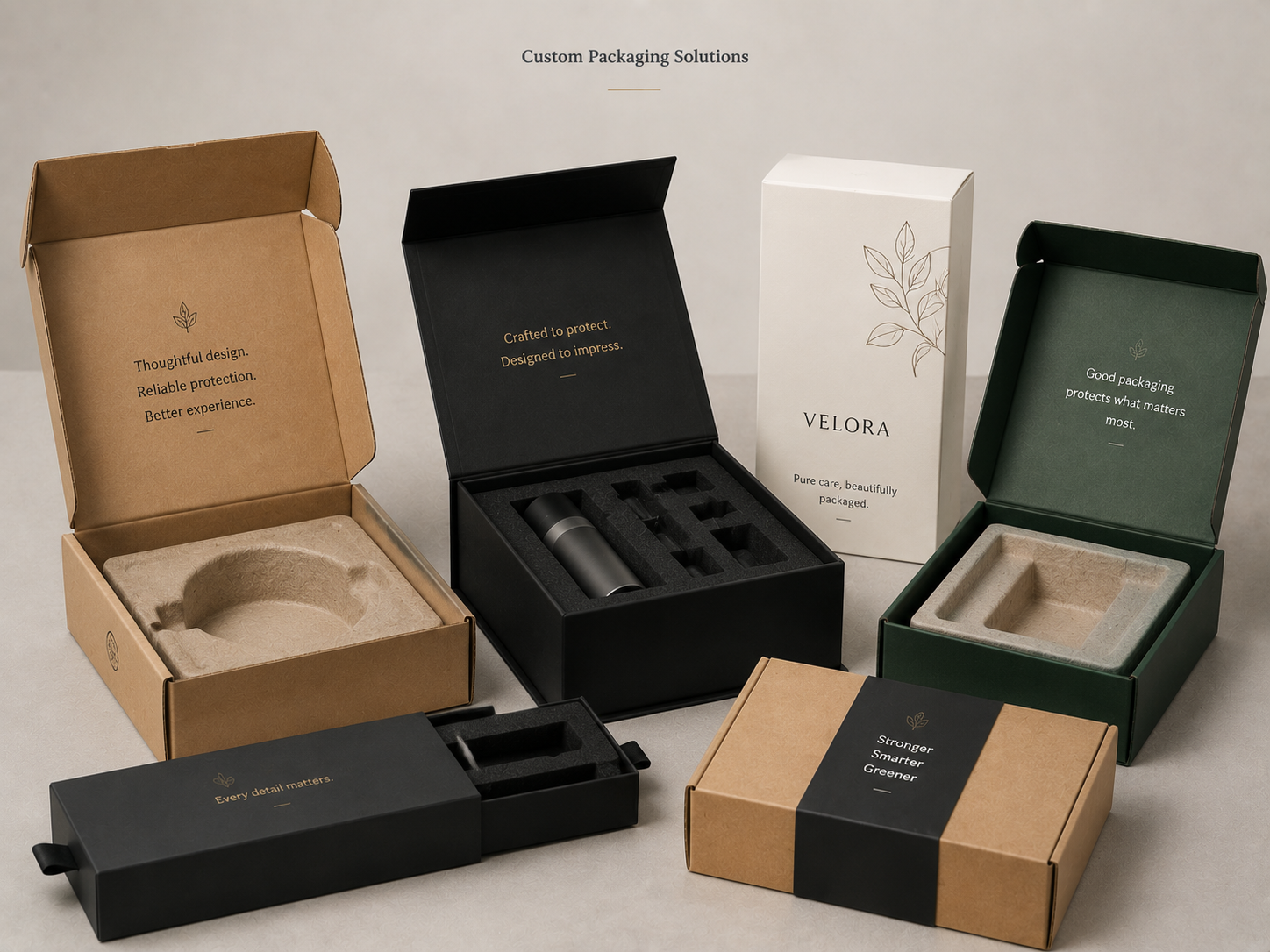
A folding carton may look simple on the shelf. Then weak structure, poor board choice, or low print control turns it into a damaged box, a weak brand signal, and a costly packaging mistake.
Folding carton box packaging is widely used because it combines branding, product protection, efficient storage, and flexible structure design. The right folding carton depends on box style, paperboard material, printing method, surface finish, filling method, and whether the box is used for retail, food, cosmetic, or pharma applications.
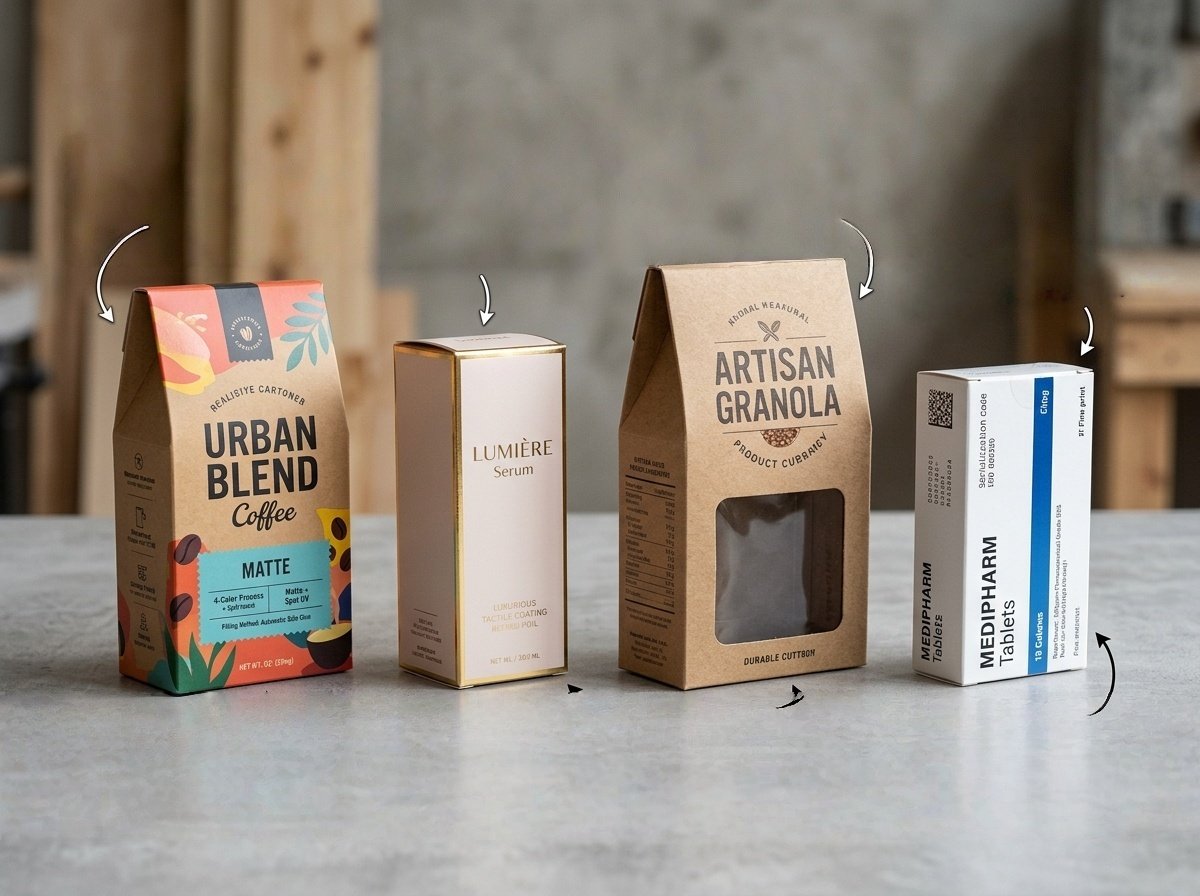
Folding carton packaging is one of the most widely used packaging formats in modern product markets. It appears in cosmetics, personal care, food, supplements, pharmaceuticals, electronics accessories, household products, and many daily-use categories. The reason is clear. A folding carton can carry branding, product information, and shelf appeal while still keeping storage and transport efficient before filling. Still, folding cartons are often underestimated. Many packaging problems start when a box is chosen by look or price alone. Public complaints across many industries keep repeating the same issues: boxes that feel flimsy, poor fit, weak glue, damaged corners, poor print quality, cheap surface feel, and retail boxes being pushed into shipping roles they were never designed to handle. These problems are not random. They usually come from poor matching between structure, material, product weight, and real handling conditions. A strong folding carton program begins with understanding what the box needs to do, not only how it should look.
What Is Folding Carton Box Packaging?
Many paper boxes look similar at first glance. Folding cartons stand out because they are produced flat, then folded and assembled into a final box shape for packing and sale.
A folding carton is usually made from paperboard and is designed for retail presentation, product organization, and light to medium protection.
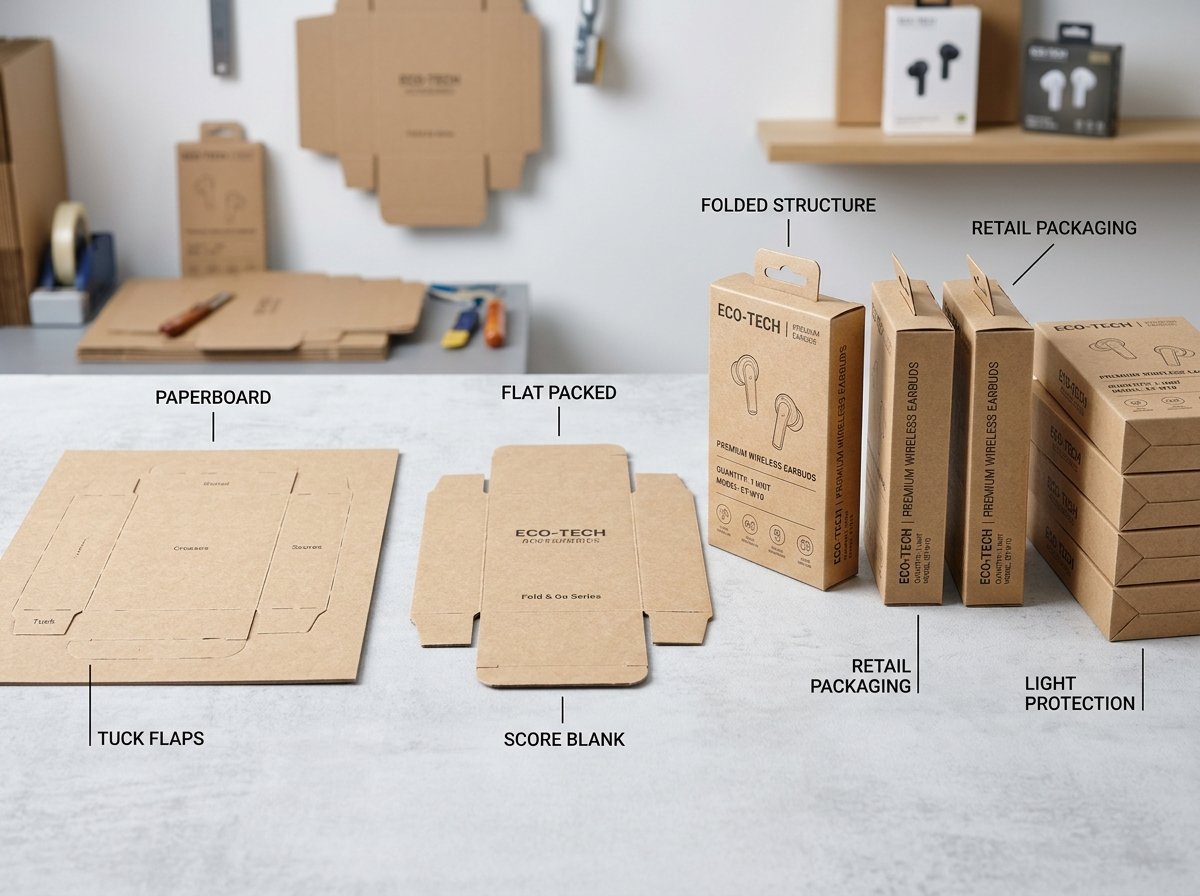
Folding cartons are usually made from SBS, FBB, kraft board, or coated recycled board, depending on the product category and brand position. They are shipped flat before use, which saves storage space and lowers logistics cost before filling. Once folded and glued, they can hold a wide range of products, from skincare bottles and medicines to snack packs and electronic accessories. Compared with corrugated boxes, folding cartons offer a smoother surface for graphics and a more refined shelf presence. Compared with rigid boxes, they are lighter, more scalable, and often more cost-effective for volume production. Their main role is usually primary or secondary packaging, not heavy-duty transport packaging. That role matters because many carton failures happen when a retail box is expected to survive shipping abuse without the support of an outer corrugated carton.
| Packaging Format | Main Material | Main Role | Common Use |
|---|---|---|---|
| Folding carton | Paperboard | Retail presentation and product holding | Cosmetics, food, pharma, accessories |
| Corrugated box | Fluted board | Shipping and transport protection | E-commerce, export, master cartons |
| Rigid box | Greyboard with wrapped paper | Premium presentation | Gift sets, luxury goods, high-end retail |
Why Are Folding Cartons So Widely Used?
Many brands choose folding cartons because they need more than basic containment. They need packaging that works on shelf, supports print quality, and stays practical in production.
Folding cartons are widely used because they balance branding, cost, structure flexibility, and storage efficiency very well.
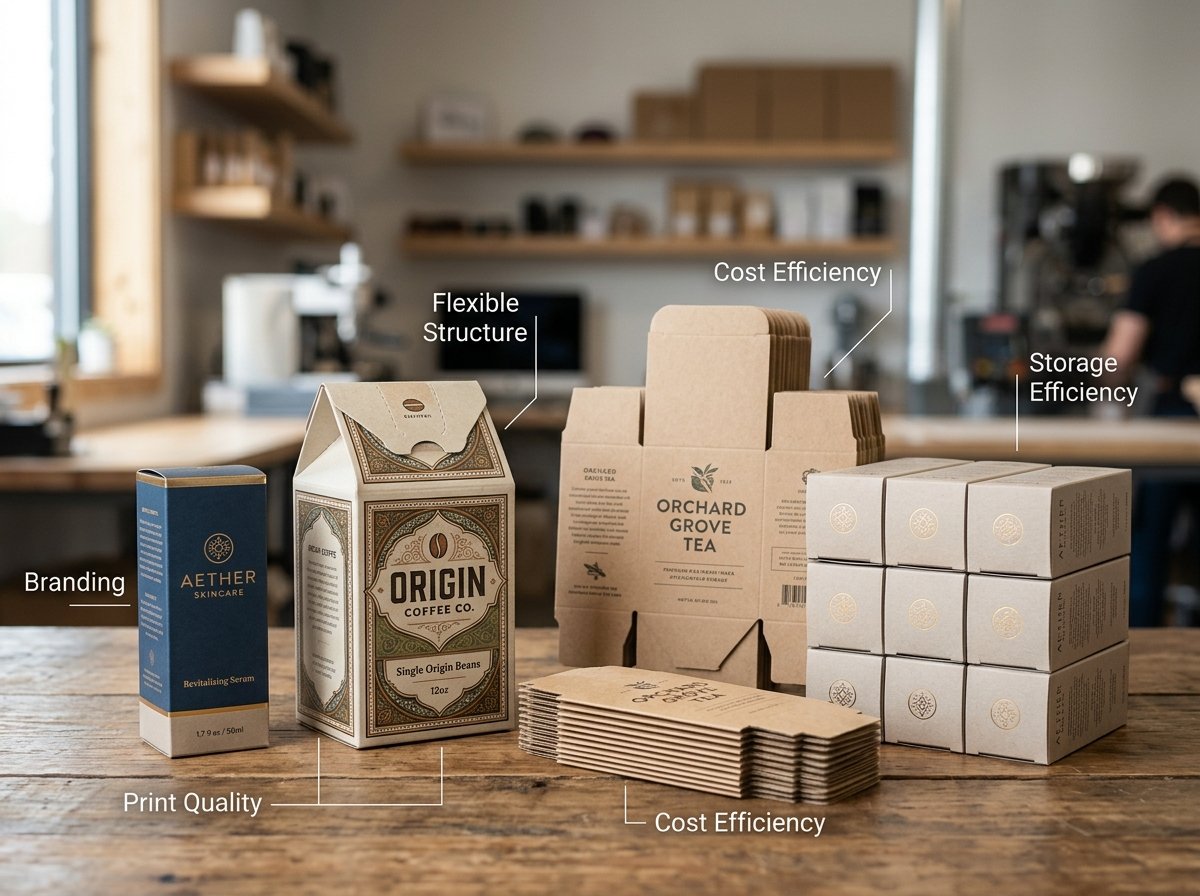
A folding carton can be simple or highly customized. It can be made for machine filling or hand packing. It can carry a clean pharmacy look, a vibrant retail look, a natural kraft style, or a premium cosmetic finish. This flexibility makes it useful across industries with very different packaging goals. Another advantage is flat shipment before use. That reduces warehouse load and gives businesses better packing efficiency. Folding cartons also support a wide range of print and finish options, which helps products stand out in crowded retail environments. Still, appearance is not enough. Buyers today react quickly when a carton feels too weak, looks generic, scratches easily, or does not match the product value. In many complaint patterns, the biggest issue is not that the box exists. The issue is that the box feels underbuilt, poorly finished, or wrong for the product inside.
Folding Carton Box Structures and Common Style Options Explained?
A folding carton can only perform well when the structure matches the product and packing method. A wrong style can create weak closures, poor shelf presence, slow assembly, or product damage.
Structure selection is one of the most important decisions in folding carton packaging.
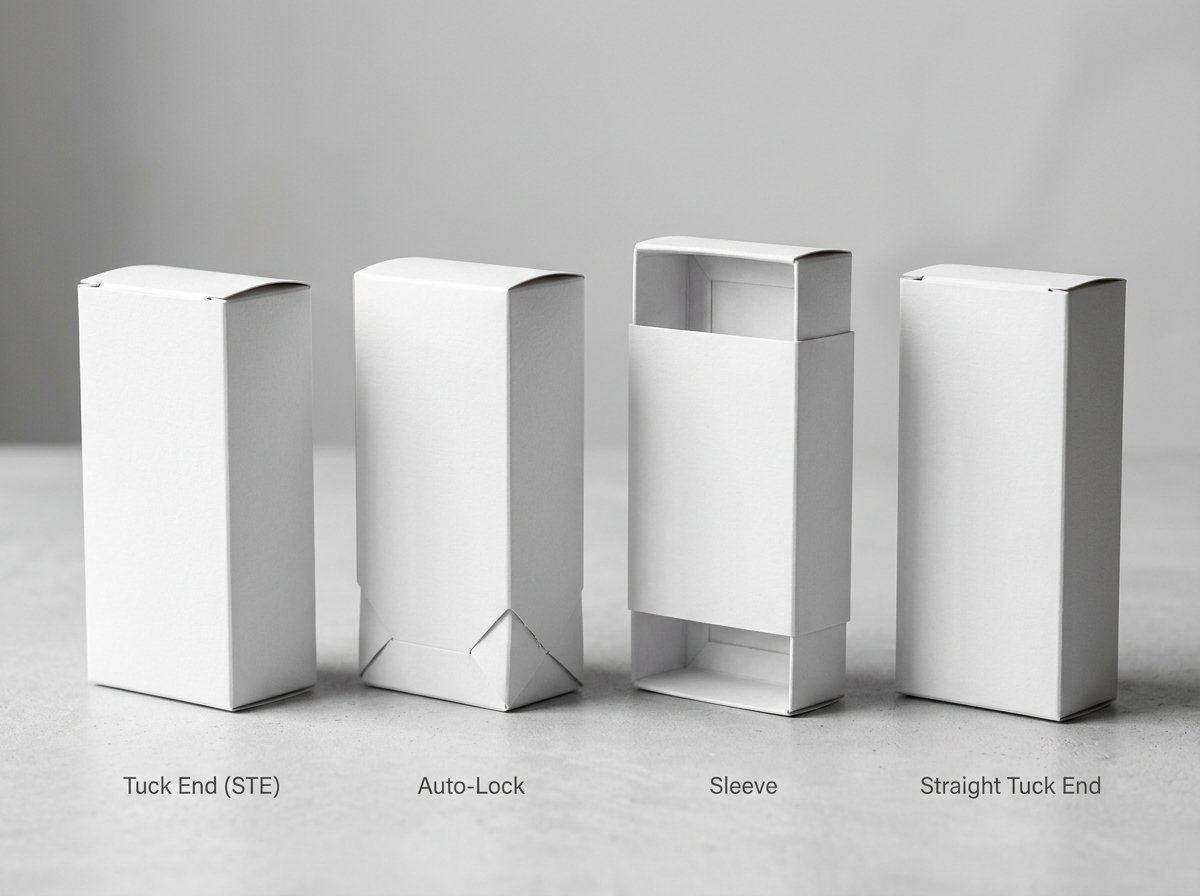
Straight tuck end cartons are common in cosmetics, supplements, and electronics accessories because they offer a clean look and efficient opening. Reverse tuck end cartons are widely used for cost-sensitive products and general retail packs because they are practical and familiar. Auto-lock bottom cartons are stronger at the base and are a better fit for jars, bottles, and heavier items. Crash-lock structures also help reduce assembly time during filling. Sleeves work well with inner trays, food packs, and promotional kits. Window cartons are useful when product visibility supports buying decisions, especially in food, bakery, and gift packaging. Display cartons are designed for shelf presentation and easy product access. Gable-top cartons are often used in food and takeaway formats. The right structure should always be chosen by product weight, product shape, filling process, and how the box is expected to perform in retail.
| Carton Structure | Main Feature | Typical Use |
|---|---|---|
| Straight tuck end | Clean closure and balanced look | Cosmetics, supplements, small electronics |
| Reverse tuck end | Common and cost-efficient | Daily retail goods, light products |
| Auto-lock bottom | Stronger base support | Bottles, jars, heavier items |
| Sleeve carton | Wrap-around presentation | Kits, food trays, promotional bundles |
| Window carton | Product visibility | Bakery, food, gifts |
| Display carton | Shelf-ready access | Counter displays, retail promotions |
How to Choose Materials, Printing, and Finishes for Folding Carton Packaging?
A folding carton may have a strong structure on paper but still fail in the market if the material feels cheap, the print is weak, or the finish wears too quickly.
Material, printing, and finishing should be selected as one system, not as separate decoration choices.
Material choice starts with board type and thickness. SBS is often used when clean print quality and a premium visual result matter. FBB offers a balance of stiffness and cost. Kraft board can support a natural or eco-looking brand style. Recycled board may lower cost, but it still needs to meet strength and print expectations. Printing choice depends on volume, color demand, and detail level. Offset printing is common for high-quality folding cartons because it supports strong color control and sharp graphics. Flexo may work for simpler cartons in some applications. Digital printing can support short runs or sampling. Finishing options such as matte lamination, gloss lamination, spot UV, embossing, debossing, foil stamping, and soft-touch film can all lift shelf appeal. Still, public complaints often show a clear problem: packaging that tries to look premium but feels weak in hand creates distrust. Finishing only works when the base board, gluing quality, and carton converting are already stable.
| Packaging Element | Why It Matters | Common Risk |
|---|---|---|
| Board grade | Controls stiffness and feel | Box feels soft or collapses |
| Printing method | Affects color and detail | Poor color match or blurred result |
| Lamination | Protects surface from wear | Easy scratching or dirty appearance |
| Foil / embossing | Builds visual value | Looks excessive on weak board |
| Glue quality | Keeps shape and closure stable | Open seams or lifting edges |
How Should Folding Cartons Be Chosen for Product Protection and Use?
A folding carton is not only a printed shell. It has to hold the product safely, present it correctly, and survive the normal handling of filling, shelving, and transport.
The right choice depends on product weight, fragility, closure needs, and whether the carton works alone or inside a larger packaging system.
For lightweight dry goods, a simple tuck-end carton may be enough. For glass bottles, skincare jars, and fragile accessories, a stronger bottom structure and internal support may be needed. For products with multiple components, partitions, inserts, or fitments can help reduce movement and improve presentation. Another common issue is pack fit. A carton that is too large creates wasted space and a cheap feel. A carton that is too tight creates stress, damages surfaces, or makes assembly difficult. The role of the carton also matters. If the pack is meant for shelf display only, print and shelf image may take priority. If it must survive parcel movement, then the carton usually needs outer corrugated support. Many packaging failures happen when this distinction is ignored. Retail packaging and shipping packaging should not be treated as the same job unless the structure was specifically designed for both.
Folding Carton Applications by Industry: Retail, Food, Cosmetic, and Pharma?
Different industries use folding cartons for different reasons. The structure, board, finish, and compliance needs all change depending on the product and sales environment.
That is why folding carton packaging should always be developed around industry use, not around a one-style-fits-all idea.
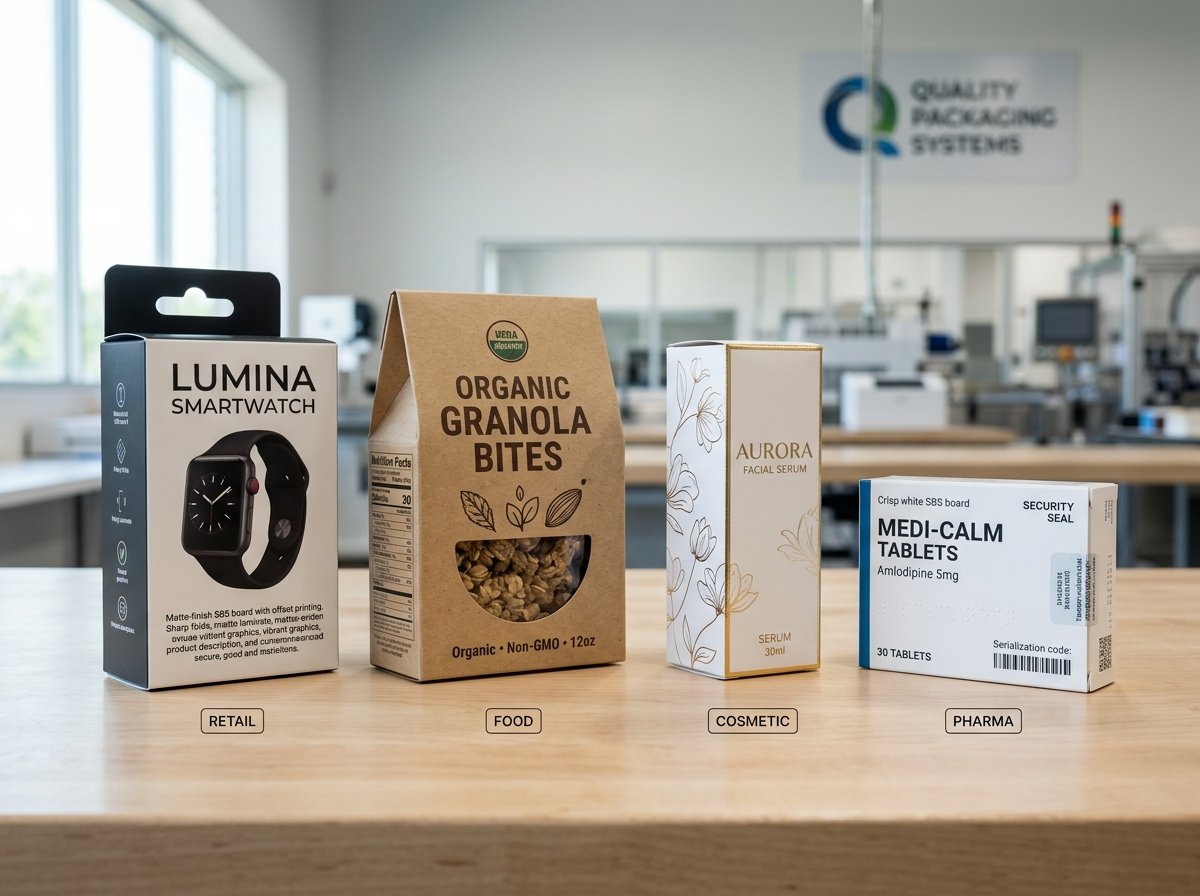
In retail packaging, folding cartons are used for electronics accessories, gifts, household products, toys, and small consumer goods. The main goal is shelf impact, easy handling, and strong product communication. In food packaging, folding cartons are often used for dry foods, bakery products, takeaway packs, frozen foods, and outer packs for sachets or pouches. Here, grease resistance, moisture tolerance, food-safe materials, and efficient structure become important. In cosmetic packaging, the carton often plays a major role in perceived product value. Clean print, sharp folds, premium finishes, and a refined opening experience all matter. In pharma packaging, the carton must support product protection, clear labeling, regulatory content, batch control, and reliable conversion. Accuracy matters more than decoration here. Across all these industries, the same lesson appears again and again: when the carton quality feels too weak, the closure fails, the print is wrong, or the structure does not match the product, customer trust drops fast.
| Industry | Main Folding Carton Use | Key Requirement |
|---|---|---|
| Retail | Product boxes and display-ready packs | Branding, shelf impact, structure efficiency |
| Food | Dry food, bakery, takeaway, frozen outer packs | Food-safe board, barrier needs, practical structure |
| Cosmetic | Beauty, skincare, fragrance, gift-ready boxes | Premium print, clean finish, strong visual quality |
| Pharma | Medicine cartons, supplement packs | Accuracy, clear information, reliable converting |
When Does a Folding Carton Need an Insert, Tray, or Outer Box?
A folding carton does not always fail because the carton itself is poor. Sometimes the problem is that the carton is missing the support it should have had from the start.
Extra support is needed when the product is fragile, premium, multi-part, or expected to arrive in excellent visual condition.
Paperboard inserts, molded pulp trays, blister supports, and partitions can all help hold products in place. These additions are useful for bottles, cosmetics, glass, electronics accessories, and kits with several parts. A sleeve and inner tray can also improve the opening experience while adding some structural control. An outer corrugated carton becomes important when the folding carton moves through courier networks, long-distance shipping, or high stacking pressure. Public complaints often mention crushed manufacturer boxes, bent retail packs, and cartons with corners destroyed before the product is even opened. In many of these cases, the primary carton was not badly printed. It was simply forced to do a shipping job without proper transport support. The better solution is often layered packaging, where the folding carton handles brand presentation and the corrugated carton handles transport risk.
What Are the Main Business Benefits of Well-Made Folding Carton Packaging?
A good folding carton does more than carry a logo. It helps organize the product, improve retail impact, and reduce the risk of packaging mismatch.
Well-made folding carton packaging supports both operational efficiency and stronger product presentation.
A strong folding carton program can improve shelf presence, reduce wasted space, support faster filling, and keep packaging more consistent across product lines. It can help businesses create a cleaner first impression and reduce the common gap between product value and packaging feel. It can also help control packaging cost better by using the right structure instead of adding unnecessary material. Another benefit is flexibility. Folding cartons can support large retail runs, smaller product variations, seasonal designs, and promotional packs without changing the whole packaging system. When the board, structure, print, and finish are aligned well, the carton becomes more than a container. It becomes part of how the product is judged.
Conclusion
Folding carton box packaging remains one of the most effective packaging formats for products that need shelf appeal, clear branding, and efficient production. Its real value comes from matching structure, board, print, and finish to the actual product and market use.
A well-made folding carton should look right, feel right, and perform right. It should not feel flimsy for the product value. It should not rely on decoration to hide weak material. It should not be used as a shipping box when it was designed for retail only. The best folding carton packaging always comes from practical planning: the right style, the right board, the right print method, the right finish, and the right support level for the job. When these parts work together, folding cartons help products look better, move more safely, and sell with stronger confidence.