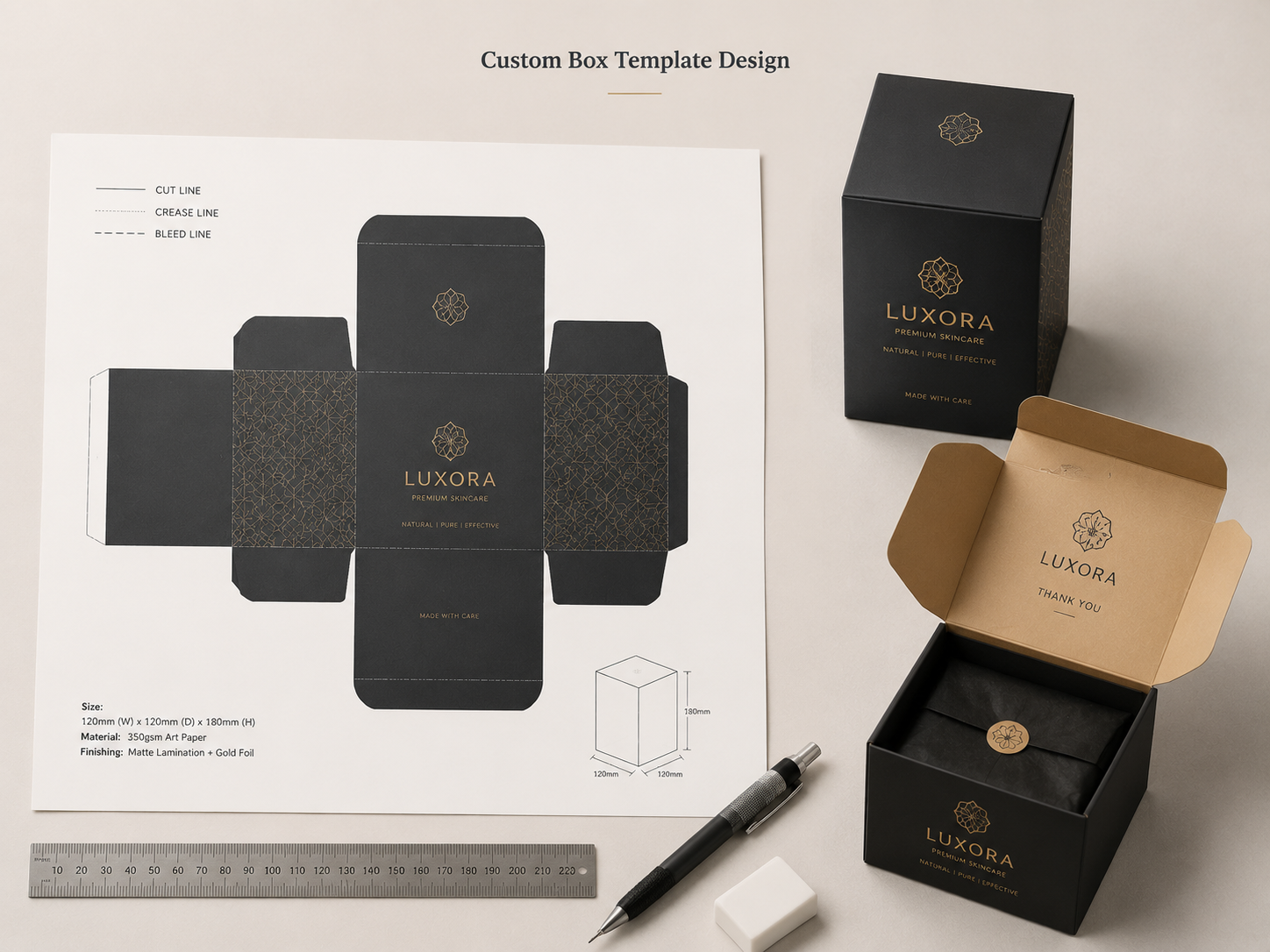
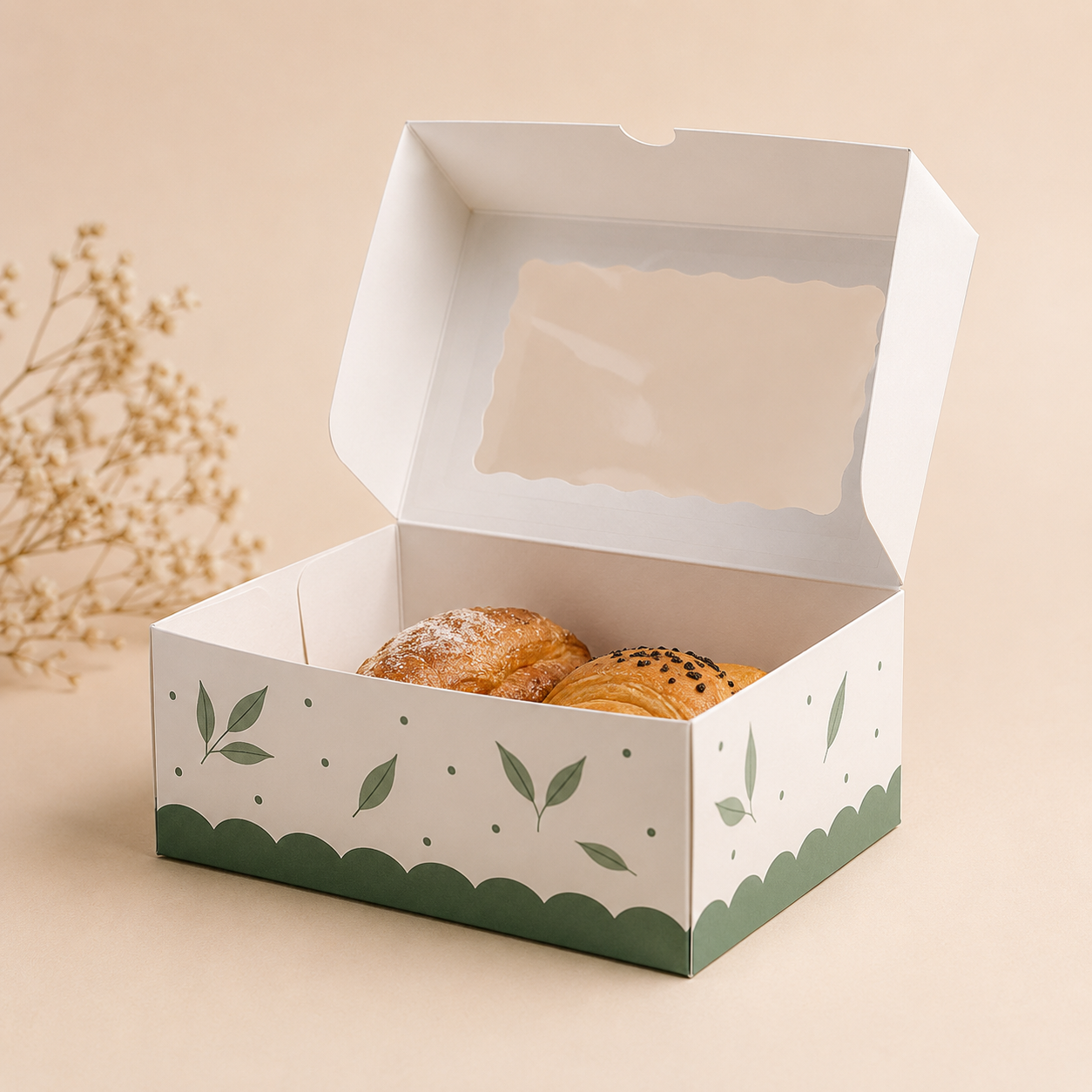
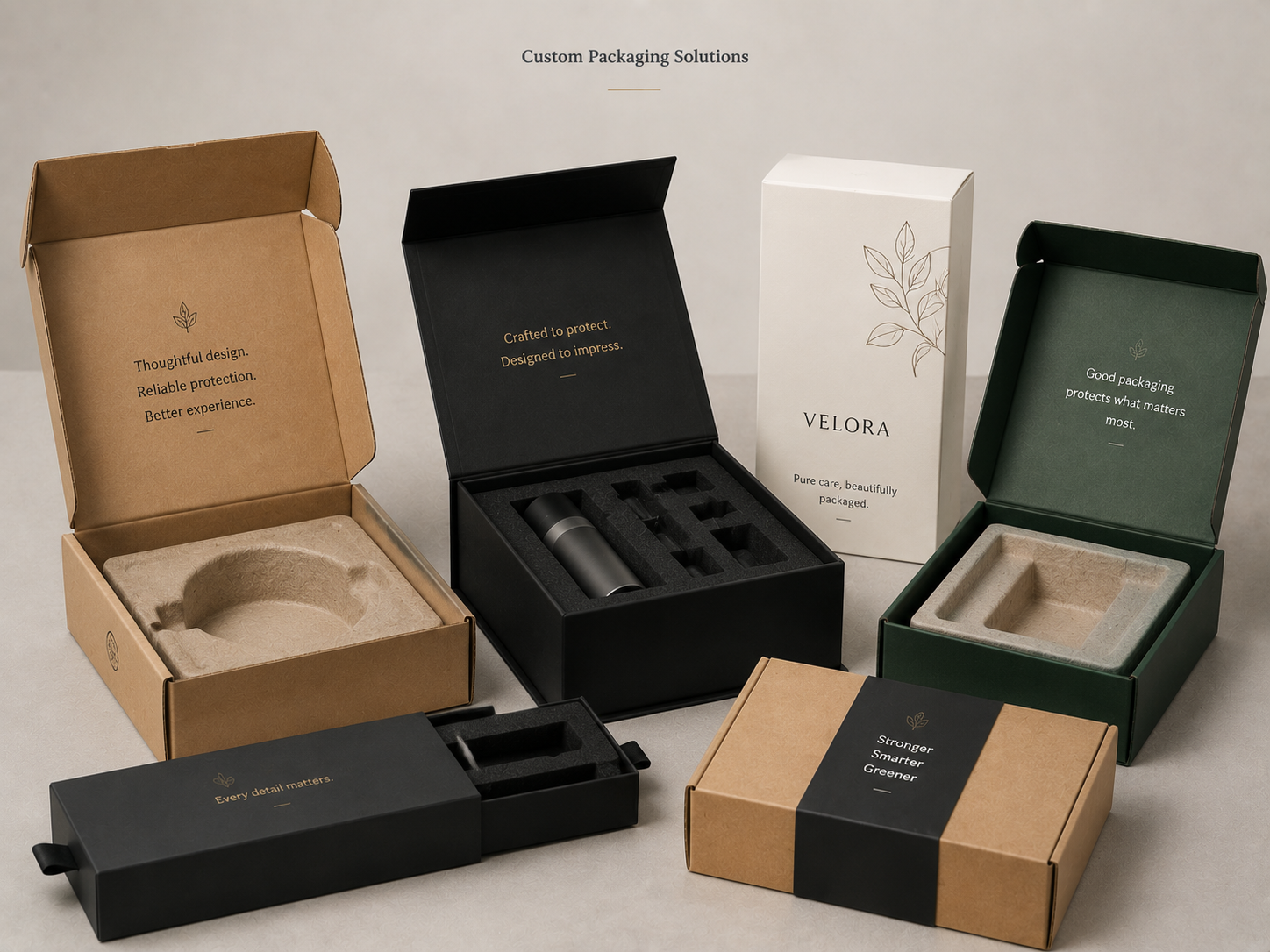
Many products fail to stand out not because of quality, but because the packaging sends the wrong message. Poor structure, wrong materials, or weak manufacturing decisions can reduce perceived value.
Effective packaging design starts with product needs, brand positioning, and manufacturing reality. Structure, material, and process must work together from the beginning.
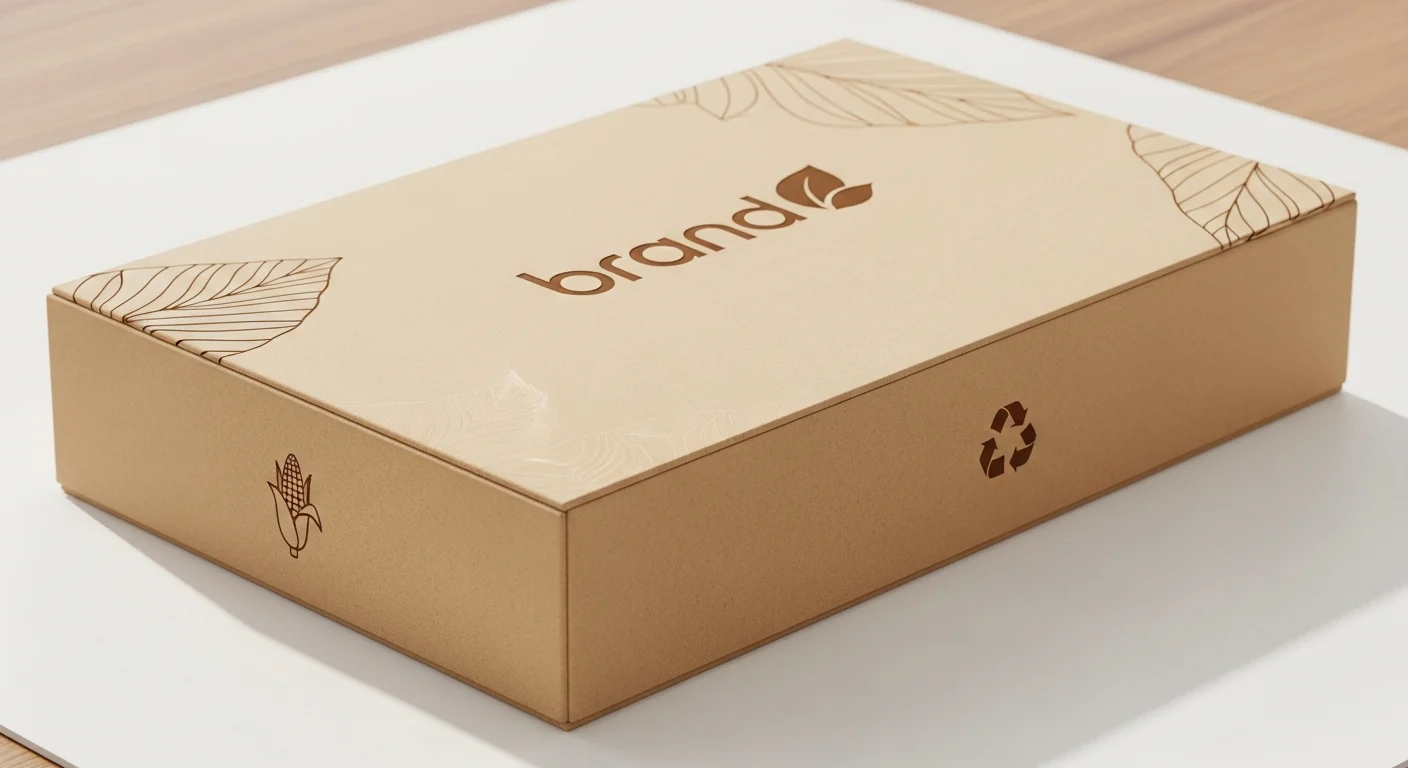
In real manufacturing projects, packaging design is not only about appearance. It is a controlled process that balances protection, cost, production stability, and long-term brand use. A good design always considers how the box will be made on the factory floor.
What Is the First Step in Packaging Design?
Packaging design always starts with understanding the product and its usage environment.
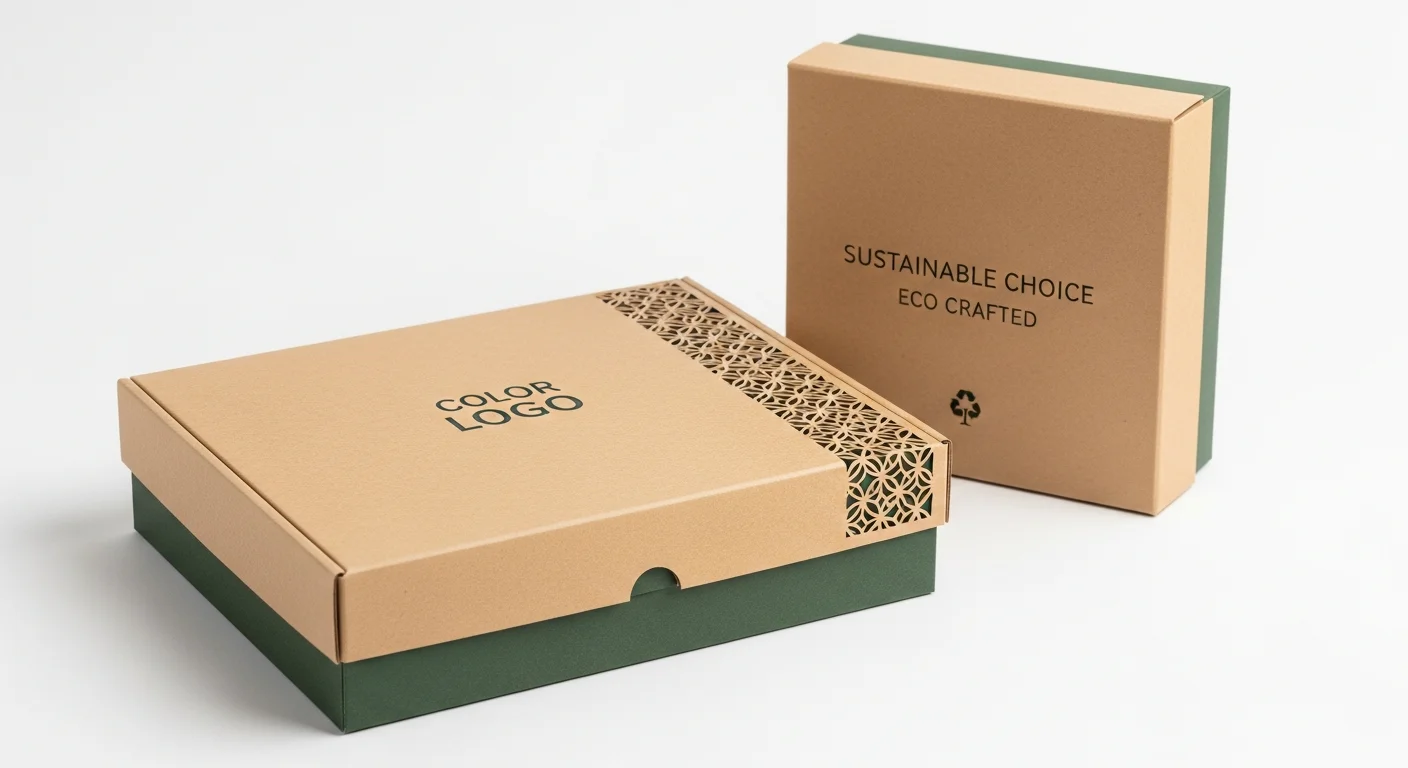
Before any visual design begins, factories evaluate basic technical data:
- Product size and weight
- Fragility and surface sensitivity
- Storage and transport conditions
- Sales channel and display method
These factors determine the basic structure. A lightweight product may only need a folding carton. A fragile or premium product often requires a rigid box with inner support.
In factory workshops, structure mistakes are the most common cause of redesign. A box that looks good on screen may fail drop tests or collapse during stacking. Structural design must match real-world forces.
Early-stage packaging design often includes sample cutting and manual mockups. These samples test opening experience, protection level, and material behavior. This step reduces later tooling changes and production delays.
A correct first step saves cost and avoids repeated revisions during mass production.
How Does Material Selection Affect Packaging Design?
Material choice defines both performance and perception.
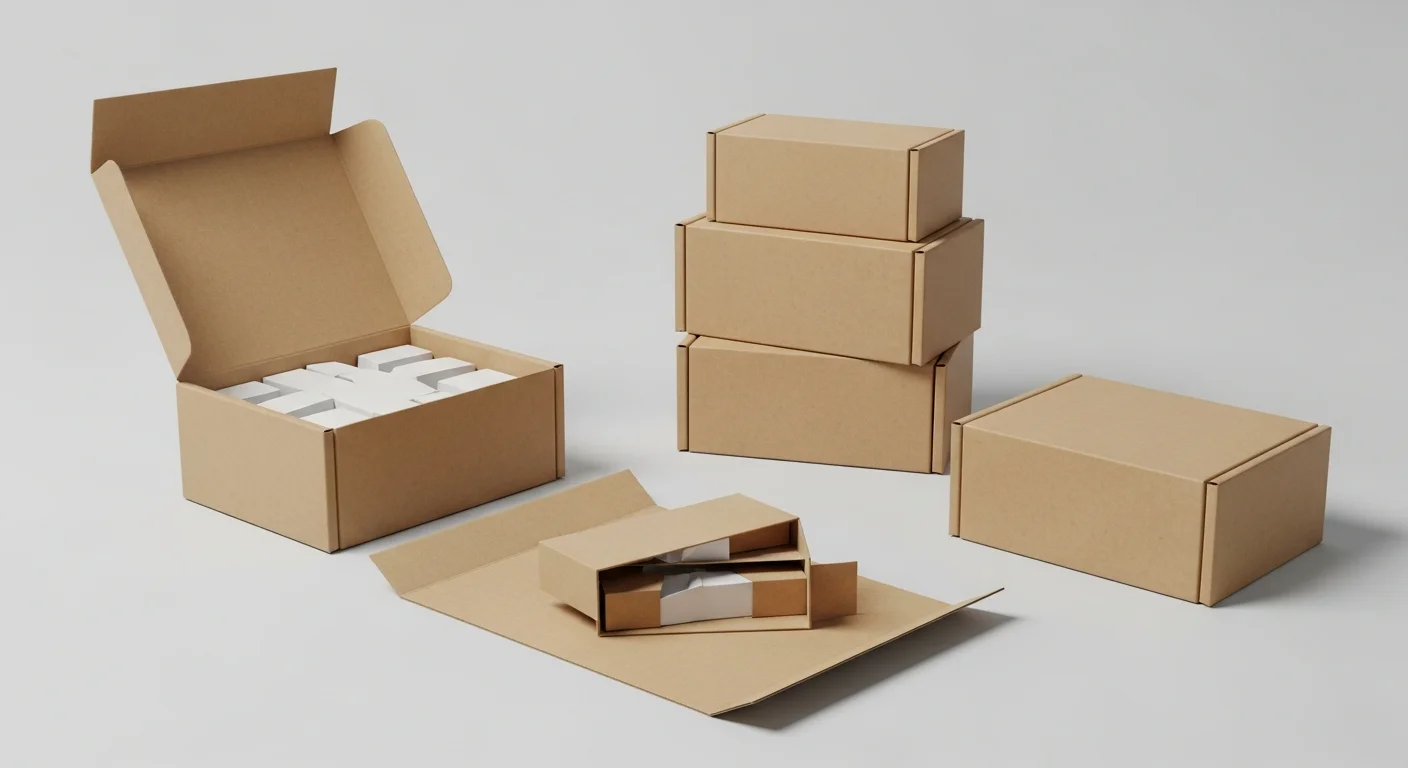
Common packaging materials include:
- Coated paperboard
- Kraft paperboard
- Grey board
- Corrugated board
Each material behaves differently in production. Coated paperboard supports high-quality printing but offers limited strength. Grey board provides rigidity but requires surface wrapping. Corrugated board offers protection but limits surface finishing.
In manufacturing, material thickness and density are tested against box size and product weight. Thicker material does not always mean stronger packaging. Fiber structure and lamination method matter more.
Material choice also affects finishing options. Some boards accept foil stamping and UV coating easily. Others absorb ink and soften color contrast.
Factories often propose multiple material grades. This allows packaging design to balance cost, sustainability, and performance without changing structure.
Material decisions made early reduce production risk and ensure consistency between samples and mass orders.
How Should Structure and User Experience Be Designed Together?
Packaging structure shapes how a product is experienced.
Opening method, internal layout, and product placement all affect brand perception. In rigid box production, internal trays are designed to hold products securely while presenting them cleanly.
From factory experience, common structural elements include:
- Magnetic closures
- Lift ribbons
- Paper or molded pulp inserts
- Folding partitions
Each element adds labor and process steps. Complex structures increase assembly time and quality inspection requirements. Simple structures improve consistency and reduce defect rates.
Structural design must also consider automation. Some boxes require manual assembly. Others can run on semi-automatic lines. This affects lead time and unit cost.
Well-designed packaging feels intuitive to open and easy to reuse. Poorly designed packaging creates friction and damage risk. Structure and experience must be tested together, not separately.
How Do Printing and Finishing Fit Into the Design Stage?
Visual design must respect manufacturing limits.
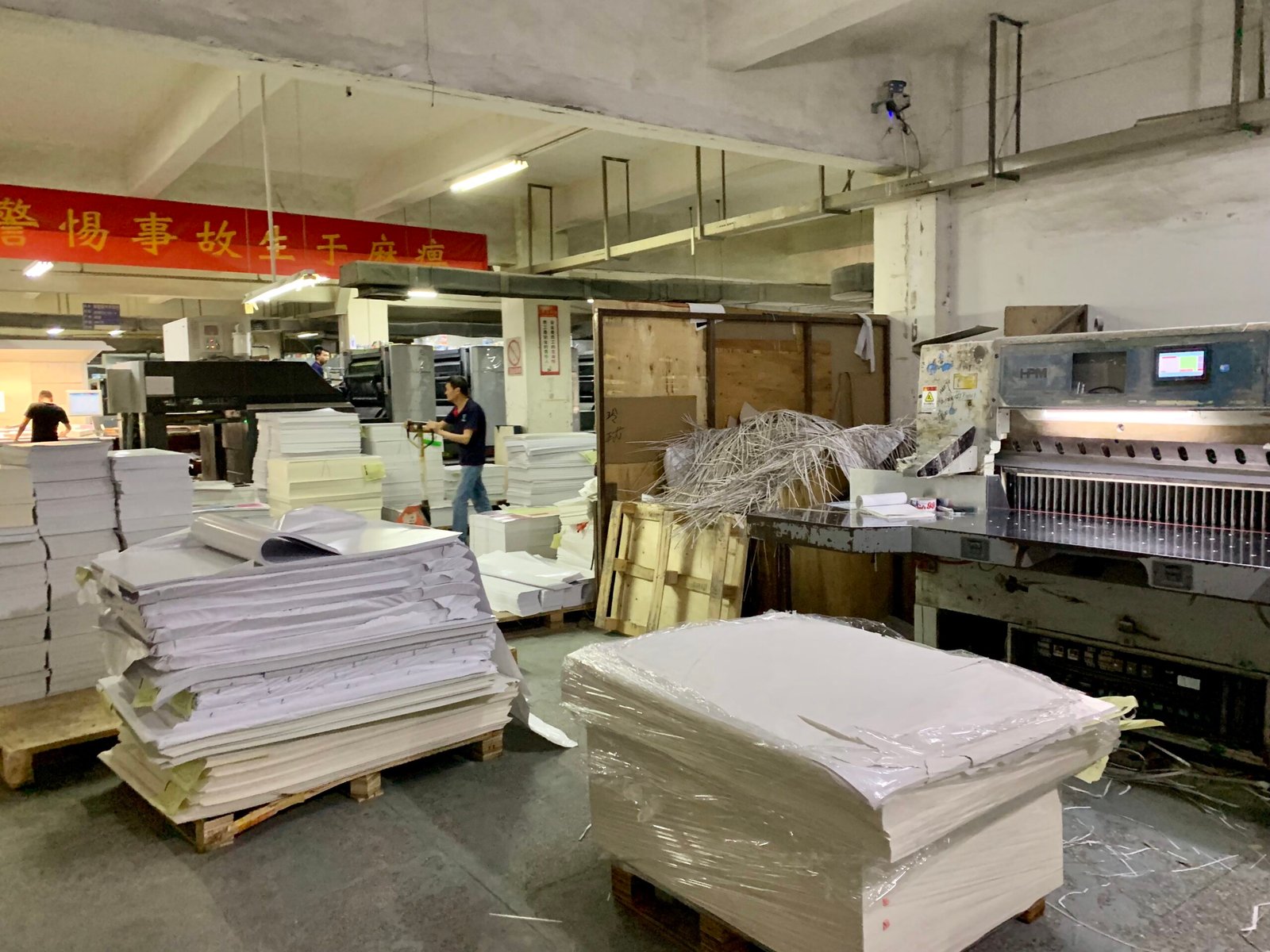
Printing methods depend on material and volume. Offset printing offers detail and color accuracy. Flexographic printing suits kraft and corrugated materials. Each method has tolerance limits.
Finishing processes add visual value but also complexity:
- Foil stamping
- Spot UV
- Embossing
- Lamination
In factory production, each finish adds setup time and inspection points. Overuse of finishes increases defect risk and cost instability.
Color design must consider material base color. Kraft paper darkens inks. Grey board requires wrapped paper. Coated board reflects light differently depending on lamination type.
Experienced packaging design accounts for these effects at the artwork stage. This prevents unexpected color shifts between samples and bulk production.
Printing and finishing decisions should always align with factory capability, not only design preference.
How Does Factory Production Influence Design Decisions?
Manufacturing reality shapes good packaging design.
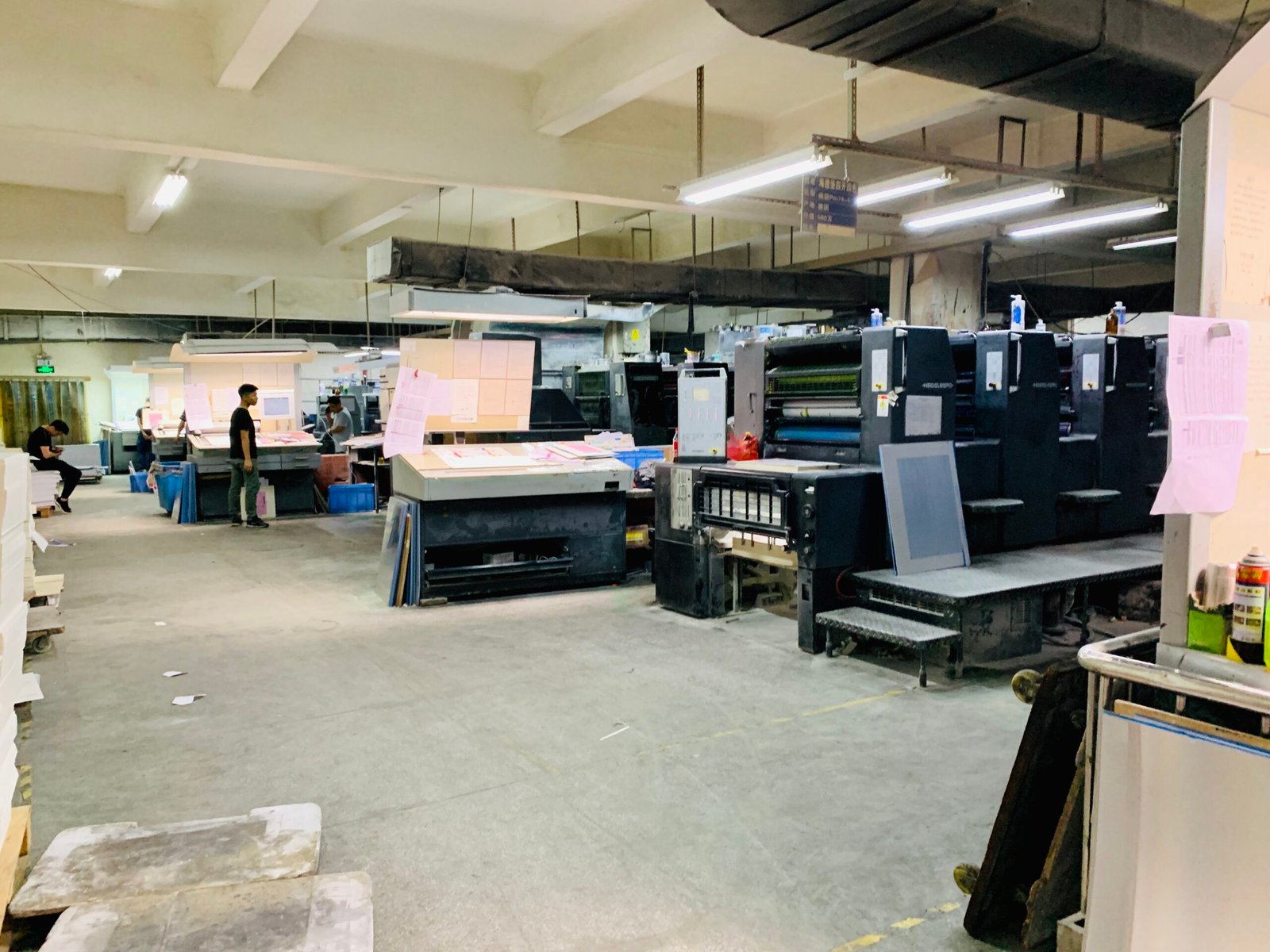
Factories divide production into clear zones:
- Printing
- Die-cutting
- Assembly
- Quality inspection
Each zone has limits. Sharp corners, tight folds, or extreme tolerances increase rejection rates. Design that ignores these limits creates unstable production.
During design review, factories evaluate:
- Die-line complexity
- Glue areas
- Folding direction
- Manual labor requirements
Designs that align with production flow run faster and more consistently. Designs that fight production reality cause delays and cost increases.
Factory feedback during design stage improves long-term reliability. This collaboration reduces rework and improves delivery performance.
Packaging that works well in the factory performs better in the market.
How Can Packaging Design Support Long-Term Brand and Supply Stability?
Packaging design is not a one-time decision.
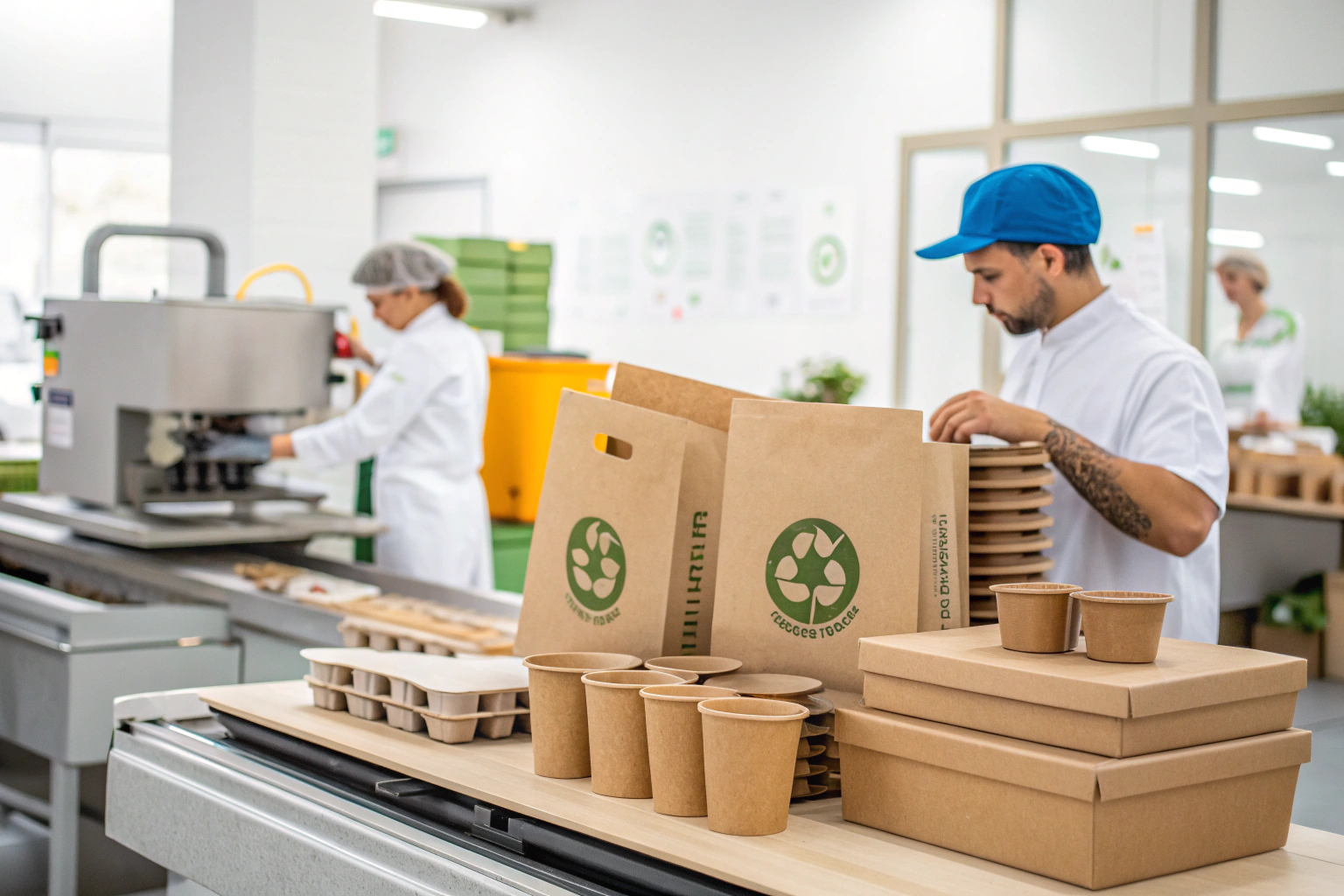
Stable brands use packaging that can be reproduced consistently over time. This requires standardized materials, controlled finishes, and repeatable processes.
Designs that depend on rare materials or extreme tolerances are hard to maintain. Changes in raw material supply can disrupt consistency.
Factories favor designs that allow:
- Material substitutions within specification
- Color control across batches
- Scalable production volume
Sustainability also plays a role. Designs that reduce material waste and simplify recycling support long-term compliance and brand image.
Well-designed packaging supports product launches, reduces supply risk, and improves operational efficiency across years, not just one order.
Conclusion
Packaging design succeeds when structure, material, printing, and manufacturing work as one system. Thoughtful design reduces risk, improves consistency, and builds long-term brand value through reliable factory production and controlled execution across every order.