Packaging design often fails not because of creativity, but because the process is incomplete. When structure, materials, and factory capability are not considered together, packaging may look correct but perform poorly in production or real use.
Packaging design is a structured process that integrates product requirements, structural engineering, material selection, visual design, and factory validation to ensure reliable mass production. It is both a technical and manufacturing-driven workflow.
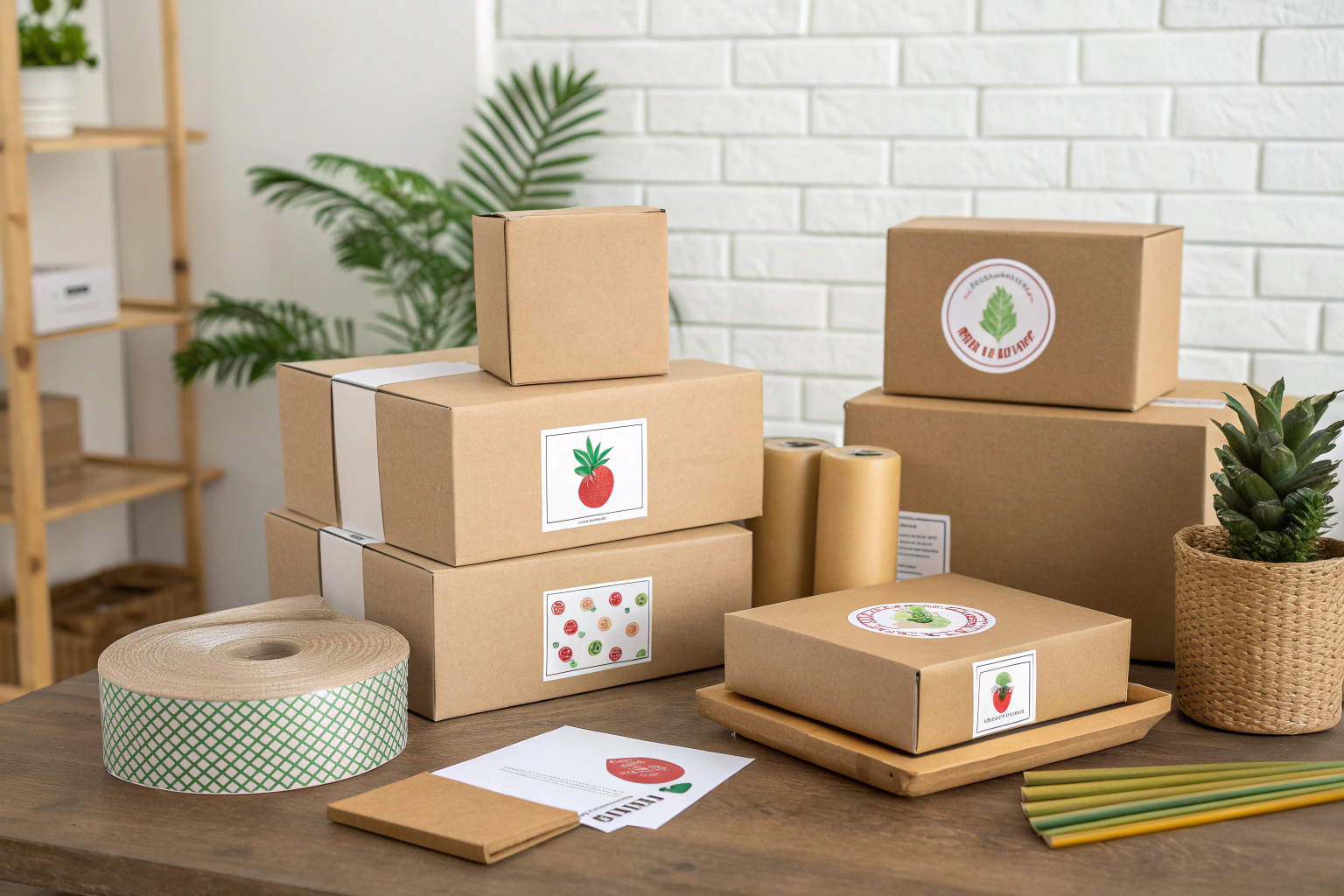
From a manufacturing perspective, packaging design must move step by step from concept to production readiness. Each stage builds on the previous one to reduce risk, control cost, and ensure consistency.
Start With Product Requirements and Use Scenarios
Every packaging design begins with understanding the product, not the box.
Product size, weight, fragility, and usage conditions define the foundation of packaging design.

Key factors include product dimensions, weight distribution, surface sensitivity, and whether the product is fragile, liquid, or electronic. Storage time, transport method, stacking pressure, and climate exposure must also be defined early.
In manufacturing practice, unclear product requirements lead to overpackaging or under-protection. Accurate input allows engineers to design structures that protect the product without wasting material. This step also prevents late design changes that increase tooling and sampling cost.
Develop the Packaging Structure First
Structure is the backbone of packaging design.
Structural packaging design defines shape, folding logic, strength, and assembly method.
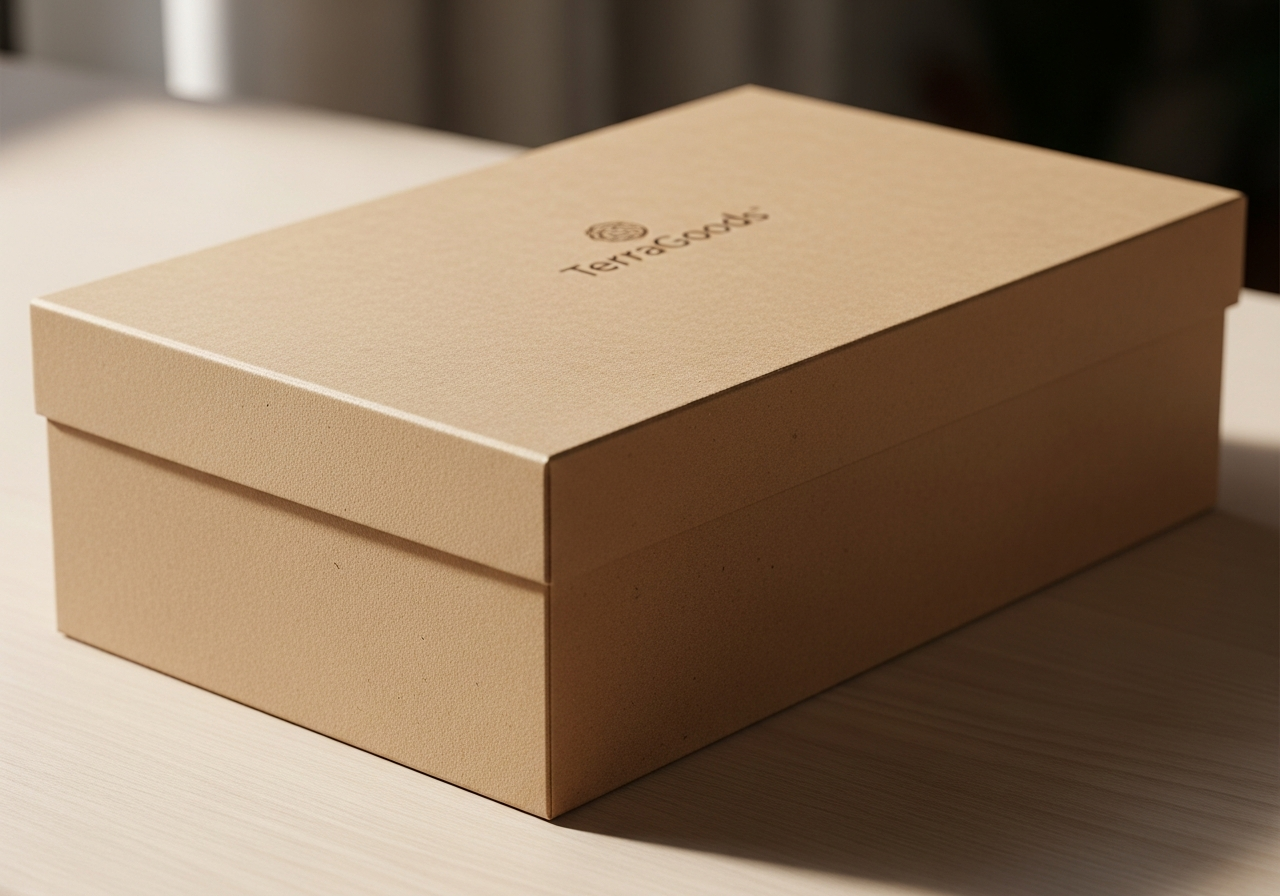
This stage includes selecting the box type, internal supports, locking methods, and tolerances. Structural design determines whether packaging can stand upright, stack safely, and protect the product during transport.
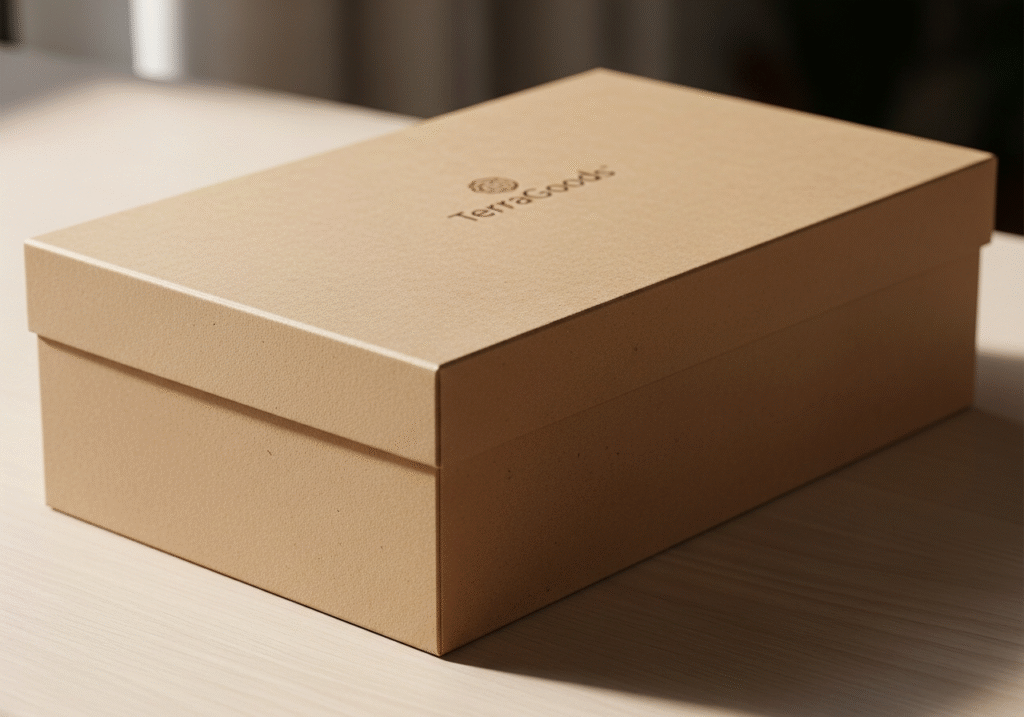
In factory workshops, structural designs are tested through white samples. These samples are assembled manually to check fit, squareness, and ease of assembly. Adjustments are made to die-lines and fold positions before any printing or finishing is considered. This reduces downstream risk significantly.
Select Materials Based on Structure and Performance
Material selection must support the chosen structure.
Packaging materials are selected based on strength requirements, production behavior, and sustainability goals.
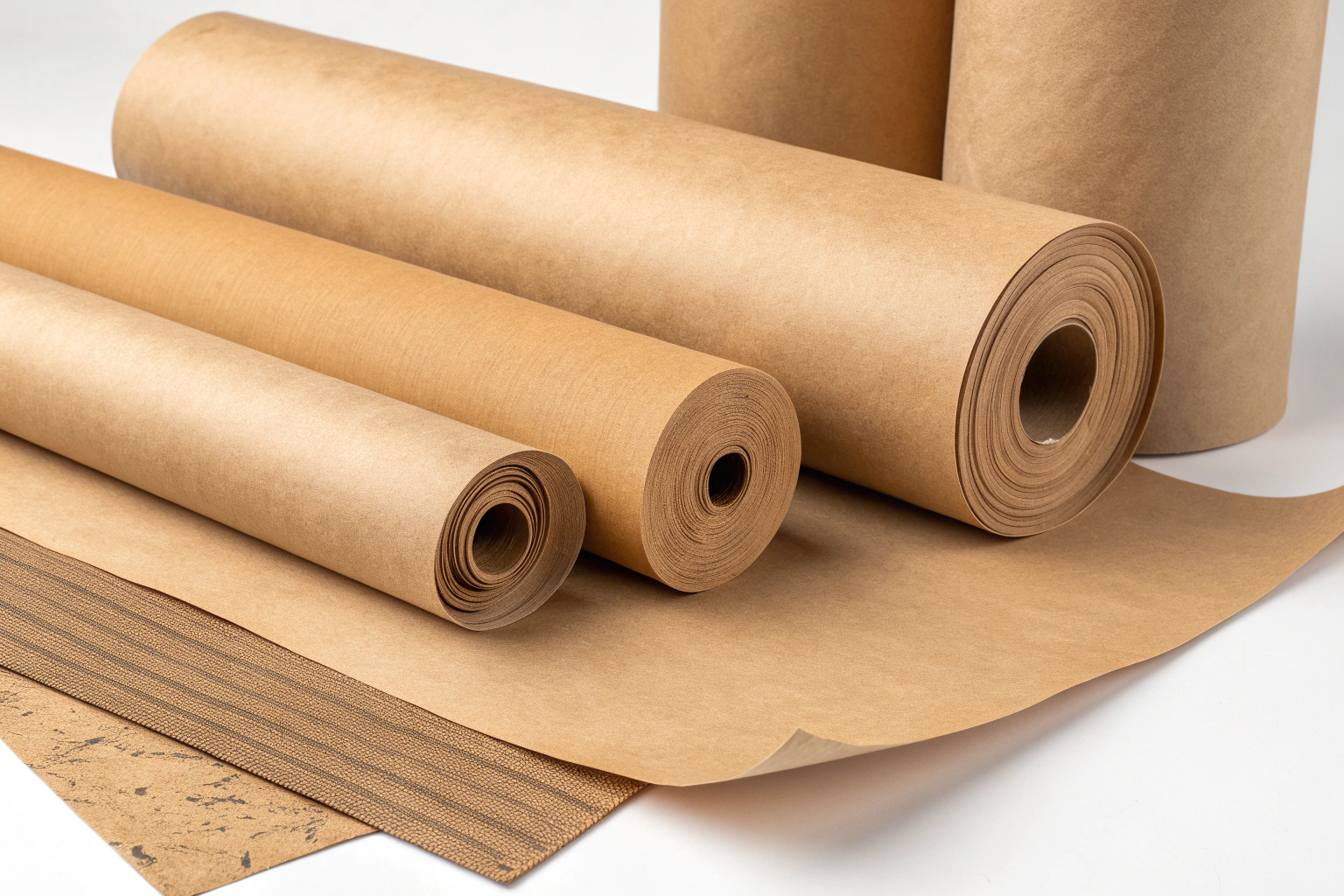
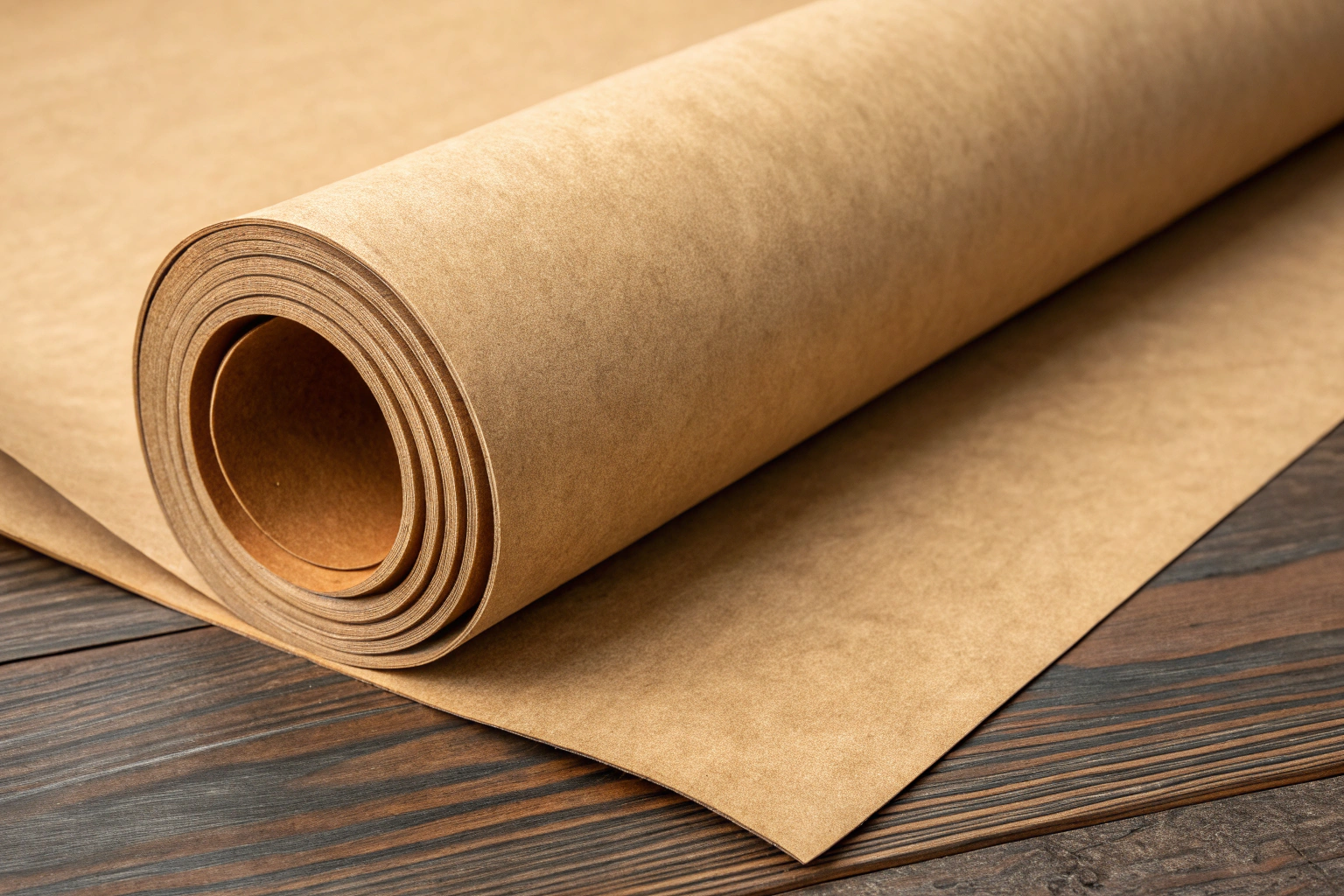
Paperboard, corrugated board, kraft paper, and molded pulp each behave differently during cutting, folding, and bonding. Material thickness, fiber direction, and stiffness affect strength and appearance.
In the factory, materials are tested for cutting accuracy, folding memory, and glue adhesion. Incorrect material choice leads to cracking, deformation, or unstable assembly. Selecting materials after structure design ensures performance targets are met without unnecessary cost.
Apply Graphic and Visual Design After Structure Is Fixed
Visual design comes after structural stability is confirmed.
Graphic packaging design communicates brand and information within structural and material limits.
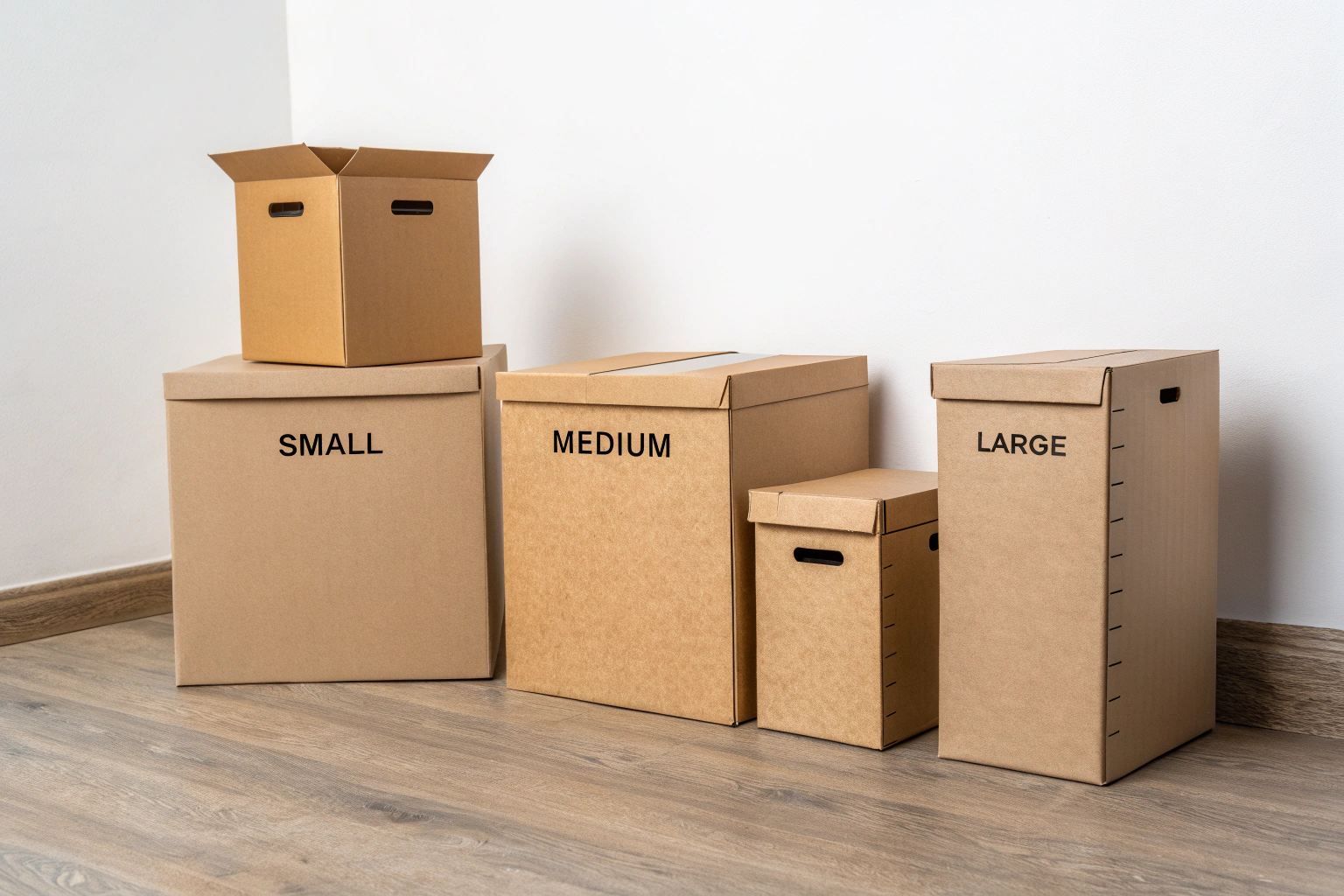
This stage includes layout, color selection, typography, and surface finishes. Printing methods and finishing processes are chosen based on material compatibility and production capability.
In manufacturing, color proofs and printed samples are reviewed to ensure consistency. Press calibration and color management systems are used to match approved samples. Visual design that ignores production limits often causes color deviation and rework during mass production.
Prototype, Sample, and Test the Packaging
Design must be validated through real samples.
Prototyping and testing confirm that packaging design performs as expected in real conditions.
White samples verify structure and fit. Printed samples confirm appearance and finishing. Testing includes drop tests, compression tests, stacking tests, and assembly checks.
In the workshop, these tests reveal weaknesses that drawings cannot show. Adjustments made at this stage are far less costly than corrections during mass production. This step ensures that packaging design is practical, not theoretical.
Validate the Design for Mass Production in the Factory
Production readiness is a critical design stage.
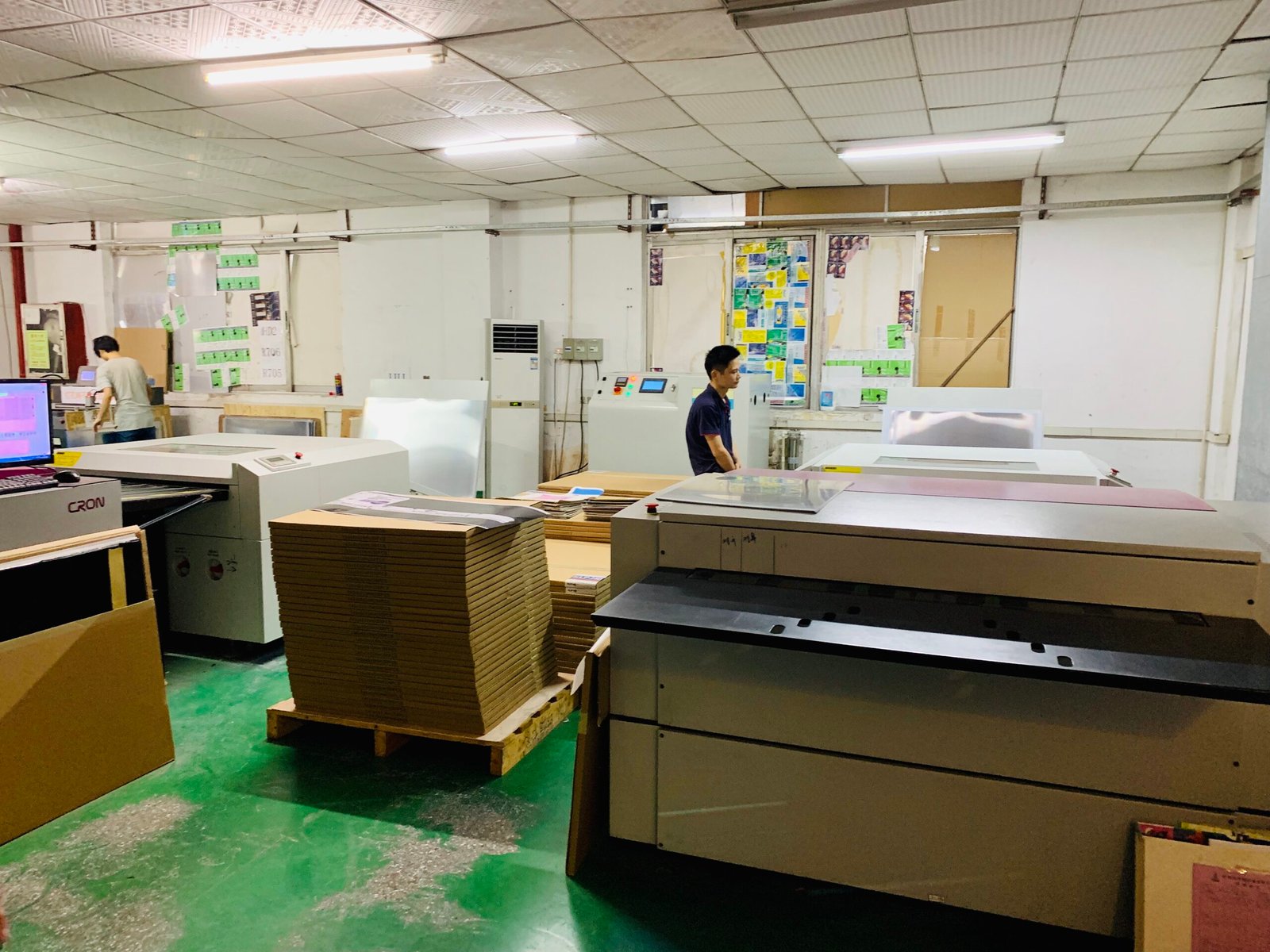
Packaging design is complete only after it is validated for stable mass production.
This stage evaluates machine compatibility, assembly speed, tolerance control, and quality inspection points. Tooling is fine-tuned, glue areas are optimized, and assembly steps are simplified.
In factory workshops, pilot runs confirm that approved designs can be repeated consistently at scale. This prevents delays, quality variation, and unexpected cost increases once volume production begins.
Integrate Sustainability Into the Design Process
Sustainability must be designed in, not added later.
Sustainable packaging design reduces material use, improves recyclability, and lowers production waste.
Optimized structures reduce paper usage without sacrificing strength. Single-material designs improve recycling outcomes. Controlled production reduces scrap and rework.
From a manufacturing perspective, sustainable packaging must still meet performance and production requirements. Packaging that fails during use creates more waste than it saves. Balancing sustainability with reliability is essential.
Conclusion
Packaging design is a systematic process that connects product requirements, structural engineering, material selection, visual design, and factory execution. Each step builds toward a packaging solution that protects the product, supports efficient production, and remains consistent during mass manufacturing.
From a manufacturing standpoint, successful packaging design is not judged by appearance alone, but by how reliably it performs across production, transport, and use. When structure, materials, processes, and sustainability are considered together from the beginning, packaging design becomes predictable, scalable, and cost-effective rather than reactive.