Packaging strength failures cause product damage, returns, and logistics loss. Many boxes look solid but collapse under load. This usually happens when corrugated strength is not clearly understood at the design stage.
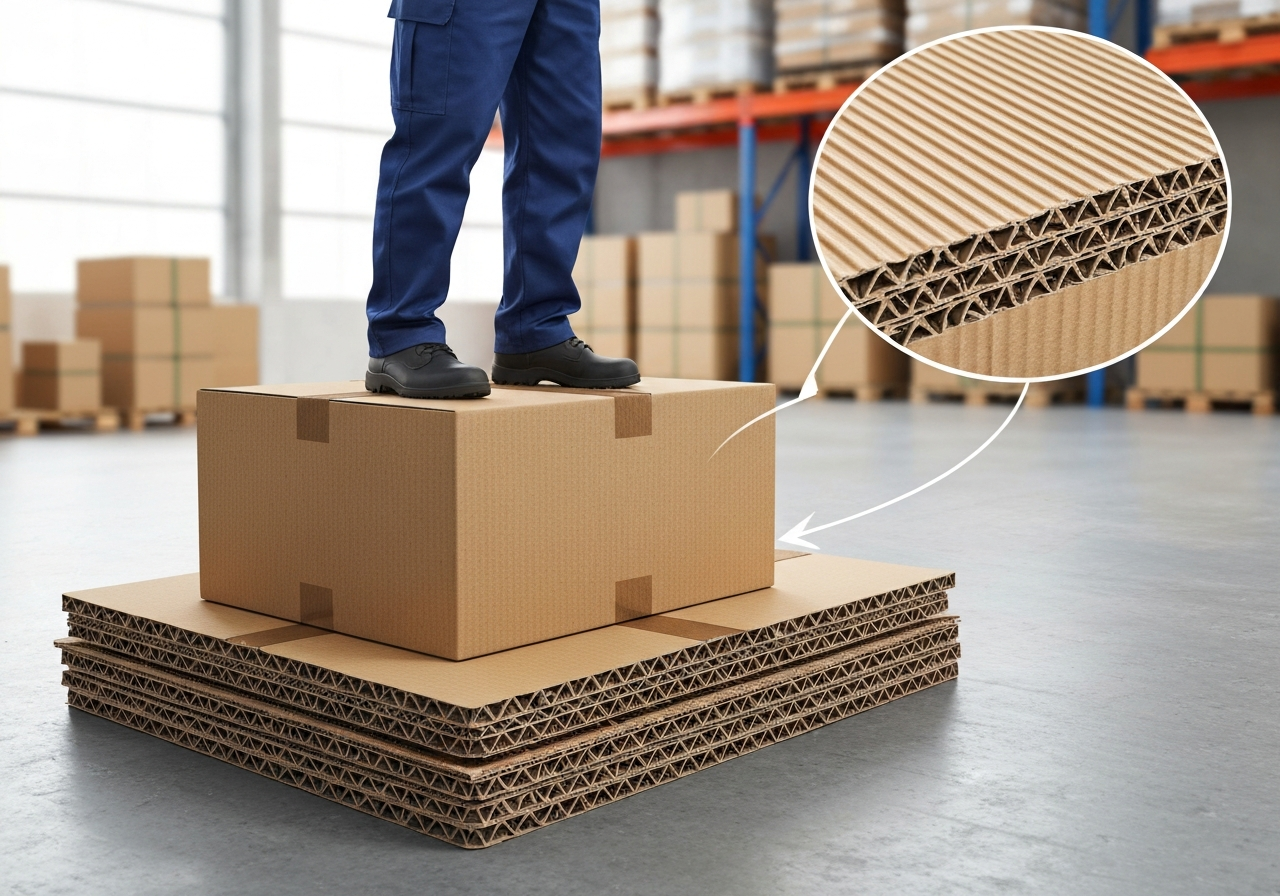
Corrugated boxes are strong because their fluted structure provides high compression, stacking, and impact resistance relative to weight. Strength depends on material grade, flute type, and manufacturing control.
Corrugated boxes are engineered structures, not simple paper containers. Their strength comes from design, raw materials, and factory process discipline working together.
What Gives Corrugated Boxes Their Strength?
The strength of corrugated boxes comes from structure rather than thickness alone. The internal flute acts like a series of columns.
The fluted medium bonded between liner papers creates vertical load resistance and shock absorption.
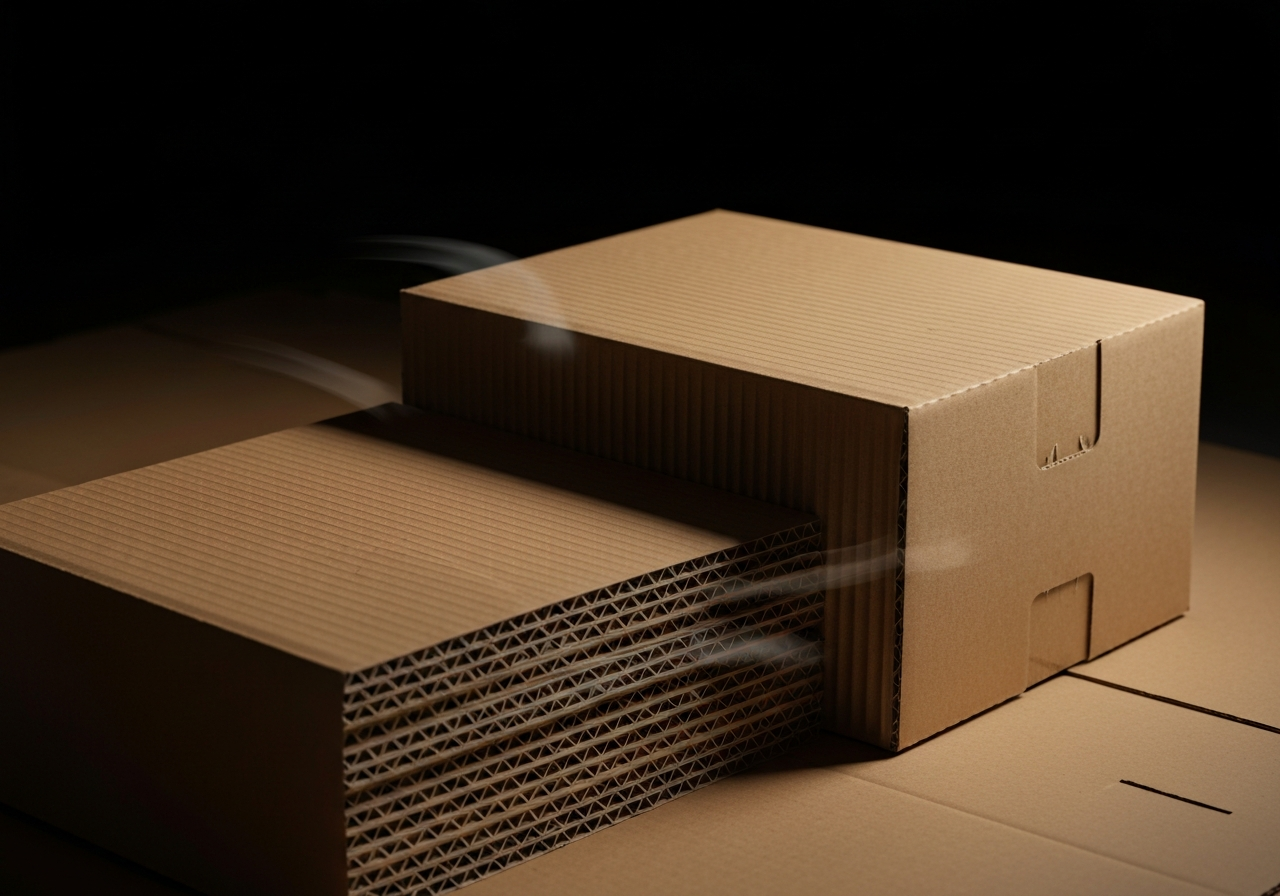
In manufacturing, paper is shaped into waves and glued to flat liners. This structure distributes force across the surface. When pressure is applied from above, the flutes resist collapse. When impact occurs, the flutes absorb energy.
Different flute profiles offer different strength behavior. Taller flutes provide better cushioning. Smaller flutes provide better rigidity and print surface. Factory engineers select flute types based on product weight and transport risk.
How Is Corrugated Box Strength Measured?
Strength is not judged by feel. It is defined by standard tests.
Corrugated box strength is measured by edge crush, burst strength, and box compression tests.
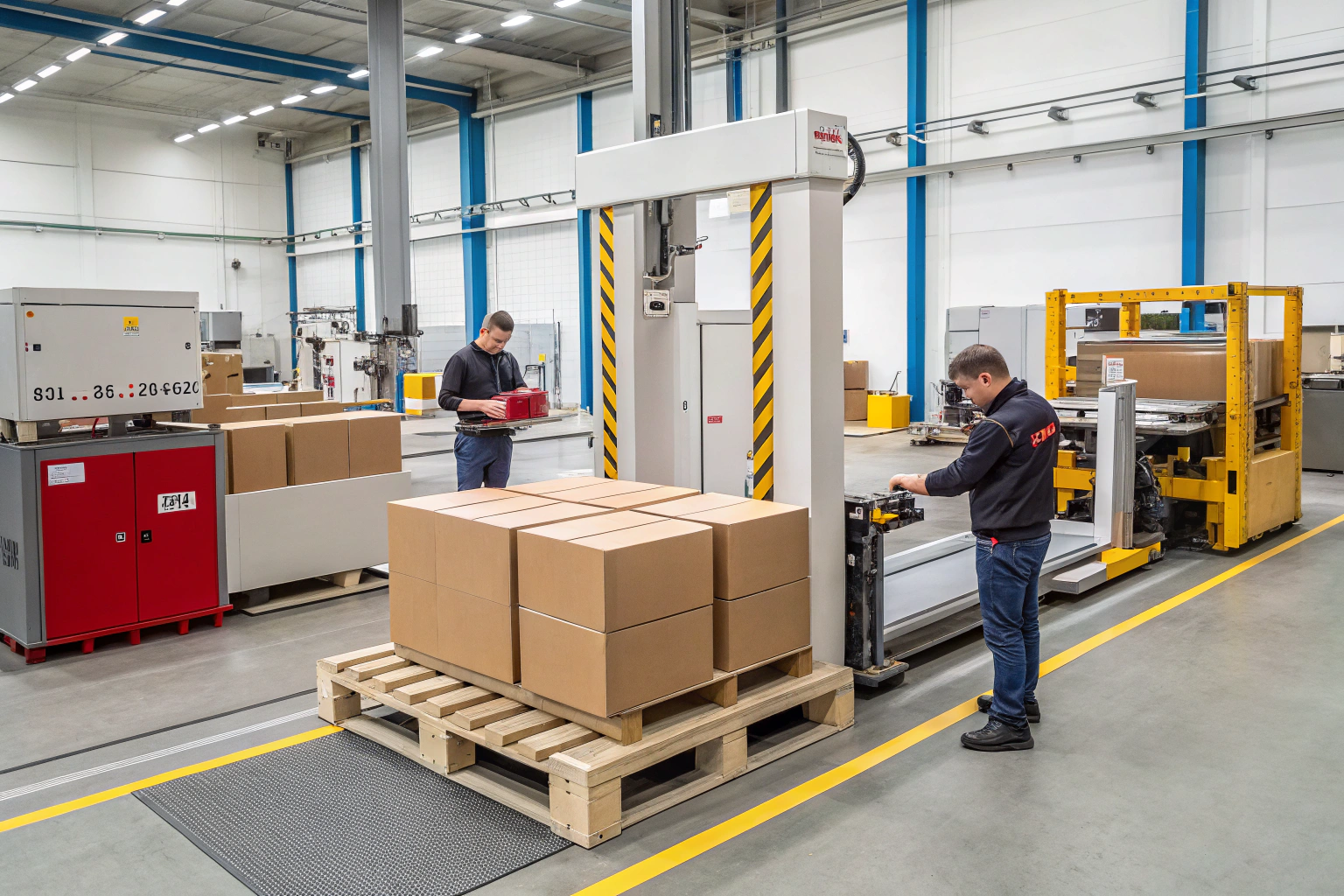
Edge Crush Test (ECT) measures how much force the board edge can withstand. Burst strength measures resistance to puncture. Box Compression Test (BCT) measures how much top load a finished box can handle.
In factory labs, these tests guide material selection. Higher ECT means better stacking strength. BCT values predict pallet load performance. These numbers allow boxes to be designed for specific logistics conditions rather than guesswork.
How Do Paper Grades Affect Box Strength?
Paper quality directly controls box performance.
Stronger linerboard and medium increase compression and durability without increasing box weight.
Virgin kraft liners provide higher tensile strength and better moisture resistance. Recycled liners reduce cost but lower strength. Medium paper quality affects flute recovery after pressure.
Manufacturing control includes paper moisture testing, fiber composition checks, and supplier consistency. Even strong designs fail when paper quality fluctuates. Stable paper input creates predictable box strength output.
How Does Flute Type Change Box Strength?
Flute selection shapes how boxes perform under load and impact.
Larger flutes increase cushioning, while smaller flutes improve stacking strength and rigidity.
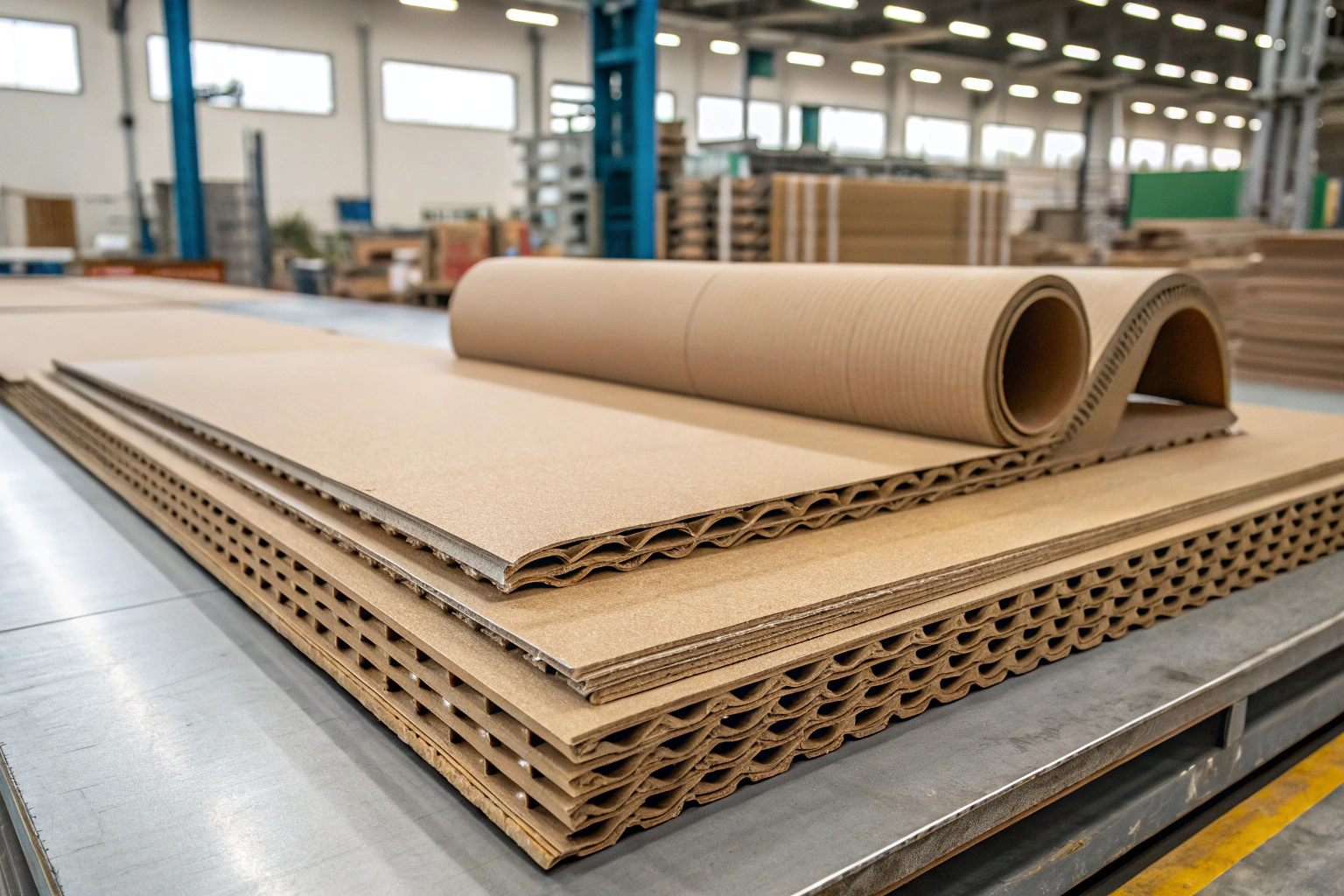
A flute and C flute offer better shock absorption. B flute and E flute provide flatter surfaces and higher resistance to bending. Double wall combines two flute layers for heavy-duty use.
In factory design departments, flute choice is matched to product weight, drop height, and stacking time. Overdesign increases cost. Underdesign increases failure risk. Correct flute selection balances strength and efficiency.
How Does Manufacturing Process Affect Final Strength?
Strong materials alone do not guarantee strong boxes.
Box strength depends on adhesive bonding, heat control, pressure settings, and moisture balance during production.
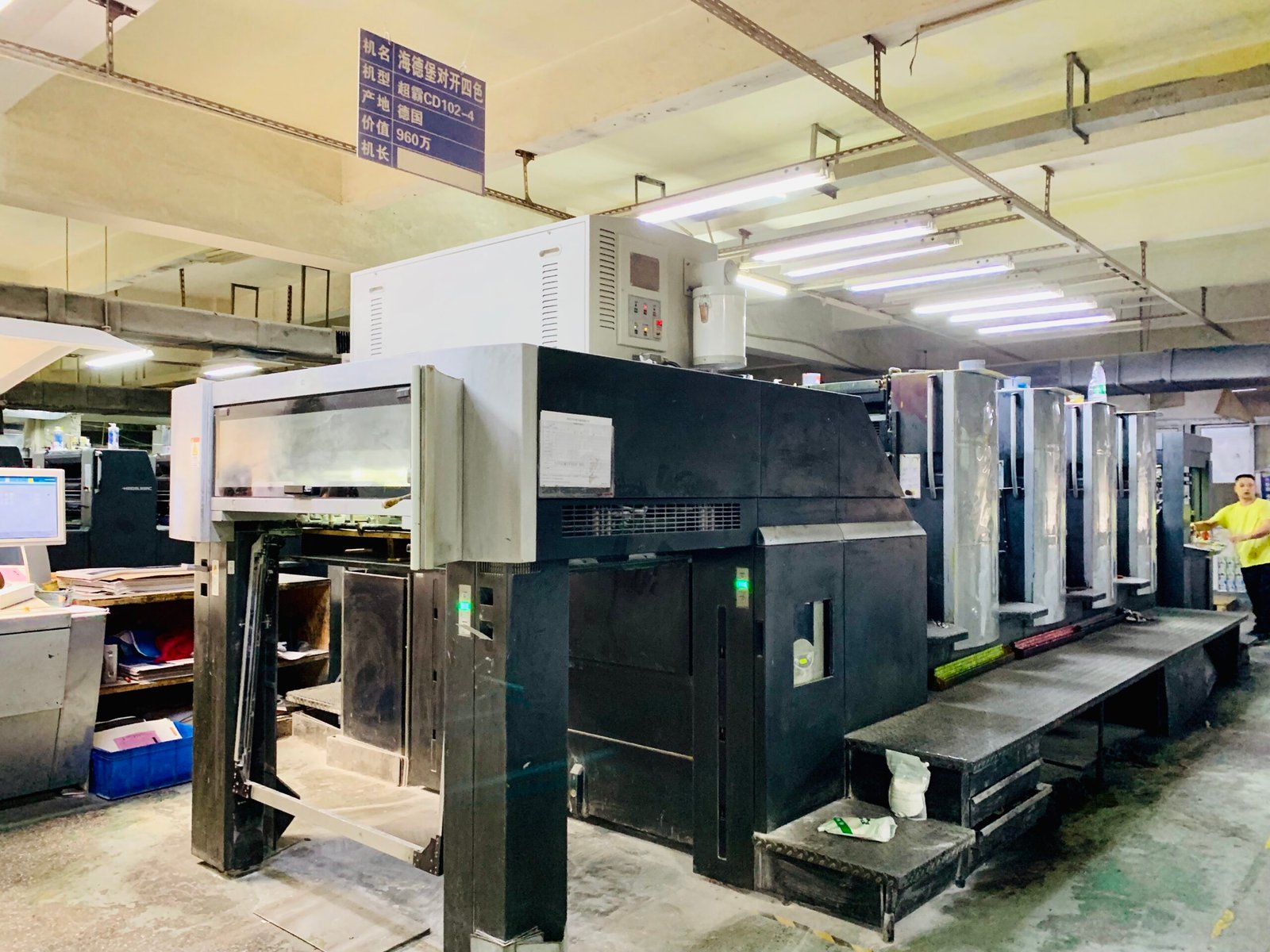
On the corrugator, improper glue application weakens bonding. Excess heat dries paper unevenly. Insufficient pressure causes delamination. These issues reduce compression strength even with high-grade paper.
Workshop control includes real-time monitoring of temperature, speed, and adhesive viscosity. Finished boards are rested before converting to release internal stress. Process discipline protects designed strength values.
How Do Box Design and Converting Impact Strength?
Design choices influence how strength is applied.
Box style, slot depth, score quality, and die cutting accuracy affect load distribution.
Regular slotted containers distribute load evenly. Poor scoring weakens panels. Deep hand holes reduce compression strength. Printing pressure can crush flutes if not controlled.
In converting workshops, operators adjust die cutting pressure and folding accuracy. Boxes are tested after forming, not just as flat sheets. Design and converting quality decide whether theoretical strength becomes real performance.
How Strong Are Corrugated Boxes in Real Use?
In real logistics conditions, corrugated boxes perform beyond appearance.
Well-designed corrugated boxes support stacking loads, resist transport vibration, and protect products through long shipping cycles.
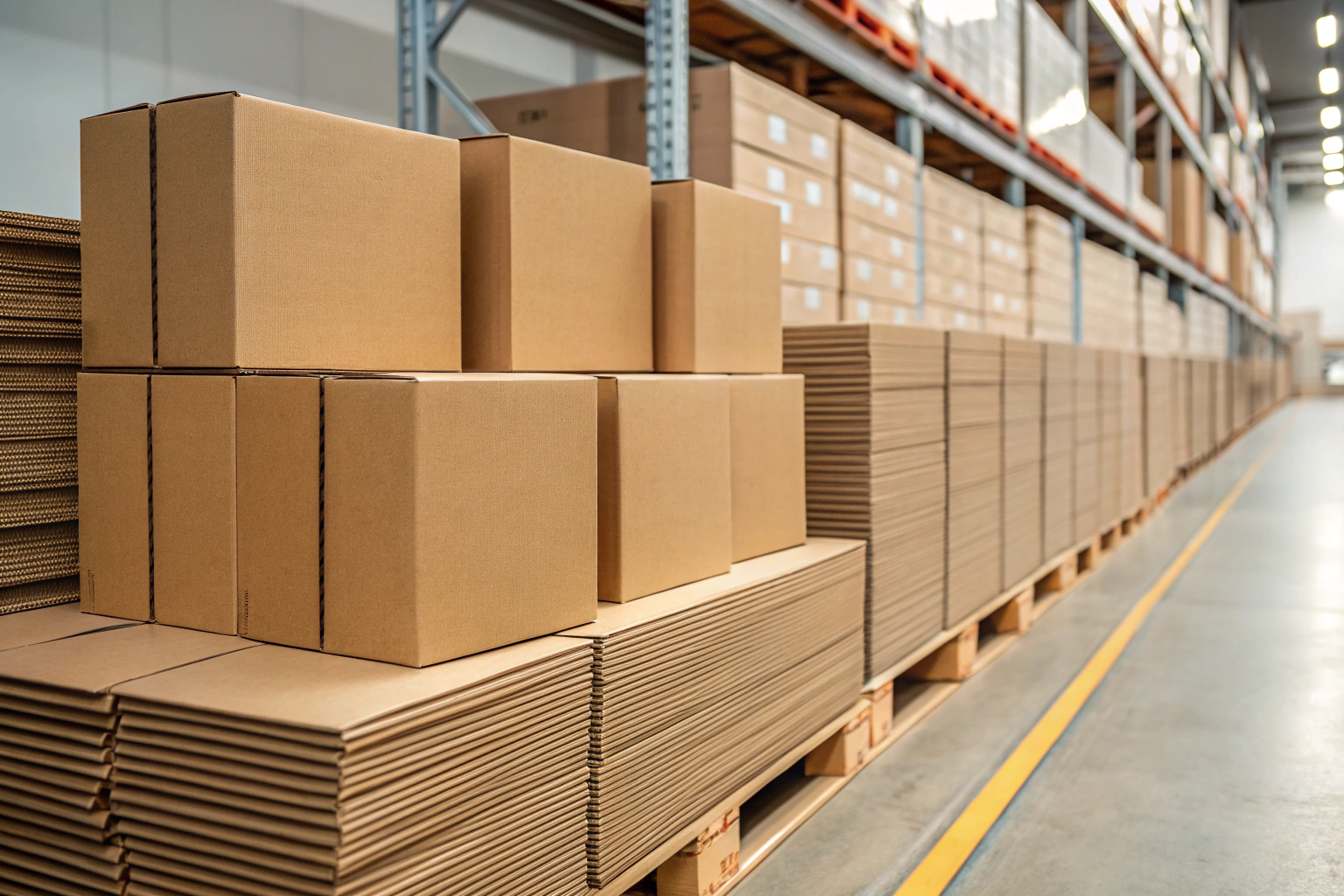
Single wall boxes handle light to medium loads. Double wall boxes support heavy products and long storage. Triple wall boxes replace wooden crates in many applications.
Factories design boxes based on transport method, pallet height, humidity exposure, and storage duration. Strength is calculated, tested, and verified before mass production.
Conclusion
Corrugated boxes are strong because of their engineered fluted structure, material selection, and controlled manufacturing process. Their strength is measured, not guessed, through standard tests and real-world validation.
When paper grade, flute type, box design, and factory process align, corrugated boxes deliver reliable protection with efficient material use. Strength is not accidental. It is designed, produced, and controlled from raw paper to finished box, ensuring stable performance across storage, transport, and handling conditions.