Many people underestimate corrugated cardboard because it feels light. Others overestimate it because it looks thick. Both assumptions cause packaging problems. Strength in corrugated cardboard is not about appearance. It is about structure, paper quality, and manufacturing control.
Corrugated cardboard is very strong for its weight. When properly designed and manufactured, it can support heavy loads, resist stacking pressure, and protect products during transport.
As a professional packaging manufacturer, I evaluate corrugated cardboard strength using real performance data, factory testing, and workshop experience. Below, I explain how strong corrugated cardboard really is and what determines that strength.
Before numbers, it is important to understand where the strength comes from.
Where the strength of corrugated cardboard comes from
Corrugated cardboard is strong because of structure.
Its strength comes from the fluted, wave-shaped core bonded between liner papers.
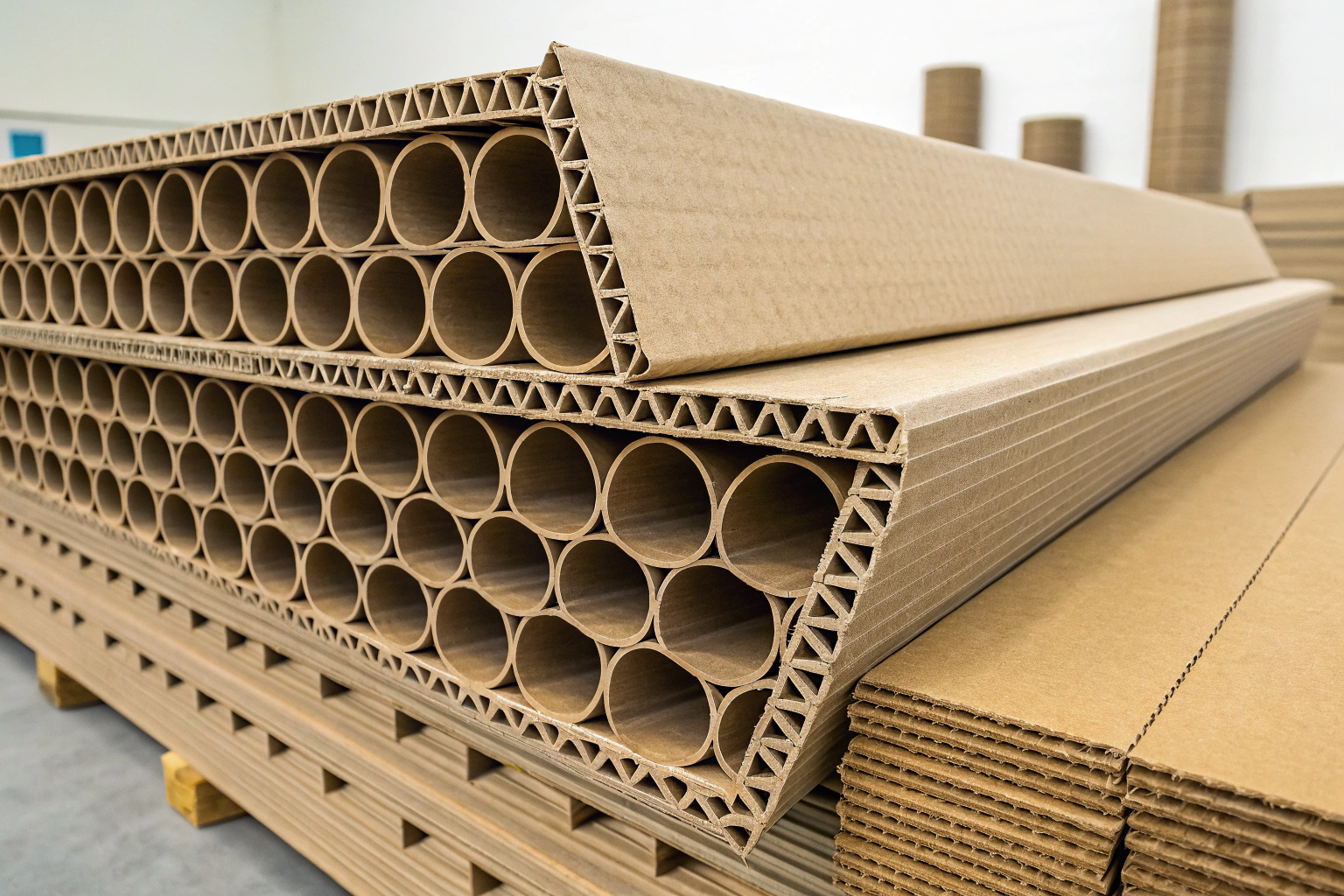
The flutes act like vertical columns. They carry compression loads and absorb impact. The liner papers provide tensile strength and resist tearing.
From a manufacturing perspective, corrugated cardboard is an engineered structure. It uses geometry to create strength instead of relying on thick, solid material. This is why it achieves a high strength-to-weight ratio.
Without the fluted core, the same paper would lose most of its load-bearing ability.
How much weight corrugated cardboard can support
This is the most common question.
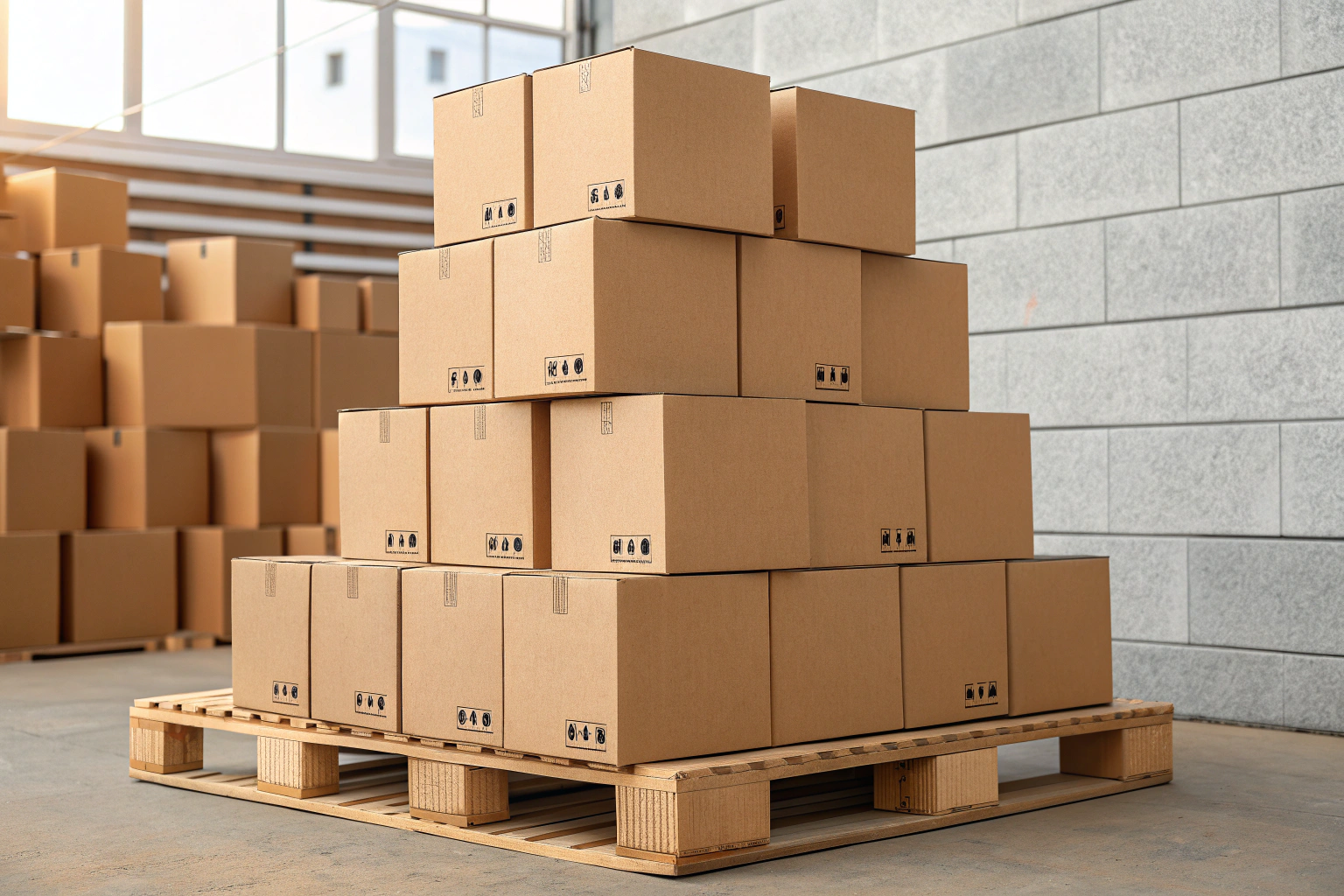
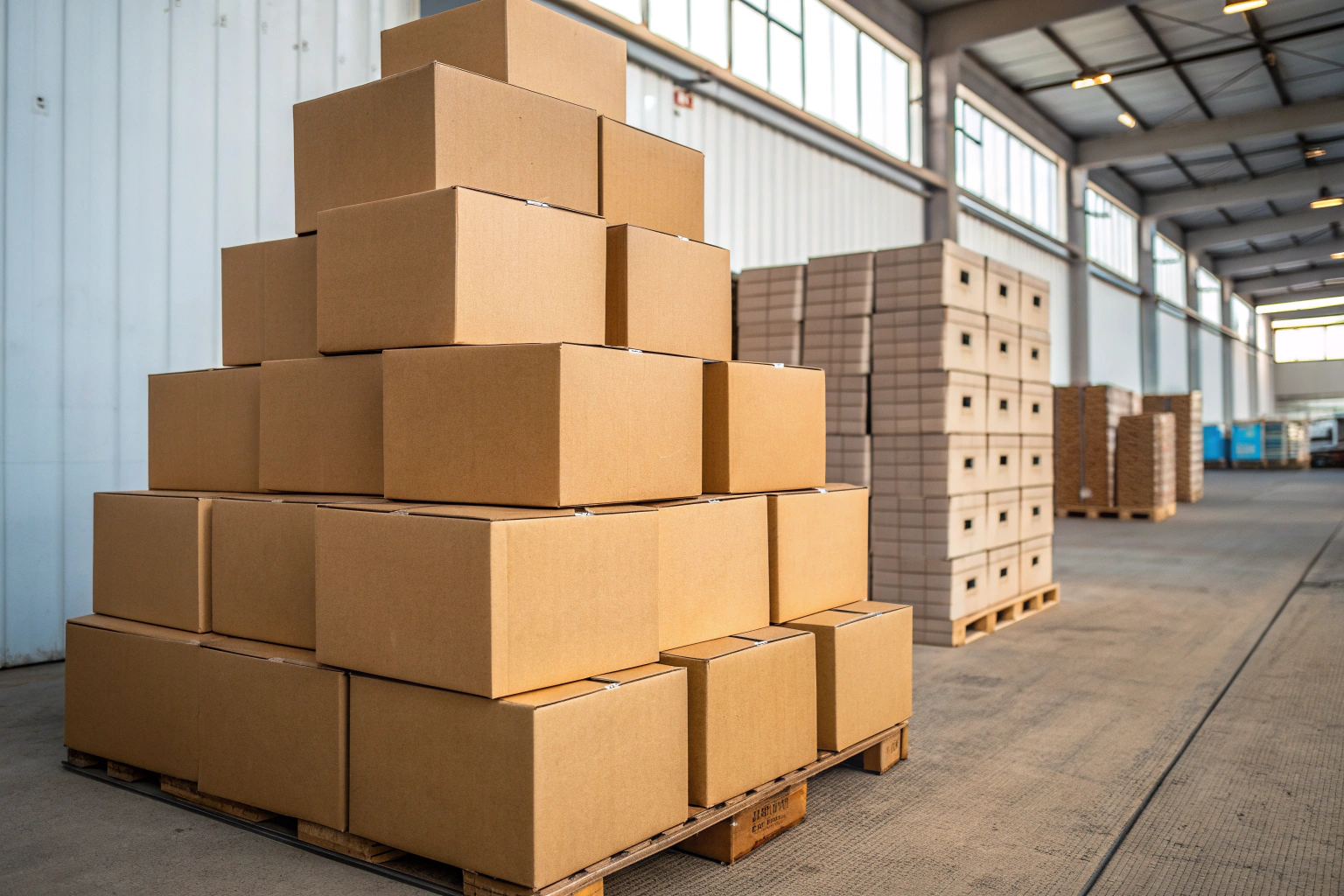
Corrugated cardboard boxes can support anywhere from a few kilograms to several hundred kilograms, depending on structure and paper grade.
In manufacturing, strength is measured using:
- Edge Crush Test (ECT)
- Box Compression Test (BCT)
Single wall corrugated boxes are used for light to medium loads. Double wall corrugated boxes handle much higher stacking weight. Triple wall corrugated boxes are used for very heavy or industrial applications.
From factory experience, corrugated cardboard routinely replaces wooden crates for medium to heavy products when properly specified.
The effect of single wall, double wall, and triple wall structures
Structure level defines strength.
The number of fluted layers directly affects corrugated cardboard strength.
| Structure | Relative Strength |
|---|---|
| Single wall | Medium |
| Double wall | High |
| Triple wall | Very high |
Single wall is suitable for controlled loads. Double wall spreads force across two flute layers. Triple wall provides extreme compression resistance and rigidity.
As a manufacturer, I choose structure based on real load and stacking height, not maximum possible strength.
Why paper quality matters as much as structure
Structure alone is not enough.
The strength of corrugated cardboard depends heavily on the quality of the liner and medium paper.
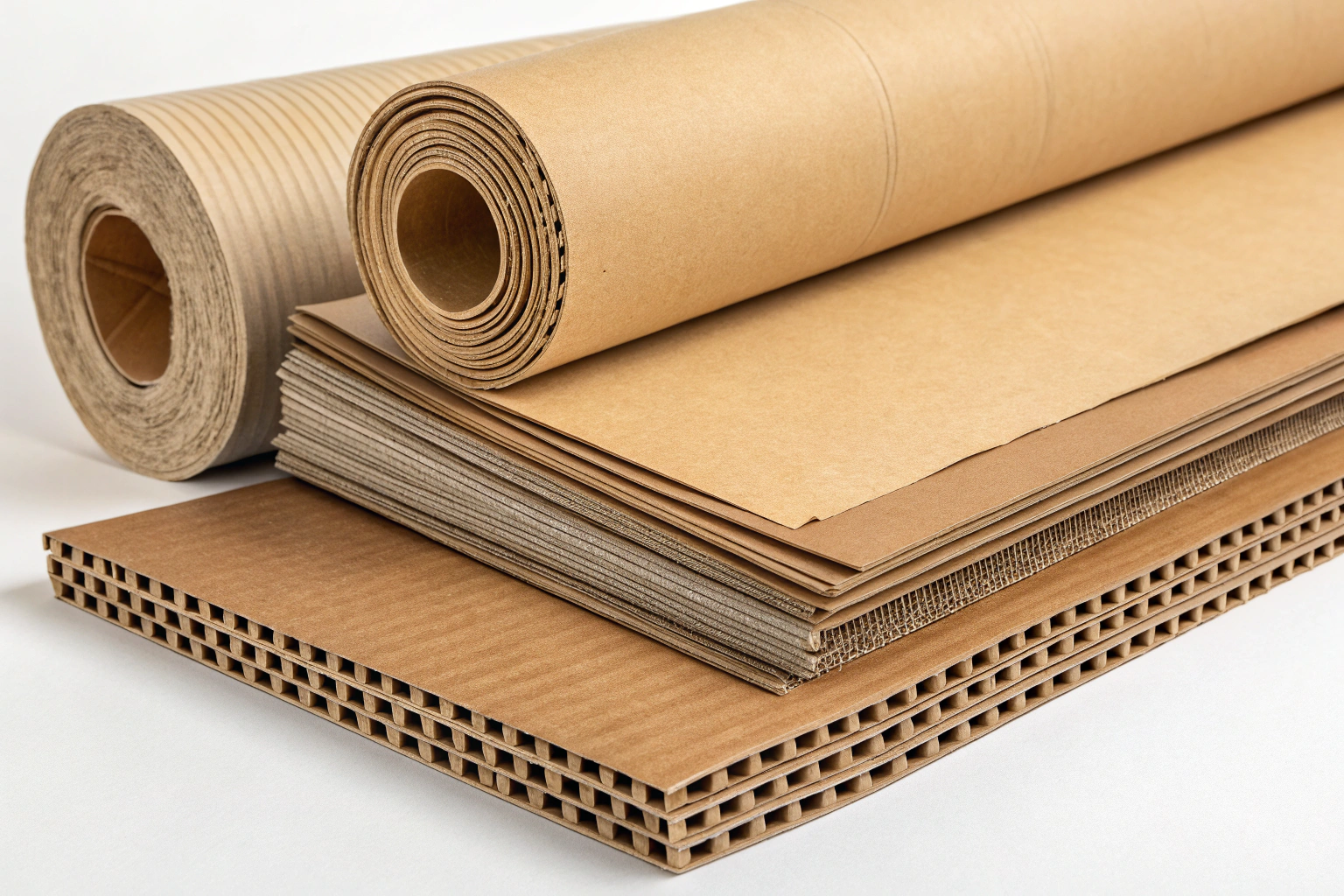
High-quality kraft liner paper uses long fibers. These fibers improve tear resistance and compression strength. Low-grade paper may look similar but fails faster under load.
From manufacturing experience, many box failures start with liner buckling, not flute collapse. This is why paper selection and moisture control are critical.
Two boards with the same thickness can perform very differently if paper quality differs.
How humidity affects corrugated cardboard strength
Moisture changes everything.
Corrugated cardboard loses strength when it absorbs moisture from high humidity or direct contact with water.
Paper fibers soften when wet. As moisture increases, stiffness decreases and compression strength drops. This is why boxes that perform well in dry warehouses may fail in humid environments or sea transport.
From a professional manufacturing standpoint, humidity is always considered when specifying board grade. Higher paper grades or moisture-resistant treatments are used when necessary.
Corrugated cardboard is strong, but it must stay dry to perform as designed.
Strength during transport and handling
Strength is not only static.
Corrugated cardboard is designed to absorb shock, vibration, and impact during handling and transport.

The fluted structure cushions drops and reduces impact transfer to the product. This dynamic strength is one reason corrugated cardboard is widely used for shipping fragile items.
From factory testing and real logistics experience, corrugated packaging reduces damage more effectively than solid paperboard at the same weight.
How factories ensure corrugated cardboard strength
Strength is controlled, not assumed.
In professional manufacturing, corrugated cardboard strength is ensured through material control, process control, and testing.
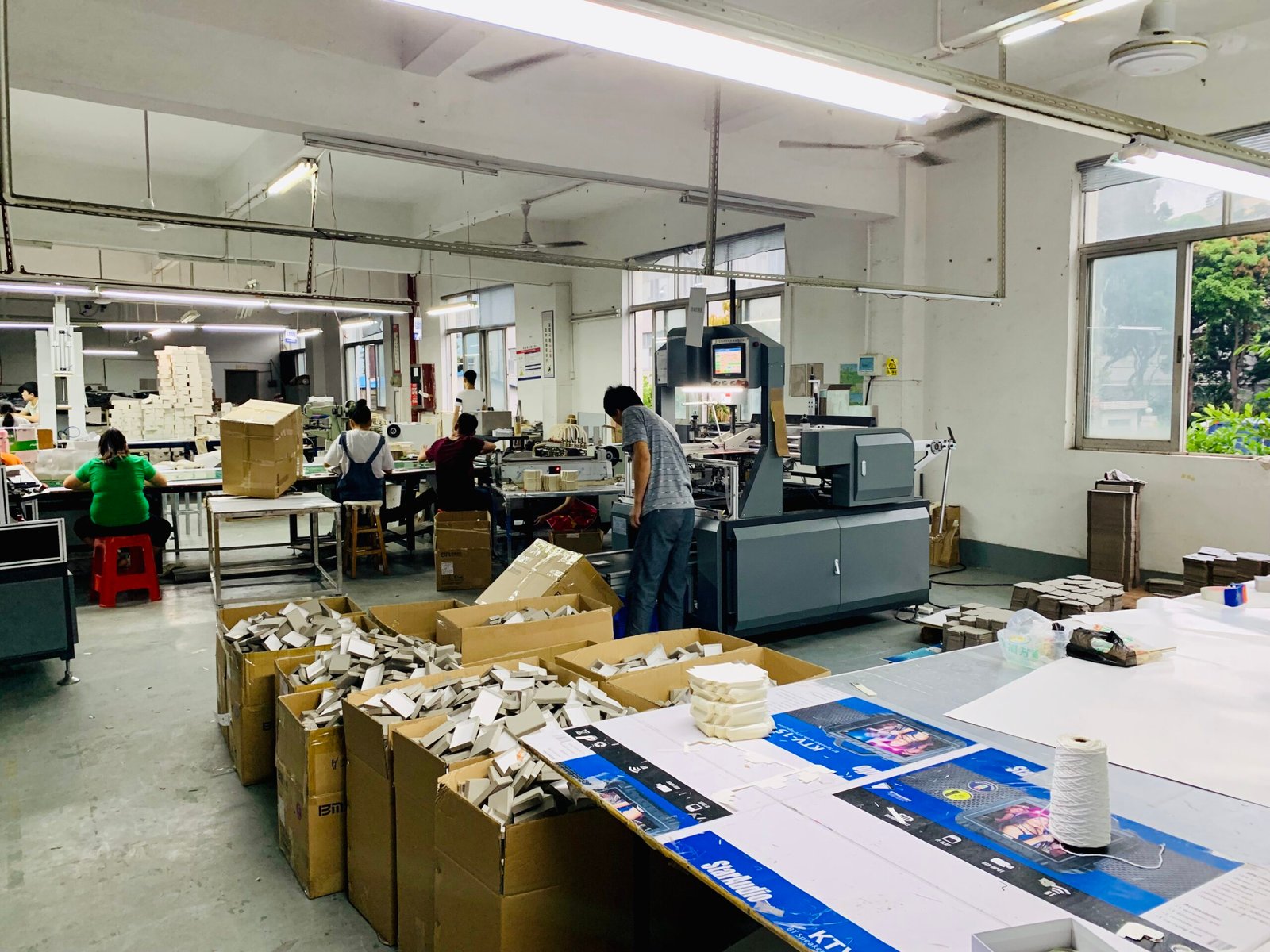
Inside the workshop:
- Paper moisture is monitored
- Flute formation is controlled
- Adhesive bonding is checked
- Boards are conditioned before conversion
- Compression tests verify performance
Poor bonding or moisture imbalance can weaken even thick boards. This is why factory discipline matters as much as material choice.
As a manufacturer, strength is something we verify, not promise.
When corrugated cardboard is not strong enough
Every material has limits.
Corrugated cardboard is not suitable for constant water exposure or extreme long-term humidity without protection.
It is also not designed to replace steel or rigid plastic in permanent structural roles. Using corrugated cardboard outside its design range leads to predictable failure.
Correct application is part of strength.
How strong corrugated cardboard really is in practice
In real use, corrugated cardboard performs better than most people expect.
When correctly designed, corrugated cardboard is strong enough for stacking, shipping, and protecting a wide range of products, from light consumer goods to heavy industrial items.
From a professional manufacturing perspective, its strength lies in:
- Efficient structural design
- Adjustable strength levels
- Reliable performance at scale
This is why corrugated cardboard remains the backbone of modern packaging systems.
Conclusion
Corrugated cardboard is very strong for its weight. Its fluted structure provides high compression strength, impact absorption, and stacking capability. With proper paper quality, structure selection, and factory control, it can handle loads from light retail goods to heavy industrial products.
As a professional packaging manufacturer, I see corrugated cardboard not as “weak cardboard,” but as an engineered material. When its structure and limits are respected, it delivers reliable strength, efficiency, and protection in real-world packaging environments.