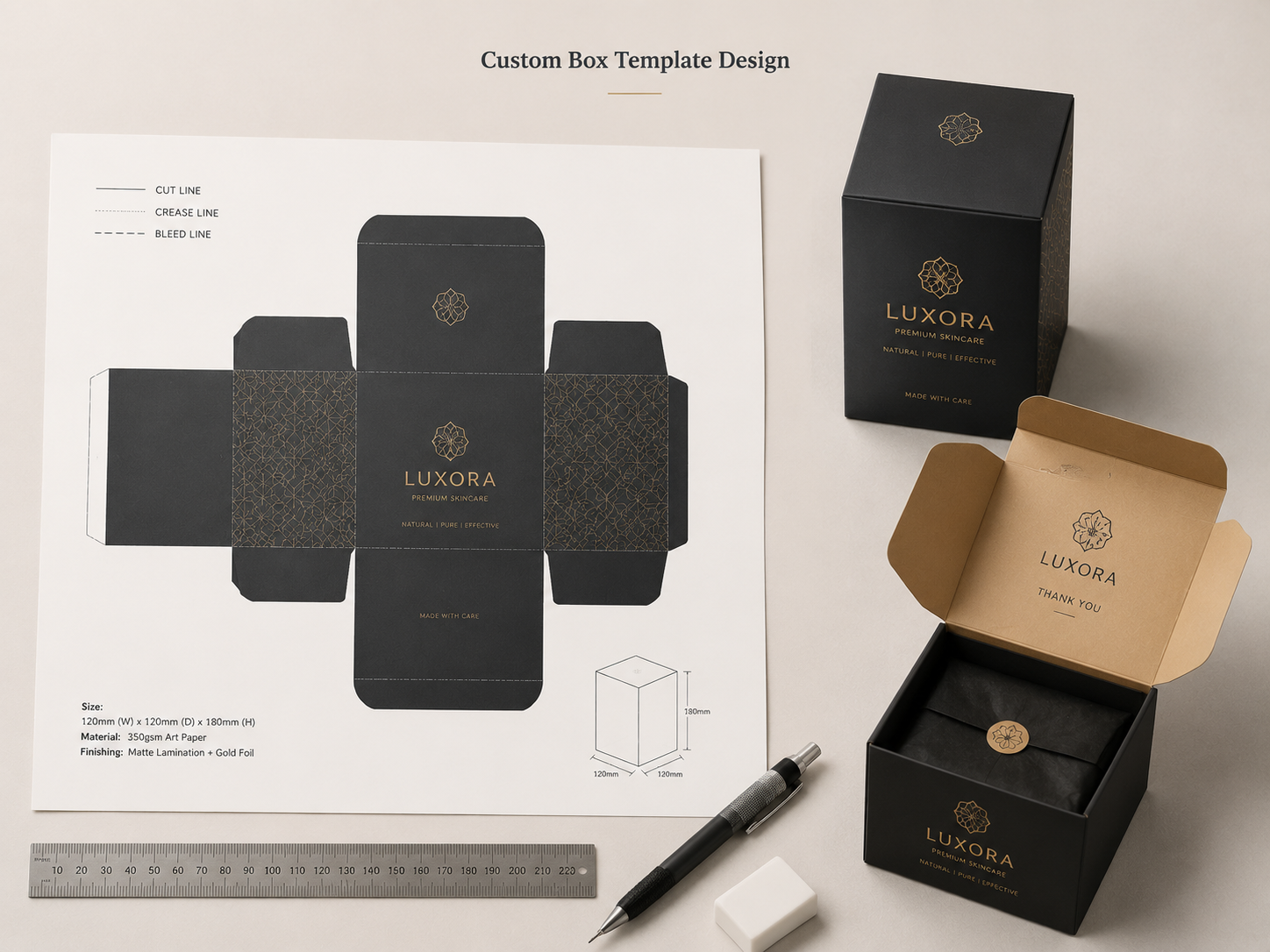
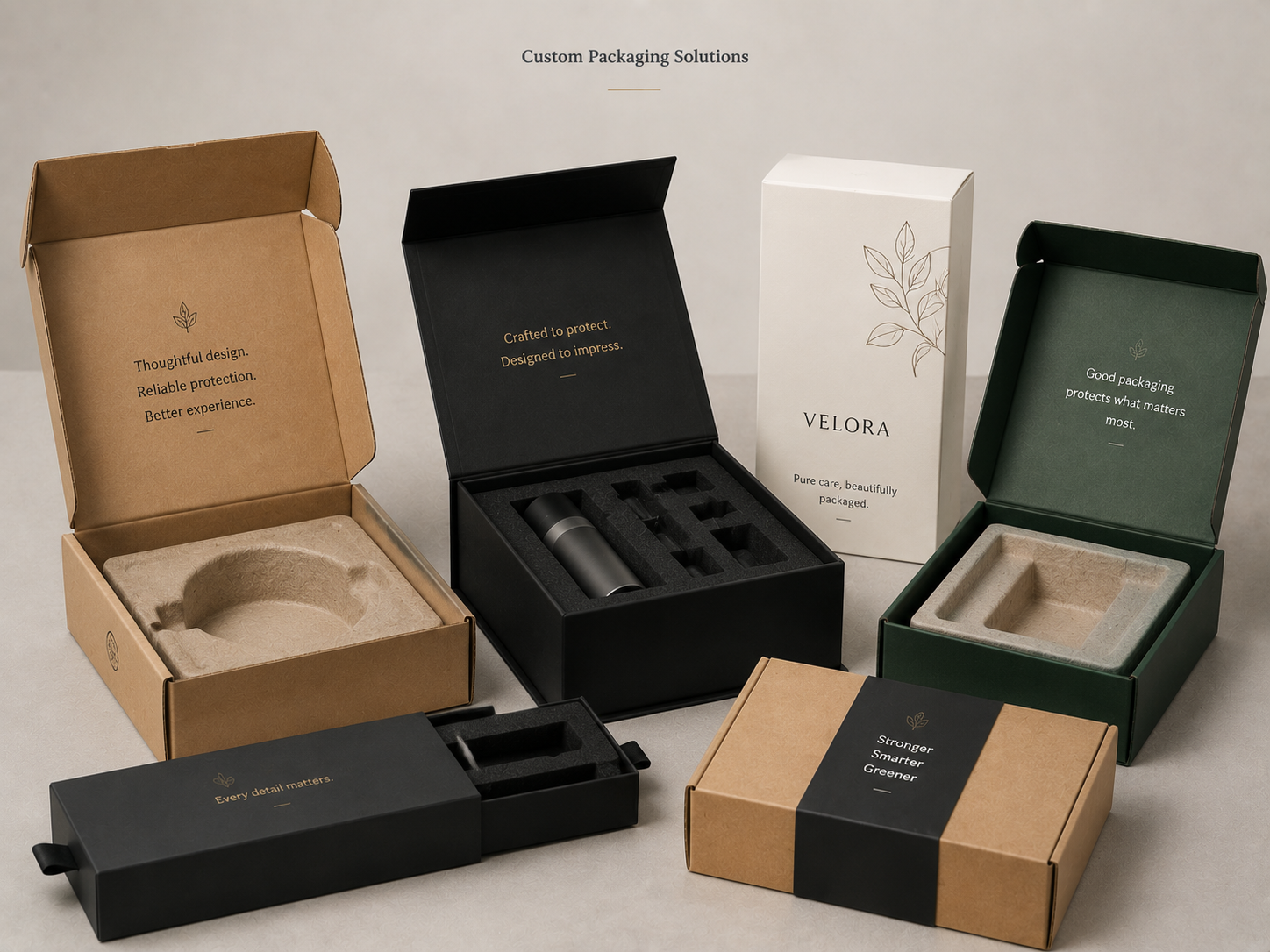
A display stand can lift sales or quietly hurt them. The wrong structure bends, leans, tears, or looks cheap in store. That weakens product presentation before shoppers even touch the item.
The right custom cardboard display stand should match product size, product weight, retail space, refill method, and brand image at the same time. A good display is not only about shape. It must hold weight safely, print clearly, ship efficiently, and stay stable through the full retail cycle.
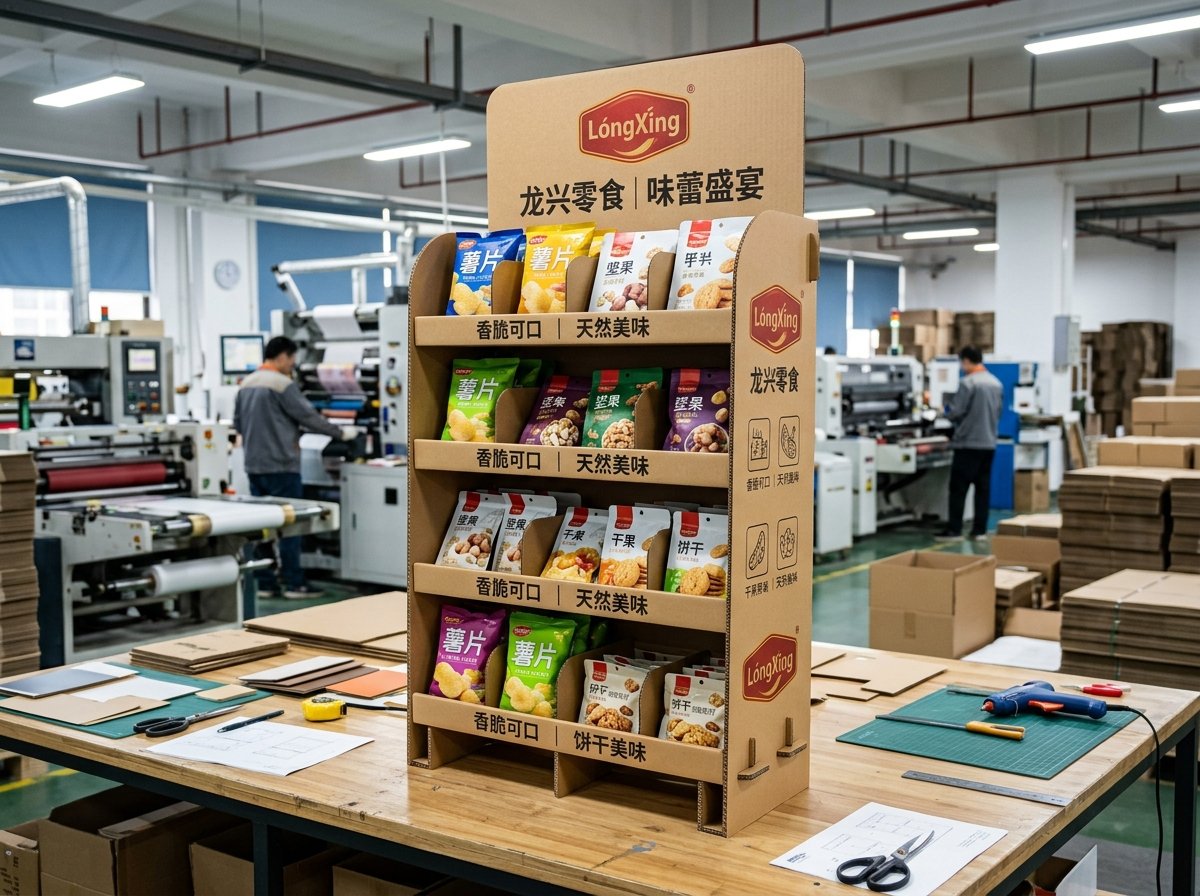
A branded cardboard display stand is often judged in seconds. If the shelves sag, if the header looks soft, or if the print feels weak, the display can make even a strong product line look low value. Many packaging complaints in the market come from the same root problem: material and structure were chosen for cost first, while real use conditions were considered too late. That same mistake appears in display projects as well. A display stand is still packaging. It must protect presentation, support product load, and perform in real transport and retail environments.
Why Does the Right Display Structure Matter So Much?
A cardboard display stand is not only a printed marketing piece. It is a load-bearing retail tool. If the structure is wrong, the display fails in ways shoppers can see immediately.
The right display structure matters because it affects stability, shelf strength, product visibility, refill speed, shipping safety, and overall brand perception. A display that looks attractive in artwork but fails on the store floor creates the same kind of trust problem seen in weak packaging boxes, damaged gift boxes, and poorly protected retail cartons.
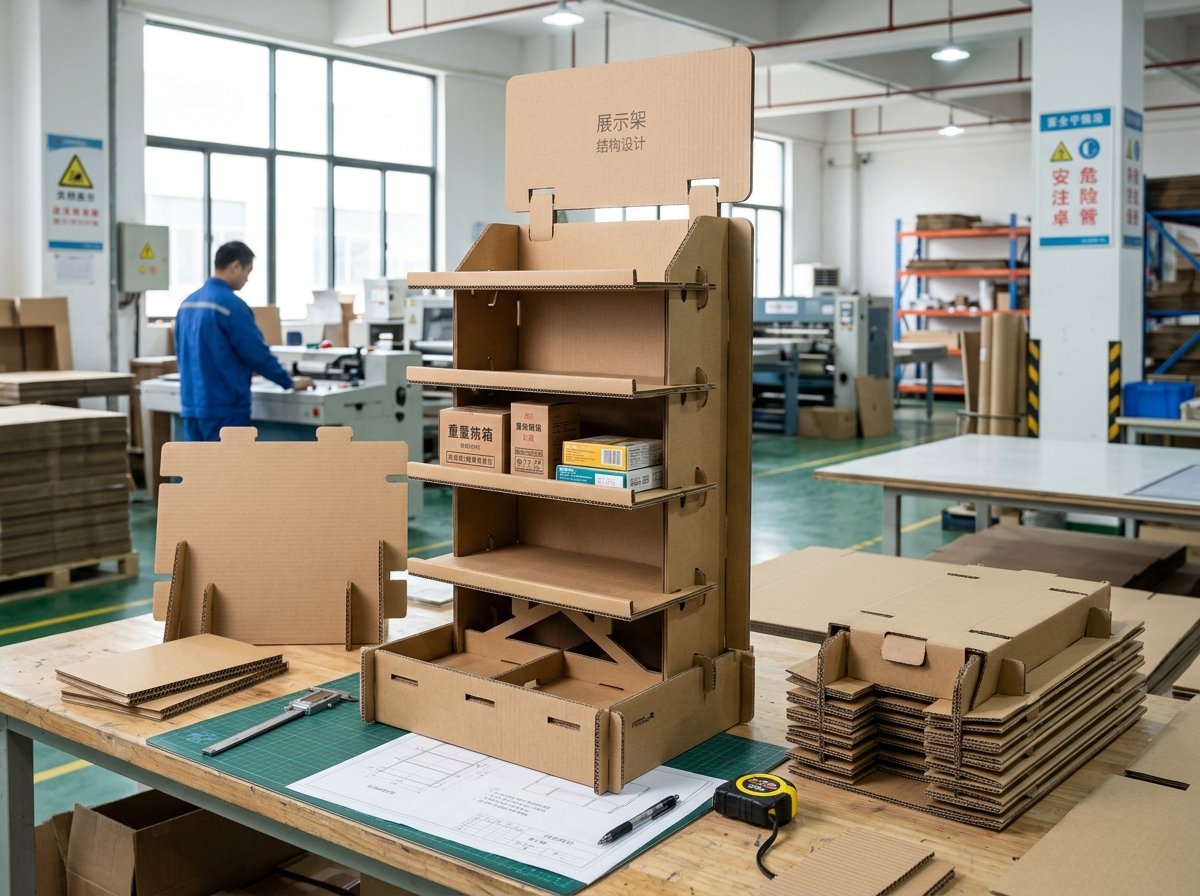
A display stand needs to do several jobs at once. It must carry the product weight. It must keep the brand message visible. It must survive packing, shipping, store setup, and restocking. It must also fit the retailer’s space rules. Many low-performing displays fail because they were treated as simple printed board units instead of engineered retail structures. Thin board, weak shelves, poor locking points, and unstable bases often lead to leaning displays, crushed trays, or product falling forward.
The better approach is to treat the display as a full structural project. Material grade, corrugated thickness, internal reinforcement, header design, and load distribution should all be planned before graphics are finalized. This is especially important for electronics accessories, cosmetics, gift items, daily-use products, and other categories where shoppers quickly link display quality with product quality. A well-made stand supports both sales and brand trust. A weak one does the opposite.
How to Choose a Custom Cardboard Display Stand Based on Product Size and Weight?
Many display problems begin with one basic mistake: the stand is chosen by appearance before product size and load are fully checked. That usually leads to bending shelves, unstable stacking, and wasted space.
A custom cardboard display stand should be chosen according to product dimensions, single-unit weight, total loaded weight, pack count per shelf, and how the product is removed by shoppers. Product size affects tray depth, shelf width, and header proportion. Product weight affects board grade, shelf reinforcement, and base strength.
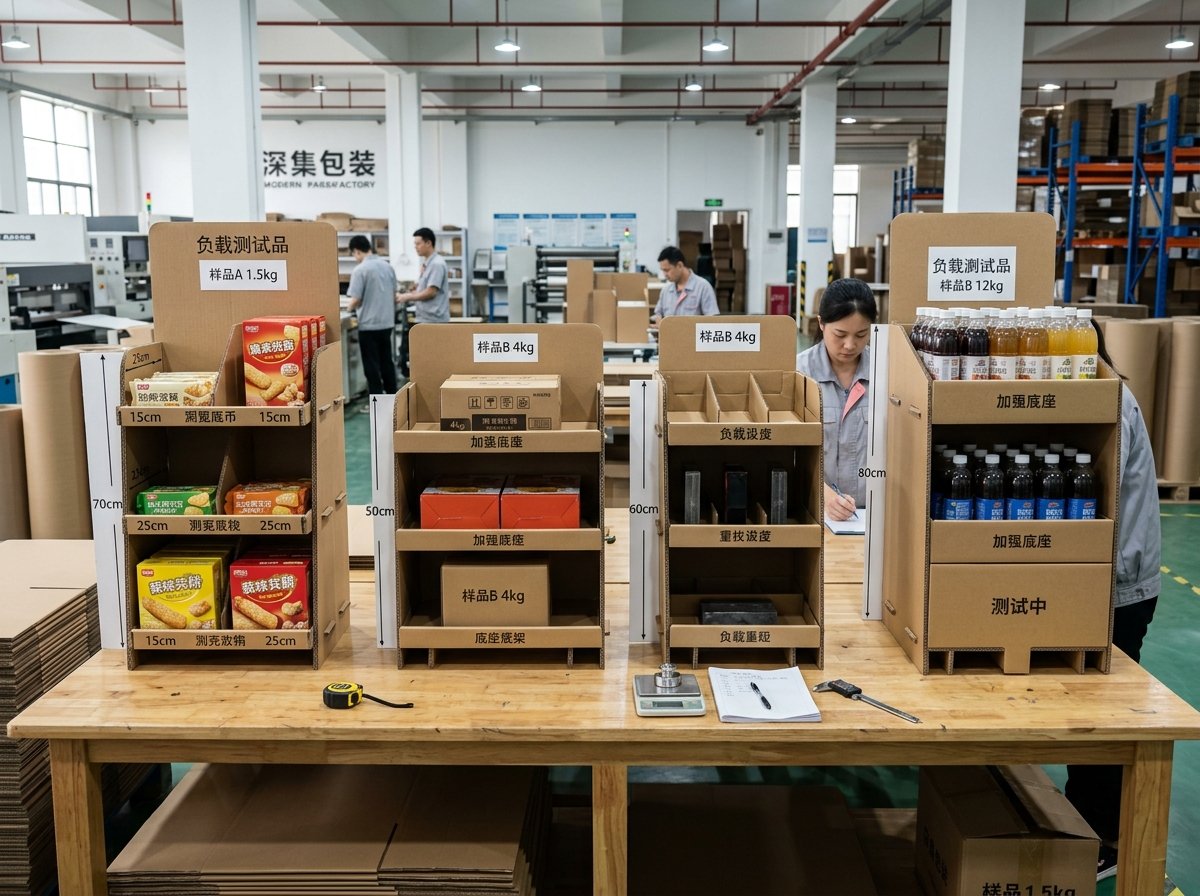
Small, light products such as cables, cosmetics, sachets, or small boxed accessories can often use compact counter displays or lighter floor units with multiple pockets. Still, even light products need correct fit. If the compartments are too large, products tilt, slide, or look messy. If the fit is too tight, restocking becomes slow and the display starts to look forced.
Heavier products need a different structure from the start. Chargers, bottled products, boxed gift sets, and multi-pack consumer goods usually require stronger corrugated board, reinforced shelves, tighter locking tabs, and a more stable base. In many projects, the safest method is to calculate not only the weight of one unit, but the full load per shelf and the full display load after stocking. This prevents a common retail problem where the sample stand looks fine empty, but the live stand begins to bow once fully filled.
Product shape matters as well. Tall narrow products may need front lips or side guides. Wide but shallow packs may need stepped trays. Fragile items may need display pockets that reduce tipping. The best display choice comes from actual product behavior, not from a standard template alone.
Floor Displays, Counter Displays, and Pallet Displays: Which Structure Fits Your Brand?
Not every brand needs the same retail display format. The best structure depends on store placement, product volume, and how the brand wants the product to be seen.
Floor displays are best for larger assortments and stronger in-aisle presence. Counter displays work well for impulse items and small products near checkout. Pallet displays fit high-volume retail programs where easy store handling and bulk presentation matter most.
Floor displays usually offer the strongest brand presence. They are suitable for supermarkets, chain stores, seasonal promotions, and product launches where vertical visibility matters. A floor stand can hold more SKUs, larger graphics, and more stock. But it also demands stronger structure. The base must stay stable, the shelves must not sag, and the unit must survive shipping and setup. For brands in electronics, personal care, gifts, and household products, this format often works well when the goal is stronger shelf impact.
Counter displays serve a different role. They are usually smaller, placed near payment areas or on limited shelf space, and used for lighter products, trial sizes, accessories, or promotional packs. Because the footprint is smaller, visual clarity becomes even more important. The stand should not feel crowded. The product should remain easy to pick up. A good counter display often wins through clean shape, strong header visibility, and efficient use of a small space.
Pallet displays are built for scale. They are common in warehouse clubs, supermarkets, and large-format retail channels where goods are moved and presented in volume. These displays require stronger transport planning and better load distribution because the unit often enters the store in a more complete form. For brands running big retail promotions, pallet displays can save setup time and improve replenishment efficiency, but only when the corrugated strength and structural design are matched properly to the load.
Key Customization Factors for Branded Cardboard Displays in Retail?
A display stand is not truly custom only because it has a logo. Real customization goes deeper into structure, user flow, print quality, and retail execution.
The key customization factors for branded cardboard displays include size, shelf configuration, load-bearing strength, print method, brand graphics, product-facing angle, header style, refill design, and shipping format. These elements shape both visual impact and daily retail performance.

The first factor is structure. Shelf depth, pocket count, tray angle, and header height should all match the real product line. A stand for boxed skincare sets should not be designed like a stand for hanging accessories or snack pouches. The second factor is material. Thin corrugated board may reduce cost on paper, but it often leads to the same market complaints seen in weak packaging: soft walls, crushed edges, poor value feel, and unstable presentation.
Print quality is another major factor. A display is seen from a distance, so color consistency, sharp branding, and clean finishing matter. Poor print registration, scratched surfaces, and dull graphics can quickly make a branded display look cheap. That is especially risky in premium categories where presentation supports price. Surface treatment may also matter. Matte or gloss lamination, spot UV, or stronger scuff resistance can help the display stay presentable longer in active retail areas.
Shipping format is part of customization too. Some displays ship flat for lower freight cost. Some ship partially assembled for faster setup. Some are designed for easy lock-in shelves without tools. The right choice depends on retail rollout needs, labor expectations, and order scale. A display that is attractive but frustrating to assemble can still fail in the field.
What Common Mistakes Happen When Choosing Cardboard Display Stands?
Many display failures come from simple decisions that looked fine during quoting or artwork review. The real problems only show up after loading, shipping, or store use begins.
The most common mistakes are underestimating product weight, choosing board that is too weak, using the wrong display format, ignoring store refill needs, and focusing on graphics before solving structural performance.
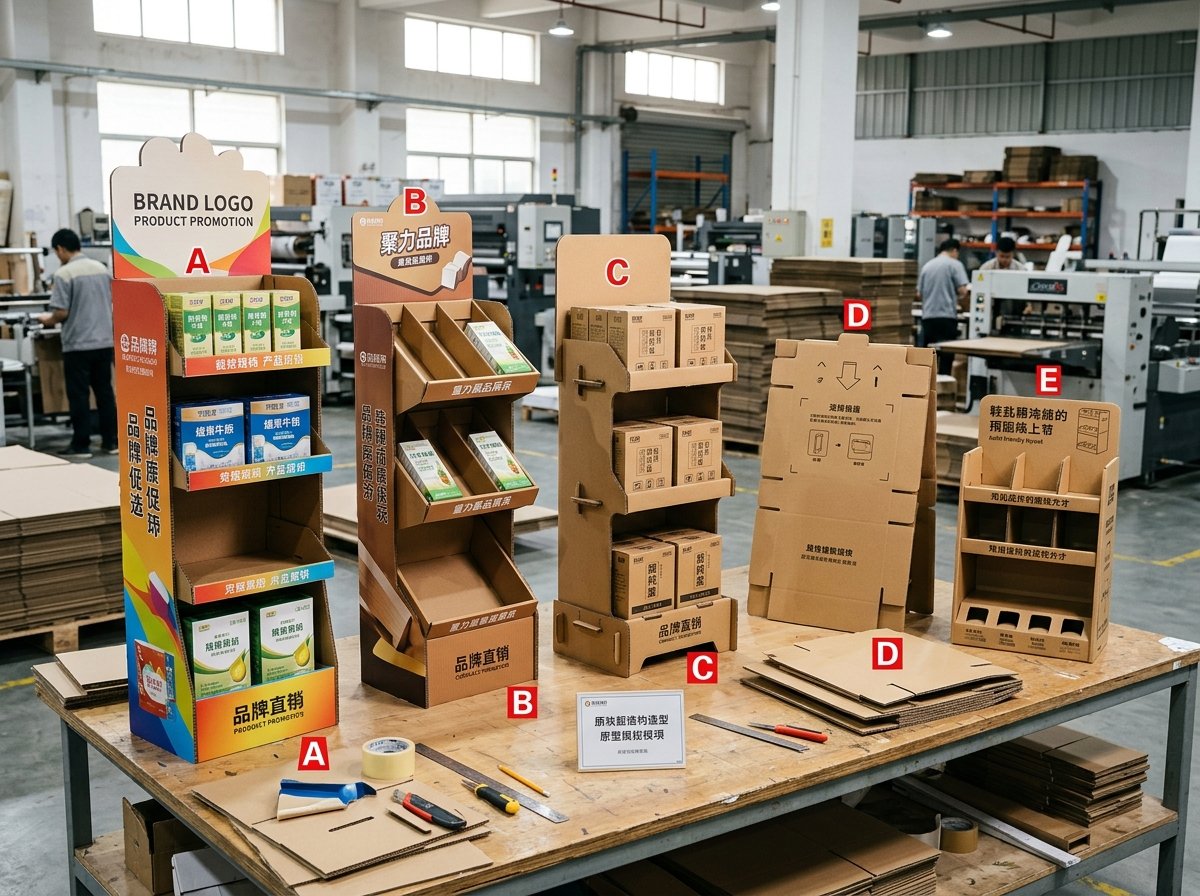
One repeated mistake is using a nice-looking sample as proof of long-term retail performance. A display may stand well when empty, but once products are loaded, shelves can sag and the unit can lean. Another common mistake is poor fit. Trays that are too wide make products slide and look messy. Trays that are too tight slow down shelf loading and reduce retail efficiency.
There is also the mistake of treating all products the same. Lightweight cosmetics, bottled wellness goods, boxed electronics, and gift packs all need different shelf designs and reinforcement methods. A one-style solution often creates weak results. Another frequent problem is poor transport planning. A display may be designed for store use only, with little thought for how it is packed, shipped, and handled before setup. That leads to crushed edges, scratched print, broken locking points, and a poor first impression even before the stand reaches the sales floor.
These failures closely match the broader packaging complaints seen across many product categories: material too thin, fit too poor, protection too weak, and execution too inconsistent. A display project should avoid the same mistakes from the beginning.
How Should Strength, Printability, and Brand Image Be Balanced?
A display stand has to do two things well at the same time. It must carry real weight, and it must represent the brand well in public retail space. Ignoring either side creates a weak result.
The best branded cardboard displays balance structural strength, print quality, and commercial presentation. Strong material without good graphics can look plain and low value. Beautiful print on weak structure can make the brand look unreliable.
Strength begins with board selection and internal design. Corrugated flute type, board grade, shelf folds, and reinforcement panels all affect performance. For higher-end products, clean edges and sharper printing are also important, so the display must combine strength with a good printable surface. This is where factory planning matters. Structural design and graphics should be developed together, not as separate steps.
Brand image depends on more than logo placement. Product-facing angle, shelf cleanliness, graphic hierarchy, and header size all influence how the display feels in store. A premium brand may need cleaner lines, tighter print control, and more refined surface treatment. A fast-moving consumer product may need stronger price visibility, brighter messaging, and easier refill logic. In both cases, the display should look intentional, stable, and easy to shop.
The strongest retail result usually comes from a display that feels both durable and well finished. That combination helps the product look trustworthy and commercially ready.
What Buyers Should Ask Suppliers Before Finalizing a Display Stand?
A display project becomes safer when the right questions are answered before production starts. This helps reduce rework, weak structures, and field failures.
Before finalizing a cardboard display stand, buyers should ask suppliers about load capacity, board grade, reinforcement method, assembly style, shipping format, print durability, sample testing, and store setup requirements.
The first question should be about real weight performance. A supplier should confirm how much each shelf can carry and what the full loaded display can support. The second question should cover material choice, including flute type, board strength, and whether extra reinforcement is used in the base or shelves. These are not small details. They decide whether the display keeps its shape in the store.
Assembly is another important topic. A supplier should explain whether the stand ships flat, semi-assembled, or fully packed with products. The assembly process should be practical for store staff. Print questions matter as well. The buyer should confirm color consistency, scuff resistance, and how the display surface will look after transport and handling. If the display includes hooks, dividers, trays, or removable parts, these should also be checked for fit and durability.
It is also wise to ask for a sample loaded with real products, not only an empty mockup. Many structural problems become visible only after live loading. A reliable supplier should be able to support that stage with structural advice, not only printing service.
Conclusion
The right custom cardboard display stand should do more than look attractive in a rendering. It should fit the product correctly, hold the full load safely, survive shipping, and present the brand well in real retail conditions. Floor displays, counter displays, and pallet displays each serve different sales goals, so the right structure depends on product size, weight, display location, and refill needs.
Strong retail displays usually come from better factory planning, not from decoration alone. When structure, material, printing, and shipping format are matched properly, a cardboard display stand becomes more than a branded fixture. It becomes a practical sales tool that protects presentation, improves product visibility, and supports stronger retail performance.