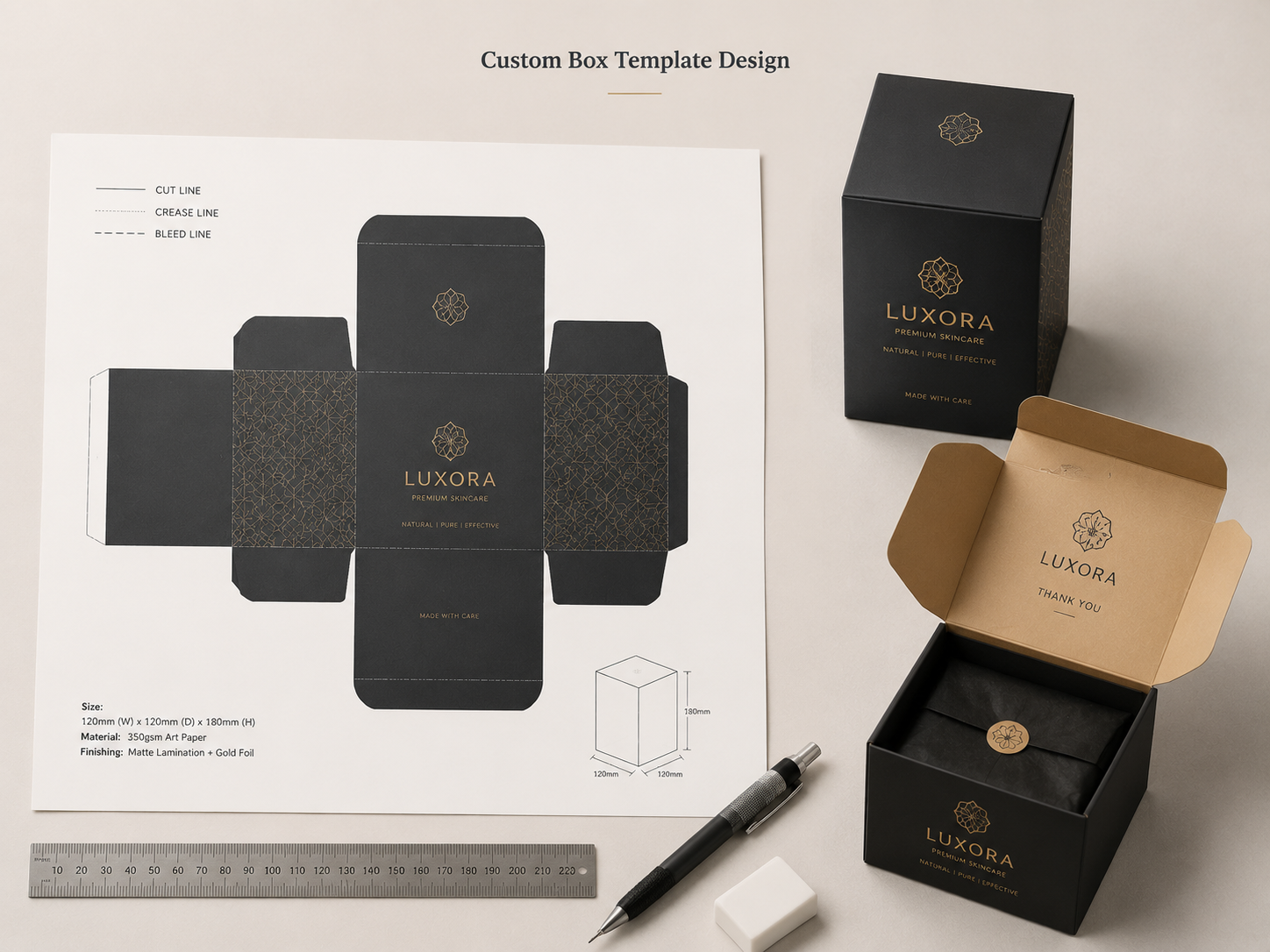
Incorrect box size identification is one of the most common causes of packaging failure, increased cost, and logistics inefficiency. Boxes that appear similar can perform very differently once loaded, stacked, or shipped. Identifying box size correctly is a technical process that follows industry standards rather than visual judgment.
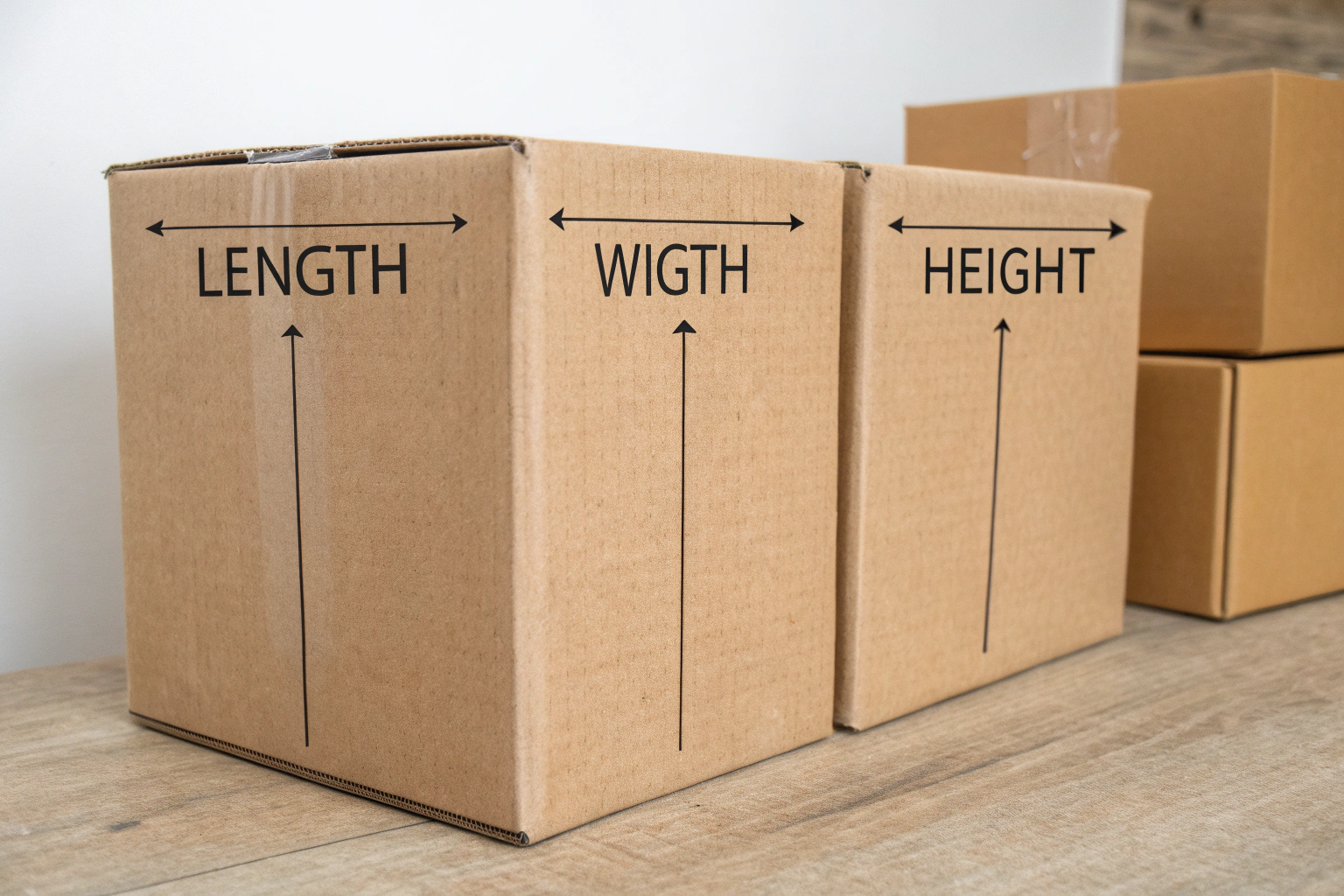
Box size is identified by standardized internal dimensions, measurement sequence, and structural reference points. Correct identification ensures packaging fits the product, performs as designed, and remains consistent from sampling to mass production.
Box size identification is a basic but critical step in professional packaging manufacturing.
Understand the Standard Box Dimension Order
Box size is always expressed in a fixed order. This order is not optional and does not change based on region or application.
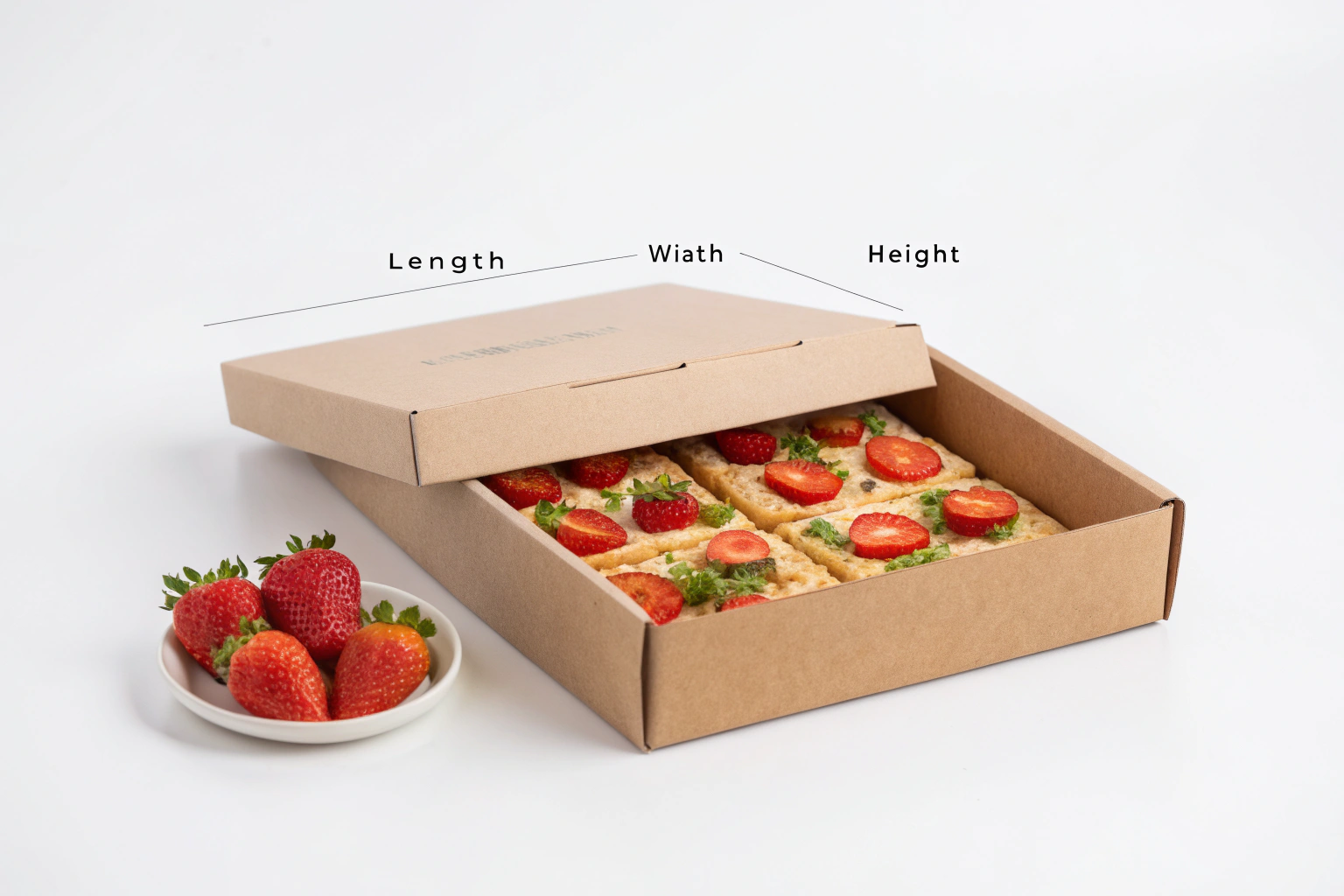
The standard box size format is Length × Width × Height (L × W × H). Length is the longest opening dimension, width is the shorter opening dimension, and height is the vertical depth of the box.
Using the wrong order leads to production errors, incorrect tooling, and miscommunication between design, production, and logistics.
Measure Internal Dimensions, Not External Dimensions
In packaging manufacturing, box size refers to internal dimensions. External size changes depending on board thickness, flute type, and structure.
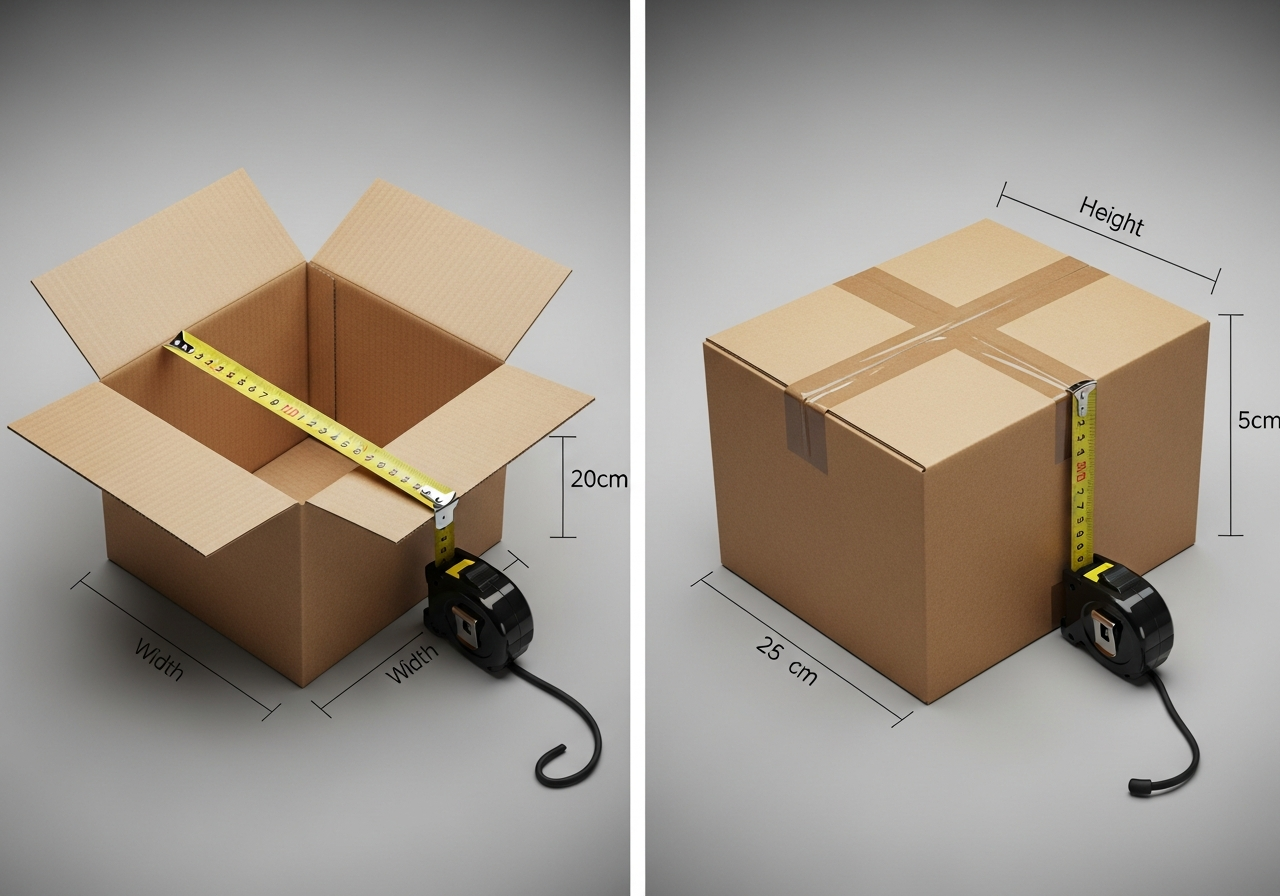
Internal dimensions define the usable space for the product. External dimensions are secondary and mainly used for pallet planning or container loading.
Factories always confirm internal size first to ensure product fit and protection.
Identify Box Size Based on Box Style
Different box styles affect how dimensions are interpreted. Regular slotted cartons, die-cut boxes, and telescope cartons all follow the same dimension order but have different structural reference points.
For standard slotted cartons, size is measured from inner wall to inner wall. For die-cut or folding cartons, measurement follows the internal cavity after assembly.
Correct identification requires understanding how the box is assembled, not just how it looks when flat.
Account for Corrugated Board Thickness
Corrugated board thickness directly affects final box fit. Ignoring flute thickness leads to tight packing, deformation, or assembly difficulty.
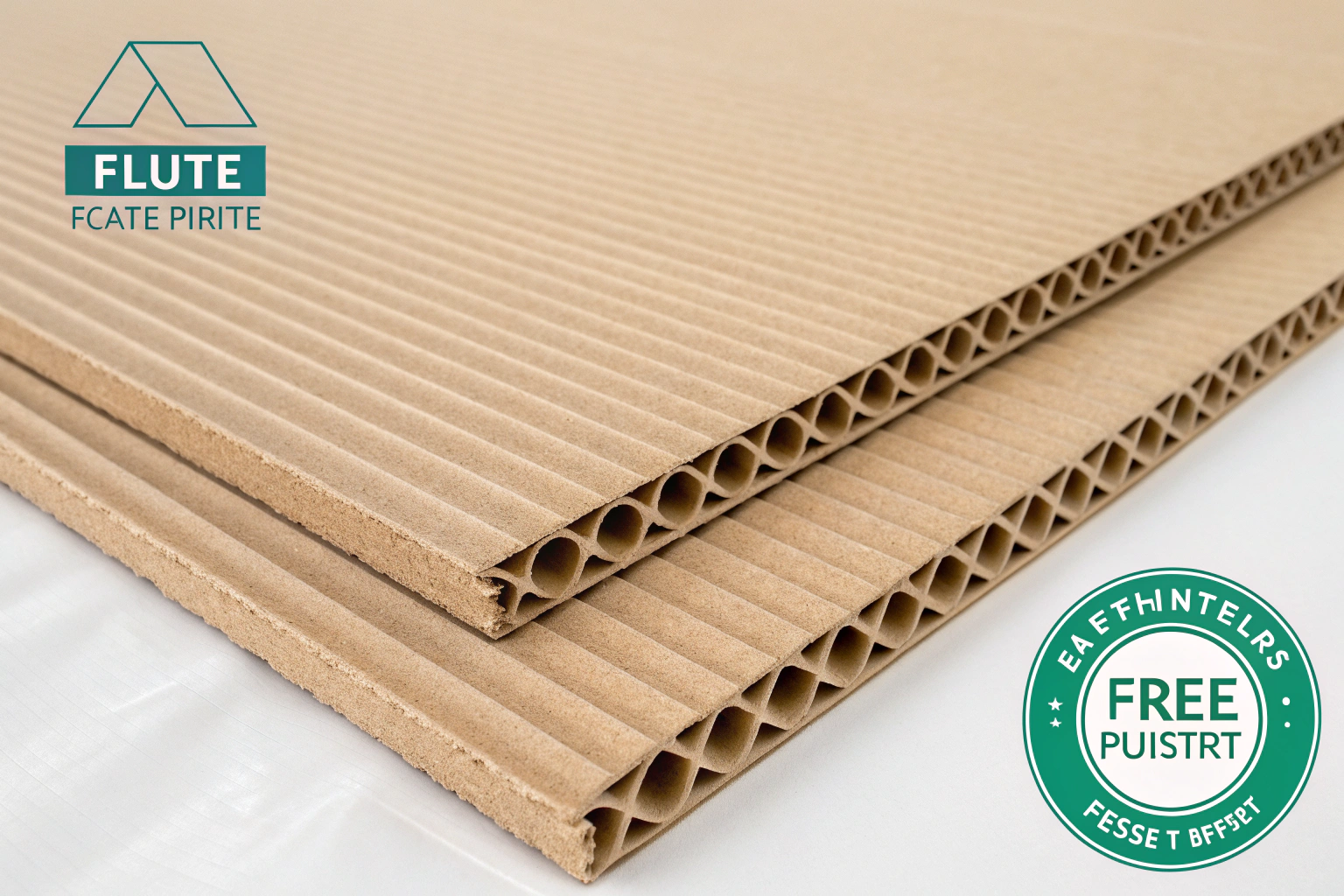
Board thickness must be deducted from external measurements to confirm true internal size. Single-wall, double-wall, and different flute profiles all change final dimensions.
In manufacturing, board specifications are always confirmed before finalizing box size.
Verify Box Size During Factory Sampling
Box size identification does not stop at drawings. Physical samples are used to confirm real-world accuracy.
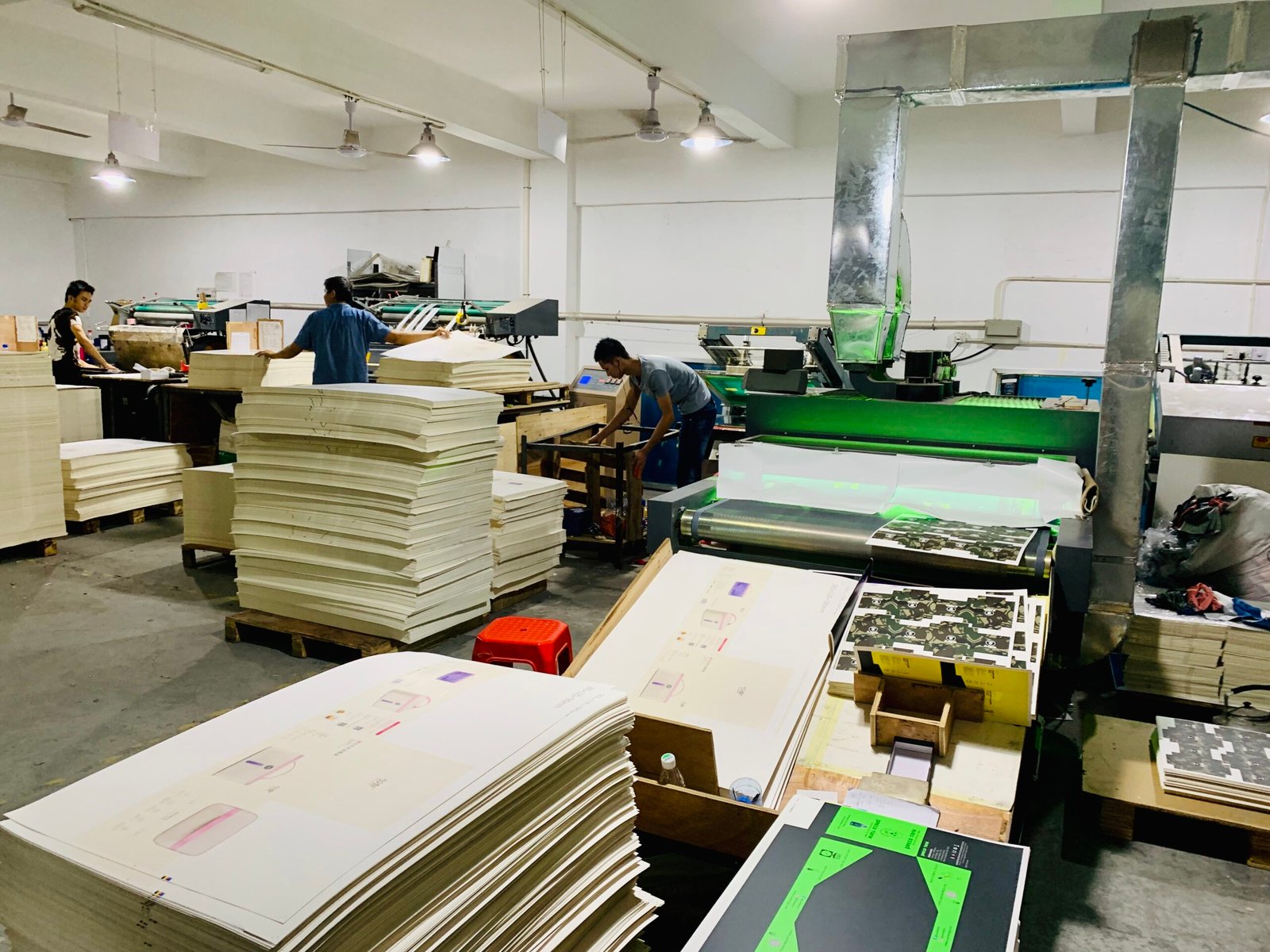
Factory samples verify internal fit, folding tolerance, and dimensional consistency. This step ensures that mass production matches design intent.
Sampling helps catch tolerance issues caused by paper variation, moisture, or process conditions.
Align Box Size With Logistics and Stacking Requirements
Box size affects more than product fit. It influences stacking strength, pallet efficiency, and container utilization.
Correct box size balances product protection with logistics efficiency. Oversized boxes waste space and reduce stacking performance. Undersized boxes increase damage risk.
Professional size identification considers the entire supply chain, not just the product dimensions.
Conclusion
Identifying box size is a standardized technical process based on internal dimensions, fixed measurement order, and structural understanding. Length, width, and height must always follow industry conventions, and measurements must reflect usable internal space rather than external appearance. Box style, corrugated board thickness, and assembly method all influence how size is defined and verified.
From a manufacturing perspective, correct box size identification begins with accurate measurement and continues through sampling, production control, and logistics validation. Factory workshops rely on clear size definitions to maintain consistency across tooling, cutting, folding, and gluing processes. When box size is identified correctly, packaging fits the product, performs as designed, and moves efficiently through storage and transportation.
Accurate box size identification reduces waste, prevents rework, and improves long-term packaging stability. It is a foundational step that supports reliable production, predictable logistics, and professional packaging outcomes across repeated orders and growing supply programs.