Many buyers try to reduce corrugated box cost by asking for a lower price per unit. This approach often causes weak boxes, higher damage rates, and more hidden costs later.
The real way to reduce the cost of a corrugated box is to optimize structure, materials, and production efficiency without sacrificing required performance.
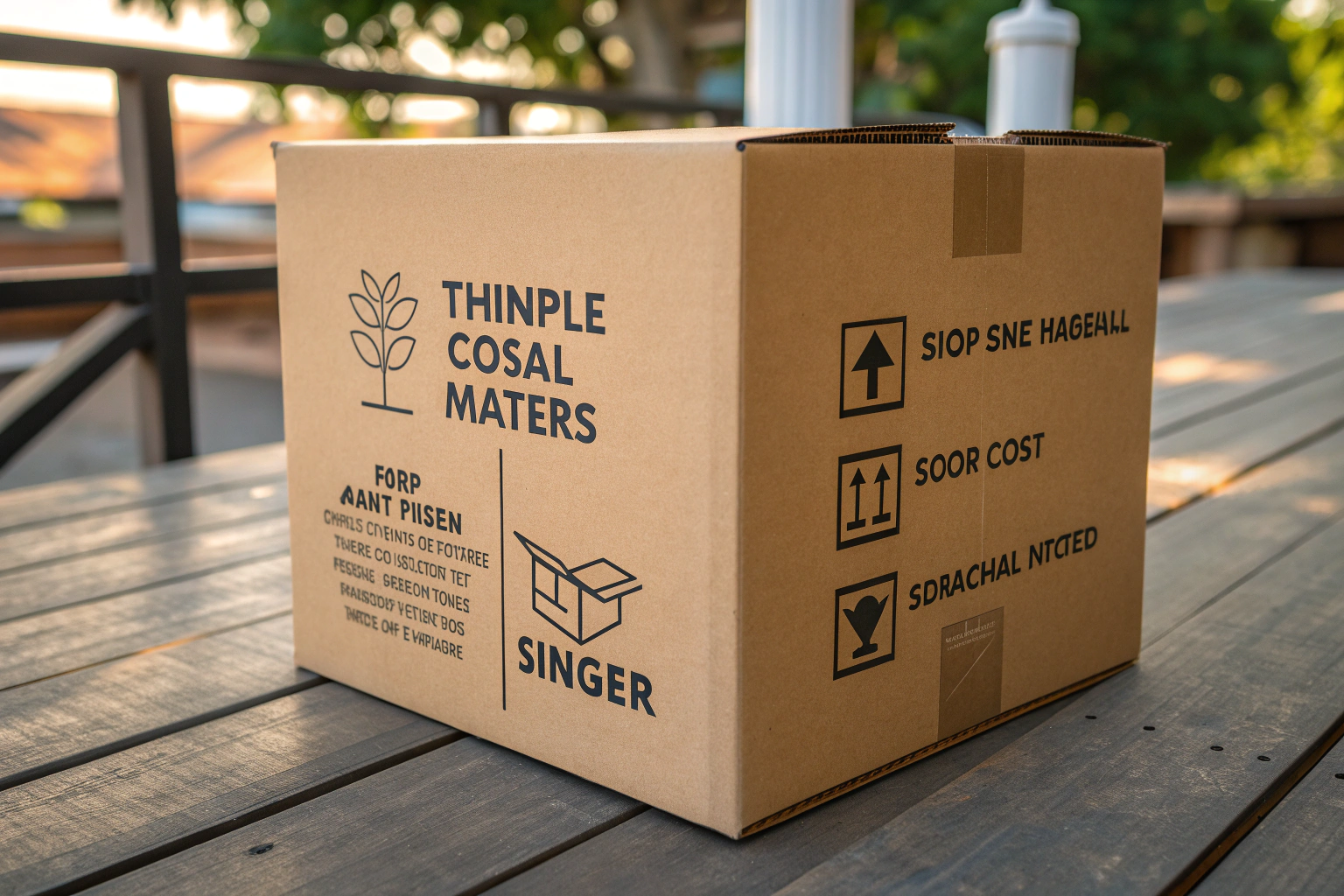
As a manufacturer, I reduce box cost not by cutting corners, but by removing unnecessary material and inefficiency.
Optimize Box Size First
Size has the biggest cost impact.
Oversized corrugated boxes waste paper, increase freight cost, and reduce stacking strength.

Even a small reduction in length, width, or height can save significant material over large volumes. Smaller boxes also stack better and reduce void fill.
From factory experience, right-sizing often saves more money than changing paper GSM.
Choose the Correct Flute Type
Flute selection controls both strength and cost.
Using the correct flute type avoids over-packaging and unnecessary thickness.
For example, many buyers use C flute by default. In some cases, B flute or E flute provides enough strength with lower material usage. In other cases, switching to a double wall structure allows lower GSM paper while improving performance.
As a manufacturer, I often reduce cost by changing flute type rather than paper grade.
Reduce Paper GSM Carefully
Lower GSM can work when done correctly.
Reducing GSM saves cost only when structure and performance are still matched to use conditions.

Blindly reducing GSM leads to box failure. However, with proper design, many cartons can safely use lower GSM linerboard or medium.
From factory data, optimizing medium GSM often gives better savings than reducing linerboard GSM.
Use Mixed Paper Grades Strategically
Not all layers need the same paper.
Combining kraft linerboard and test liner reduces cost without sacrificing strength.
For example, using kraft paper on the outer liner and recycled test liner on the inner layers balances durability and cost. This approach is widely used in export cartons.
As a manufacturer, I rarely recommend full kraft construction unless conditions demand it.
Improve Structural Design Instead of Adding Material
Design beats thickness.
Better box design often delivers higher strength with less paper.
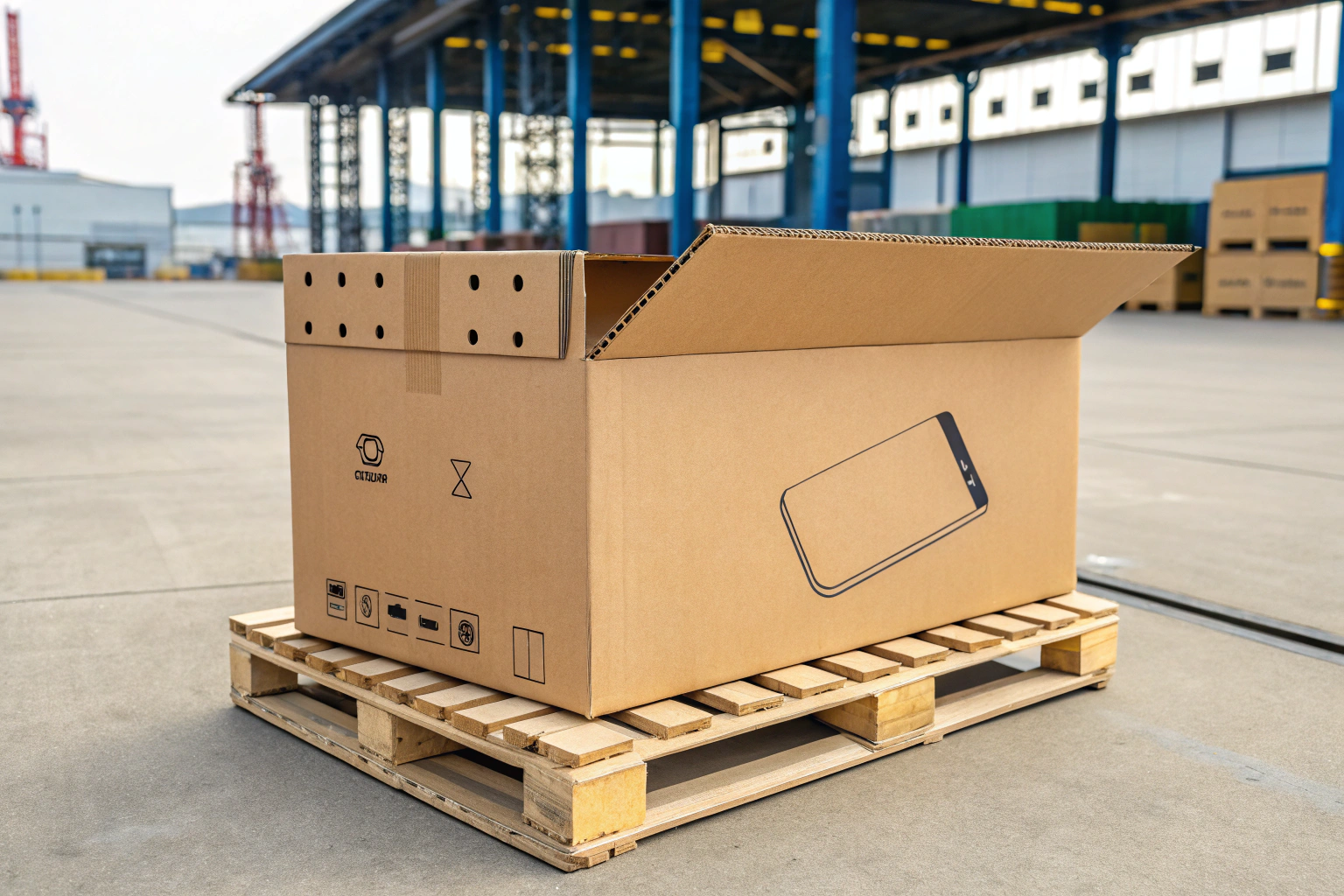
Correct panel proportions, proper flute direction, and reinforced edges improve compression strength without increasing GSM. Die-cut designs can also reduce tape and labor cost.
From manufacturing experience, many weak boxes are design problems, not material problems.
Reduce Printing and Finishing Costs
Printing adds hidden cost.
Limiting printing colors and coverage reduces ink, setup time, and waste.
Switching from full-color to one- or two-color flexo printing often reduces cost significantly. Avoid unnecessary lamination, coating, or special finishes when they do not add real value.
As a manufacturer, I always ask whether printing supports branding or just adds cost.
Standardize Box Sizes Where Possible
Customization increases cost.
Standard box sizes reduce setup time, tooling cost, and waste.
Using fewer SKUs allows longer production runs and better paper utilization. This is especially important for brands with many similar products.
From a factory view, standardization improves both price and delivery stability.
Order Economically Efficient Quantities
Volume affects unit cost.
Very small orders carry higher unit cost due to setup and material loss.
Combining orders or increasing order quantity reduces setup waste and machine downtime. This often lowers unit cost more effectively than negotiating price.
As a manufacturer, I can always price better when production runs are stable.
Improve Logistics and Packing Method
Packaging cost is not just box cost.
Better palletization and container loading reduce total packaging-related cost.
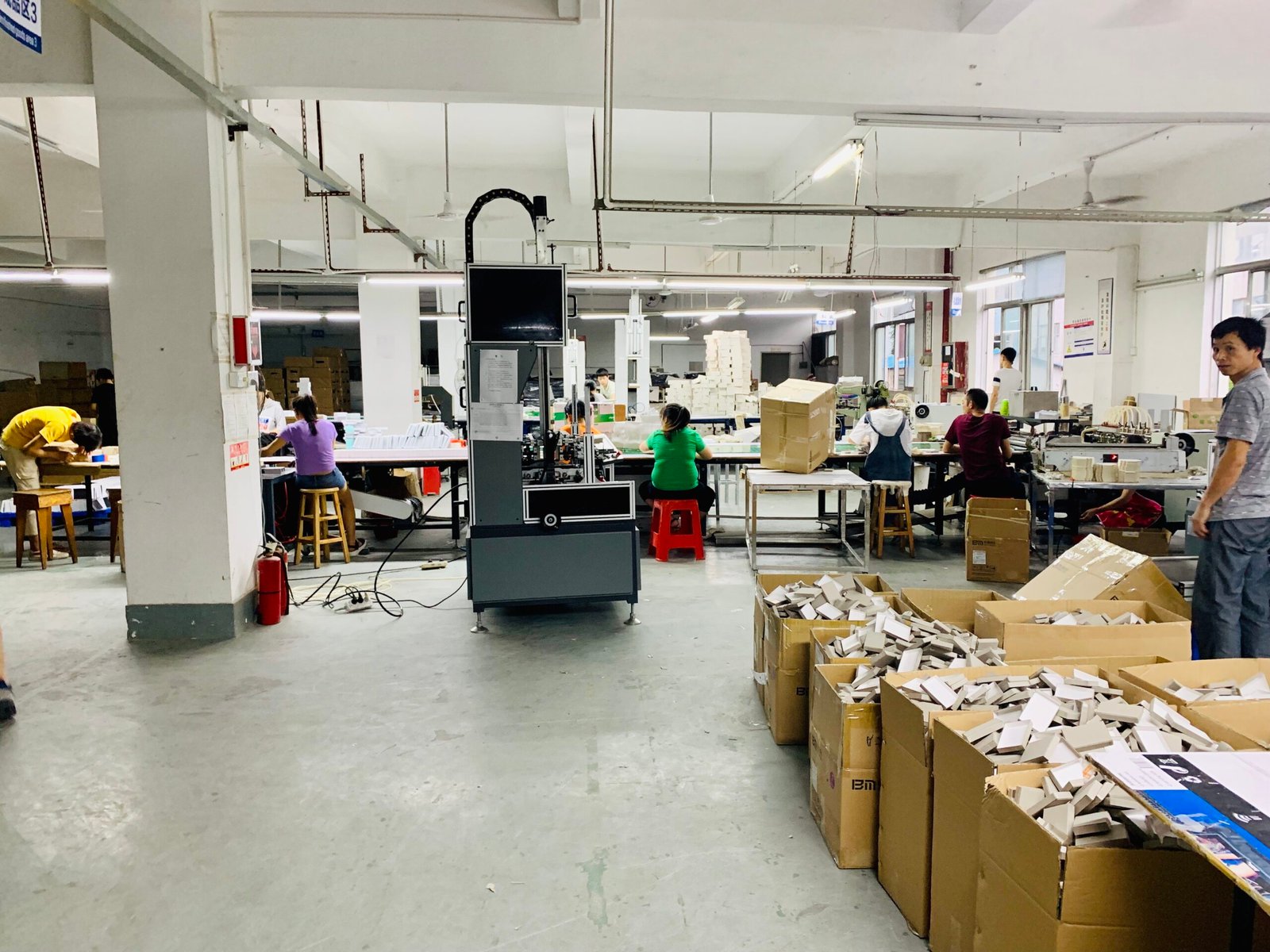
Optimized box sizes improve container utilization. Stronger boxes reduce damage and rework. These savings often outweigh small differences in box price.
From experience, damage reduction is one of the biggest hidden cost savers.
Work Directly With the Manufacturer
Middle layers add cost.
Working directly with a factory allows design optimization and cost transparency.
Manufacturers can adjust structure, paper, and process together. Traders usually adjust price only. Direct communication leads to real cost reduction instead of risk transfer.
Avoid Over-Specifying Requirements
Extra margin costs money.
Over-specifying strength, GSM, or certifications increases cost without benefit.

If actual stacking height is low, do not design for extreme compression. If shipping distance is short, export-grade cartons may be unnecessary.
As a manufacturer, I always design to real conditions, not assumptions.
Conclusion
Reducing the cost of a corrugated box is not about choosing the cheapest paper. It is about optimizing size, structure, flute type, paper combination, printing, and production efficiency. As a manufacturer, I see the lowest total cost achieved when boxes are designed for real use conditions with no unnecessary material or features. When cost reduction is done correctly, you get lower price, stable performance, and fewer failures across the entire supply chain.