Paper bags are often labeled as weak because of past failures caused by poor materials or cost-driven design. In reality, most strength problems come from incorrect structure and uncontrolled production, not from paper itself.

A paper bag is strong or weak depending on paper grade, structure design, and manufacturing control, not the material alone. When engineered correctly, paper bags can carry significant weight reliably.
From a manufacturing perspective, paper bag strength is measurable, testable, and controllable. The sections below explain why paper bags sometimes fail, and why well-made paper bags perform far better than expected.
Why Do Many People Think Paper Bags Are Weak?
This perception usually comes from low-quality examples rather than proper manufacturing standards.
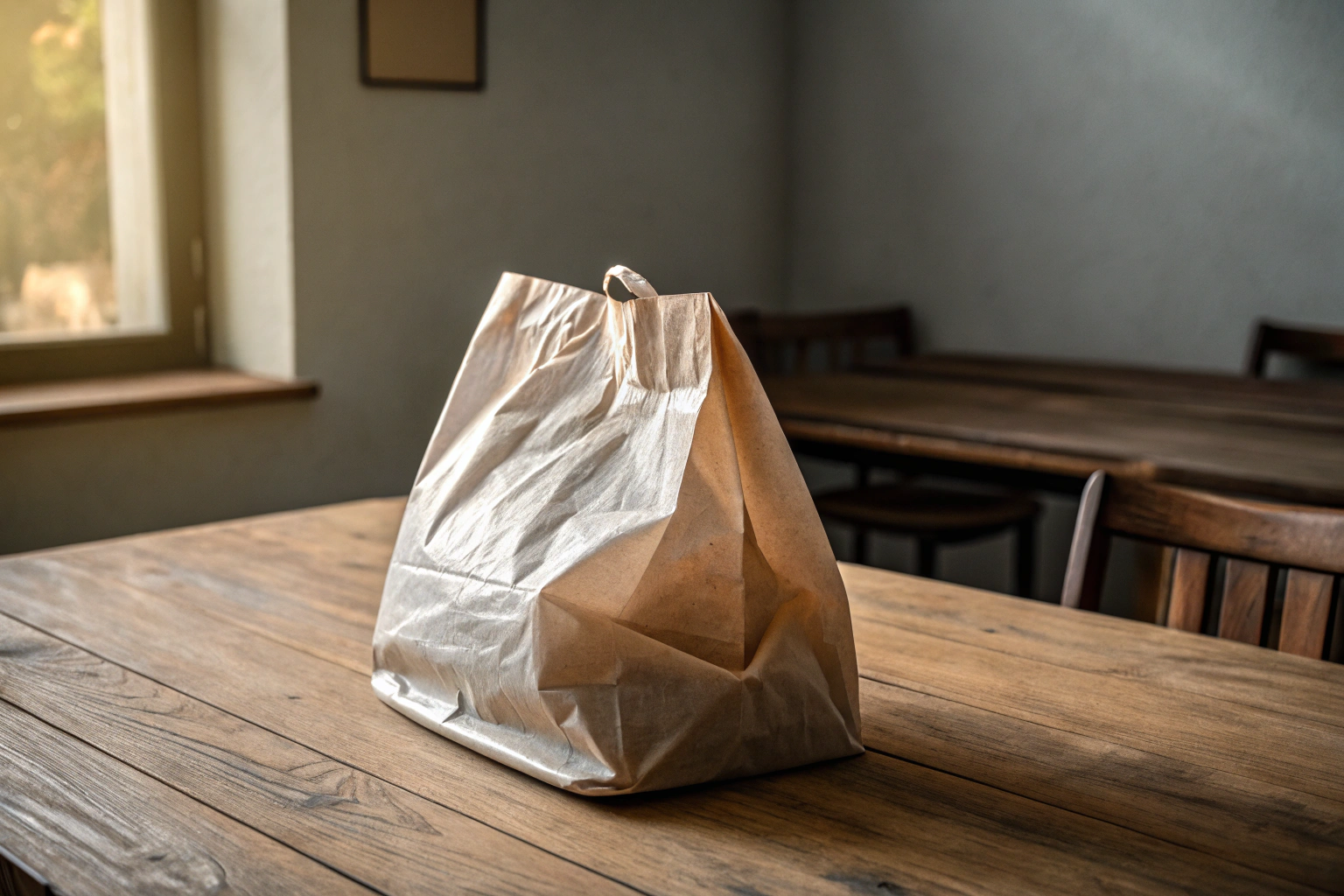
Paper bags are considered weak when thin paper, poor handles, or incorrect bottom structures are used. These issues are design and cost decisions.
In many low-cost bags, paper thickness is reduced to save material. Handles are glued with minimal adhesive, and bottoms are not reinforced. These bags fail quickly under normal load.
From a factory point of view, these failures are predictable. When strength targets are not defined at the design stage, production simply follows the lowest material standard. This creates the impression that paper itself is unreliable.
What Makes a Paper Bag Strong in Real Use?
Paper bag strength is the result of multiple controlled factors working together.
Paper grade, fiber quality, structure design, and handle reinforcement determine paper bag strength. Each element plays a role.
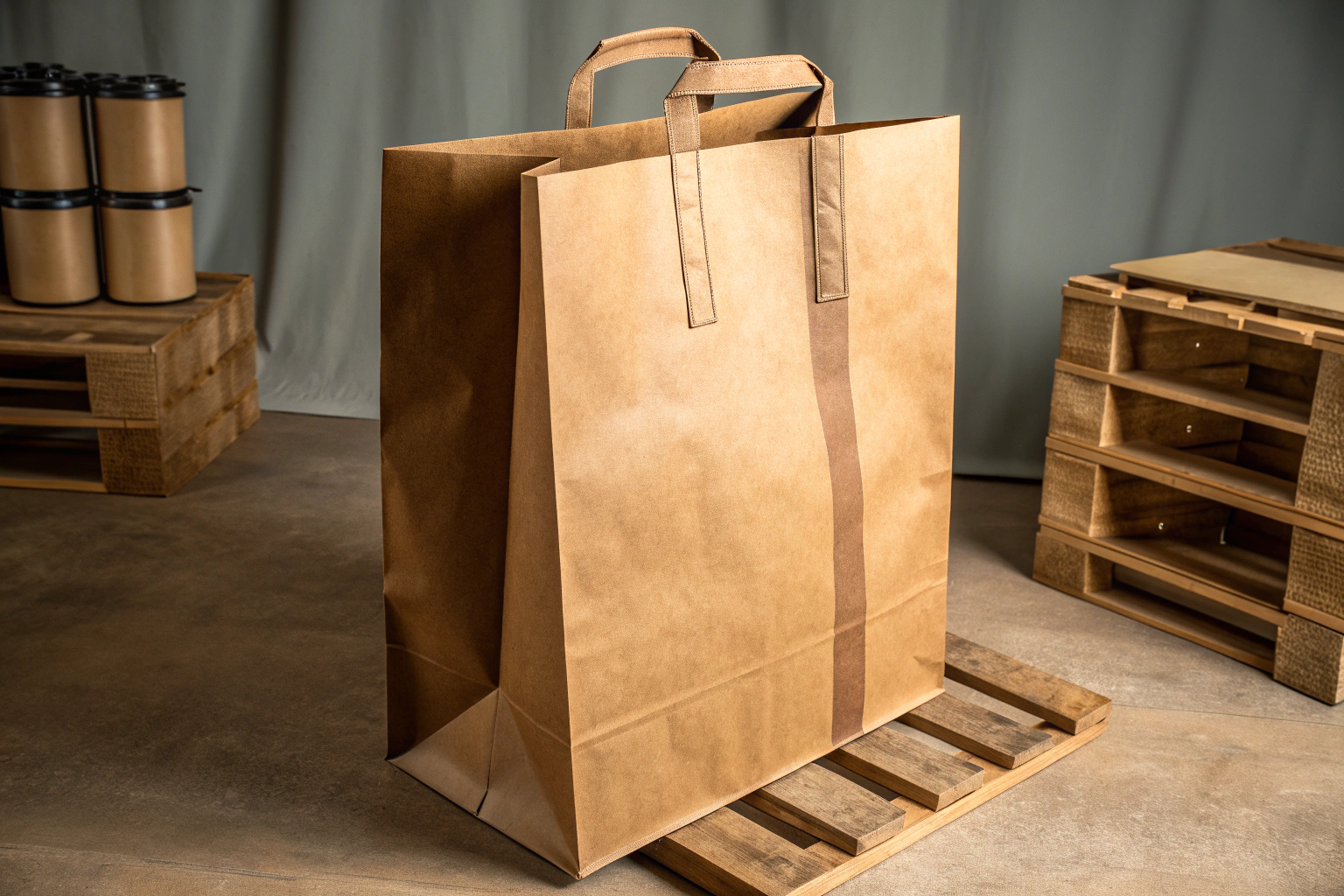
Higher GSM paper provides better tear resistance. Long-fiber kraft paper improves load performance. Reinforced bottoms distribute weight evenly. Proper handle attachment prevents tearing at stress points.
In the workshop, strength is verified through load testing and handle pull testing. These tests simulate real use and confirm whether the bag meets required performance before mass production begins.
How Much Weight Can a Proper Paper Bag Carry?
Weight capacity is often underestimated when paper bags are engineered correctly.
A well-designed paper bag can carry from several kilograms up to over ten kilograms, depending on size and structure.
The key is matching bag size, paper thickness, and handle type to the product weight. Twisted paper handles and reinforced flat handles are commonly used for heavier loads. Bottom boards or double-layer paper improve strength further.
Factories calculate load requirements during the design phase. This ensures the bag performs safely instead of relying on assumptions or visual judgment.
How Does Manufacturing Quality Affect Strength?
Even a good design fails if production is not controlled.
Manufacturing accuracy directly affects paper bag strength and consistency. Small errors create large performance gaps.
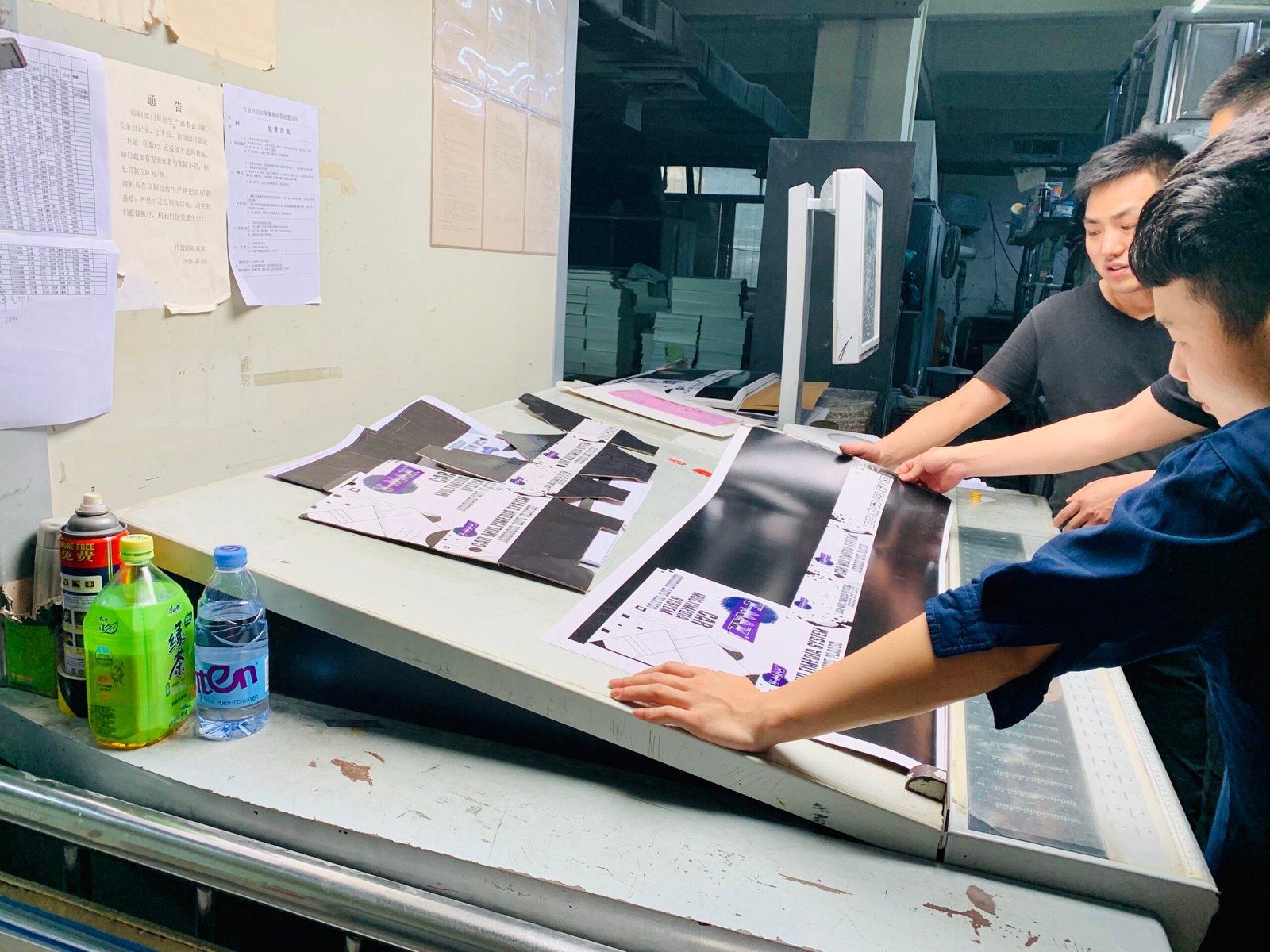
Glue quantity, bonding area, folding accuracy, and paper conditioning all affect strength. Paper stored in high humidity loses stiffness. Incorrect gluing causes handle failure.
In controlled production environments, materials are conditioned, machines are calibrated, and quality checks are performed regularly. This ensures that every bag performs like the approved sample, not just the first one.
Are Paper Bags Stronger Than Plastic Bags?
Strength should be evaluated by performance, not flexibility.
Paper bags often provide more reliable load performance than plastic bags because they do not stretch under weight.

Plastic bags stretch, thin out, and tear at stress points. Paper bags maintain shape and distribute load evenly. While plastic resists moisture better, it is less predictable under heavy weight.
From a production standpoint, paper bag strength is easier to engineer and test. This makes performance more consistent in real use.
When Is a Paper Bag Not the Right Choice?
Paper bags are strong, but not universal.
Paper bags are not suitable for heavy moisture exposure, liquid products, or extreme outdoor conditions without special treatment.
In wet environments, untreated paper loses strength. For these cases, coatings or alternative materials may be required. Misusing paper bags creates avoidable failures and reinforces negative perceptions.
Factories evaluate use conditions carefully before recommending paper bags. Correct matching prevents performance issues later.
Conclusion
A paper bag is neither weak nor strong by default. Its performance depends entirely on how it is designed, produced, and tested. When low-grade materials and poor structures are used, failure is unavoidable. However, when proper paper grade, reinforced structure, and controlled manufacturing processes are applied, paper bags deliver stable and reliable strength.
From a manufacturing perspective, paper bag strength is predictable and repeatable. Load requirements can be defined, tested, and verified before production. When paper bags are engineered correctly and used in suitable conditions, they are not a compromise, but a dependable packaging solution that balances strength, appearance, and sustainability.