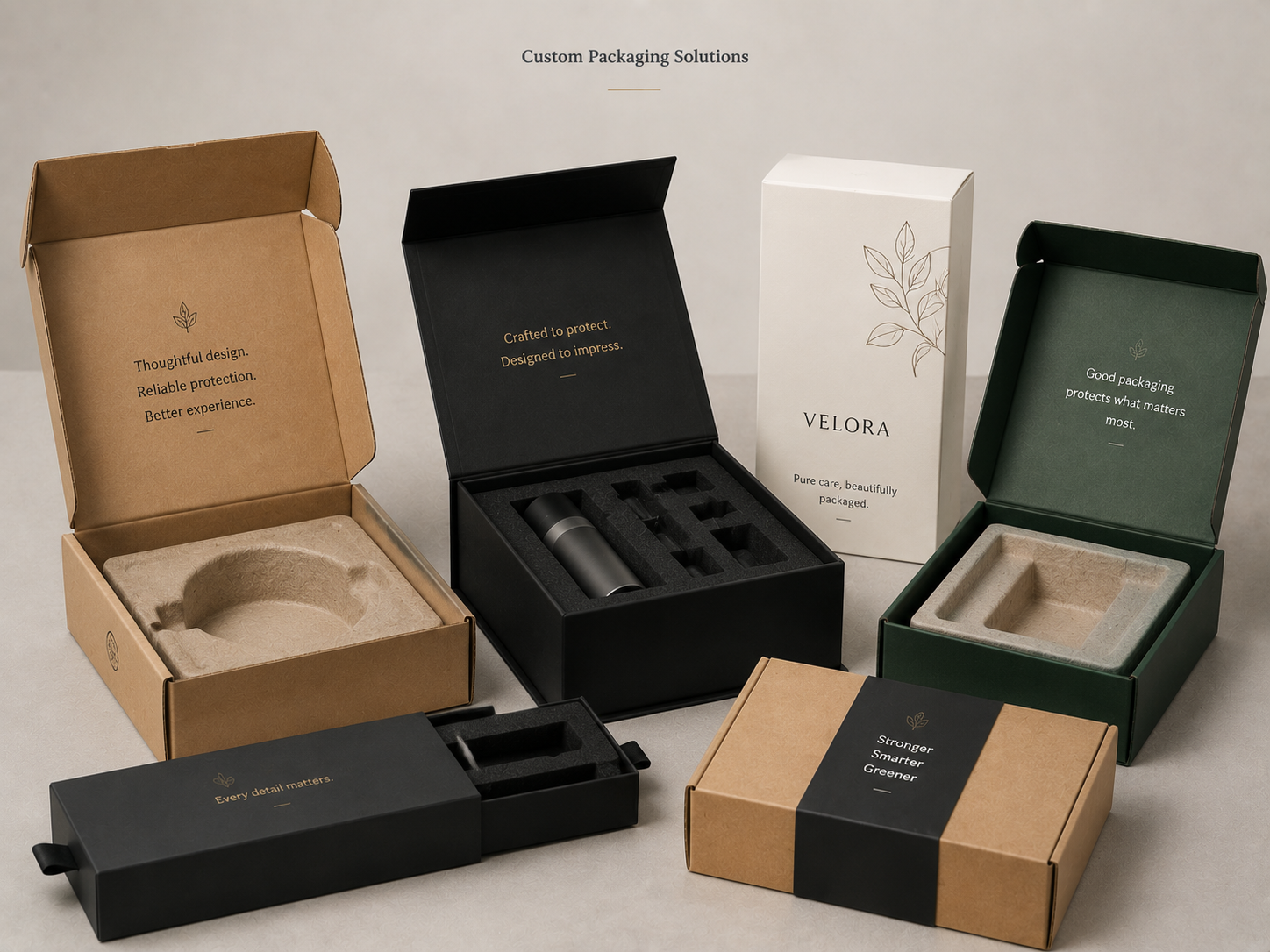
Many brands choose kraft paper to show environmental responsibility, but not all kraft paper performs the same way. Without understanding how it is made and used, sustainability expectations can easily fall short.
Kraft paper is considered environmentally friendly because it uses strong natural fibers, supports recycling, and can be produced with lower chemical impact when sourced and processed correctly.
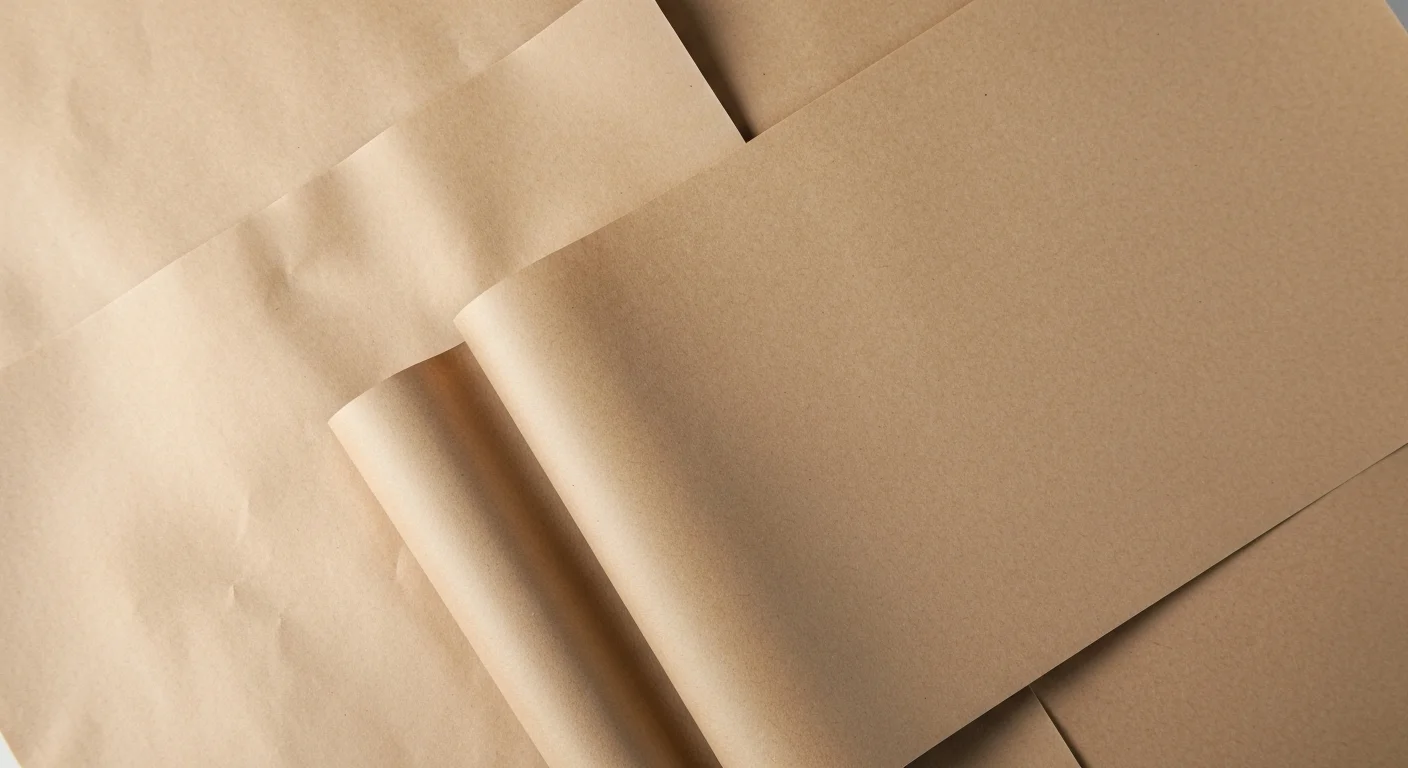
In packaging manufacturing, kraft paper is often selected not only for its natural look, but also for how it fits into recycling systems, material efficiency, and long-term compliance requirements. Its environmental value depends on both material origin and factory-level control.
How Is Kraft Paper Made and Why Does That Matter?
The environmental profile of kraft paper begins at the pulping stage.
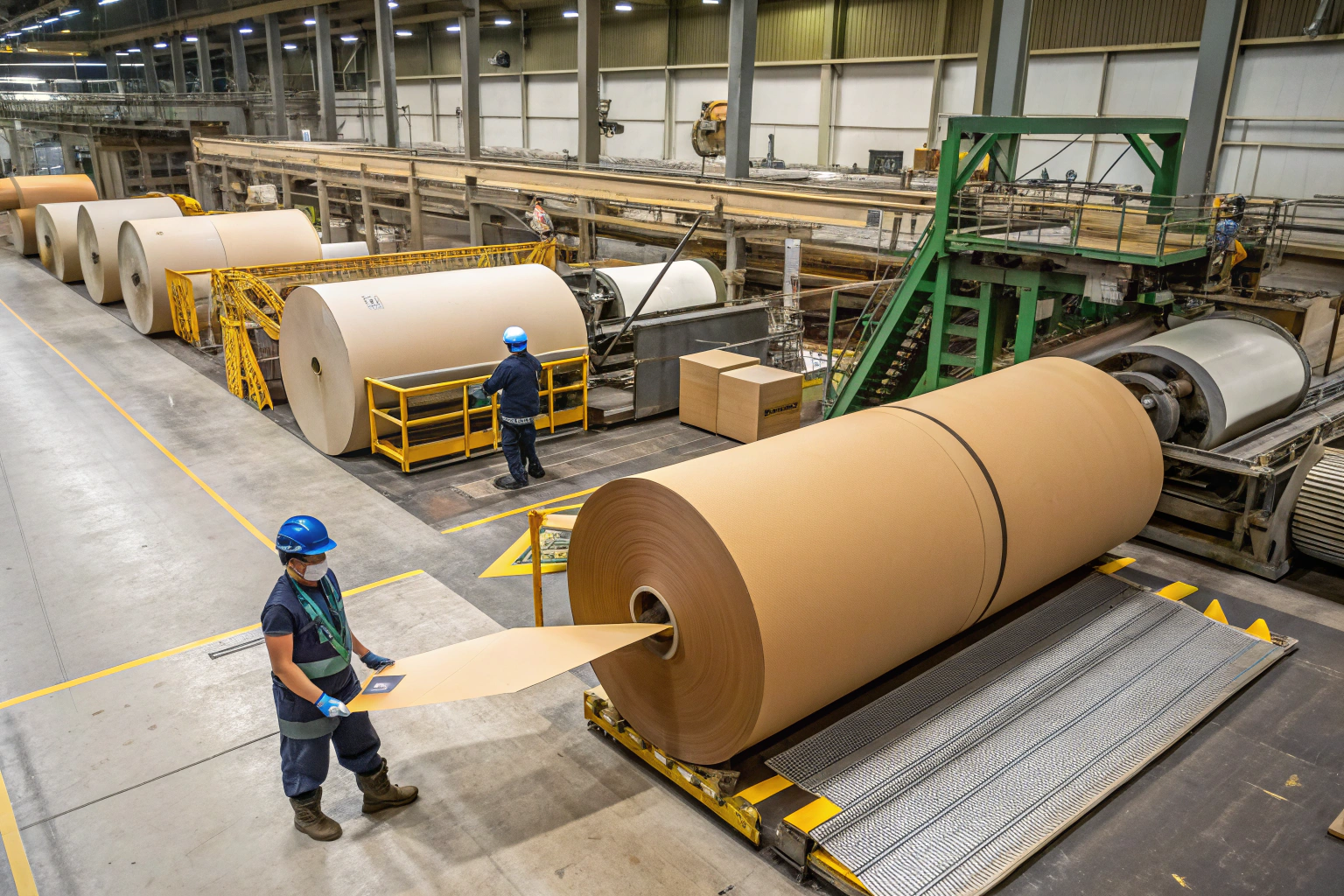
Kraft paper is produced using the kraft pulping process, which separates fibers while preserving their length and strength. Compared with other pulping methods, this process allows chemicals to be recovered and reused within the mill. This closed-loop system reduces waste discharge and improves energy efficiency.
Because kraft fibers remain strong, less material is needed to achieve the same performance. Thinner kraft paper can replace thicker low-strength paperboard in many applications. This reduces overall fiber consumption per package.
In manufacturing audits, kraft paper sourced from certified mills shows stable fiber quality and controlled emissions. The production method directly supports responsible resource use when managed correctly.
Is Kraft Paper Recyclable and Biodegradable?
Recyclability is one of kraft paper’s strongest environmental advantages.
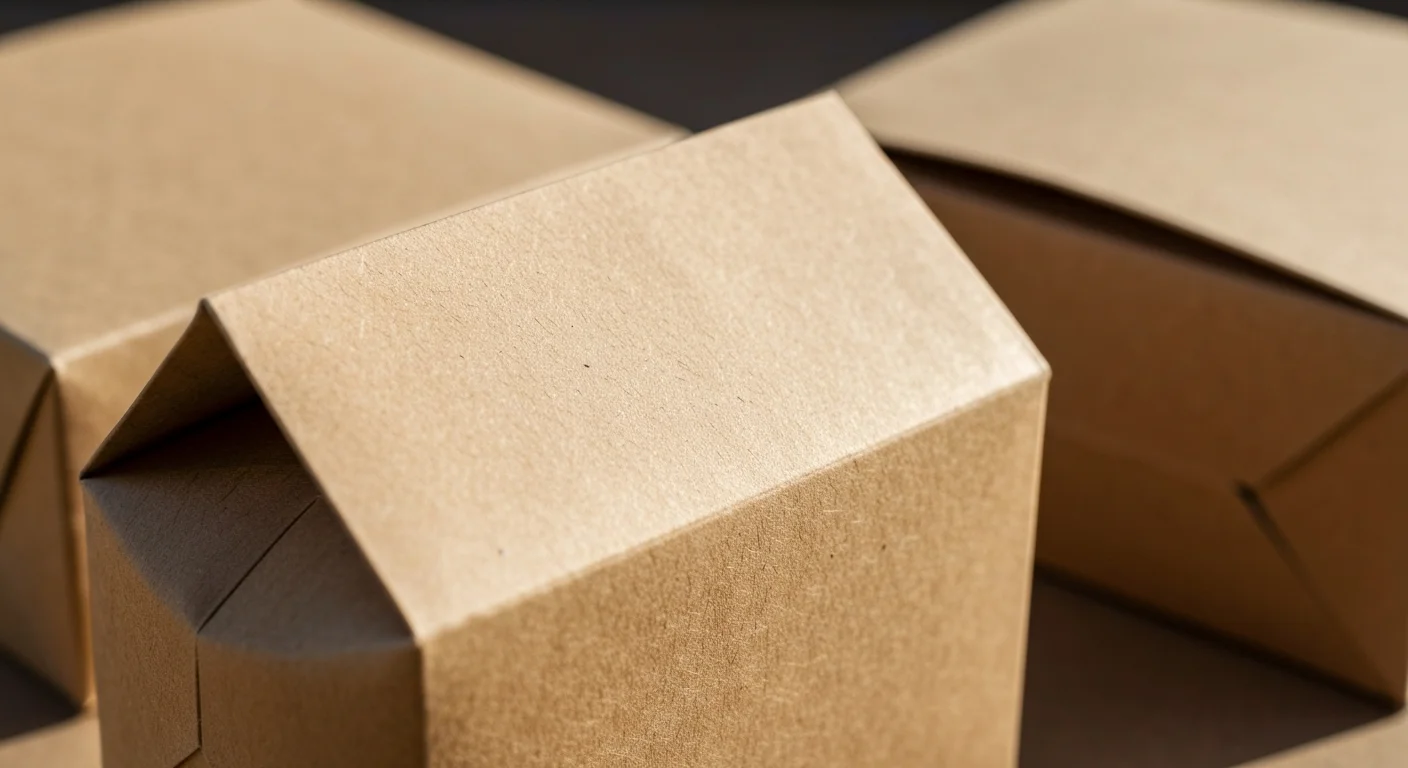
Uncoated kraft paper is widely accepted in recycling systems. It breaks down efficiently during pulping and can be reused multiple times. This supports circular material flow across packaging supply chains.
Kraft paper is also biodegradable under normal conditions. Unlike plastic-based packaging, it does not persist in the environment for long periods. This reduces long-term waste impact when disposal is unavoidable.
In factory waste management, kraft paper offcuts are easy to separate and recycle. High recovery rates reduce landfill use and improve overall material efficiency.
However, recyclability depends on finishing. Heavy plastic lamination or non-paper coatings can reduce recyclability. Proper design choices are critical.
How Does Kraft Paper Reduce Material and Resource Use?
Material efficiency is a less visible but important environmental factor.
Kraft paper’s long fibers provide higher tear and tensile strength. This allows packaging designers to use lower grammage paper without sacrificing performance. Less paper means fewer trees, lower energy use, and reduced transport emissions.
In shipping and e-commerce packaging, kraft paper often replaces multi-layer or plastic-heavy solutions. Corrugated kraft liners and kraft mailer boxes reduce reliance on mixed materials.
From a manufacturing perspective, kraft paper runs efficiently on converting lines. Stable performance reduces rejects, rework, and wasted material. Lower defect rates translate directly into lower resource consumption.
Environmental impact is not only about recycling, but also about how much material is consumed to achieve function.
What Role Do Certifications Play in Kraft Paper Sustainability?
Not all kraft paper is equally sustainable.
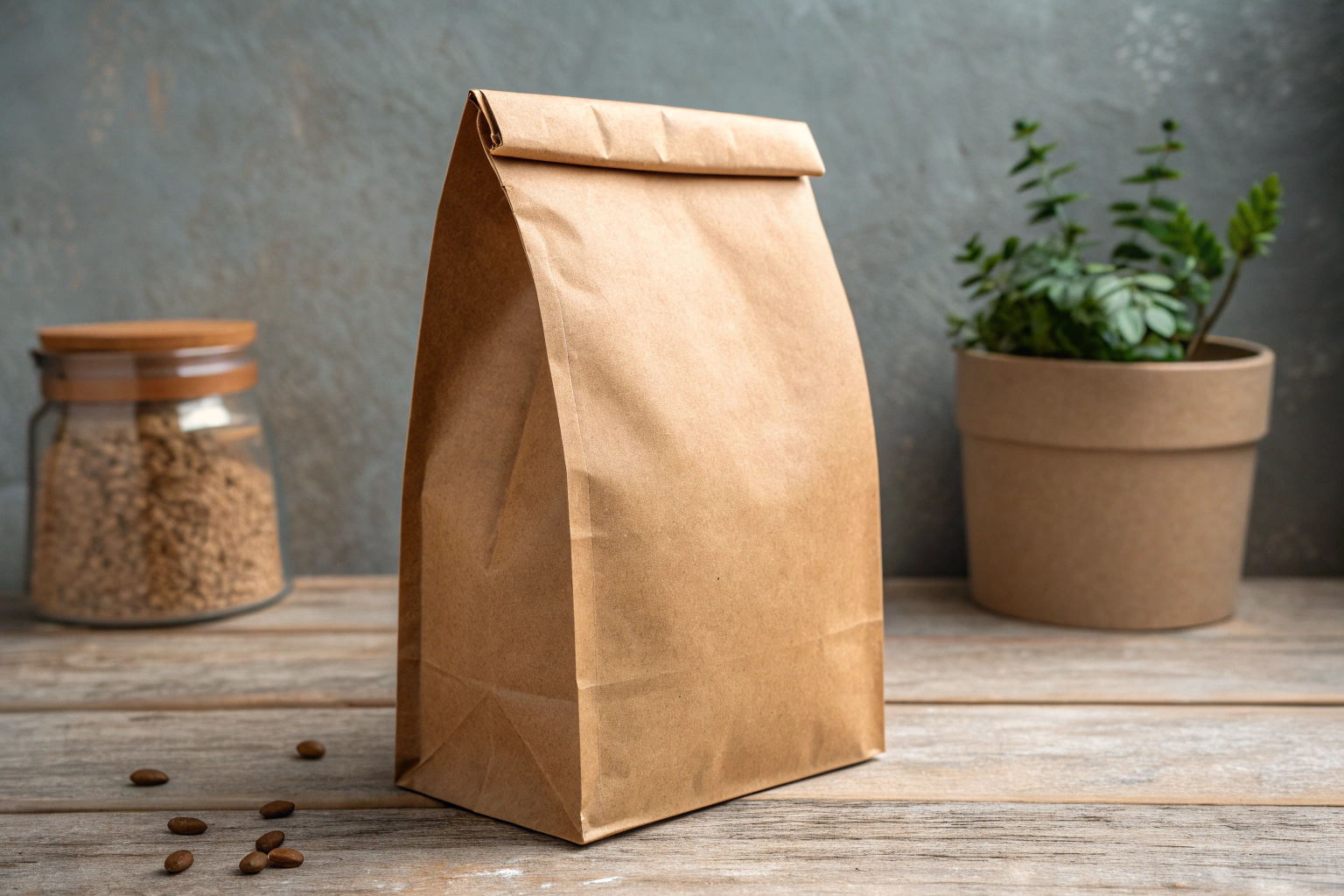
Environmental performance depends heavily on sourcing. Certified kraft paper ensures that raw materials come from responsibly managed forests. Certification systems also audit chain-of-custody, preventing uncontrolled harvesting.
In packaging factories, certified kraft paper is often required for projects serving regulated markets. Certification adds transparency and traceability, which strengthens environmental claims.
Beyond fiber sourcing, sustainability also includes:
- Energy use in paper mills
- Water treatment systems
- Chemical recovery processes
Factories selecting kraft paper evaluate suppliers based on these criteria, not just price. Certification acts as a baseline, not a guarantee, but it significantly improves environmental reliability.
Are There Environmental Limits to Kraft Paper?
Kraft paper is not a perfect solution.
Producing virgin kraft paper still requires wood resources and energy. When demand increases rapidly, supply pressure can grow. Responsible sourcing and recycling help offset this impact.
Certain applications require coatings or laminations for moisture or grease resistance. These additions can reduce recyclability if not carefully selected.
From a factory standpoint, environmental performance depends on system design. Poor material choices or excessive finishing can cancel out the benefits of kraft paper.
Understanding these limits helps packaging projects stay realistic and compliant rather than relying on appearance alone.
How Do Manufacturers Support Environmental Performance with Kraft Paper?
Manufacturers play a direct role in environmental outcomes.
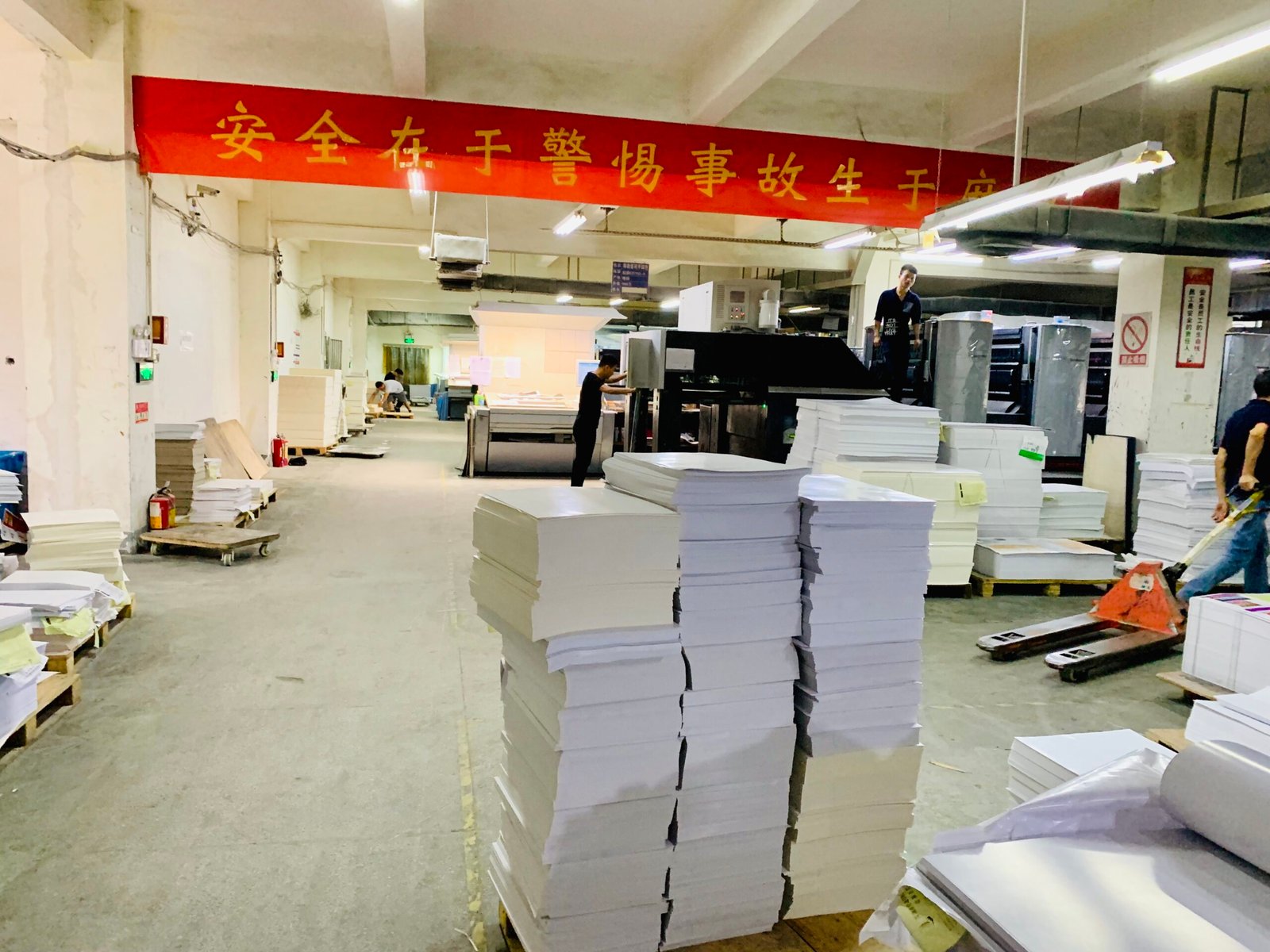
Factory-level controls include:
- Certified material sourcing
- Efficient die layouts to reduce waste
- Water-based inks and adhesives
- Controlled lamination choices
Production workshops are optimized to minimize scrap. Waste paper is sorted and returned to recycling streams. Process stability reduces rejected cartons and reprints.
When kraft paper is combined with thoughtful design and controlled manufacturing, environmental performance improves across the entire packaging lifecycle.
This is why kraft paper is often chosen for long-term, sustainability-focused packaging systems rather than short-term marketing use.
Conclusion
Kraft paper is environmentally friendly when sourced responsibly and used correctly. Its strong fibers, recyclability, and material efficiency support lower resource consumption and reliable recycling. While not impact-free, kraft paper offers a practical balance between performance and sustainability, especially when combined with controlled manufacturing and thoughtful packaging design.