Many packaging decisions go wrong because common paper terms are mixed together. Kraft paper and packing paper are often treated as the same material, but in manufacturing they serve different purposes.
Kraft paper is a specific type of strong paper made with the kraft pulping process, while packing paper is a broad term that refers to any paper used for wrapping or cushioning.

In factory production and packaging design, this distinction matters. Material performance, cost, and suitability all change depending on whether kraft paper or general packing paper is used.
What Is Packing Paper Used For?
Packing paper is a functional category, not a technical material definition.
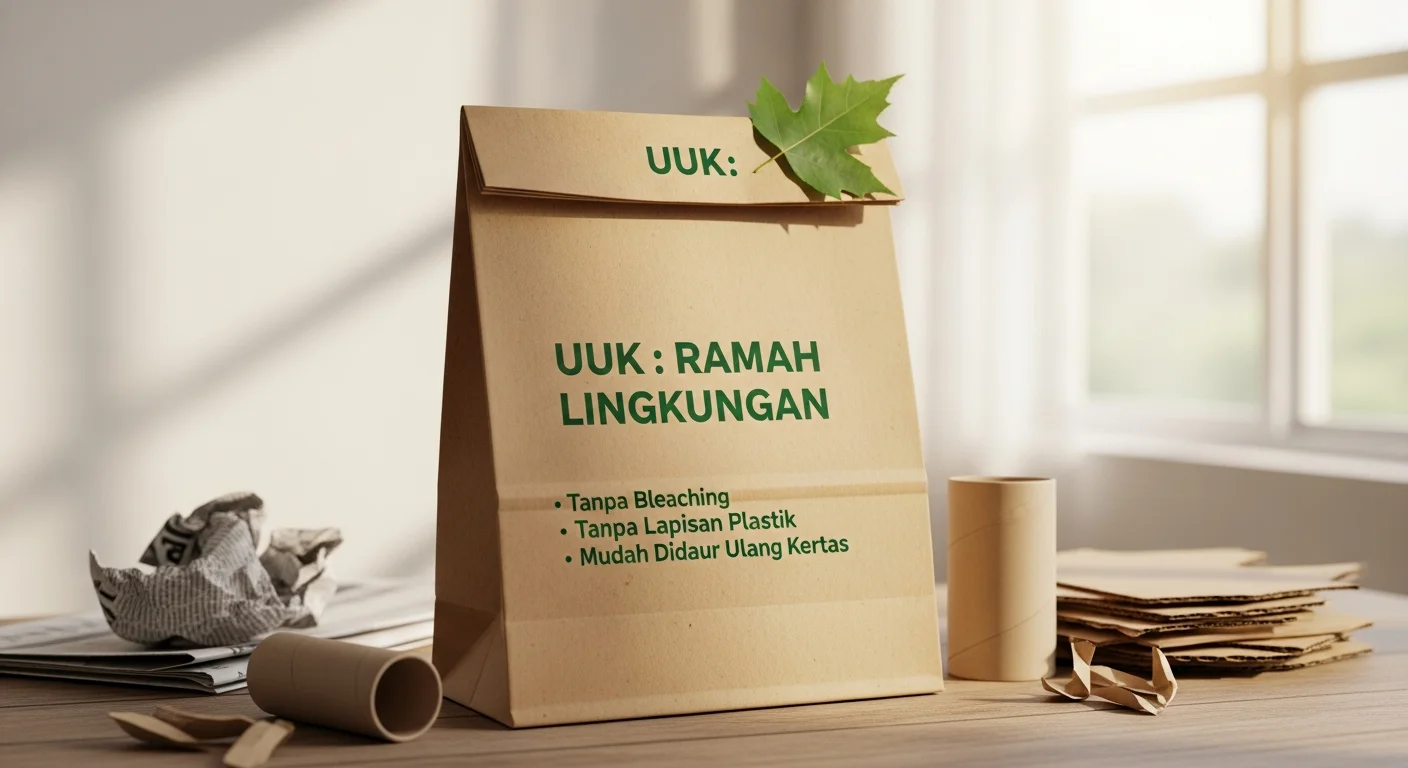
Packing paper refers to paper used mainly for:
- Wrapping products
- Filling empty space
- Surface protection
- Cushioning during transport
Packing paper can be made from many paper types, including:
- Recycled paper
- Newsprint
- Kraft paper
- Low-grade mixed pulp paper
In manufacturing and logistics operations, packing paper is chosen for disposability and low cost. Surface quality and strength are usually not priorities. The paper is expected to crumple easily and absorb shock through volume rather than strength.
From factory experience, packing paper varies greatly in quality. Some grades tear easily and generate dust. Others perform better but still lack consistency. Packing paper is rarely used as a structural packaging material.
Its role is temporary protection, not box formation or long-term use.
What Makes Kraft Paper Different From Packing Paper?
Kraft paper is a defined material with specific performance characteristics.
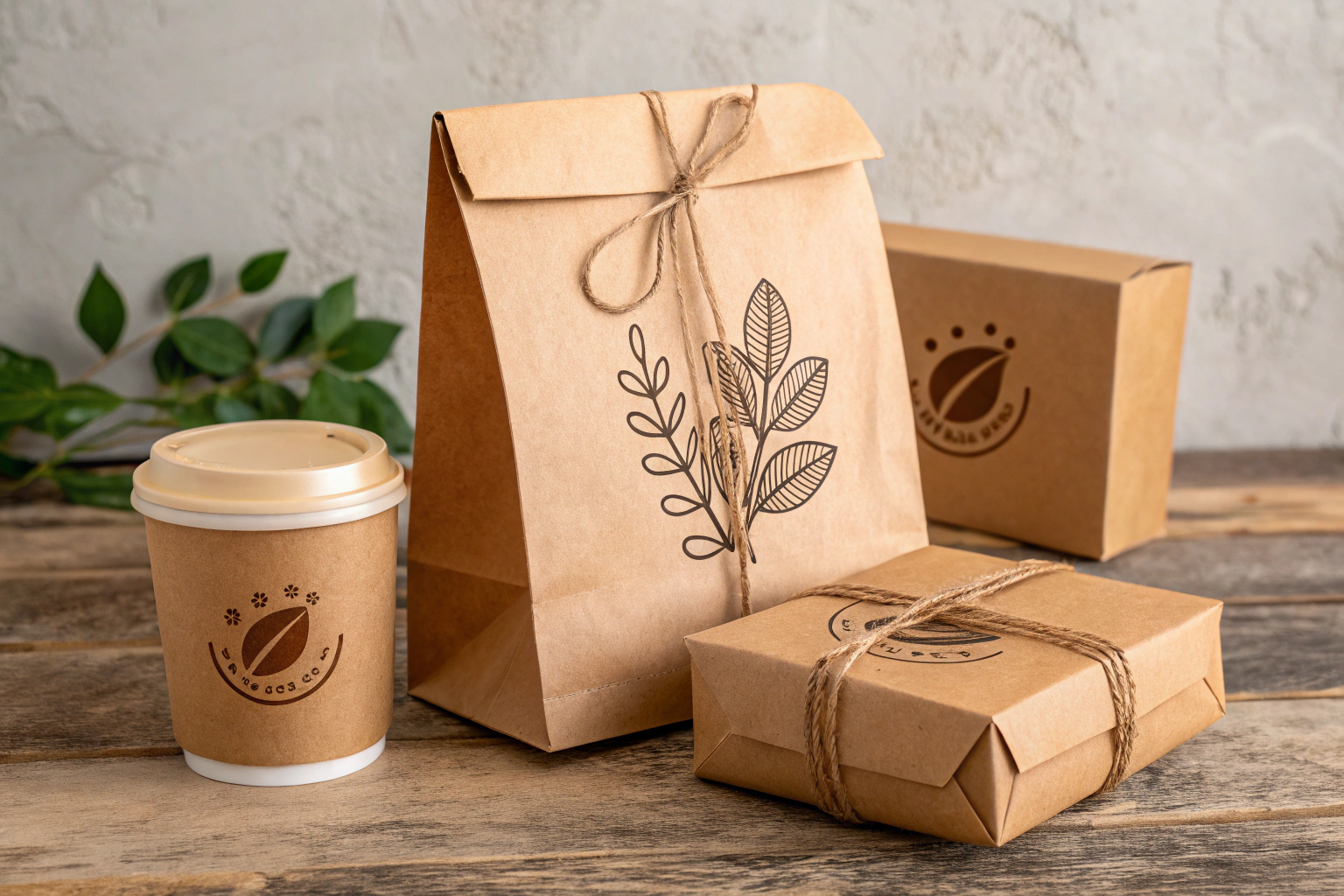
It is produced using the kraft pulping process, which preserves long wood fibers. These fibers give kraft paper higher tensile strength, tear resistance, and durability compared to most packing paper.
In factory production, kraft paper shows:
- Strong resistance to tearing
- Better edge strength
- More consistent grammage
- Predictable performance
Kraft paper is used not only for wrapping, but also for:
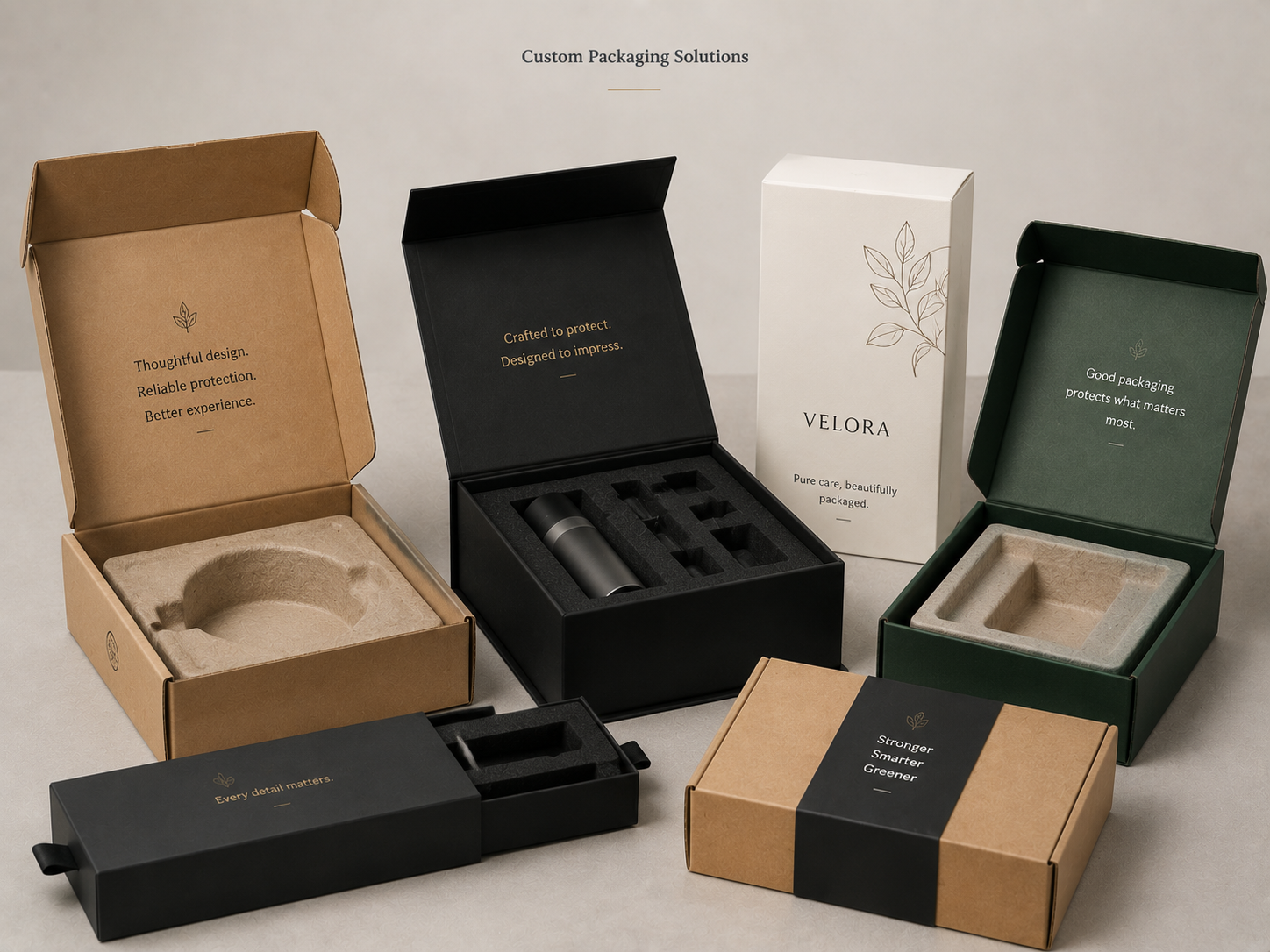
- Kraft boxes
- Mailer boxes
- Paper bags
- Corrugated liners
Unlike general packing paper, kraft paper can be structural. It can be folded, creased, and converted into packaging components that hold shape and protect products.
This functional strength separates kraft paper from generic packing paper.
Can Kraft Paper Be Used as Packing Paper?
Kraft paper can be used as packing paper, but the reverse is not always true.
When kraft paper is used for wrapping or cushioning, it performs better than low-grade packing paper. It tears less, produces less dust, and holds shape more effectively.
In factory packing operations, kraft paper is often selected for:
- Heavy products
- Sharp-edged items
- Premium packaging workflows
However, using kraft paper purely as packing paper may increase cost without adding necessary value for lightweight products. For simple void fill, lower-grade packing paper may be sufficient.
This is why factories differentiate between packing function and material specification.
How Do Strength and Performance Compare?
Performance differences are clear during real handling.

Packing paper relies on volume and crumpling to absorb shock. Once compressed, it loses cushioning ability. Tear resistance is low.
Kraft paper relies on fiber strength. It resists tearing even when folded or pulled tightly. This makes it suitable for wrapping that must stay intact during transport.
In warehouse testing:
- Packing paper tears under tension
- Kraft paper maintains integrity
- Kraft paper produces less fiber dust
These differences affect cleanliness, protection level, and packing speed. Stronger paper reduces rework and damage complaints.
How Do Factories Decide Which One to Use?
Material selection depends on function, not name.
Factories evaluate:
- Product weight
- Surface sensitivity
- Transport distance
- Cost limits
- Environmental requirements
Packing paper is chosen when:
- Low cost is the priority
- Cushioning is temporary
- Strength is not critical
Kraft paper is chosen when:
- Wrapping must stay intact
- Paper contributes to structure
- A natural or sustainable image is required
In production planning, this choice affects material sourcing, waste control, and packing efficiency.
Using the correct paper avoids over-specification and under-performance.
How Do Sustainability Considerations Differ?
Both papers can support sustainability goals, but in different ways.
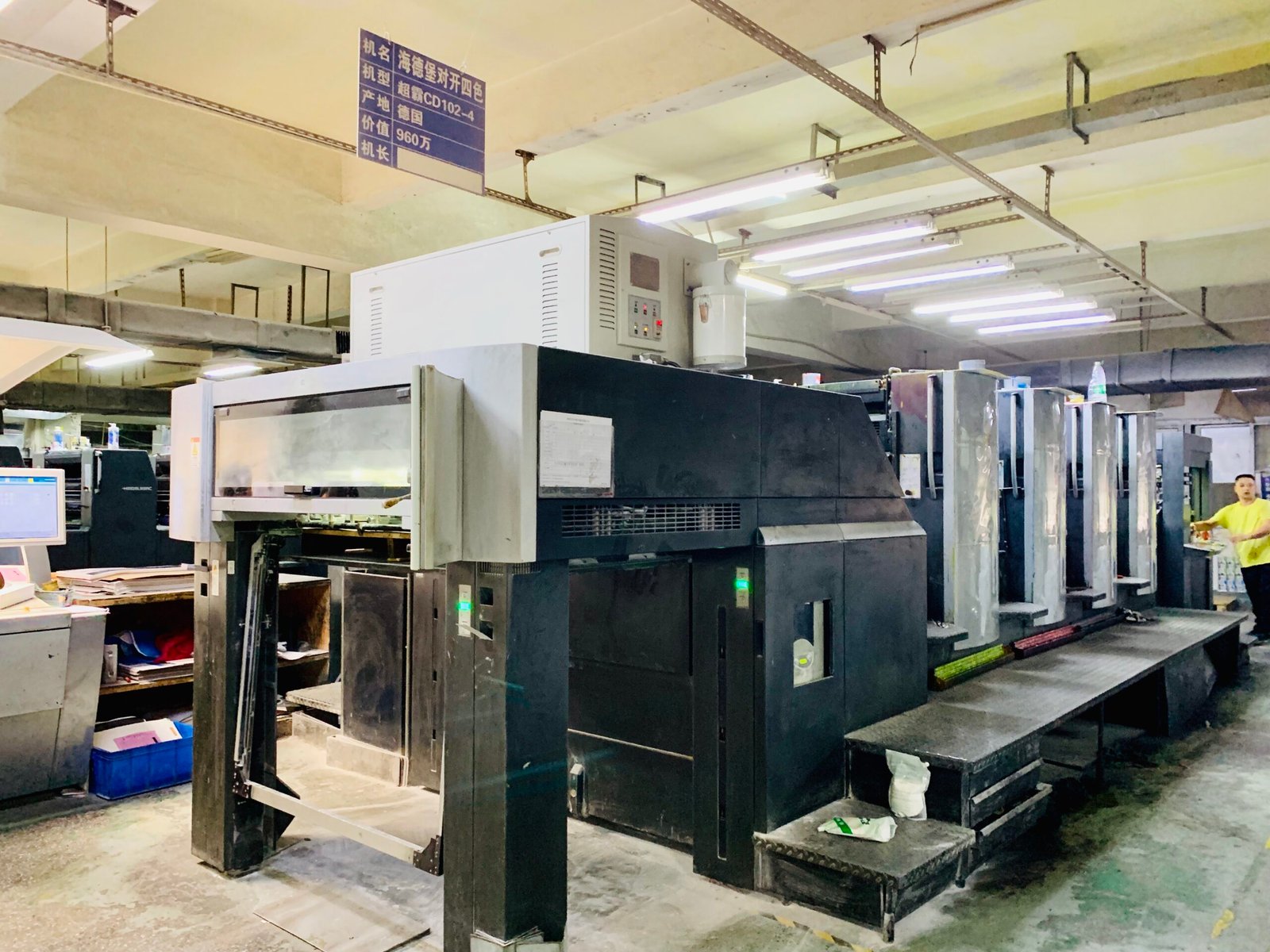
Packing paper often uses mixed recycled fibers. This improves recycling rates but reduces strength and consistency.
Kraft paper can be made from virgin or recycled fibers. When sourced responsibly, it offers a balance between strength and recyclability.
In factory audits, kraft paper performs better in:
- Material efficiency
- Reduced rework
- Lower damage rates
Lower damage means fewer returns and replacements, which indirectly improves environmental performance.
Sustainability depends on total system efficiency, not just recycled content.
Conclusion
Kraft paper and packing paper are not the same, even though they are sometimes used together. Packing paper describes a function, not a material, and usually focuses on low-cost cushioning. Kraft paper is a specific, stronger paper designed for durability and structural use. When the correct paper is chosen based on real packaging needs, protection improves, waste decreases, and packaging performance becomes more consistent across production and logistics.