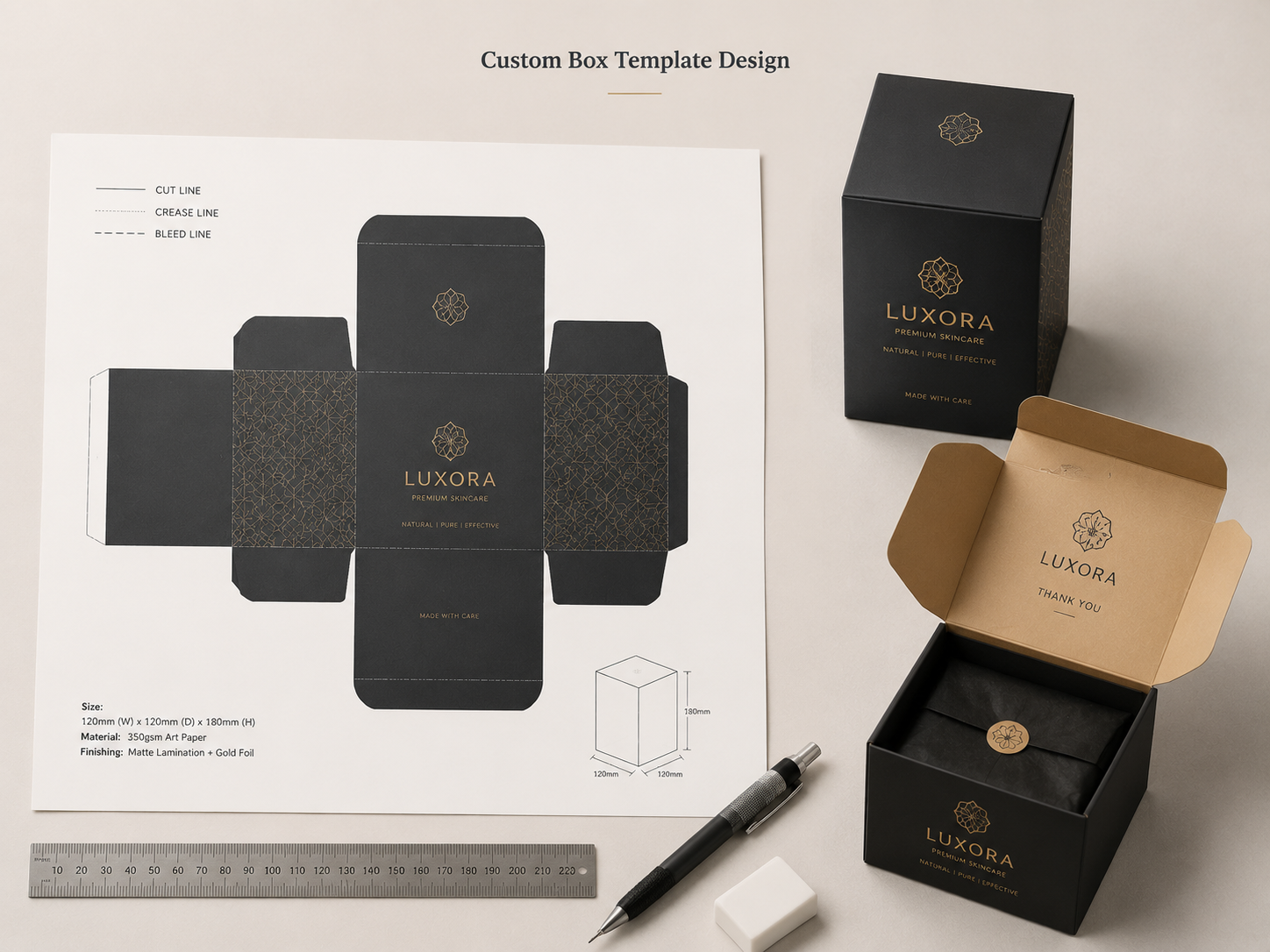
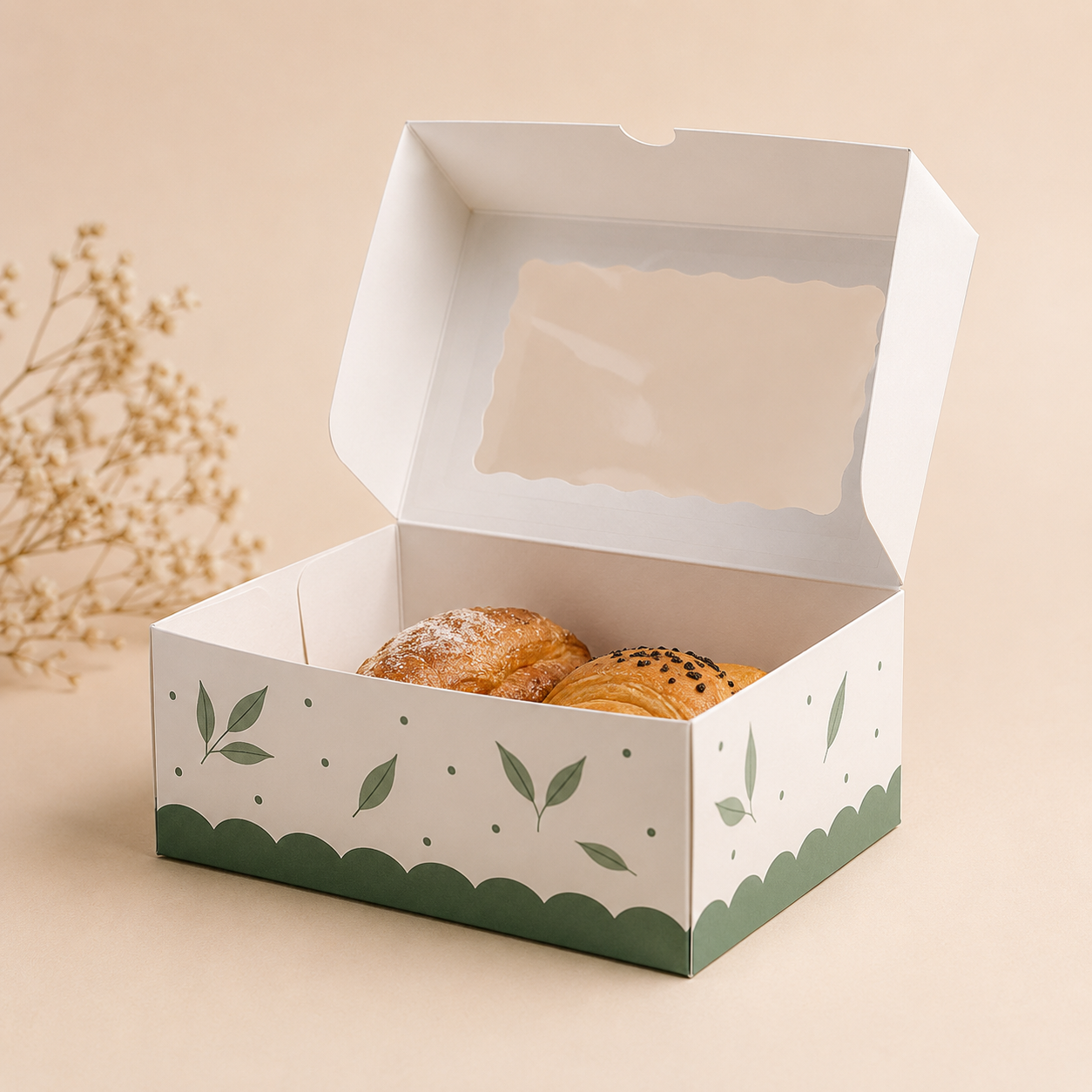
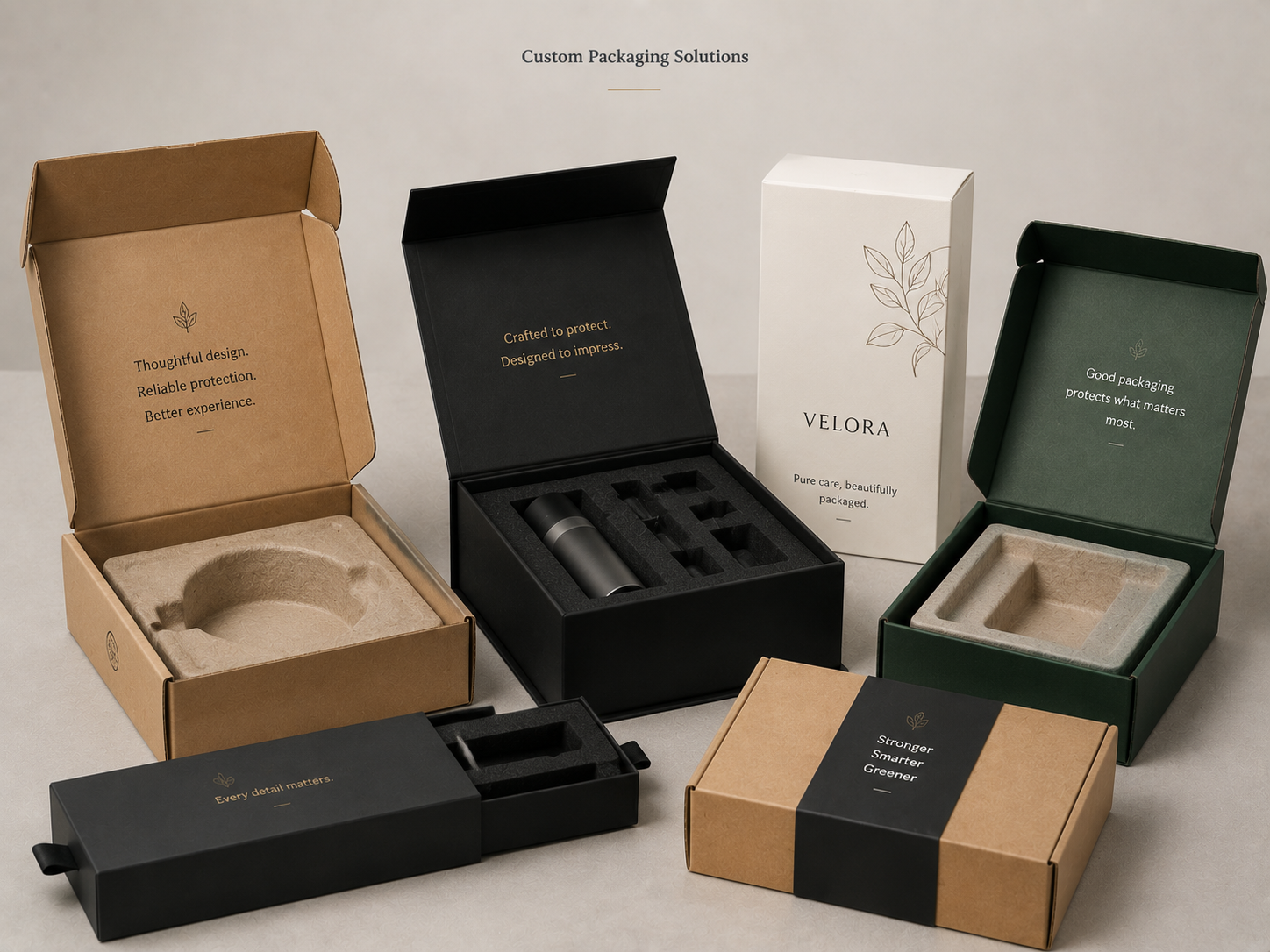
Wrapping paper and kraft paper are often confused because they sometimes look similar on the surface. This confusion leads to wrong material choices in packaging, art, and product presentation. Understanding the real difference helps avoid performance and quality issues.
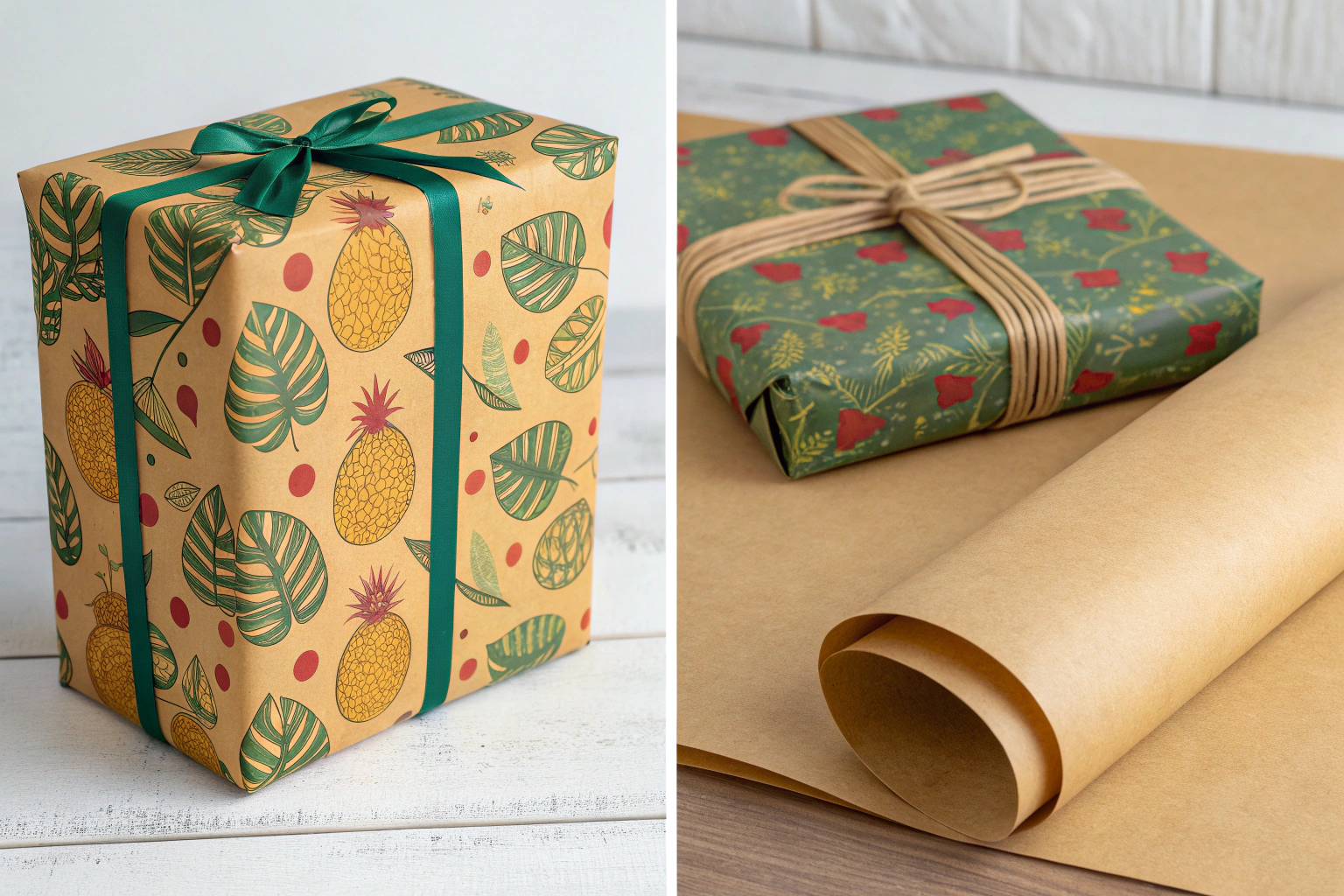
Wrapping paper is not the same as kraft paper, even though kraft paper can be used as wrapping paper in some cases. The two materials differ in purpose, structure, strength, and production standards.
The difference is not only about color or thickness. It is mainly about how the paper is made and what it is designed to do.
What Is Wrapping Paper Designed For?
Wrapping paper is mainly designed for decoration and visual appeal. Its primary function is to cover products for gifting, presentation, or seasonal use. The focus is on color, pattern, and surface finish rather than strength.
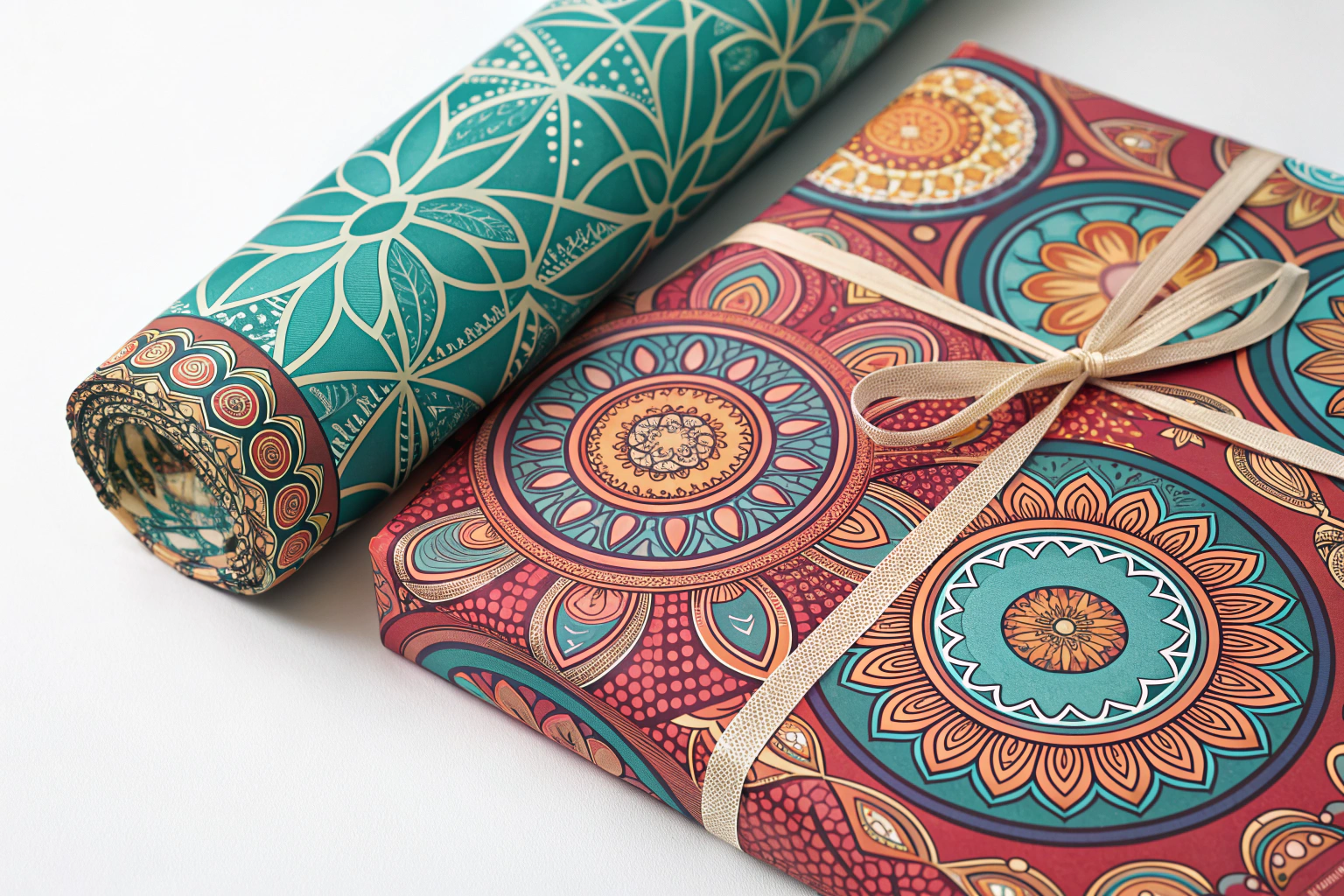
Most wrapping paper is made from lightweight paper with surface coatings or prints. These coatings help colors appear brighter and patterns look sharper. However, they often reduce strength and recyclability.
Wrapping paper is usually thin and flexible. It tears easily by hand and is not meant to protect products from pressure, impact, or long-distance transport.
What Is Kraft Paper Designed For?
Kraft paper is designed for performance. Its main purpose is strength, stability, and reliability. It is produced using the kraft pulping process, which preserves long wood fibers and creates strong internal bonding.
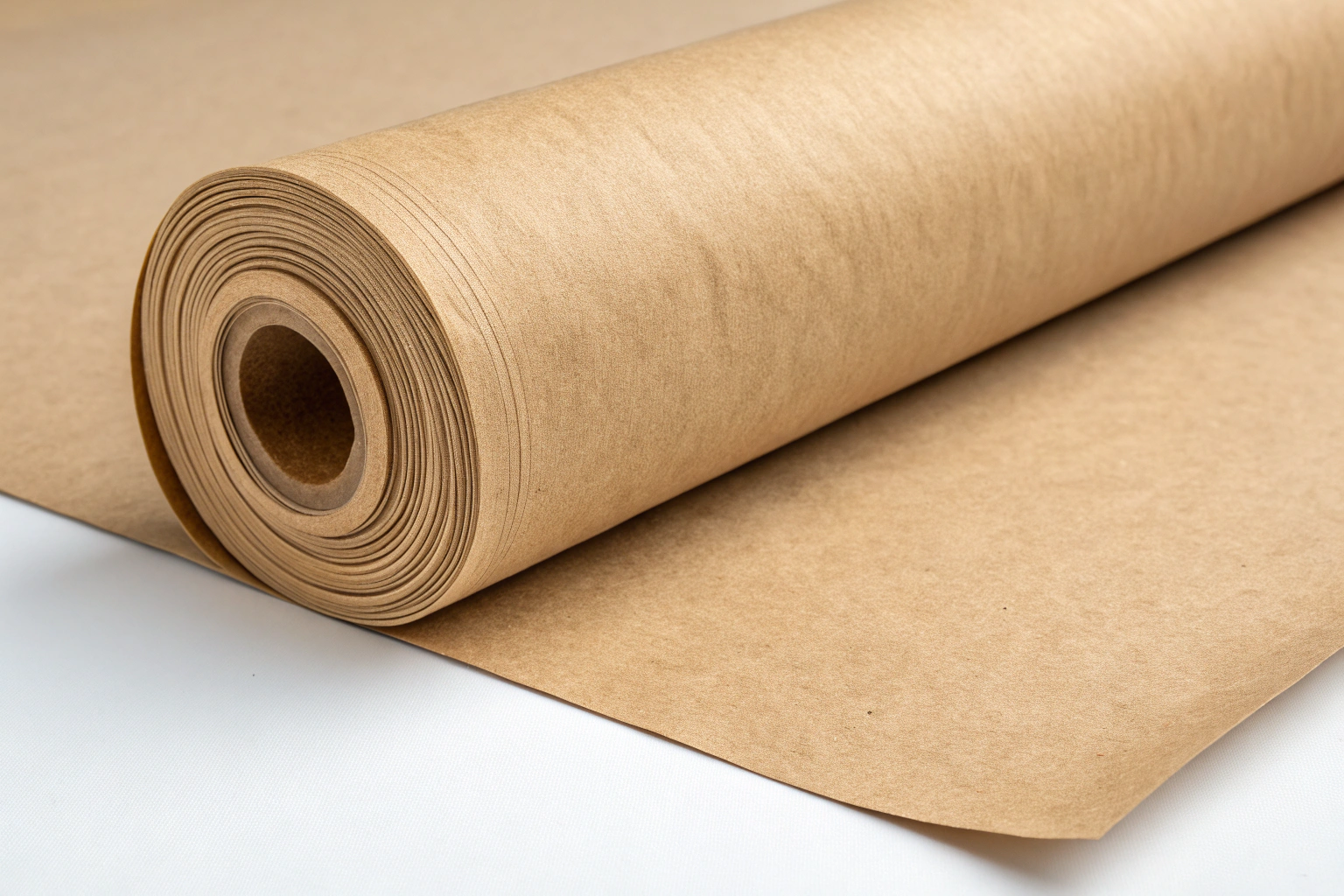
Kraft paper is made to resist tearing, folding damage, and compression. This makes it suitable for packaging, inner protection, structural layers, and industrial use.
Kraft paper may look simple, but it is engineered to perform under stress. Appearance is secondary to function.
Why Do Wrapping Paper and Kraft Paper Feel So Different?
The difference in feel comes from fiber structure and paper weight. Wrapping paper usually uses shorter fibers and lower grammage. This makes it soft and easy to fold, but also easy to tear.
Kraft paper uses longer fibers and higher grammage, which creates stiffness and durability. When folded, kraft paper holds shape better and resists cracking along edges.
Because of this, kraft paper can be creased, die-cut, and glued without losing structure, while wrapping paper is mainly folded loosely around objects.
Can Kraft Paper Be Used as Wrapping Paper?
Kraft paper can be used as wrapping paper, but the result and purpose are different. When used for wrapping, kraft paper offers a simple, natural, and minimal look. It is often chosen for handmade, eco-focused, or premium rustic styles.

Kraft paper wrapping provides more protection than decorative wrapping paper. It is less likely to tear and can support heavier items.
However, kraft paper does not replace decorative wrapping paper when bright colors, glossy finishes, or festive designs are required.
Differences in Printing and Finishing
Wrapping paper is optimized for surface printing. It accepts high-coverage ink, metallic finishes, and detailed patterns. These finishes are often applied on coated surfaces.
Kraft paper focuses on structural processing first, then printing. Printing on kraft paper requires controlled ink density and process adjustment because of its absorbent surface.
In manufacturing environments, kraft paper is more suitable for die-cutting, folding, and gluing, while wrapping paper is rarely used for these processes.
How Factories Treat Wrapping Paper and Kraft Paper Differently
In production workshops, wrapping paper is handled as a surface material. It is cut, printed, and packed with minimal structural processing. Damage tolerance is low, and quality checks focus on appearance.
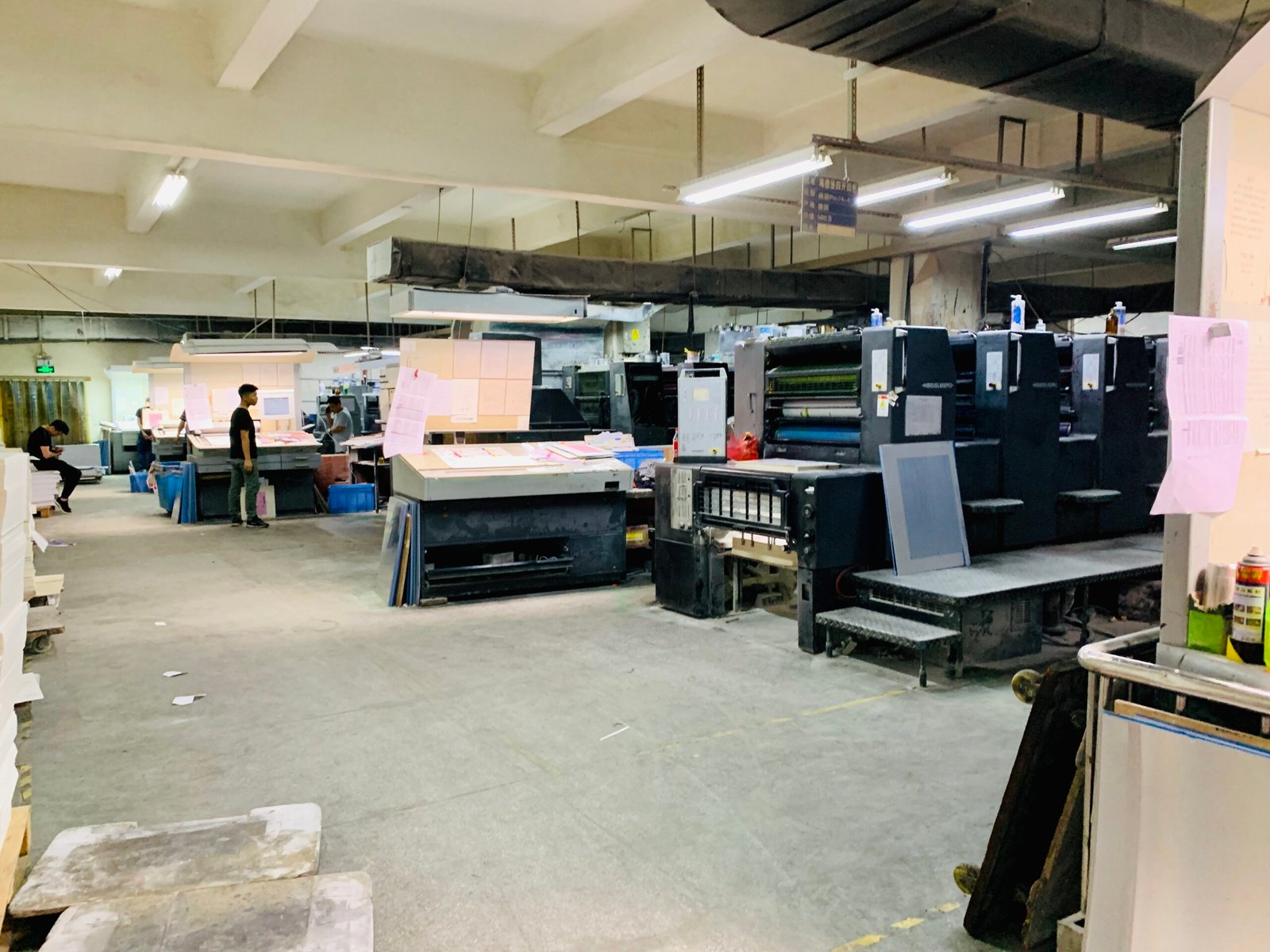
Kraft paper is treated as a functional material in factories. It goes through strict inspection for thickness, moisture, and strength. It is tested for folding endurance and load performance.
These differences explain why kraft paper is widely used in packaging production lines, while wrapping paper remains a finishing or decorative material.
Conclusion
Wrapping paper and kraft paper are not the same, even though they may appear similar at first glance. Wrapping paper is created mainly for visual presentation. It focuses on color, pattern, and short-term use. Strength and durability are not its priority. Kraft paper, by contrast, is engineered for performance. Its long fibers, higher strength, and stable structure make it suitable for packaging, protection, and production processes.
While kraft paper can function as wrapping paper, the reverse is not true. Wrapping paper cannot replace kraft paper where structure, protection, or consistency is required. Choosing between the two depends on purpose rather than appearance. When decoration is the goal, wrapping paper is appropriate. When protection, reliability, and controlled manufacturing are required, kraft paper becomes the correct and professional choice.