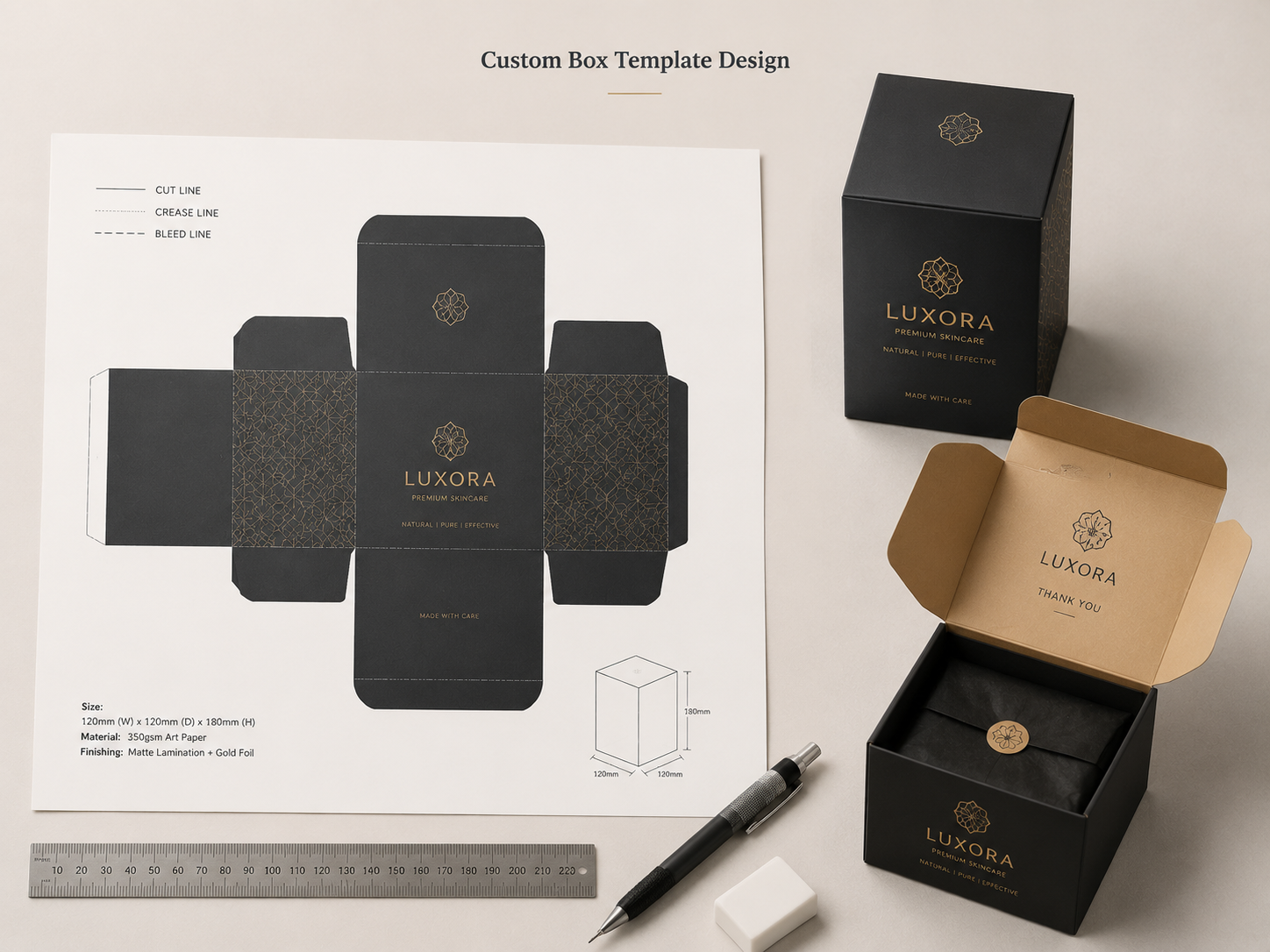
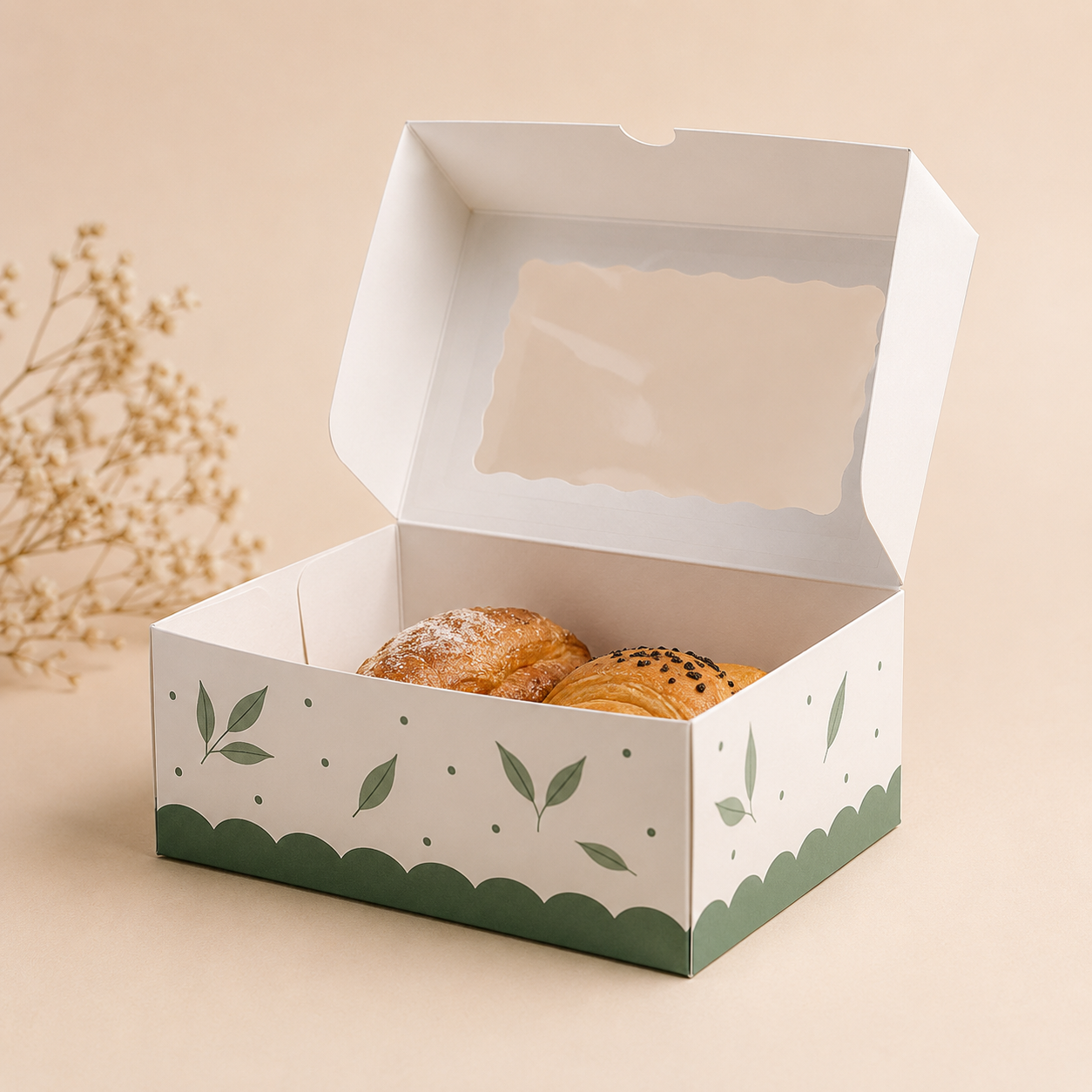
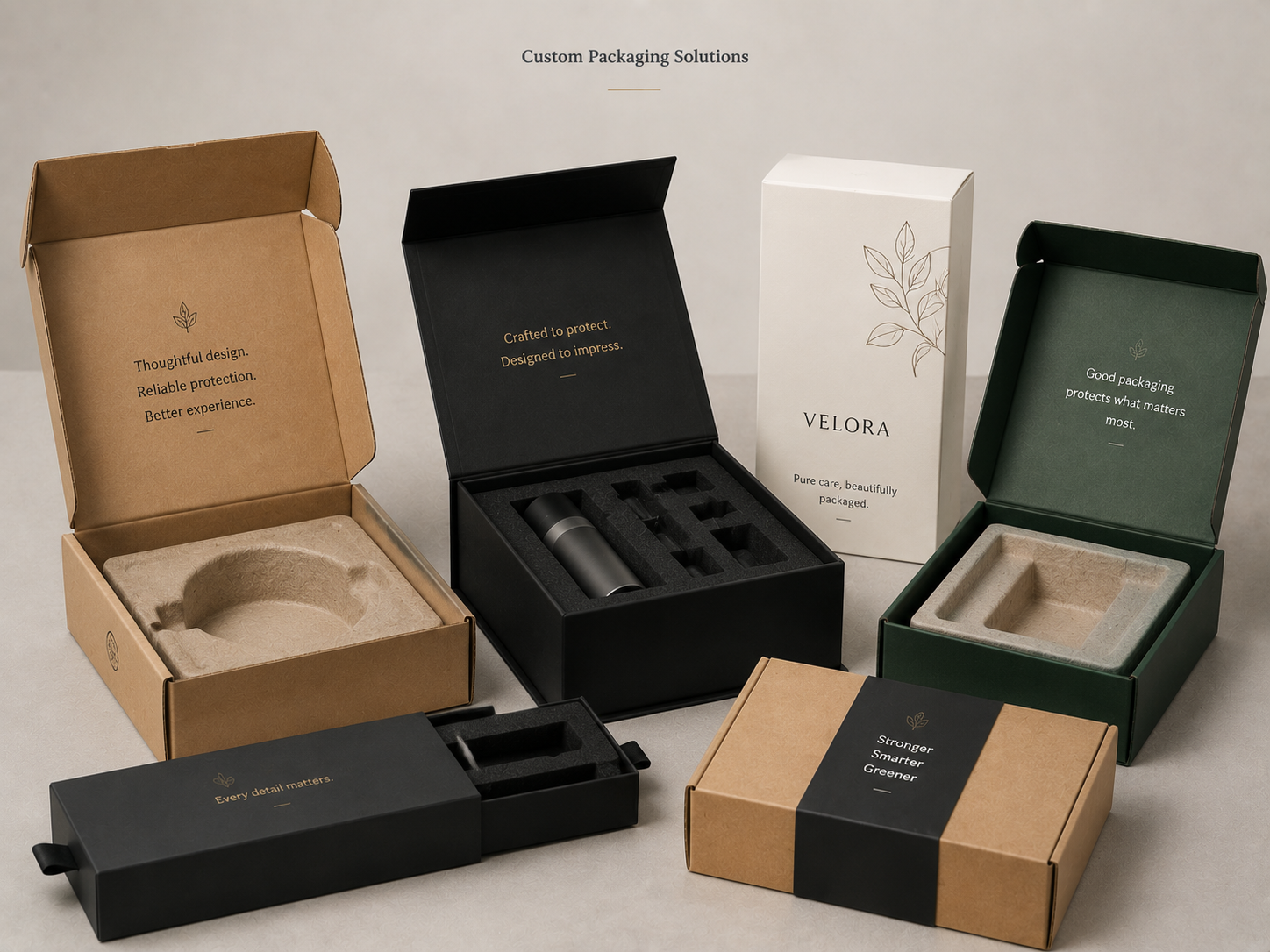
Packaging projects often fail because structural issues, color deviation, or fit problems appear too late. Prototypes and samples prevent these risks before mass production begins.
Prototypes and samples verify structure, color accuracy, printing quality, material strength, and overall fit. They help confirm every detail before moving to full production.
Clear sampling steps reveal potential problems early. This keeps production stable, reduces rework, and protects launch schedules for retail and e-commerce markets.
Why Are Prototypes Essential in Packaging Projects?
Skipping prototypes leads to size errors, weak folding, incorrect materials, and mismatched finishes. Early verification prevents costly mistakes.
Prototypes confirm structure, size, shape, and user experience. They act as the first physical model of the final packaging.
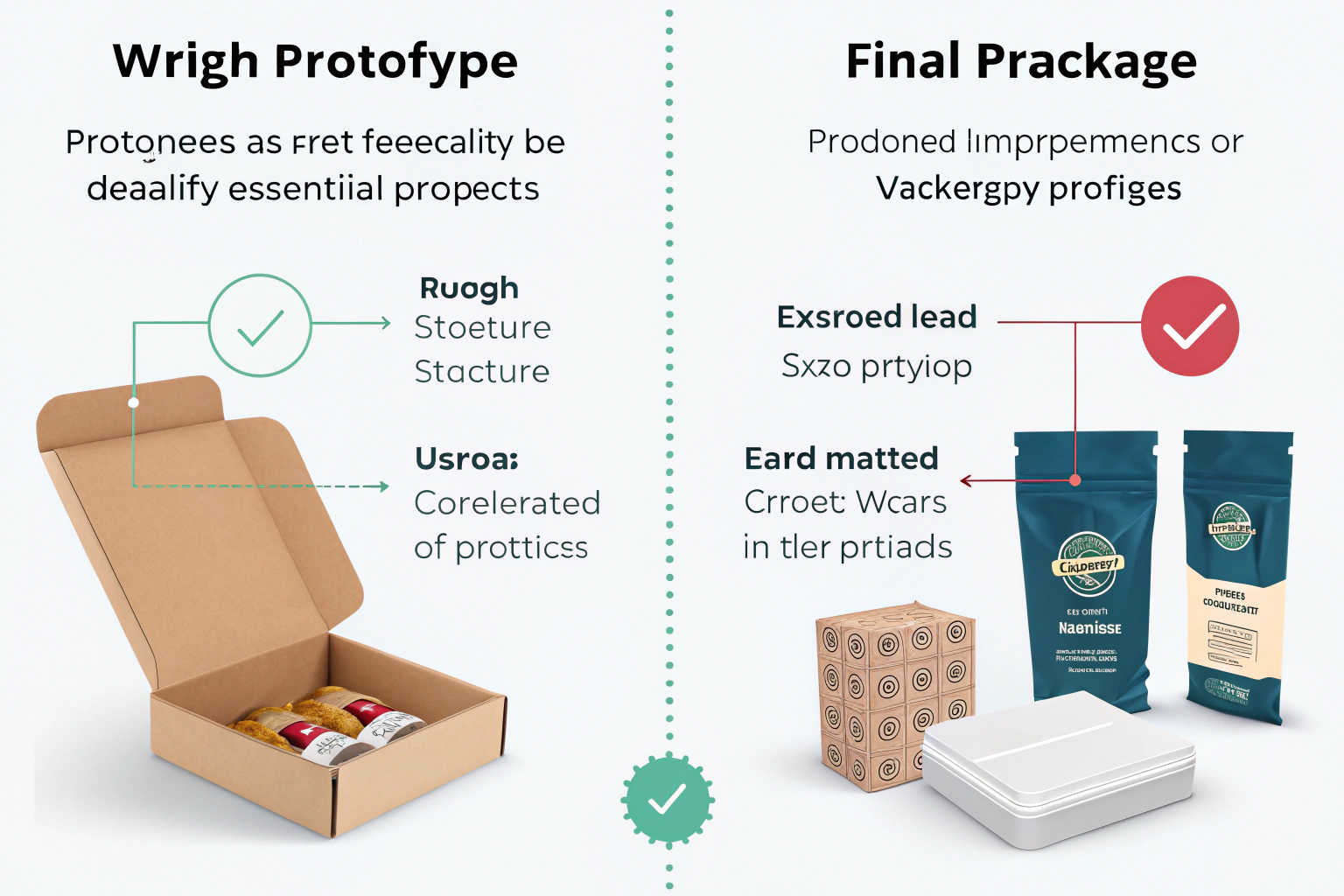
A prototype shows how the box opens, how inserts fit, and how products sit inside. It checks glue points, lid tension, and folding accuracy. Prototypes also confirm material behavior such as greyboard stiffness, kraft flexibility, or folding carton crease quality. These early checks help align packaging goals with production reality.
Prototype Verification Table
| Feature | Purpose |
|---|---|
| Structure Fit | Avoid loose or tight gaps |
| Material Test | Check stiffness |
| Opening Feel | Ensure smooth user experience |
What Role Do Samples Play in Securing Final Approval?
Sampling ensures the final result matches design expectations. Without samples, color and finish differences can appear in mass production.
Samples verify printing, PMS color, CMYK accuracy, lamination quality, hot stamping, and overall surface finish.
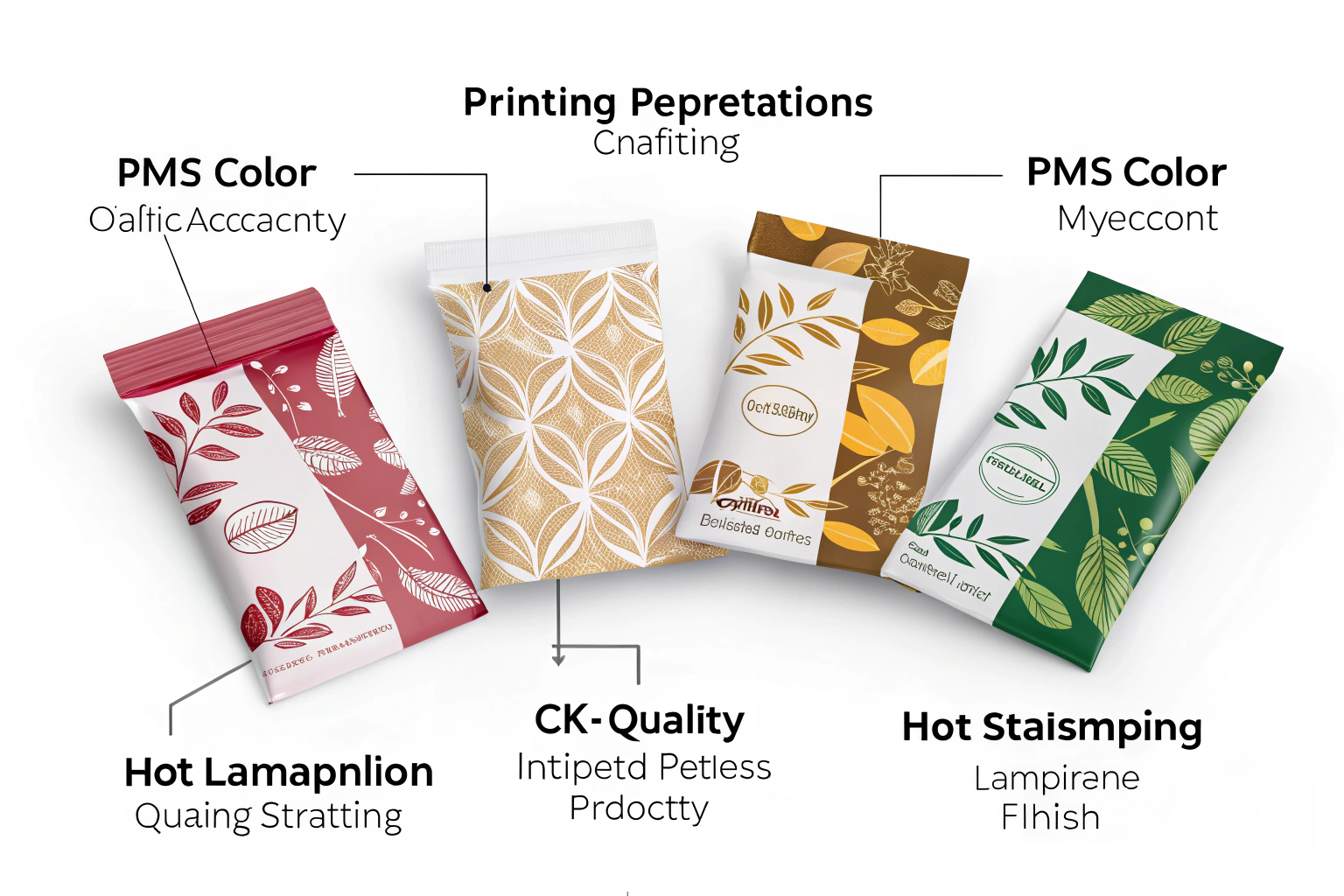
Samples check real printing behavior. Lamination smoothness, foil stamping brightness, and spot UV clarity all rely on accurate sampling. Sampling also confirms insert strength, cavity fit, and dust resistance. It tests edge quality and fold strength on folding cartons. For rigid boxes, sampling verifies wrap tightness and corner finishing. These checks confirm that mass production will remain consistent.
Sample Testing Table
| Item | Verification |
|---|---|
| Color | PMS/CMYK match |
| Finish | Lamination, foil, UV |
| Fit | Insert precision |
How Do Digital Samples and Physical Samples Differ?
Many projects require both digital previews and physical tests. Each type serves a different purpose.
Digital samples verify layout, die line, and artwork placement. Physical samples verify structure, materials, and real colors.
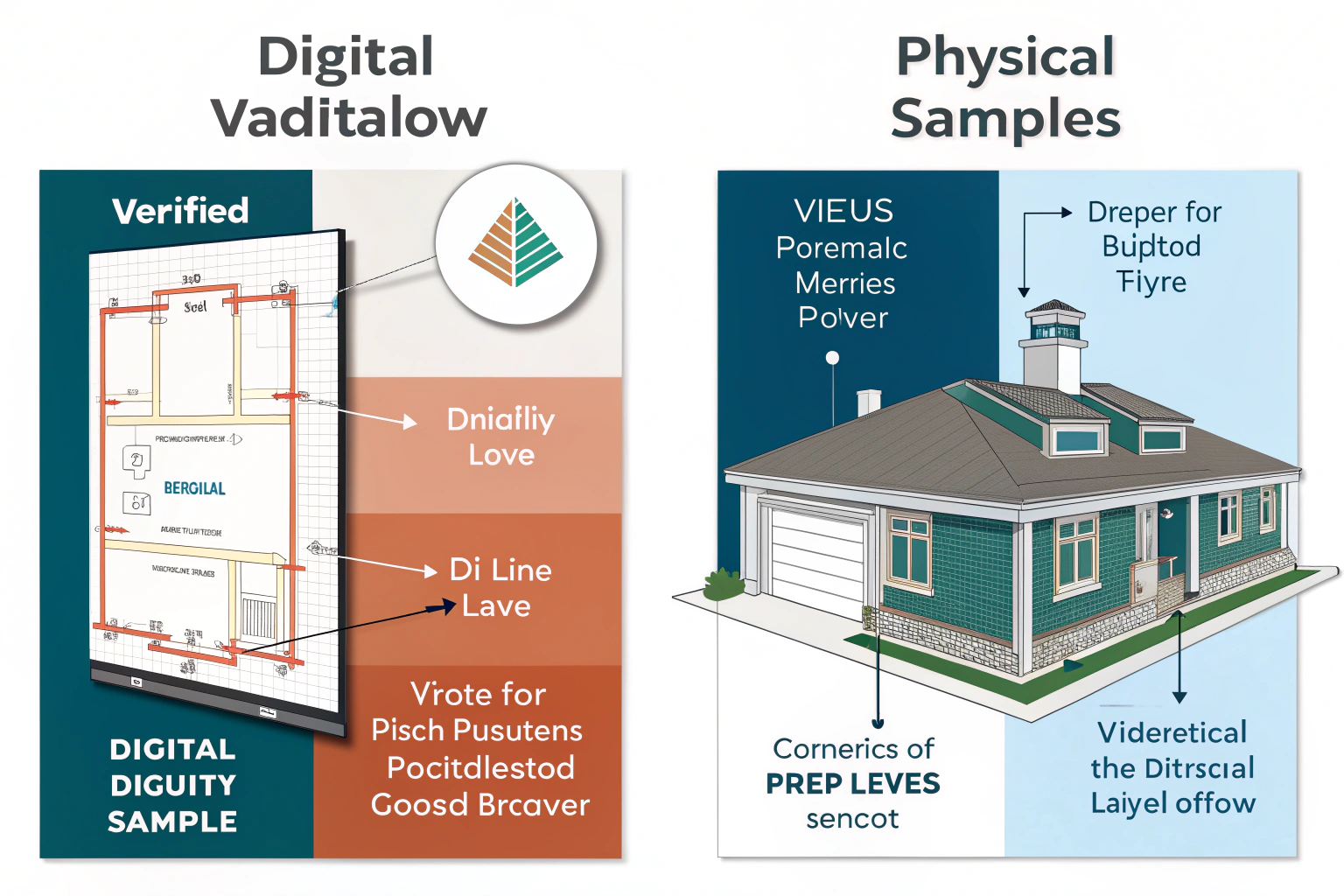
Digital samples help visualize artwork placement and check text, barcodes, and alignment. They ensure die line accuracy before printing. Physical samples reveal real-world performance. They check paper density, greyboard hardness, crease quality, and lamination texture. Combining both sample types reduces error and keeps production predictable.
Sample Type Table
| Type | Purpose | Best Use |
|---|---|---|
| Digital Sample | Layout preview | Artwork check |
| Physical Sample | Real material test | Structural verification |
Why Are Color Samples Critical for Brand Consistency?
Color inconsistency damages brand image and disrupts multi-SKU product lines. Color sampling prevents this risk.
Color samples verify PMS accuracy, CMYK stability, ink density, and coating behavior under different lighting conditions.
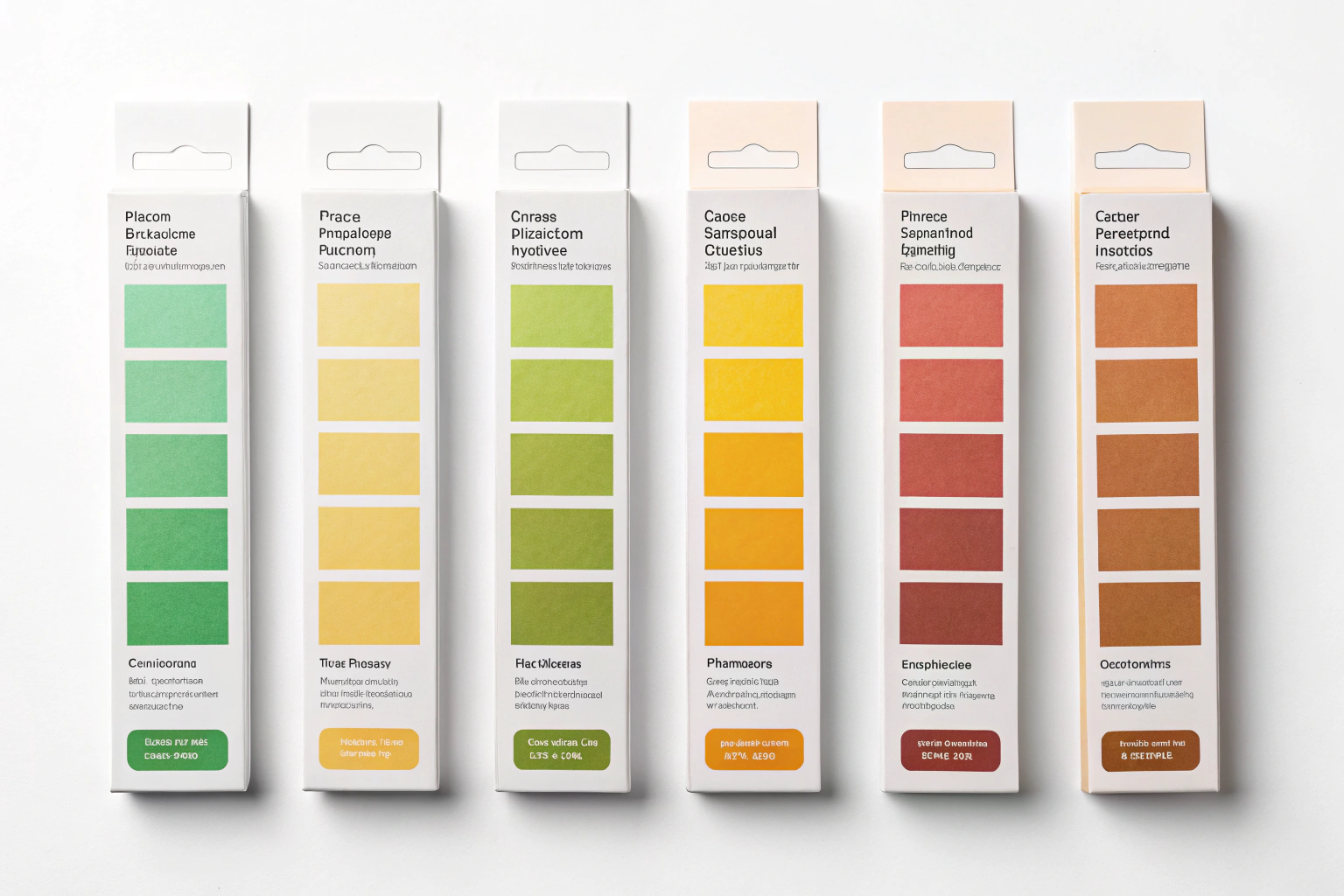
Pantone light boxes check colors under daylight, warm light, and retail lighting. Ink drawdowns test how ink behaves on different surfaces such as coated paper, uncoated paper, kraft, or textured FSC paper. Samples also ensure lamination does not dull or shift colors. Color sampling keeps brand identity stable across reorders, seasonal launches, and new product lines.
Color Check Table
| Check | Purpose |
|---|---|
| PMS Match | Brand consistency |
| Drawdown | Ink performance |
| Light Box | Lighting variation test |
How Do Structural Samples Improve Protection and Fit?
Products break when inserts do not fit or box walls are too weak. Structural samples solve these issues before full production.
Structural samples test insert depth, protection level, product movement, and compression resistance.
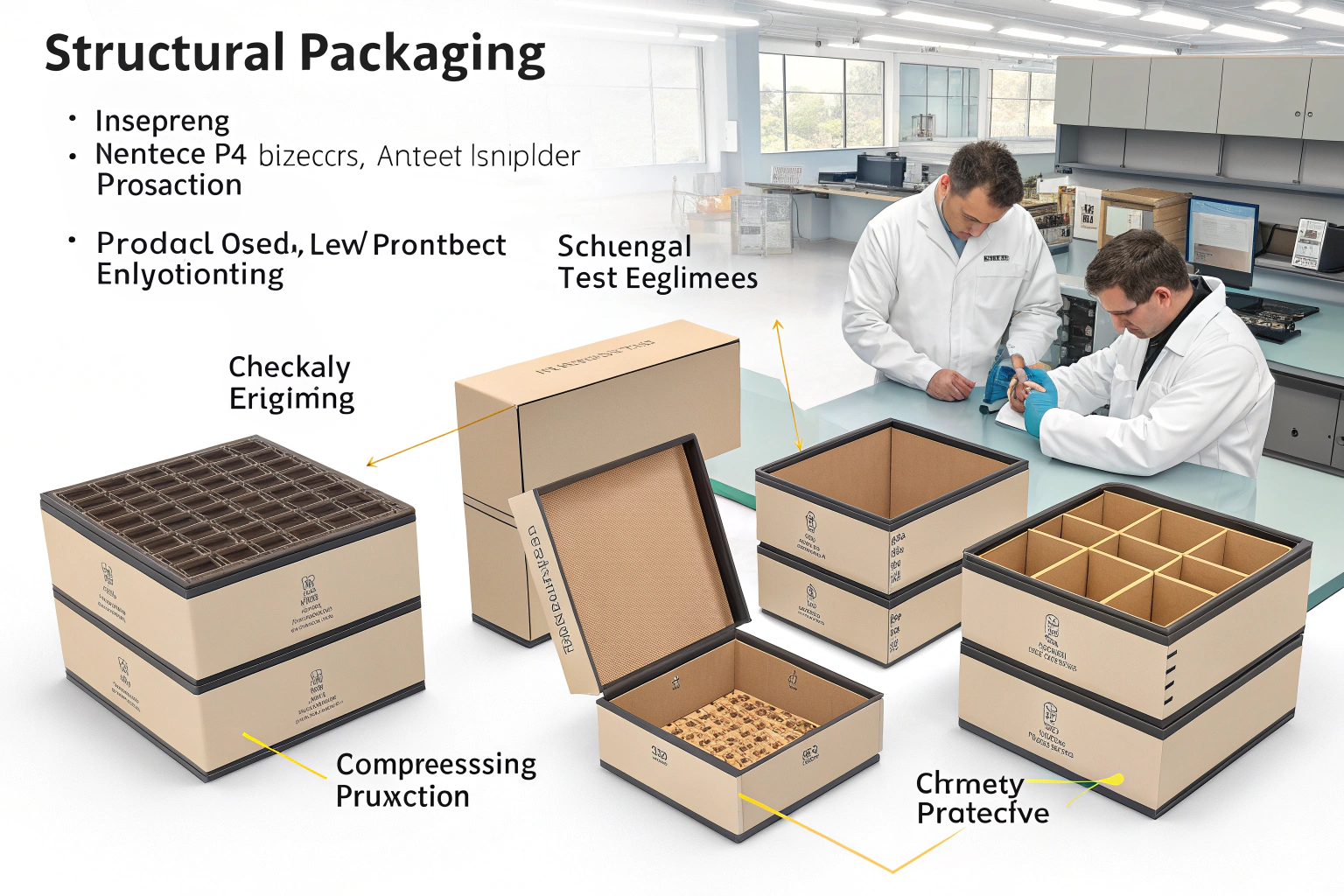
Samples verify insert cavity size for electronics, cosmetics bottles, candles, and gift sets. They check if products stay stable during shaking and transport. Greyboard thickness is confirmed to avoid collapse. Folding carton crease quality is tested to prevent cracking. These structural checks reduce risk of returns, damage complaints, and poor customer experience.
Structural Sample Table
| Test | Function |
|---|---|
| Insert Depth | Movement control |
| Box Strength | Compression safety |
| Crease Quality | Avoid cracking |
How Do Samples Support FSC and Eco-Friendly Packaging?
Eco materials behave differently from coated paperboard or standard wraps. Sampling ensures eco performance stays consistent.
Samples verify printing, rigidity, and color accuracy on FSC kraft, recycled board, natural paper, and molded pulp inserts.
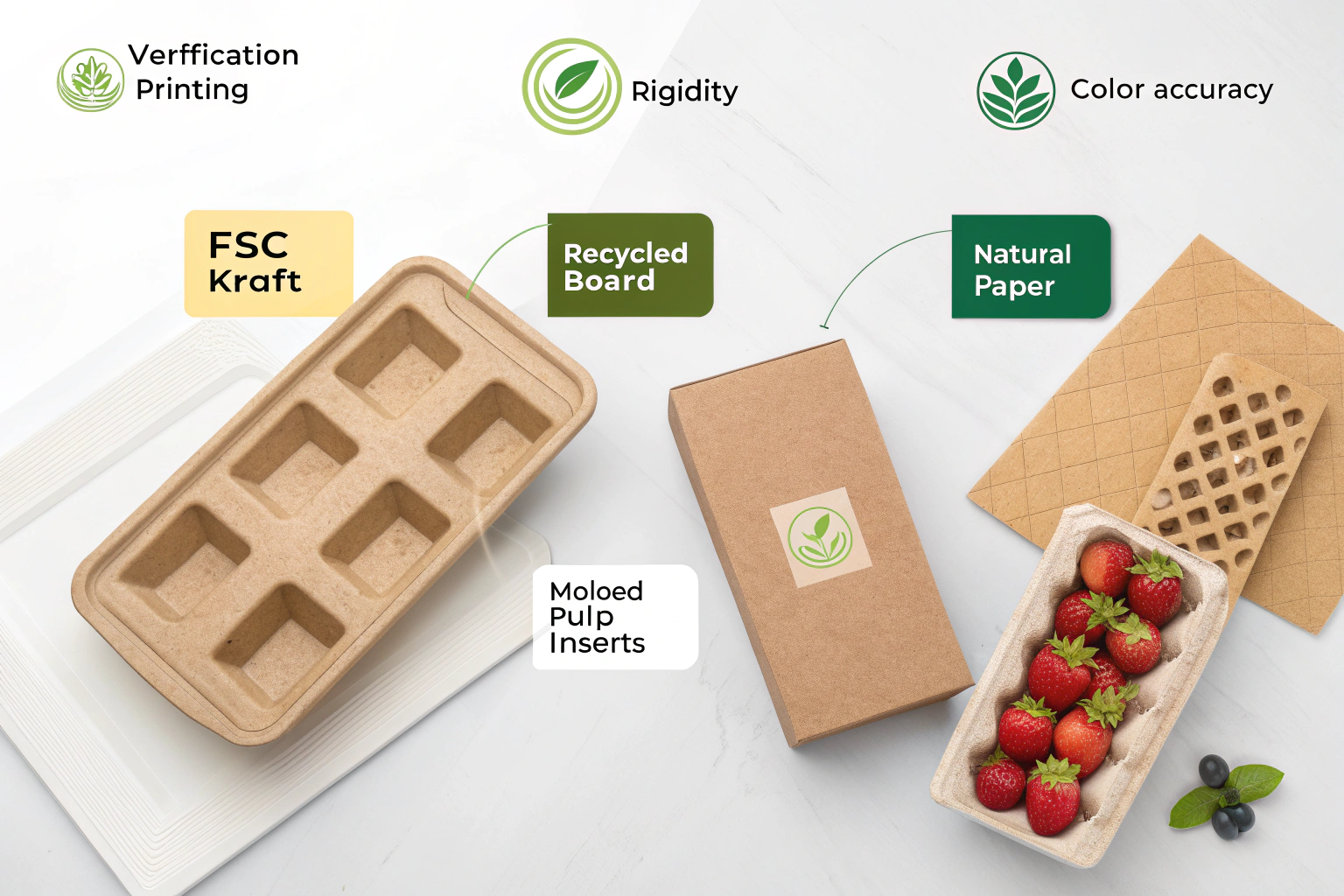
Eco materials absorb ink differently, so samples confirm color stability. Kraft prints appear warmer and require testing. Recycled paper may show fiber variation. Molded pulp inserts require strength and cavity checks. Sampling ensures eco materials perform well before mass production. This avoids inconsistencies that impact sustainability goals and retail presentation.
Eco Material Sample Table
| Material | Check |
|---|---|
| Kraft | Printing tone |
| Recycled Board | Surface variation |
| Molded Pulp | Strength & cavity fit |
How Do Samples Improve Long-Term Packaging Stability?
Long-term stability depends on consistent quality, predictable reorders, and reduced risk. Sampling supports these goals.
Samples create a reference standard that suppliers use to match mass production for future orders.
Sample libraries store approved colors, materials, and structures for each SKU. This creates repeat accuracy for future orders. Specifications stay consistent, ensuring lid tightness, insert fit, and color matching remain stable. Sampling also improves lead-time planning because production teams understand the approved method clearly.
Stability Table
| Element | Benefit |
|---|---|
| Reference Sample | Ensures match for reorders |
| Saved Color Data | Consistent branding |
| Structural Archive | Repeat production accuracy |
Conclusion
Prototypes and samples protect packaging projects from errors and delays. Prototypes confirm structure and fit. Samples verify printing, color accuracy, finishing, and material behavior. Digital and physical samples work together to stabilize the process. Structural tests ensure inserts and box walls protect products. Eco-material samples confirm performance on FSC and recycled options. With the right sampling system, packaging becomes reliable, consistent, and ready for smooth mass production across global markets, supporting strong branding and long-term growth.