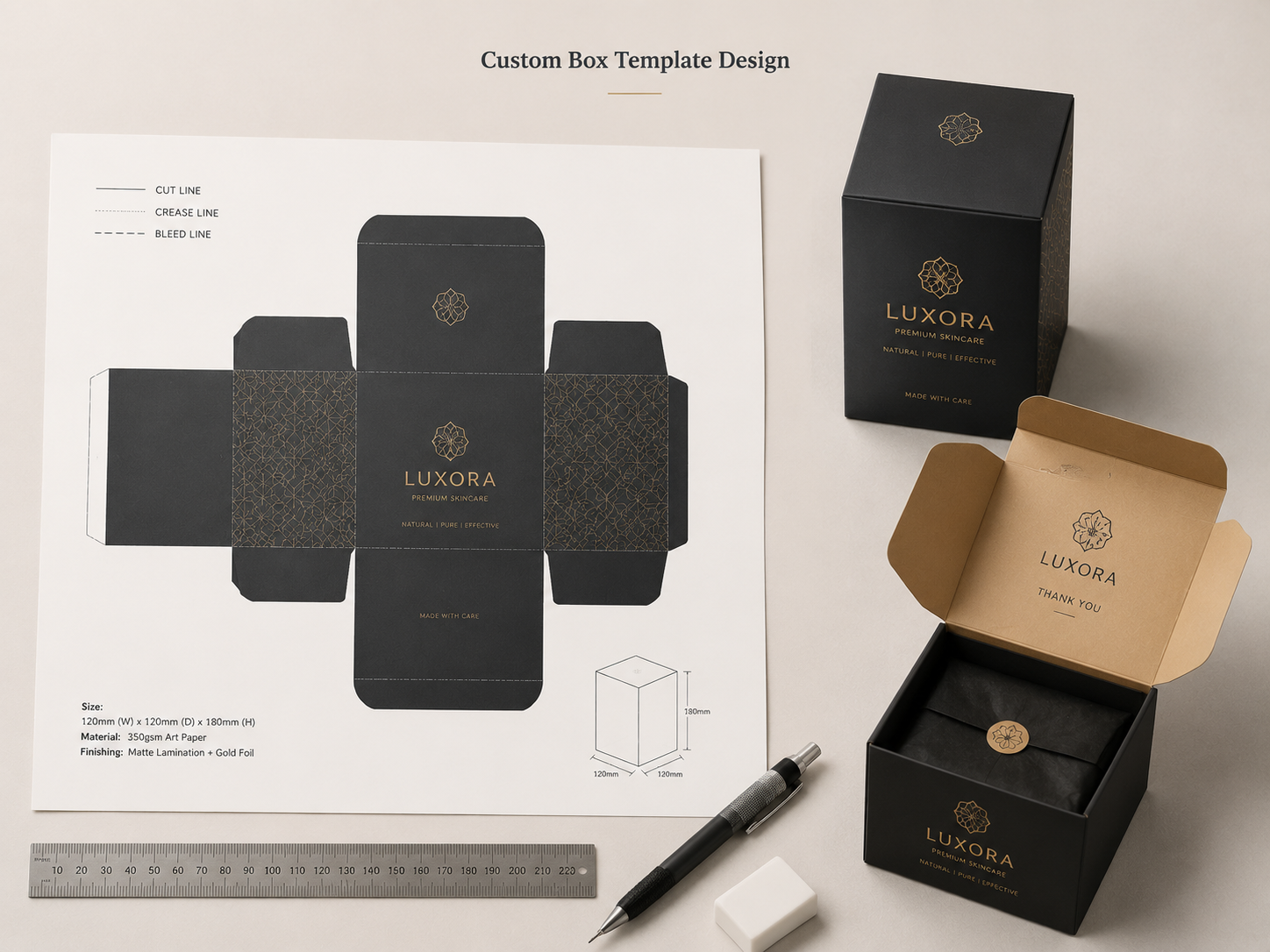
Luxury products lose value fast when the box feels weak, looks generic, or arrives with crushed corners. Many brands invest in the product first, then let poor packaging reduce the final impression.
Rigid boxes are premium paper packaging made with thick greyboard, wrapped paper, and custom inserts to improve presentation, protection, and perceived value. They are widely used for cosmetics, electronics accessories, gift sets, and branded retail products that need both shelf appeal and safer delivery.
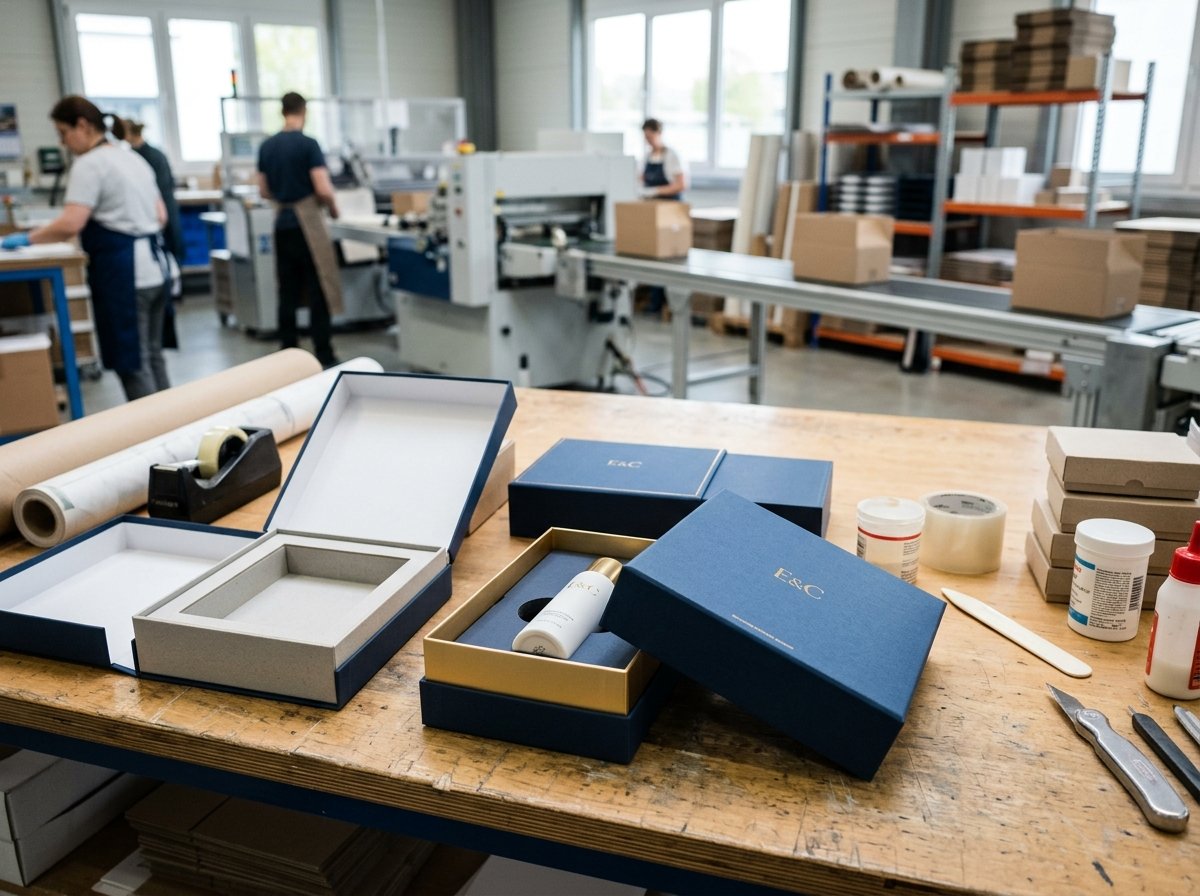
Rigid boxes are not just decorative outer packs. They are part of how premium products are judged before the product is even touched. In many public packaging complaints, customers did not only complain about damage. They also complained that expensive products arrived in flimsy boxes, cheap-looking boxes, badly glued boxes, or boxes that felt far below the product price. That is why rigid boxes matter. They help brands control first impression, improve product support, and create a stronger sense of quality. Still, rigid packaging only works well when structure, material, insert design, and production control are all handled correctly.
What Makes Rigid Boxes Different From Folding Cartons and Corrugated Boxes?
Rigid boxes are different because they are built for shape, feel, and presentation first, while still offering stronger structure than standard paper cartons. They are not collapsed flat like folding cartons, and they are not designed mainly for transit like corrugated shipping boxes.
Rigid boxes use thick greyboard wrapped with printed or textured paper to create a strong, premium structure. Compared with folding cartons, they feel more solid and luxurious. Compared with corrugated boxes, they offer a cleaner retail look and a better unboxing experience.
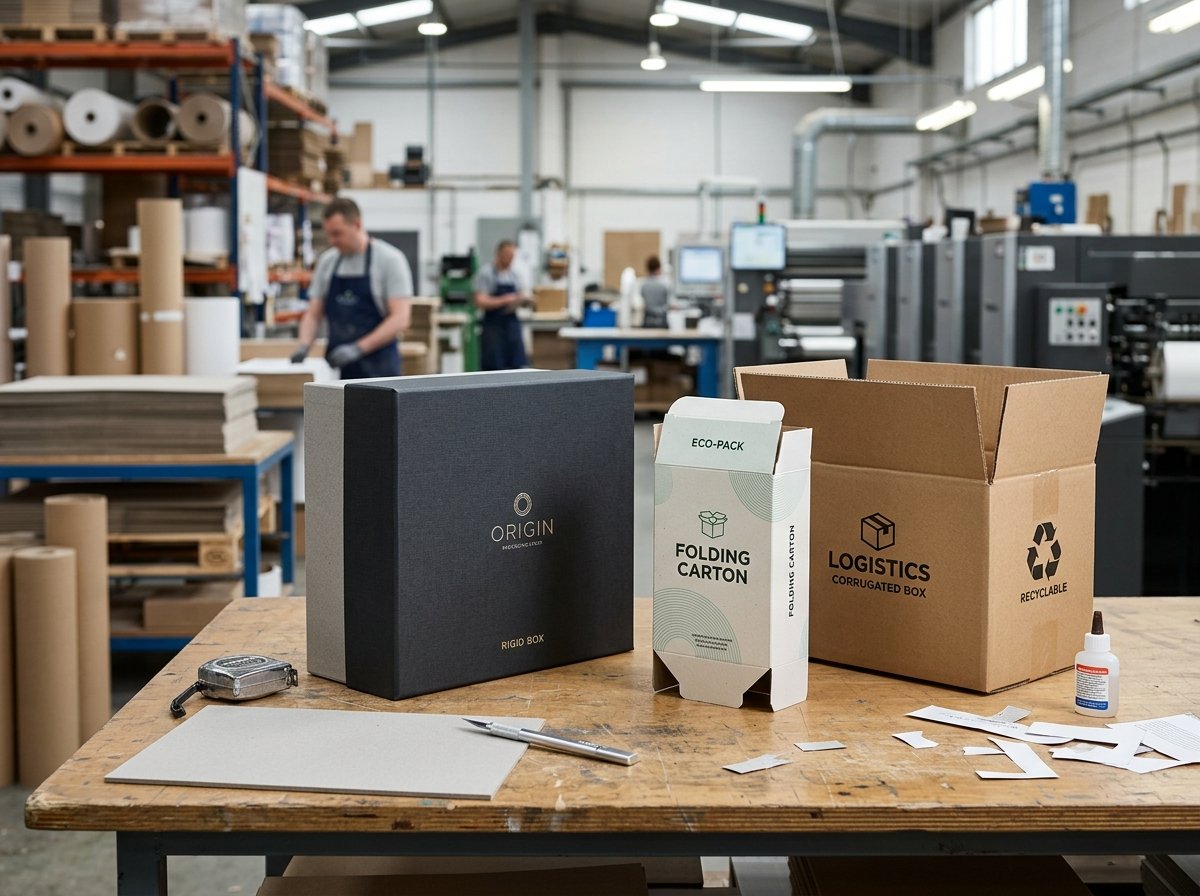
This difference matters in categories where packaging adds value, not just protection. Cosmetics, skincare, personal care kits, consumer electronics accessories, candles, gift sets, and seasonal promotional packs often need more than a printed carton. They need packaging that feels substantial in hand and looks consistent with a higher price point.
At the same time, rigid boxes should not be confused with shipping cartons. One of the most repeated complaint patterns in the packaging market is that brands treat a retail box like a transport box. That leads to corner damage, surface marks, torn wraps, and crushed edges. A rigid box improves product presentation and inner protection, but it still needs the right outer shipping box when the route is rough or the product is fragile.
| Packaging type | Main strength | Main weakness | Best use |
|---|---|---|---|
| Folding carton | Cost-efficient print and retail display | Lower structural strength | Light retail products |
| Corrugated box | Stronger transit protection | Less premium appearance | Shipping and e-commerce delivery |
| Rigid box | Premium feel, stable shape, better presentation | Higher cost and less shipping efficiency | Luxury retail, gifts, cosmetics, electronics accessories |
Which Rigid Box Structures Work Best for Premium Packaging?
The right rigid box structure depends on the product, the opening experience, and the level of protection needed. Structure is one of the biggest reasons why one rigid box feels polished and another feels awkward or cheap.
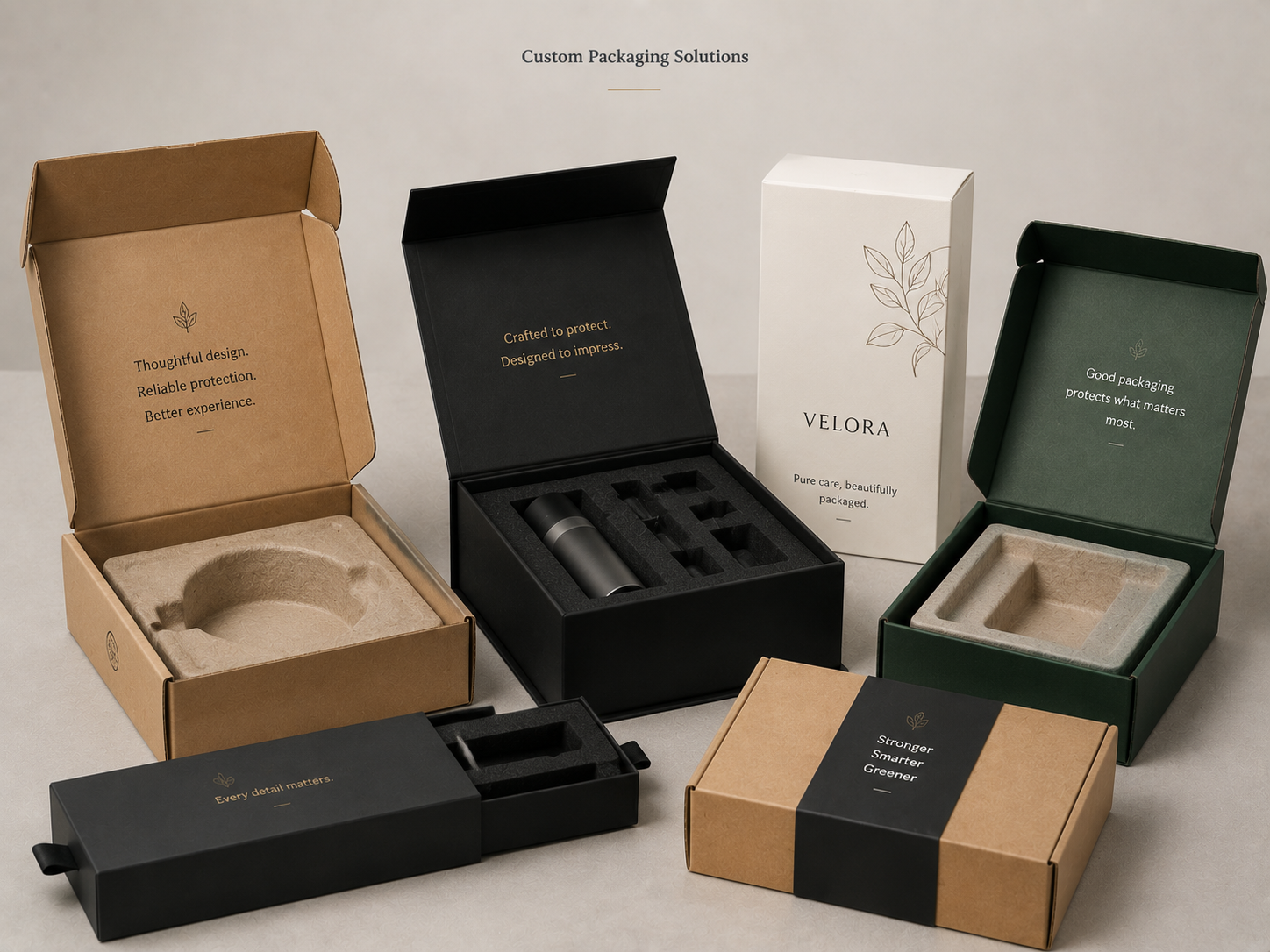
Popular rigid box structures include magnetic closure boxes, lift-off lid boxes, drawer boxes, book-style boxes, shoulder-neck boxes, and foldable rigid boxes. The best option depends on product weight, insert type, shelf look, and how premium the opening experience should feel.
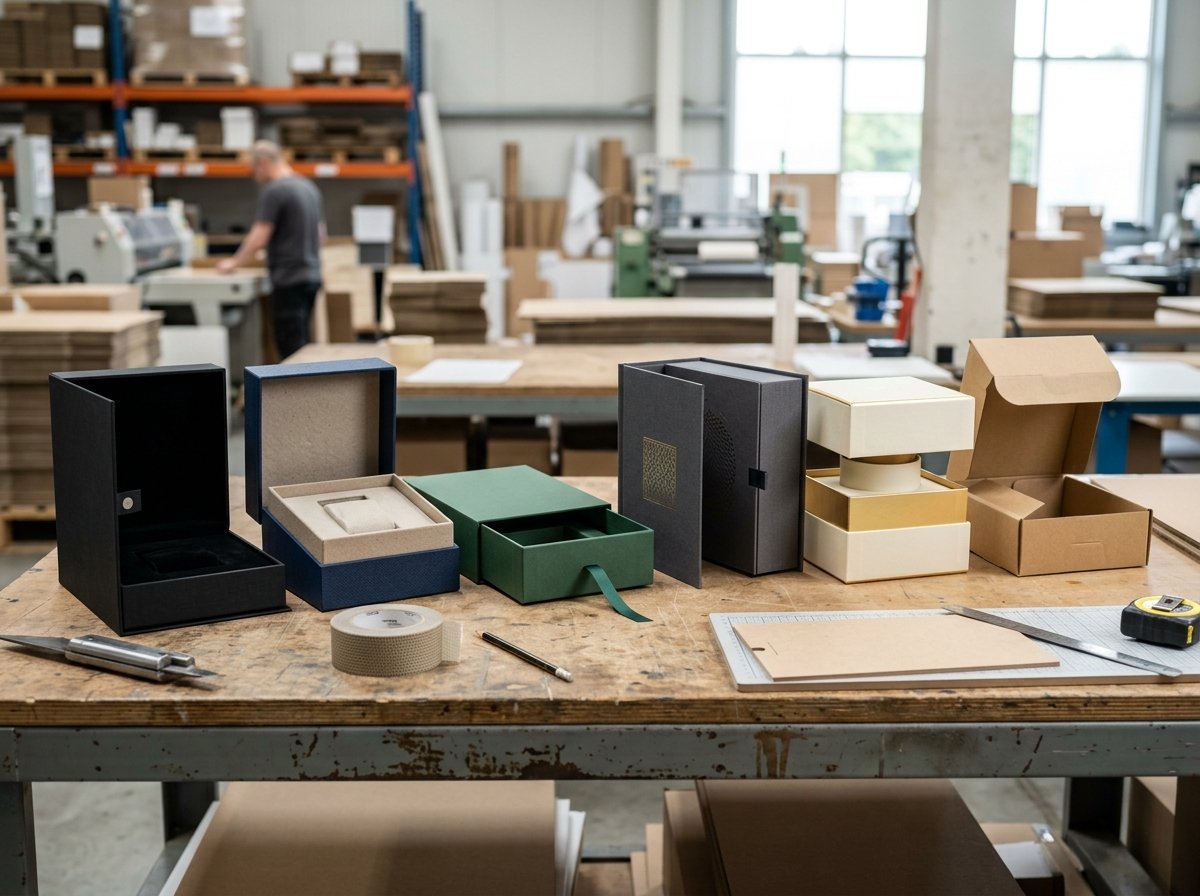
Magnetic closure boxes are popular for gift sets, electronics, skincare kits, and premium presentation packs. They open smoothly and create a strong luxury feel. Lift-off lid boxes are more classic and work well for candles, cosmetics, garments, and high-end accessories. Drawer boxes create a more controlled reveal and are useful for jewelry, electronics accessories, and products that benefit from a layered opening experience.
Shoulder-neck boxes create a very premium, balanced shape and help keep alignment stable. They are often chosen for fragrances, collectible products, and luxury gift packaging. Foldable rigid boxes help reduce shipping volume, but they must be engineered carefully. When the fold line, board strength, or magnetic positioning is poor, the box quickly loses the solid feeling that makes rigid packaging valuable in the first place.
In many public complaints about rigid packaging, customers mention flimsy magnetic boxes, uneven construction, poor assembly, and boxes that look premium in photos but feel weak in use. That usually comes from choosing the wrong structure, cutting board thickness too far, or poor forming control in production.
| Rigid box structure | Best for | Main benefit |
|---|---|---|
| Magnetic closure box | Gift sets, electronics, cosmetics | Premium opening and clean presentation |
| Lift-off lid box | Candles, apparel accessories, skincare | Simple luxury look and easy packing |
| Drawer box | Jewelry, kits, accessories | Layered unboxing and better product reveal |
| Shoulder-neck box | Fragrance, premium gifts, collectibles | Strong shape and high-end appearance |
| Foldable rigid box | Projects needing lower shipping volume | Better storage and freight efficiency |
Rigid Box Structures, Materials, and Insert Options for Premium Packaging
A rigid box is only as good as the material and insert system behind it. Strong visual design cannot hide weak board, poor wrapping, or an insert that does not hold the product correctly.
Premium rigid boxes are usually made from greyboard, wrapped with coated paper, specialty paper, textured paper, or FSC-certified paper, then matched with inserts such as EVA, EPE, cardboard, paper pulp, or satin-lined trays. The best combination depends on product weight, fragility, presentation level, and sustainability goals.
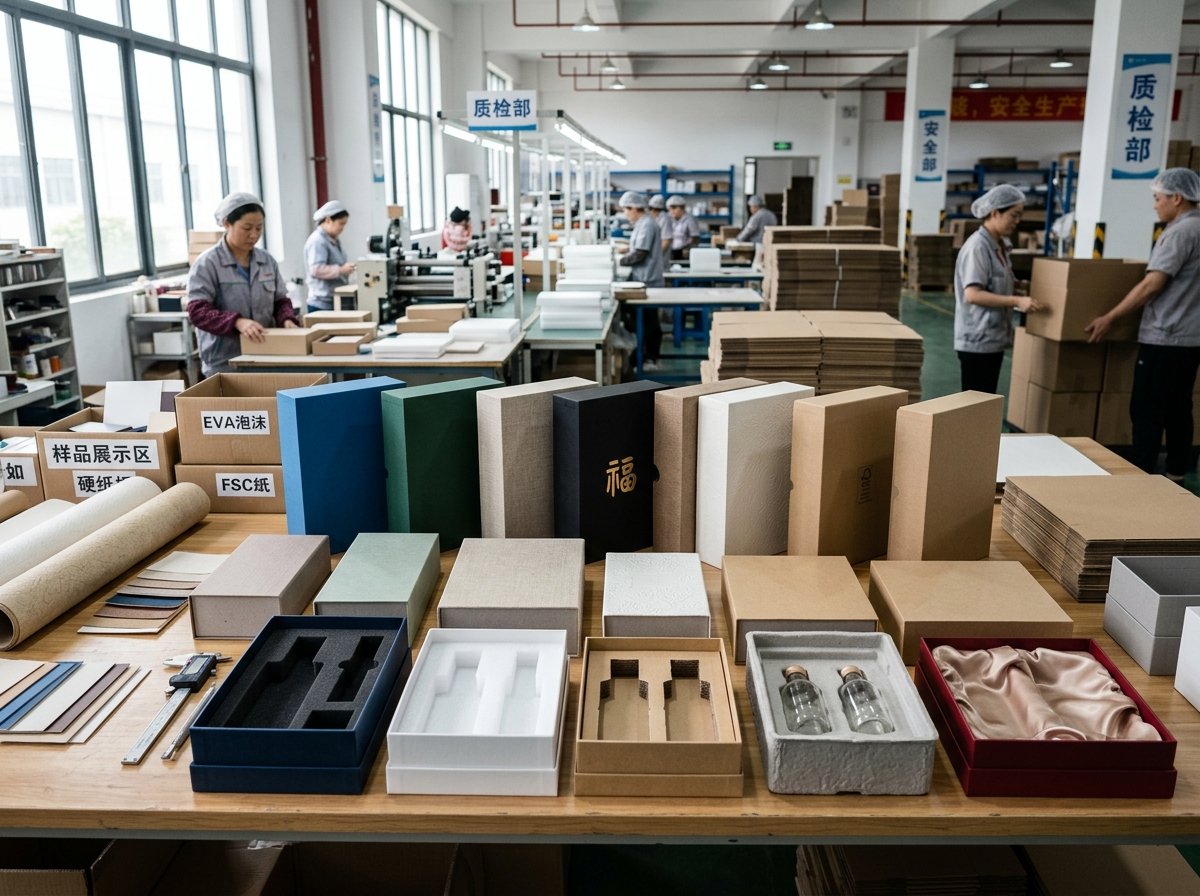
Greyboard thickness is one of the most important starting points. If the board is too thin, the box feels weak. If the board is too thick for the box size, material cost rises without adding useful value. Wrapped paper then shapes the look and feel. Art paper supports sharper printing and surface finishing. Specialty paper gives texture and a more premium hand feel. Kraft and FSC-certified options can support a more natural or sustainability-led brand image.
Insert selection matters just as much. A premium box with no product support quickly becomes a weak packaging system. Public complaints often show items arriving with broken parts, scratched surfaces, shifted accessories, or inner foam destroyed. That happens when the insert was treated as an afterthought.
Paperboard inserts are cost-efficient and recyclable. EVA offers a more premium, precise fit. EPE helps absorb shock well. Molded pulp works for eco-focused projects and can still look clean when designed properly. Satin, velvet, or flocked insert surfaces are often used when the product needs a softer, more luxurious presentation.
| Component | Common option | Best use |
|---|---|---|
| Main board | Greyboard | Core rigid box structure |
| Wrap paper | Art paper / specialty paper / textured paper | Visual finish and brand feel |
| Eco option | FSC paper / recycled paper / molded pulp | Sustainability-focused packaging |
| Insert | EVA / EPE / cardboard / paper pulp | Product fixation and protection |
| Surface finish | Matte lamination / foil / embossing / UV | Premium visual detail |
How Luxury Brands Use Rigid Boxes to Improve Product Presentation and Protection
Luxury packaging is not only about appearance. It is also about control. A rigid box helps control how the product is seen, how it is held, and how it is protected during handling.
Luxury brands use rigid boxes to create stronger perceived value, cleaner product presentation, and safer internal support. The box helps communicate quality before the product is used, while inserts and structure help reduce movement, scratches, and impact inside the pack.
This is especially important in categories where the packaging is part of the buying decision. Cosmetics and skincare rely on visual trust and tactile quality. Consumer electronics accessories need a clean, organized look that supports brand confidence. Gift packaging depends on emotional presentation. In all of these cases, rigid boxes help make the product look more complete.
Rigid boxes also solve a frequent value problem seen in public complaints. Many customers react badly when the product price feels far above the packaging quality. They describe the box as flimsy, sloppy, cheap, or not worthy of gifting. That kind of complaint damages the product image even if the product itself is acceptable.
A well-made rigid box helps avoid that gap. It creates cleaner edges, better opening control, stronger tray support, and better internal arrangement. Still, it must be paired with the right transport protection. A premium rigid box that arrives scuffed, dented, or crushed at the corners still fails in the customer’s eyes. That is why many successful luxury packaging programs separate the sales box from the shipping box instead of forcing one package to do both jobs.
What Insert Options Work Best for Different Premium Products?
Insert design should follow product shape, fragility, and expected unboxing style. A strong insert can make even a simple rigid box feel organized and high-end. A poor insert can ruin the entire package.
The best insert option depends on the product category. EVA works well for electronics and shaped products, cardboard inserts work for lighter retail packs, molded pulp supports eco packaging, and soft-touch inserts such as flocked or satin-lined trays work well for premium gift and beauty items.
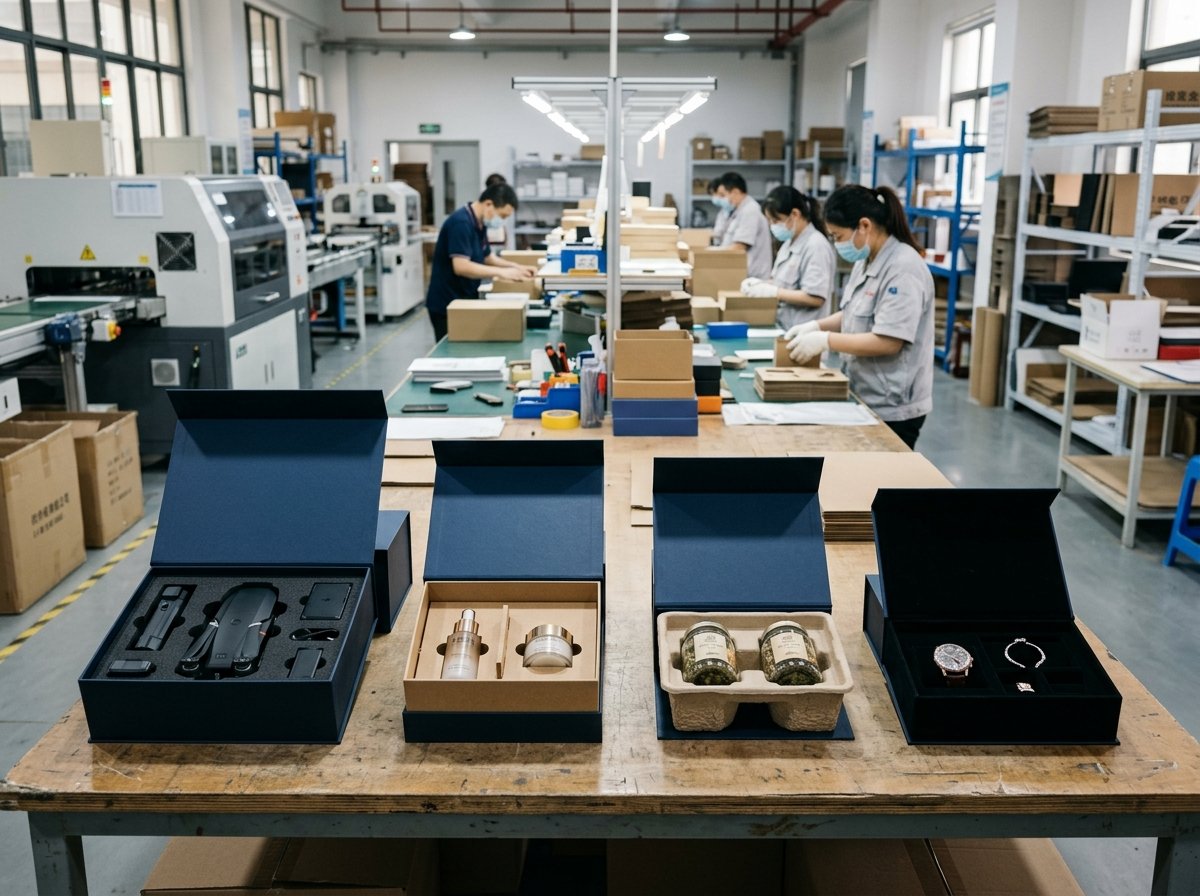
Electronics accessories often need precise positioning so cables, chargers, or earbuds do not move during delivery. EVA or formed paper inserts work well here. Cosmetics and skincare products often need partitions or custom cavities so bottles and jars stay upright and separated. Gift sets may need layered platforms or mixed-material inserts to create a more structured reveal.
For eco-focused brands, molded pulp or engineered paper inserts are becoming more attractive because they improve recyclability and reduce the use of foam. For products where luxury feel matters most, such as jewelry, fragrance, or invitation kits, flocked, satin-lined, or wrapped-board inserts can raise the perceived value.
The key is that the insert should fit the actual product and actual shipping route. Too many packaging complaints come from boxes that look beautiful at first glance but allow the product to slide, collide, or scratch during transit. Premium presentation and practical protection need to be designed together.
| Product category | Better insert choice | Reason |
|---|---|---|
| Electronics accessories | EVA / formed paper insert | Strong fit and cleaner layout |
| Skincare and cosmetics | Partitioned paper insert / EVA | Holds bottles and jars securely |
| Gift sets | Mixed insert platform | Organizes multiple items neatly |
| Jewelry and keepsakes | Flocked or satin-lined insert | Softer luxury presentation |
| Eco-focused products | Molded pulp / paper insert | Better sustainability profile |
Cost, MOQ, and Production Considerations for Custom Rigid Boxes
Rigid boxes add value, but they also require more material, more labor, and more production control than standard cartons. That means cost planning should be realistic from the beginning.
Custom rigid box cost depends on box size, board thickness, wrap paper, insert type, surface finishing, hand assembly level, and shipping method. MOQ is usually higher than simple cartons because setup, materials, and manual work make very small runs less efficient.
One reason rigid boxes cost more is that many styles involve more manual work. Wrapping, corner forming, magnet placement, insert assembly, and final finishing all require tighter control. Surface options such as foil stamping, embossing, debossing, spot UV, soft-touch lamination, and specialty papers also add cost quickly.
MOQ depends on structure complexity and finishing level. Simpler rigid boxes may allow lower volumes, while highly customized boxes with special inserts, magnets, or multiple finishes often need a more practical production quantity to keep the unit cost under control.
Lead time is another important part of planning. Public complaints in packaging markets often mention delayed deliveries, wrong sizes, poor communication, and inconsistent bulk results. These issues are especially costly with rigid boxes because the packaging is usually tied to product launch timing, gifting seasons, or premium retail programs. That is why sample approval, material confirmation, and structure testing matter before bulk production starts.
A useful way to manage rigid box cost is not to remove quality too early. It is better to review where value actually comes from. For example, a simpler structure with a stronger insert may work better than a very complex box with weak internal support. A textured paper may deliver better premium feel than adding too many expensive print effects. The goal is not to make the rigid box cheaper at any cost. The goal is to make the rigid box feel right for the product and stable in production.
What Should Buyers Check Before Ordering Custom Rigid Boxes?
Rigid boxes can look excellent in a sample and fail in production if the details are not checked carefully. Premium packaging needs stronger control, not only stronger styling.
Before ordering custom rigid boxes, buyers should confirm structure, board thickness, wrap paper, insert fit, finishing details, glue control, sample consistency, outer shipping protection, and lead time reliability. These checks help prevent the most common rigid box failures: weak feel, uneven build, damaged corners, poor adhesion, and bulk inconsistency.
The first check should be whether the structure matches the product and the route. A magnetic box may look attractive, but if the product is heavy and the spine is weak, the result will disappoint. The second check is board and paper quality. Strong greyboard and stable wrap paper help avoid soft edges, warping, and poor durability.
Insert fit should be tested with the actual product, not only with a drawing. Finishing should also be reviewed in person if possible. Foil, embossing, matte film, and textured papers can all look different on a screen than they do on the real box. Glue control is also critical. Strong glue smell, loose wrapping, or lifting corners can destroy the premium effect quickly.
Shipping protection must also be reviewed. Many damaged rigid boxes fail not because the box itself was poorly designed, but because there was no proper outer carton, corner protection, or movement control during transit. For premium packaging, the outer shipping method is part of the packaging solution, not a separate afterthought.
How Can Rigid Boxes Balance Luxury Appeal With Practical Protection?
The best rigid box programs do not treat appearance and protection as separate goals. They combine both, because a premium box that cannot arrive clean and stable is not truly premium.
Rigid boxes balance luxury appeal with practical protection when structure, materials, inserts, and shipping packaging are designed as one system. The rigid box creates value on the shelf and at unboxing, while the outer protective packaging ensures it reaches the customer in the right condition.
balancing luxury appeal and protection in rigid boxes
This balance is important for modern brands. Customers expect packaging to look refined, but they also expect it to survive delivery without bent corners, torn wraps, or loose accessories. Public complaints show that both under-packaging and over-packaging can cause frustration. Too little protection leads to damage. Too much decoration without function creates the feeling that money was spent on the box instead of the product.
The strongest rigid box strategy is usually clear and disciplined. Use a rigid box where product value and brand image need it. Use the right insert to hold the product securely. Use a proper outer shipping carton to protect the rigid box in transit. Keep the design premium, but avoid unnecessary complexity that adds cost without improving the experience.
Conclusion
Rigid boxes remain one of the strongest choices for luxury packaging because they improve perceived value, organize the product better, and create a more controlled unboxing experience. When built with the right structure, materials, and inserts, they help premium products look more credible and feel more complete.
Still, rigid boxes work best when luxury presentation and practical protection are planned together. Strong greyboard, suitable wrap paper, well-fitted inserts, clean finishing, and reliable outer shipping protection all matter. For cosmetics, electronics accessories, gift sets, and branded retail products,