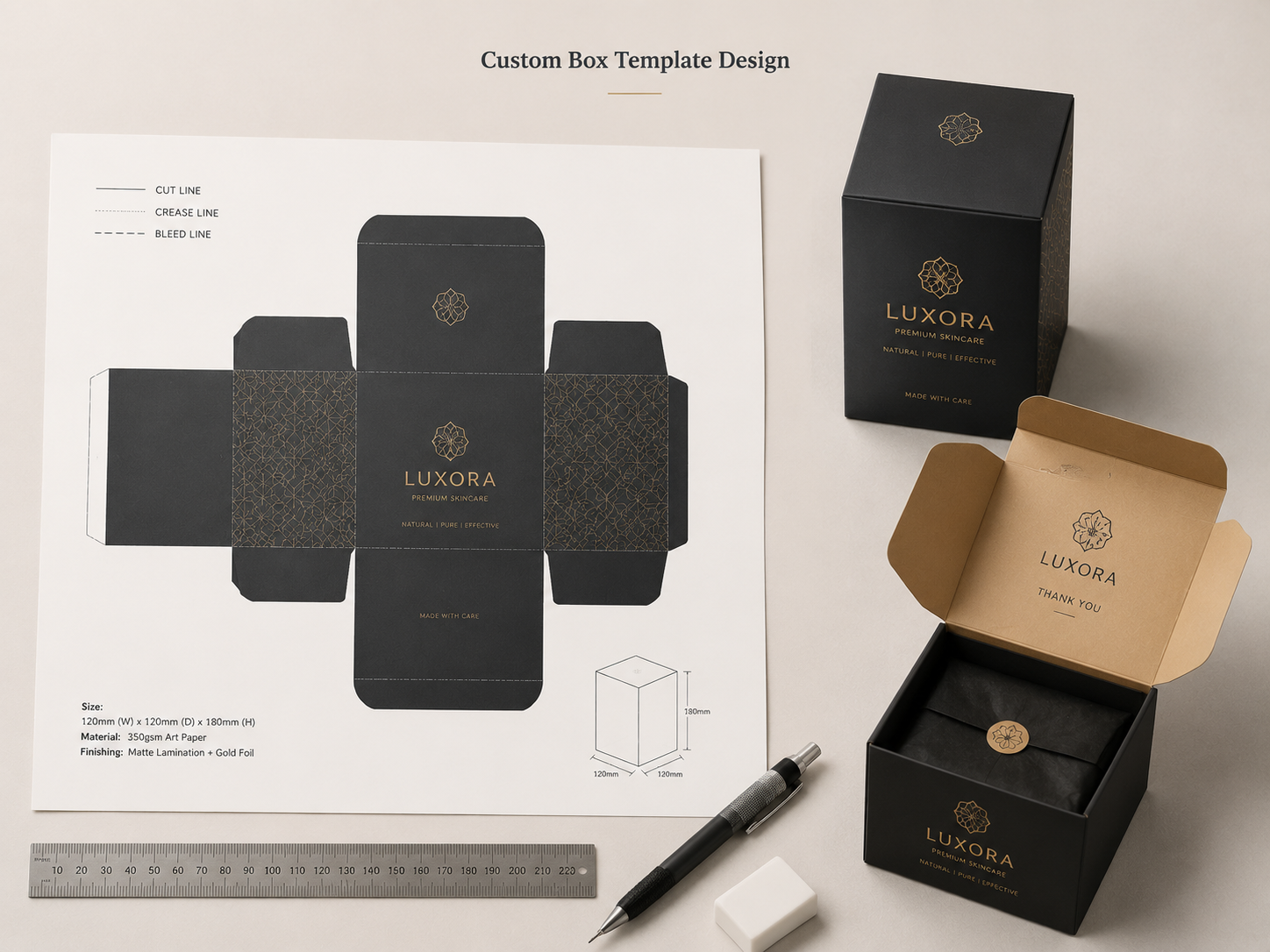
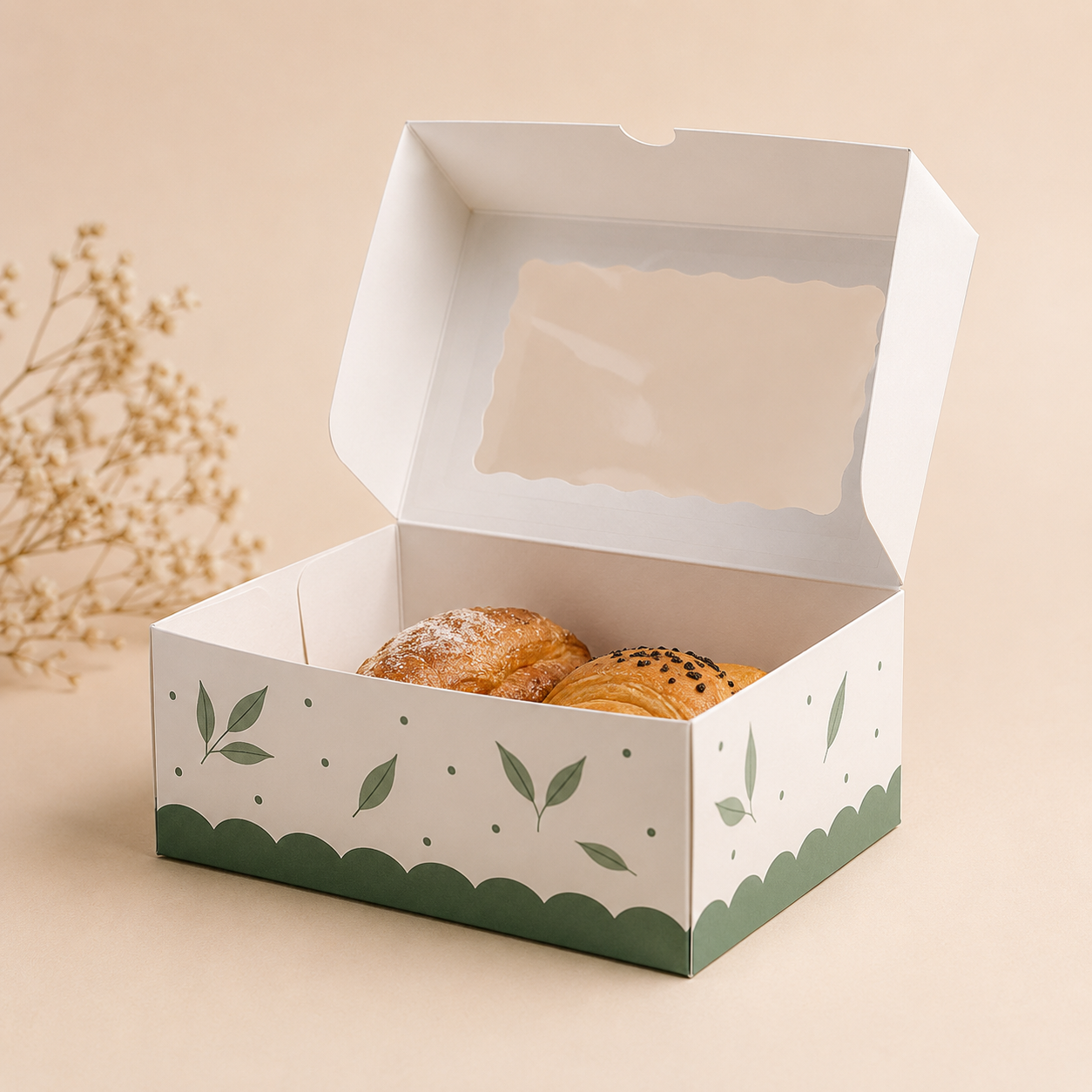
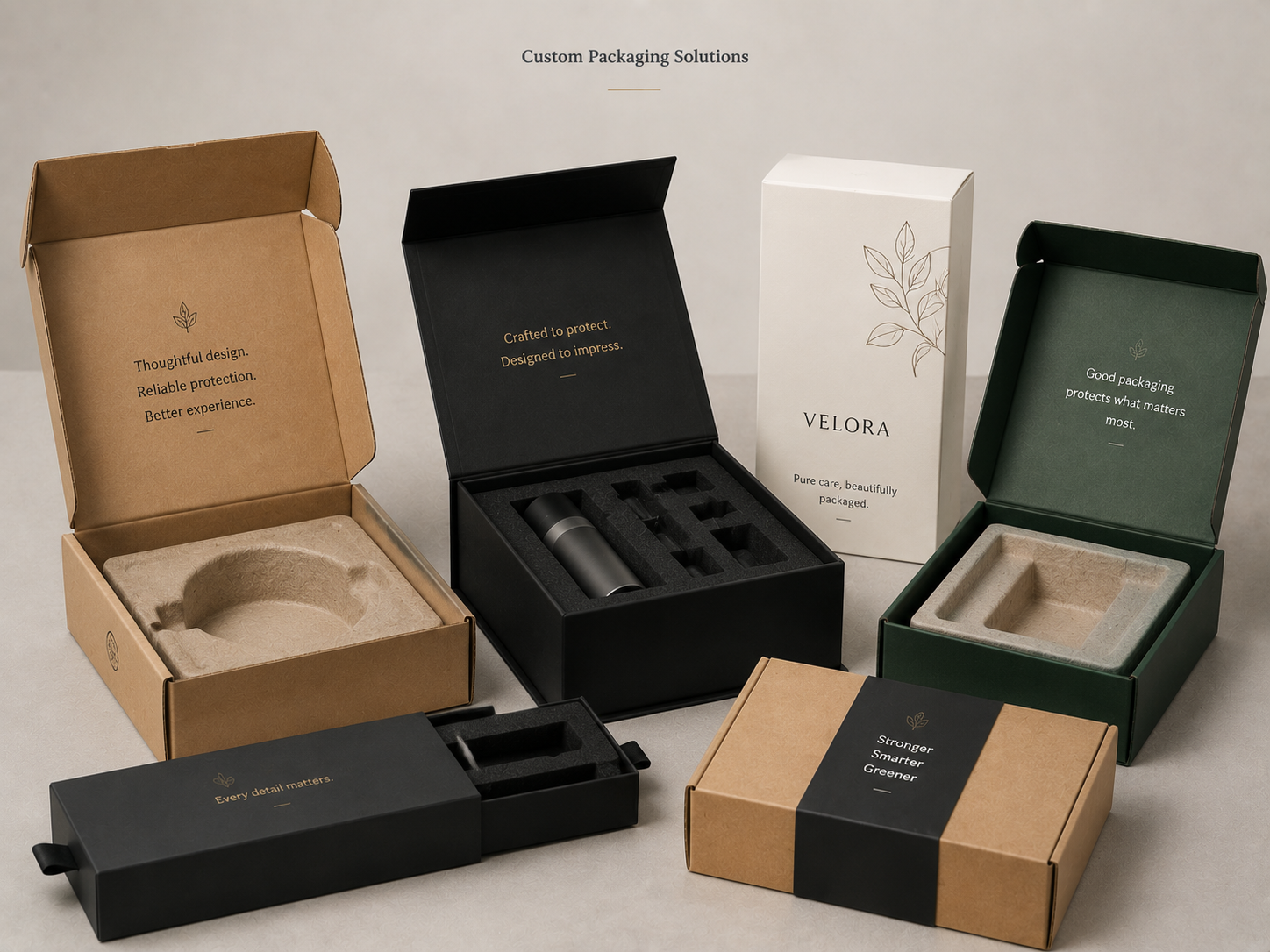
Many products lose value before they are even used. The reason is often not the product itself. The reason is a carton box that feels weak, fits badly, prints poorly, or fails during shipping.
Carton packaging works best when box type, structure, board grade, printing quality, and finish are matched to the product category and the real sales channel. A well-made carton box improves presentation, supports protection, and reduces avoidable losses from damage, waste, and poor customer perception.
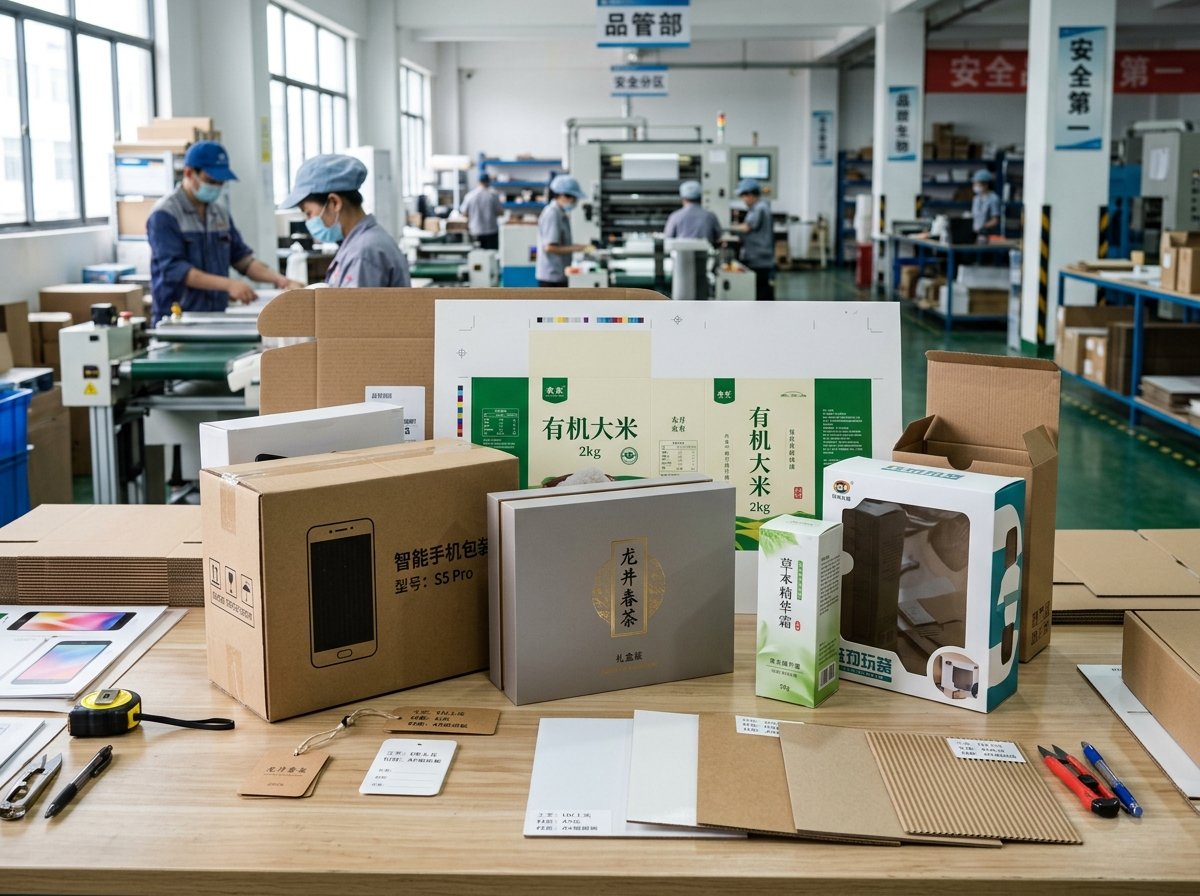
Carton boxes are one of the most common packaging formats in modern product packaging. They are used in cosmetics, skincare, health products, consumer electronics accessories, daily-use goods, food items, and many gift-oriented categories. Their popularity comes from a simple reason. A carton box can carry branding, product information, shelf appeal, and structure in one practical format. Still, many packaging failures begin when carton packaging is treated as a simple printed shell instead of a functional packaging system. Across public complaints and packaging reviews, the same issues appear again and again: boxes that are too flimsy, sizes that are wrong, weak sealing, poor print quality, no internal support, retail boxes used as shipping boxes, and packaging that looks too cheap for the product inside. These problems do not only hurt appearance. They also increase returns, damage risk, and customer disappointment. That is why carton packaging should always be developed from product use, not from appearance alone.
What Is a Carton Box in Modern Packaging?
A carton box is usually made from paperboard and is mainly used for retail packaging, product organization, branding, and light to medium protection.
It is one of the most efficient ways to combine structure and presentation in a scalable packaging format.
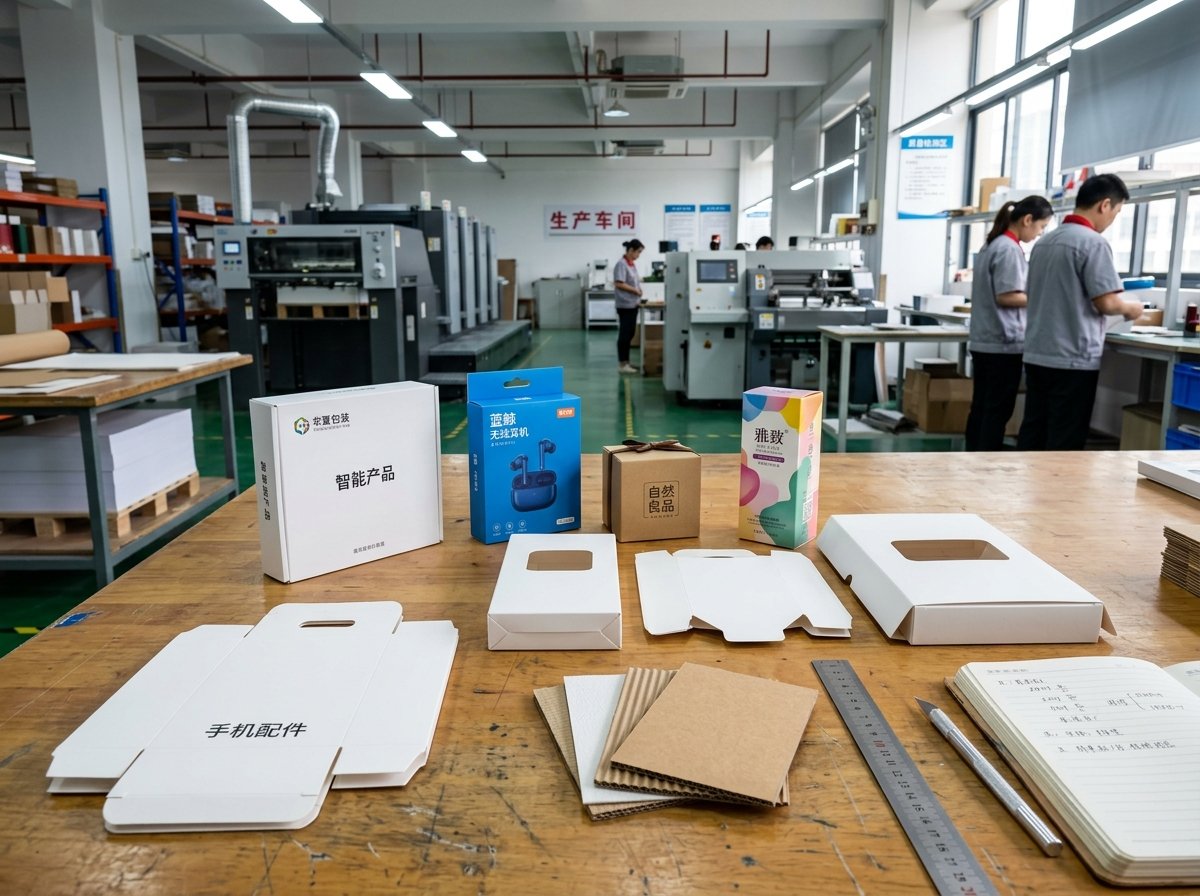
Carton boxes are often used as primary packaging or secondary packaging, depending on the product type. In many cases, the carton box is the first packaging layer that the customer sees and touches. That makes it important not only for holding the product, but also for shaping the product image. Compared with corrugated boxes, carton boxes usually offer a smoother print surface and a more refined retail look. Compared with rigid boxes, they are lighter, easier to store flat, and more cost-effective for larger production runs. This makes them a practical choice for many brands that want a strong shelf presentation without the higher cost and weight of rigid packaging. Still, carton boxes are not designed for every role. When a carton box is forced to act as a direct shipping box without outer support, the result is often crushed panels, burst corners, and visible damage.
| Packaging Format | Main Material | Main Role | Common Use |
|---|---|---|---|
| Carton box | Paperboard | Retail presentation and product holding | Cosmetics, supplements, accessories, daily goods |
| Corrugated box | Fluted corrugated board | Shipping and transport protection | E-commerce, warehouse, export delivery |
| Rigid box | Greyboard with wrapped paper | Premium presentation and gift packaging | Luxury goods, premium gifts, beauty sets |
Carton Box Types and Structures for Different Product Categories?
Different products need different carton box structures. A structure that works for a skincare tube may fail for a glass bottle, a supplement jar, or a multi-piece electronics kit.
The right carton box structure should always be chosen based on product weight, shape, filling method, and display needs.
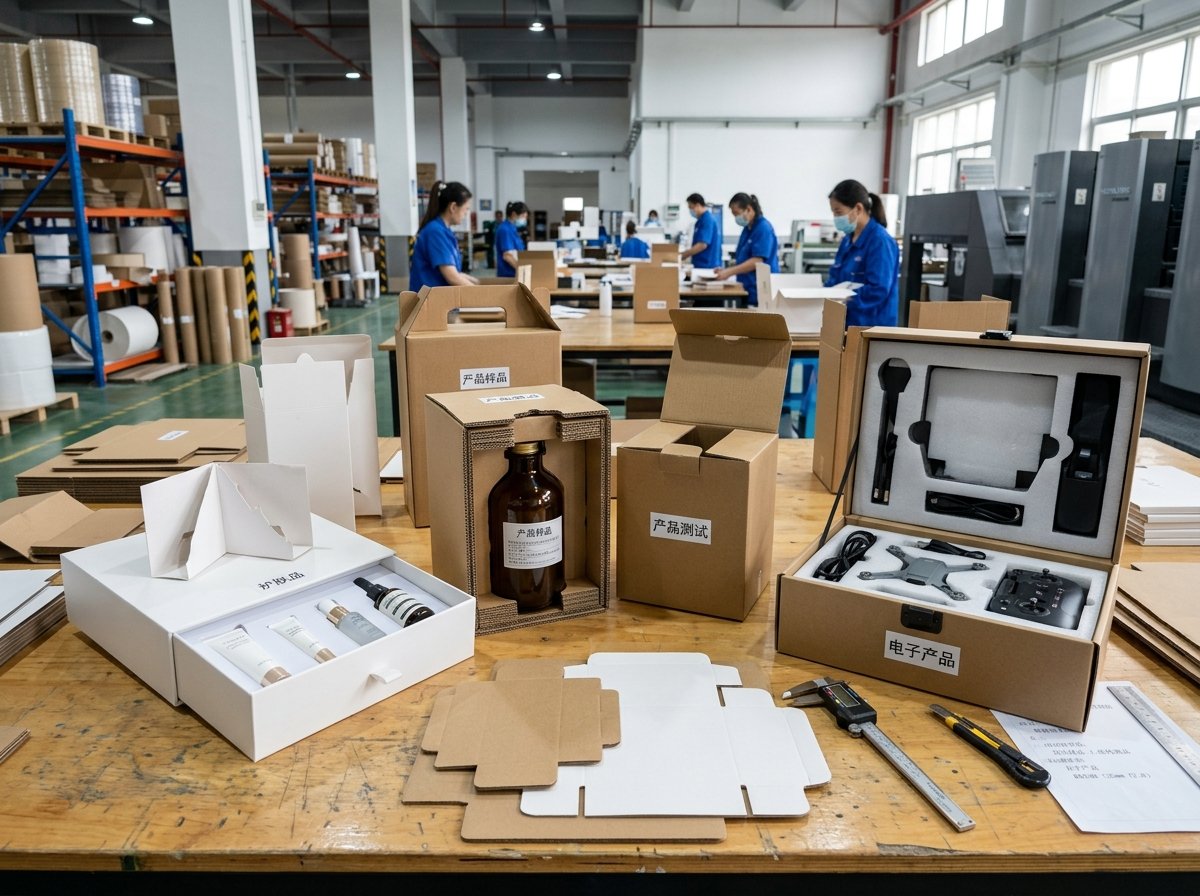
Straight tuck end cartons are widely used for cosmetics, supplements, and small electronics because they look clean and are easy to open. Reverse tuck end cartons are common for many light retail products because they are efficient and cost-friendly. Auto-lock bottom cartons are better for heavier products, such as bottled skincare, candles, jars, and compact electronics, because the base has stronger support. Sleeve cartons work well for inner trays, gift sets, food packs, and promotional bundles. Display cartons are useful in retail environments where front visibility and easy access matter. Window cartons are often chosen for bakery products, food items, and gift items where seeing the product helps sales. Drawer-style cartons can support a more premium opening experience for accessories or special packs. Each structure has a business role. The goal is not to choose the most decorative one. The goal is to choose the one that balances protection, efficiency, and presentation.
| Carton Structure | Main Feature | Best-Fit Product Category |
|---|---|---|
| Straight tuck end | Clean look and simple closure | Cosmetics, skincare, supplements |
| Reverse tuck end | Common and cost-efficient | Daily products, lightweight items |
| Auto-lock bottom | Stronger base support | Bottles, jars, heavier retail products |
| Sleeve carton | Wrap-around style | Kits, food packs, promotional bundles |
| Window carton | Product visibility | Bakery, snacks, gift products |
| Display carton | Shelf-ready presentation | Counter sales, retail promotions |
| Drawer carton | Better unboxing feel | Premium accessories, gift packaging |
Why Does Product Category Change the Carton Box Design?
Not all products create the same packaging pressure. A lightweight soap box does not need the same carton design as a perfume bottle or a healthcare kit.
Product category affects carton design because it changes structural load, print needs, safety demands, and customer expectations.
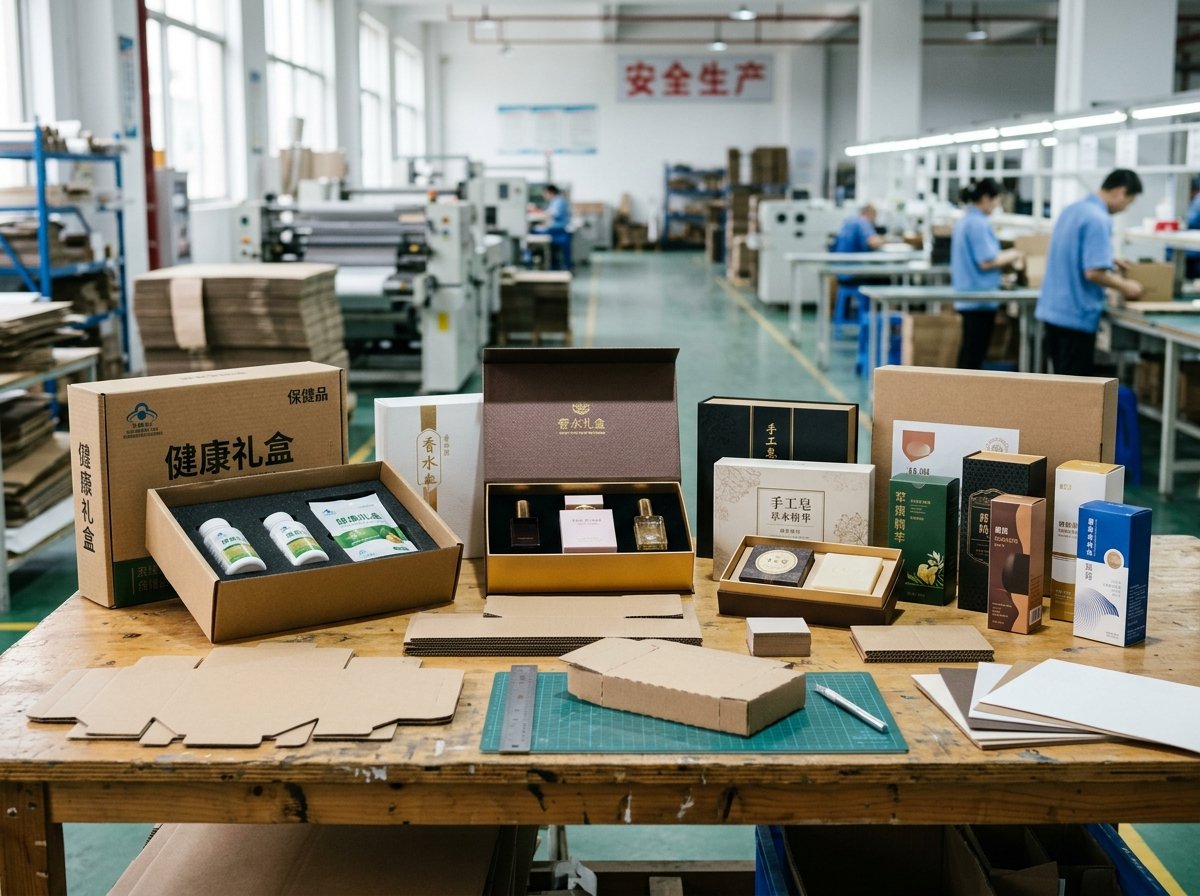
In cosmetics, carton boxes often need refined printing, surface finishes, tight fold quality, and clean structure because the packaging directly affects product value perception. In healthcare and pharma-related products, the focus shifts more toward accuracy, readability, consistent converting, and stable packing performance. In food packaging, grease resistance, food-safe materials, and practical opening become more important. In electronics accessories, carton boxes may need inserts or partitions to stop movement and protect components. In gift packaging, surface feel and opening experience often matter more than in standard daily-use packaging. This means a generic carton structure is rarely the best answer. Many packaging complaints happen because one box style is used across very different products without adjusting board grade, insert support, or closure design. A better carton program matches the structure to the actual use case from the start.
Key Material, Printing, and Finishing Options in Carton Packaging?
A carton box may look attractive in artwork form, but the final result depends on the material, printing method, and surface finish working together.
These three choices shape stiffness, appearance, durability, and customer perception at the same time.
Paperboard choice is the base of carton quality. SBS is often used for high-quality retail cartons because it supports clean graphics and a stronger premium look. FBB offers a practical balance between stiffness and cost. Kraft board supports a natural appearance and is often chosen for eco-looking packaging concepts. Coated recycled board can reduce cost, but it still needs to meet the required print quality and structural performance. Printing also matters greatly. Offset printing is widely used for carton boxes because it supports sharp detail, better color control, and strong retail graphics. Digital printing can work for short runs, pilot orders, or sampling. Finishing adds another layer of performance and shelf appeal. Matte lamination, gloss lamination, foil stamping, embossing, debossing, and spot UV can all improve presentation when they are used well. Still, many buyers react negatively when the box tries to look premium while the base board still feels weak or cheap. A finish cannot hide poor material quality for long.
| Packaging Element | Main Benefit | Common Failure if Poorly Chosen |
|---|---|---|
| SBS board | Clean print surface and better premium feel | Higher graphic quality lost on poor converting |
| FBB board | Good balance of stiffness and cost | Box may feel too light for high-value products |
| Kraft board | Natural appearance and solid image | Surface may limit some print styles |
| Offset printing | Sharp detail and color control | Poor execution causes color mismatch |
| Digital printing | Useful for short runs and samples | Less suitable for some larger volume needs |
| Lamination | Better scratch resistance and cleaner look | Weak protection leads to easy wear |
| Foil / embossing / UV | More visual value and shelf impact | Looks excessive if material is weak |
How Does Printing Quality Affect Carton Packaging Results?
Printing is not only about decoration. It affects how a product is judged before the box is even opened.
Poor print quality can make even a good product feel low-grade, while stable print quality helps carton packaging look more trustworthy and more professional.
Color accuracy matters because many brands depend on consistent brand identity across product lines and repeat orders. Sharp text matters because health products, supplements, and technical goods often carry important product information on the carton. Surface registration matters because poor alignment immediately makes the box look cheap. Ink curing and finishing control matter because sticky surfaces, scratch-prone coatings, and color rub-off quickly damage the customer impression. Across many public packaging complaints, wrong colors, poor quality print, and low-grade surface feel appear as repeated problems. These are not small visual issues. They shape trust. In product categories where the packaging is part of the sale, such as cosmetics, gifts, and consumer accessories, poor printing directly weakens the product image. That is why print quality should be treated as part of functional packaging performance, not as an extra design layer added at the end.
How to Choose the Right Carton Box for Real Packaging Use?
The right carton box should be chosen by real packaging role. A box made for shelf display is not always strong enough for shipping. A box designed for visual impact may need extra support before it enters a parcel network.
Good carton selection starts with use conditions, not with style preference alone.
For retail use, the main priorities are shelf impact, print quality, structure cleanliness, and a box size that fits the product well. For light protective use, carton stiffness, closure strength, and internal fit become more important. For products moving through e-commerce or courier delivery, the carton box often needs to work together with an outer corrugated box. One of the most repeated failures in public reviews is the use of a retail carton as a shipping box. That leads to crushed corners, torn edges, dirty surfaces, and poor arrival condition. For fragile products, inserts, trays, or partitions may also be needed inside the carton. For higher-value products, the box must also match the perceived value of the item inside. If the product feels premium but the carton feels thin or generic, the packaging weakens the brand message instead of supporting it.
Common Mistakes Buyers Make When Choosing Carton Boxes?
Most carton box failures do not happen because carton packaging is a bad format. They happen because the wrong carton is chosen for the wrong product or the wrong packaging role.
The most common mistakes are structural mismatch, weak material choice, poor fit, and confusion between retail packaging and shipping packaging.
A frequent mistake is choosing the box only by appearance. A clean-looking carton may still be too weak for the product weight. Another common mistake is underestimating box size. If the carton is too large, the product moves and looks poorly packed. If it is too small, the product gets forced inside and the user notices the stress immediately. Another mistake is reducing board grade too far in the name of cost control. That often leads to a flimsy feel, bent panels, or weak closures. Printing is another area where mistakes happen. Some buyers focus on graphic design but do not control color consistency, rub resistance, or finish durability. Many also forget the difference between a retail carton and a shipping carton. This is one of the biggest sources of damaged deliveries. A carton box may be perfect for shelf display and still completely wrong for direct shipping.
| Common Mistake | What Usually Happens | Better Direction |
|---|---|---|
| Choosing by look only | Structure fails in real use | Match box style to product and channel |
| Using weak board | Box feels flimsy or gets damaged | Select board by product weight and value |
| Wrong box size | Product moves or is packed too tightly | Build around real product dimensions |
| Treating retail carton as shipper | Arrival damage and crushed surfaces | Add outer corrugated protection |
| Ignoring print durability | Scuffs, scratches, poor shelf look | Control finish and rub resistance |
| No insert for fragile items | Internal damage and movement | Add fitments where needed |
Why Does Carton Packaging Need a Factory-Level Approach?
A carton box may seem simple, but consistent quality depends on structure design, board control, printing accuracy, converting precision, and packing standards all working together.
That is why carton packaging performs best when it is developed with real production and real shipping conditions in mind.
A strong carton packaging result does not come from artwork alone. It comes from correct dieline design, reliable paperboard sourcing, stable printing, accurate creasing, clean gluing, and proper packing after production. Weakness in any one of these areas can damage the final result. Poor creasing can cause cracking. Weak glue can cause flap opening. Bad packing after production can crush the finished cartons before they are even filled. In many product categories, especially cosmetics, health products, gift items, and electronics accessories, the carton box is a direct part of the customer experience. This means the factory side has to think about both visual quality and packaging performance. A good carton box should not only look right on the first sample. It should also stay consistent across repeat orders and arrive in usable condition after transport and storage.
Conclusion
Carton packaging remains one of the most practical and valuable packaging solutions for modern product brands. Its strength comes from combining structure, print quality, presentation, and efficient production in one format.
The best carton box is never just a nice-looking box. It is a box that matches the product category, the material level, the print requirement, and the real sales channel. It should fit the product correctly, support the right customer impression, and avoid the common failures that lead to damage, waste, and complaints. When carton box type, board grade, finishing, and packaging role are planned together, carton packaging becomes more than outer decoration. It becomes a reliable part of product value, product protection, and brand consistency.