Many products look ready for market when the design is approved. Then the wrong carton box creates weak shelf impact, shipping damage, wasted cost, and a poor first impression.
Carton boxes are widely used for retail packaging, product presentation, and light protection. The right carton box depends on structure, paperboard grade, print quality, product weight, sales channel, and whether the pack is meant for retail display, secondary shipping support, or shelf-ready presentation.
Carton packaging is one of the most common packaging formats across cosmetics, skincare, health products, electronics accessories, gifts, household items, and many daily-use categories. It is popular because it combines branding space, print flexibility, efficient storage, and a clean product presentation. Still, carton boxes are often misunderstood. Many buyers use the term “carton box” for almost every paper-based box, even though carton boxes and corrugated boxes are built for different packaging roles. This confusion often leads to poor packaging decisions. A folding carton may look attractive and cost-effective, but it can fail if used as the only shipping package. At the same time, a heavy corrugated box may protect the product well, but it may not deliver the shelf appearance or premium brand feel needed in retail. In many packaging complaints across online selling and retail delivery, the same issues appear again and again: boxes that are too flimsy, poor sizing, no internal support, retail boxes used as shipping boxes, weak seals, damaged corners, and packaging that feels cheap compared with the product inside. These are not only material problems. They are packaging planning problems. A good carton packaging program starts with choosing the right role for the box.
What Is a Carton Box in Packaging?
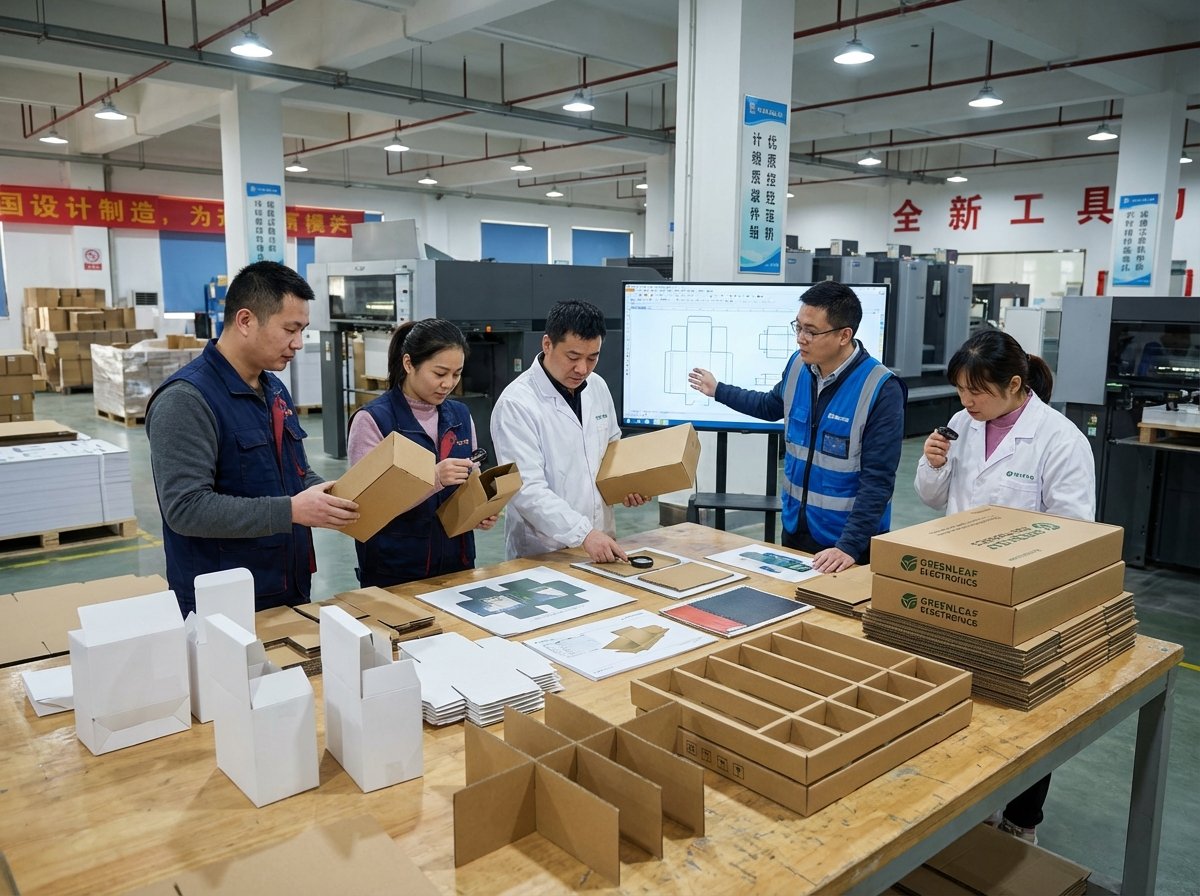
Many buyers use “carton box” as a broad term. In practical packaging work, carton boxes usually refer to paperboard packaging used for product presentation, branding, and light structural protection.
A carton box is usually made from paperboard rather than corrugated board, and it is commonly used as a primary or secondary retail package.
 )
)
Carton boxes are widely used because they offer a smooth print surface, flexible box styles, and a more refined appearance than standard shipping cartons. They are common in beauty packaging, small electronics packaging, healthcare packaging, food sleeves, gift packaging, and display-ready consumer products. Most carton boxes are made from SBS, FBB, CCNB, kraft paperboard, or laminated specialty board depending on the product position and print need. Compared with rigid boxes, carton boxes are usually lighter and more cost-effective. Compared with corrugated boxes, they are usually better for branding and shelf display but weaker in shipping protection. This is why carton boxes are often used together with inserts, sleeves, or outer shipping cartons when the product needs both presentation and transport safety.
| Packaging Type | Main Material | Main Role | Common Use |
|---|---|---|---|
| Carton box | Paperboard | Retail presentation and light protection | Cosmetics, electronics accessories, daily products |
| Corrugated box | Fluted corrugated board | Shipping and transport protection | E-commerce, warehouse, export shipping |
| Rigid box | Greyboard with wrapped paper | Premium presentation | Gift sets, luxury goods, premium cosmetics |
Carton Boxes vs Corrugated Boxes: What Buyers Should Know?
This is one of the most common packaging decisions, and it is also one of the most common sources of mistakes. A carton box and a corrugated box may look similar in basic shape, but they are designed for different performance needs.
Carton boxes focus more on print, shelf image, and product presentation. Corrugated boxes focus more on compression strength, cushioning, and transport protection.
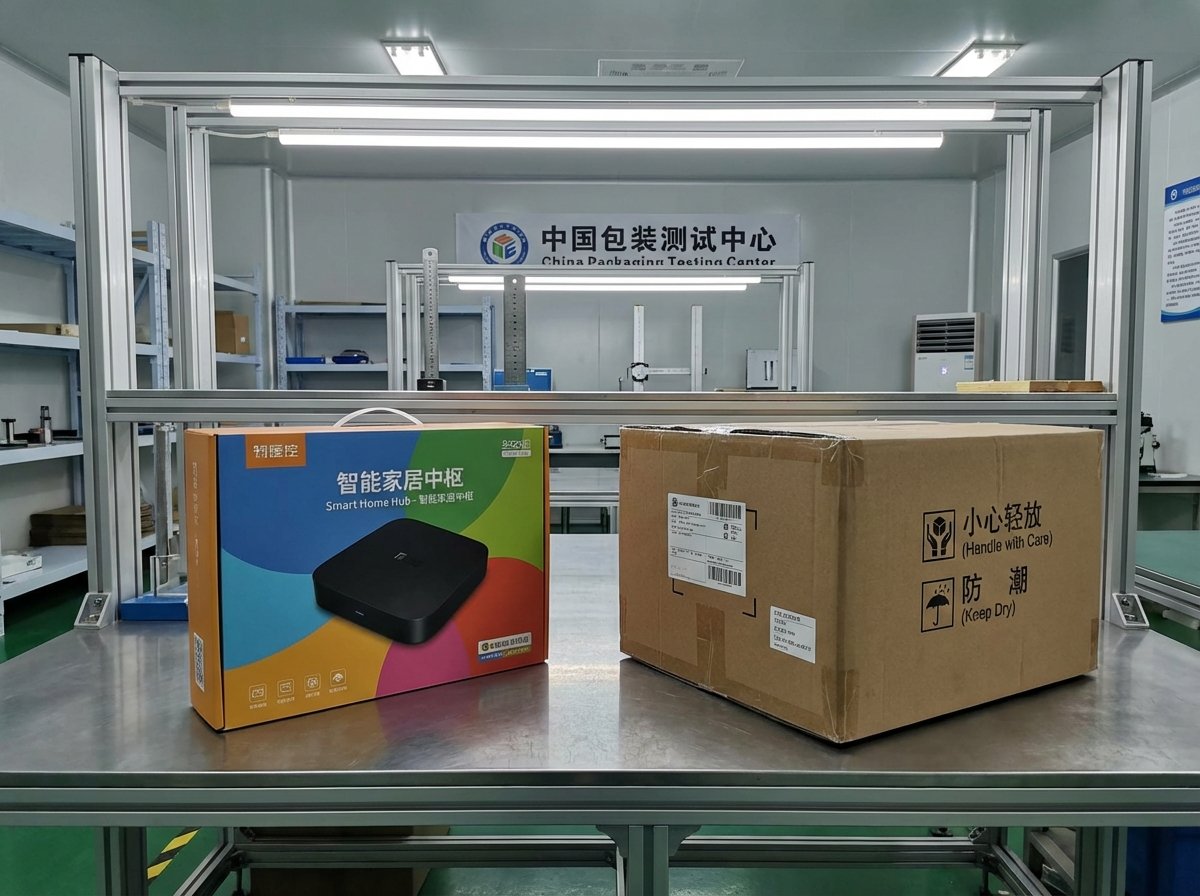
A carton box is usually smoother, lighter, and visually cleaner. It supports higher-quality printing, tighter folding details, and a more refined shelf presence. That makes it suitable for branded packaging where first impression matters. A corrugated box has a fluted inner structure that adds strength and shock resistance. That makes it more suitable for parcel handling, stacking, warehouse movement, and long shipping routes. The key problem comes when buyers expect one to do the other’s job. Many damaged deliveries happen because a printed carton was used as the shipping box. Many weak retail presentations happen because a plain corrugated box was expected to carry brand value on shelf. Good packaging planning separates these roles clearly. In many projects, the best solution is a carton box for retail appearance and a corrugated box for transport protection.
| Point of Comparison | Carton Box | Corrugated Box |
|---|---|---|
| Material | Flat paperboard | Fluted corrugated board |
| Print quality | Better for detailed retail printing | Good, but usually less refined |
| Protection level | Light to medium | Medium to high |
| Shipping role | Limited unless protected | Stronger for transport |
| Shelf appearance | Better for branding and display | Better for transport than presentation |
| Best use | Primary retail packaging | Outer shipping or master carton |
Why Are Carton Boxes So Widely Used in Retail Packaging?
Retail packaging has to do more than hold a product. It has to communicate value, support branding, and help products stand out in a crowded market.
Carton boxes are widely used in retail because they balance visual quality, flexibility, and cost better than many other packaging types.
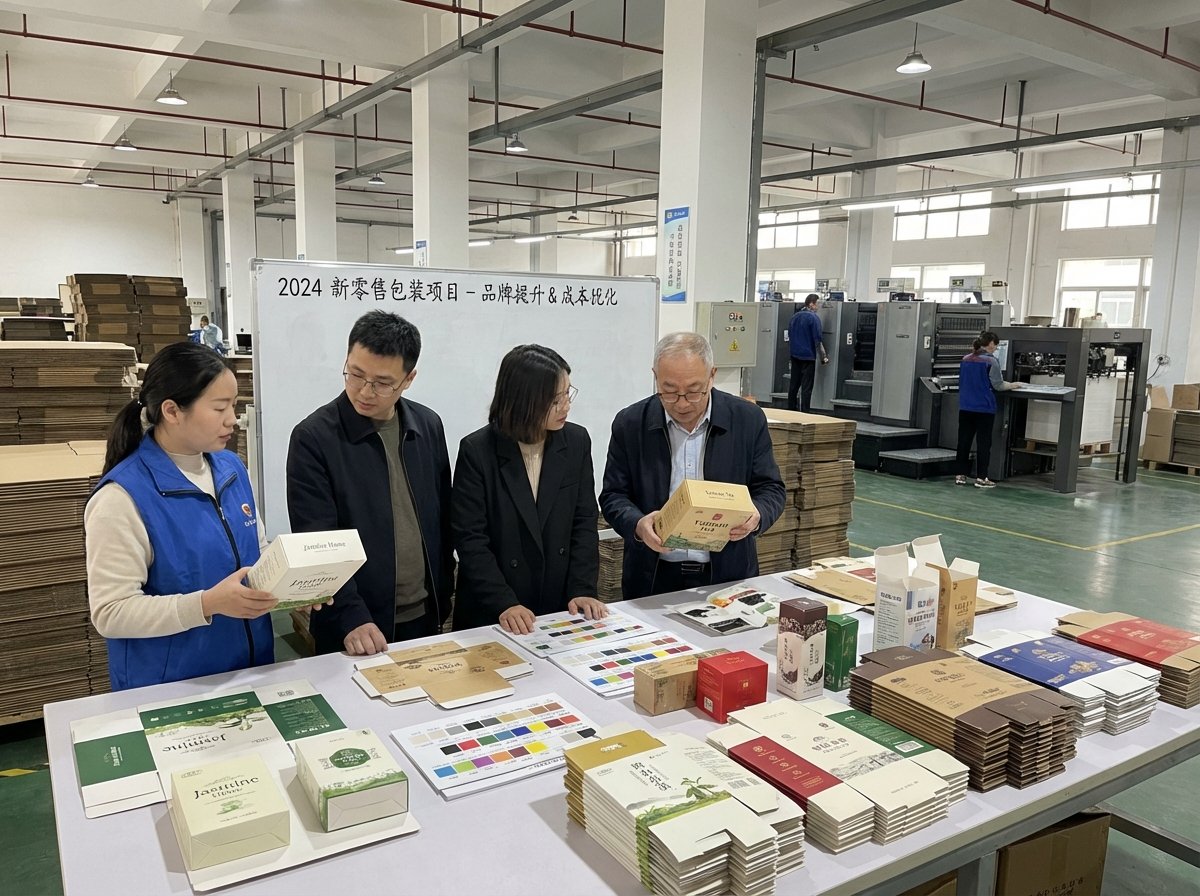
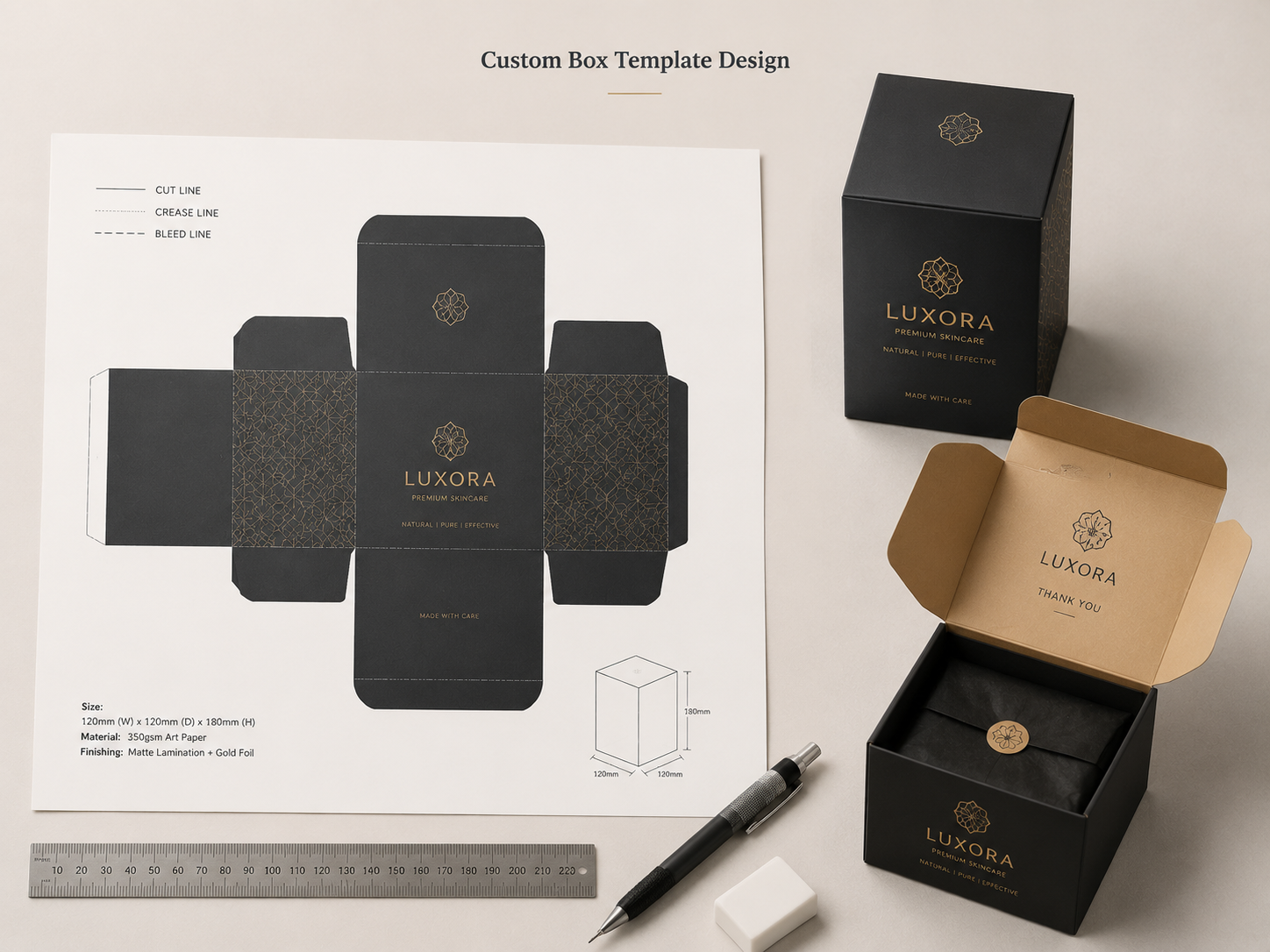
Carton boxes support detailed graphics, brand colors, product information, and finishing effects such as foil, embossing, spot UV, matte lamination, and soft-touch coating. This makes them a strong choice for beauty products, health supplements, electronics accessories, candles, soaps, and gift-ready consumer goods. Carton boxes also store flat before filling, which helps reduce shipping and warehouse cost before use. Their structures can be simple or highly customized depending on product shape and brand goals. At the same time, retail buyers today also expect better quality feel. Public feedback often shows disappointment when packaging looks generic, weak, or too cheap for the product price. That is why carton packaging should not be treated as decoration only. The board grade, fold quality, print consistency, and opening experience all affect how the product is judged before it is even used.
Common Carton Box Structures and Their Business Applications?
Carton boxes come in many structures, and each one fits a different packaging goal. The right structure affects cost, assembly speed, shelf presence, and product protection.
Choosing the right structure is often more important than adding more print effects or more material.
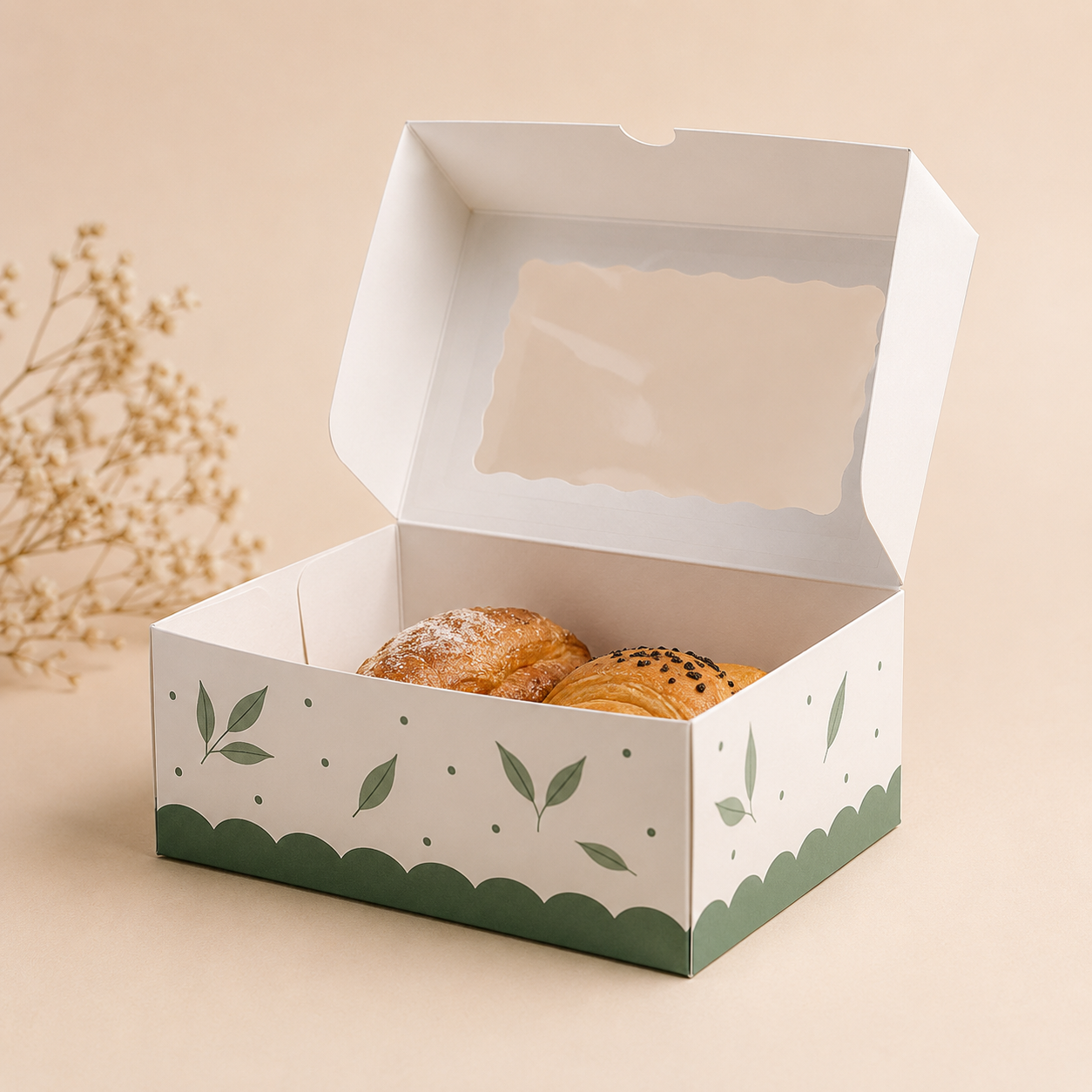
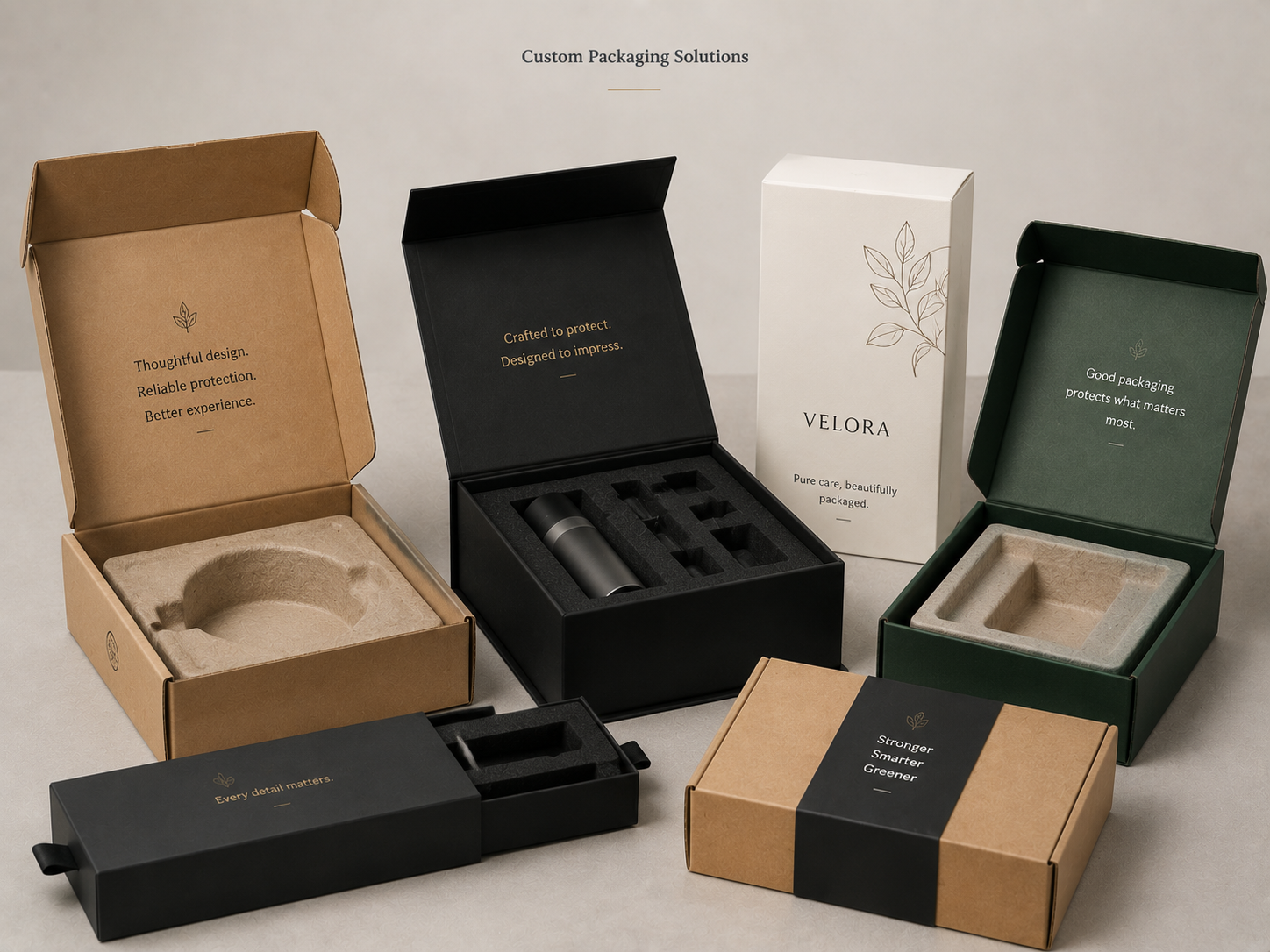
Straight tuck end cartons are widely used for cosmetics, skincare, and light consumer products because they are simple, efficient, and easy to fill. Reverse tuck end cartons are also common for cost-sensitive retail products where fast conversion matters. Auto-lock bottom cartons offer stronger base support and are useful for heavier items such as bottles, jars, and small electronics. Sleeve cartons work well for inner trays, food packs, promotional bundles, and products that need a clean branded wrap. Drawer-style cartons can improve presentation and are often used for gift sets or products with a more premium feel. Gable-top cartons are common in food and takeaway applications. Display cartons are made to improve visibility at retail or on countertops. The structure should always be chosen based on product weight, sales environment, filling method, and user experience.
| Carton Structure | Main Feature | Typical Application |
|---|---|---|
| Straight tuck end | Clean closure, efficient use | Cosmetics, supplements, small electronics |
| Reverse tuck end | Cost-effective and common | Daily products, light retail items |
| Auto-lock bottom | Stronger base support | Bottles, jars, heavier retail products |
| Sleeve carton | Wrap-around presentation | Food packs, kits, gift sets |
| Drawer carton | Better unboxing feel | Premium accessories, gifting |
| Display carton | Open presentation for shelf use | Retail counters, promotional packs |
How to Choose the Right Carton Box for Retail, Shipping, or Display Use?
A carton box should be selected by actual use, not by appearance alone. A structure that works well on shelf may fail in parcel delivery. A box that looks efficient in production may not look strong enough in a premium retail setting.
The right carton box depends on whether the main job is retail display, short-distance handling, or support inside a larger shipping system.
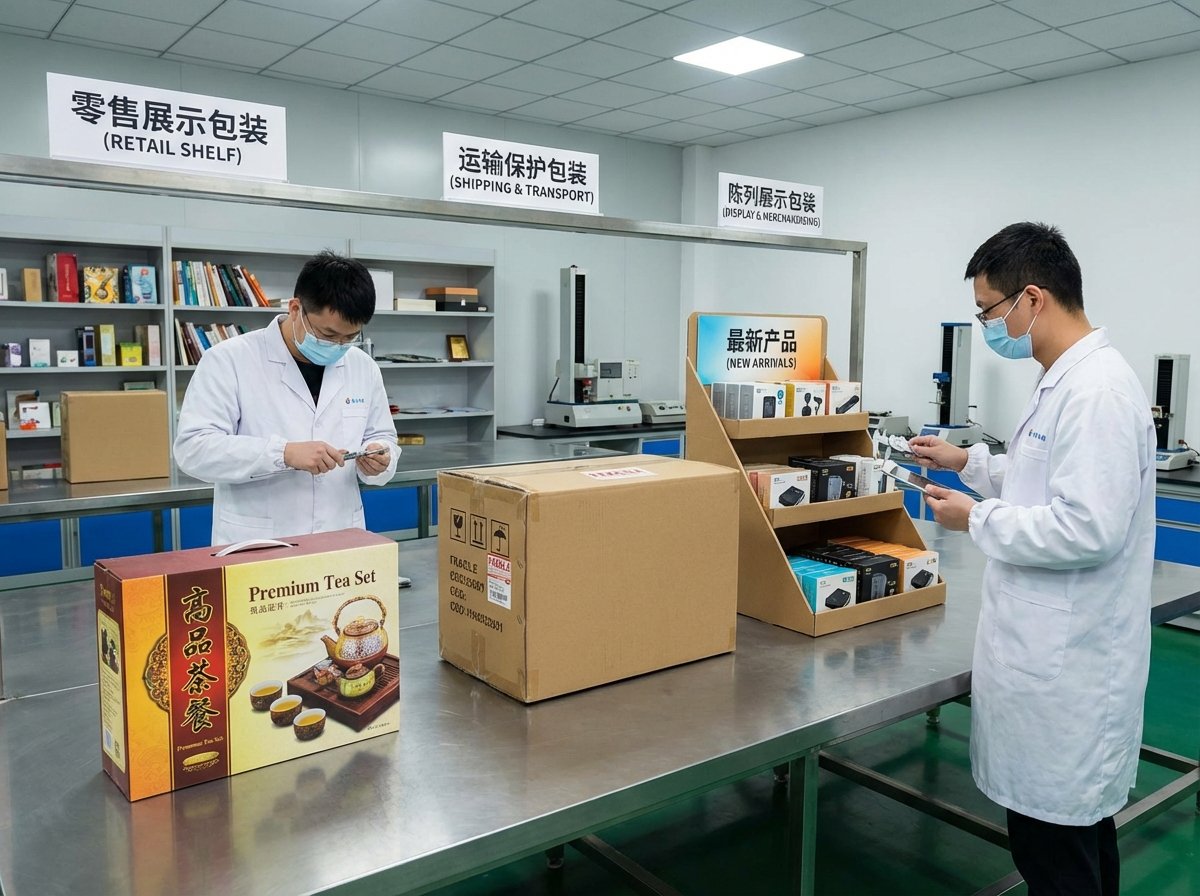
For retail use, the main priorities are brand image, print quality, structure cleanliness, and how the box presents the product at point of sale. For display use, the box may also need front visibility, easy opening, or shelf-ready presentation. For shipping-related use, carton boxes should only be chosen when the product is light, the route is controlled, or an outer shipping carton is added. One of the most common packaging mistakes in the market is using a retail carton as the only transport package. This leads to bent panels, crushed corners, weak sealing, and a poor arrival condition. The better solution is often layered packaging. The carton box handles branding and presentation. The corrugated box handles compression, impact, and transport pressure. Buyers should also consider the product finish. If the item scratches easily, needs a precise fit, or includes fragile parts, the carton box may need an insert, tray, or internal divider.
What Paperboard and Finishing Options Matter Most for Carton Packaging?
A carton box can look premium or look cheap even when the shape is the same. The difference often comes from board selection and finishing control.
The right paperboard and finishing choice should match product position, sales channel, and expected handling condition.
carton packaging board and finishing
SBS board is often used for high-quality retail cartons because it has a clean surface and supports strong print results. FBB offers a good balance of stiffness and cost. Kraft board can support a natural or eco-looking appearance. Coated recycled boards may reduce cost, but they must still support the needed visual quality and structural performance. Finishing choices matter as well. Matte or gloss lamination can improve surface durability. Foil and embossing can increase premium feel when used well. Spot UV can add contrast and shelf impact. Still, these finishing upgrades should support the product rather than hide weak packaging quality. Market complaints often show that buyers dislike packaging that looks expensive in concept but feels weak or low-grade in hand. That is why finishing should always be paired with the right board thickness, clean converting, strong glue control, and stable color quality.
| Packaging Element | Why It Matters | Common Risk if Chosen Poorly |
|---|---|---|
| Paperboard grade | Affects stiffness and print quality | Box feels soft or looks cheap |
| Lamination | Protects against scratches and marks | Surface damages too easily |
| Foil or embossing | Adds value and visual contrast | Looks excessive on weak board |
| Glue quality | Keeps structure stable | Seals open or edges lift |
| Color control | Keeps brand image consistent | Repeat orders do not match |
When Does a Carton Box Need Extra Support or an Outer Box?
A carton box is not weak by definition, but it has limits. Problems begin when those limits are ignored.
Extra support is needed when product weight, fragility, shipping abuse, or presentation demands go beyond what a standard carton can safely handle.
when carton boxes need extra support
Products packed in glass, products with sensitive surfaces, small electronics, gift sets, and premium branded products often need more than a folded carton alone. Inserts can reduce movement and improve presentation. Sleeves and trays can strengthen the structure and improve the opening experience. An outer corrugated box becomes important when the carton will move through parcel delivery, export transport, or stacked shipping environments. Many public packaging complaints show the same failure pattern: the retail box arrives crushed, torn, or heavily marked because it was expected to survive shipping without a proper transport layer. This problem is easy to prevent when the packaging roles are defined early. A carton box should not be forced to act like a shipping carton unless it was specifically designed and tested for that use.
What Are the Main Business Benefits of Using the Right Carton Box?
The right carton box does more than hold the product. It supports brand value, improves shelf readiness, and reduces packaging waste caused by poor planning.
A well-designed carton box helps businesses balance visual appeal, product fit, operational efficiency, and packaging cost.
benefits of the right carton box
A strong carton packaging program can improve several business results at the same time. It can create a better first impression, reduce the need for overbuilt packaging, support faster filling and packing, and keep packaging more consistent across product lines. It can also make product information clearer and help products look more organized at retail. For brands selling through online channels, the carton box can still play an important role, but usually as part of a layered system rather than a standalone shipping solution. In consumer categories where customers care about design and quality feel, the carton box often becomes part of the product value itself. That is why the best carton packaging is not the most complicated one. It is the one that fits the product, the channel, the brand image, and the handling conditions without creating avoidable failures.
Conclusion
Carton boxes remain one of the most practical packaging choices for retail presentation, brand communication, and efficient product packing. Their value comes from structure, print quality, material choice, and using them for the right packaging role.
For businesses choosing between carton boxes, corrugated boxes, and other paper packaging formats, the key is not simply cost or appearance. The key is matching the packaging format to the real job. A carton box should present the product well, fit the product correctly, and support the intended sales channel without being forced into a role it cannot handle. When structure, board, finish, and transport planning are aligned, carton packaging becomes more than a box. It becomes a cleaner, safer, and more effective part of the product experience.