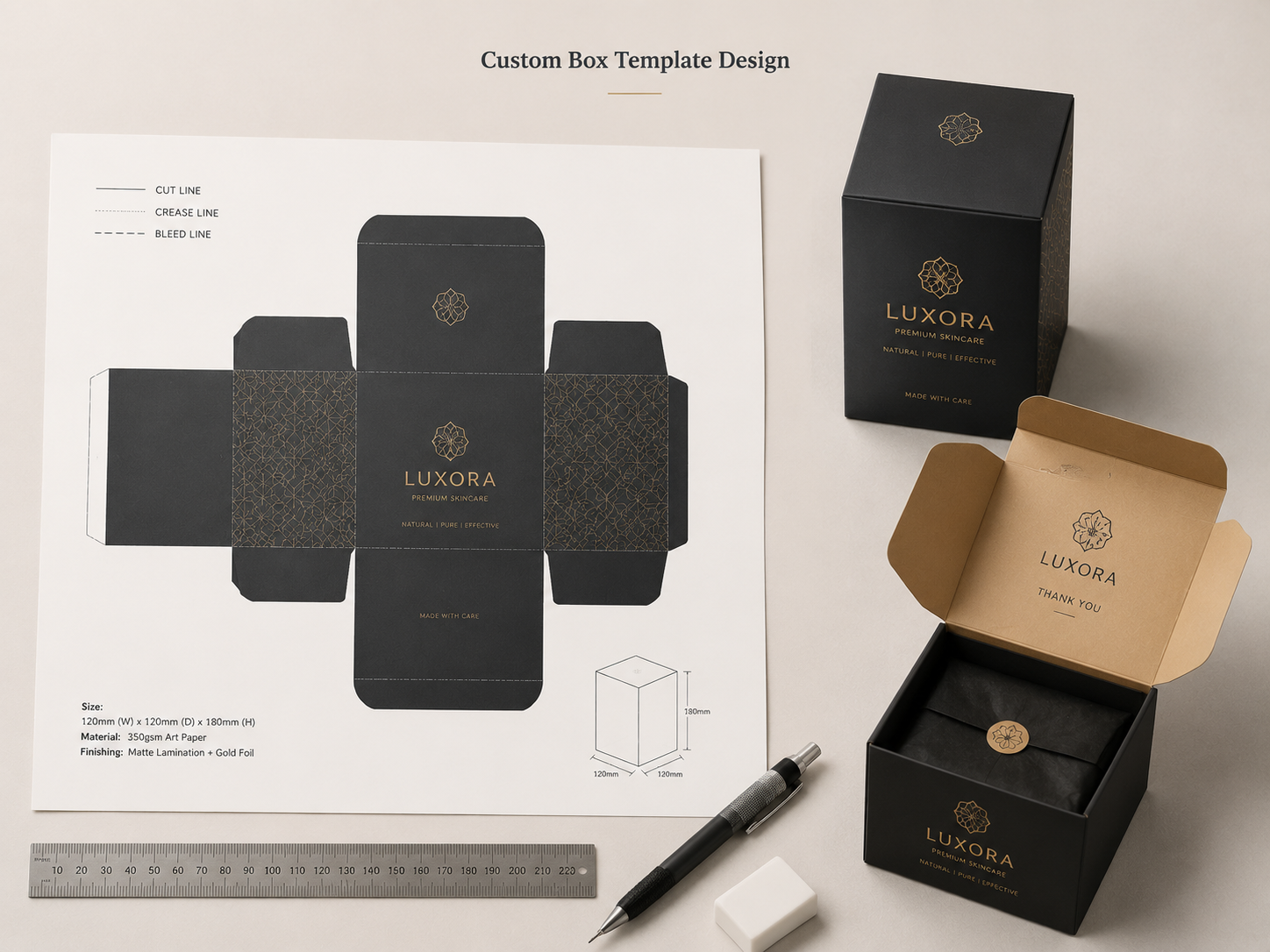
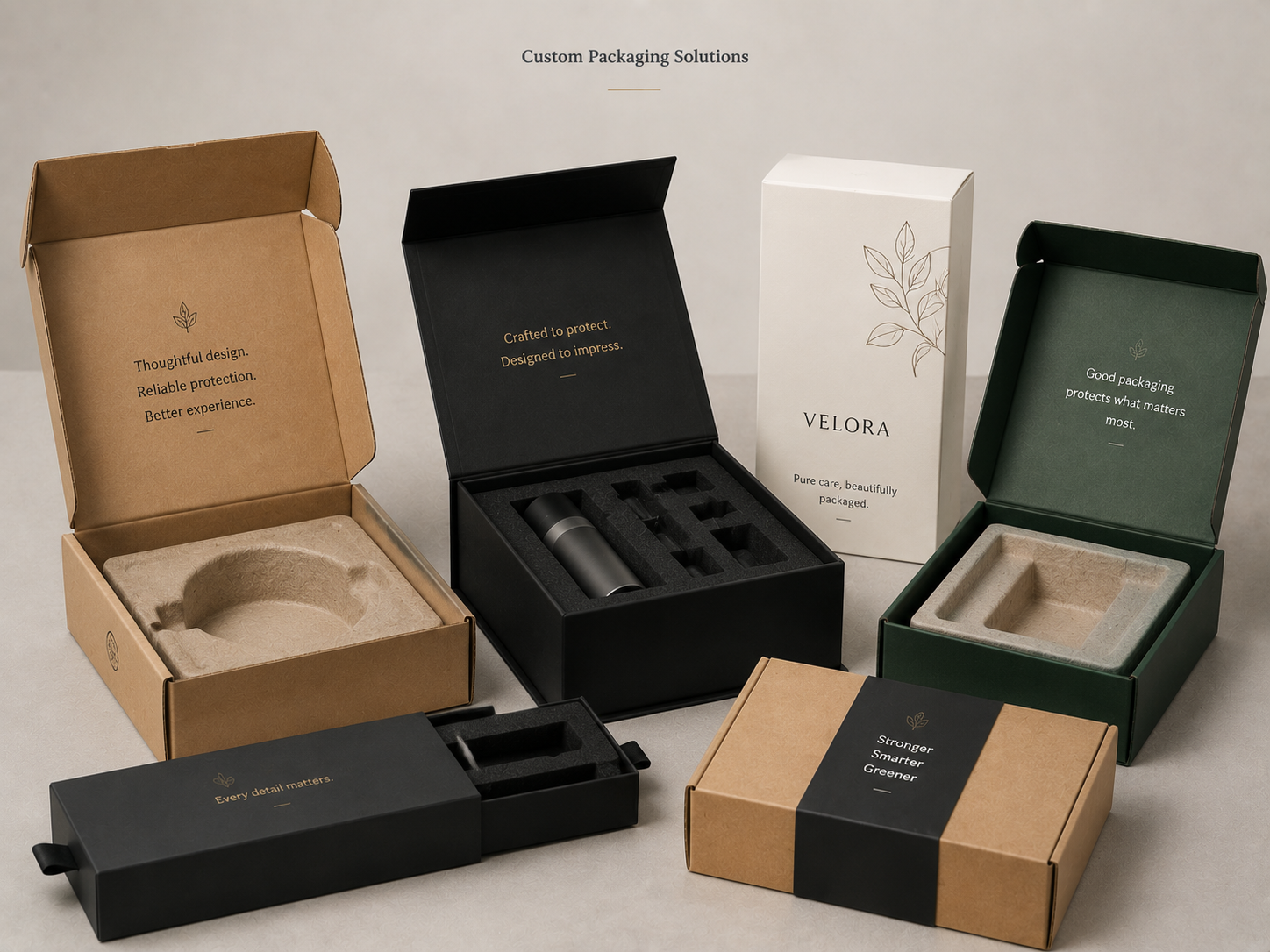
Many packaging problems do not come from weak materials or bad printing. They come from wrong box dimensions. These mistakes increase shipping cost, cause product damage, and delay launches.
Common box dimension mistakes include wrong internal measurements, ignoring product tolerance, and designing boxes without considering logistics and factory production limits.
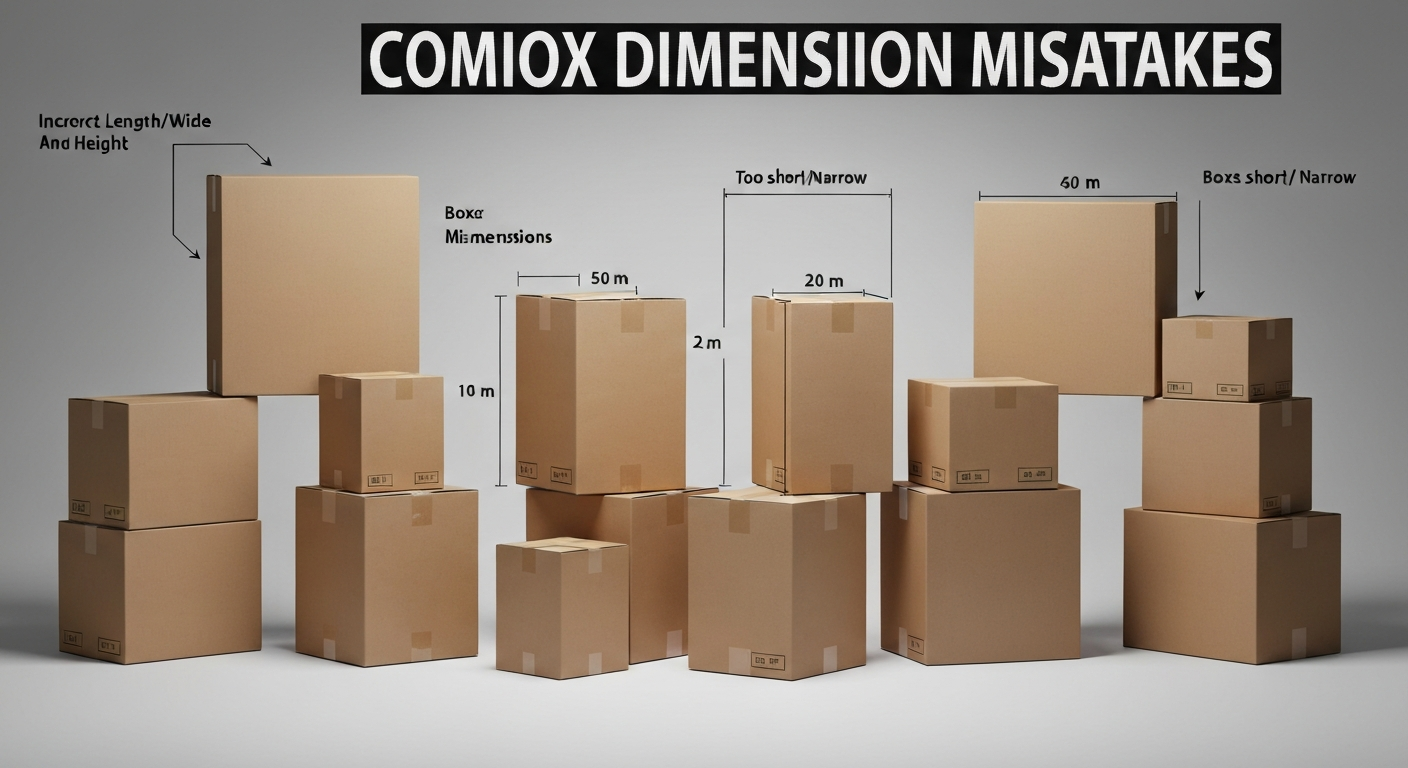
I have seen this many times in real projects. The box looks correct on screen, but it fails the moment we test it with real products. Understanding these mistakes early saves time and money.
Why Do Buyers Often Get Box Dimensions Wrong?
Many buyers believe box size is simple. They measure the product and add a few millimeters. This approach often fails.
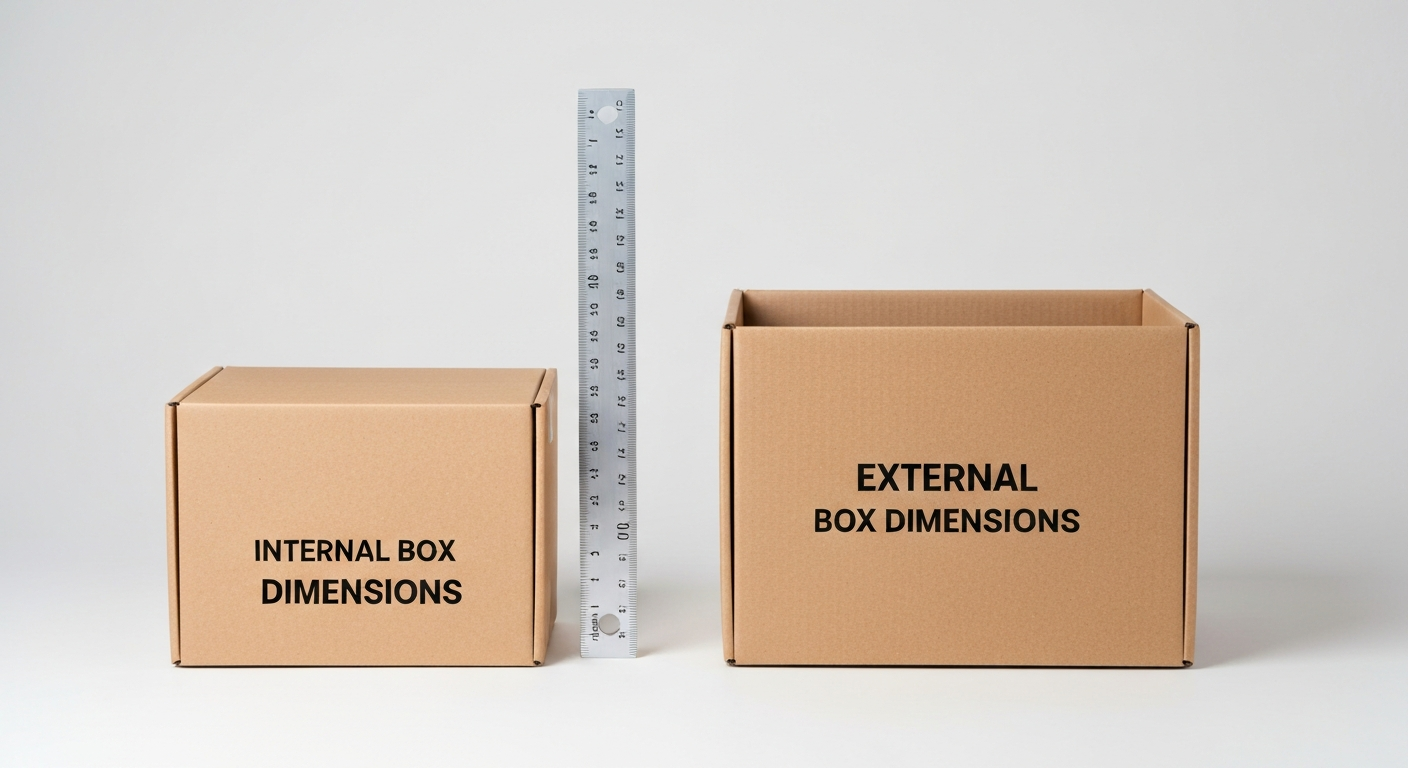
Box dimension mistakes usually happen because buyers design boxes without considering real products, production tolerances, and packing processes.
From a factory view, a box is not only a container. It is part of a system. Product shape, inserts, assembly method, and packing speed all affect the final size.
Common reasons behind dimension errors
| Reason | Result |
|---|---|
| Measuring product only | Box too tight |
| Ignoring inserts | Product does not fit |
| No tolerance allowance | Assembly difficulty |
| No factory input | Rework and delay |
In our projects, we always ask for real samples or 3D files. Drawings alone are not enough. Real products behave differently during packing.
Mistake 1: Confusing Internal and External Dimensions
This is one of the most common and costly mistakes I see.
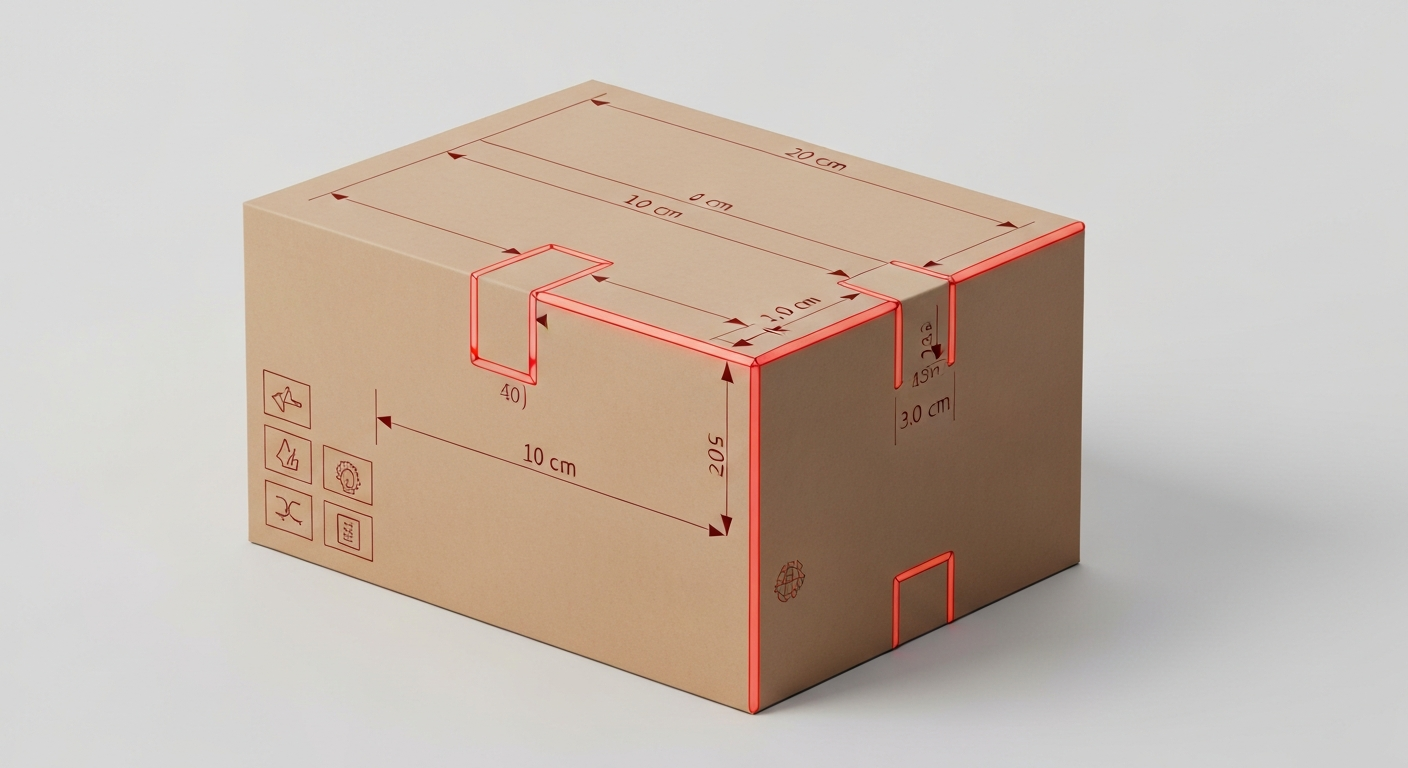
Many buyers provide external box dimensions when internal dimensions are required, or the other way around.
Internal dimensions define how much space the product has. External dimensions affect shipping, pallet loading, and carton fit. Mixing them up causes serious issues.
Key differences buyers must understand
| Dimension Type | What It Affects |
|---|---|
| Internal size | Product fit |
| External size | Shipping cost |
| Die-line size | Production accuracy |
In our factory, die lines are always based on internal dimensions first. Paper thickness and folding allowance are added later. When buyers skip this step, boxes often end up smaller than expected.
Mistake 2: Ignoring Product Tolerance and Variations
Many buyers design boxes based on one perfect sample. Real production is never perfect.
Ignoring product tolerance causes boxes to be too tight, hard to assemble, or damaging to the product.
From experience, molded products, cables, and cosmetic bottles all vary slightly. Temperature and humidity also change size.
Common tolerance issues we see
| Product Type | Typical Risk |
|---|---|
| Electronics | Cable thickness |
| Glass bottles | Height variation |
| Plastic parts | Shrinkage |
| Manual packing | Human error |
In our ODM work, we always add safety space. This improves packing speed and reduces product scratches. Tight boxes look good, but they often fail in mass production.
Mistake 3: Designing Boxes Without Considering Inserts
Some buyers finalize outer box size before designing inner trays. This causes redesign later.
Box dimensions must be designed together with inserts, not separately.
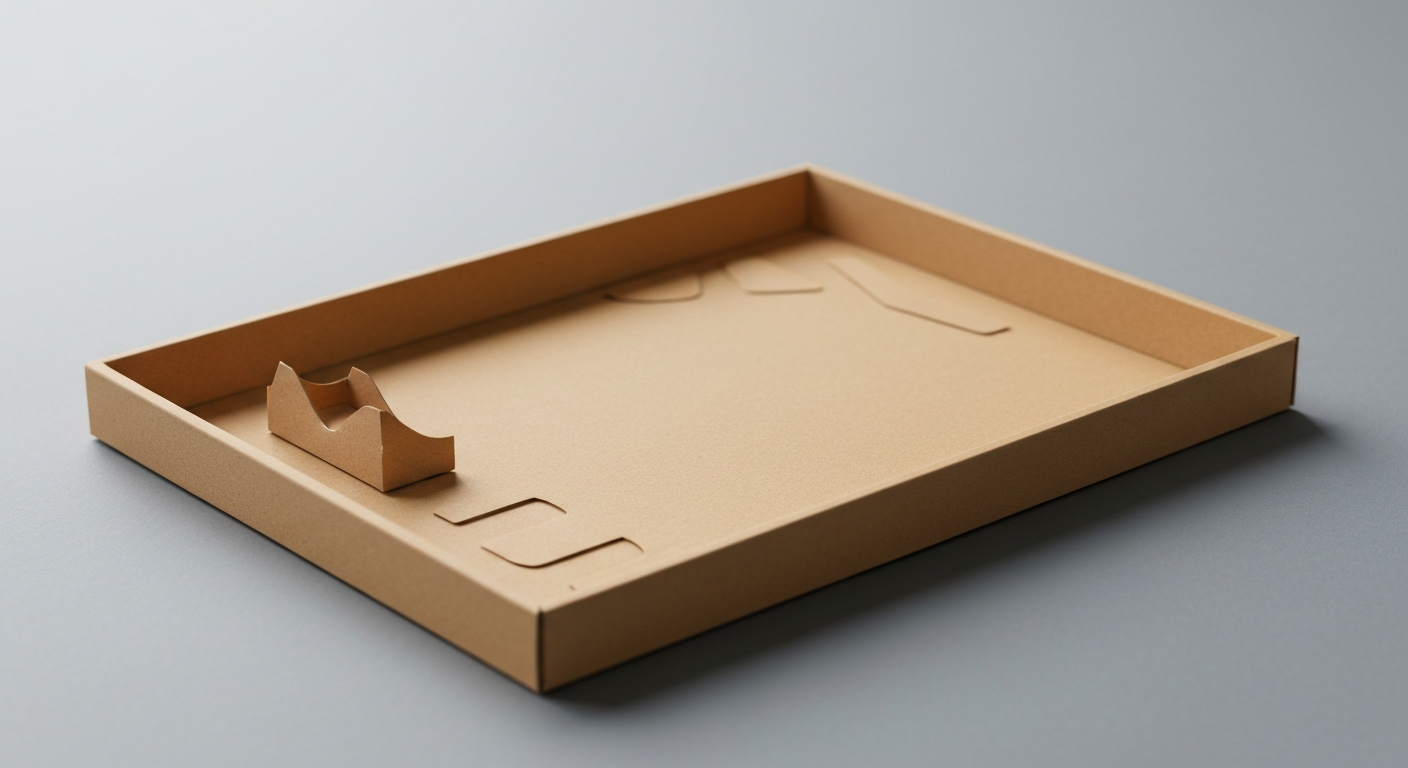
From a manufacturing view, inserts decide internal space. Corrugated dividers, paper trays, or molded pulp all take space.
Insert-related dimension mistakes
| Insert Type | Common Problem |
|---|---|
| Corrugated tray | Extra wall thickness |
| Paperboard insert | Folding allowance |
| Molded pulp | Fixed cavity size |
In our factory, we design box and insert as one system. This avoids loose products and prevents last-minute size changes.
Mistake 4: Forgetting Logistics and Shipping Constraints
Some boxes fit the product but fail in logistics. This mistake is expensive.
Ignoring shipping rules leads to oversized boxes, wasted space, and higher freight cost.
From export experience, shipping dimensions affect container loading, pallet count, and courier pricing.
Logistics factors buyers often forget
| Factor | Impact |
|---|---|
| Courier size limits | Extra charges |
| Pallet footprint | Low load efficiency |
| Container height | Wasted volume |
| Stacking strength | Box collapse |
In our planning stage, we simulate pallet and container loading. Small size changes can save large shipping costs over time.
Mistake 5: Not Considering Factory Production Limits
Some box designs look good but are impossible to produce efficiently.
Ignoring factory limits leads to higher MOQ, longer lead time, and higher unit cost.
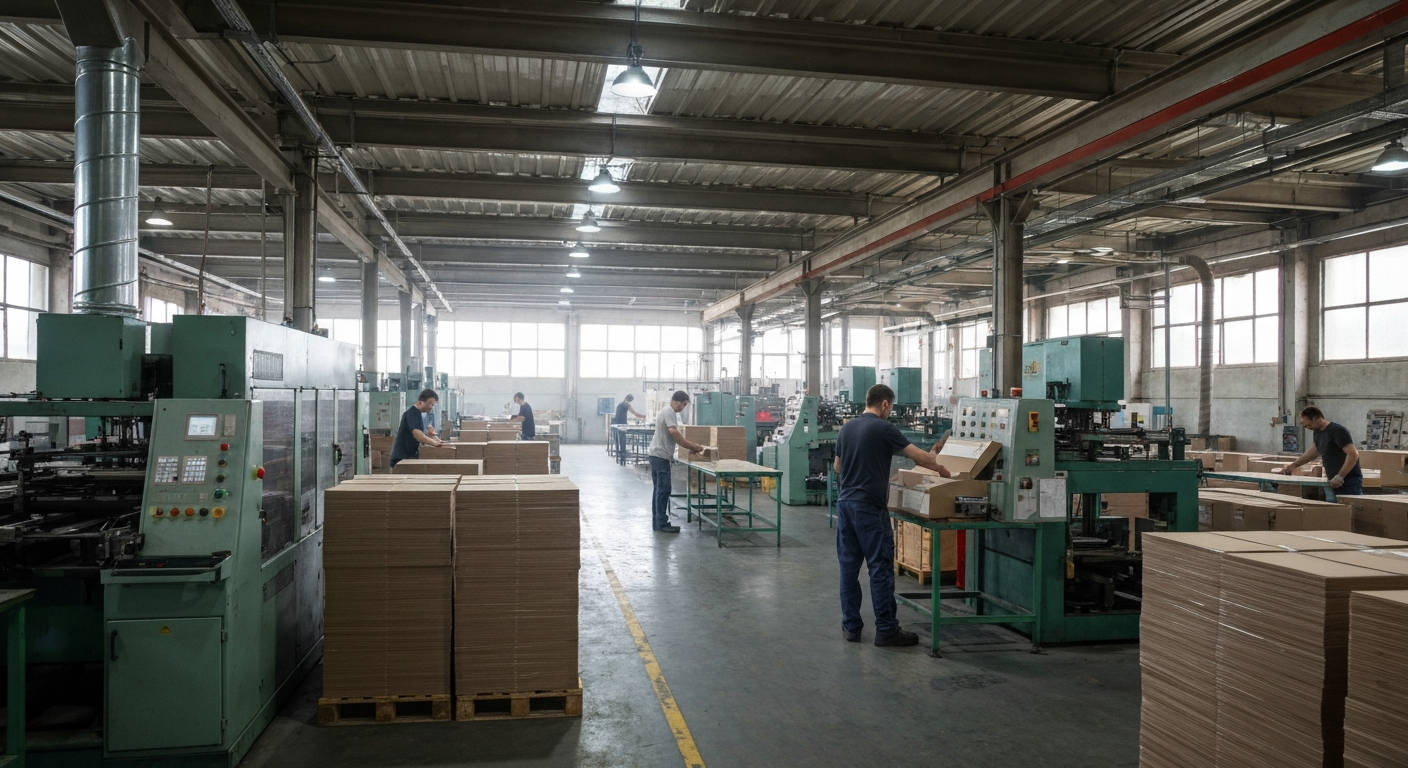
From a factory view, box dimensions affect die size, machine setup, and waste rate.
Production-related dimension risks
| Issue | Result |
|---|---|
| Oversized box | Special machines needed |
| Odd proportions | Low material yield |
| Very small boxes | Manual packing required |
We often adjust dimensions slightly to improve material utilization. These small changes do not affect product fit but reduce cost and lead time.
How Do We Help Buyers Avoid Box Dimension Mistakes?
Many buyers only discover problems after sampling. This wastes weeks.
Working with a manufacturer early helps avoid dimension mistakes before sampling and mass production.
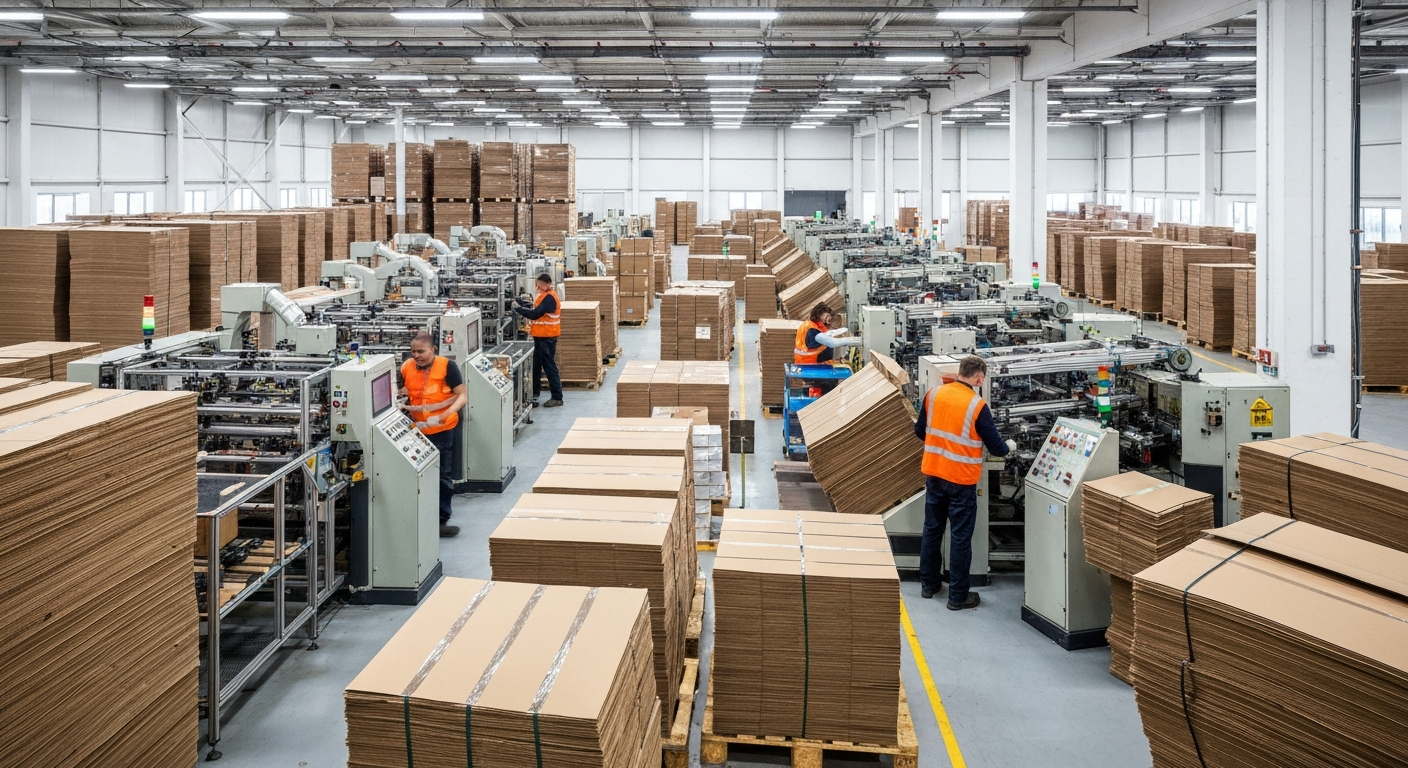
In our factory process, we review dimensions from four angles: product fit, insert design, logistics, and production.
Our dimension review process
- Check real product samples
- Design box and insert together
- Simulate packing and shipping
- Adjust for production efficiency
This approach reduces revisions and speeds up launch timelines. Buyers feel more confident once they see physical samples that match mass production.
Conclusion
Box dimension mistakes are common, but they are avoidable. Most problems come from ignoring real products, inserts, logistics, and factory limits.
As a manufacturer, my role is to help buyers design box dimensions that work in real production, real shipping, and real packing environments. When dimensions are right, packaging becomes reliable, efficient, and cost-controlled.