Many packaging problems are not caused by lack of design ideas, but by avoidable mistakes made during planning, sampling, or production. These mistakes often remain hidden until mass production or shipment, where the cost of correction becomes much higher.
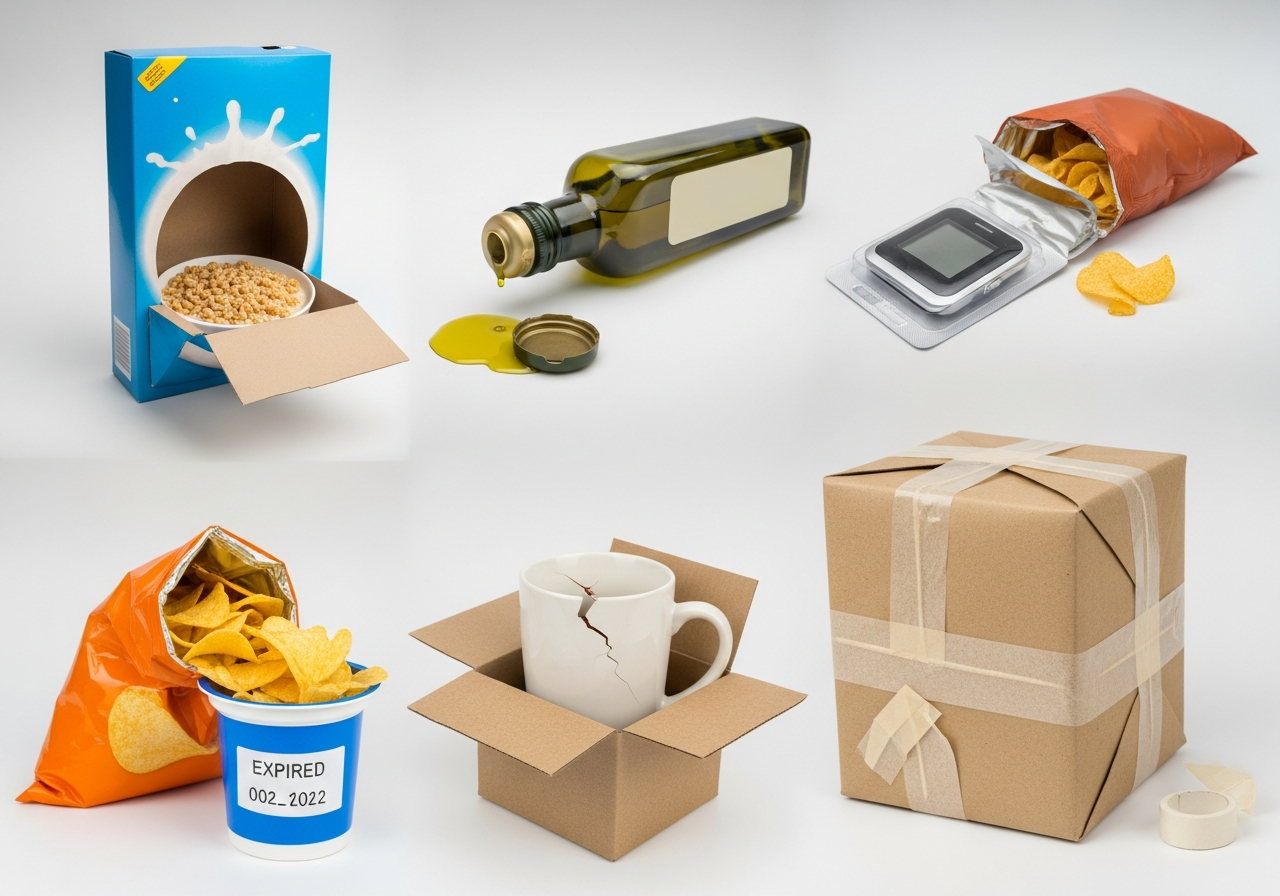
Common packaging mistakes usually come from weak structural planning, incorrect material selection, and poor alignment with factory production processes. Understanding these issues from a manufacturing perspective helps prevent delays, waste, and quality risk.
From factory experience, packaging mistakes are rarely isolated issues. They are usually the result of missing steps, rushed decisions, or design choices that ignore real workshop conditions. The following sections outline the most frequent mistakes seen in packaging production.
Ignoring Structural Design at the Early Stage
One of the most serious packaging mistakes is starting with appearance instead of structure.
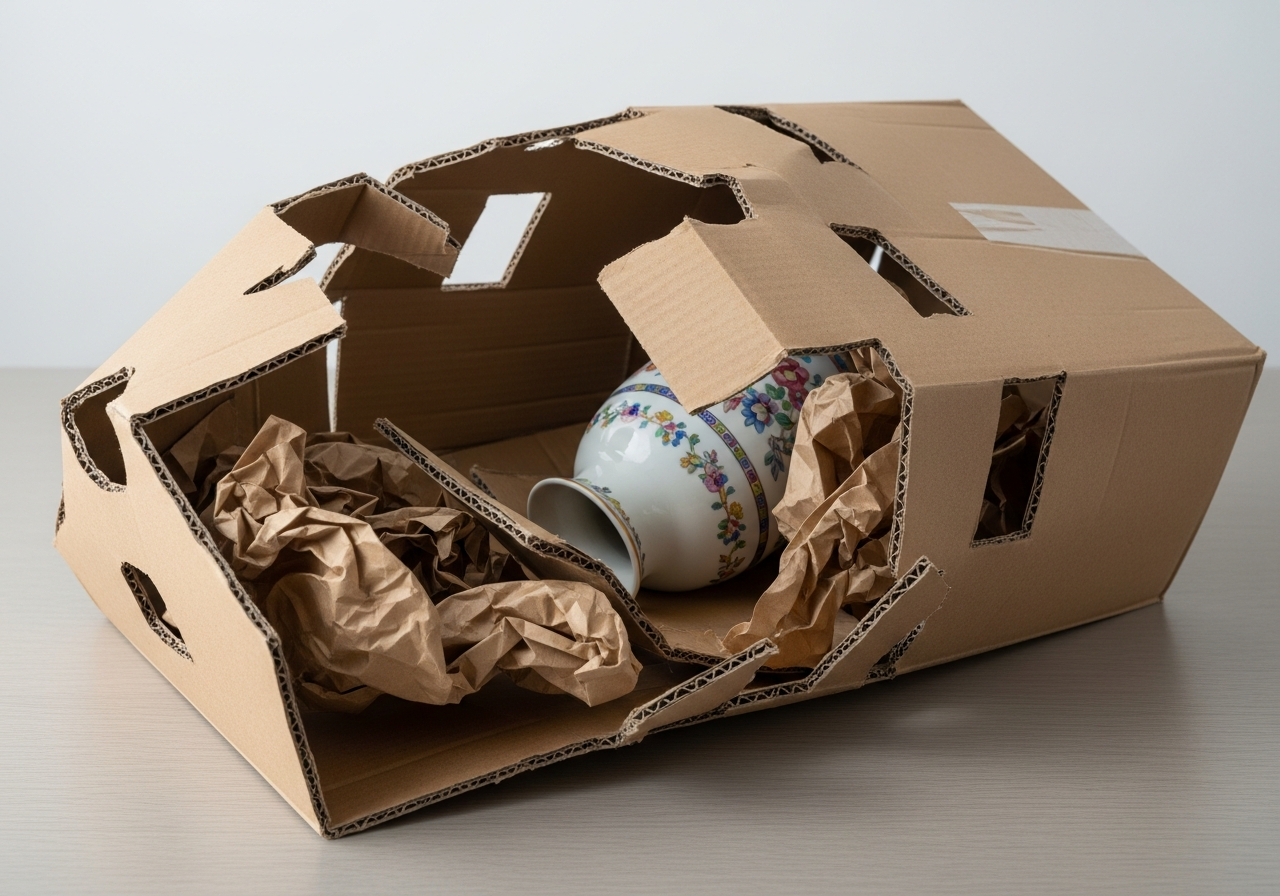
Packaging often fails when structure is not engineered to handle weight, stacking pressure, and transport impact.
Boxes may look solid but collapse during stacking. Paper bags may tear at the handle. Inner supports may allow products to move and collide. These issues usually result from missing load calculations and lack of structural testing.
In factory workshops, weak structure becomes visible during assembly and testing. Boxes lose squareness, folds misalign, and compression tests fail. Structural design should always be confirmed with white samples and basic performance tests before moving to printing or finishing.
Choosing Packaging Materials Based Only on Cost or Appearance
Material selection mistakes are extremely common and costly.
Using incorrect paper grade, thickness, or surface treatment leads to cracking, deformation, and unstable bonding.
Thin paperboard may reduce unit cost but cannot support required strength. Coated papers may look premium but crack on folds. Materials sensitive to humidity may warp during storage or transport.
In factory production, materials are tested for cutting accuracy, folding behavior, glue adhesion, and moisture response. Skipping this evaluation results in inconsistent quality and frequent rework. Correct material selection must support both structure and production process.
Overdesigning or Underdesigning the Packaging
Packaging design often fails at both extremes.

Overdesigned packaging wastes material and cost, while underdesigned packaging increases damage and return risk.
Overdesign includes unnecessary layers, excessive thickness, and oversized boxes. Underdesign includes missing reinforcement, weak corners, or insufficient inner protection. Both create hidden costs.
From a manufacturing standpoint, balanced design is achieved through structural optimization. Factory engineers adjust structure and material to achieve required performance using the minimum necessary material. This balance improves cost control and production stability.
Ignoring Manufacturability and Assembly Efficiency
A frequent mistake is approving designs that only work as hand-made samples.
Packaging designs often fail when assembly steps are too complex or unsuitable for mass production.
Too many folds, unclear glue areas, and tight tolerances slow down assembly and increase defect rates. Designs that ignore machine limits or operator workflow cause delays and inconsistent output.
In factory workshops, manufacturability is verified through pilot runs. Assembly speed, error rate, and repeatability are checked. Designs are adjusted to simplify steps and stabilize output before mass production approval.
Poor Control of Printing and Finishing Processes
Visual problems are among the most visible packaging mistakes.
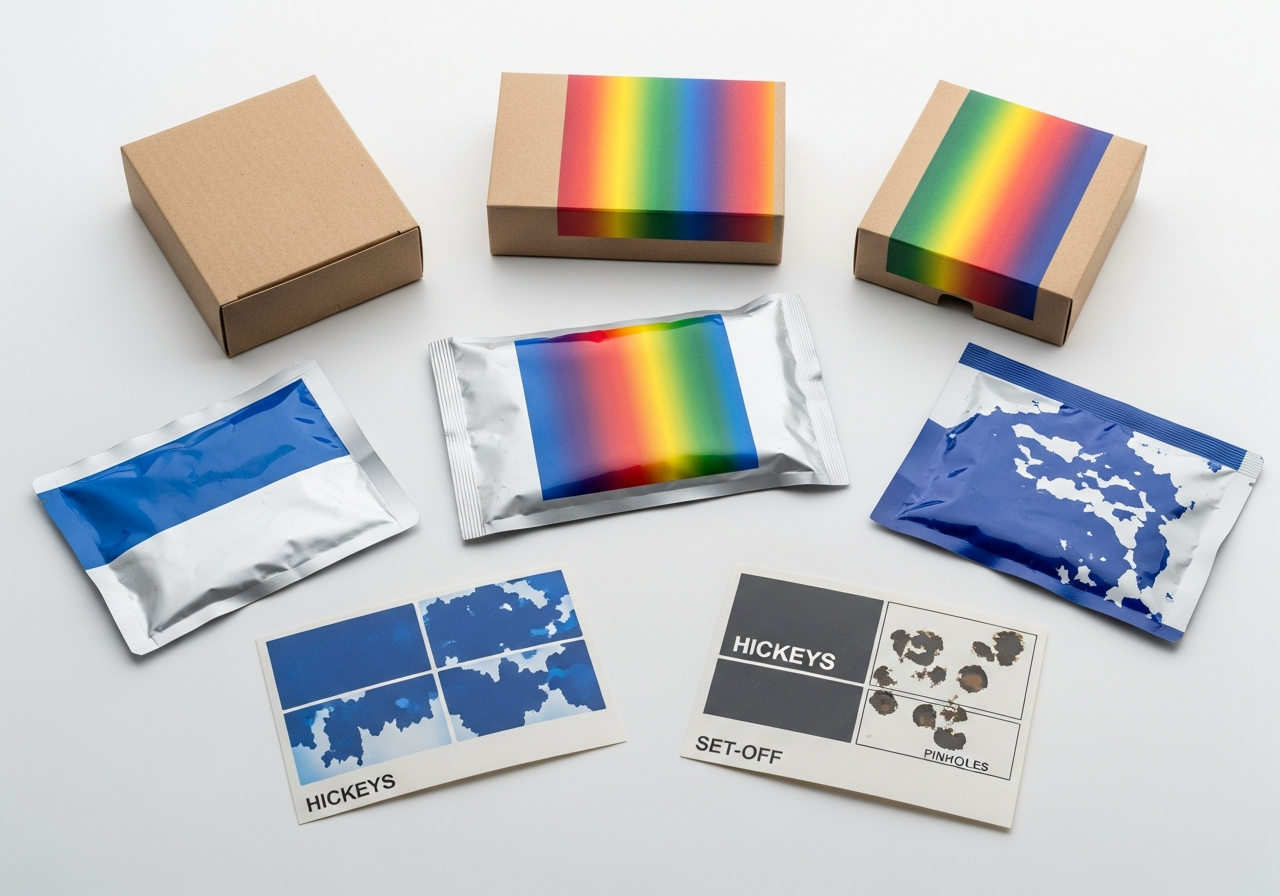
Color deviation, ink instability, and finishing defects occur when design exceeds printing capability.
Excessive ink coverage, unsupported colors, or multiple finishing processes increase variation between samples and bulk production. Poor color management leads to rejection and rework.
In printing workshops, press calibration, color standards, and proof approval are critical. Packaging design must align with real printing processes to ensure visual consistency over large quantities.
Failing to Consider Real Transport and Storage Conditions
Many packaging designs perform well in the factory but fail after shipment.
Ignoring stacking height, vibration, humidity, and temperature leads to damage during transport and storage.
Packaging may deform in containers, absorb moisture in warehouses, or collapse under pallet pressure. These risks are often overlooked during early design stages.
From a manufacturing perspective, packaging validation should include transport simulation and environmental consideration. Compression tests, drop tests, and humidity evaluation reduce downstream failure risk significantly.
Overlooking Workshop Process Control and Quality Inspection
Packaging mistakes are amplified when process control is weak.
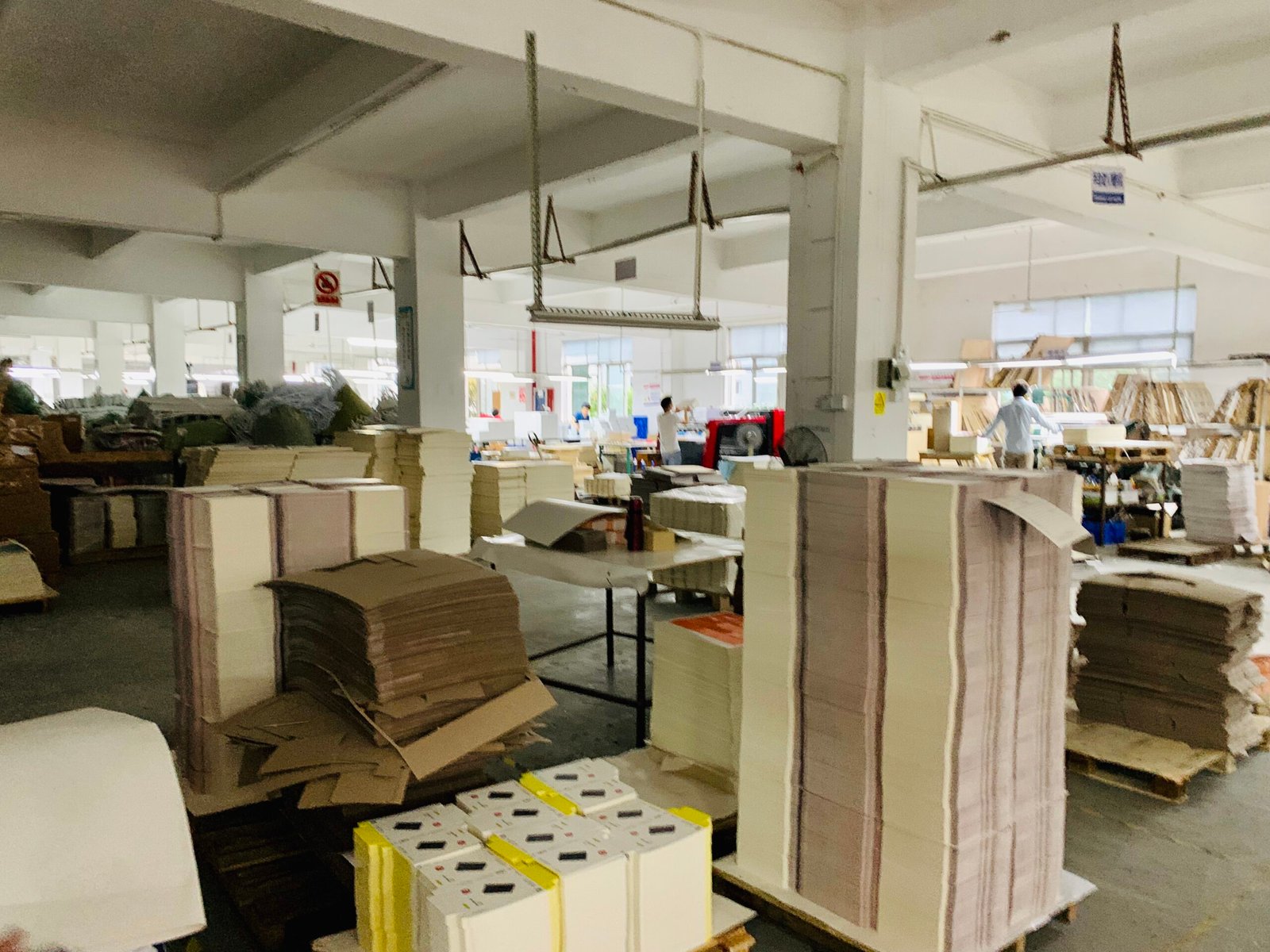
Lack of clear process standards leads to inconsistency between samples and mass production.
In the factory, material conditioning, machine calibration, glue control, and inspection points all affect final quality. Without clear standards, small variations become large defects at scale.
Well-managed workshops define inspection checkpoints at cutting, folding, gluing, and final assembly stages. This reduces scrap, improves yield rate, and ensures consistent output.
Conclusion
Common packaging mistakes are rarely caused by a single decision. They usually result from gaps between design intent and manufacturing reality. Ignoring structure, selecting unsuitable materials, overlooking assembly efficiency, and skipping real-world testing all increase risk and cost as production scales.
From a manufacturing perspective, strong packaging starts with disciplined planning. Structural design must be validated early. Materials must be tested under real workshop conditions. Production processes must be considered during design, not after approval. Printing and finishing must align with actual capability, and transport conditions must be accounted for before mass shipment.
When packaging is developed with factory execution in mind, mistakes are reduced before they become problems. This approach improves quality stability, controls cost, reduces waste, and ensures that packaging performs reliably from the workshop floor to final delivery.