Many buyers use corrugated boxes every day, but they often treat them as a basic cost item. This mindset leads to damaged products, high return rates, and unstable supply.
Corrugated boxes are packaging boxes made from corrugated fiberboard, designed to provide strength, cushioning, and protection during storage and shipping.
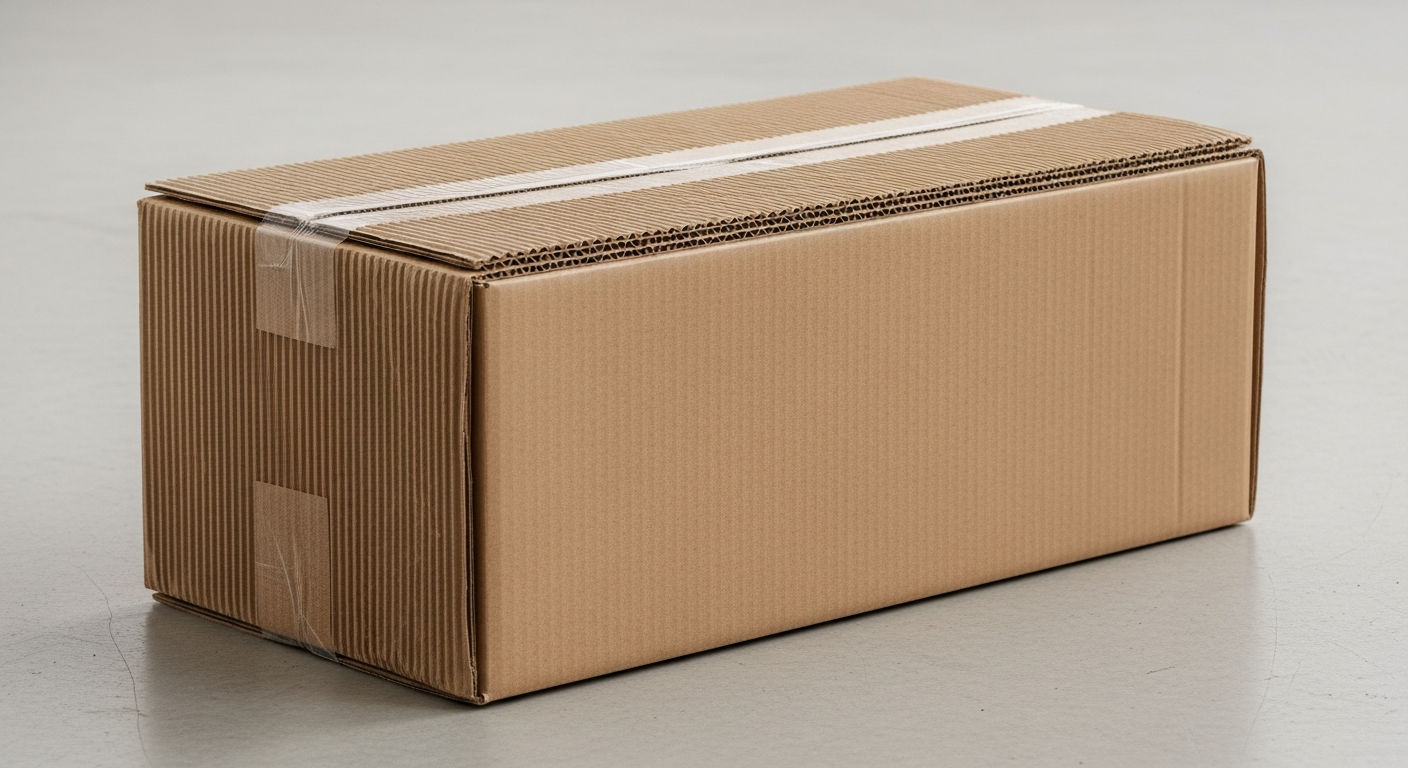
When I talk with procurement managers, I often say this directly. Corrugated boxes are not just outer cartons. They are part of your product protection system. Once you see them this way, your sourcing logic changes.
What Is Corrugated Fiberboard Made Of?
Many buyers confuse corrugated boxes with regular paper boxes. This confusion causes wrong expectations about strength and load capacity.
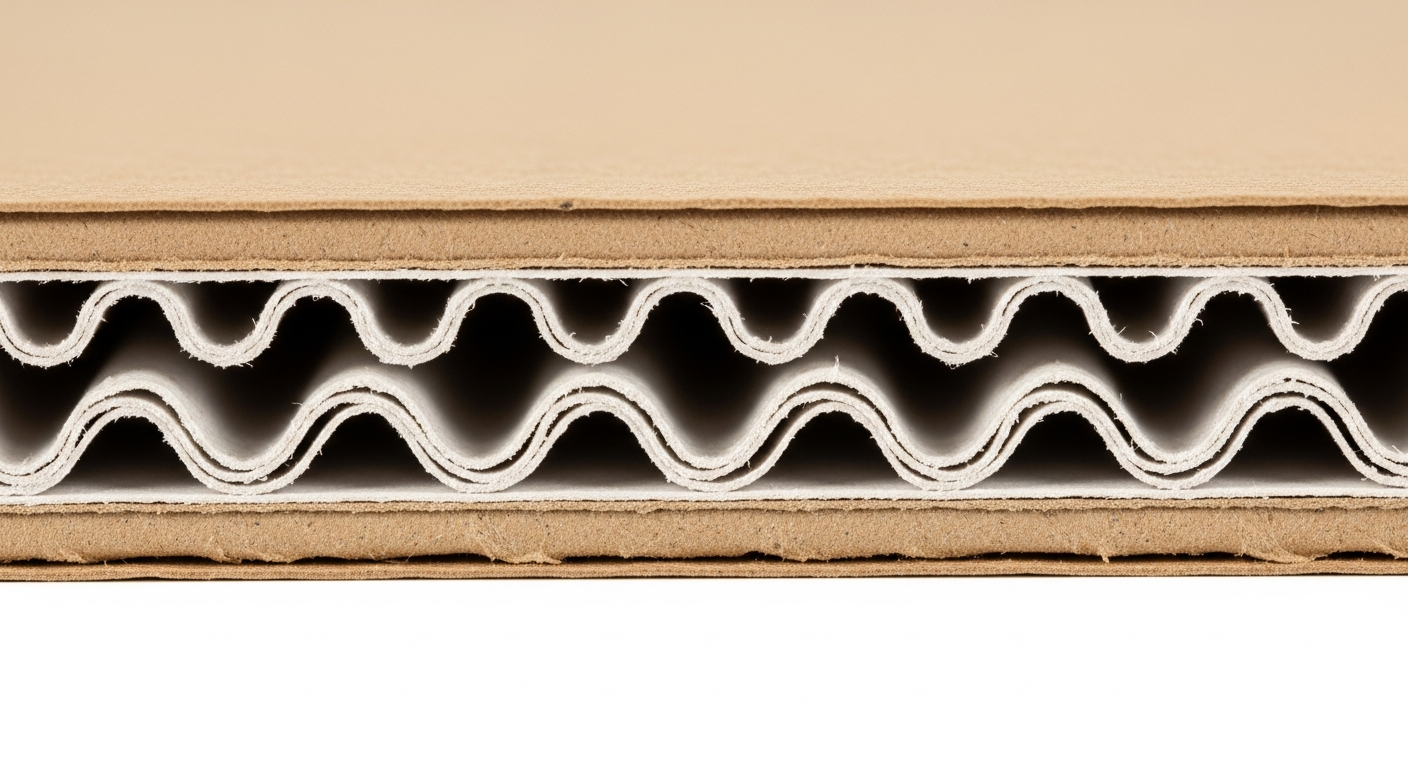
Corrugated fiberboard is made of linerboard and fluted medium, bonded together to form a strong layered structure.
From a factory view, structure matters more than thickness alone. Corrugated board usually has three layers or more. The flat outer layers are linerboard. The wavy inner layer is the flute. This flute creates air space and absorbs impact.
Basic components of corrugated board
| Component | Function | Material |
|---|---|---|
| Outer liner | Surface strength and printing | Kraft paper |
| Fluted medium | Cushioning and rigidity | Semi-chemical pulp |
| Inner liner | Structural balance | Kraft or test liner |
In our production planning, we choose liner weight and flute type based on product weight and shipping method. For electronics and cosmetics, we often increase liner quality to avoid compression failure.
How Are Corrugated Boxes Manufactured?
Some buyers think corrugated boxes are cut directly from paper sheets. This view ignores most of the process risk.
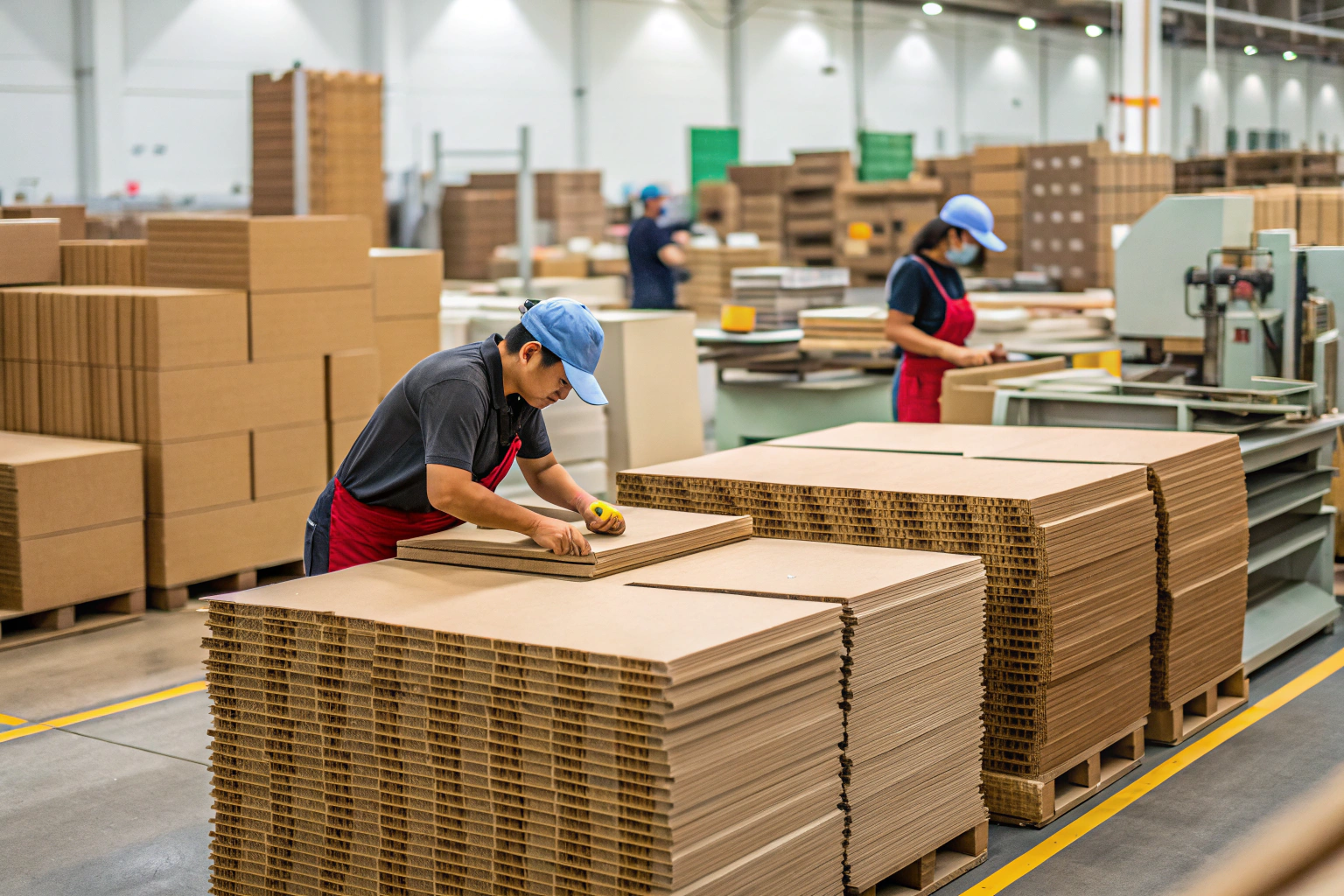
Corrugated boxes are made by forming flutes, bonding liners, printing, die cutting, and folding inside a controlled factory environment.
Inside our workshop, the process starts with paper rolls. These rolls are conditioned to match temperature and humidity. This step is critical to avoid warping later.
Our corrugated box production flow
- Paper roll conditioning
- Fluting and liner bonding
- Board cutting and slotting
- Printing and die cutting
- Folding, gluing, and inspection
Bonding quality is key. Poor adhesive control leads to delamination. We test peel strength before boxes move to packing lines. This reduces failures during overseas shipping.
Why Are Corrugated Boxes So Strong?
Many buyers judge box strength only by thickness or GSM. This approach is incomplete.
Corrugated boxes are strong because the fluted structure distributes pressure and absorbs shock, similar to an I-beam design.
From manufacturing experience, flute design decides stacking strength. The air gaps inside the flute absorb vertical pressure and side impact. This is why corrugated boxes perform well in logistics.
Strength tests we apply in factory
| Test Type | Purpose |
|---|---|
| Edge crush test (ECT) | Stacking strength |
| Box compression test (BCT) | Load resistance |
| Burst strength | Puncture protection |
| Drop test | Transport safety |
For heavy products, we often adjust flute type instead of increasing paper weight. This controls cost while keeping performance stable. These decisions come from factory testing, not guesswork.
What Are the Different Types of Corrugated Boxes?
Many buyers order corrugated boxes without defining structure. This often causes mismatch with real usage.
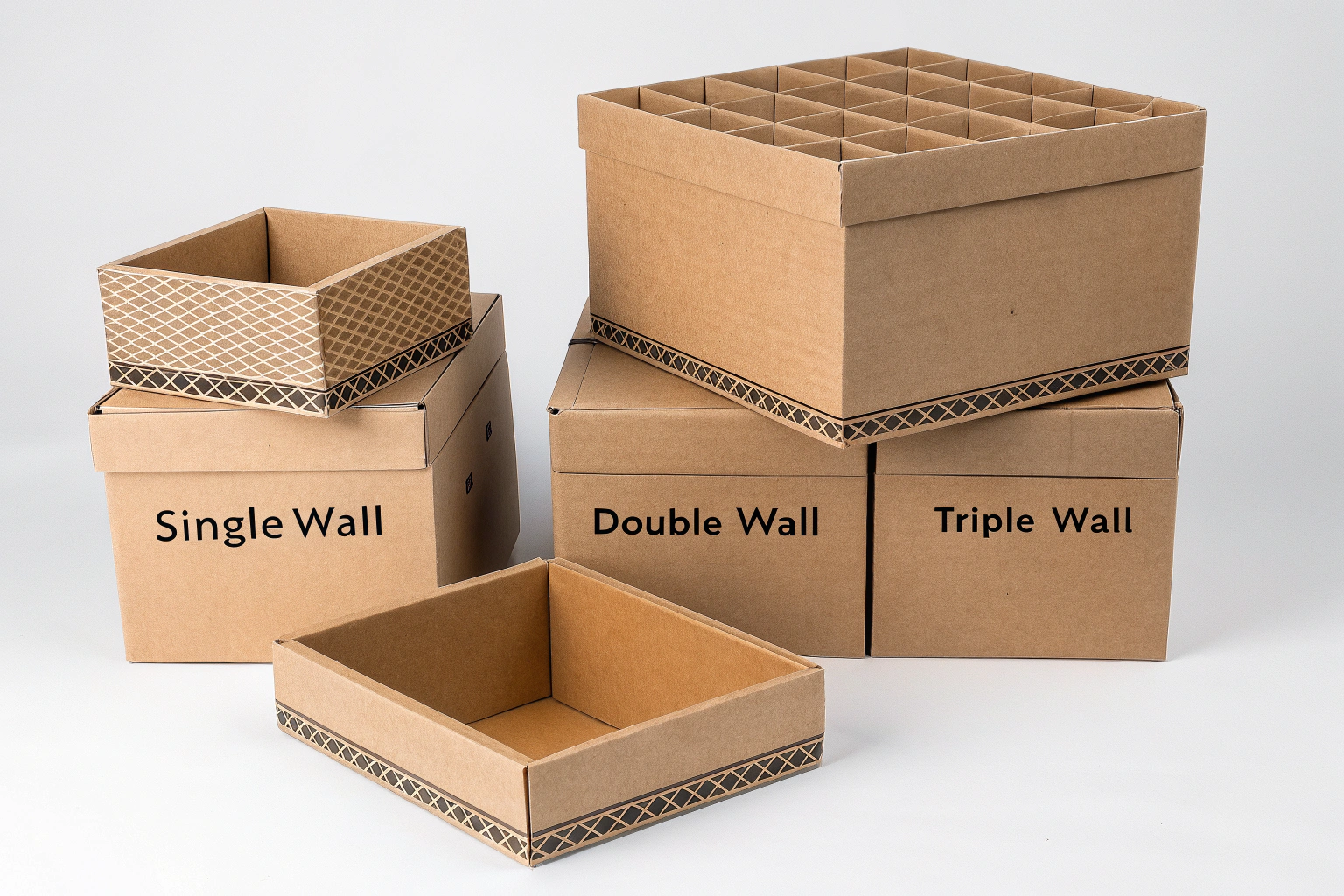
Corrugated boxes vary by wall structure, flute type, and box style, each suited for different packaging needs.
Common corrugated structures
| Structure | Description | Typical Use |
|---|---|---|
| Single wall | One flute layer | Light to medium products |
| Double wall | Two flute layers | Heavy or fragile goods |
| Triple wall | Three flute layers | Industrial packaging |
Common flute types
| Flute | Feature | Use Case |
|---|---|---|
| A flute | High cushioning | Fragile items |
| B flute | Flat surface | Retail printing |
| C flute | Balanced strength | Shipping cartons |
| E flute | Thin and neat | Display boxes |
In our ODM projects, we often combine E flute with strong liners for retail packaging. This balances appearance and protection.
Are Corrugated Boxes Eco-Friendly?
Many buyers assume corrugated boxes are always sustainable. This assumption can cause audit problems.

Corrugated boxes are recyclable and often eco-friendly, but sustainability depends on paper source, recycled content, and certifications.
From our sourcing experience, corrugated boxes made with FSC-certified liners are preferred by US and EU brands. Recycled content is common, but too much recycled fiber can reduce strength.
Sustainability factors buyers should check
- FSC or PEFC certification
- Recycled content ratio
- Ink and adhesive compliance
- Waste water and energy systems
In our partner mills, paper waste is reused and water is treated. These controls help brands meet compliance standards without sacrificing box performance.
How Do We Customize Corrugated Boxes for Brands?
Some buyers think corrugated boxes are only for shipping. This view limits brand value.
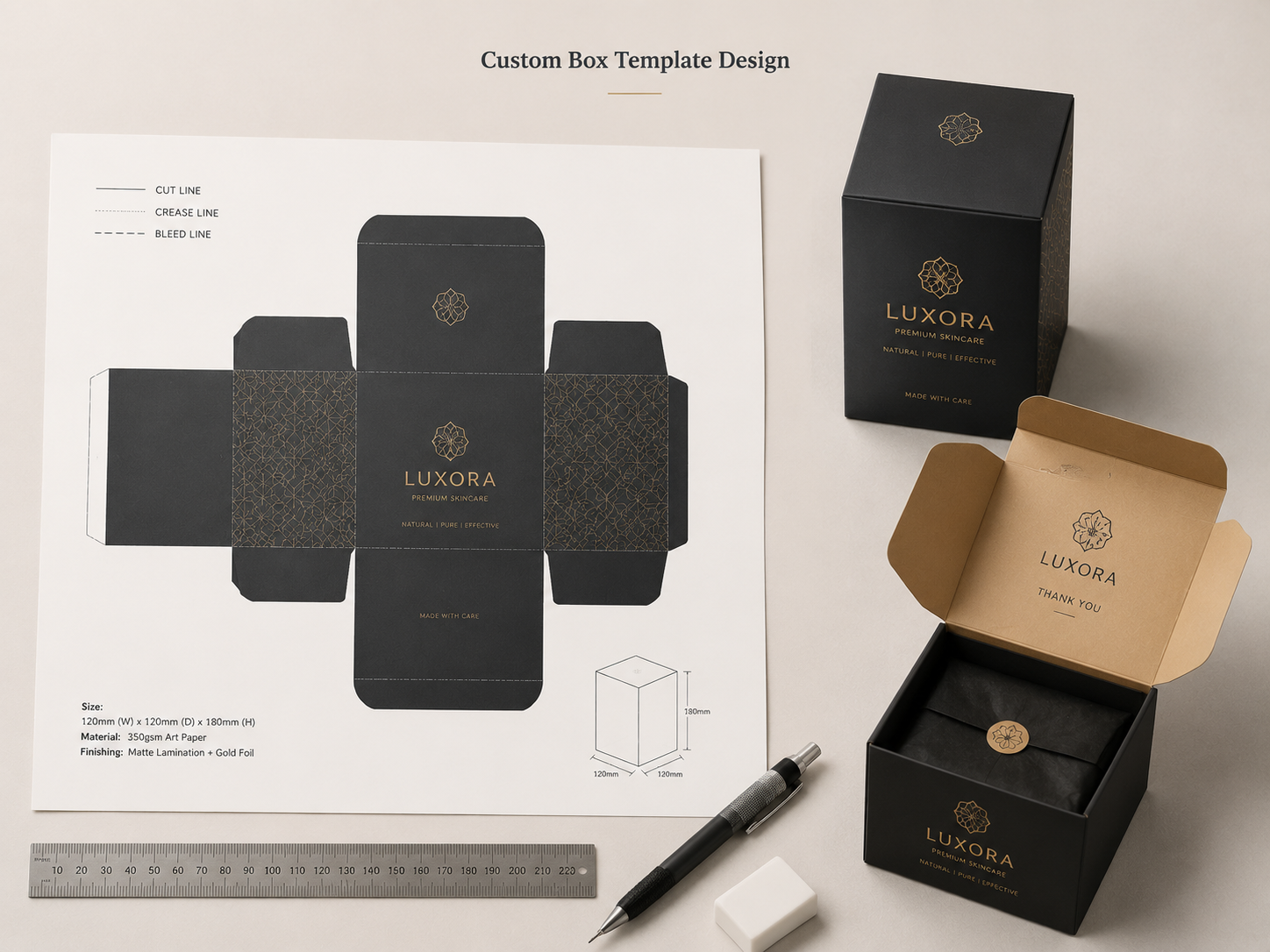
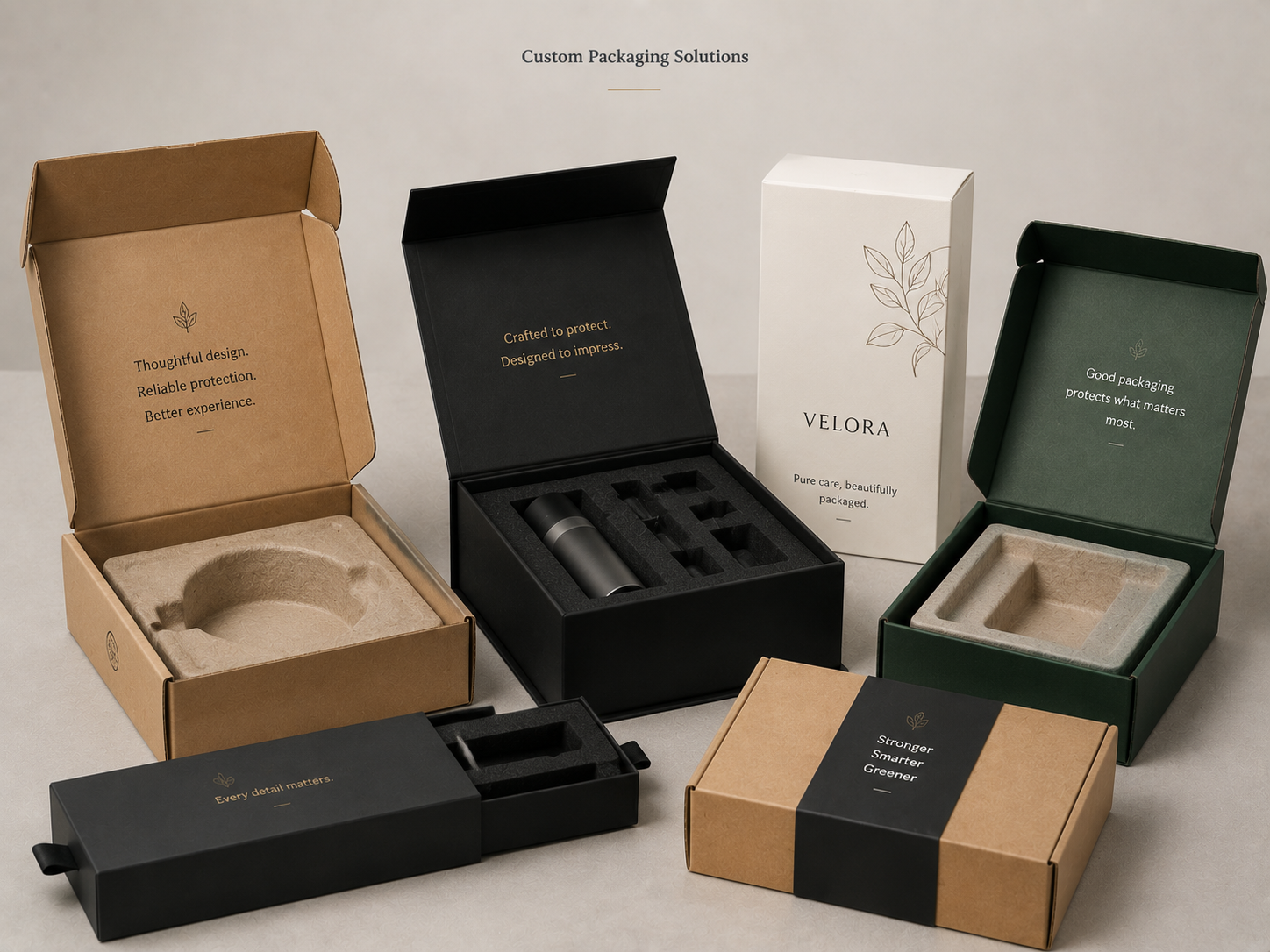
Corrugated boxes can be customized in structure, printing, and inserts to protect products and support brand image.
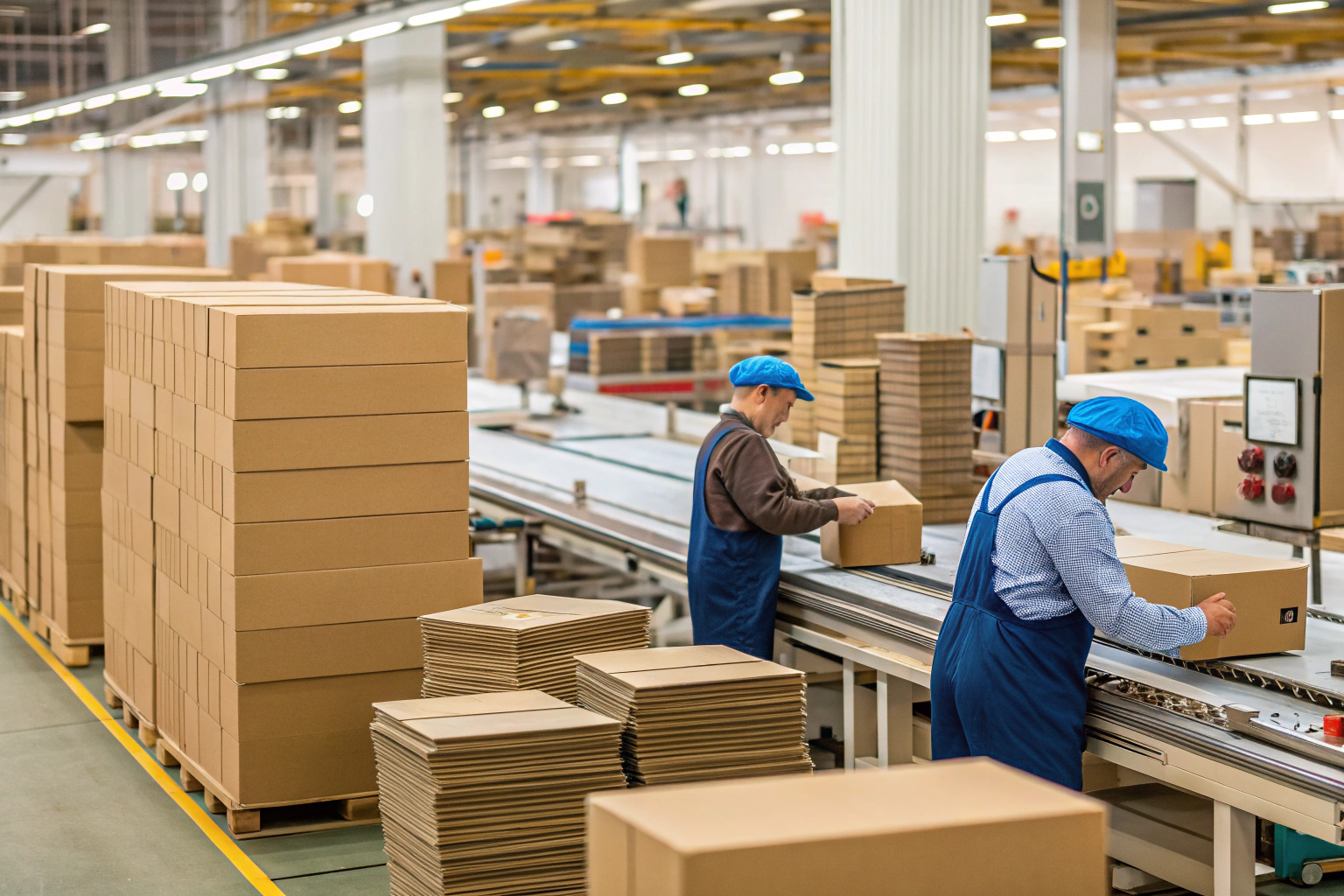
In our factory, customization starts with structure design. We adjust box dimensions, flute type, and internal fit. Printing can be flexo for shipping or offset for retail.
Common customization options
- Custom die-cut structures
- Logo and brand printing
- Inner corrugated or paper inserts
- FSC-certified materials
For electronics clients, we often add inner corrugated trays. This improves protection without plastic. These solutions come from manufacturing experience, not catalog selection.
Conclusion
Corrugated boxes are made from layered paperboard designed to protect products through structure, not thickness alone. Their real value comes from correct material choice, proper testing, and factory process control.
As a manufacturer, my role is to help brands choose the right corrugated structure for their products, logistics, and sustainability goals. When design and production work together, corrugated boxes reduce risk, control cost, and protect brand reputation.