Packaging failures often happen during transport, not on the shelf. Products arrive damaged, boxes collapse, or costs rise without warning. In most cases, the root cause is choosing a material that does not match logistics reality.
Corrugated cardboard offers a strong balance of protection, cost efficiency, flexibility, and scalability, making it one of the most widely used packaging materials in global supply chains.
In manufacturing and distribution, corrugated cardboard is valued not for decoration, but for performance. Its advantages become clear when packaging must survive handling, stacking, storage, and long-distance transport.
Why Does Corrugated Cardboard Provide Strong Product Protection?
Protection is the most important advantage of corrugated cardboard.
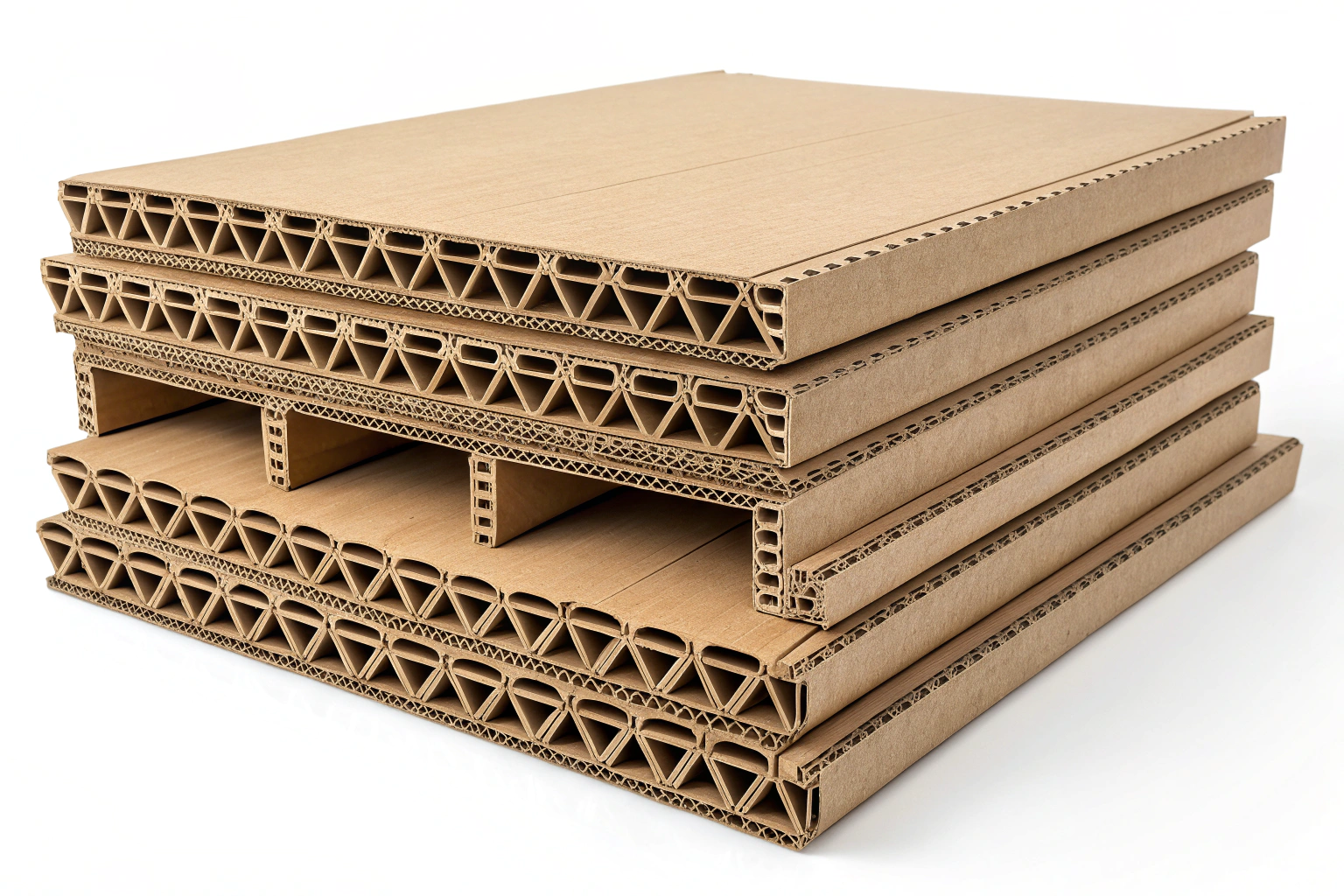
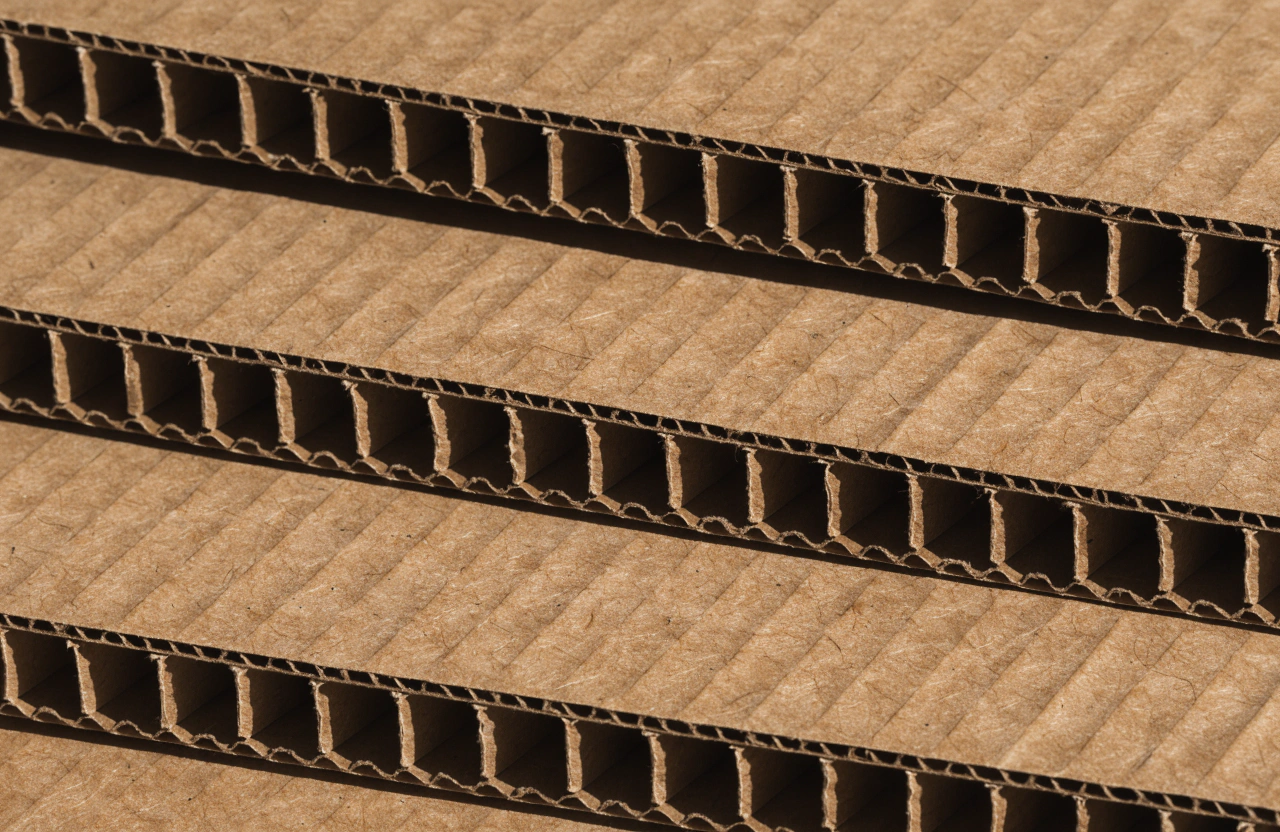
Corrugated cardboard is built with a fluted core sandwiched between liner papers. This structure creates air channels that absorb shock and distribute pressure. During drops, vibration, and stacking, force is reduced before reaching the product.
In factory testing, corrugated packaging performs well in:
- Compression tests
- Drop tests
- Vibration simulations
Different flute types allow protection to be adjusted. Thin flutes support lightweight products. Thicker flutes handle heavier loads. This adaptability makes corrugated cardboard suitable for a wide range of industries.
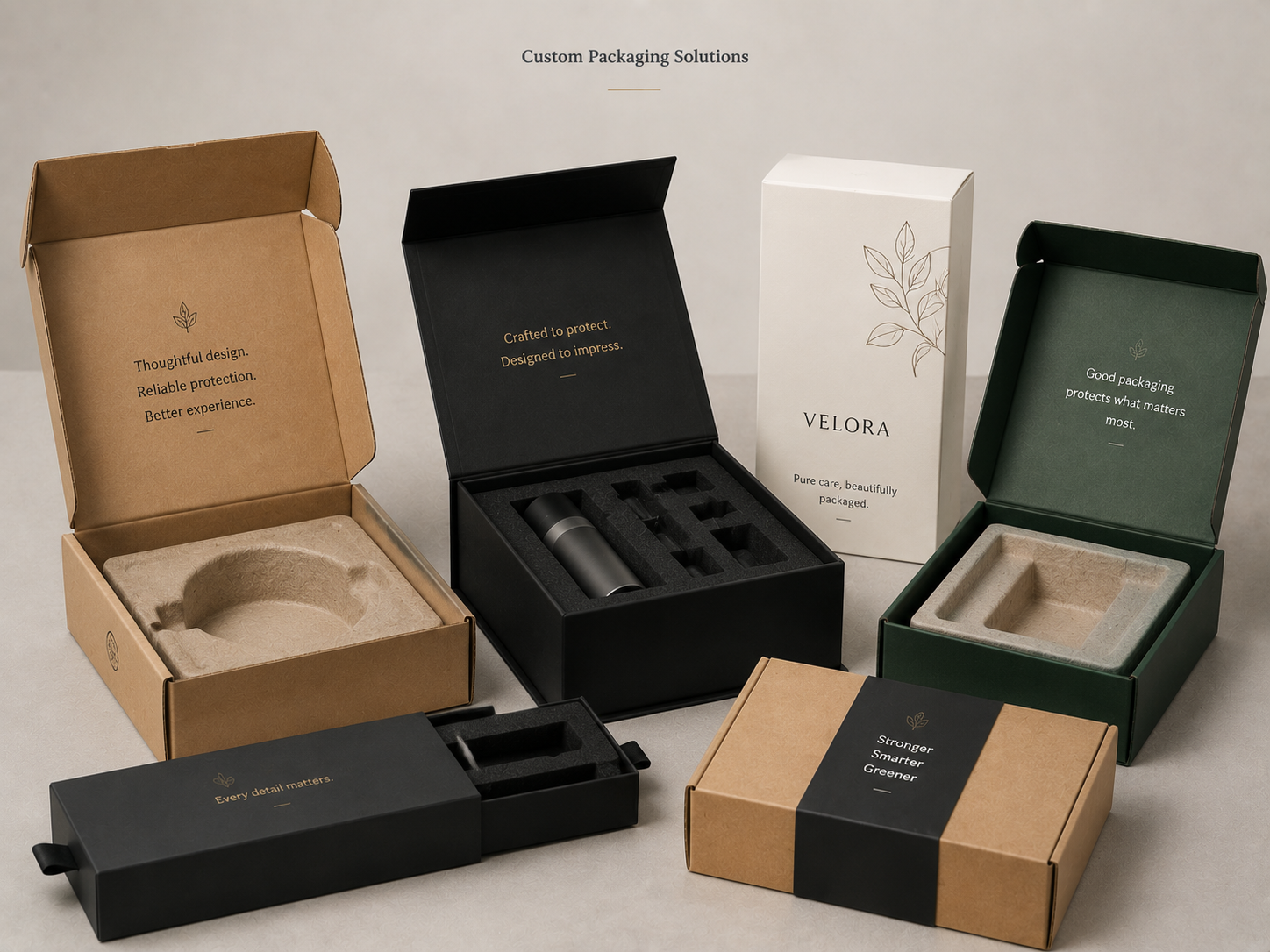
Internal corrugated inserts, dividers, and pads further improve protection. These components hold products in place and reduce collision damage without using plastic foam.
This structural cushioning is a core reason corrugated cardboard is trusted for transport packaging.
How Does Corrugated Cardboard Help Control Packaging Costs?
Cost efficiency is another major advantage.
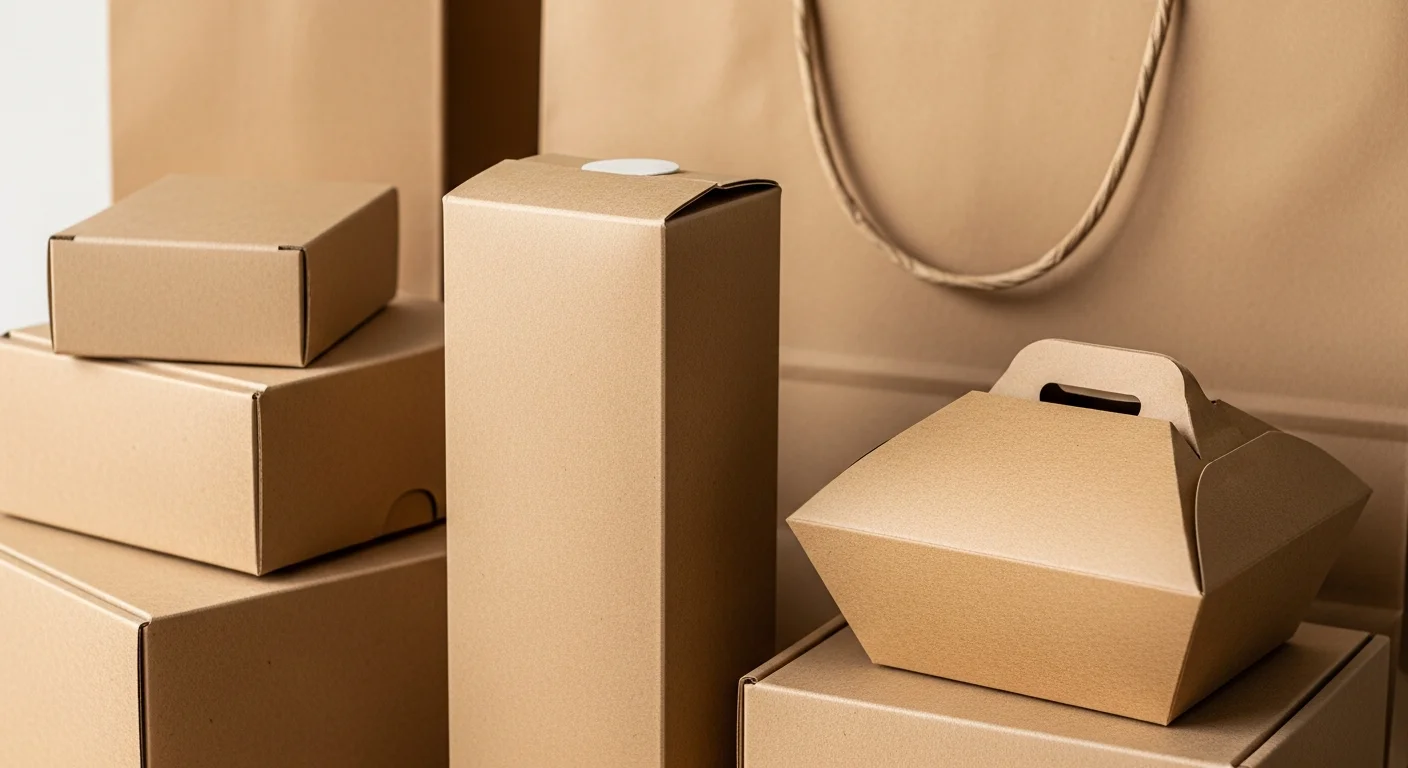
Corrugated cardboard delivers high strength with relatively low material weight. This reduces raw material usage while maintaining performance. Lower weight also helps reduce shipping costs.
From a manufacturing perspective, corrugated packaging benefits from:
- High-speed production lines
- Low tooling costs
- Scalable volume output
Box designs can be adjusted without expensive molds. Die-cut tools are affordable and quick to modify. This flexibility reduces development cost and supports frequent size changes.
Corrugated cardboard is also widely available. Stable supply reduces price fluctuation risk. This predictability supports long-term cost planning and consistent pricing across orders.
For large-volume packaging, few materials match corrugated cardboard in cost-to-performance ratio.
Why Is Corrugated Cardboard Easy to Customize and Design?
Design flexibility is a key advantage in real production.
Corrugated cardboard supports:
- Custom box sizes
- Die-cut shapes
- Internal structures
- Simple or branded printing
In factory workshops, design changes can be implemented quickly. Structural adjustments do not require major equipment changes. This supports fast response to new products or packaging updates.
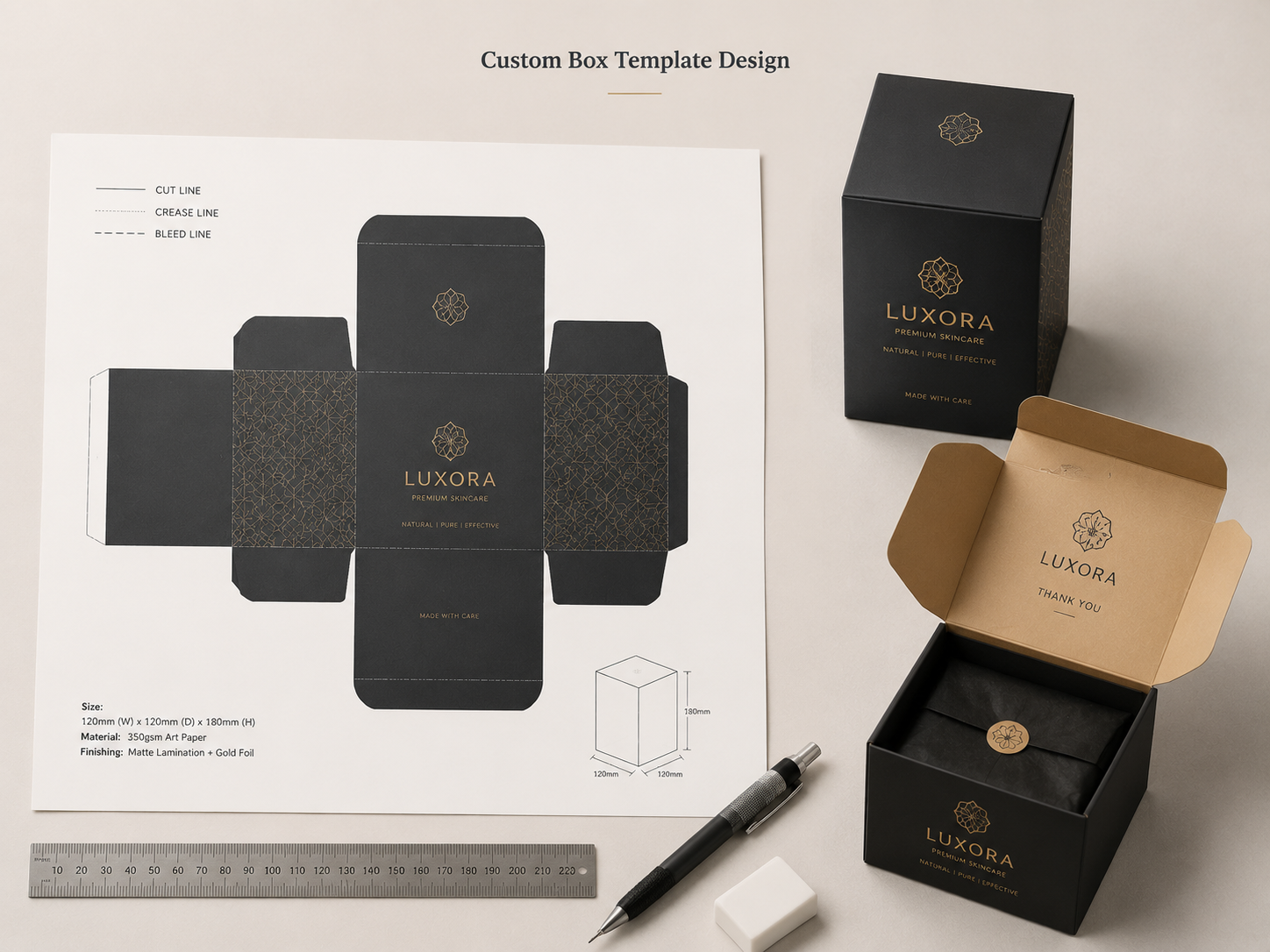
Printing options allow basic branding, handling instructions, and logistics markings. While not suited for luxury finishes, corrugated printing meets functional branding needs.
Self-locking designs, mailer boxes, and fold-flat structures reduce assembly time and labor. These design features improve packing efficiency in warehouses and fulfillment centers.
This adaptability allows corrugated cardboard to support many packaging scenarios without complex redesign.
How Does Corrugated Cardboard Perform in Storage and Warehousing?
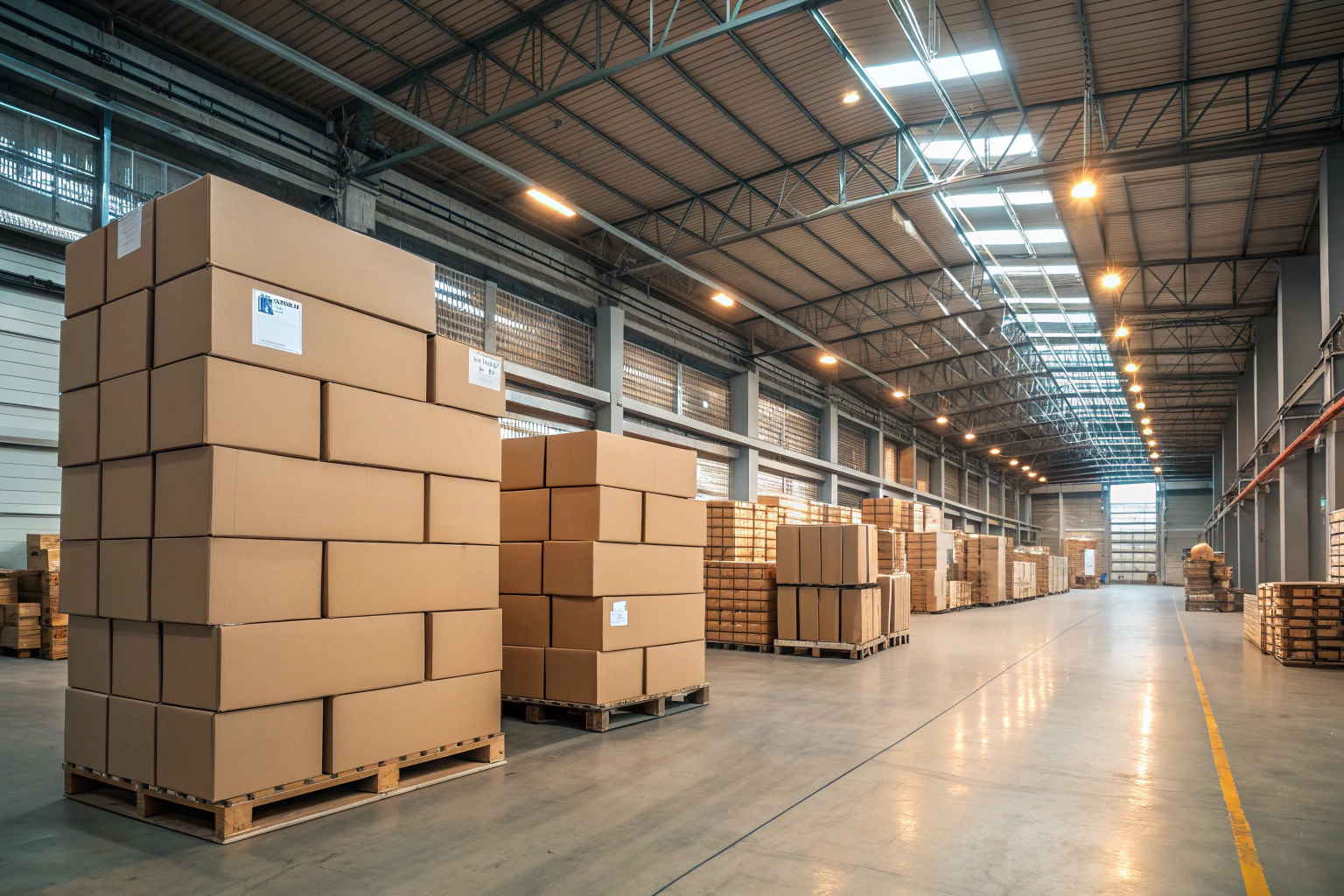
Corrugated cardboard performs reliably in storage environments.
Properly specified corrugated boxes provide sufficient compression strength for stacking. This makes them suitable for short-term and medium-term warehousing.
In storage planning, corrugated packaging offers:
- Consistent box dimensions
- Easy labeling and identification
- Low replacement cost
If inventory changes, boxes can be replaced or resized easily. This flexibility supports dynamic warehouse operations.
Double-wall or reinforced corrugated boards are used for heavier loads or longer storage periods. These structures reduce deformation over time.
The balance between strength and disposability makes corrugated cardboard practical for storage without long-term material commitment.
Why Is Corrugated Cardboard Considered Environmentally Practical?
Environmental performance is an important advantage.
Corrugated cardboard is:
- Widely recyclable
- Often made from recycled fibers
- Biodegradable under normal conditions
In factory audits, corrugated packaging scores well due to established recycling systems. Offcuts and waste are easily recovered and reused in paper mills.
Corrugated packaging also reduces reliance on plastic cushioning. Paper-based inserts replace foam in many applications, improving recyclability.
When sourced from certified paper suppliers, corrugated cardboard supports sustainability compliance without complex material separation.
Environmental practicality adds long-term value beyond immediate cost savings.
What Are the Operational Advantages in Manufacturing?
Manufacturing efficiency strengthens the value of corrugated cardboard.
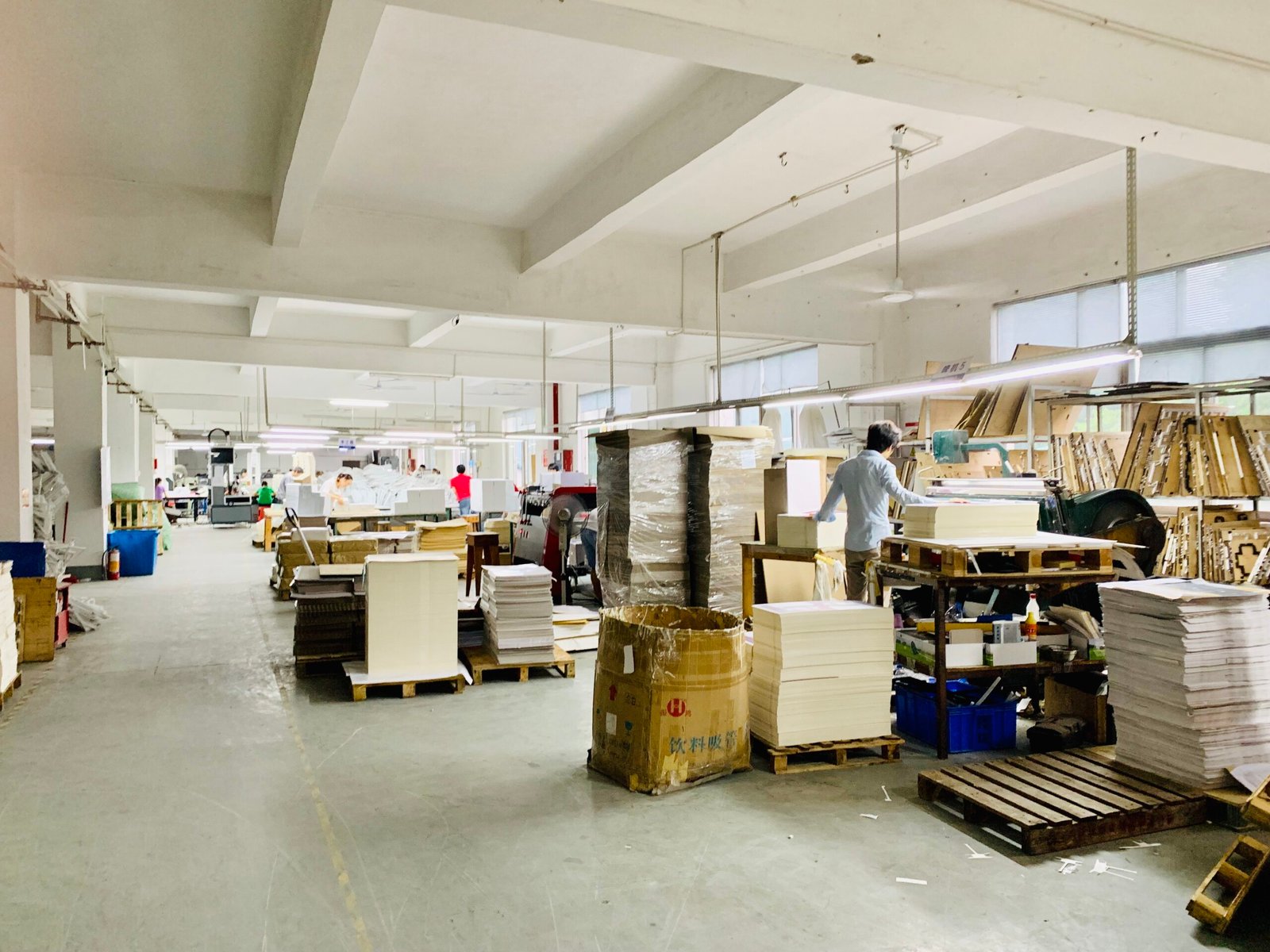
Corrugating and converting lines are optimized for scale. Large volumes can be produced with stable quality. Quality control focuses on board strength, flute consistency, and bonding integrity.
Operational advantages include:
- Fast production cycles
- Repeatable specifications
- Easy quality inspection
When issues occur, adjustments are quick. Material behavior is well understood across the industry. This reduces production risk and delays.
Corrugated cardboard integrates smoothly into automated packing systems. This compatibility improves throughput and reduces labor dependency.
These operational strengths make corrugated cardboard a reliable choice for long-term supply chains.
Conclusion
Corrugated cardboard offers a balanced combination of protection, cost efficiency, flexibility, and scalability. Its structural design absorbs impact, supports stacking, and protects products during transport and storage. At the same time, it allows fast production, easy customization, and predictable costs. When used for logistics-focused packaging and specified correctly, corrugated cardboard remains one of the most practical and dependable materials in modern packaging systems.