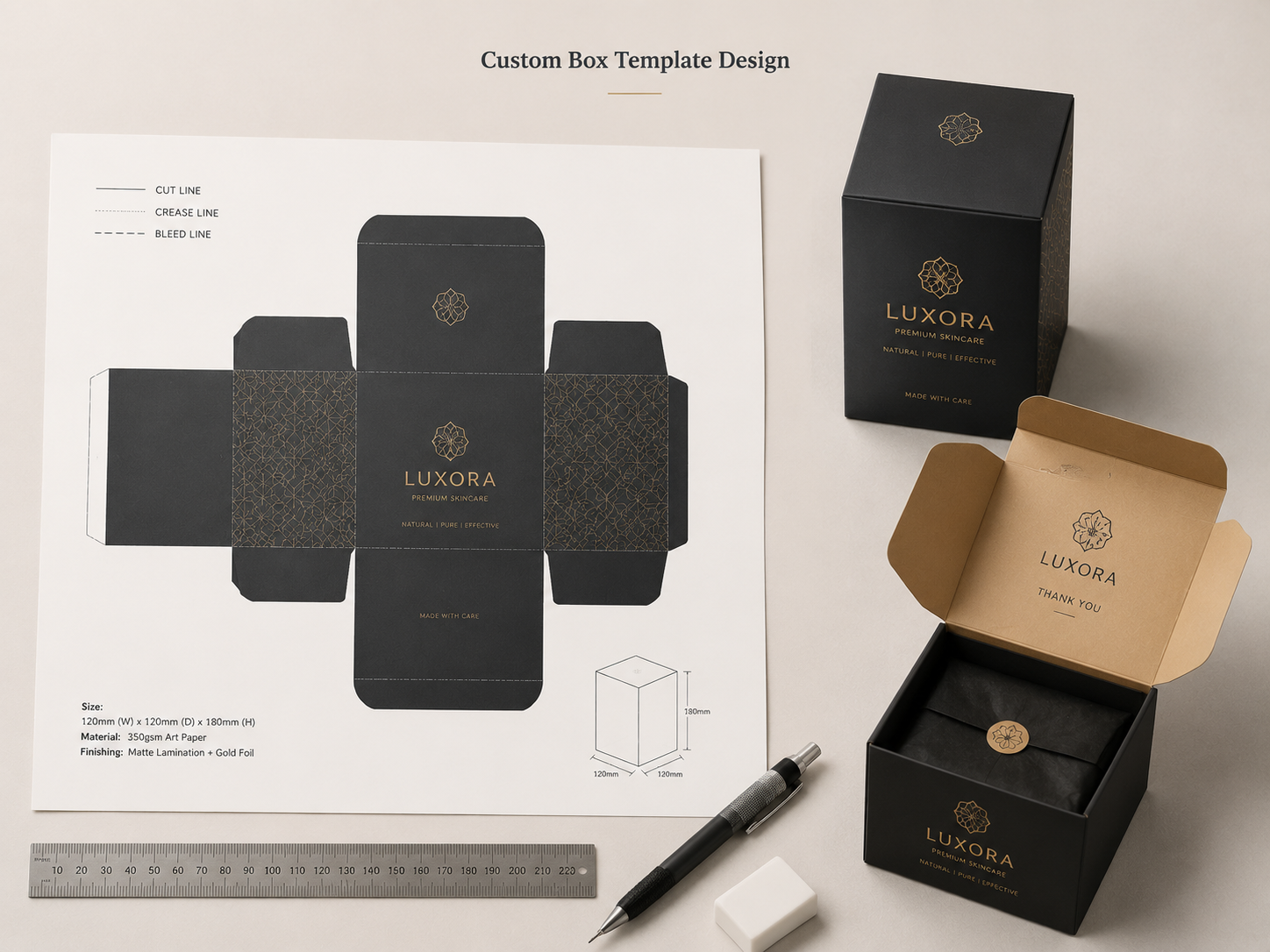
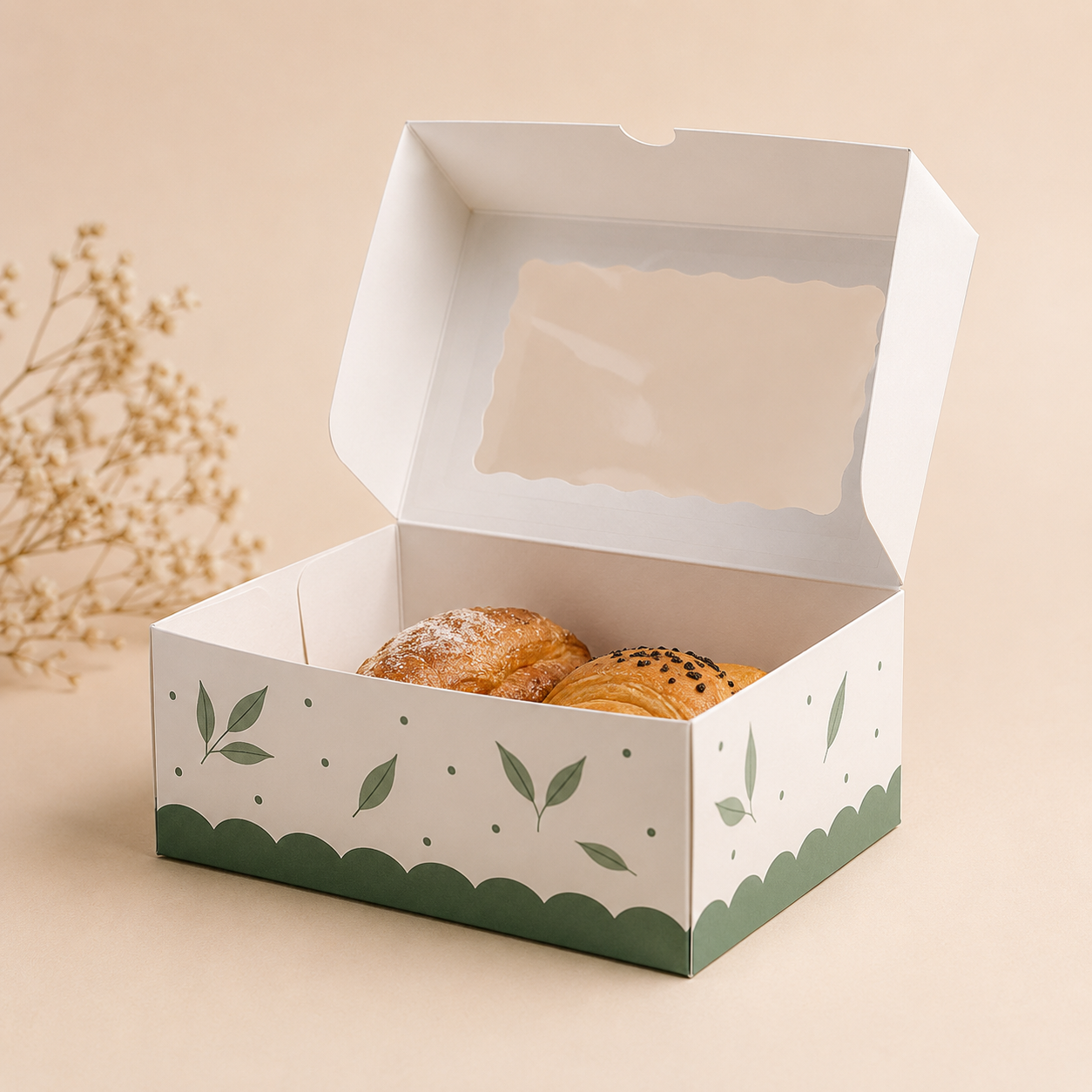
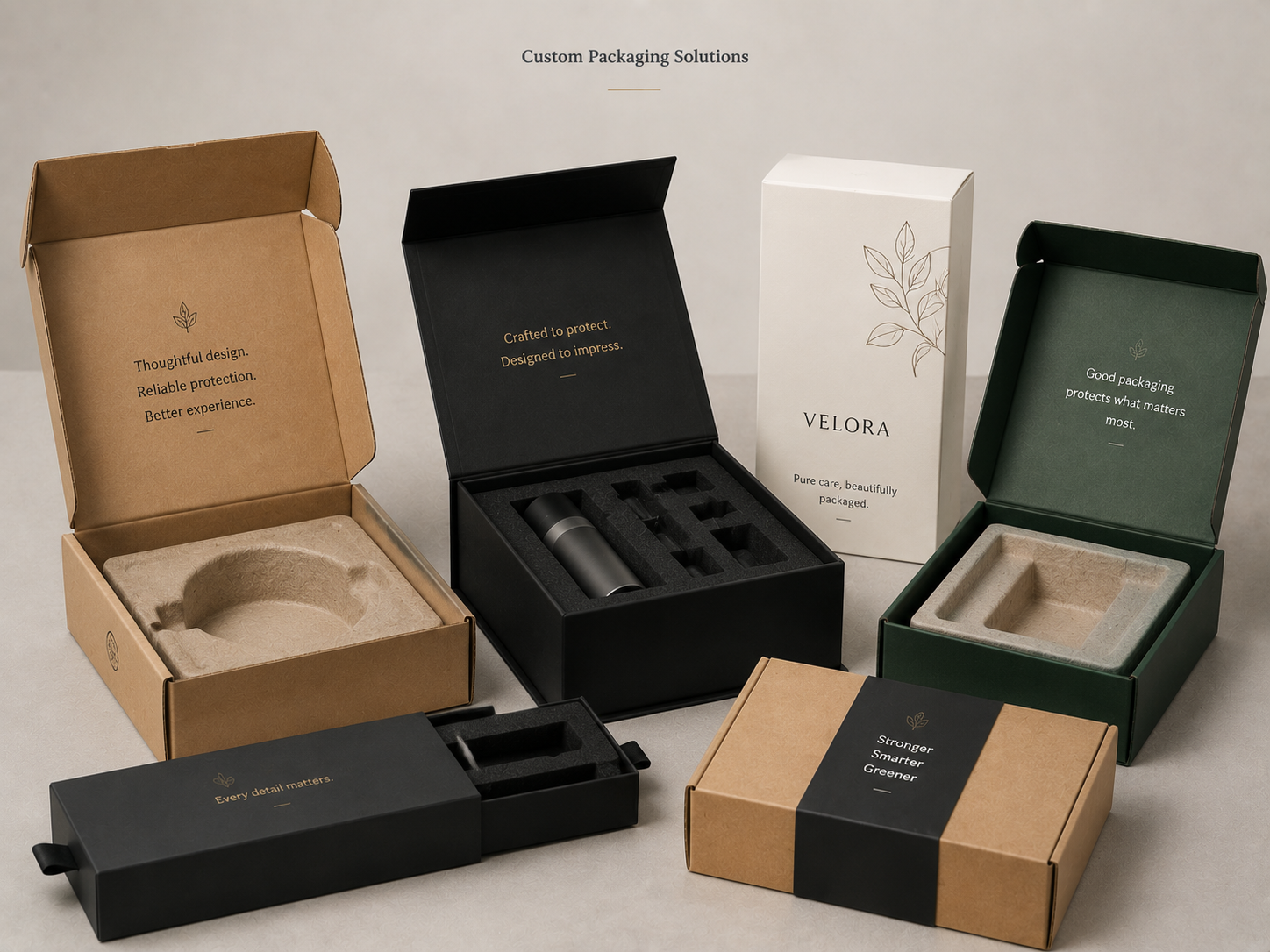
Kraft paper is one of the most widely used materials in packaging manufacturing, especially for bags, wrapping, liners, and protective layers. Its popularity is not based on appearance alone, but on stable performance in real production environments.
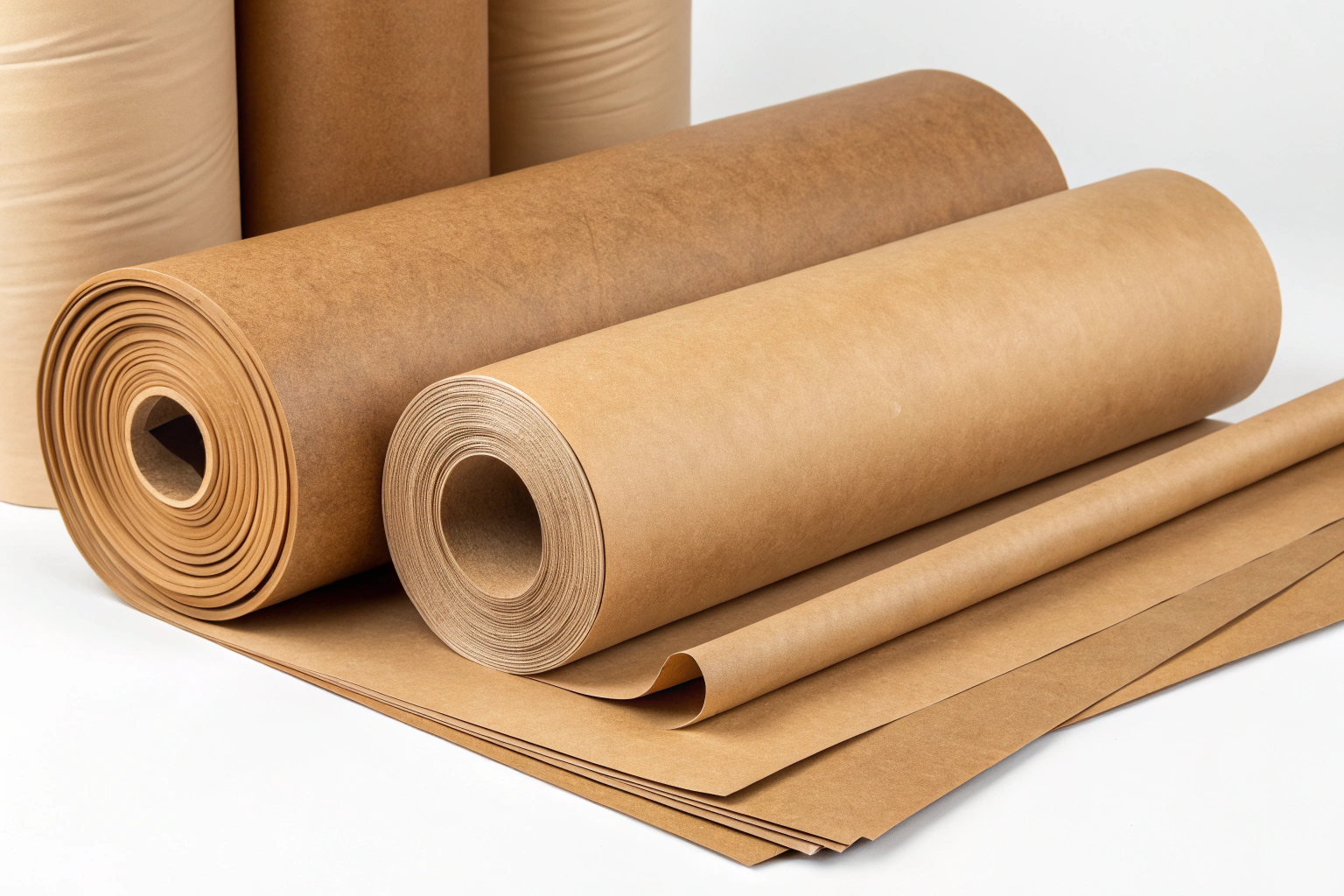
The advantages of kraft paper come from its strong fiber structure, reliable processing behavior, and suitability for large-scale manufacturing. These characteristics make it a practical material for packaging that requires consistency and durability.
From a manufacturing standpoint, kraft paper offers clear benefits across material performance, workshop processing, and long-term production stability. The following sections outline its main advantages in detail.
High Strength and Tear Resistance
Strength is the most recognized advantage of kraft paper.
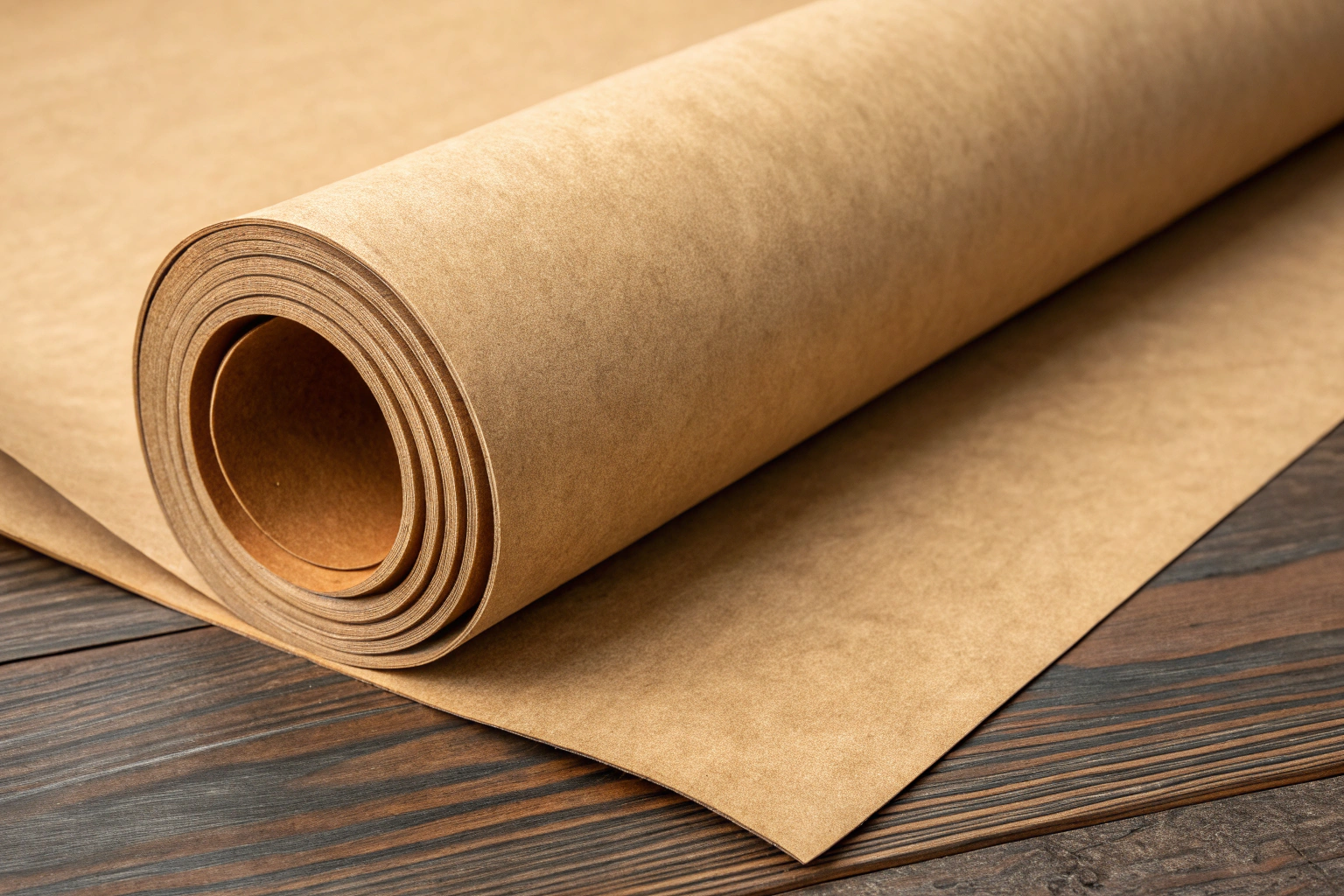
Kraft paper delivers high tensile strength and tear resistance due to its long fiber structure.
The kraft pulping process preserves fiber length, which allows the paper to withstand pulling, stretching, and repeated handling. This makes kraft paper suitable for paper bags, handles, wrapping paper, and inner protective layers.
In factory workshops, this strength translates into lower breakage during cutting, folding, and assembly. Bags hold weight more reliably, and fold lines maintain integrity even after repeated movement during packing and transport.
Stable Performance in Manufacturing Processes
Material stability is critical for mass production.
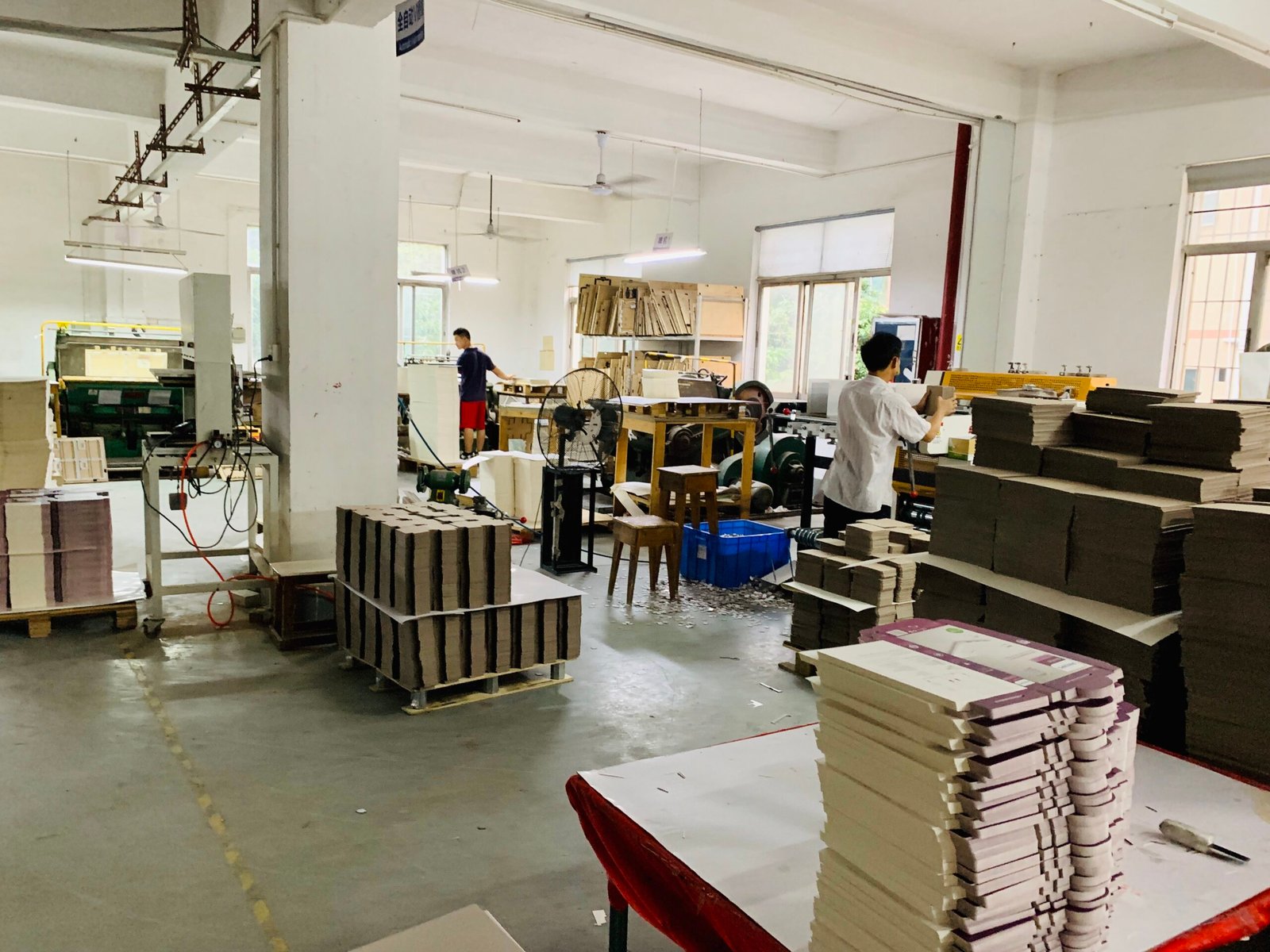
Kraft paper performs consistently during cutting, creasing, folding, and gluing.
Kraft paper feeds smoothly through die-cutting and folding machines. Crease lines remain clear, and fold memory is predictable when grammage and fiber direction are controlled. Glue adhesion is generally strong and reliable.
In factory workshops, this stability reduces machine stoppages, lowers defect rates, and improves output efficiency. Compared with decorative or mixed-fiber papers, kraft paper shows fewer variations between batches, which supports long production runs.
Versatility Across Packaging Applications
Kraft paper adapts to many packaging formats.
Kraft paper is suitable for bags, wrapping, liners, inserts, and outer protective layers.
It can be used as a single-layer material or combined with other paper structures. In corrugated packaging, kraft paper is commonly used as linerboard to provide surface strength. In bags, it supports handles and bottoms.
From a manufacturing perspective, this versatility simplifies material sourcing and inventory management. One material type can support multiple packaging products with adjusted grammage and structure.
Good Sustainability and Recycling Performance
Environmental performance is another major advantage.
Kraft paper is recyclable, biodegradable, and compatible with existing recycling systems.
Kraft paper can be produced from renewable fiber resources and recycled content. After use, it is easily collected and processed through standard paper recycling streams. Its natural composition allows it to break down without long-term environmental persistence.
In manufacturing, production scrap from kraft paper can often be recycled internally. This reduces material waste and improves overall resource efficiency during large-scale production.
Cost Efficiency Through Performance Balance
Cost advantages come from performance, not just material price.
Kraft paper offers a strong balance between material cost, strength, and production efficiency.
Because kraft paper is strong for its weight, required performance can often be achieved without excessive thickness. This reduces material usage while maintaining reliability. Stable processing behavior also lowers rework and scrap costs.
From a factory standpoint, predictable performance helps control total production cost over time. Fewer quality issues and smoother workflows create savings beyond unit material price.
Natural Appearance and Brand Compatibility
Visual character is an added benefit for many products.
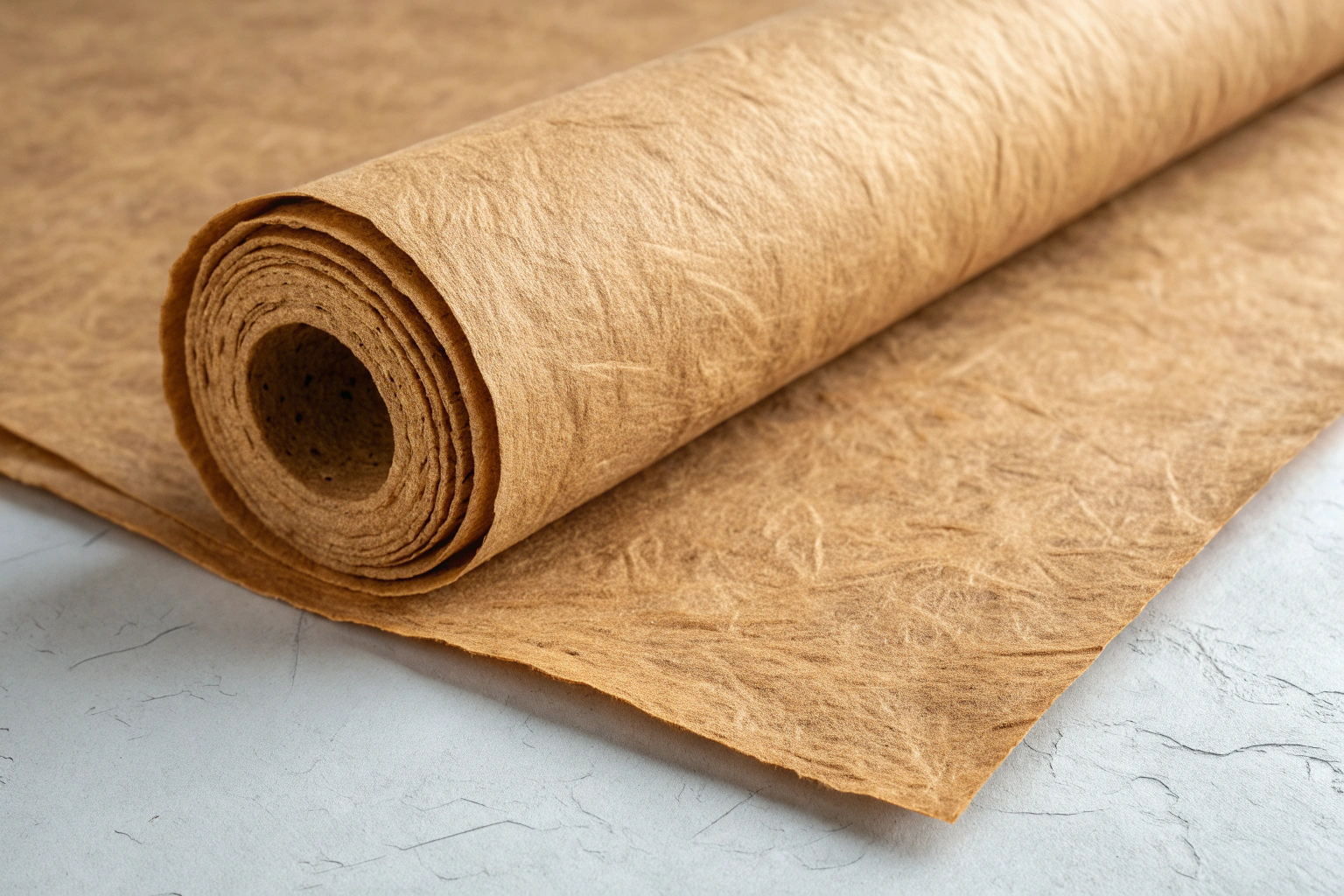
Kraft paper provides a natural, honest appearance that aligns with simple and functional packaging styles.
The natural brown or neutral tone of kraft paper communicates durability and simplicity. While not suitable for high-gloss finishes, it supports basic printing, logos, and clear information display.
In production, this appearance reduces pressure on complex printing and finishing processes. Simple graphics remain stable across batches, which improves visual consistency during long production cycles.
Conclusion
Kraft paper offers a combination of strength, processing stability, versatility, and sustainability that few packaging materials can match. Its long fiber structure provides reliable tear resistance, while its predictable behavior during cutting, folding, and gluing supports efficient mass production. These qualities make kraft paper especially suitable for bags, wrapping, liners, and protective packaging components.
From a manufacturing perspective, the advantages of kraft paper go beyond the material itself. Stable workshop performance reduces scrap, improves output consistency, and supports long-term production planning. Its recyclability and renewable fiber base also align well with modern sustainability requirements when managed correctly. While kraft paper is not suitable for every application, its balanced performance makes it a dependable and widely used packaging material when strength, efficiency, and reliability are required.