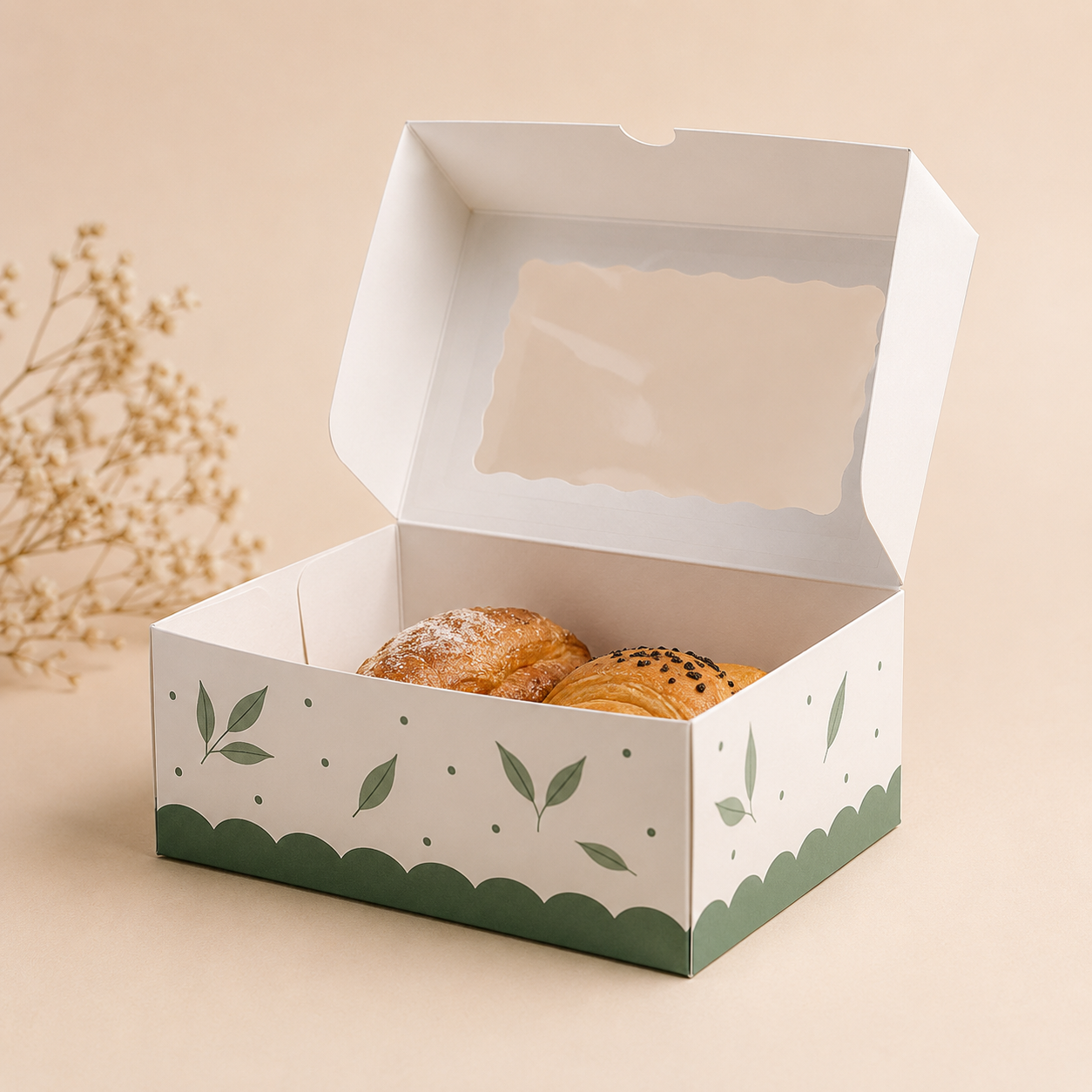
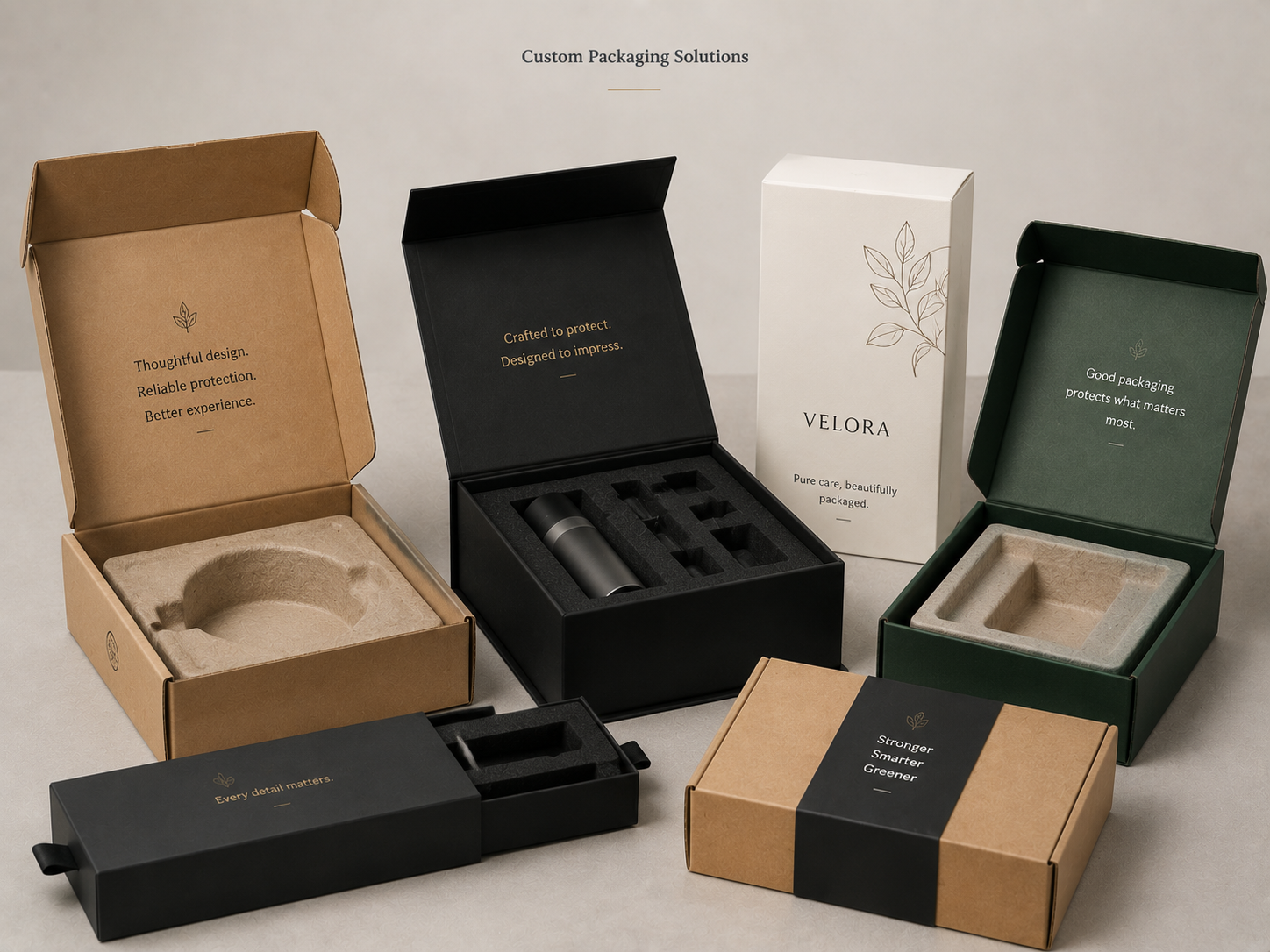
Many packaging materials look similar on the surface, but their performance differs once they enter production. These differences often come from how the paper is made. As a professional packaging manufacturer, I focus on the kraft process because it defines strength, stability, and reliability at the material level.
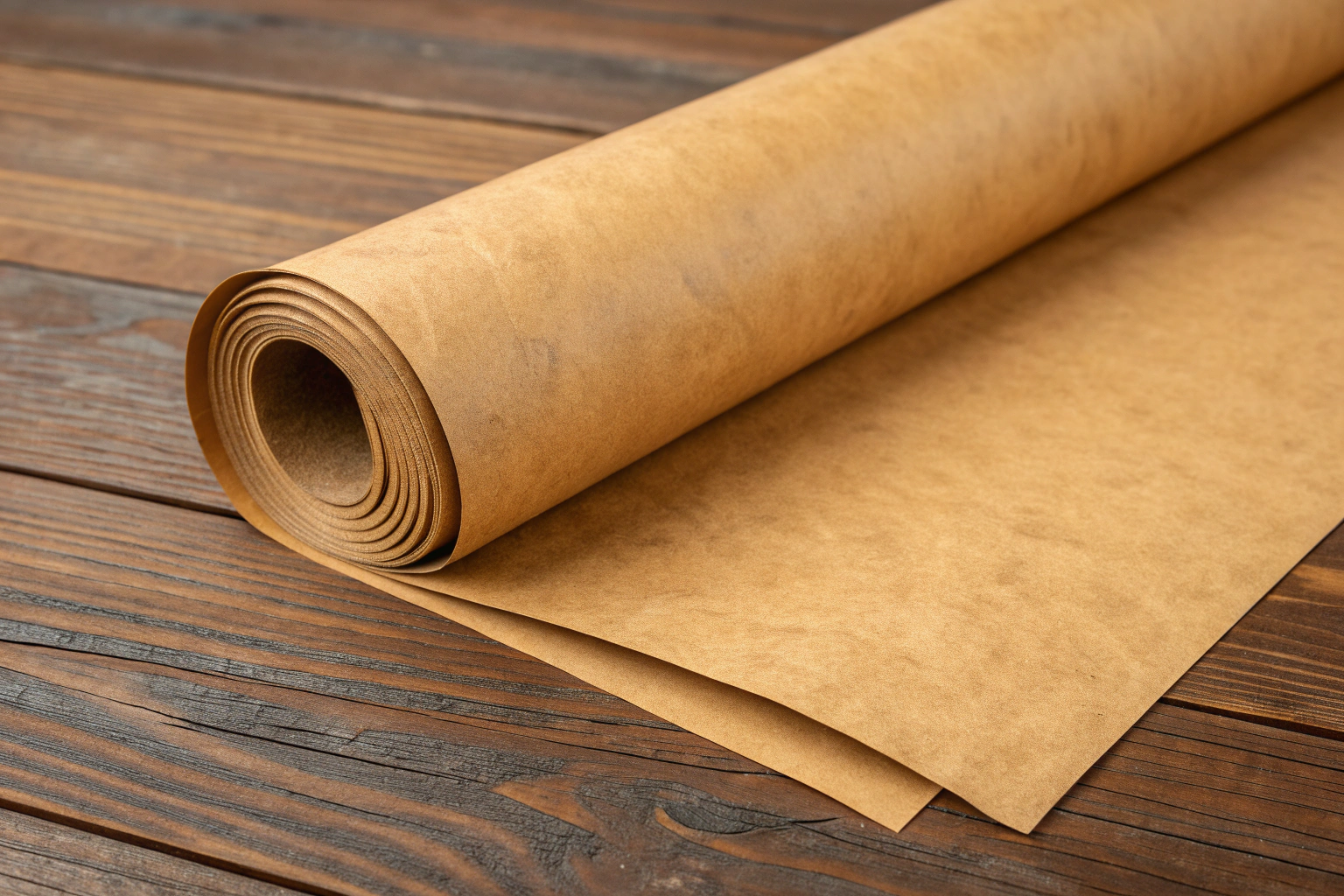
The kraft process is a chemical pulping method that produces stronger, longer fibers, higher material efficiency, and more stable paper performance for packaging applications. It is the foundation of most high-performance packaging papers used today.
From raw pulp to finished packaging, the advantages of the kraft process appear throughout manufacturing. Below, I explain these advantages from a professional production and material perspective.
Why does the kraft process produce stronger paper?
Strength is the most recognized advantage of the kraft process, and it is not accidental.
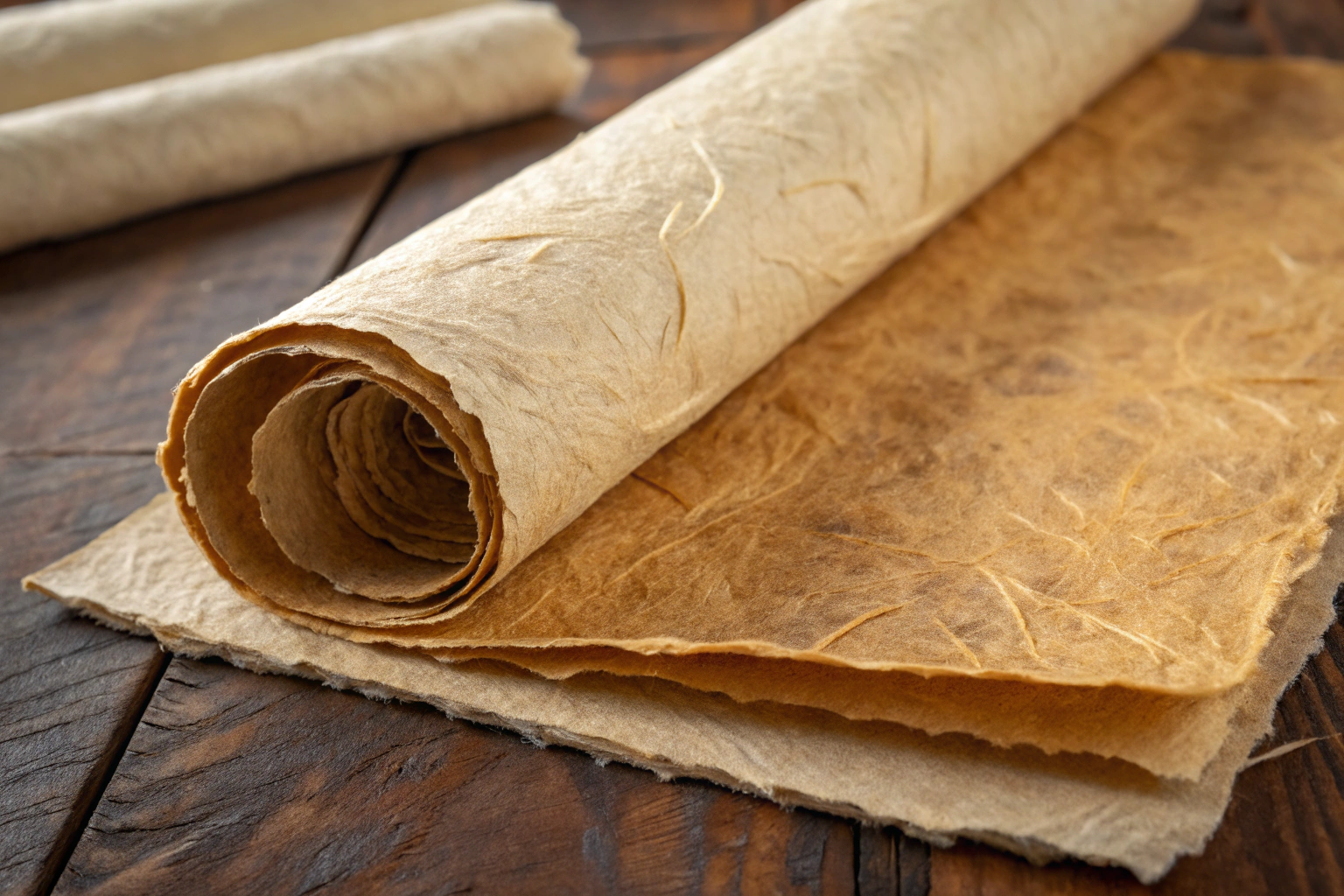
The kraft process preserves fiber length and fiber integrity, which directly increases paper strength.
During the kraft process, wood chips are cooked with specific chemicals that remove lignin while protecting cellulose fibers. This method is less damaging to fibers than many other pulping processes. The result is longer fibers with better bonding ability.
Long fibers interlock more effectively within the paper sheet. This increases tensile strength, tear resistance, and burst strength. From a packaging manufacturing standpoint, this strength allows paper to withstand folding, stacking, and transport stress without failure.
This is why kraft paper is widely used for boxes, bags, and corrugated structures. The process creates paper that performs structurally, not just visually.
| Fiber Property | Result in Packaging |
|---|---|
| Long fibers | High tear resistance |
| Strong bonding | Better load capacity |
| Fiber integrity | Stable structure |
Strength at the fiber level defines packaging reliability.
How does the kraft process improve production stability?
Paper strength alone is not enough. In manufacturing, consistency matters as much as performance.
The kraft process produces pulp with stable and predictable behavior, which improves production control.
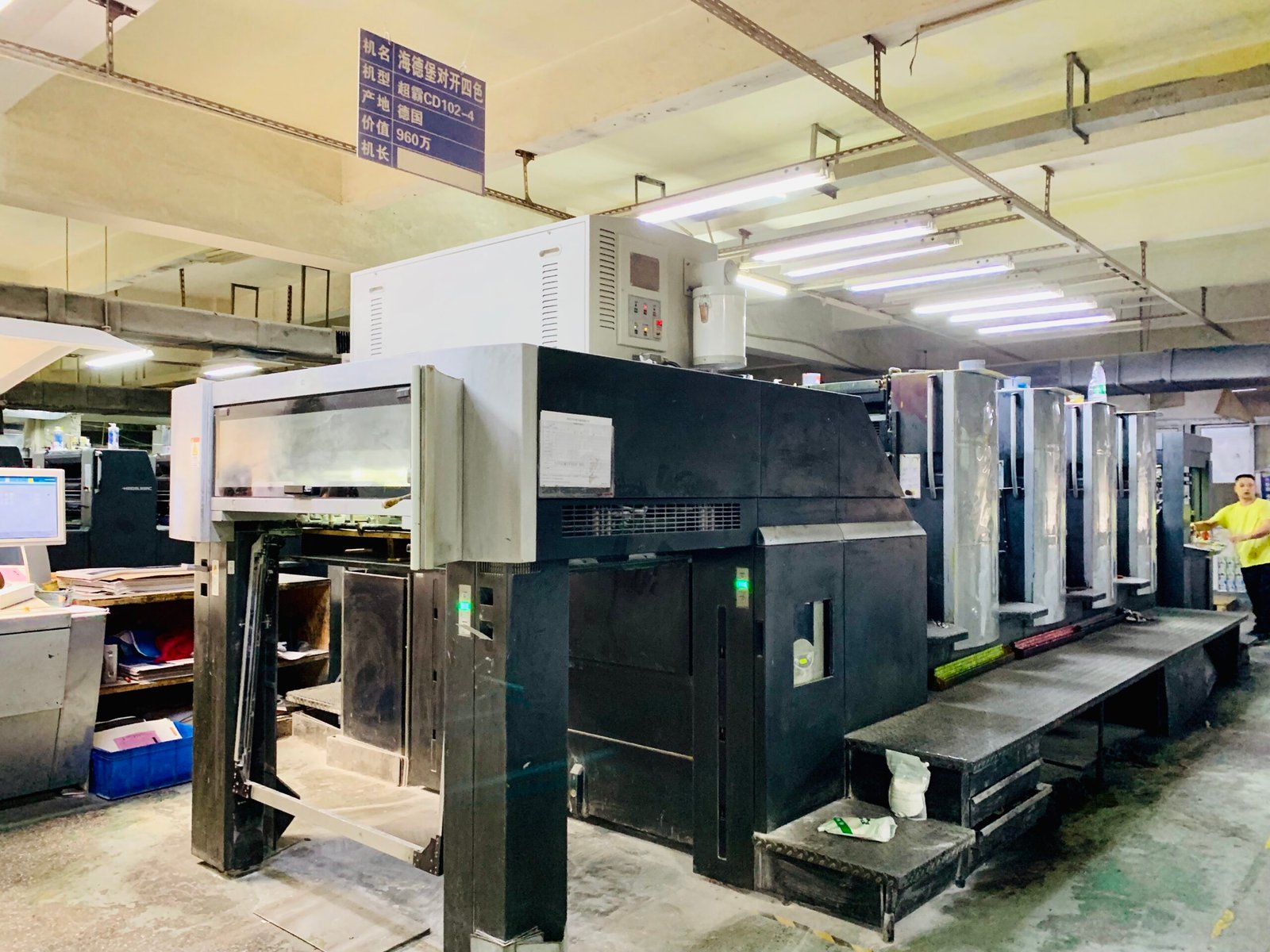
Kraft pulp allows better control of grammage, moisture, and fiber distribution. This consistency leads to paper that behaves predictably on printing, die cutting, and forming equipment.
From a factory perspective, stable paper reduces setup time and adjustments. Printing ink absorption remains consistent. Crease lines form cleanly. Cutting edges show less fiber tear. These factors directly improve production efficiency and reduce defect rates.
When paper behaves the same from batch to batch, finished packaging quality becomes repeatable. This repeatability is a key advantage of the kraft process for professional manufacturing.
Why is the kraft process efficient in material use?
Efficiency is a hidden but critical advantage.
The kraft process delivers high strength without excessive material thickness, improving material efficiency.
Because kraft fibers are strong, less material is needed to achieve required performance. This creates a high strength-to-weight ratio. Packaging can remain lightweight while still meeting structural demands.
From a manufacturing standpoint, this efficiency supports better cost control and easier handling. Lighter packaging reduces transport load while maintaining protection. It also improves machine speed and forming accuracy.
This advantage explains why kraft paper is widely used in both retail and transport packaging. It balances performance and efficiency in a way few other processes can match.
How does the kraft process support different packaging structures?
Packaging is not one-size-fits-all.
The kraft process produces pulp that adapts well to different paper grades and structures.
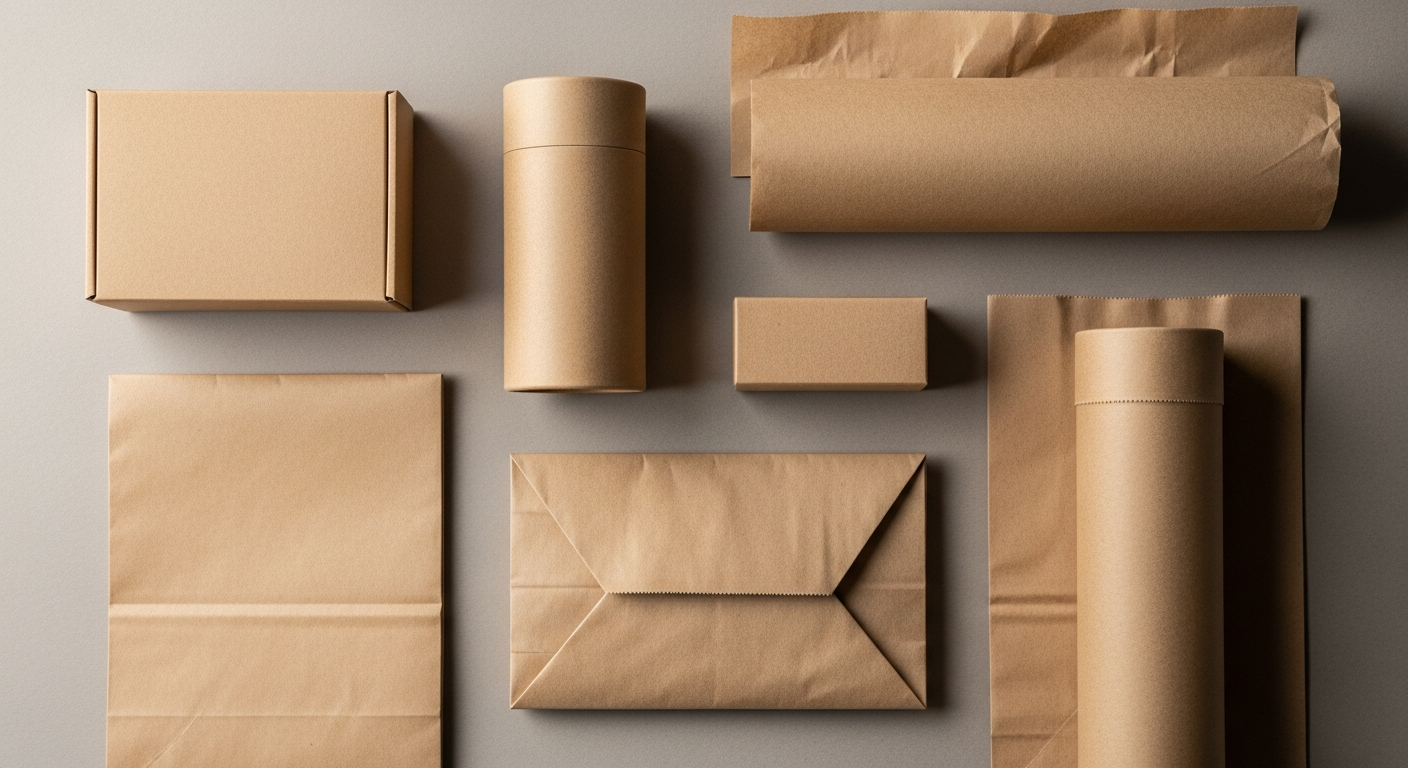
Kraft pulp can be converted into kraft paper, kraft paperboard, and kraft liner for corrugated packaging. It can also be laminated onto rigid board for premium box surfaces.
Each structure applies different stress to the paper. Folding cartons need clean creases. Corrugated liners need compression strength. Rigid boxes need surface stability. Kraft pulp supports all these needs because of its fiber strength and consistency.
From a manufacturing view, this flexibility allows one core material system to support many packaging formats without sacrificing performance.
What are the sustainability advantages of the kraft process?
Sustainability is often discussed, but it must be grounded in real process benefits.
The kraft process supports responsible resource use and efficient recovery when properly managed.
The kraft process allows effective recovery and reuse of processing chemicals. This reduces waste and improves energy efficiency. Many kraft pulp mills operate with closed-loop systems that recover chemicals and generate energy from byproducts.
Kraft pulp is commonly produced from managed forest resources. When FSC-certified pulp is used, traceability and compliance are ensured. Kraft paper is recyclable and biodegradable when uncoated or lightly treated.
From a manufacturing standpoint, stable kraft paper quality also reduces production waste. Fewer rejects mean lower total material consumption.
How does the kraft process improve printing and finishing results?
Packaging must perform visually as well as structurally.
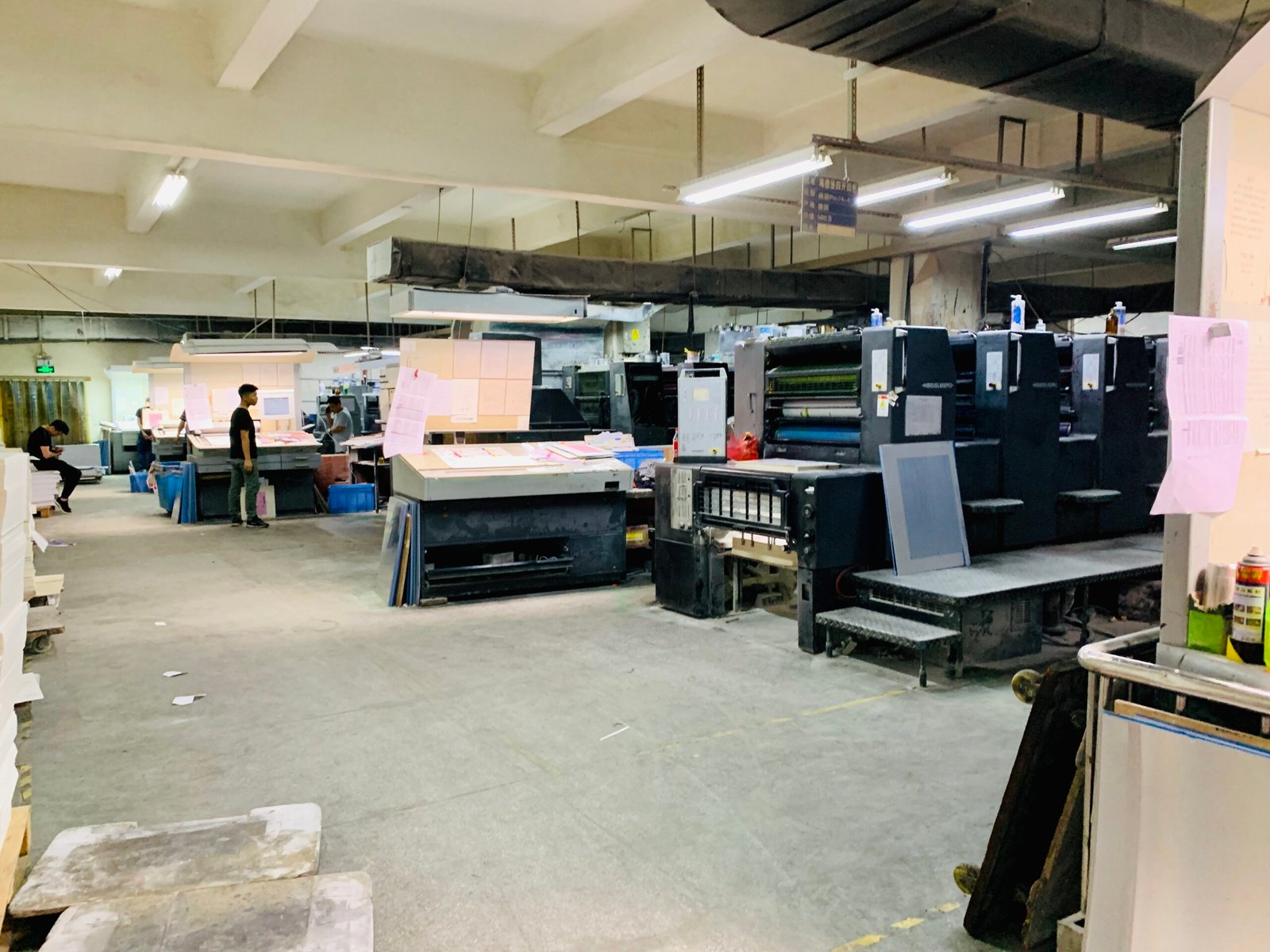
The kraft process creates paper with predictable surface behavior, which supports controlled printing and finishing.
Kraft paper has a natural surface with controlled ink absorption. While it is not coated, it absorbs ink evenly when properly processed. This produces a matte, natural appearance that supports modern packaging design.
Embossing, debossing, and foil stamping also perform well on kraft paper when pressure and temperature are controlled. The fiber strength helps the paper hold shape after finishing.
From a manufacturing view, the kraft process provides a reliable base for consistent branding within a natural visual range.
Why is the kraft process preferred in packaging manufacturing?
Preference comes from long-term performance, not trends.
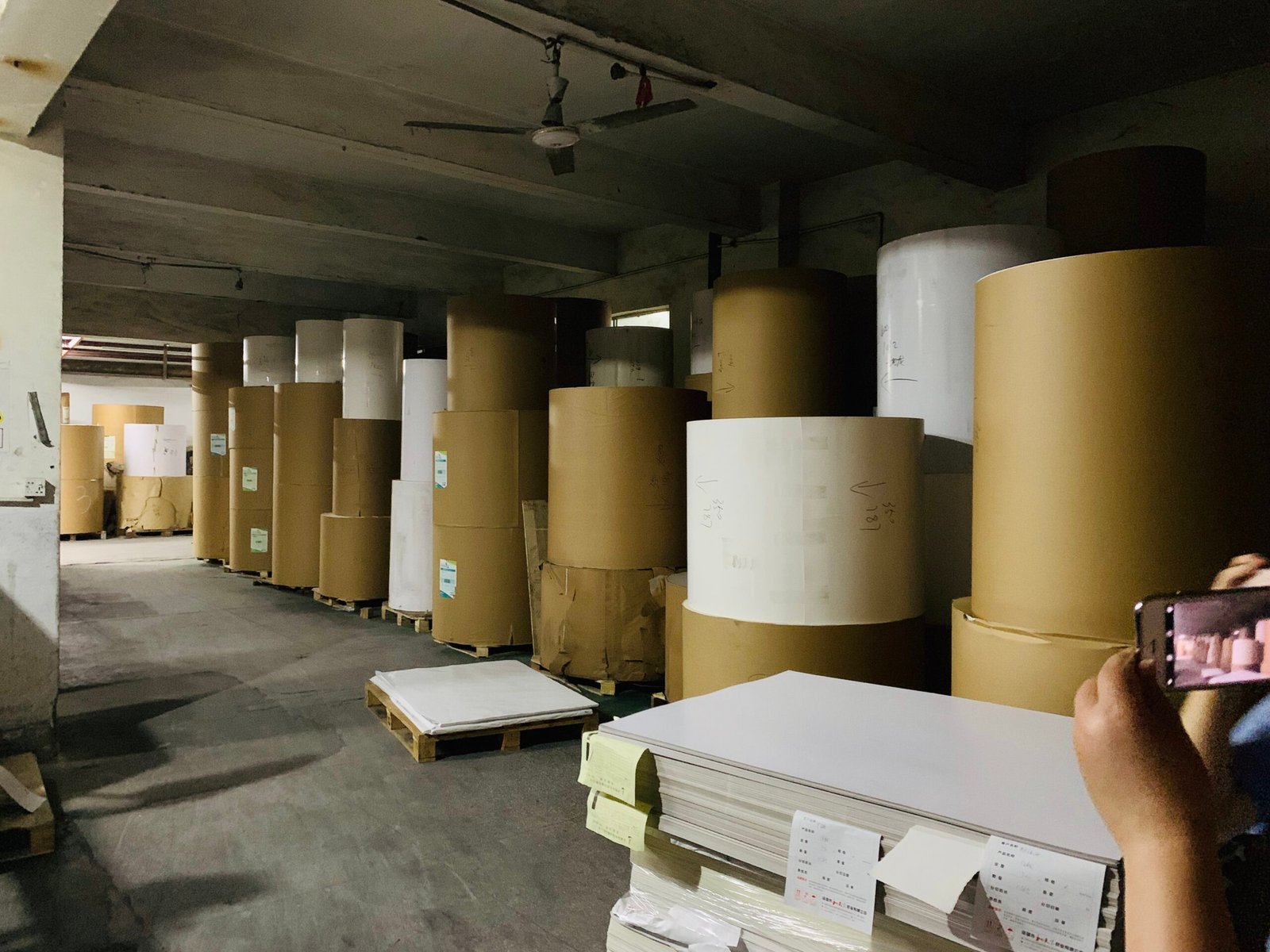
The kraft process is preferred because it delivers strength, consistency, efficiency, and adaptability in one material system.
In professional packaging manufacturing, materials must support both production efficiency and finished product reliability. The kraft process meets these requirements by producing pulp that performs well across multiple stages, from printing to assembly.
This is why kraft-based materials remain a core choice in packaging, even as new materials appear. The process has proven its value over decades of industrial use.
Conclusion
The advantages of the kraft process come from fiber preservation, material strength, production stability, and efficient resource use. As a professional manufacturer, I view the kraft process as the technical foundation behind most reliable packaging papers.
By delivering strong fibers, predictable performance, and adaptable material grades, the kraft process supports consistent packaging quality, efficient production, and sustainable material goals. It is not just a pulping method, but a proven system that underpins modern packaging manufacturing.