Corrugated cartons are not a single, uniform product. Different carton types are developed to solve different problems such as protection, stacking, handling, and transportation efficiency. When carton type is not matched to product and logistics conditions, damage risk and cost increase quickly.
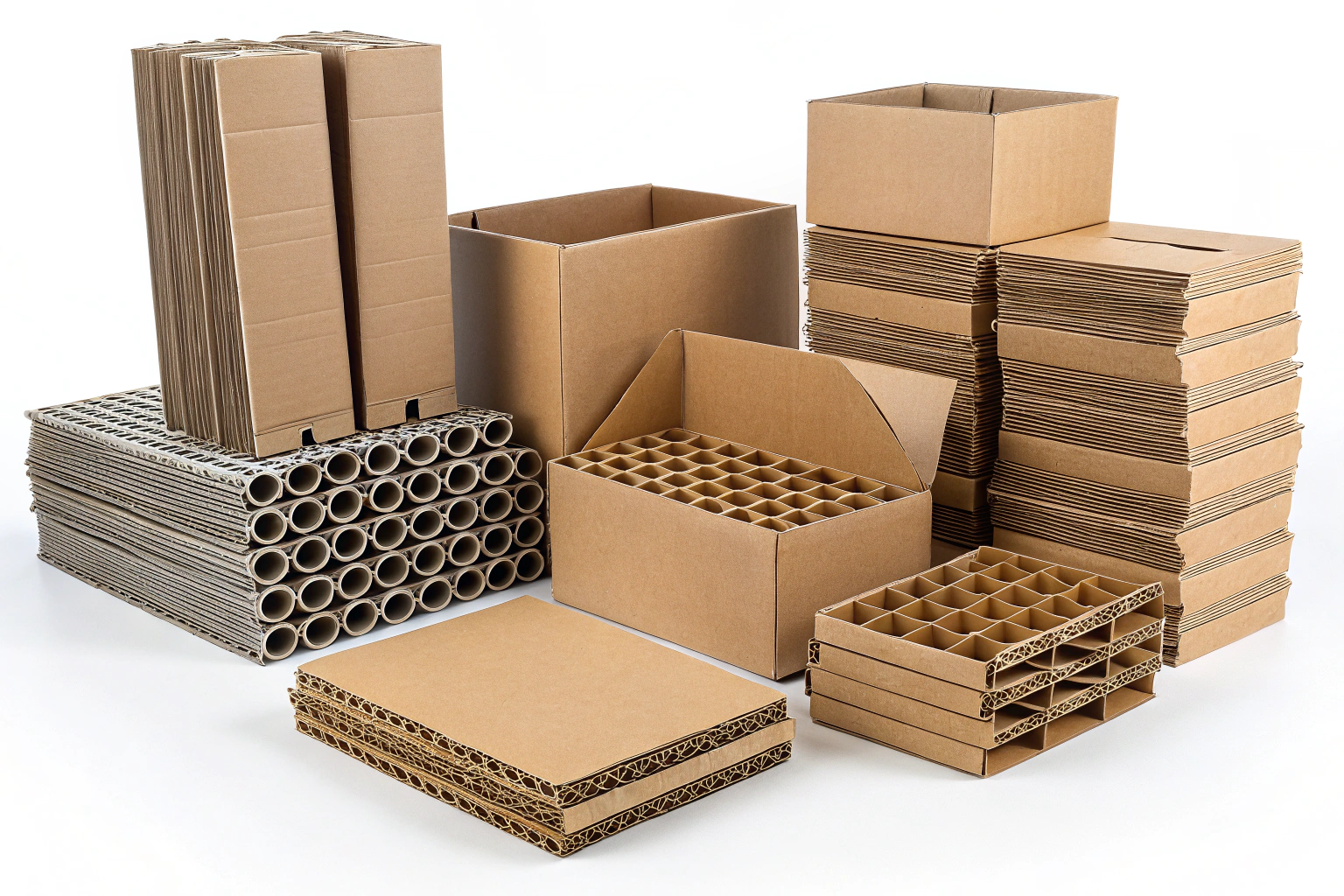
Corrugated cartons are classified mainly by structure, opening method, and strength design. In real manufacturing practice, about six major types cover most packaging applications.
Each type exists because it performs better in a specific scenario, not because of naming differences.
Regular Slotted Carton
The Regular Slotted Carton is the most common corrugated carton type. All flaps are the same length, and the two outer flaps meet at the center when closed. This structure is simple, efficient, and material-saving.
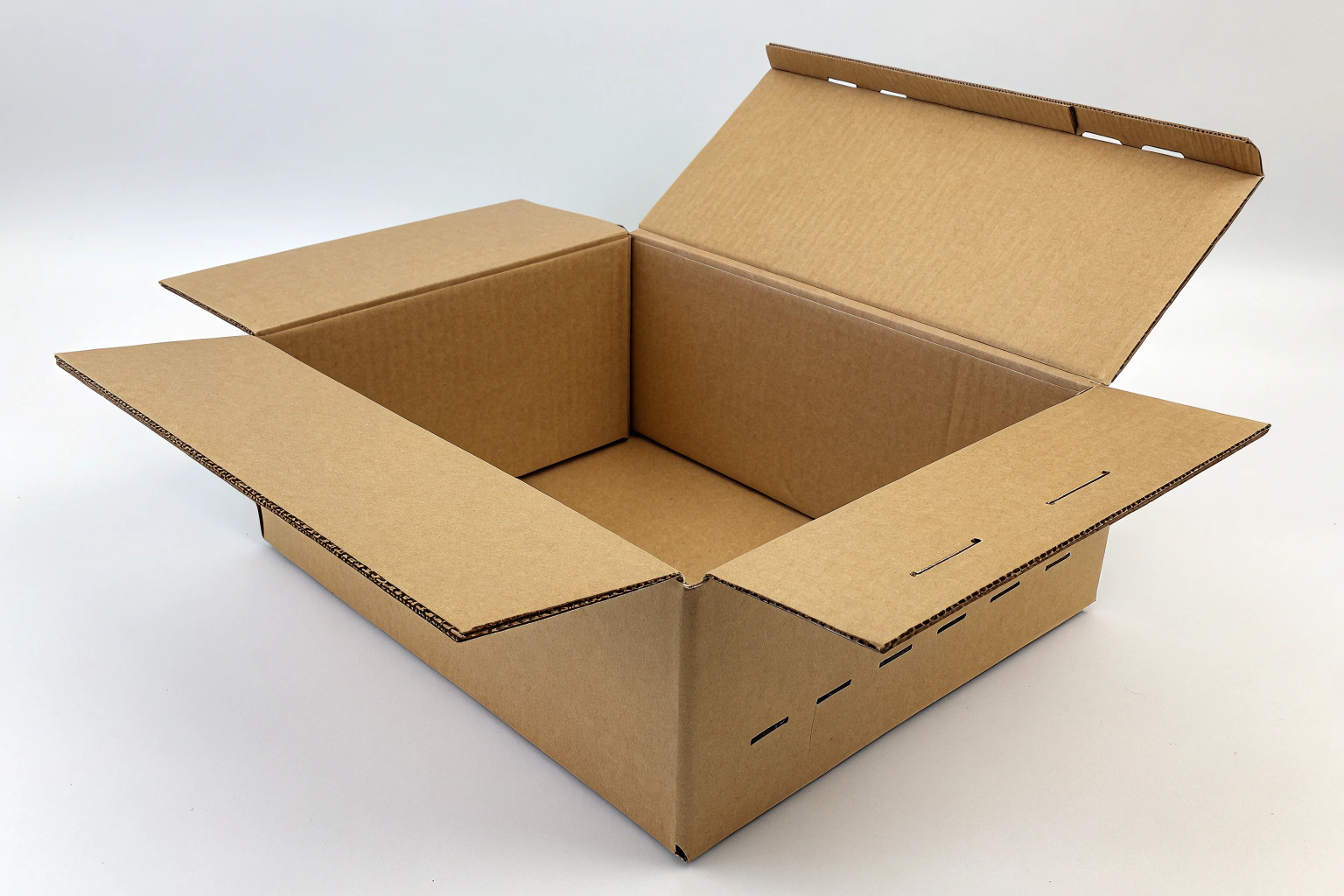
RSC cartons are widely used for general shipping and storage. They are easy to manufacture, easy to assemble, and suitable for a wide range of product weights.
In factory production, RSC cartons offer high efficiency and stable quality. They are often chosen when cost control and speed matter.
Half Slotted Carton (HSC)
A Half Slotted Carton is similar to an RSC but has flaps on only one side. The other side remains open or is closed using a separate lid or tray.

HSC cartons are commonly used when products are loaded from the top or need display access. They are also used as bases combined with separate covers.
This type is often applied in industrial packaging, bulk handling, and warehouse operations.
Full Overlap Carton (FOL)
Full Overlap Cartons have outer flaps that fully overlap each other when closed. This creates a double layer of corrugated board on the top and bottom panels.

FOL cartons provide higher stacking strength and better protection. They are suitable for heavy products or long-distance transportation.
In manufacturing workshops, FOL cartons require more material but offer improved compression resistance.
Die-Cut Corrugated Cartons
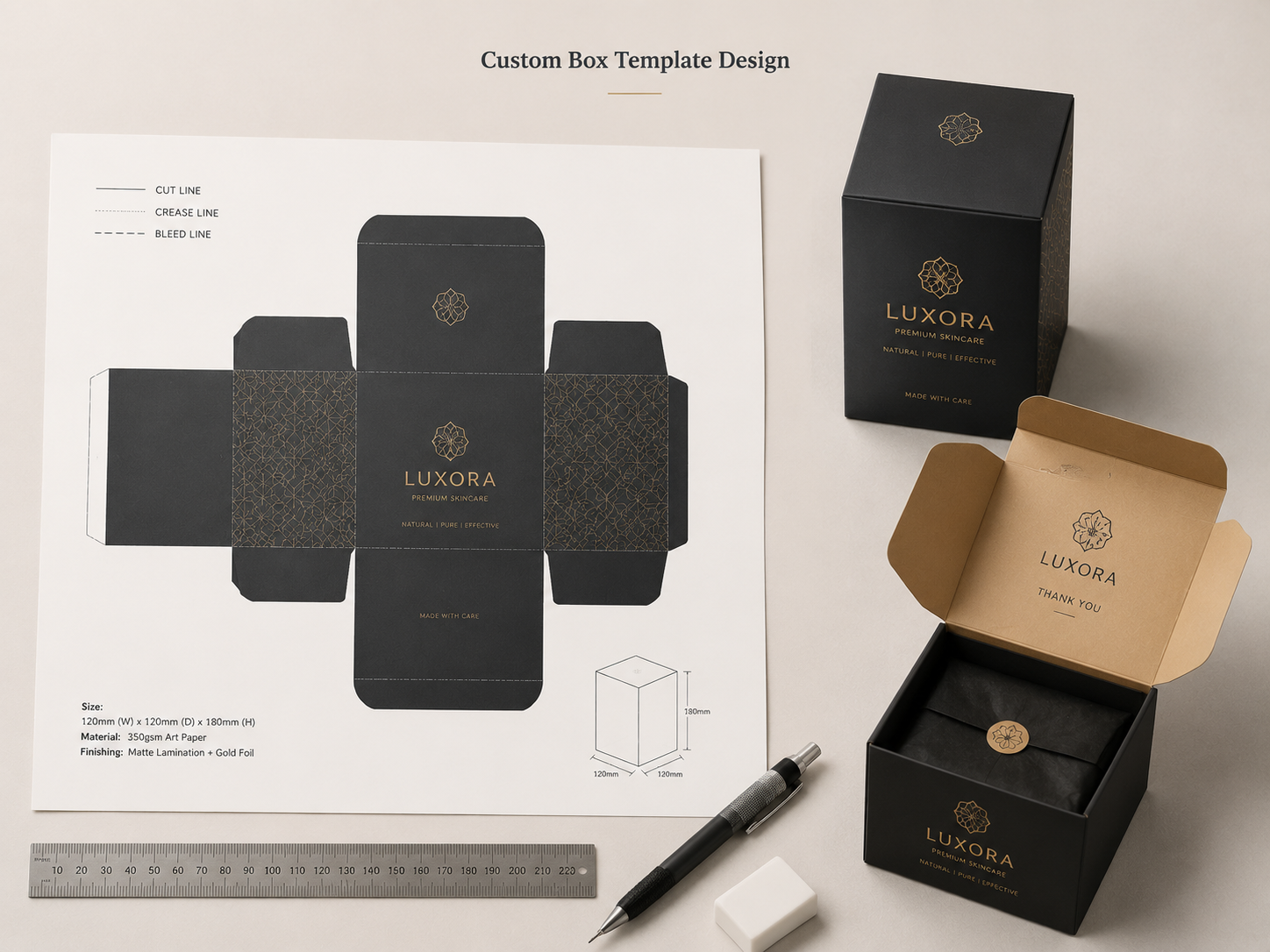
Die-cut cartons are produced using customized cutting dies instead of simple slotting. This allows complex shapes, locking tabs, and integrated handles.
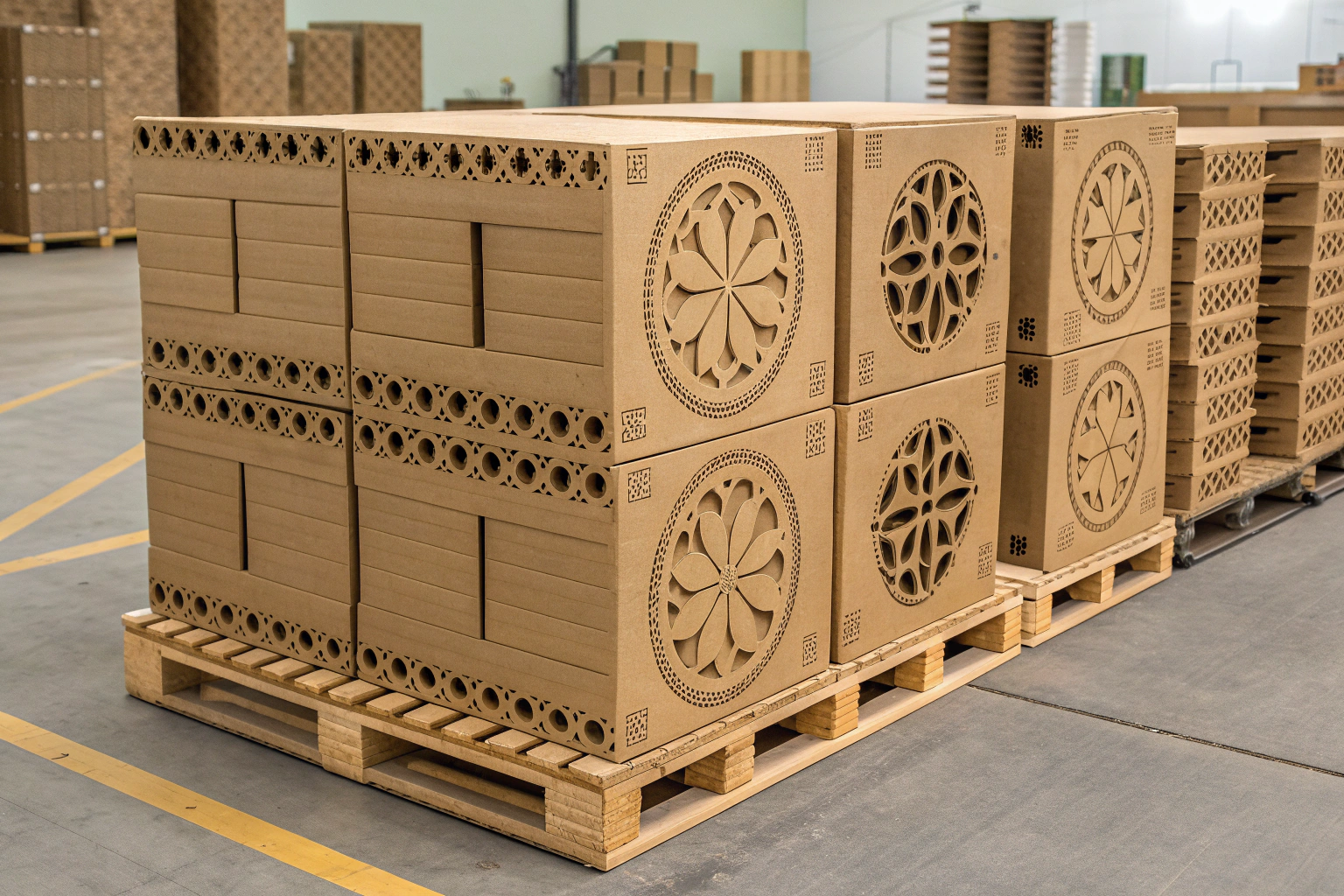
Die-cut cartons are used when precise fit, presentation, or functional design is required. They reduce the need for tape and improve assembly consistency.
Factories use die-cut cartons for retail-ready packaging, electronics, and branded product boxes.
Telescope Corrugated Cartons
Telescope cartons consist of a separate top and bottom that slide over each other. The overlap depth can be adjusted to product height.
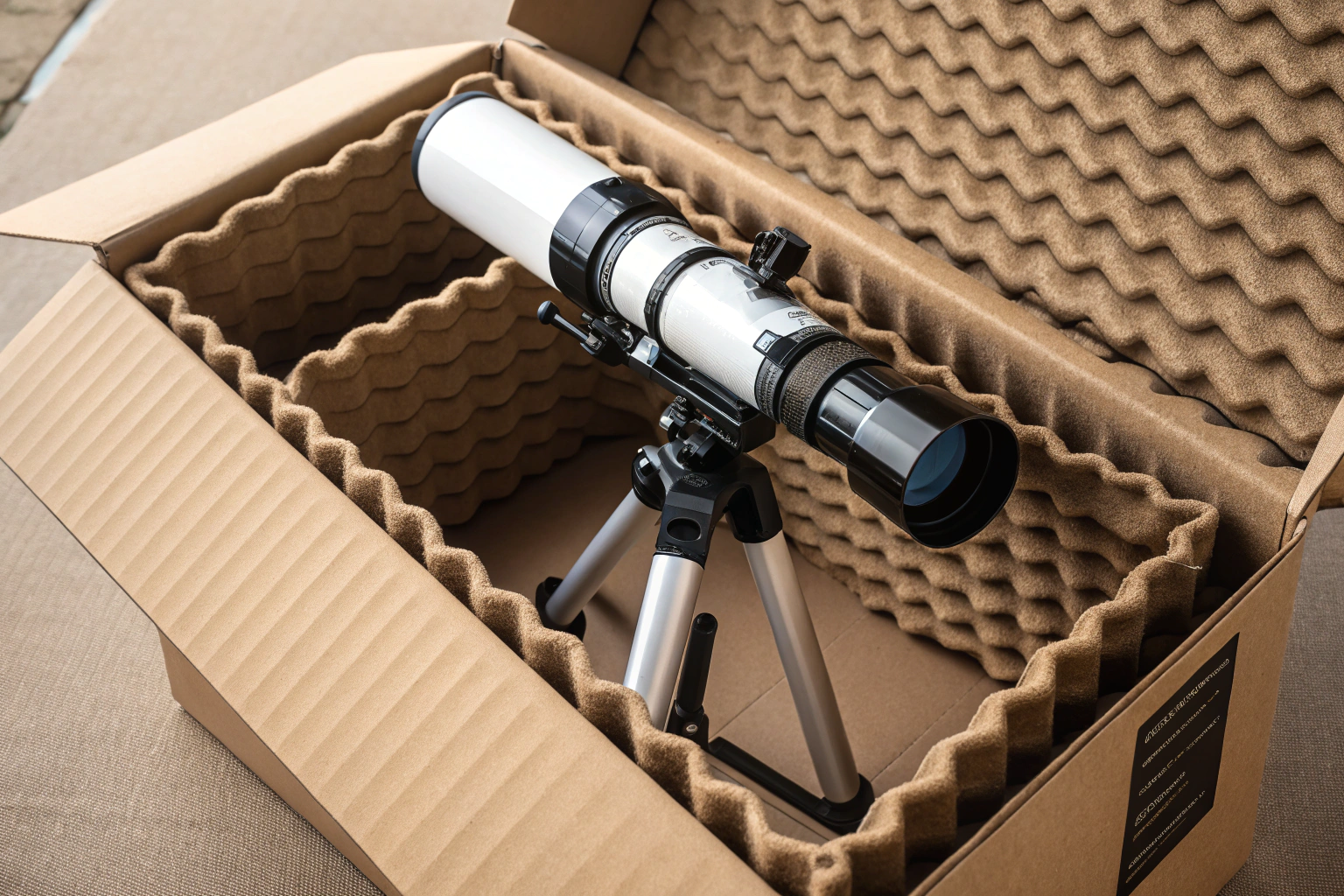
This design offers strong edge protection and flexibility in sizing. It is suitable for fragile or irregularly shaped products.
In production, telescope cartons require precise sizing control to ensure proper fit and stacking performance.
Folder-Type Corrugated Cartons
Folder-type cartons are made from one piece of corrugated board and fold around the product. They often have large panels and minimal seams.
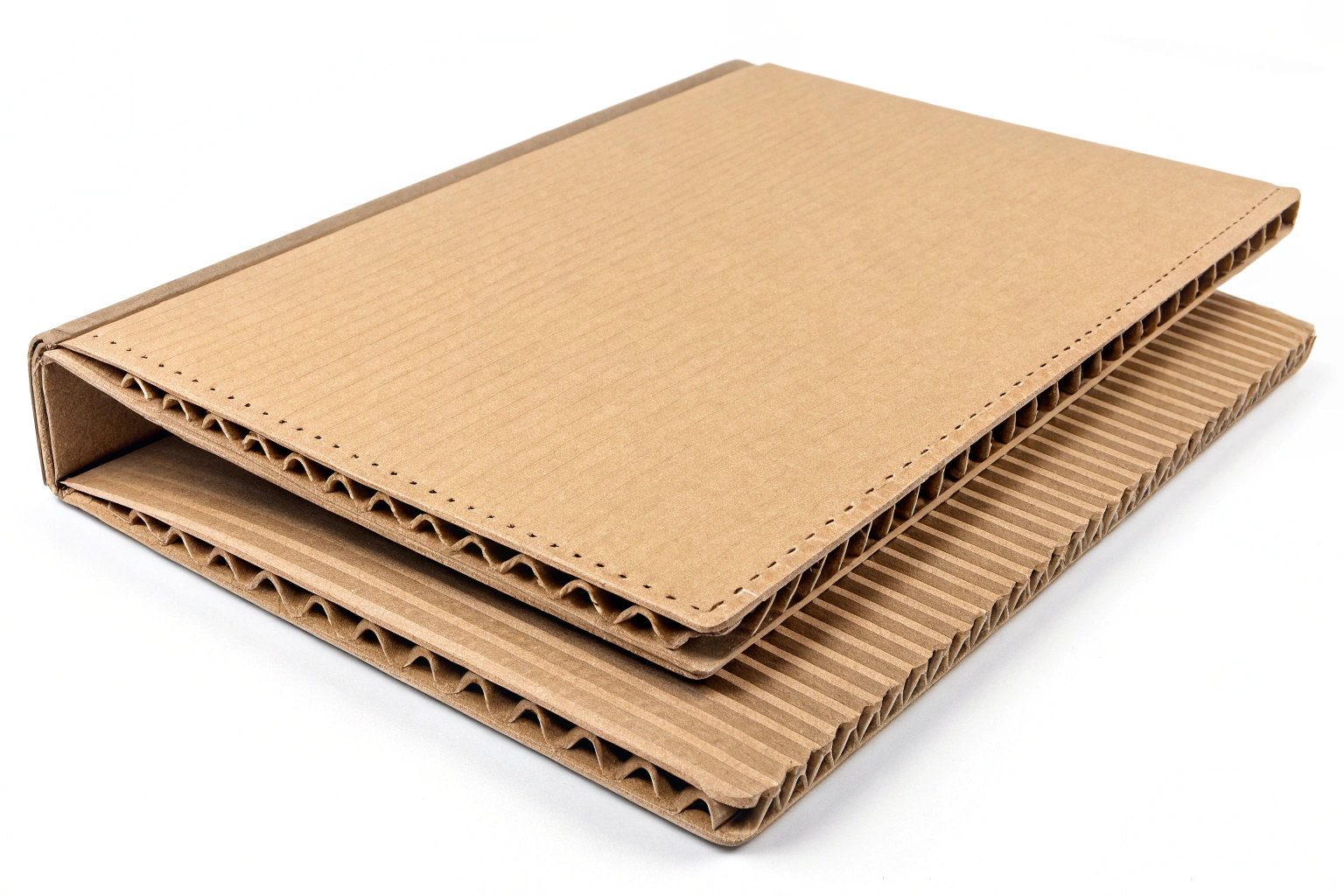
These cartons are used for flat or wide products such as panels, frames, or printed materials. They provide surface protection and structural support.
This type reduces assembly time and offers good protection for large surface areas.
Corrugated Cartons in Factory Production
Each carton type requires different production processes. Slotting machines, die-cutting machines, folding lines, and gluing systems are selected based on carton design.
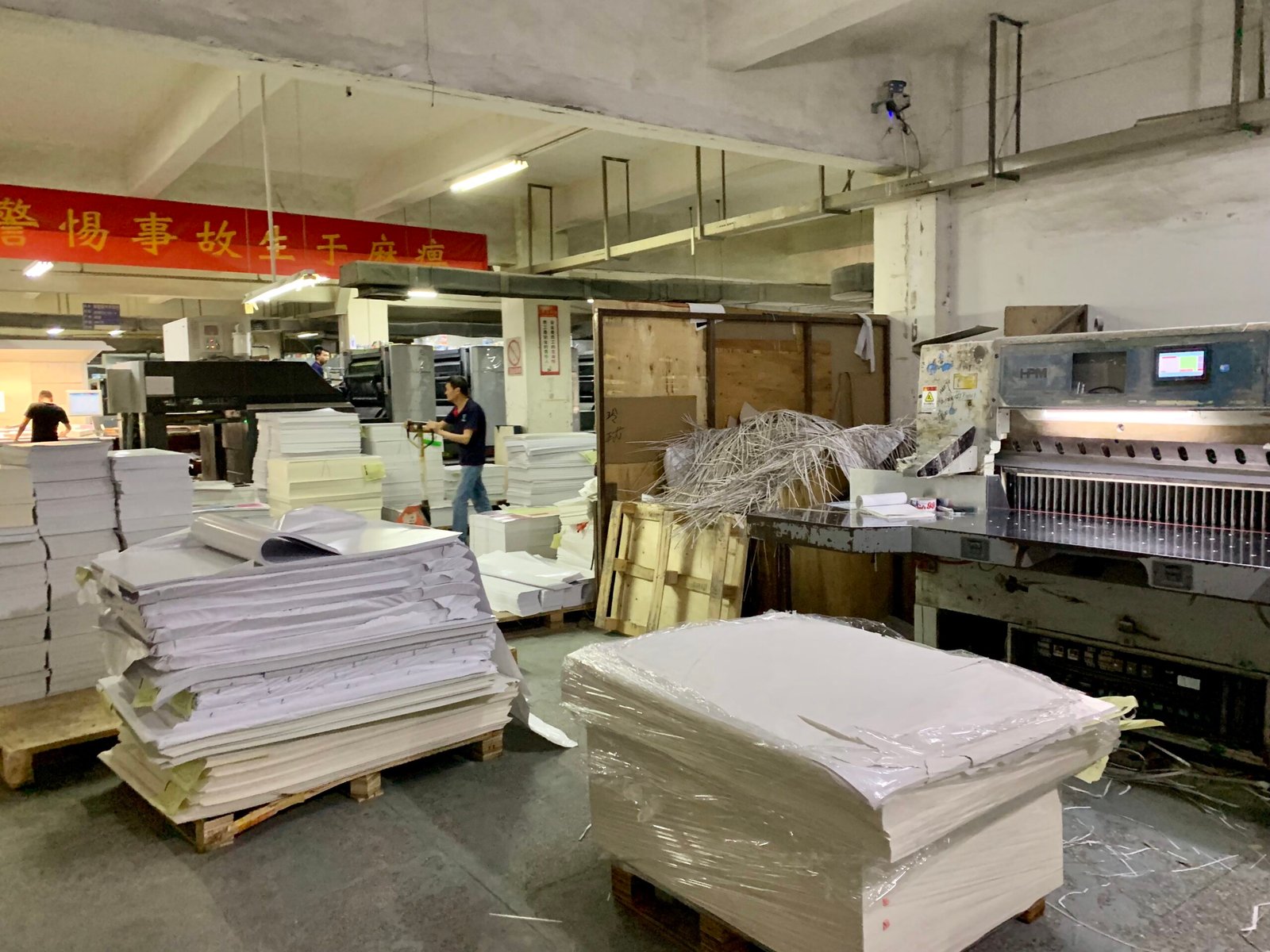
In the factory workshop, carton type influences material usage, production speed, and quality control focus. Moisture control, flute direction, and bonding strength are adjusted for each structure.
Experienced manufacturers select carton types based on performance needs rather than visual preference.
Conclusion
Corrugated cartons are available in several main types, each designed to meet specific packaging requirements. Regular Slotted Cartons focus on efficiency and cost control. Half Slotted Cartons support flexible loading. Full Overlap Cartons increase stacking strength. Die-cut cartons offer precision and presentation. Telescope cartons improve edge protection. Folder-type cartons suit large or flat products.
Understanding these six main types helps ensure that packaging structure matches product weight, handling conditions, and logistics demands. From a manufacturing perspective, correct carton selection improves production efficiency, reduces damage risk, and ensures stable performance from sample to mass production. This structural understanding is essential for creating reliable corrugated packaging systems in modern supply chains.