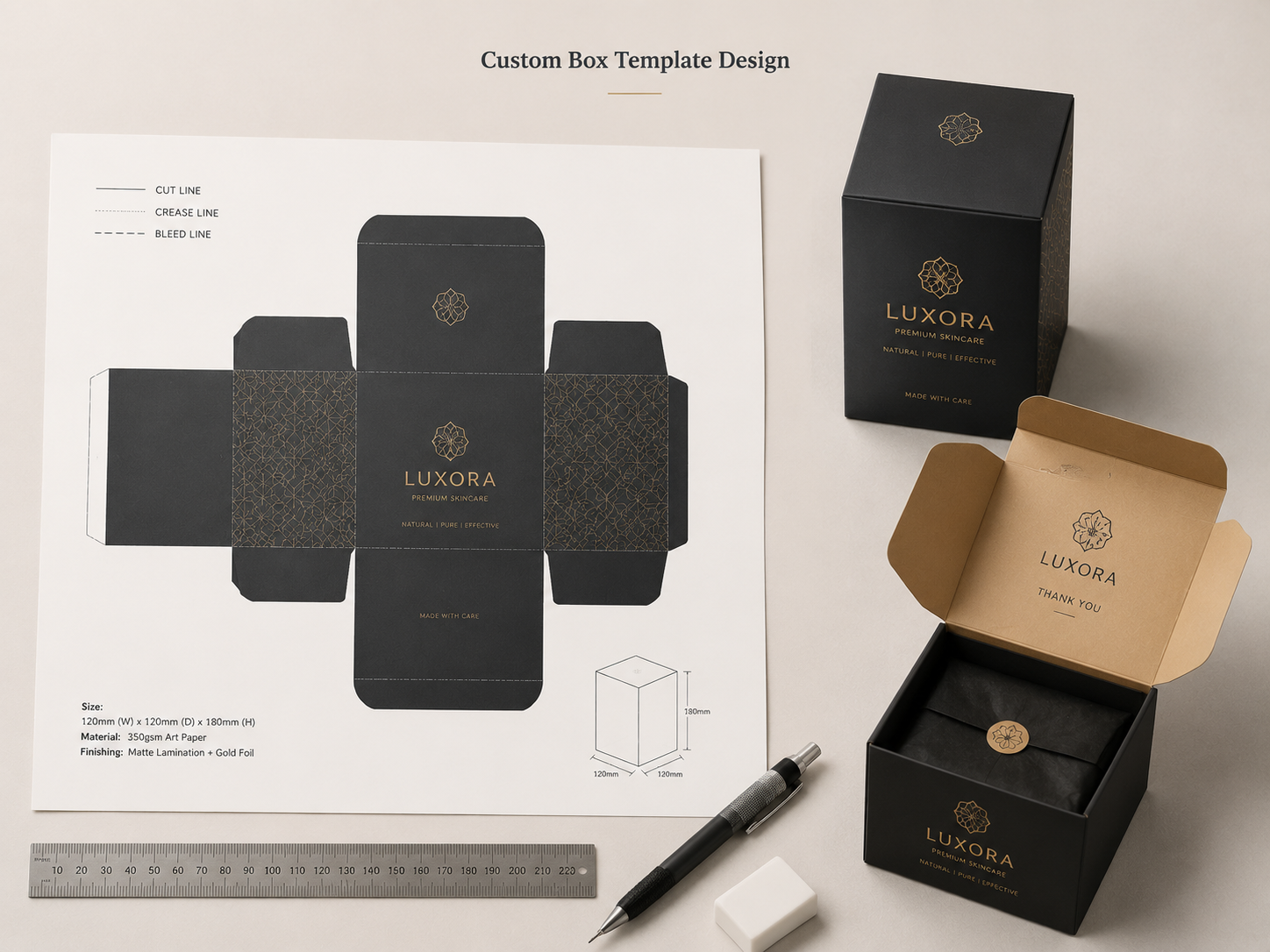
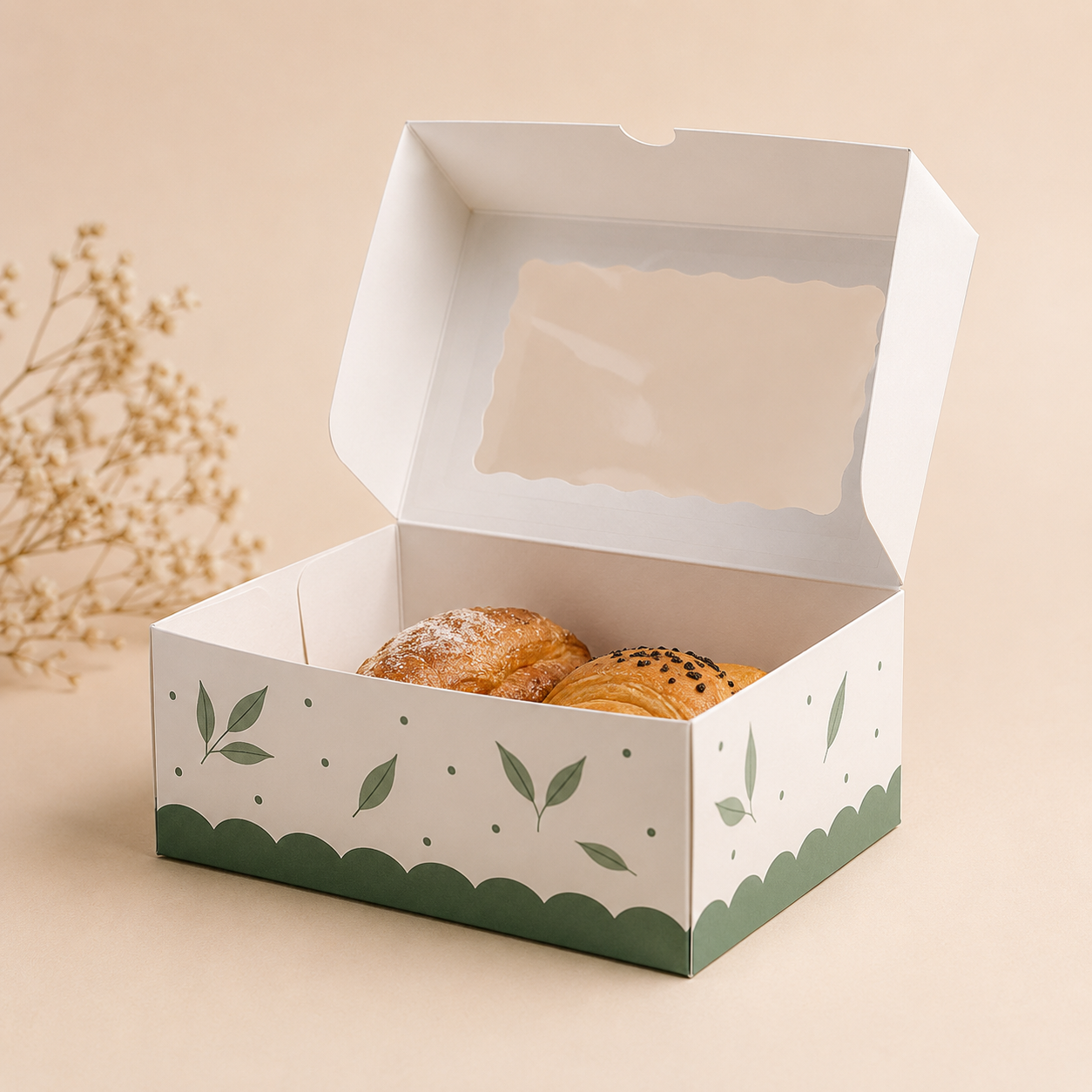
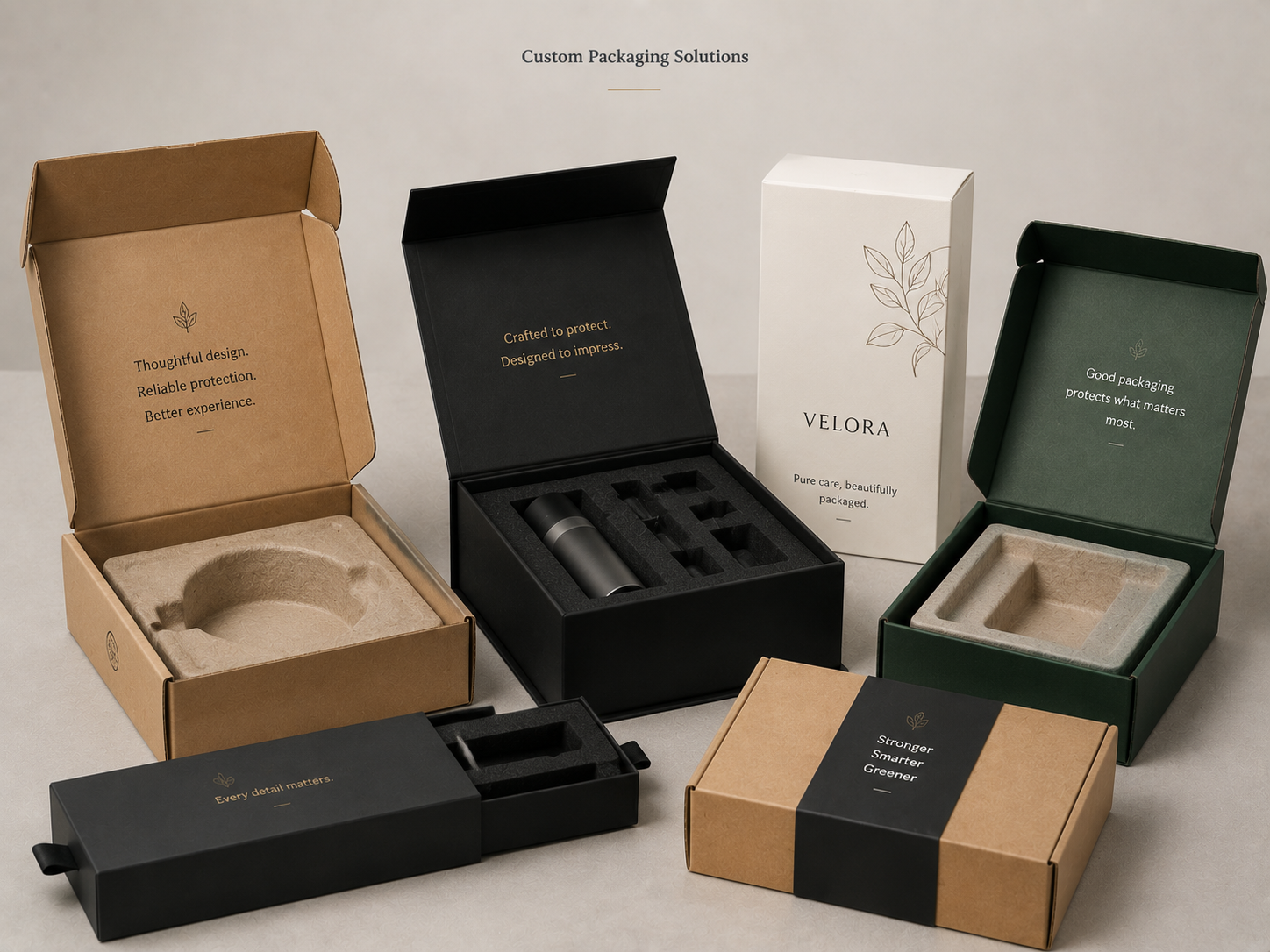
Kraft paper is often described as a single material, but in real packaging and manufacturing work, it exists in several different forms. Choosing the wrong type leads to problems such as weak structure, poor printing results, or unnecessary cost. Understanding the main types of kraft paper helps match material performance with real application needs.
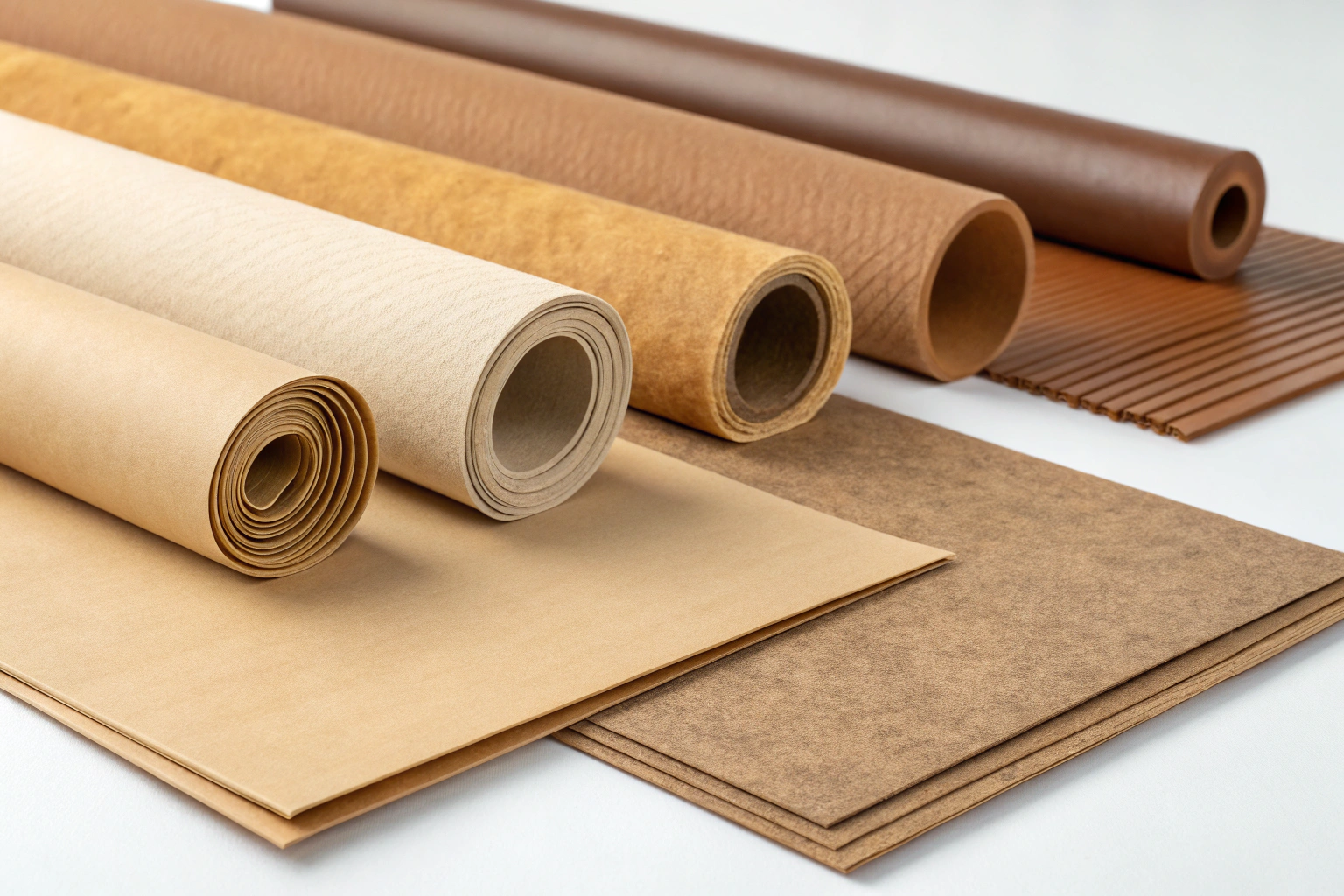
Different types of kraft paper are developed by adjusting fiber source, processing method, surface treatment, and recycling ratio. Each type serves a specific purpose in packaging, design, and production.
Kraft paper types are defined by function first, not by appearance alone. The following sections explain the most common and practical categories used in manufacturing.
Natural Brown Kraft Paper
Natural brown kraft paper is the most widely used and most recognizable type. It keeps the original fiber color and avoids heavy bleaching. This preserves fiber strength and reduces processing steps.
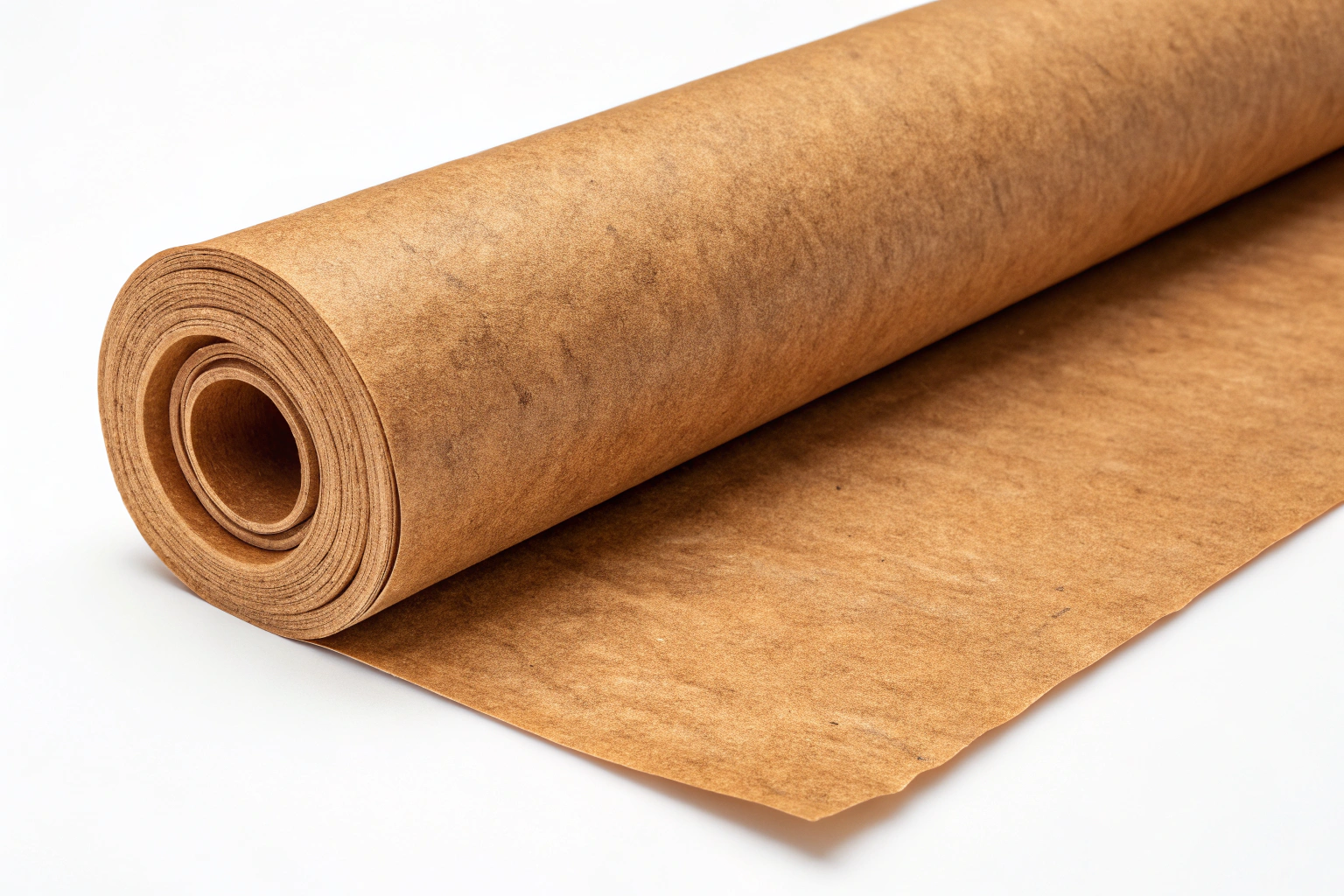
This type focuses on strength, tear resistance, and cost efficiency. It is commonly used for corrugated boxes, inner packaging, wrapping layers, and structural cartons. The surface is slightly rough, which limits very fine printing but supports simple graphics and logos well.
In factories, brown kraft paper is valued for stable performance during die-cutting, folding, and gluing. It tolerates pressure and stacking well, making it suitable for transport and storage packaging.
White Kraft Paper
White kraft paper is produced by bleaching kraft pulp to achieve a cleaner and brighter surface. While bleaching slightly reduces fiber strength, the paper still maintains better durability than standard white paper.
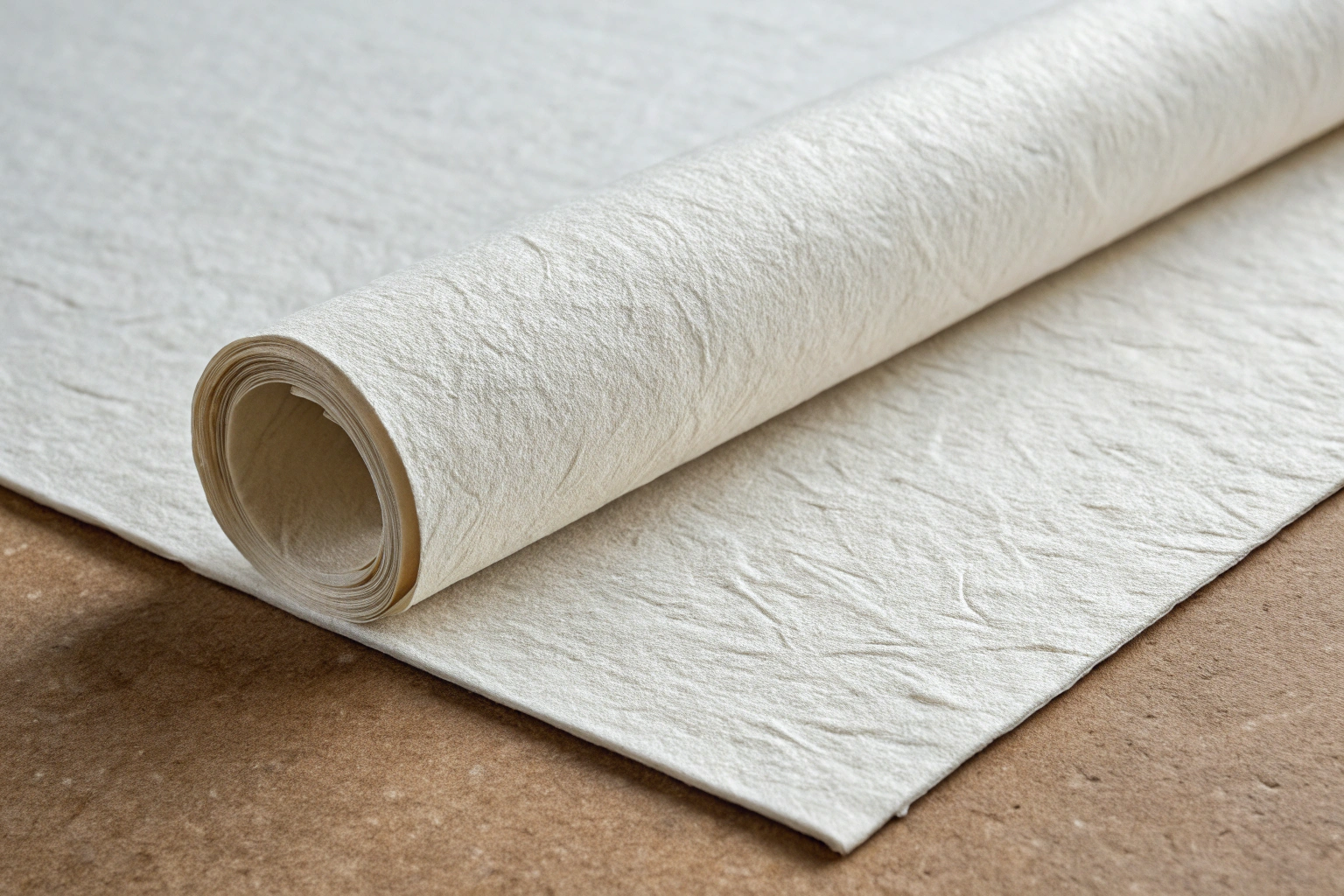
White kraft paper balances strength with visual clarity. It is often used for retail boxes, cosmetic packaging, and branded cartons where printing quality matters. The smooth surface supports detailed graphics, text, and consistent color reproduction.
In production workshops, white kraft paper requires tighter control during printing and finishing to avoid color variation. When handled properly, it delivers both structure and presentation.
Recycled Kraft Paper
Recycled kraft paper is made with a high percentage of recovered fibers. It is commonly used when environmental goals and material efficiency are priorities.
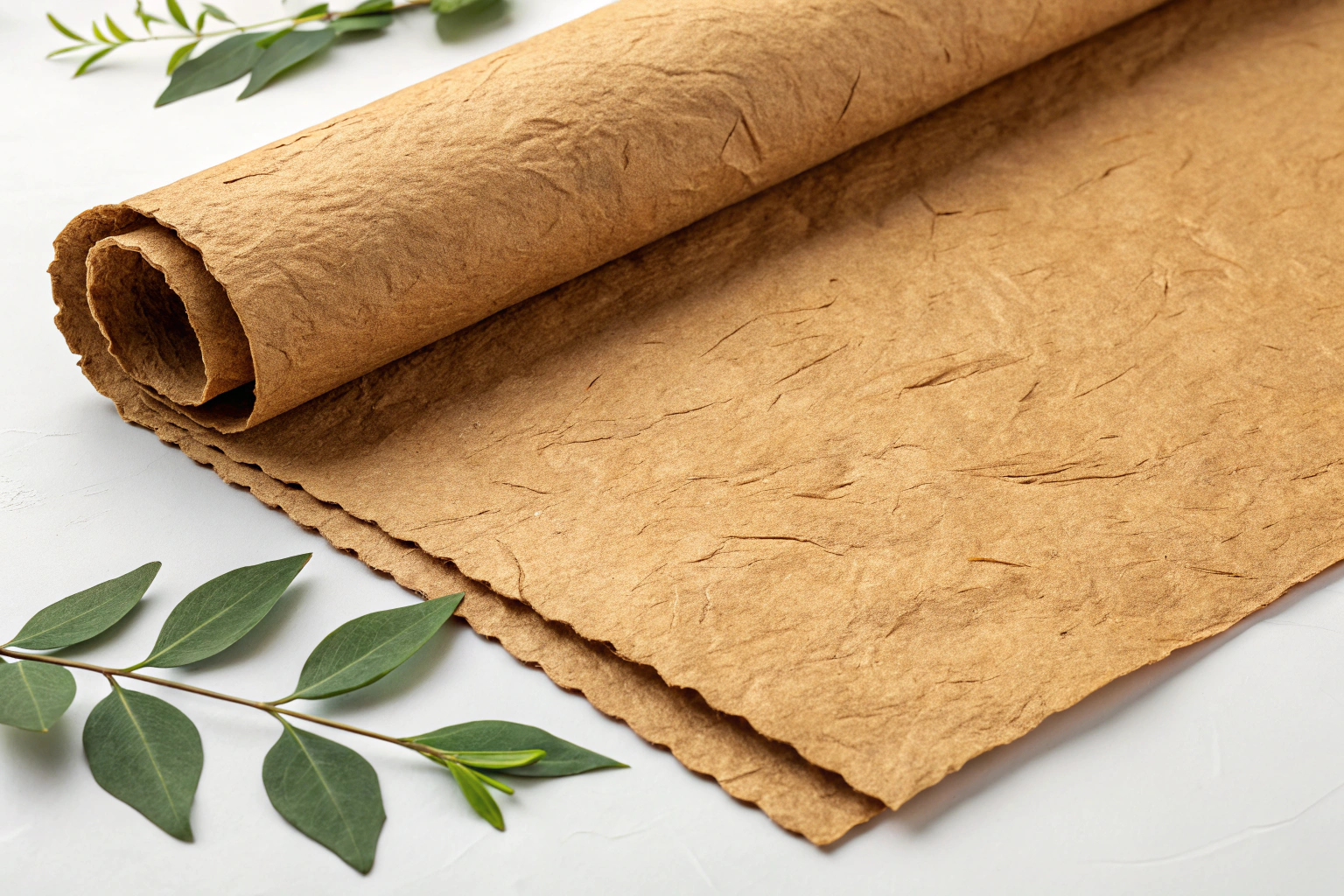
This type offers acceptable strength for many applications but is usually slightly weaker than virgin kraft paper. It is often used for inner layers, secondary packaging, mailers, and non-display cartons.
In manufacturing, recycled kraft paper is chosen carefully based on product weight and structure. Proper quality inspection ensures that recycled content does not compromise box performance.
Virgin Kraft Paper
Virgin kraft paper is produced entirely from new wood pulp without recycled fiber content. This allows maximum control over fiber length and paper consistency.
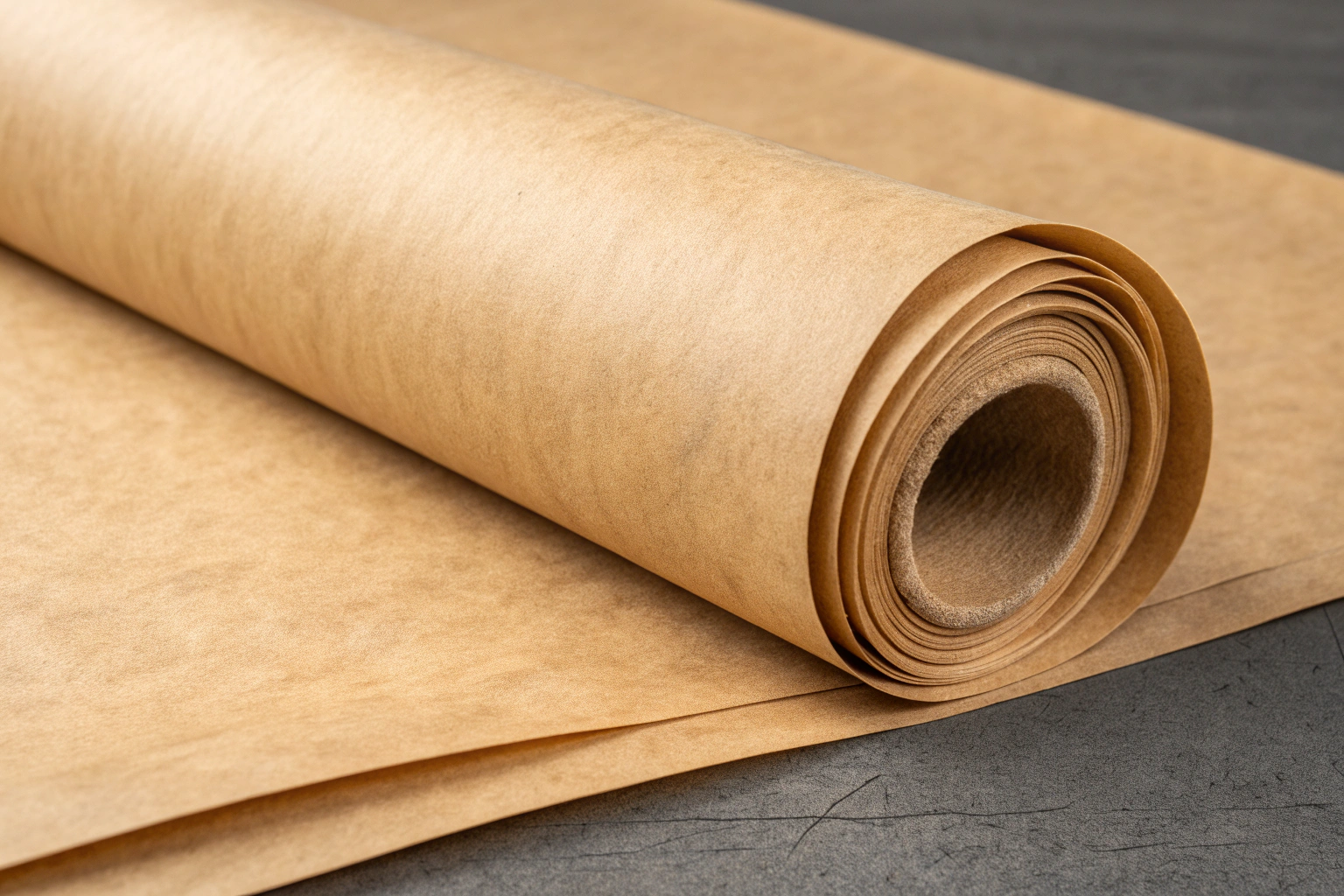
Virgin kraft paper provides the highest strength and most stable performance. It is used for heavy-duty packaging, load-bearing boxes, and applications where failure is not acceptable.
Factories use virgin kraft paper for demanding structures that require predictable folding, strong edges, and reliable compression resistance.
Coated Kraft Paper
Coated kraft paper has an added surface layer to improve smoothness, printability, or moisture resistance. The base material remains kraft paper, but the coating changes how it behaves.
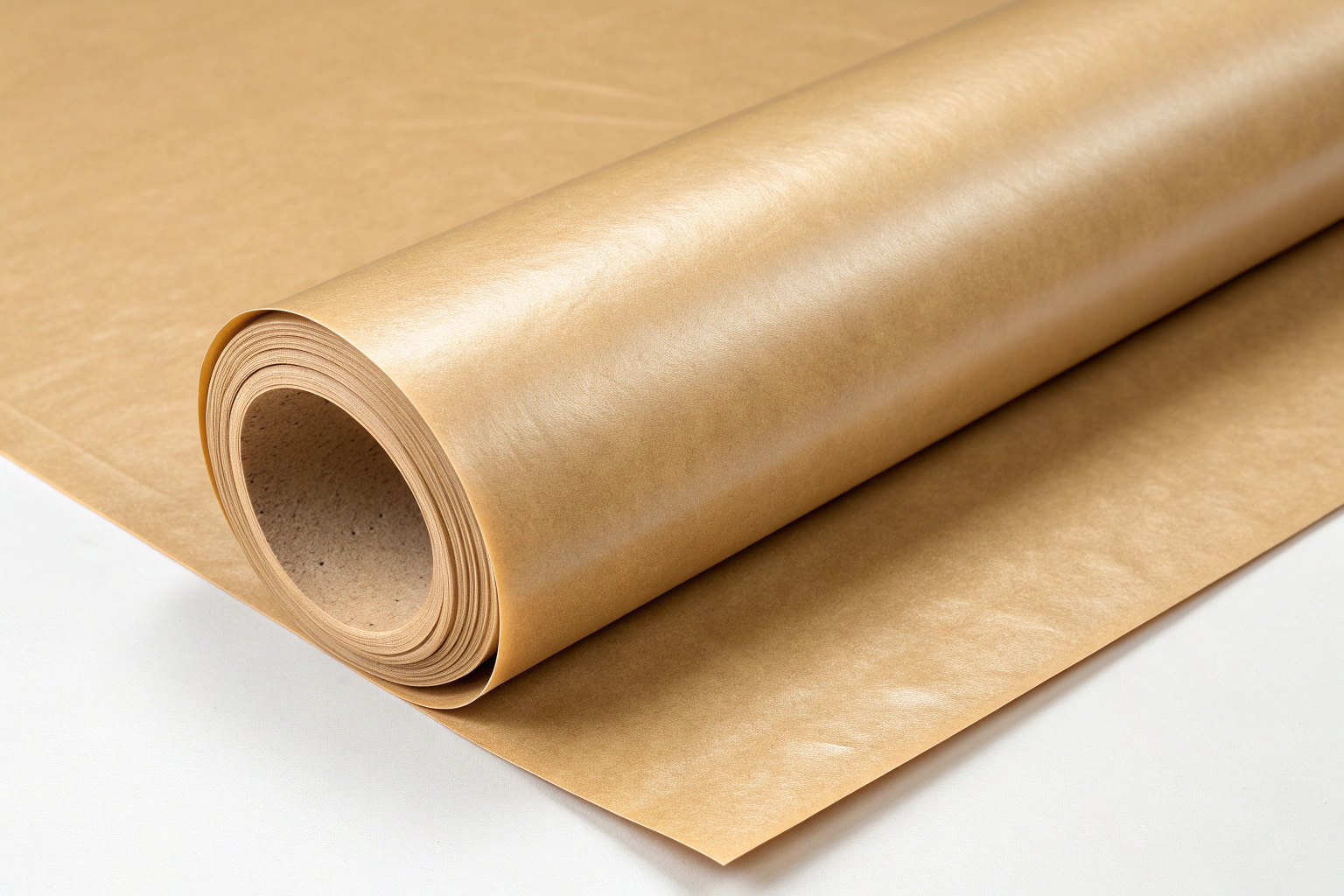
This type supports higher-quality printing and finishing while maintaining basic kraft strength. It is commonly used for premium gift boxes, branded packaging, and presentation-focused designs.
In production, coated kraft paper requires careful handling to prevent cracking along folds. When processed correctly, it combines appearance and structure.
Sack Kraft Paper
Sack kraft paper is a specialized type designed for high tensile strength and shock resistance. It is often produced from virgin fibers and optimized for flexibility.
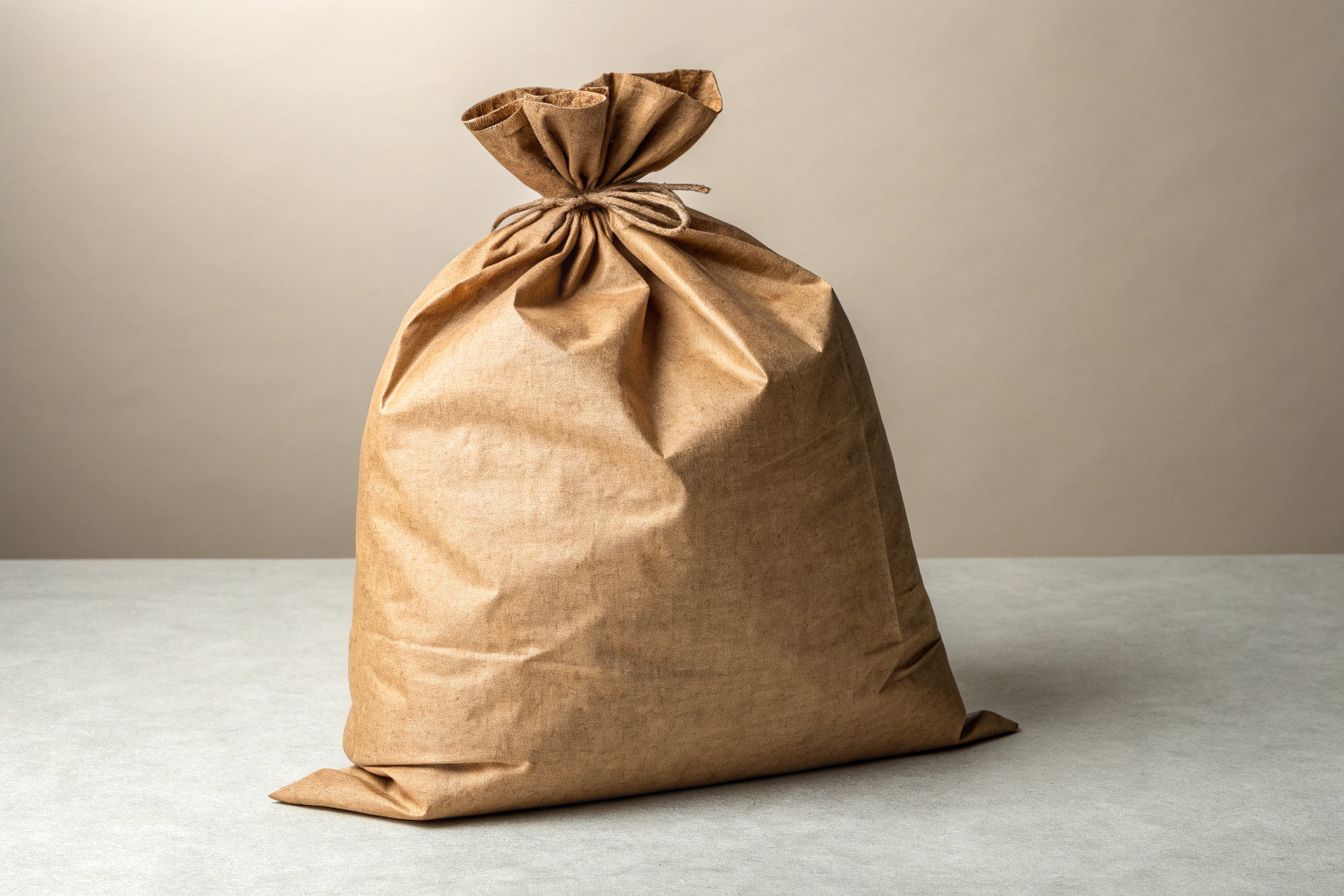
This type is used for industrial bags, multi-layer sacks, and heavy product packaging. It resists bursting and tearing during filling and transport.
Although less common in retail packaging, sack kraft paper demonstrates the extreme performance potential of kraft fibers.
How Factories Select the Right Type of Kraft Paper
In manufacturing environments, kraft paper selection is based on product weight, structure design, printing needs, and handling conditions. Material inspection focuses on grammage, moisture, stiffness, and fiber consistency.
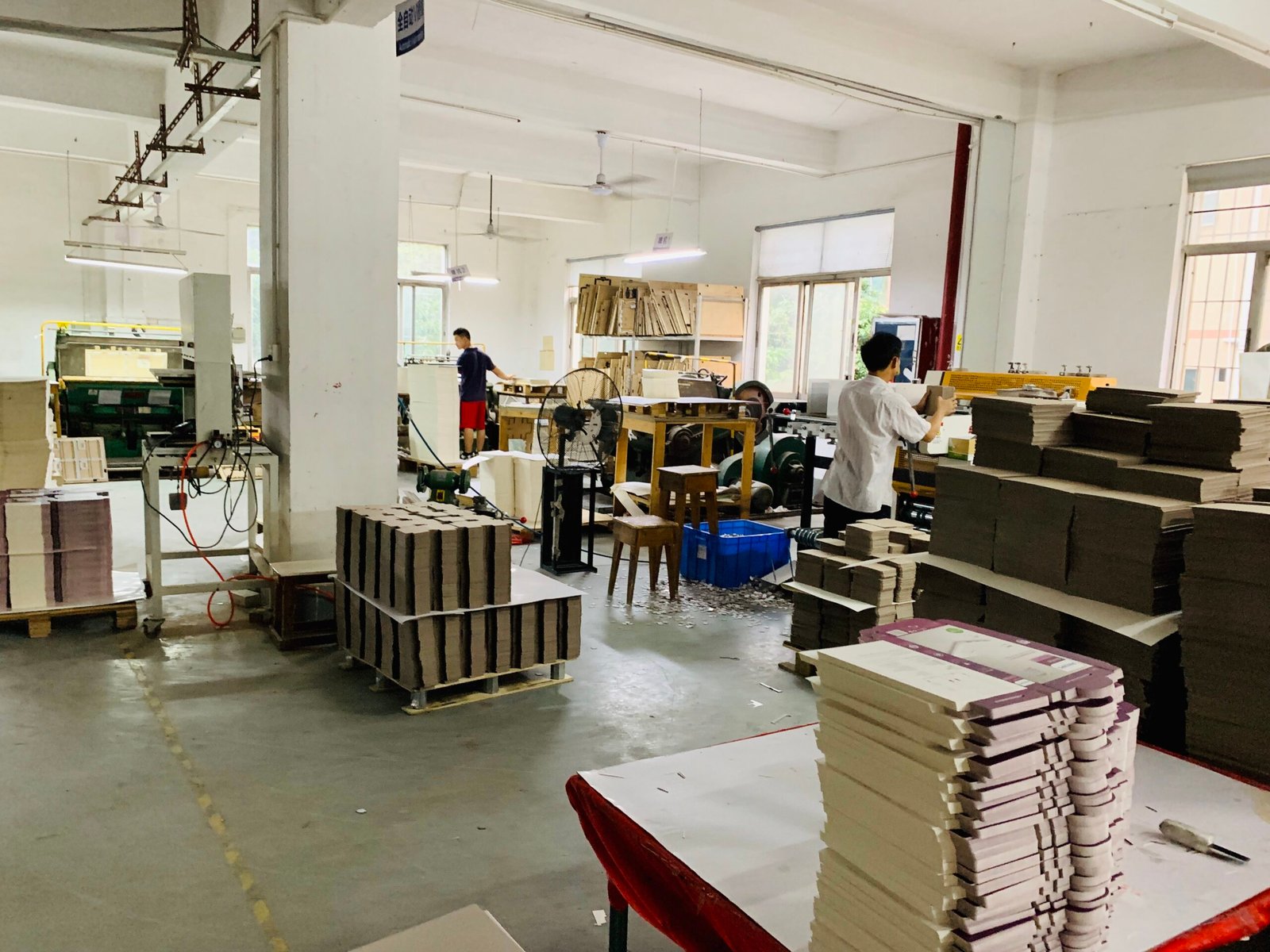
Choosing the correct kraft paper type helps reduce damage, improve efficiency, and maintain stable quality from sample to mass production. This selection process is a key part of packaging engineering.
Factories with experience understand that kraft paper is not interchangeable. Each type plays a specific role in the final packaging system.
Conclusion
Kraft paper is not a single material but a family of paper types designed for different functions. Natural brown kraft paper emphasizes strength and efficiency. White kraft paper supports branding and printing. Recycled kraft paper addresses material responsibility. Virgin kraft paper delivers maximum performance. Coated kraft paper improves appearance, while sack kraft paper focuses on extreme durability.
Understanding these differences is essential for creating packaging that performs reliably in real conditions. When the correct type of kraft paper is matched with proper structure design and controlled factory processing, packaging becomes more stable, consistent, and efficient. This is why kraft paper remains one of the most important materials in modern packaging manufacturing and continues to be adapted to meet higher performance and quality standards.