Corrugated boxes are widely used, but many buyers only see their advantages. Ignoring their limitations often leads to damaged products, poor brand image, or unnecessary cost.
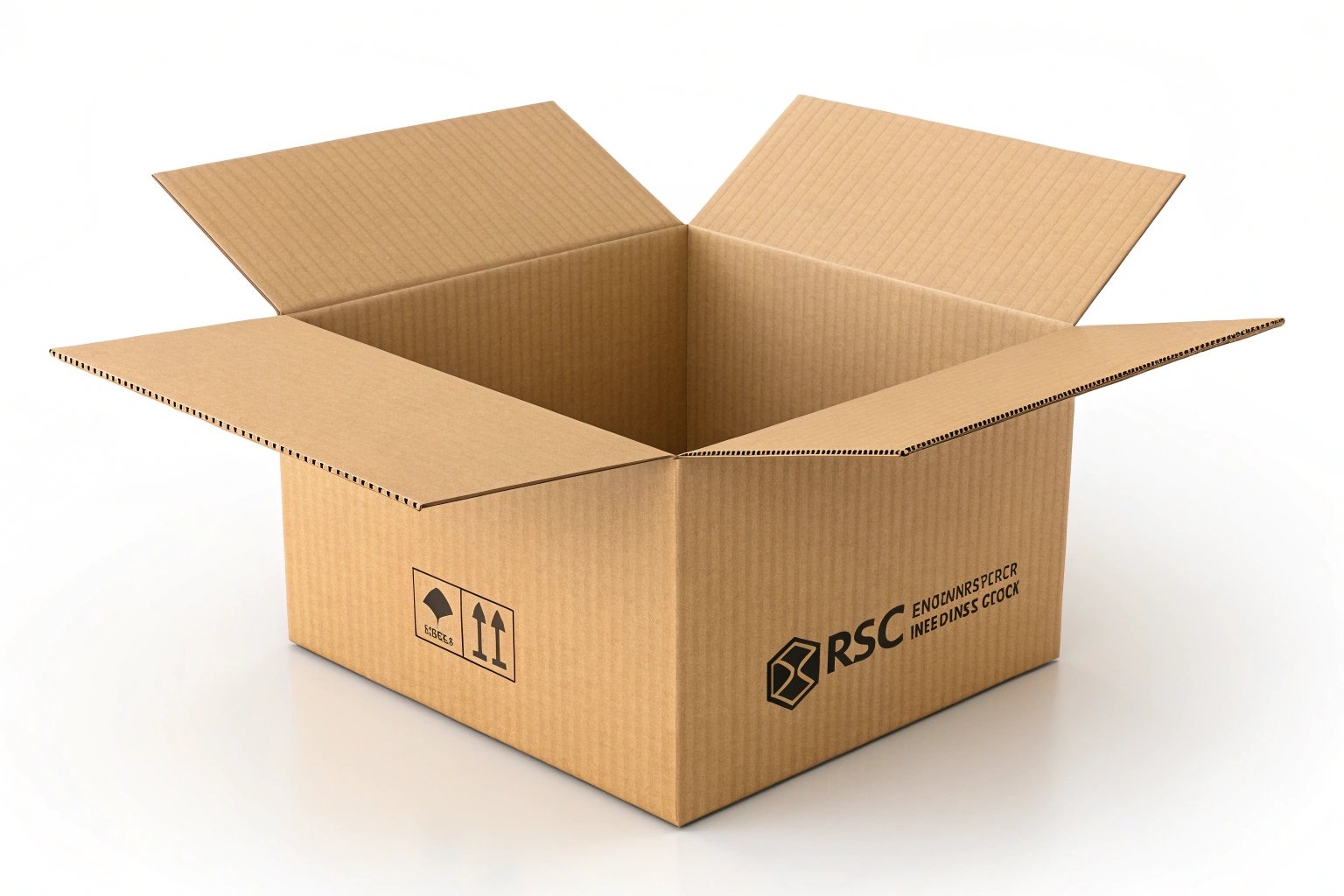
The main disadvantages of corrugated boxes include limited moisture resistance, weaker appearance for premium products, and structural limits when poorly designed or overused.
From my factory experience, corrugated boxes are excellent tools, but they are not perfect. Knowing their weaknesses helps buyers use them correctly instead of forcing them into the wrong role.
Limited Moisture and Water Resistance
Many buyers assume corrugated boxes can handle all shipping environments. This is a common misunderstanding.
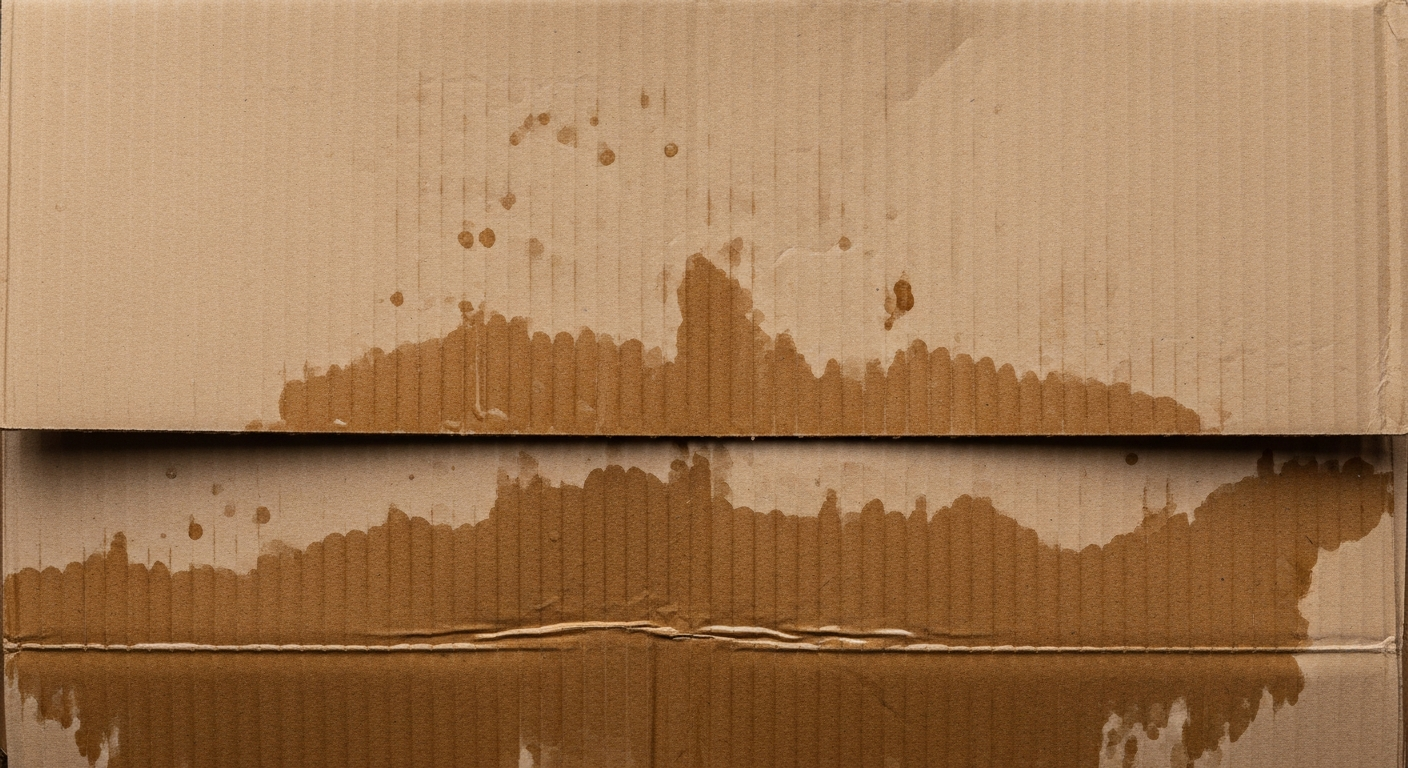
Corrugated boxes are sensitive to moisture and lose strength quickly in humid or wet conditions.
Corrugated fiberboard is paper-based. When exposed to humidity, rain, or condensation, the fibers absorb water. This weakens bonding and reduces compression strength.
Moisture-related risks
| Condition | Result |
|---|---|
| High humidity | Box softening |
| Rain exposure | Structural collapse |
| Cold chain | Condensation damage |
In export projects, we often see boxes fail not because of weight, but because of humidity during sea transport. As a factory, we usually suggest moisture-resistant liners, coatings, or inner packaging when needed. Corrugated boxes alone are not suitable for wet environments.
Limited Load Capacity Compared to Other Materials
Some buyers try to replace wooden or plastic crates with corrugated boxes. This often causes failure.
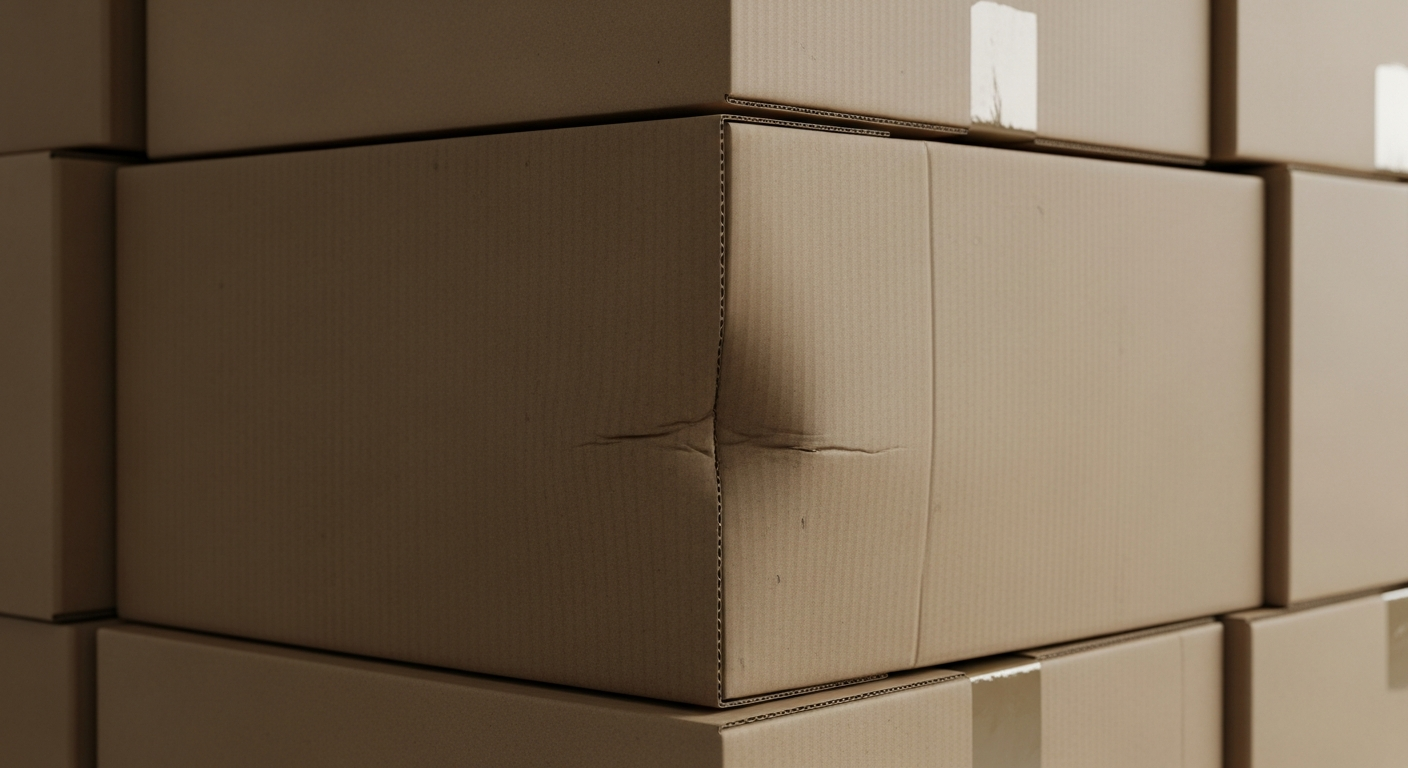
Corrugated boxes have load limits and are not suitable for extremely heavy or sharp-edged products.
From testing data, even triple-wall corrugated boxes have a maximum safe load. Overloading causes bulging or collapse.
Load limitations we see
| Product Type | Risk |
|---|---|
| Heavy machinery | Bottom failure |
| Metal parts | Puncture |
| Stacked pallets | Compression damage |
In our factory, we always test box compression and edge crush. When products exceed safe limits, we recommend reinforced structures or alternative packaging. Corrugated boxes are strong, but they are not industrial crates.
Weaker Appearance for Premium Branding
Many brands want corrugated boxes to look high-end. This is not always realistic.
Standard corrugated boxes have a more industrial look and may not match premium brand positioning.
Corrugated surfaces show flute marks. Printing is usually flexographic, which limits detail compared to offset printing.
Appearance limitations
| Aspect | Limitation |
|---|---|
| Surface smoothness | Flute shadow |
| Printing detail | Lower resolution |
| Luxury feel | Hard to achieve |
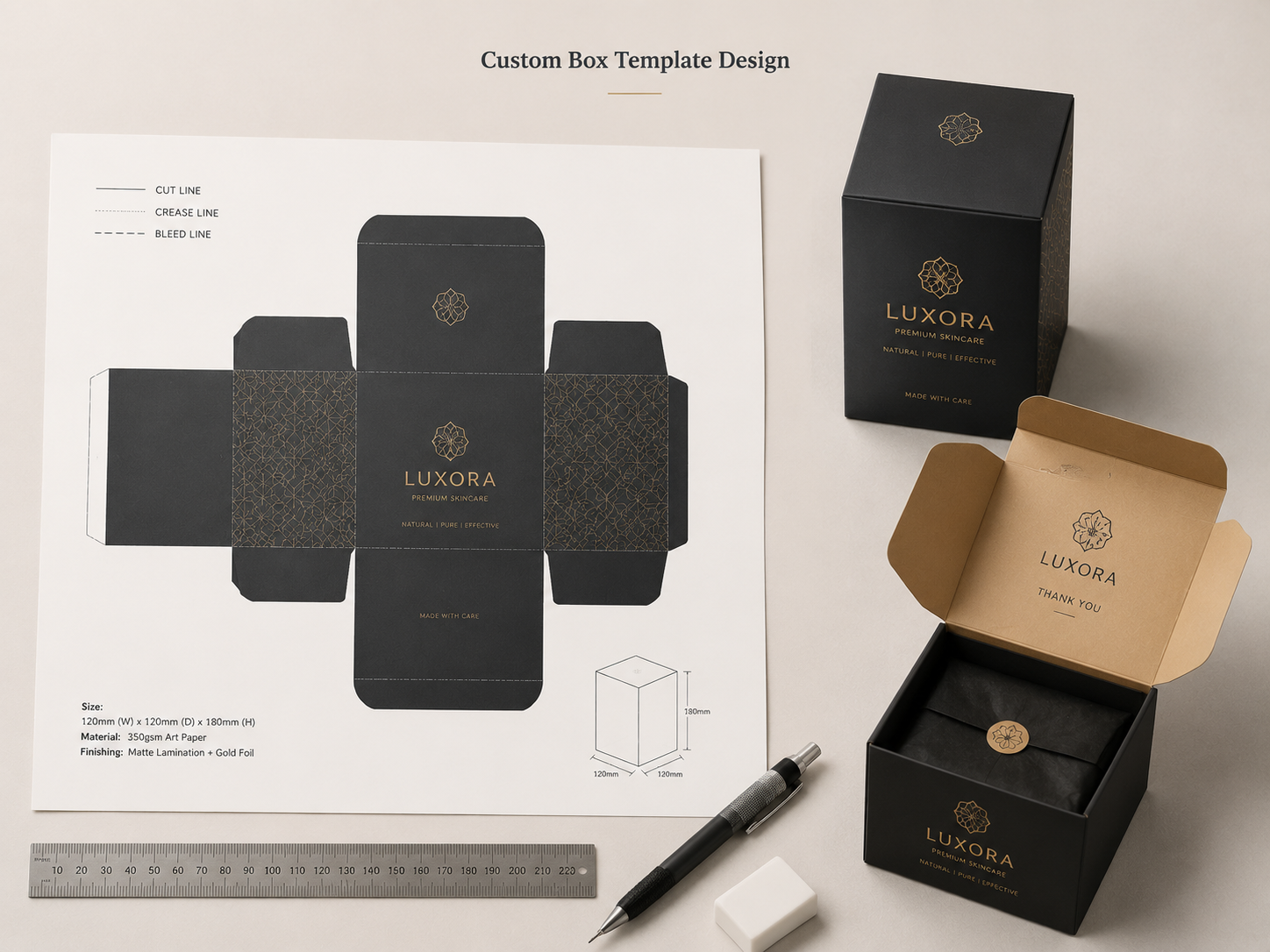
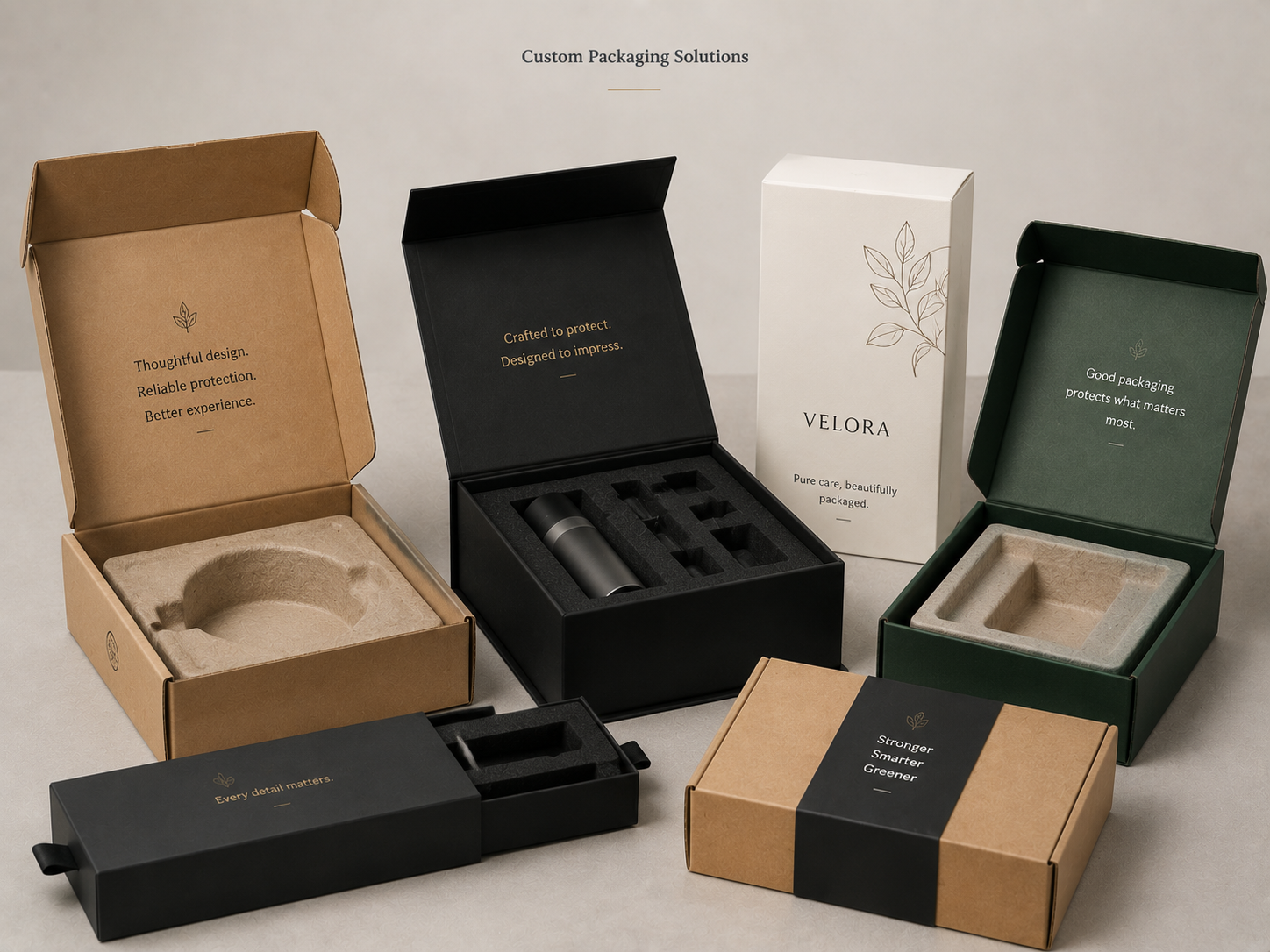
In premium electronics and cosmetics projects, we often use corrugated boxes as outer shippers only. The inner box is usually a cardboard or rigid box. This keeps protection strong and brand image clean.
Space Inefficiency for Some Products
Some buyers believe corrugated boxes always save space. This is not always true.
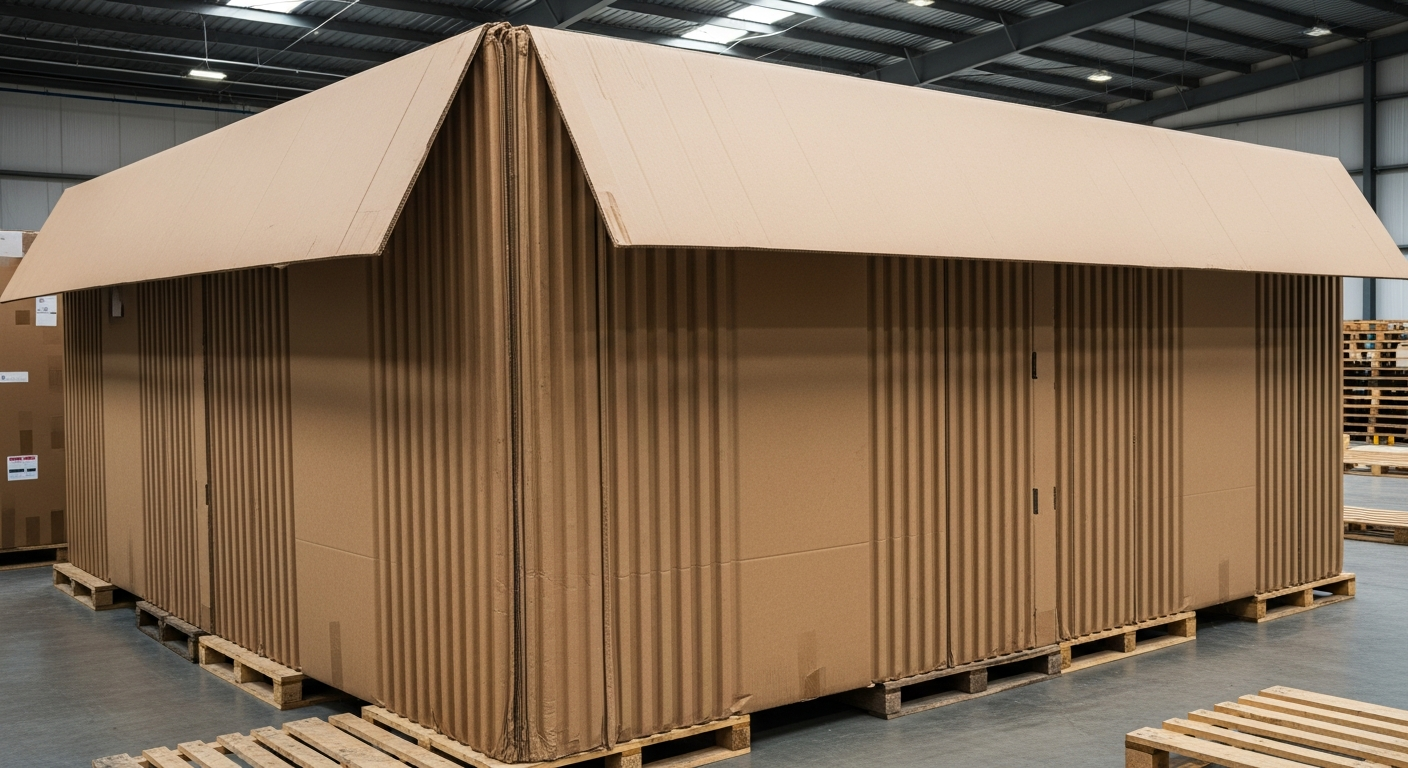
Corrugated boxes can waste space when box size and flute structure are not optimized.
Corrugated walls are thicker than cardboard. Poor sizing increases external dimensions quickly.
Space-related disadvantages
| Issue | Impact |
|---|---|
| Oversized box | Higher freight cost |
| Thick flute | Low volume efficiency |
| Poor insert design | Empty space |
In our design stage, we often reduce flute size or redesign inserts to control outer dimensions. Without factory input, corrugated boxes often become larger than needed.
Structural Limits for Small or Complex Boxes
Corrugated boxes are not ideal for every box size or shape.
Very small boxes or complex structures are difficult to produce with corrugated board.
From production experience, corrugated board has bending and creasing limits.
Design limitations
| Design Type | Problem |
|---|---|
| Very small boxes | Poor folding |
| Thin walls | Cracking |
| Complex shapes | High waste |
For small retail boxes, we usually recommend cardboard or rigid boxes. Corrugated boxes work best for medium to large sizes with simple structures.
Lower Precision Compared to Cardboard Boxes
Some buyers expect tight tolerances from corrugated boxes. This expectation is risky.
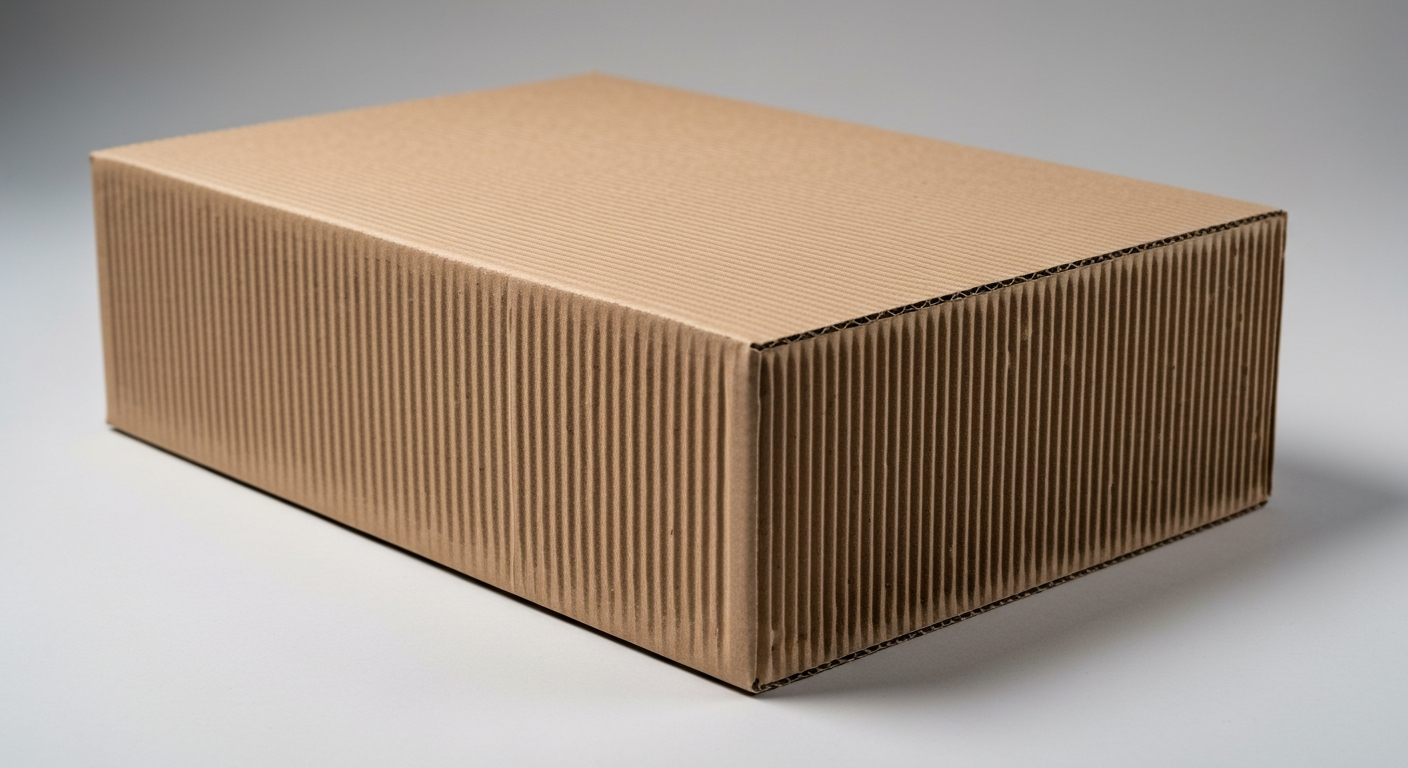
Corrugated boxes have larger dimensional tolerance due to flute structure and paper behavior.
Humidity, flute direction, and paper variation affect final size.
Tolerance-related issues
| Factor | Effect |
|---|---|
| Humidity change | Size variation |
| Flute direction | Uneven folding |
| Paper thickness | Dimensional shift |
In our factory, we always allow more tolerance for corrugated packaging. If a project needs high precision, corrugated boxes may not be the best choice.
Higher Cost for Short Runs or Heavy Customization
Many buyers think corrugated boxes are always cheap. This is not true in every case.
Custom corrugated boxes can become costly for small orders or complex designs.
Tooling, setup, and material waste increase cost at low volumes.
Cost disadvantages
| Situation | Result |
|---|---|
| Small MOQ | High unit price |
| Custom die cuts | Tooling cost |
| High-strength board | Material cost |
For short runs, cardboard boxes or stock corrugated boxes may be more cost-effective. As a factory, we often provide tiered options so buyers can choose wisely.
How Do We Help Buyers Reduce These Disadvantages?
Corrugated boxes are not bad. They just need correct use.
Most disadvantages of corrugated boxes can be reduced through proper design, testing, and factory involvement.
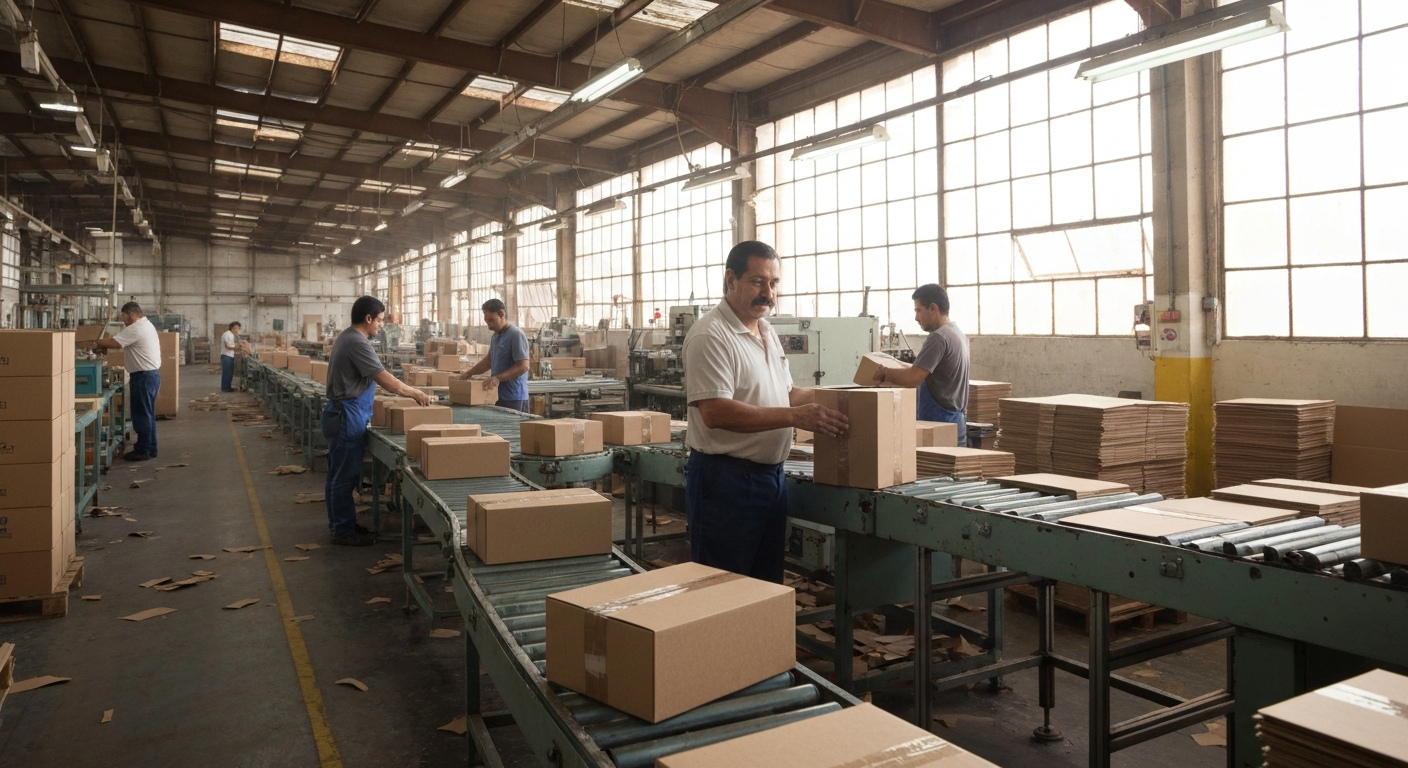
In our workflow, we evaluate environment, weight, logistics, and brand needs before finalizing a solution.
Our optimization approach
- Evaluate shipping environment
- Test load and compression
- Optimize flute and liner
- Combine with inner packaging
This approach helps buyers get the benefits without suffering the drawbacks.
Conclusion
Corrugated boxes have clear disadvantages, including moisture sensitivity, appearance limits, and structural constraints. These issues appear when corrugated packaging is used in the wrong way.
As a manufacturer, my role is to help buyers understand both strengths and weaknesses. When corrugated boxes are used where they fit best, they remain one of the most reliable and cost-effective packaging solutions available.