Corrugated cardboard is widely used in packaging, but it is not without limitations. Packaging problems such as deformation, moisture damage, or high space usage often appear when corrugated board is applied beyond its suitable range.
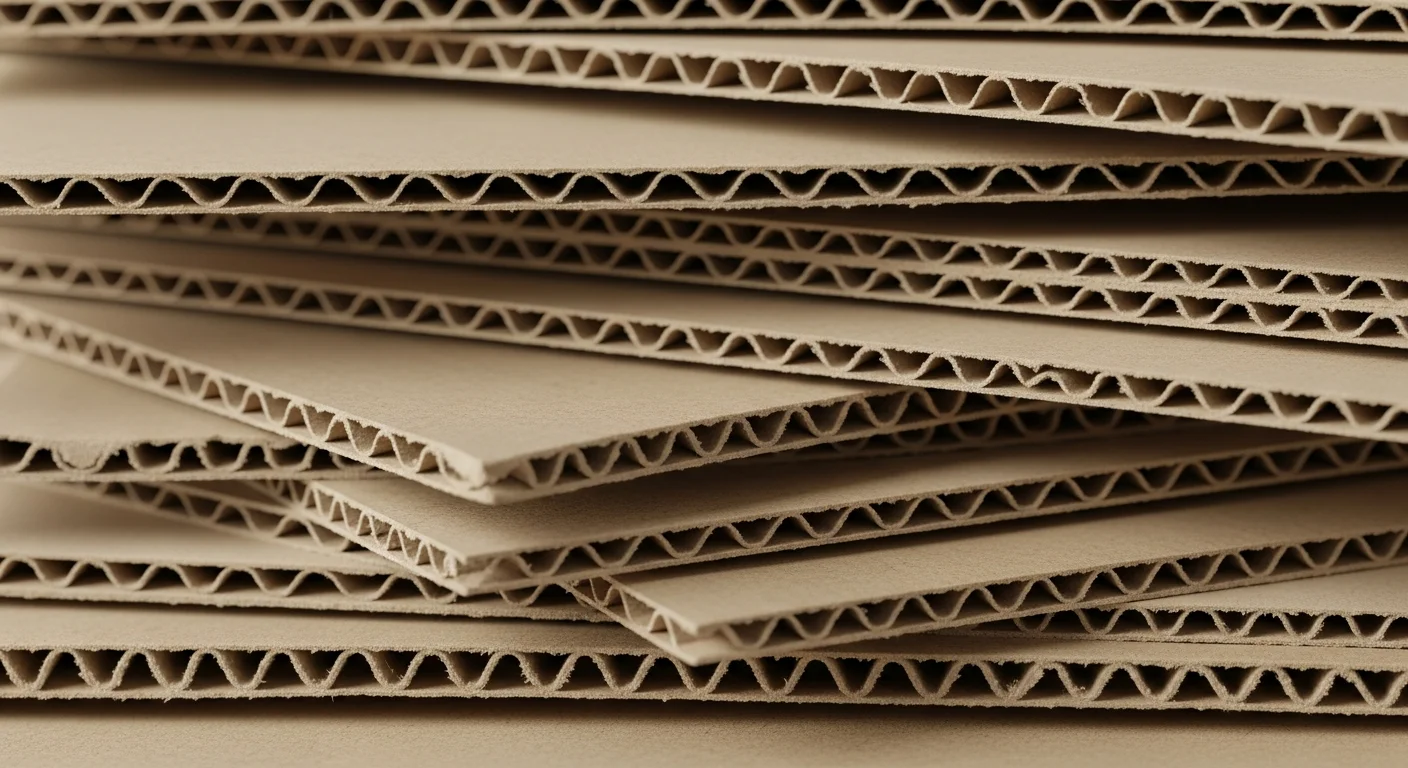
The disadvantages of corrugated cardboard mainly relate to moisture sensitivity, limited durability, space efficiency, and performance limits under extreme conditions. These factors must be understood at the manufacturing and application stage.
From a manufacturer’s perspective, corrugated cardboard performs best when its limitations are clearly defined and controlled through design, material selection, and process management.
Sensitive to Moisture and Humidity
Moisture is one of the most significant disadvantages of corrugated cardboard.
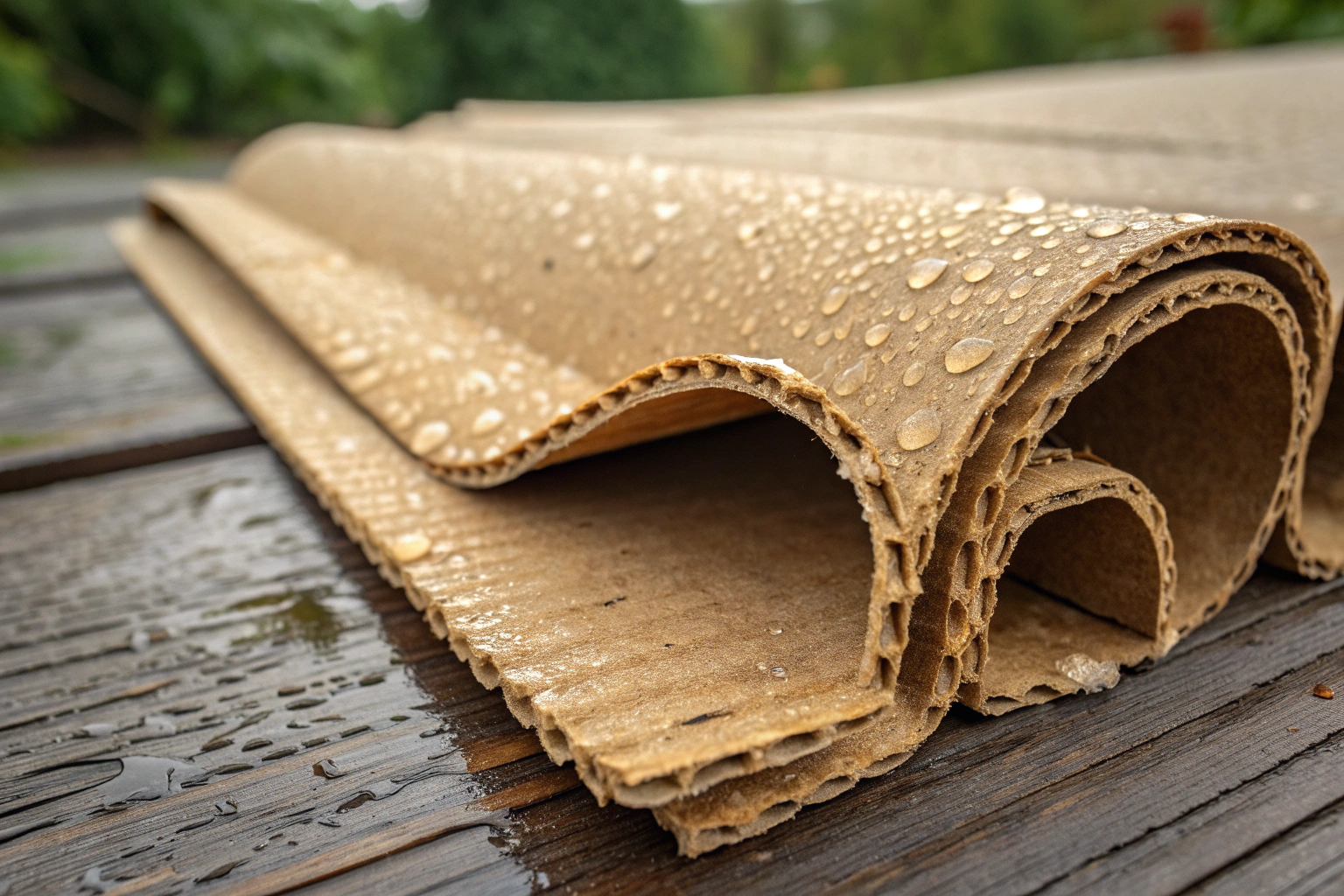
Corrugated cardboard loses strength rapidly when exposed to high humidity or direct moisture.
Paper fibers absorb moisture from the air. When this happens, linerboard softens and flutes lose stiffness. Compression strength drops, and boxes may collapse during stacking.
In factory workshops, moisture control is critical. Paper storage areas require stable humidity. During production, excessive steam or uneven drying increases future deformation risk. For long-distance shipping or humid environments, additional treatments or alternative materials may be required.
Limited Long-Term Durability
Corrugated cardboard is designed for single or short-term use.
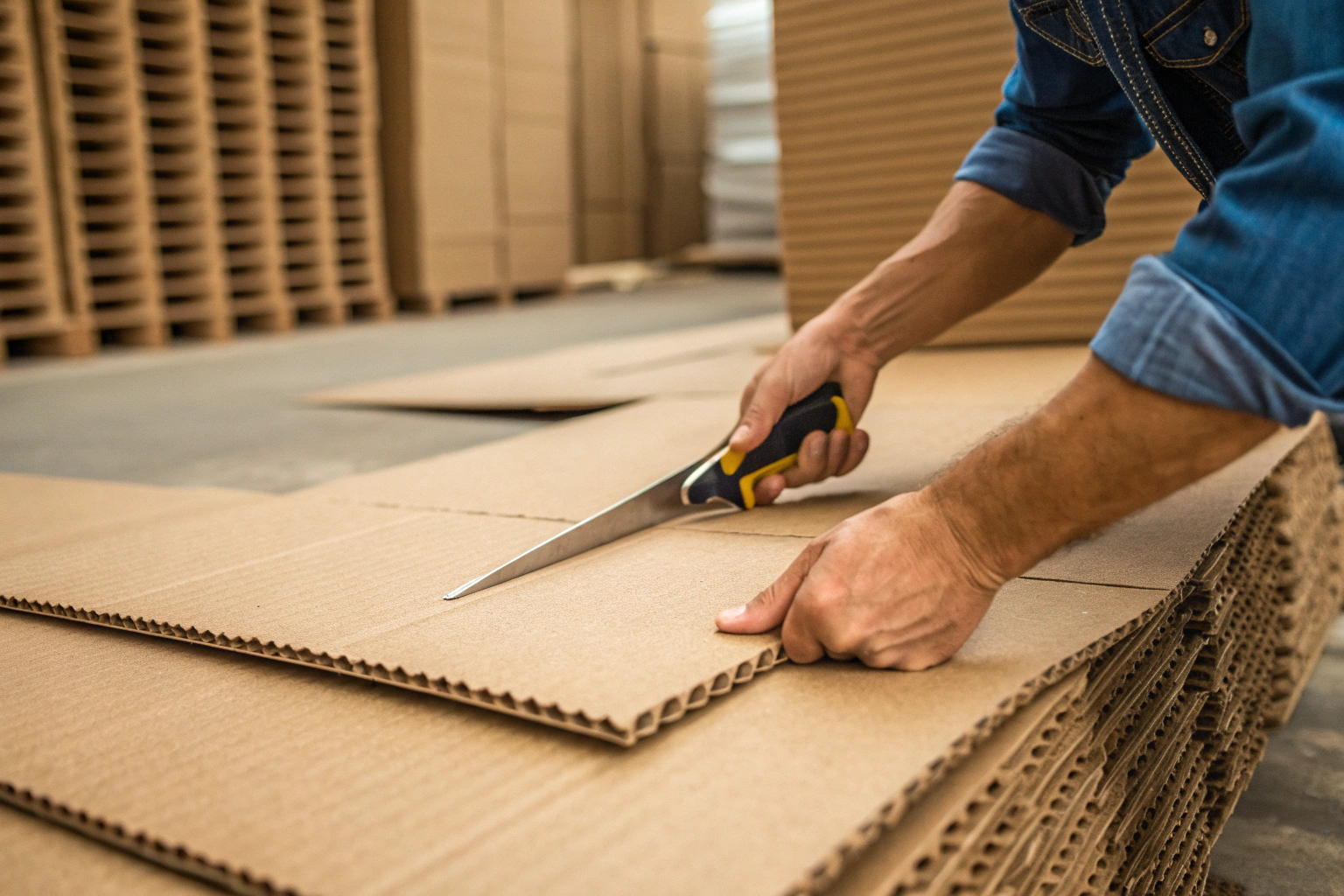
Corrugated cardboard does not perform well in repeated-use or long-term outdoor conditions.
Repeated handling weakens edges and corners. Flutes become crushed over time, reducing load-bearing capacity. Exposure to sunlight, temperature changes, and abrasion accelerates degradation.
In manufacturing planning, corrugated boxes are rarely designed for long service life. For reusable systems, reinforced designs or other materials are often considered. Using corrugated board outside its intended lifecycle leads to higher failure rates.
Lower Resistance to Sharp Impact and Puncture
Another limitation is puncture resistance.
Corrugated cardboard can be punctured by sharp edges or concentrated force.
While flutes absorb distributed impact well, sharp objects can penetrate liners and collapse flutes locally. Heavy products with sharp corners require inner protection or reinforced structures.
In factory design departments, this disadvantage is addressed by using thicker liners, double wall boards, or internal inserts. Without these adjustments, product damage risk increases during handling and transport.
Space and Volume Efficiency Limitations
Corrugated cardboard can create space inefficiency in some cases.
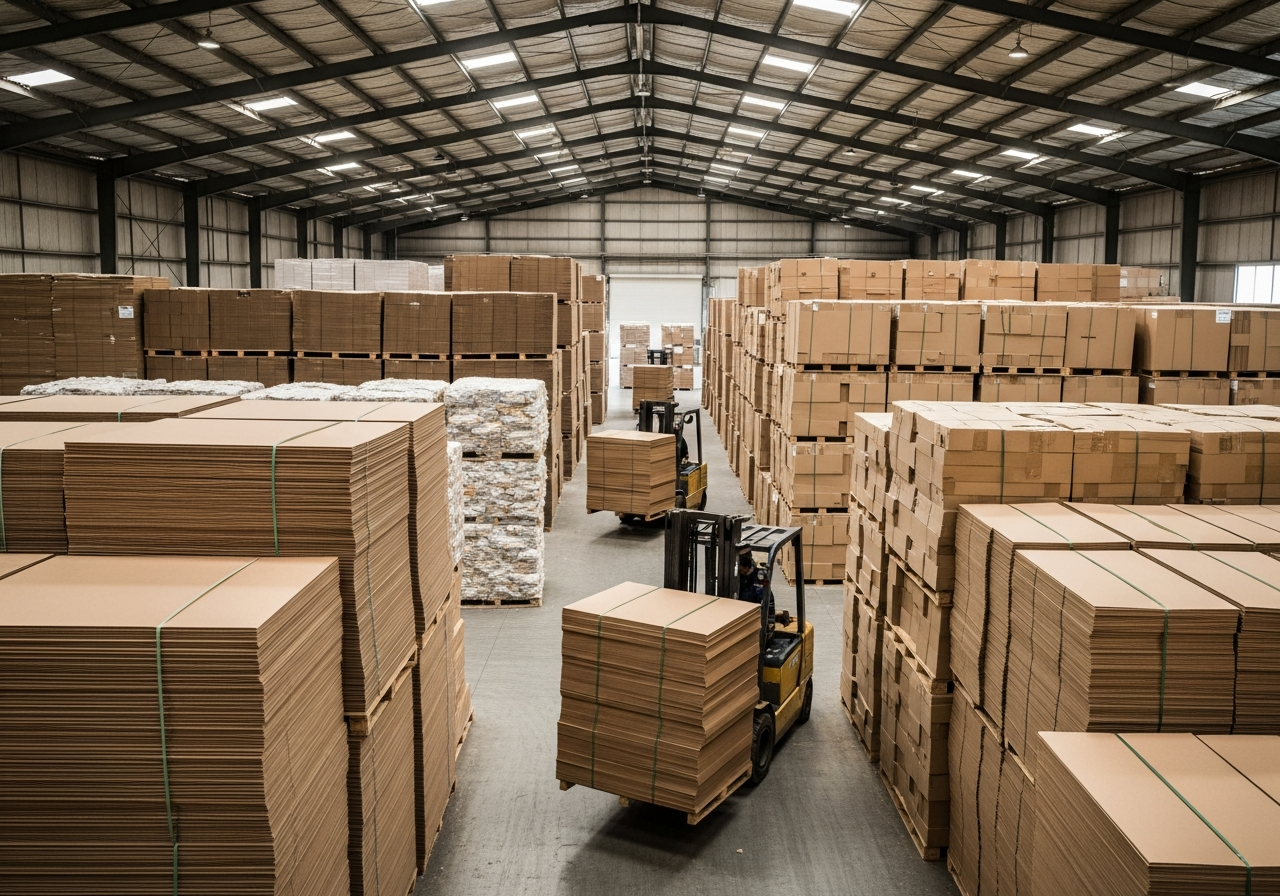
Formed corrugated boxes occupy significant volume once assembled.
Although corrugated boxes ship flat, once erected they take up more space than flexible packaging. This increases storage volume at packing stations and in outbound logistics.
In manufacturing workshops, improper box sizing worsens this issue. Oversized boxes increase void space and require additional filler. This not only raises material cost but also reduces pallet efficiency and increases shipping volume.
Print Quality Compared to Coated Materials
Corrugated cardboard has limits in visual presentation.
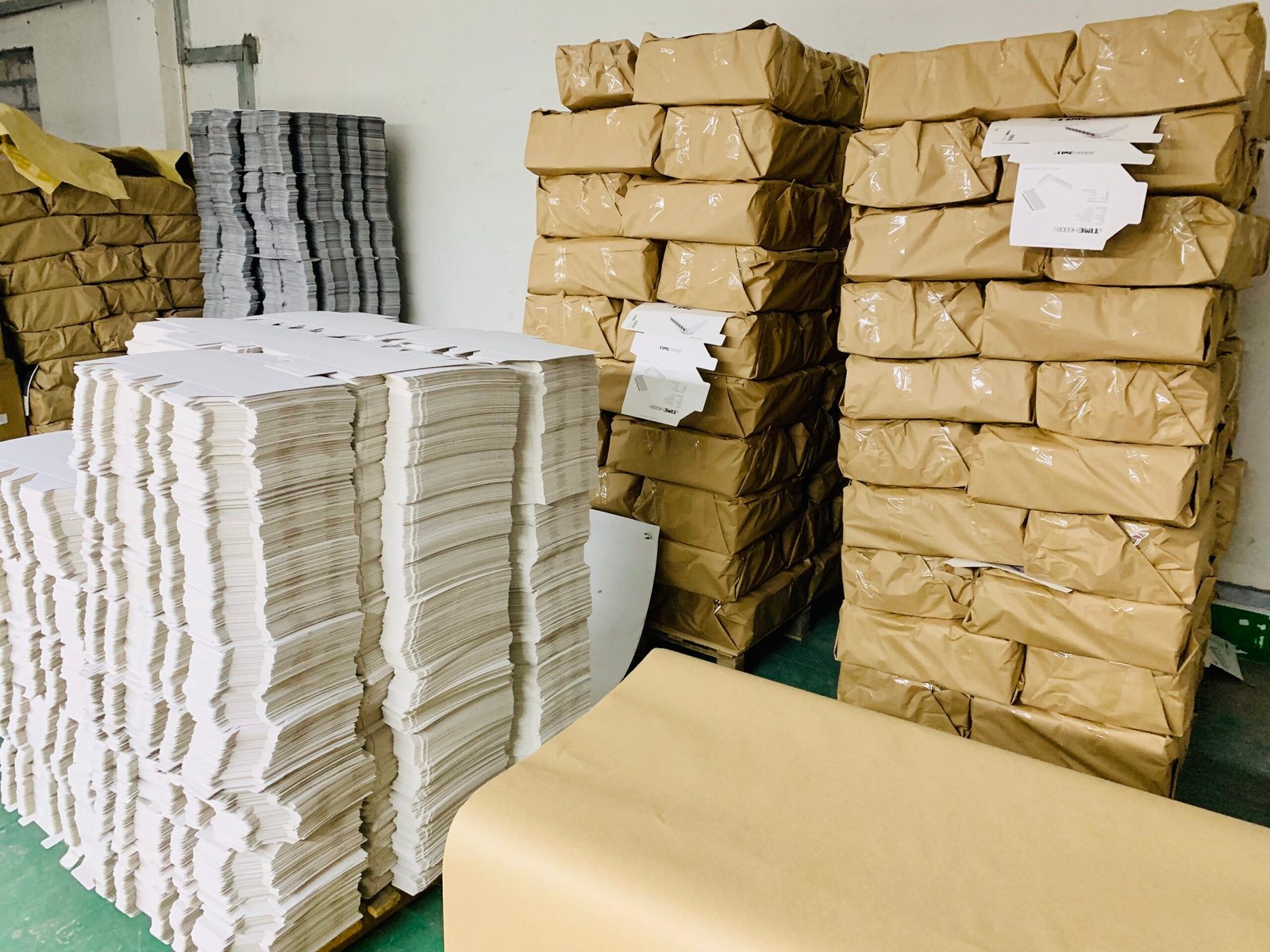
Print quality on corrugated cardboard is lower than on coated paperboard or plastic surfaces.
Uncoated liners absorb ink, reducing color brightness and sharp detail. High-resolution graphics are harder to achieve without coated liners or pre-printing.
In factory printing operations, pressure must be carefully controlled to avoid crushing flutes. This further limits print intensity. For packaging that relies heavily on visual impact, alternative materials or hybrid designs may be more suitable.
Structural Limits Under Extreme Loads
Corrugated cardboard has clear strength limits.
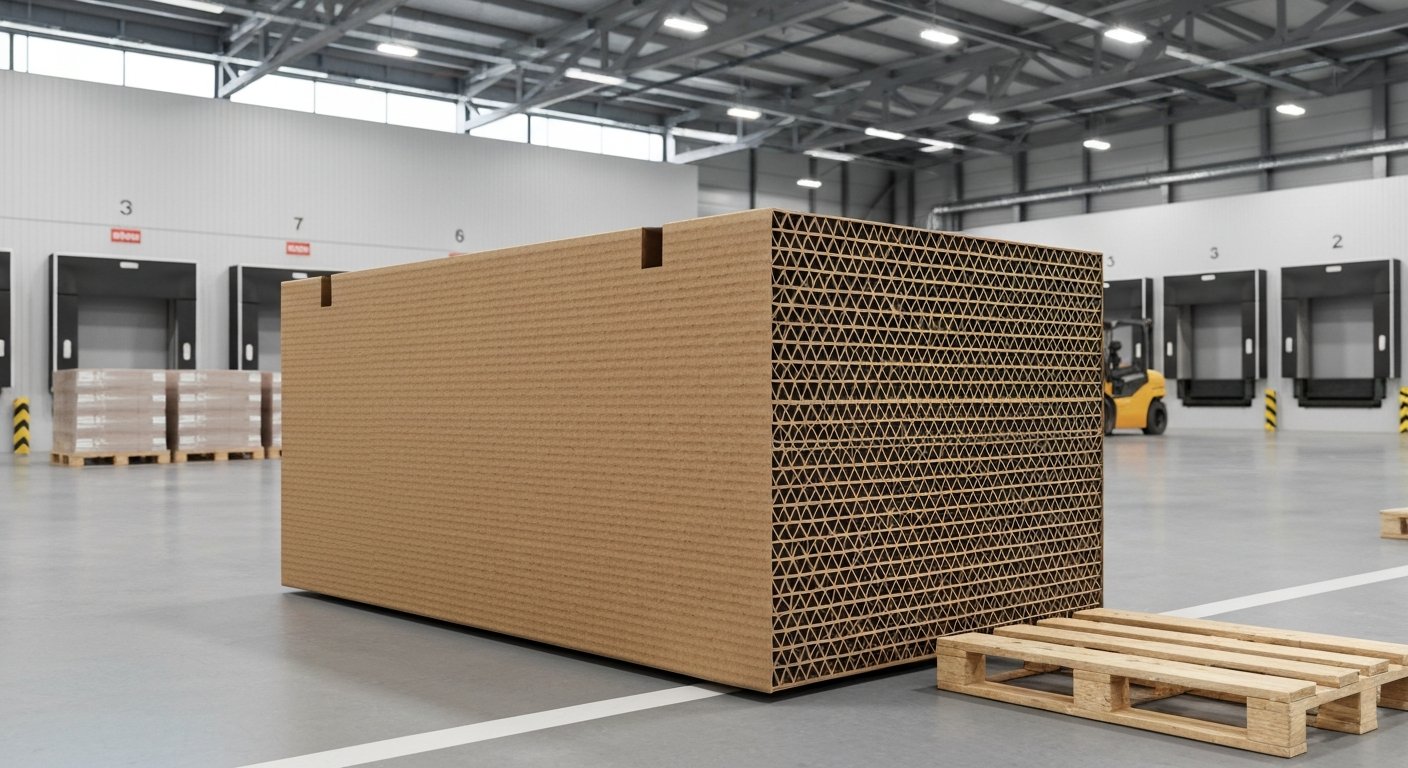
Corrugated cardboard cannot match the load capacity of wood, plastic crates, or metal containers.
Even triple wall corrugated board has maximum compression limits. Extremely heavy products or very high stacking heights exceed safe performance ranges.
In manufacturing engineering, this disadvantage is managed through testing and design validation. When loads exceed corrugated board capability, mixed-material solutions or stronger containers are required to ensure safety.
Conclusion
Corrugated cardboard offers excellent performance for many packaging applications, but it also has clear disadvantages. Sensitivity to moisture, limited long-term durability, lower puncture resistance, space inefficiency after assembly, print quality limits, and structural load constraints all define where corrugated board should and should not be used.
From a manufacturing standpoint, these disadvantages are not flaws but design boundaries. When corrugated cardboard is selected with a clear understanding of environment, load, handling method, and lifecycle, its performance remains reliable and cost-effective. Problems arise when corrugated board is applied outside its technical limits.
Effective packaging design starts with acknowledging material weaknesses as much as strengths. By combining proper board grades, controlled factory processes, accurate sizing, and complementary protective elements, corrugated cardboard can be used efficiently while avoiding the risks created by its inherent limitations.