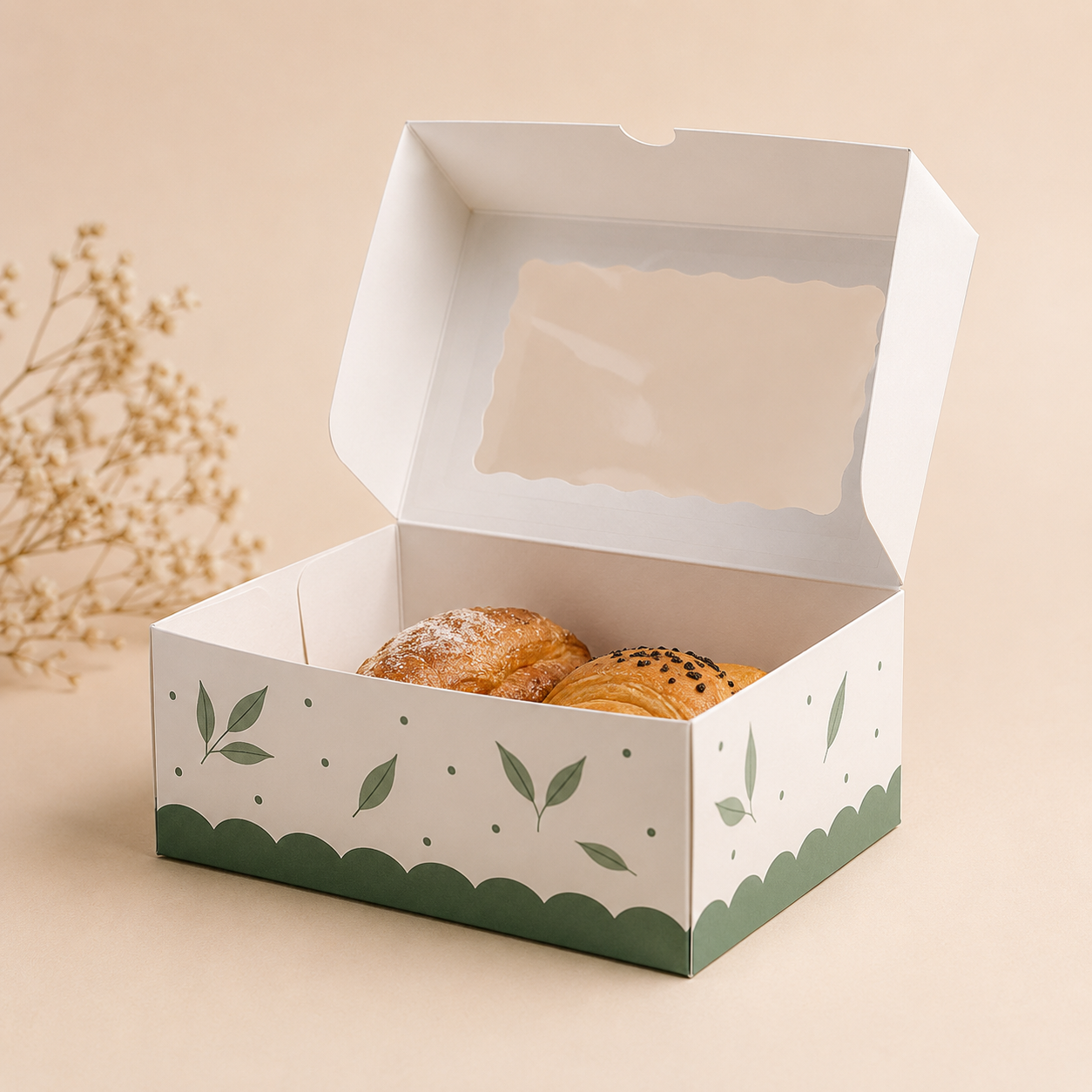
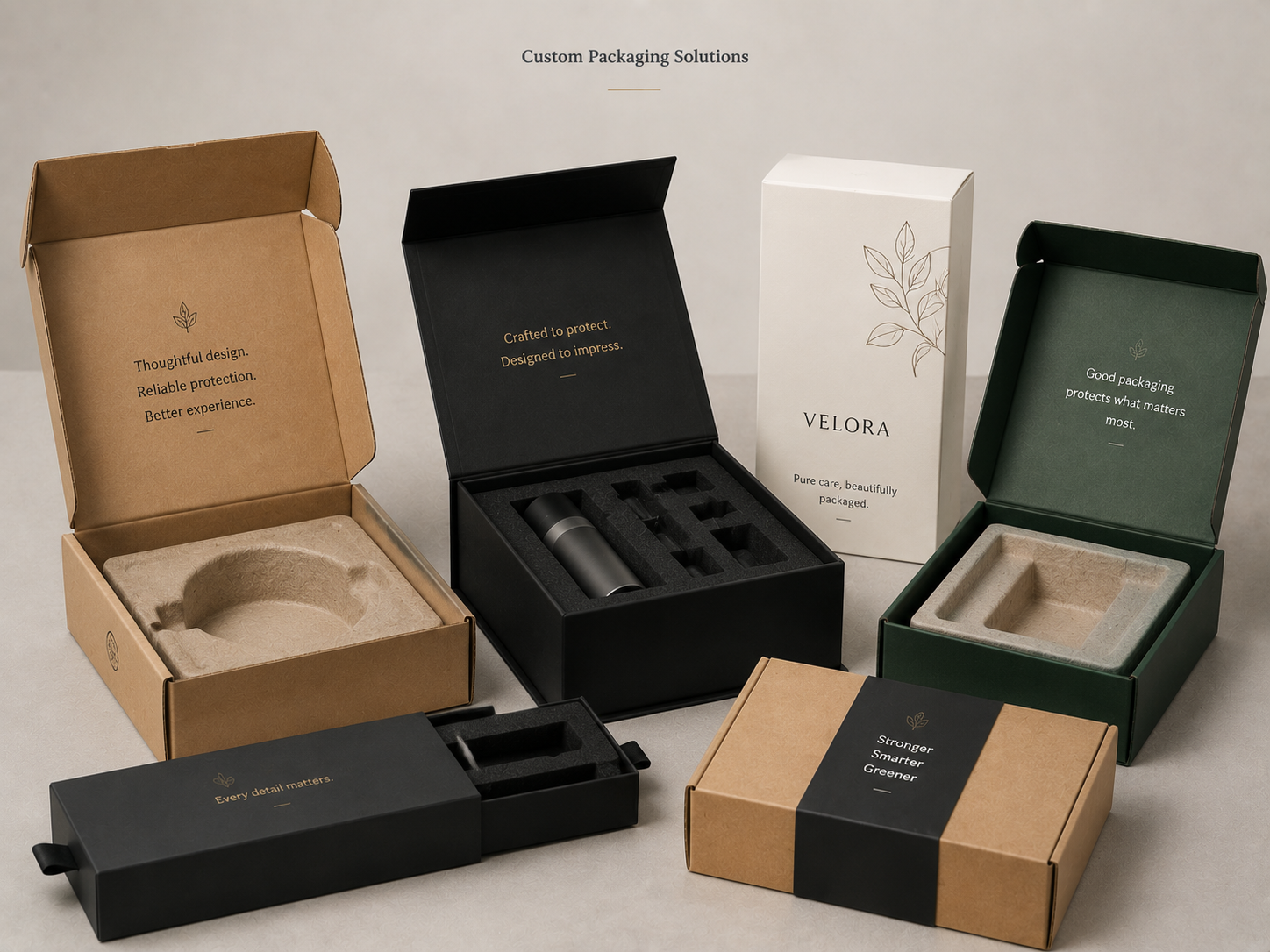
Kraft paper is widely used in packaging because of its strength and natural appearance. However, it is not a universal solution. When its limitations are not fully understood at the design and production stage, kraft paper can create quality issues, process instability, and performance gaps in real applications.
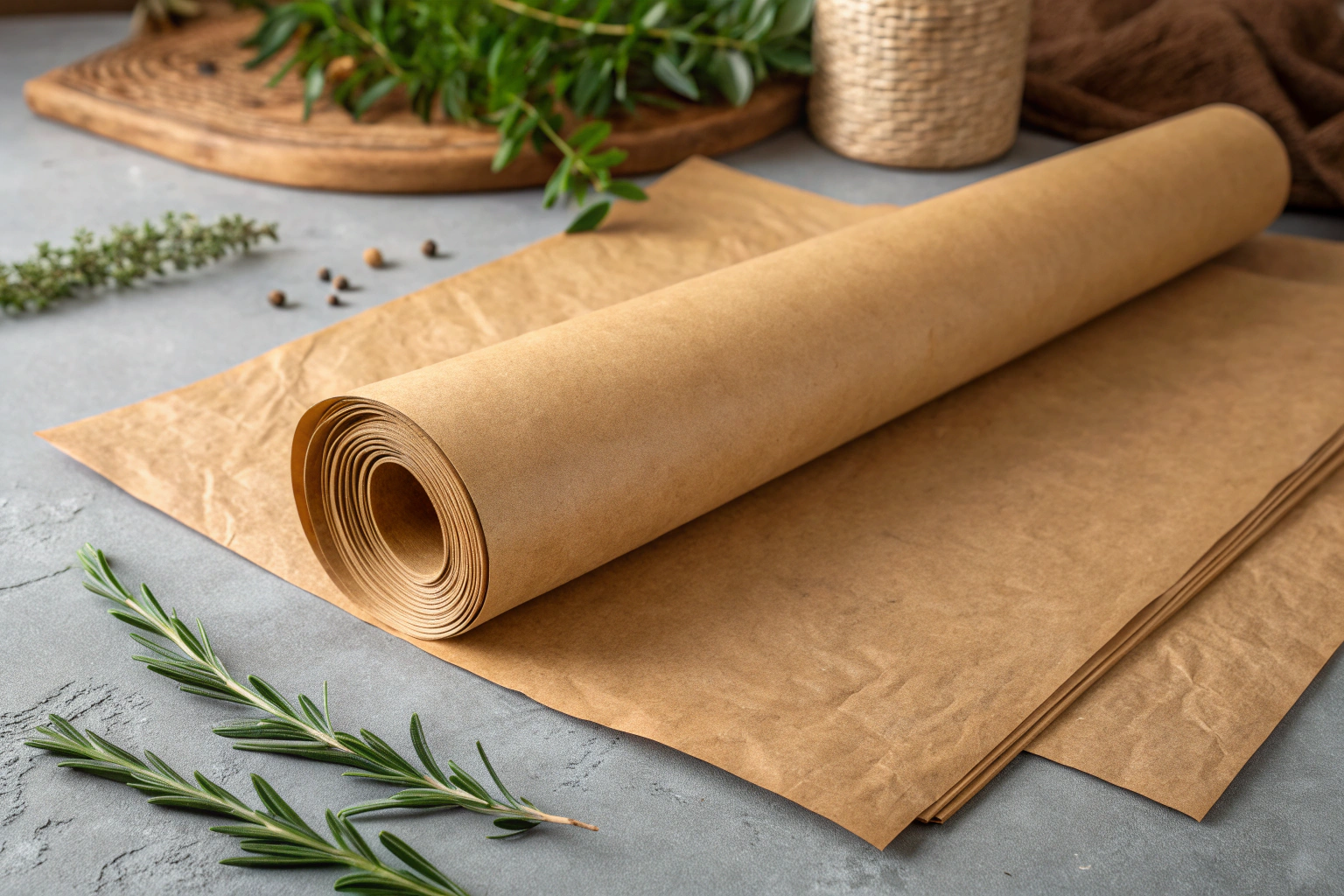
The disadvantages of kraft paper mainly relate to moisture sensitivity, surface limitations, appearance consistency, and processing constraints. These factors must be evaluated carefully in packaging manufacturing.
From a manufacturing perspective, understanding these limitations helps ensure that kraft paper is applied correctly rather than overused. The following sections outline the main disadvantages observed in factory production and real packaging use.
Limited Moisture and Water Resistance
Moisture sensitivity is one of the most significant drawbacks of kraft paper.
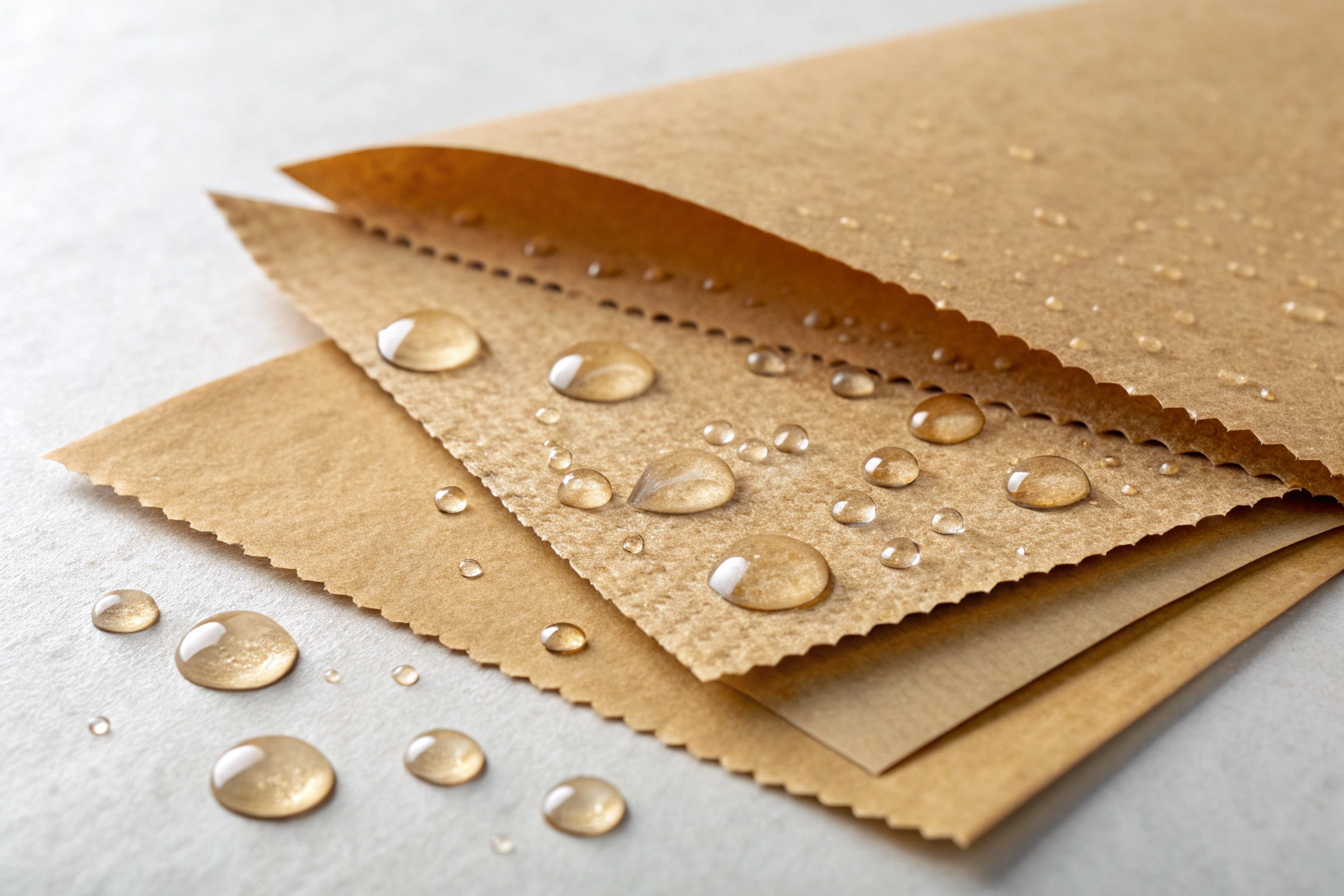
Kraft paper absorbs moisture easily, which reduces strength and dimensional stability.
When exposed to high humidity, rain, or condensation, kraft paper softens and loses stiffness. This can lead to deformation, reduced load capacity, and tearing. In transport or warehouse environments with poor humidity control, these effects become more pronounced.
In factory workshops, moisture-sensitive kraft paper requires controlled storage conditions. Paper must be acclimated before processing. Without humidity management, folding accuracy and bonding strength become unstable, increasing defect rates.
Surface Limitations for Printing and Finishing
Kraft paper does not provide a smooth or uniform printing surface.
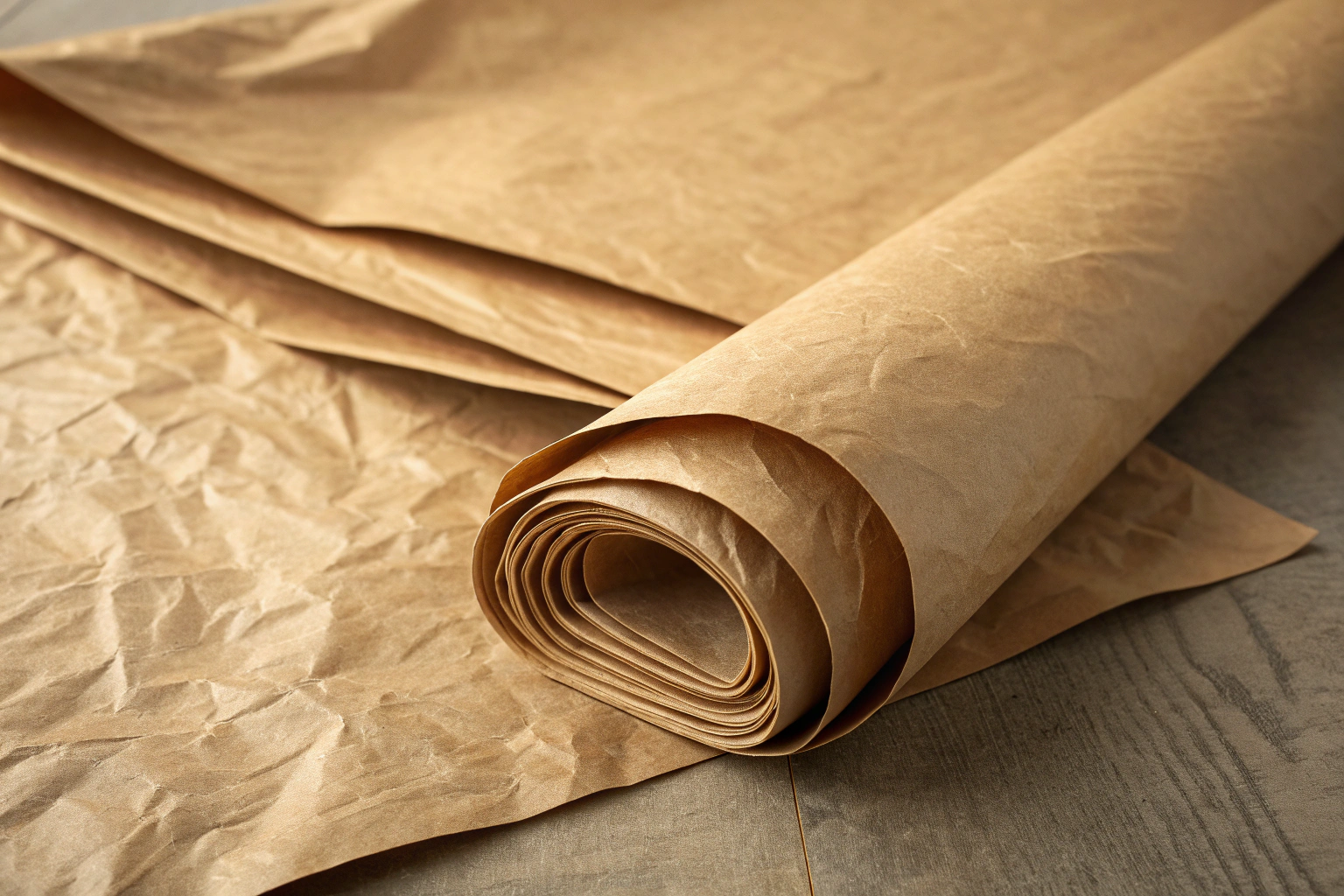
The natural fiber texture of kraft paper limits color accuracy and finishing precision.
Dark background color reduces color vibrancy, especially for light tones and bright colors. Ink absorption is uneven compared to coated paper, which can result in muted graphics or inconsistent coverage. High-end finishes such as gloss lamination, fine embossing, or detailed UV effects are more difficult to achieve.
In printing workshops, additional ink adjustment and testing are required. This increases setup time and limits design flexibility. For packaging that relies heavily on visual impact, kraft paper may not meet appearance expectations.
Inconsistent Appearance Between Batches
Visual consistency is a challenge with kraft paper.
Kraft paper color and texture can vary between production batches.
Differences in fiber source, recycled content ratio, and manufacturing conditions cause variations in shade and surface texture. These differences are usually minor but become noticeable when packaging from different batches is placed side by side.
From a manufacturing standpoint, this variation complicates color matching and quality control. Extra sampling and approval steps are often required to manage appearance expectations in long-term production programs.
Lower Folding Precision Compared to Coated Papers
Kraft paper fibers are strong but less forgiving during folding.
Kraft paper is more prone to cracking or rough fold edges at higher thickness levels.
Heavier kraft paper requires deeper creasing and precise pressure control. Without proper creasing tools and settings, fold lines can appear rough or split. This affects both appearance and structural integrity.
In factory workshops, machines must be adjusted carefully for kraft paper thickness and fiber direction. Improper setup increases scrap rates and slows production, especially in high-speed lines.
Limited Structural Strength Compared to Corrugated Materials
Kraft paper is strong for its weight, but it has limits.
Kraft paper cannot replace corrugated board for heavy-load or stacking-intensive applications.
While kraft paper performs well in bags, wrapping, and inner packaging, it lacks the cushioning and compression strength of corrugated structures. Using kraft paper alone for heavy products increases the risk of collapse or tearing.
From a manufacturing view, kraft paper is best used as part of a system, such as liners, bags, or protective layers, rather than as the sole structural solution for heavy-duty packaging.
Higher Sensitivity to Process Control in the Workshop
Kraft paper requires tighter production control than many assume.
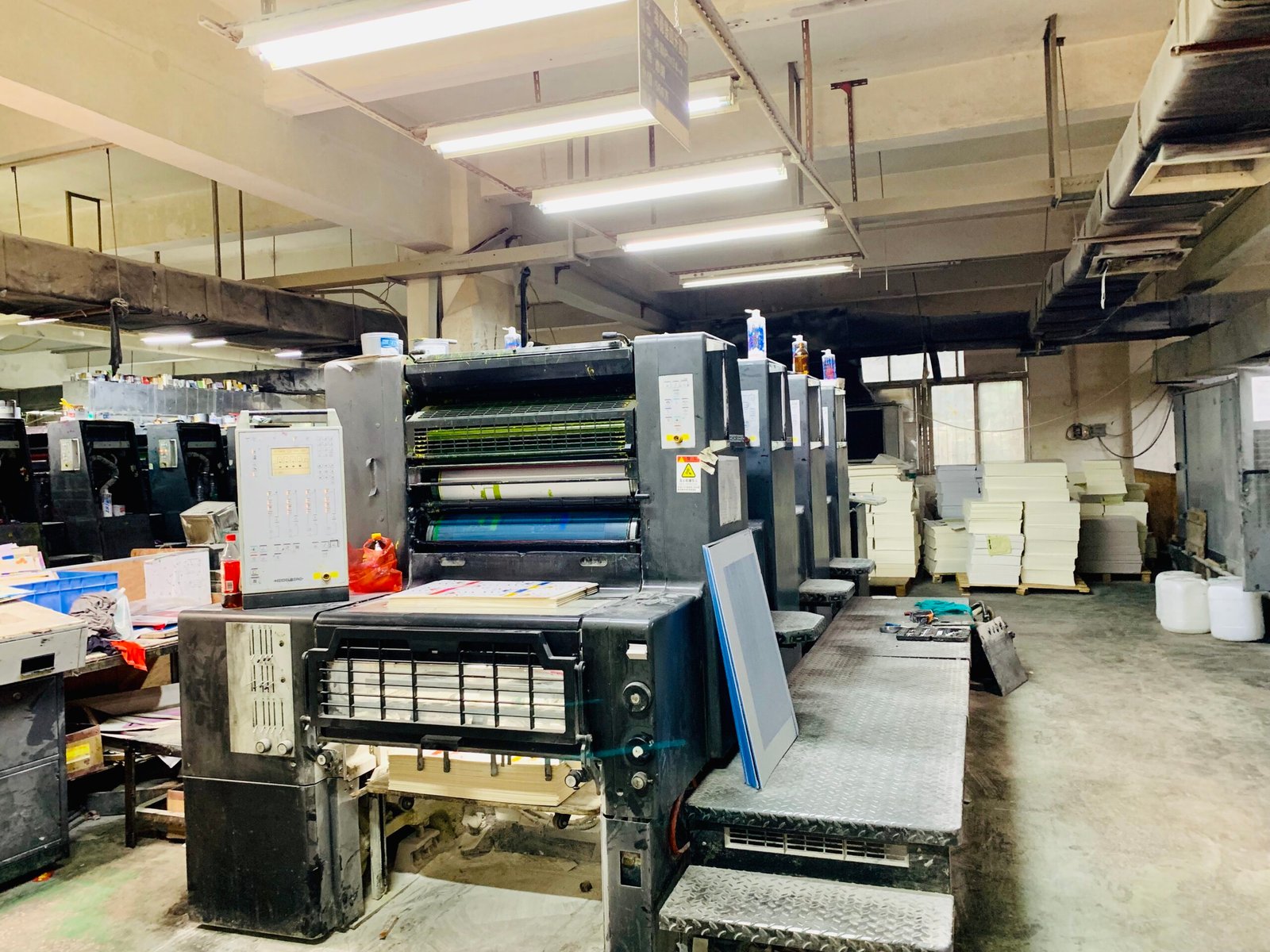
Production stability depends heavily on humidity control, creasing accuracy, and glue performance.
Glue absorption can vary depending on paper density and fiber composition. Over-gluing weakens paper, while under-gluing reduces bond strength. Temperature and humidity fluctuations directly affect processing results.
In factory workshops, standard operating procedures must be clearly defined for kraft paper products. Without process discipline, variation between samples and mass production becomes difficult to control.
Conclusion
Kraft paper is a strong and versatile packaging material, but it has clear disadvantages that must be acknowledged. Its sensitivity to moisture, limitations in printing and finishing, and natural variation in appearance can create challenges in both production and final presentation. These factors make kraft paper unsuitable for applications that require high moisture resistance, premium visual effects, or extreme load performance.
From a manufacturing perspective, kraft paper performs best when its limitations are respected and managed through proper design, material selection, and workshop control. Controlled storage conditions, accurate creasing, realistic printing expectations, and correct structural use allow kraft paper to deliver stable results. When applied thoughtfully rather than by default, kraft paper remains a reliable packaging material, but it should always be chosen with a clear understanding of where its disadvantages begin.