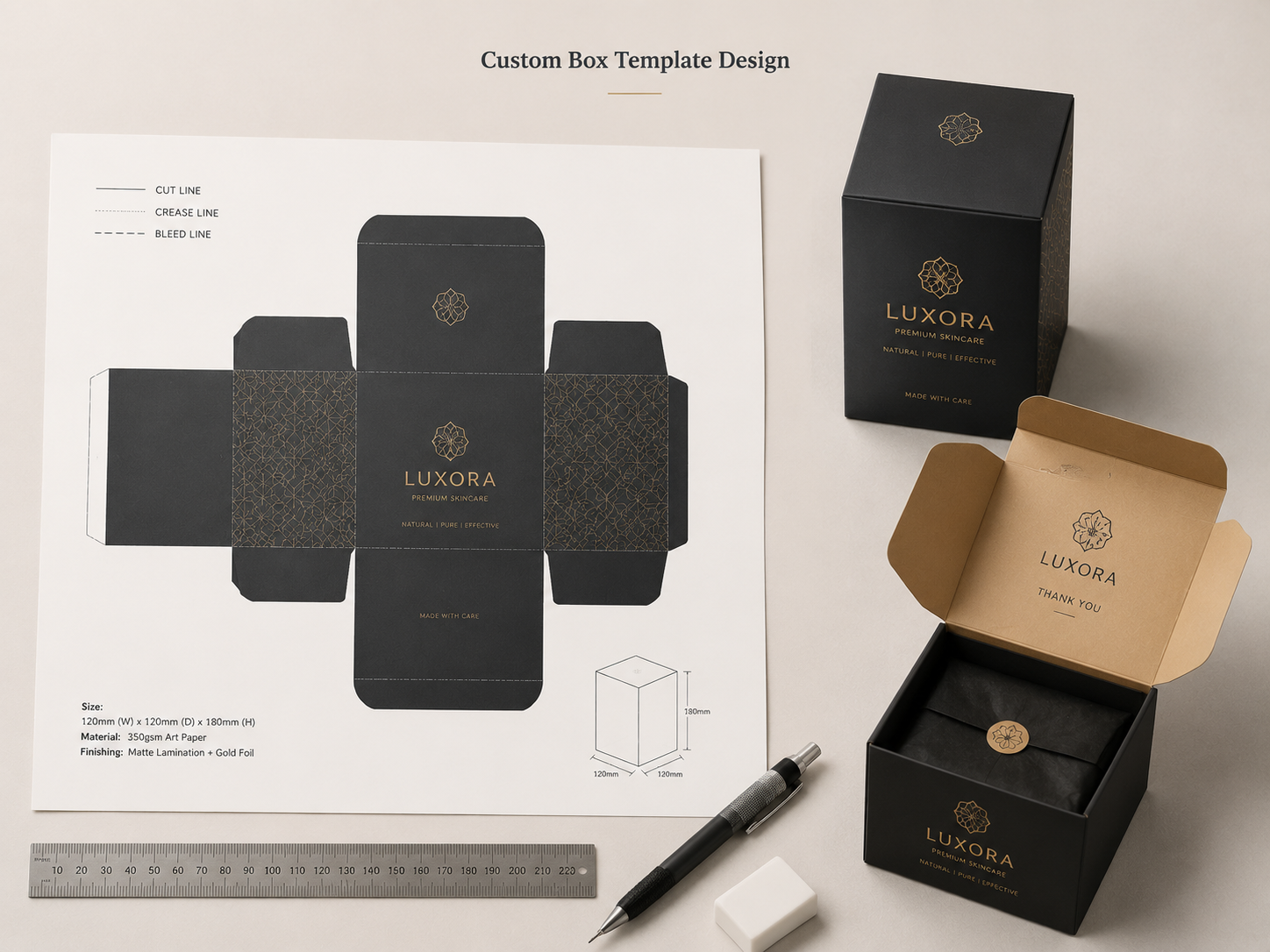
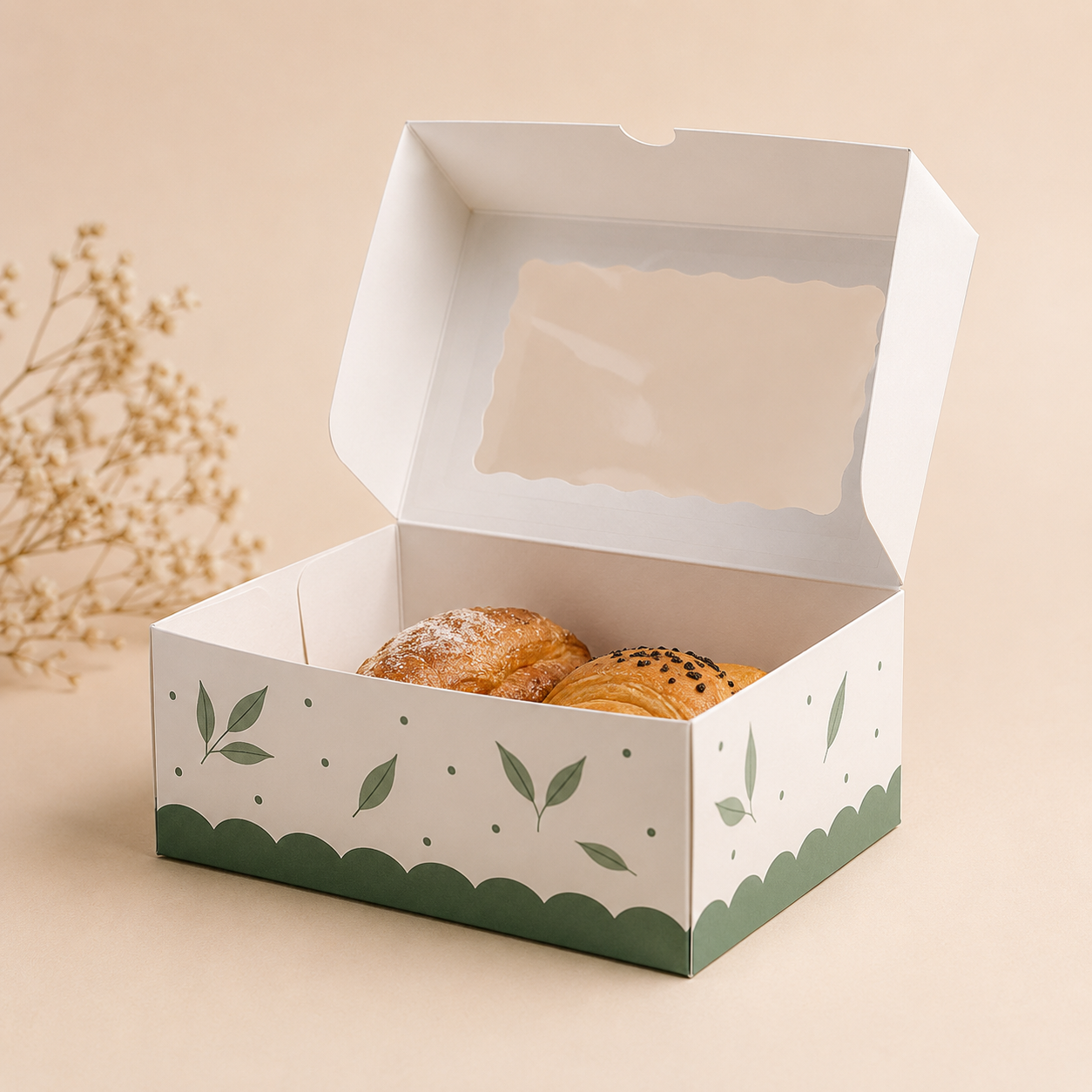
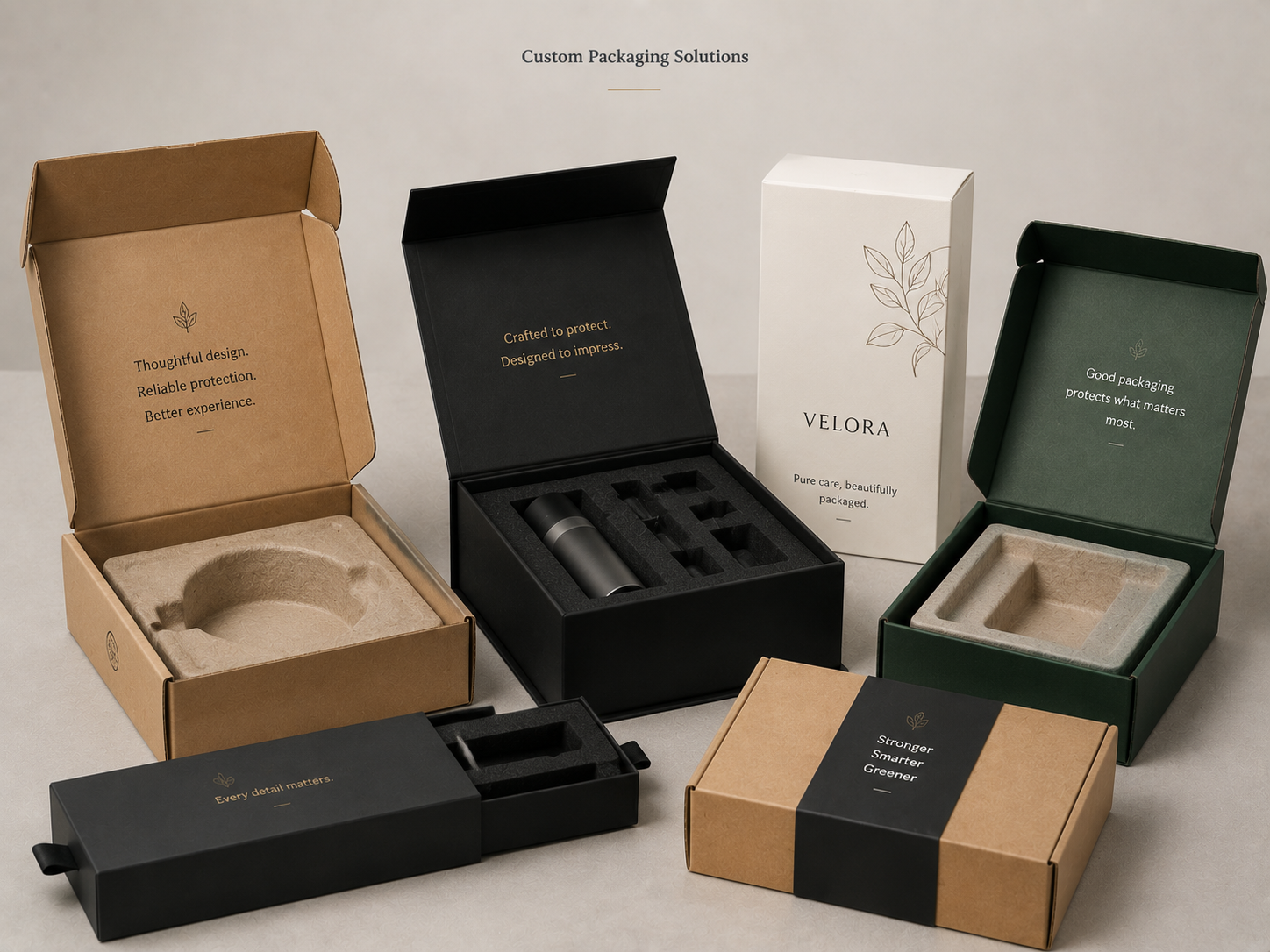
Paper packaging is widely used across retail, electronics, cosmetics, and daily consumer goods, yet it is often evaluated only from a surface-level perspective. Decisions based purely on cost or appearance frequently overlook how paper packaging actually performs in manufacturing, logistics, and long-term use.
Paper packaging offers strong advantages in sustainability, printing quality, and structural control, but it also has clear limitations related to moisture resistance and material engineering. Understanding both sides from a manufacturing standpoint leads to more reliable packaging outcomes.
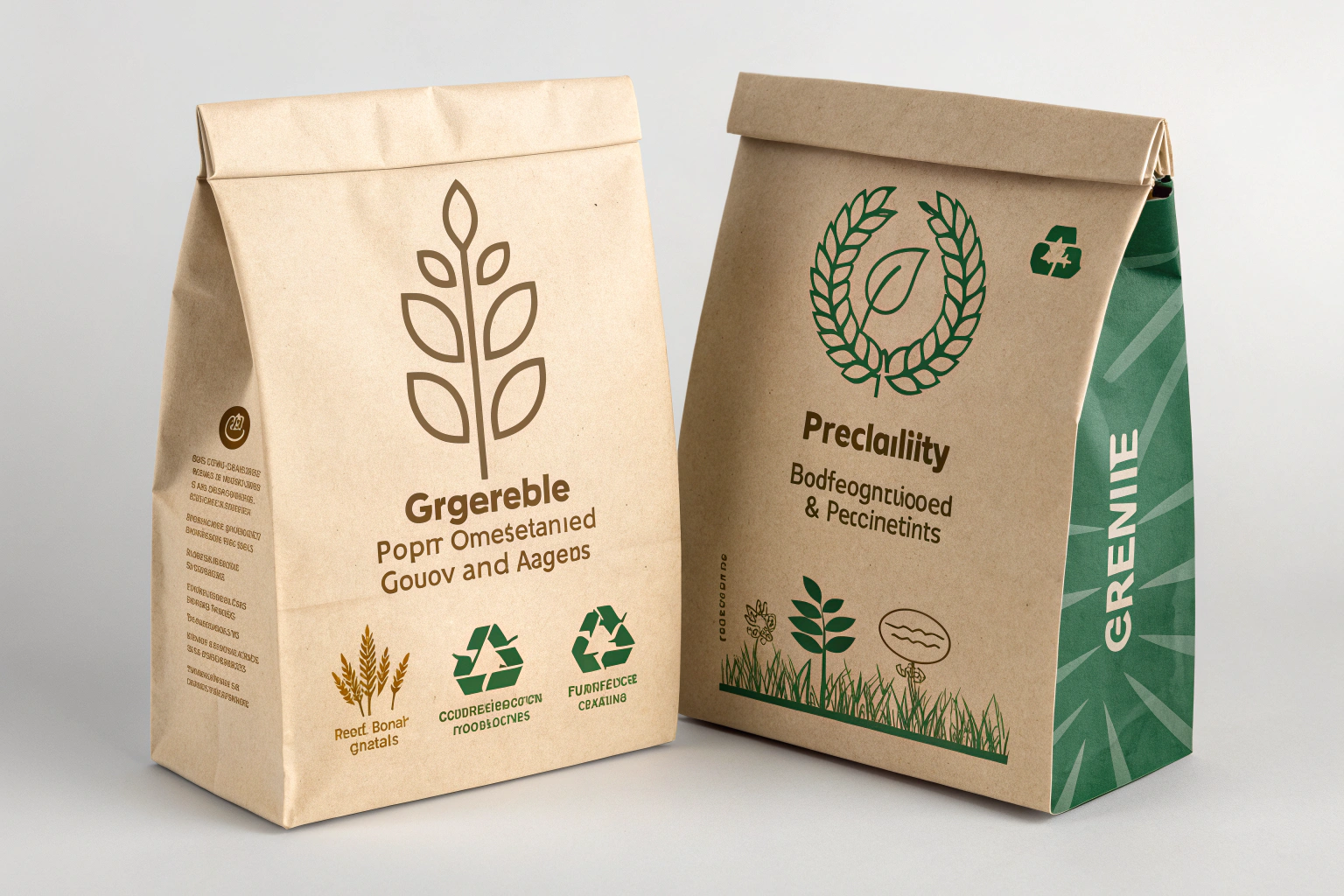
From raw material selection to workshop production and final delivery, paper packaging behaves in predictable ways when processes are controlled correctly. The following sections explain its main advantages and disadvantages based on real manufacturing practice.
What Are the Environmental Advantages of Paper Packaging?
Environmental performance is one of the most recognized strengths of paper packaging, but its value lies in how controllable it is throughout the production chain.
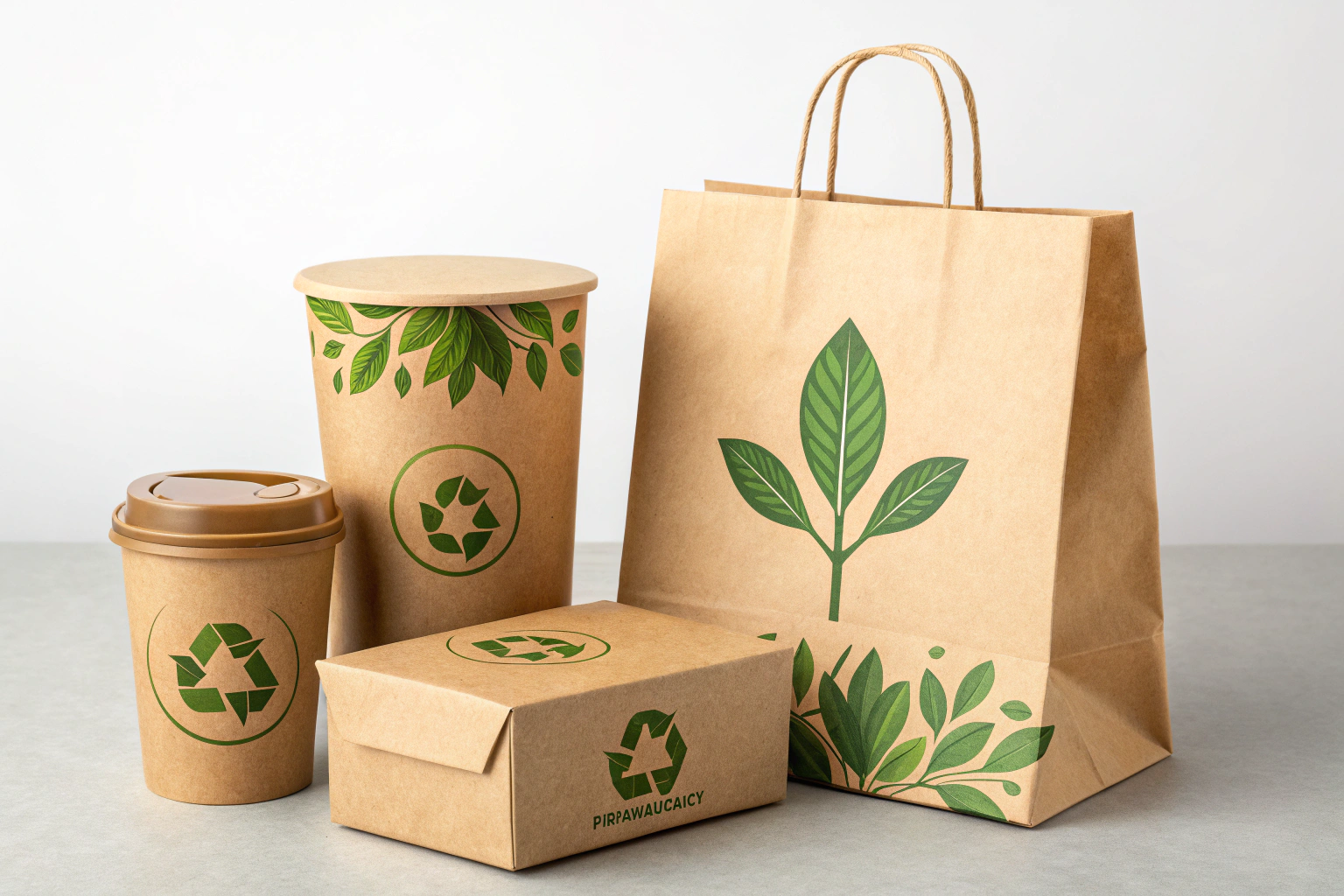
Paper packaging is produced from renewable fiber resources and integrates well into existing recycling systems. This reduces long-term environmental risk.
Paper materials can be sourced from managed forests or recycled fiber streams. When sourcing is controlled, fiber regeneration balances material consumption. After use, paper packaging is easy to recycle and does not persist in the environment for decades when disposal is imperfect.
From a factory perspective, paper sourcing offers clear traceability. Material certificates, recycled content, and environmental documentation can be managed systematically. This makes sustainability measurable rather than symbolic, which is critical for long-term packaging programs.
How Does Paper Packaging Perform in Printing and Visual Presentation?
Visual consistency is essential for packaging that represents a brand at retail or during unboxing.
Paper packaging supports high-quality printing and a wide range of finishing processes. This provides strong visual control.
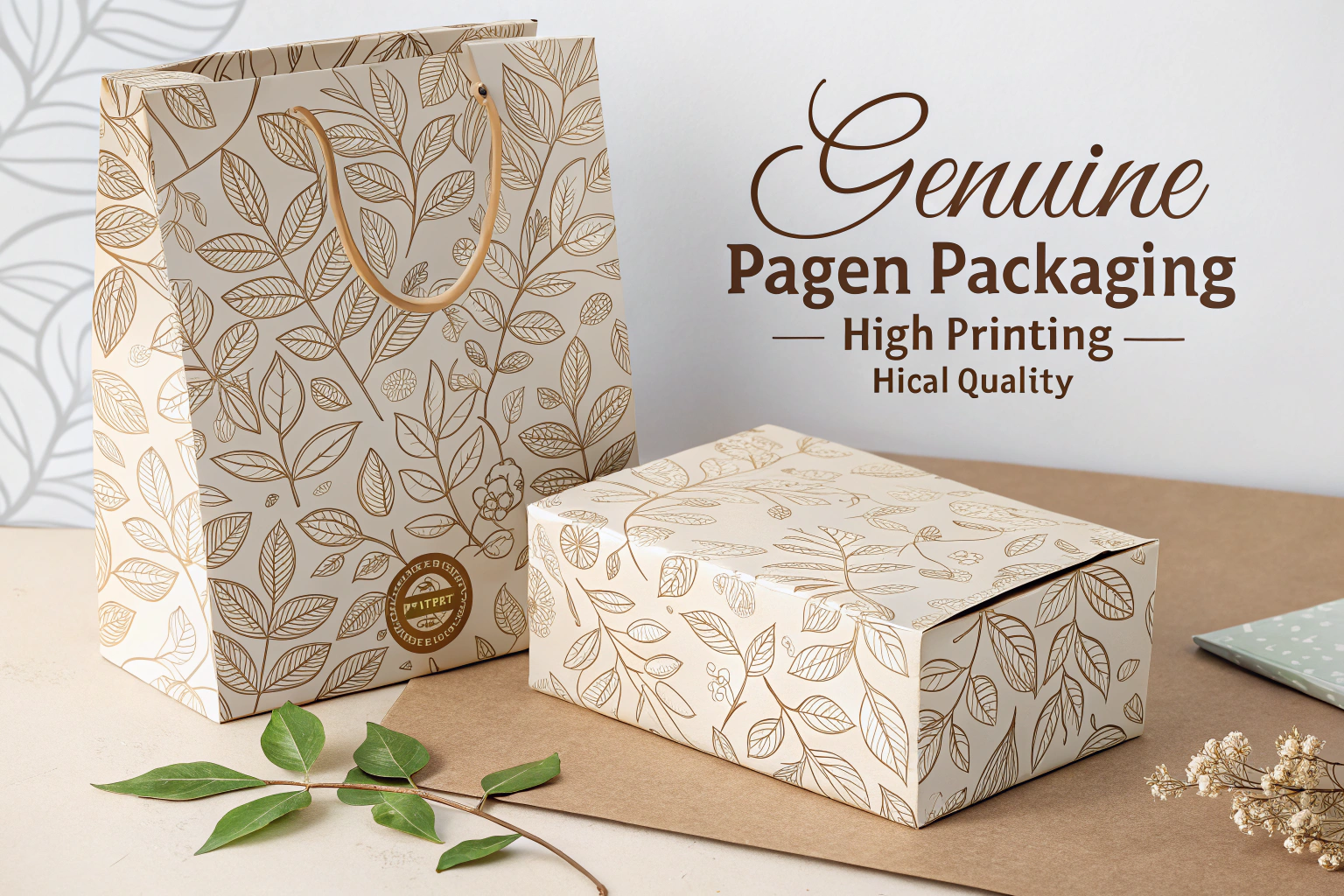
Paper surfaces accept offset printing, spot colors, embossing, debossing, hot stamping, and UV coatings. Color accuracy is stable, and fine details reproduce clearly. These characteristics allow consistent presentation across different production batches.
In the printing workshop, color management systems and press calibration help align samples and mass production. Compared to flexible materials, paper packaging shows fewer visual variations, reducing rework and appearance-related complaints.
Does Paper Packaging Offer Reliable Structural Performance?
Protection and strength are core functions of packaging, not optional features.
Paper packaging delivers reliable structural performance when material grade and structure are engineered correctly. Design determines strength.
Corrugated cartons, folding cartons, and rigid boxes rely on paper thickness, fiber direction, flute type, and reinforcement design. Double walls, reinforced corners, and proper folding lines significantly improve load resistance.
In factory workshops, structural performance is verified through compression tests, drop tests, and stacking tests. These tests simulate real handling conditions and confirm that packaging performs as required before mass production approval.
What Are the Manufacturing Advantages of Paper Packaging?
Production stability directly affects delivery reliability and quality consistency.
Paper packaging manufacturing processes are transparent, measurable, and easier to control. This improves production reliability.
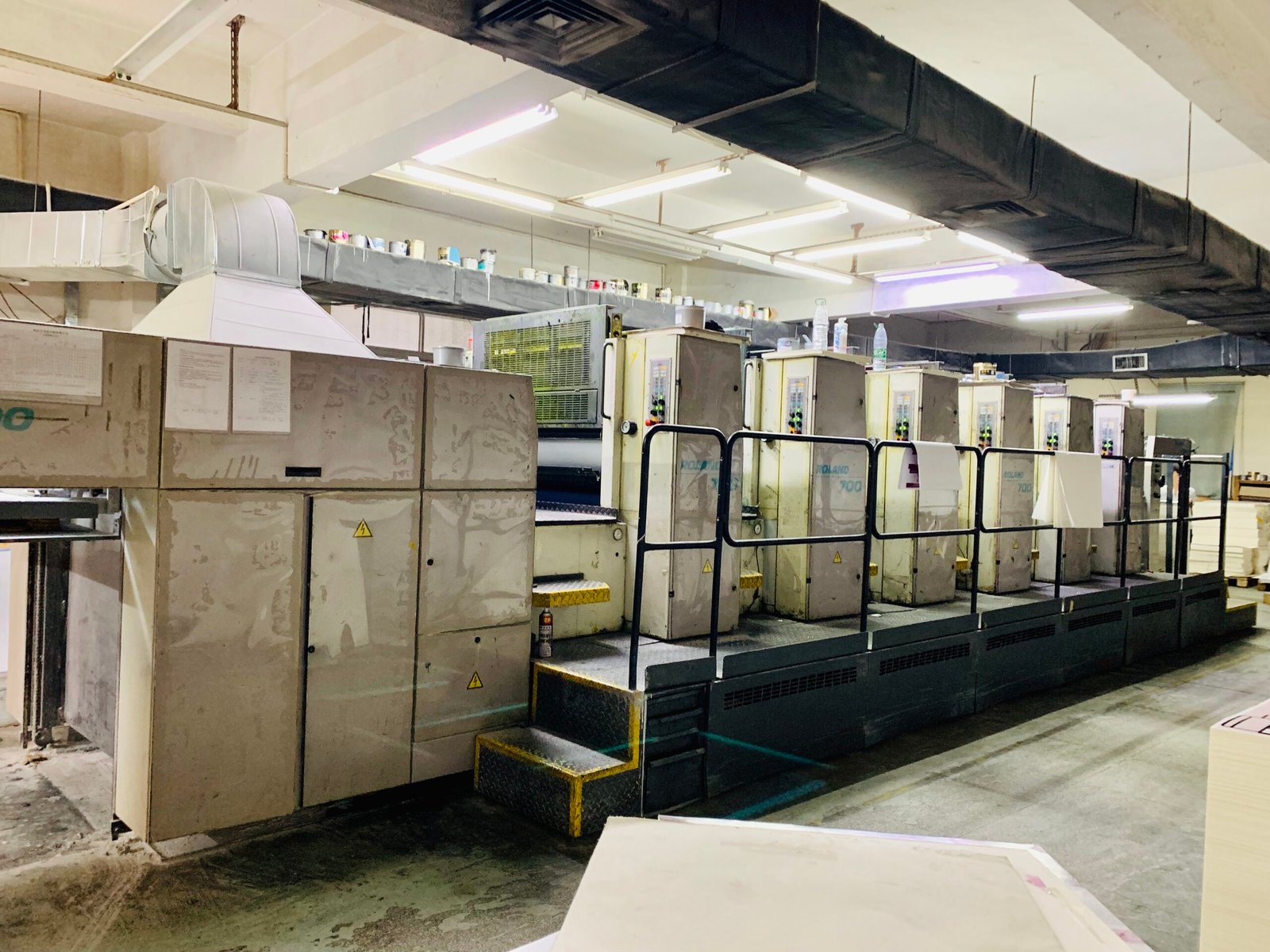
Paper packaging production follows clear steps such as printing, die-cutting, creasing, folding, and gluing. Each step can be inspected visually and dimensionally. Issues are detected early, reducing scrap and delays.
In the workshop, materials are conditioned to control humidity, machines are calibrated regularly, and assembly lines use fixtures to maintain squareness. These controls help ensure that samples and mass production remain consistent over time.
What Are the Main Limitations of Paper Packaging?
Despite its strengths, paper packaging is not suitable for every application.
Paper packaging is sensitive to moisture and extreme environmental exposure without proper treatment. This is its primary limitation.
Untreated paper absorbs moisture, which reduces stiffness and strength. For products exposed to liquids, frozen storage, or outdoor conditions, paper packaging requires lamination or coating. These treatments add cost and may affect recyclability if not designed carefully.
From a manufacturing standpoint, incorrect application of paper packaging leads to deformation, damage, and returns. Matching material and structure to real use conditions is essential.
Does Paper Packaging Have Cost and Strength Trade-Offs?
Cost and strength concerns often appear together, but they are closely linked to design choices.
Paper packaging performance declines when material thickness and structure are reduced to cut cost. This is a design decision, not a material flaw.

Reducing paper grade or skipping reinforcement lowers unit cost but increases failure risk. In contrast, properly engineered paper packaging provides predictable strength and reduces hidden costs such as rework, replacement, and transport damage.
Factories evaluate total cost over the full packaging lifecycle, not just material price. Stable production and reliable performance often offset higher initial material costs.
Conclusion
Paper packaging offers a strong balance of sustainability, visual quality, structural reliability, and manufacturing control. When designed and produced correctly, it delivers consistent performance across production, storage, transport, and final use. Its renewable sourcing and recyclability also make environmental impact easier to manage over time.
At the same time, paper packaging has clear limitations, especially in moisture-heavy or extreme environments. Ignoring these constraints leads to performance issues and unnecessary waste. From a manufacturing perspective, successful paper packaging depends on correct material selection, proper structure engineering, controlled workshop processes, and thorough testing. When these factors are aligned, paper packaging is not a compromise solution, but a dependable and professional packaging choice for long-term use.