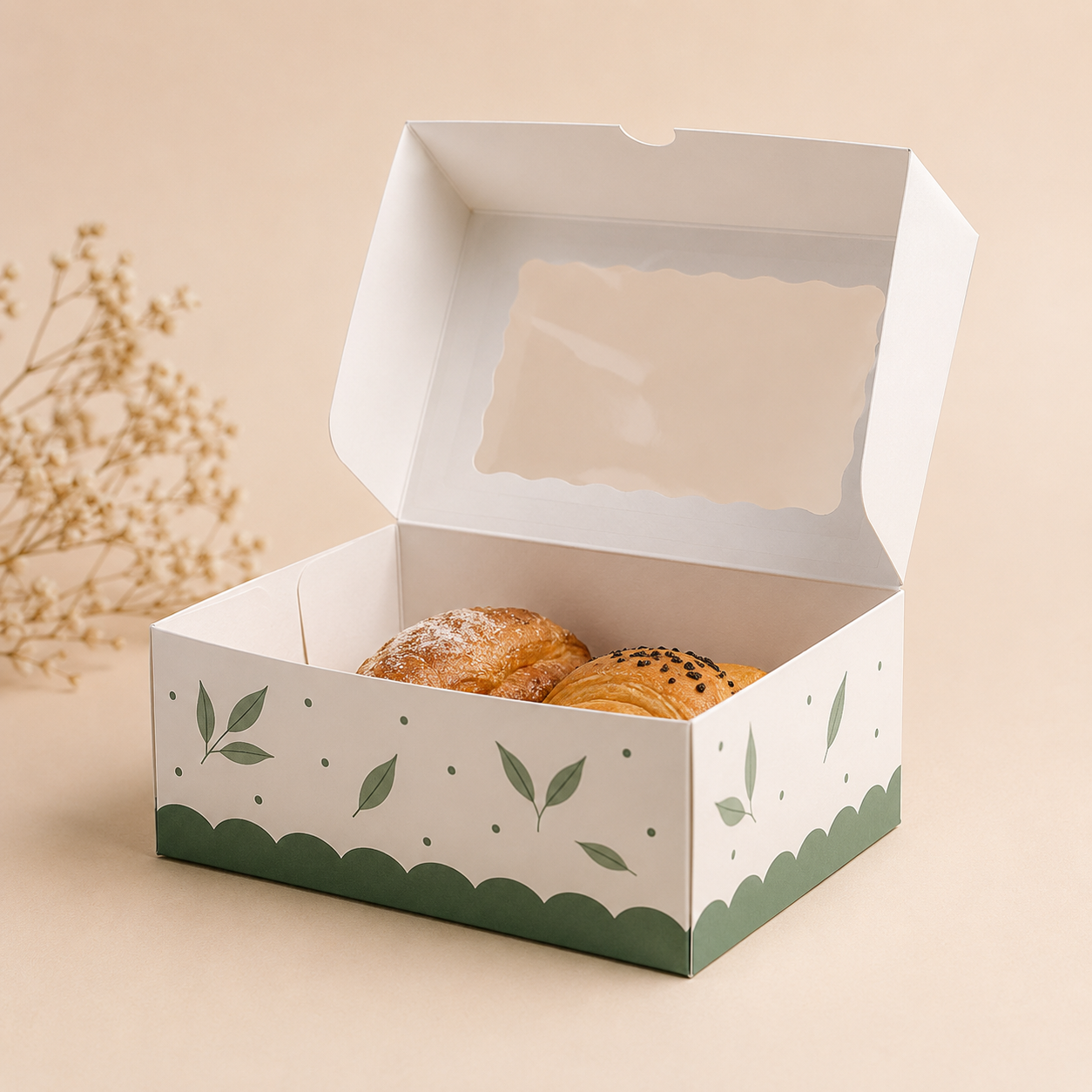
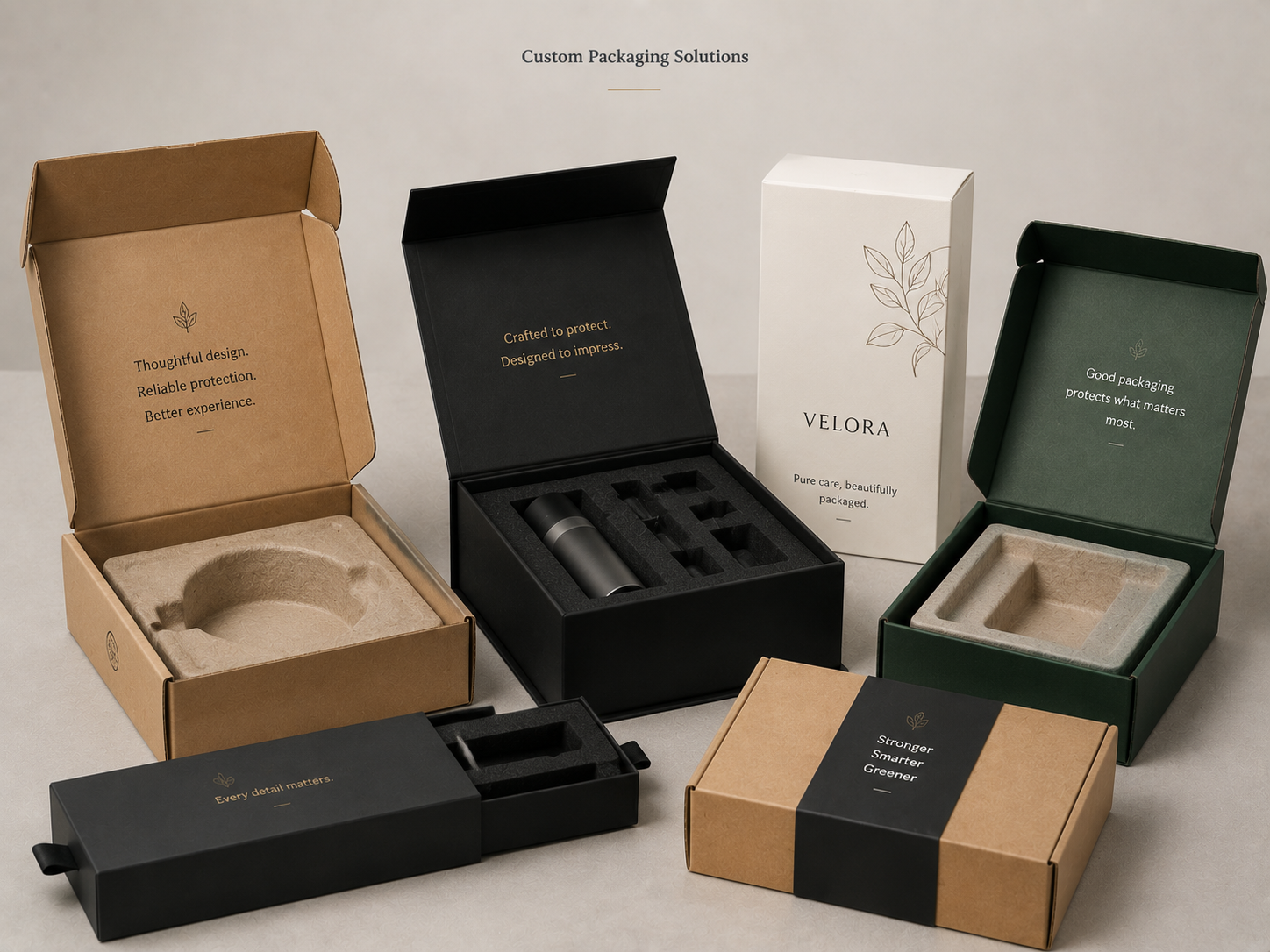
Packaging design is often misunderstood as surface decoration, but in real manufacturing it affects cost, quality, delivery, and product success. When packaging design is treated only as appearance, problems usually appear during production or after launch.
Packaging design means the complete planning of a package’s structure, materials, graphics, and production process to protect the product, support use, and ensure stable mass manufacturing. It is both a design and an engineering activity.
From a manufacturer’s perspective, packaging design connects product requirements with factory capability. It determines whether a package can be produced consistently, delivered on time, and perform reliably in real use.
What Is the Core Purpose of Packaging Design?
Packaging design always starts with function, not decoration.
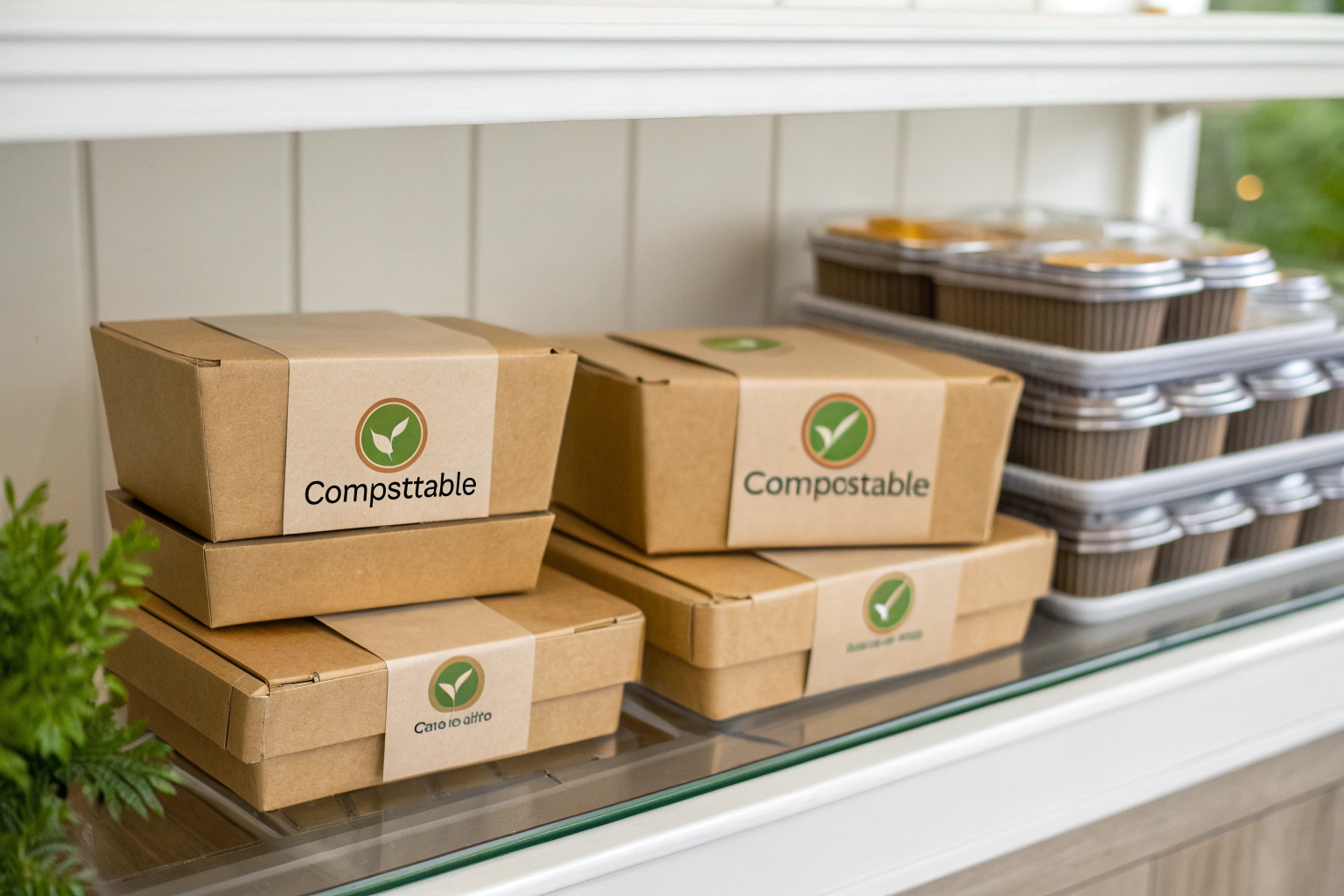
The core purpose of packaging design is to protect the product while enabling efficient production, transport, and use.
A well-designed package prevents damage, controls movement, and maintains product condition throughout storage and transport. At the same time, it must be easy to assemble, pack, and inspect in the factory.
In manufacturing workshops, packaging design directly affects assembly speed, defect rate, and material yield. Poorly designed packaging increases rework and waste, even if it looks good visually.
How Does Structural Design Define Packaging Design?
Structure is the foundation of all packaging design decisions.
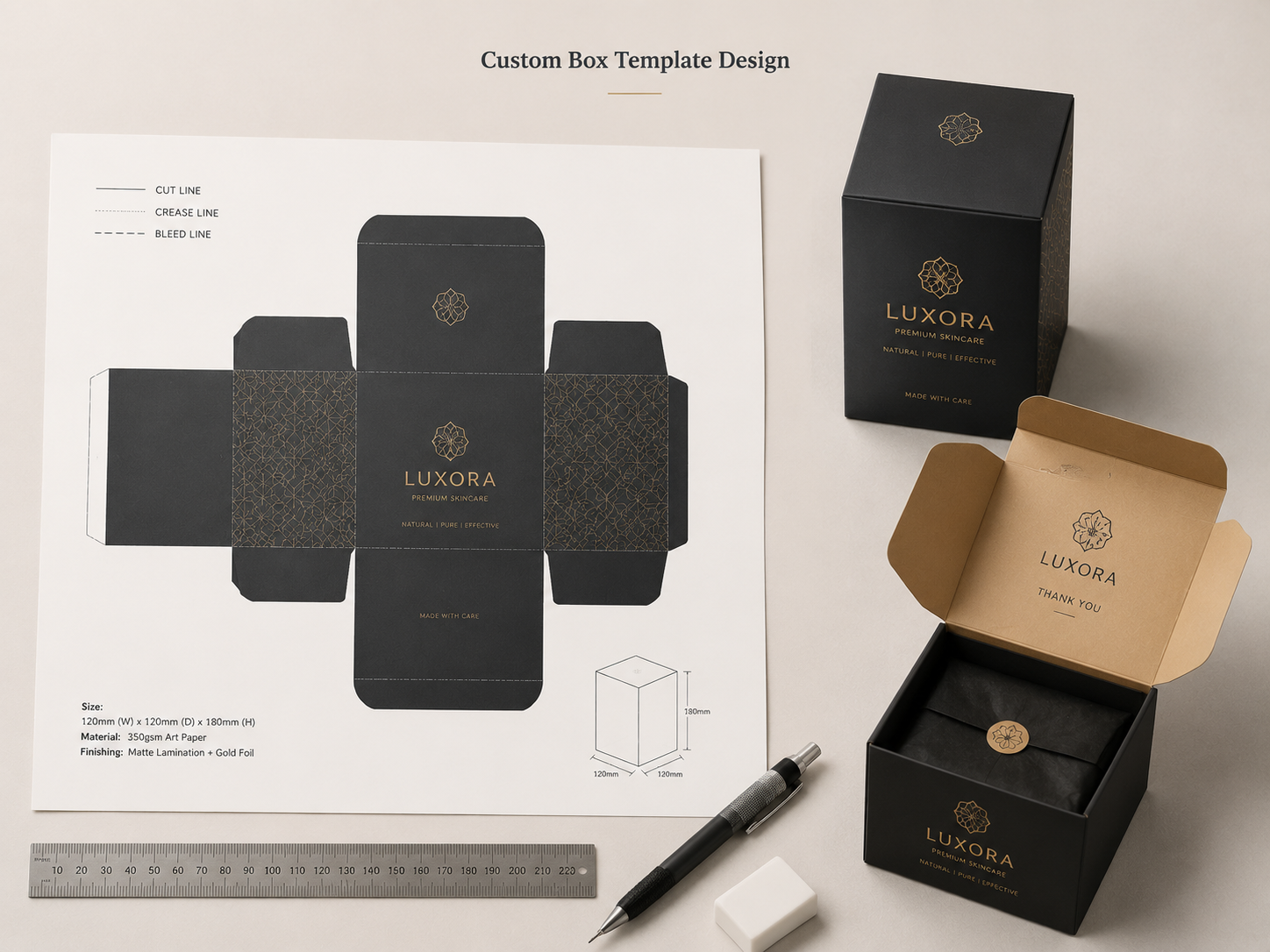
Structural packaging design defines size, shape, folding logic, strength, and load distribution.
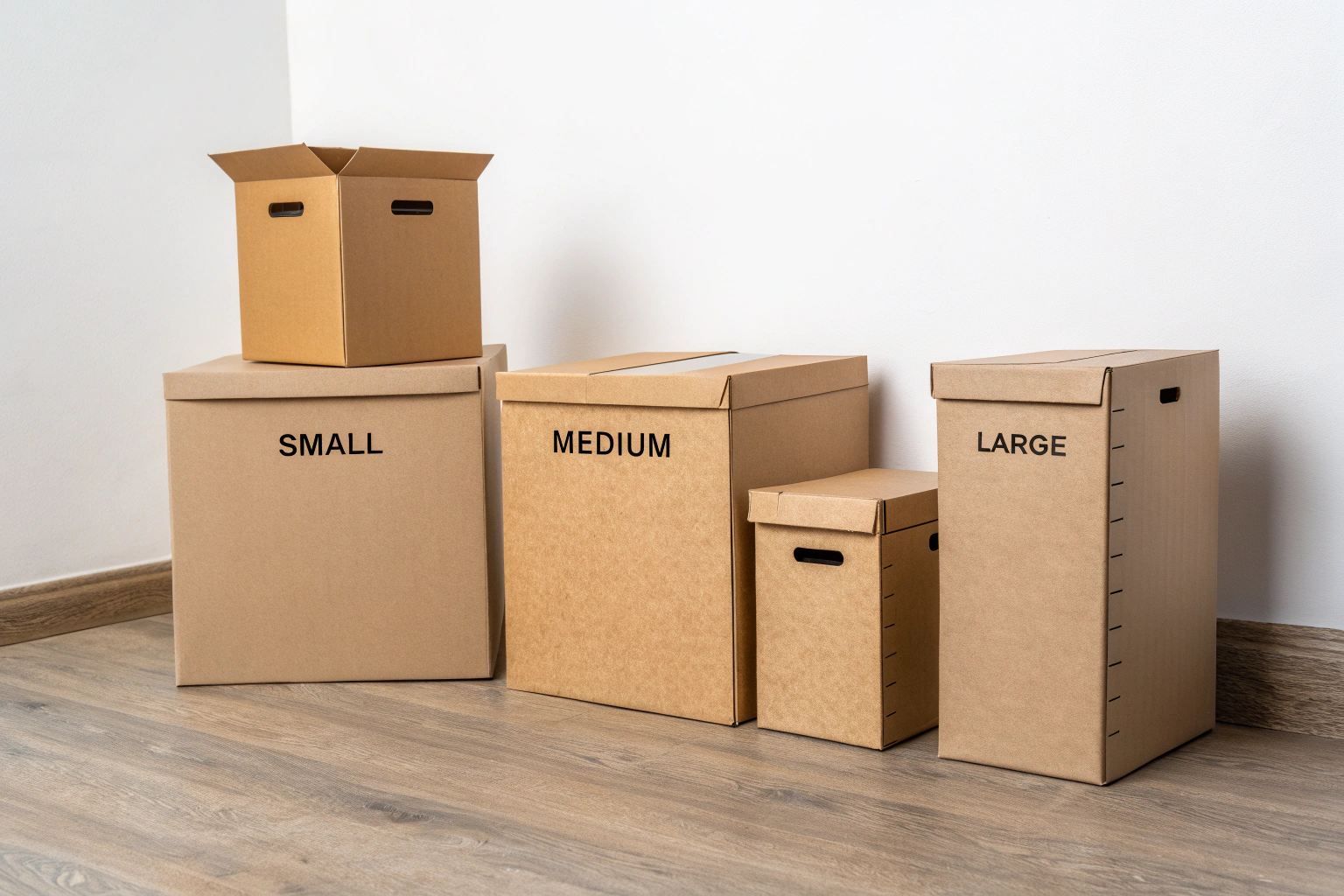
This includes box type, locking method, internal support, and tolerance control. Structural design determines whether packaging stands upright, stacks properly, and survives compression and drops.
In the factory, structural design is validated through white samples, die-line testing, and performance testing. Adjustments are made based on real assembly behavior, not assumptions. Stable structure is essential for scalable production.
What Role Do Materials Play in Packaging Design?
Material selection directly affects performance and sustainability.
Packaging design includes choosing materials that match product needs, structure design, and production processes.
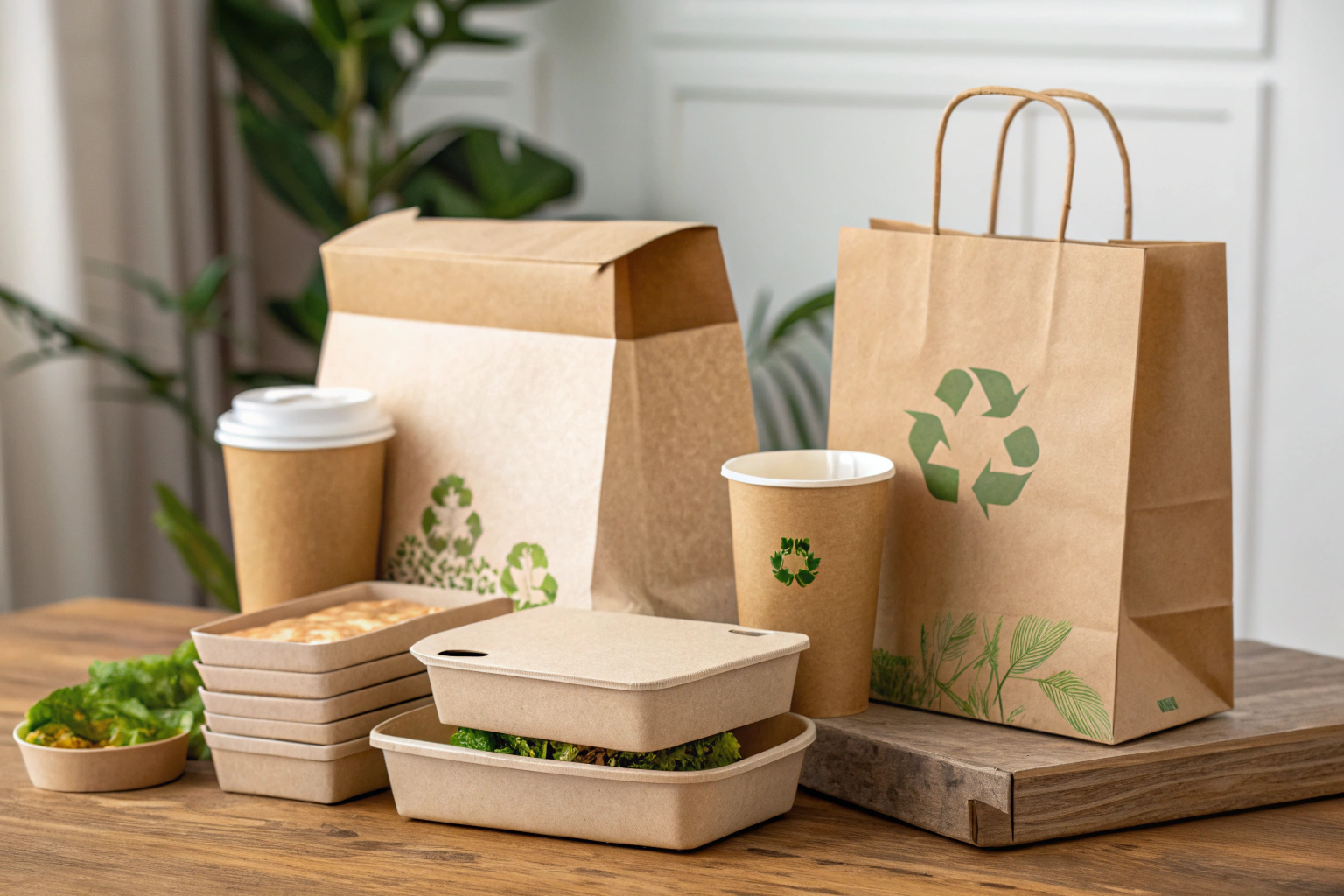
Paperboard, corrugated board, kraft paper, and molded pulp each behave differently during cutting, folding, printing, and gluing. Incorrect material selection leads to cracking, deformation, or weak bonding.
In factory workshops, materials are tested for stiffness, fiber direction, and moisture sensitivity. Proper material choice ensures consistent quality and reduces production instability.
How Does Graphic Design Fit into Packaging Design?
Visual design is one part of packaging design, not the whole.
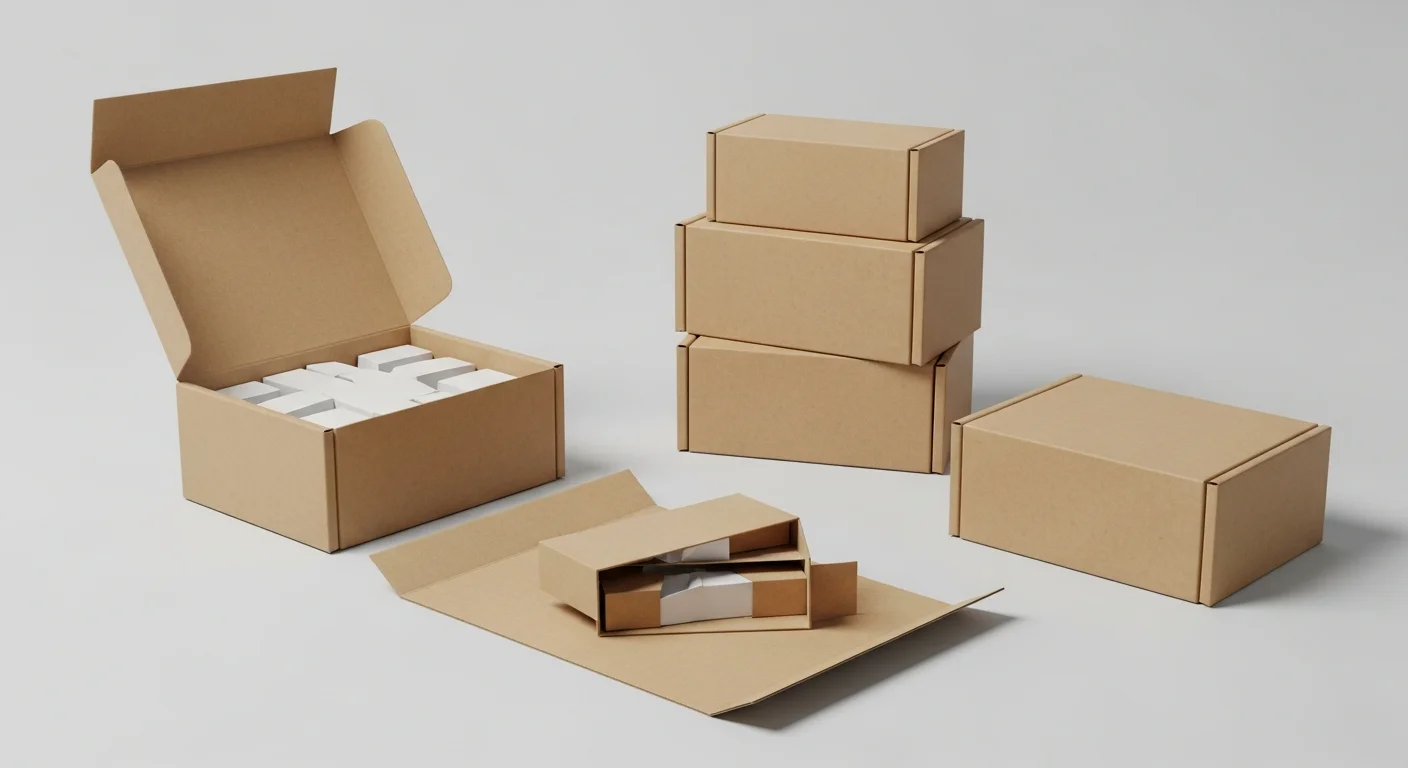
Graphic packaging design communicates information, branding, and instructions through printing and finishing.
This includes layout, color control, typography, regulatory information, and surface finishes. Graphic design must align with printing methods and material limitations.
In production, color management, ink coverage, and finishing tolerances are controlled to ensure consistency from samples to mass production. Packaging design that ignores printing reality often causes color deviation and delays.
Why Is Manufacturability a Key Part of Packaging Design?
Design that cannot be produced reliably is not successful packaging design.
Packaging design must consider manufacturability, efficiency, and quality control from the beginning.
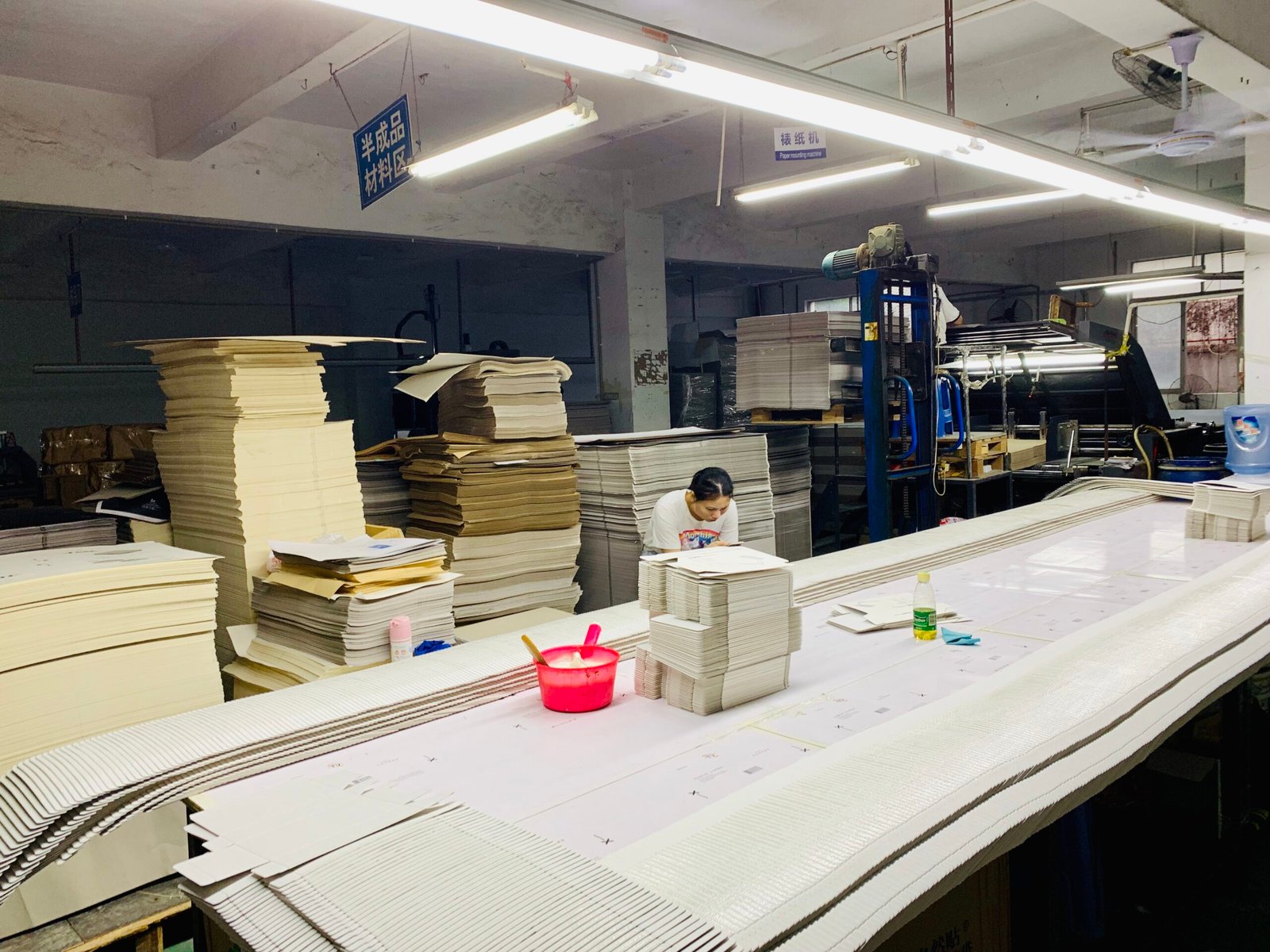
Manufacturability includes machine compatibility, assembly flow, glue application, tolerance range, and inspection points. Designs that work as hand-made samples may fail during automated or semi-automated production.
In factory workshops, engineers adjust structures and processes to ensure stable output. This production-oriented approach turns packaging design into a repeatable system rather than a one-time concept.
How Does Packaging Design Support Sustainability?
Sustainability is now part of packaging design, not an add-on.
Packaging design supports sustainability by reducing material use, improving recyclability, and lowering production waste.
Optimized structures use less material while maintaining strength. Single-material designs improve recycling efficiency. Controlled production reduces scrap and rework.
From a manufacturing view, sustainable packaging design must still pass strength and production validation. Packaging that fails in use creates more waste than it saves.
Conclusion
Packaging design means far more than visual appearance. It is a complete system that combines structure, materials, graphics, and production planning to ensure protection, efficiency, and consistency. From a manufacturing perspective, good packaging design translates design intent into stable mass production without excessive waste or risk.
When packaging design is approached as both engineering and design, it supports reliable production, predictable costs, and long-term performance. This is why packaging design is not a final decoration step, but a critical part of product development and manufacturing success.