Packaging design is often mistaken for surface decoration, but in real manufacturing it covers a much wider system. When this scope is not clearly defined, packaging projects face redesign, unstable production, and unnecessary cost increases.
Packaging design includes structure, materials, graphics, functionality, sustainability, and production execution, all planned to ensure protection, efficiency, and consistent mass manufacturing. It is a complete engineering and design process.
From a manufacturer’s perspective, packaging design determines whether an idea can be produced reliably on the workshop floor and delivered at scale without quality risk. The following sections explain what is truly included in packaging design.
Structural Design and Engineering
Structure is the foundation of all packaging design.
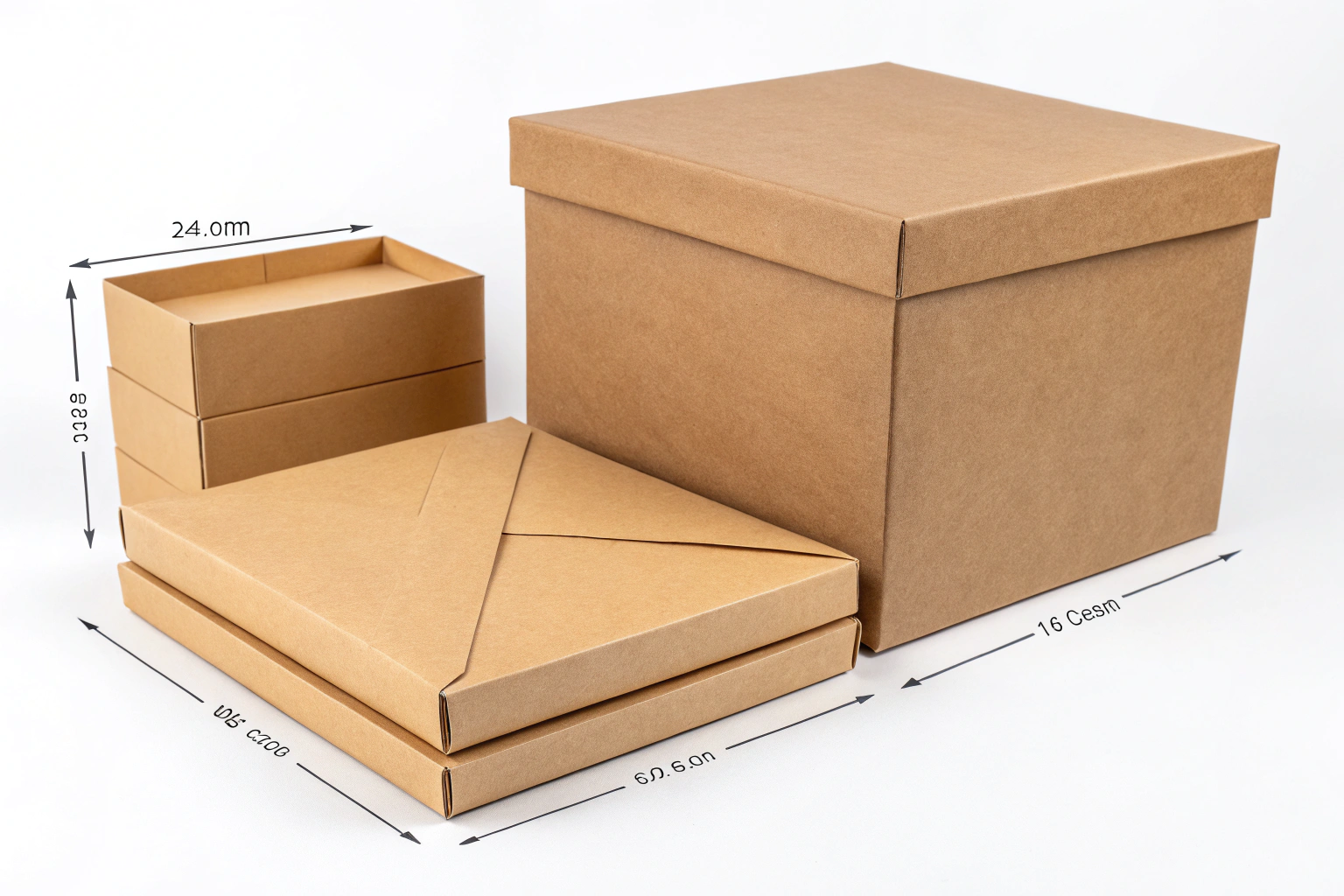
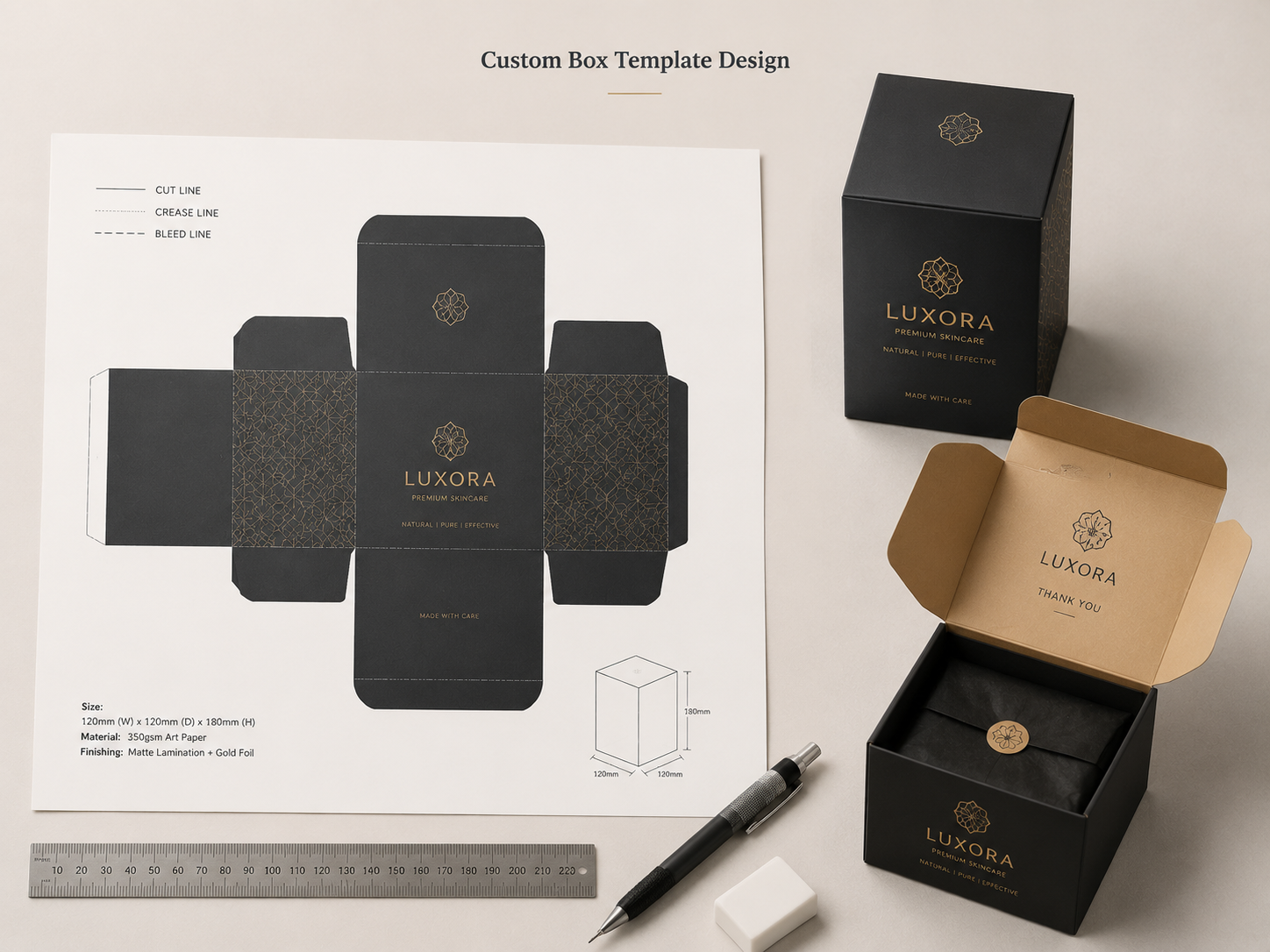
Structural packaging design defines size, shape, folding logic, strength, and load distribution.
This includes box types, internal supports, locking methods, tolerance control, and assembly logic. Structural design determines how packaging protects the product, stacks during transport, and behaves during handling.
In factory workshops, structural design directly affects die-cut accuracy, folding stability, and assembly efficiency. White samples are produced and assembled to check fit, squareness, and strength before any printing begins. Poor structural design leads to deformation, slow assembly, and high defect rates during mass production.
Material Selection and Specification
Material choice is a core part of packaging design, not a later decision.
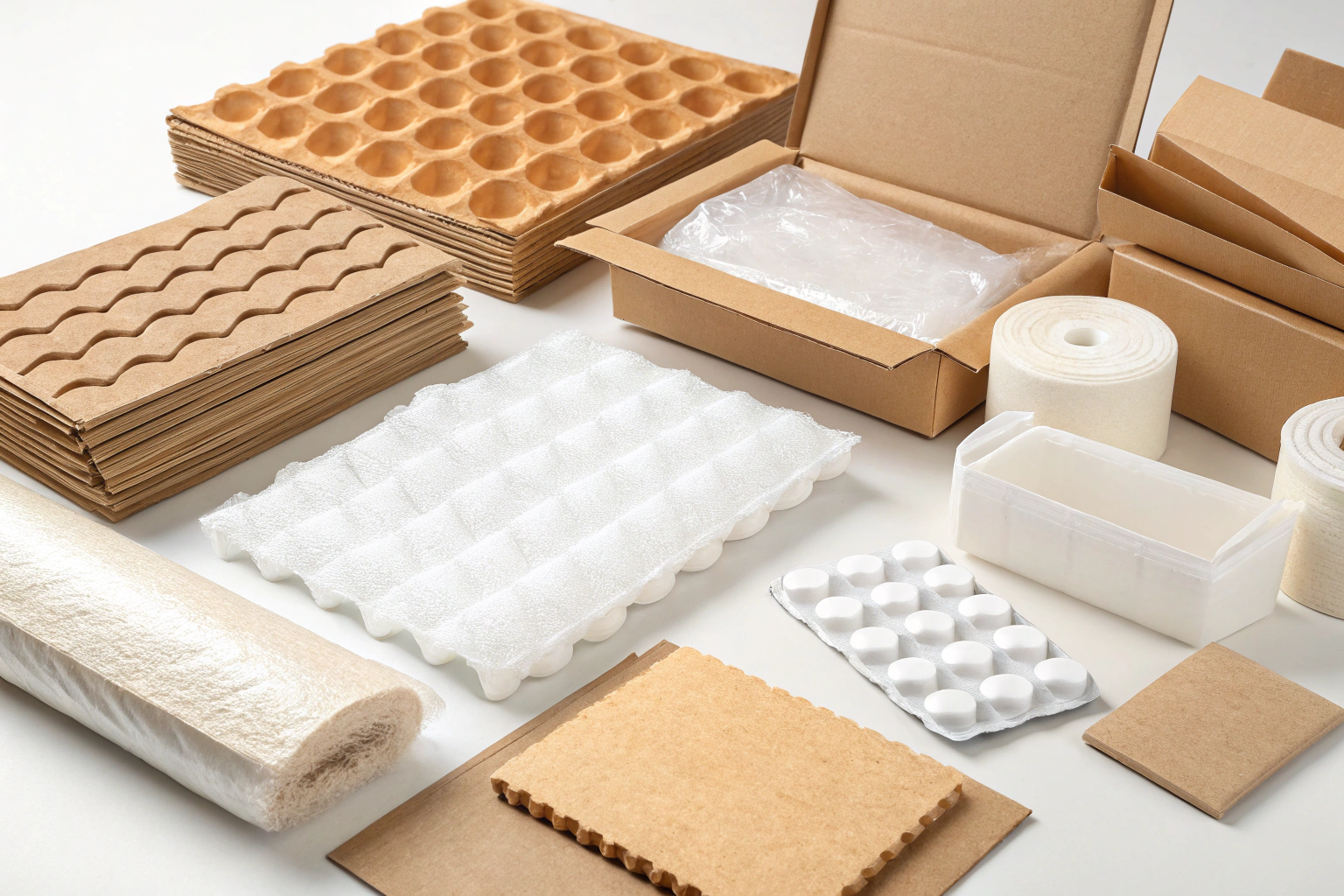
Packaging design includes selecting materials that match structure, performance requirements, and production behavior.
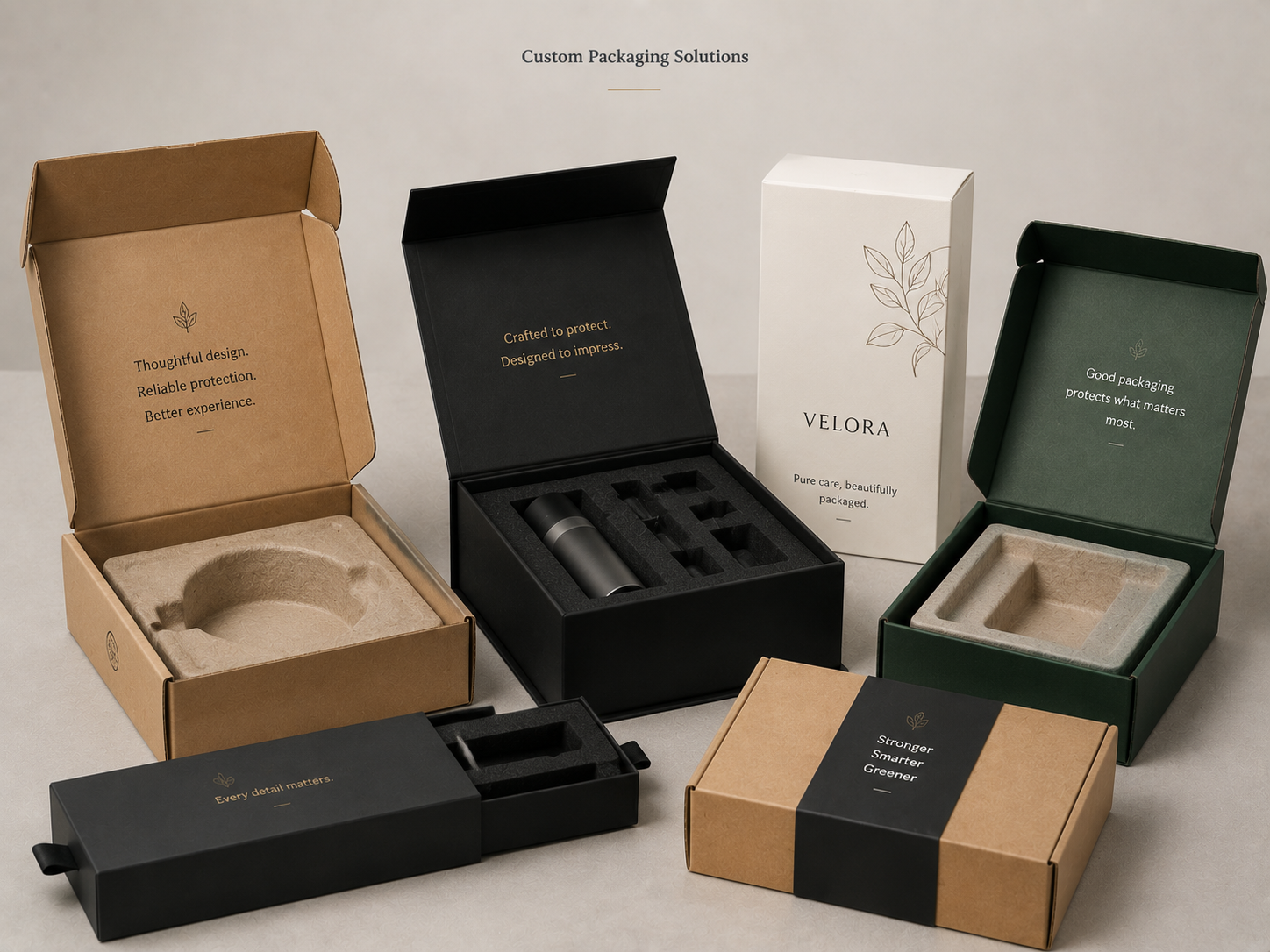
Paperboard, corrugated board, kraft paper, specialty paper, and molded pulp each behave differently during cutting, folding, printing, and bonding. Material thickness, fiber direction, stiffness, and surface treatment all affect final performance.
In manufacturing, incorrect material selection causes cracking, warping, weak bonding, or unstable color printing. Workshops test materials under real conditions to confirm they meet strength, appearance, and process requirements before approval.
Graphic and Visual Design
Visual design is an important part of packaging design, but it operates within technical limits.
Graphic packaging design covers layout, color, typography, imagery, and surface finishing.
This includes logo placement, product information, regulatory text, and decorative elements. Printing methods such as offset printing, spot color printing, hot stamping, embossing, and UV coating are defined at this stage.
From a factory standpoint, graphic design must align with printing capability and material behavior. Color management, ink coverage, and finishing tolerances are controlled during sampling to ensure that approved visuals remain consistent during mass production.
Functional and User-Oriented Design
Packaging design also focuses on how packaging is used in real situations.
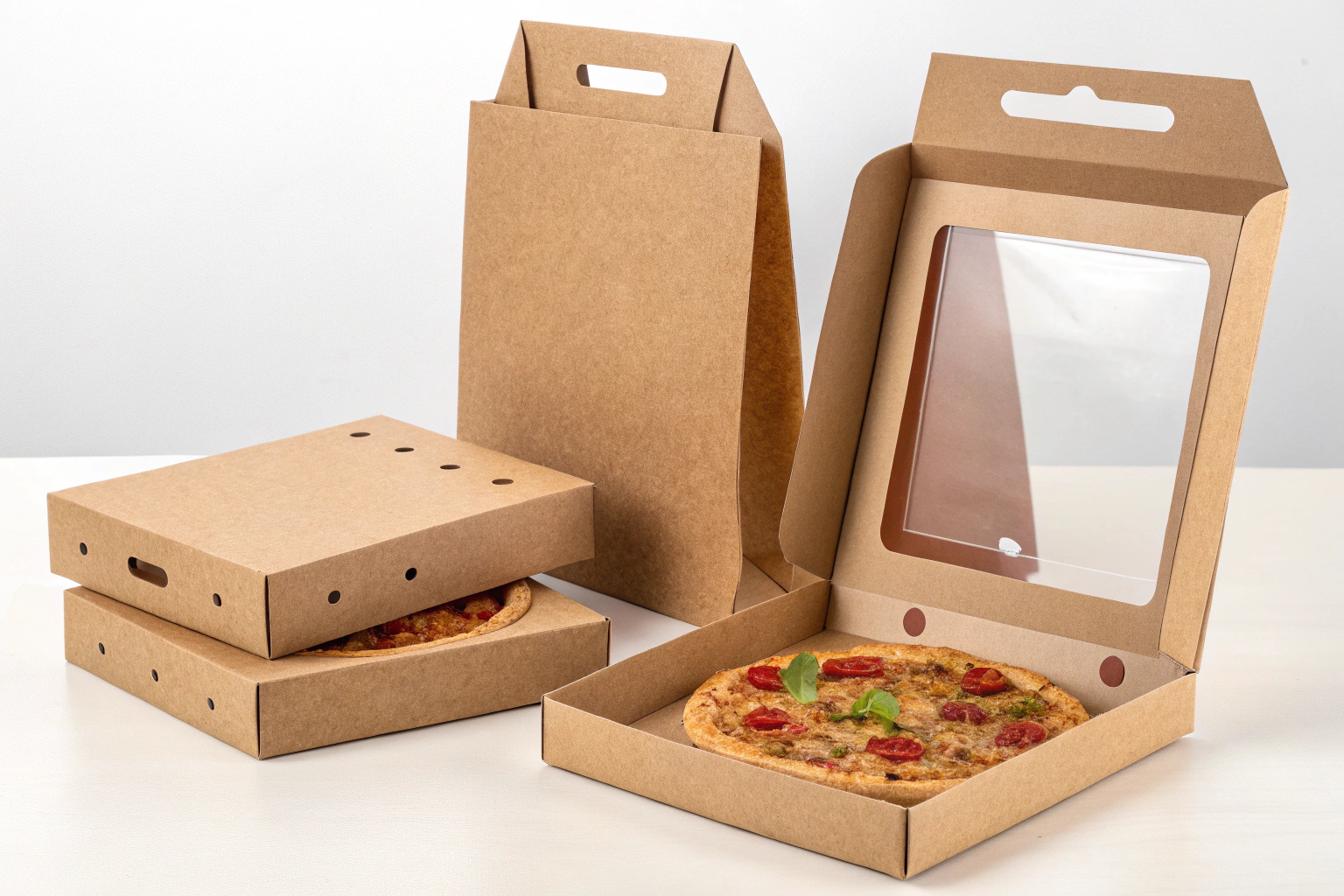
Functional packaging design improves usability, handling, and user experience.
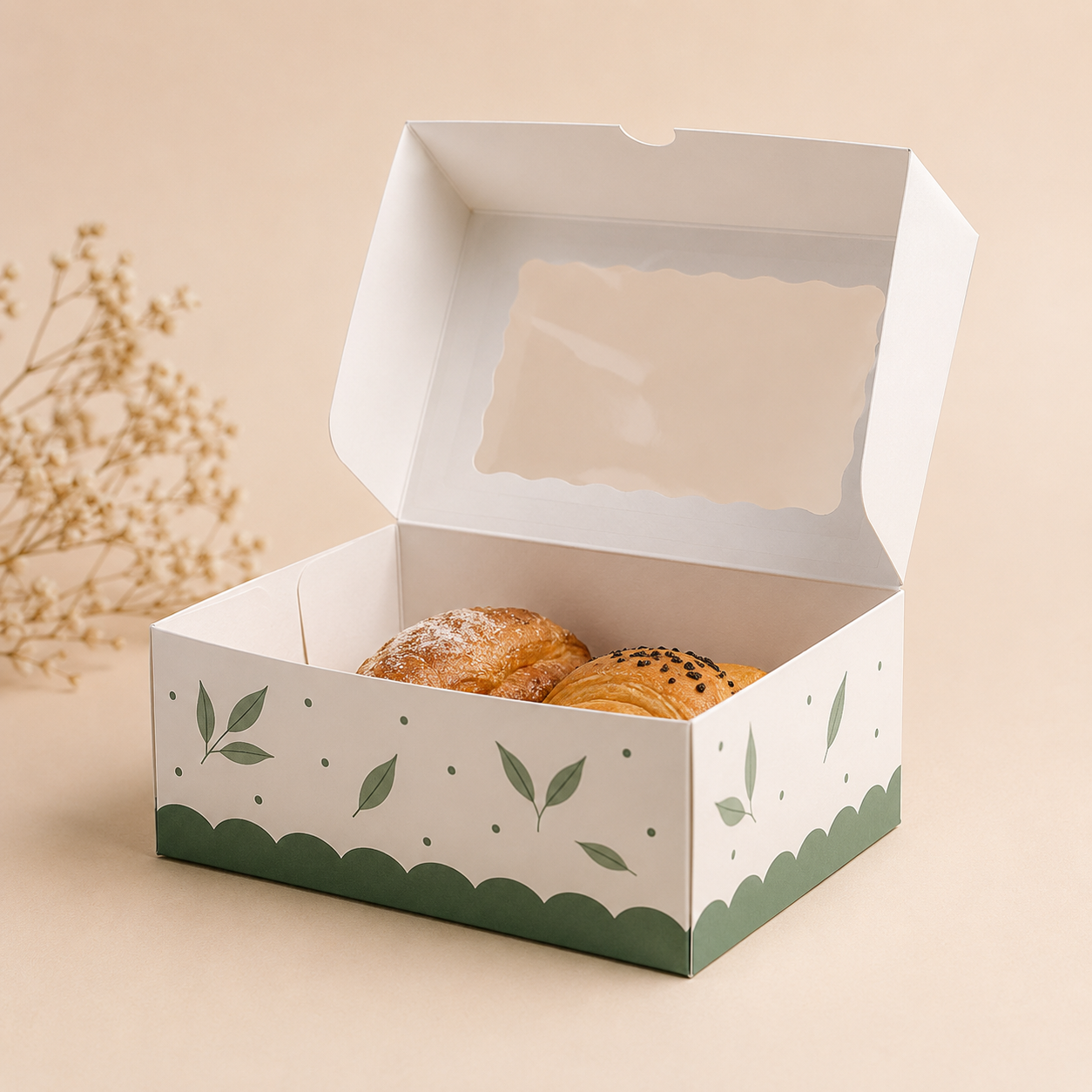
This includes easy-open structures, carry handles, resealable features, display-ready designs, and protective inserts. Functional design considers packing efficiency, unpacking steps, and storage convenience.
In manufacturing workshops, functional features are evaluated for assembly speed and defect risk. Overly complex functions can slow production and increase quality issues. Good functional design balances user convenience with production efficiency.
Sustainability and Environmental Design
Sustainability is now a core part of packaging design scope.
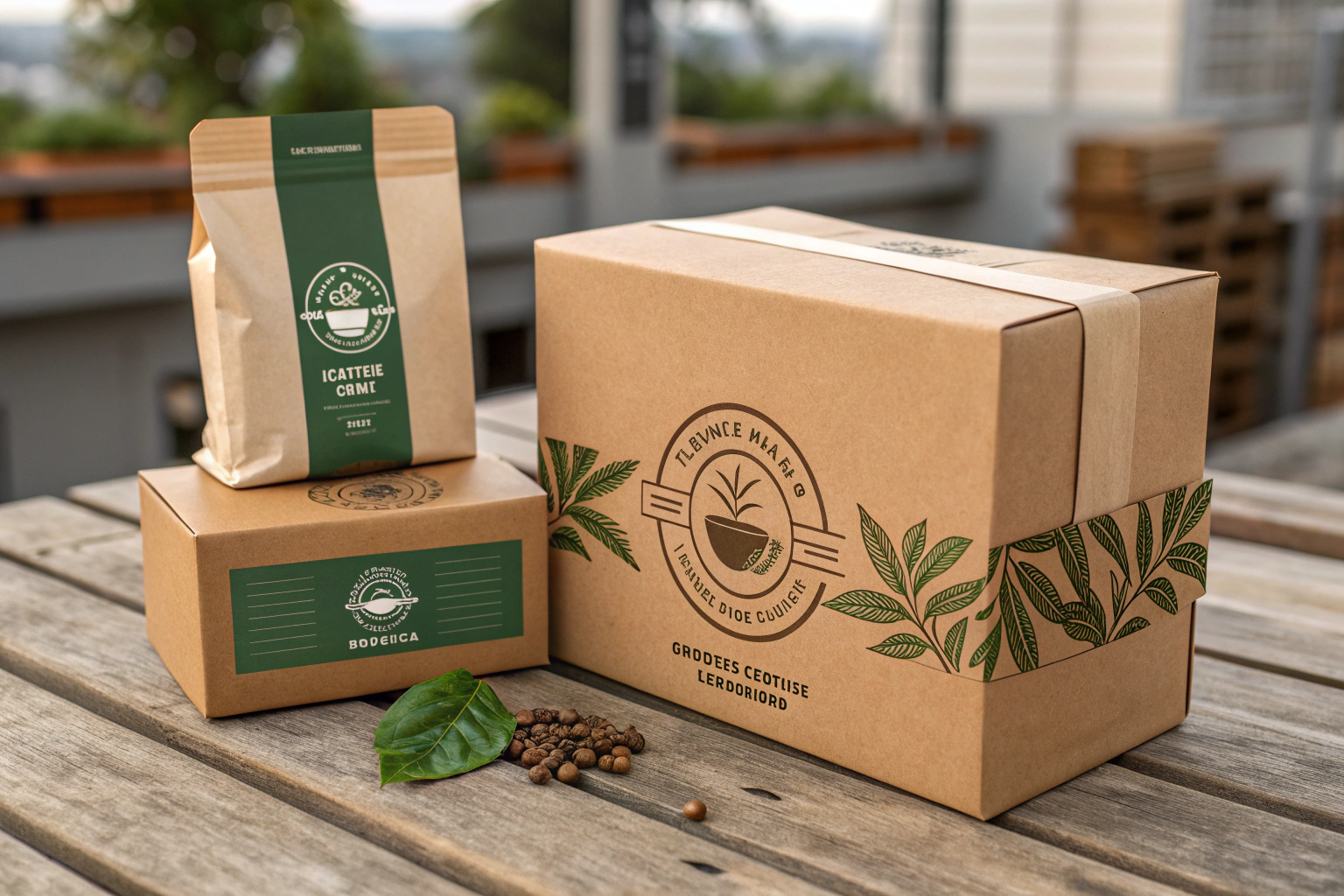
Sustainable packaging design focuses on reducing material use, improving recyclability, and lowering production waste.
This includes material reduction, single-material structures, recyclable designs, and elimination of unnecessary layers. Sustainability decisions made during design directly affect environmental performance after use.
From a manufacturing perspective, sustainable design must still meet strength and production stability requirements. Designs that reduce material too aggressively often fail during transport, creating more waste through replacement and rework.
Production and Manufacturing Design
Packaging design is incomplete without production planning.
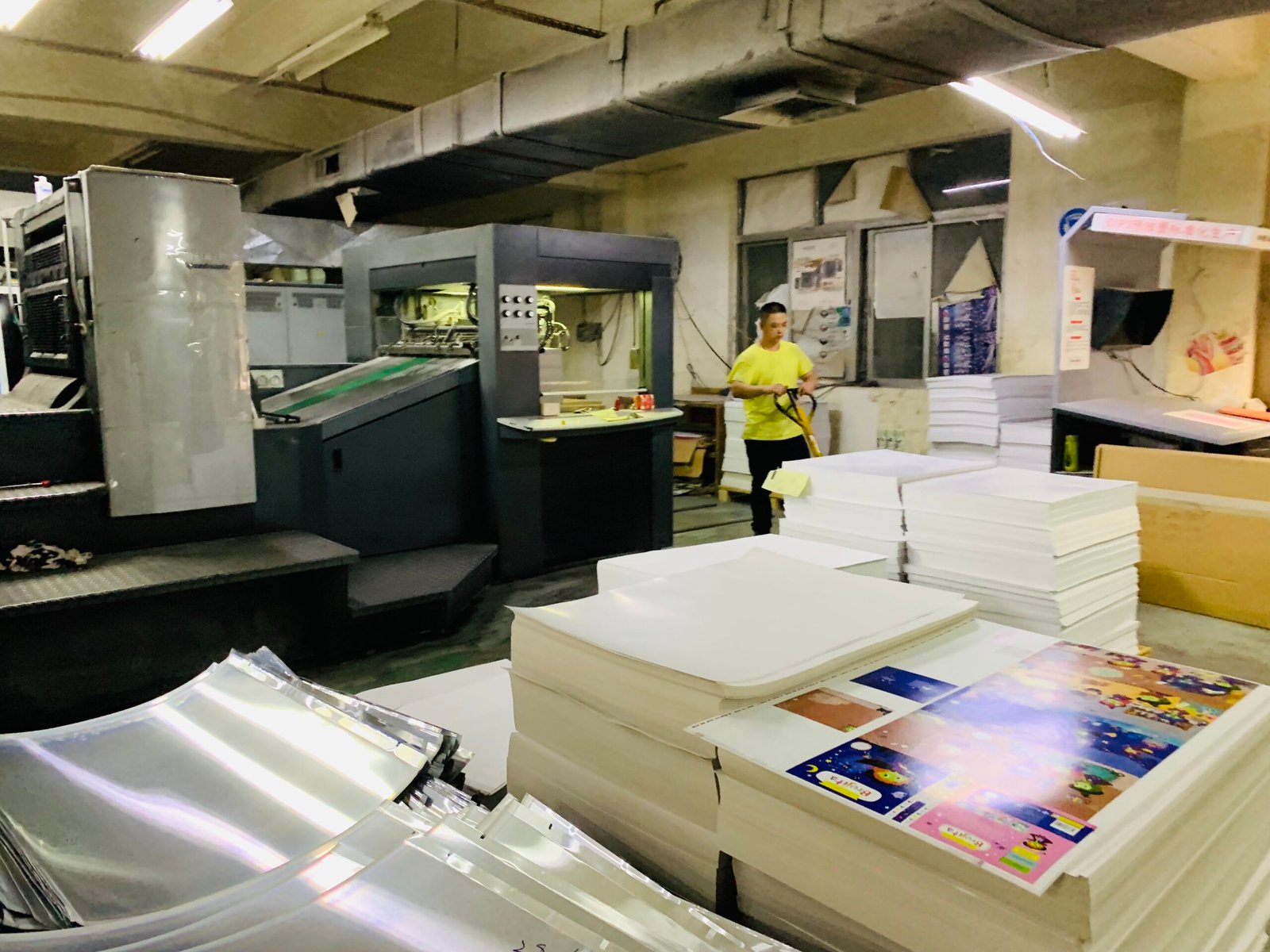
Production-oriented packaging design ensures manufacturability, efficiency, and consistency at scale.
This includes machine compatibility, assembly flow, glue application, tolerance range, quality checkpoints, and packaging speed. Designs that look good as hand-made samples may fail in automated or semi-automated production.
In factory workshops, engineers adjust die-lines, glue areas, and assembly sequences to ensure stable output. This production-focused design work prevents delays, quality variation, and cost overruns during mass manufacturing.
Conclusion
Packaging design covers far more than visual appearance. It includes structural engineering, material selection, graphic design, functional planning, sustainability strategy, and production execution. Each part is interconnected, and weakness in any area affects the entire packaging project.
From a manufacturing perspective, successful packaging design aligns design intent with factory capability. When structure, materials, processes, and production flow are considered together from the beginning, packaging moves smoothly from concept to mass production. Clear understanding of what falls under packaging design helps reduce redesign, control cost, improve quality stability, and deliver packaging that performs reliably throughout its full lifecycle.