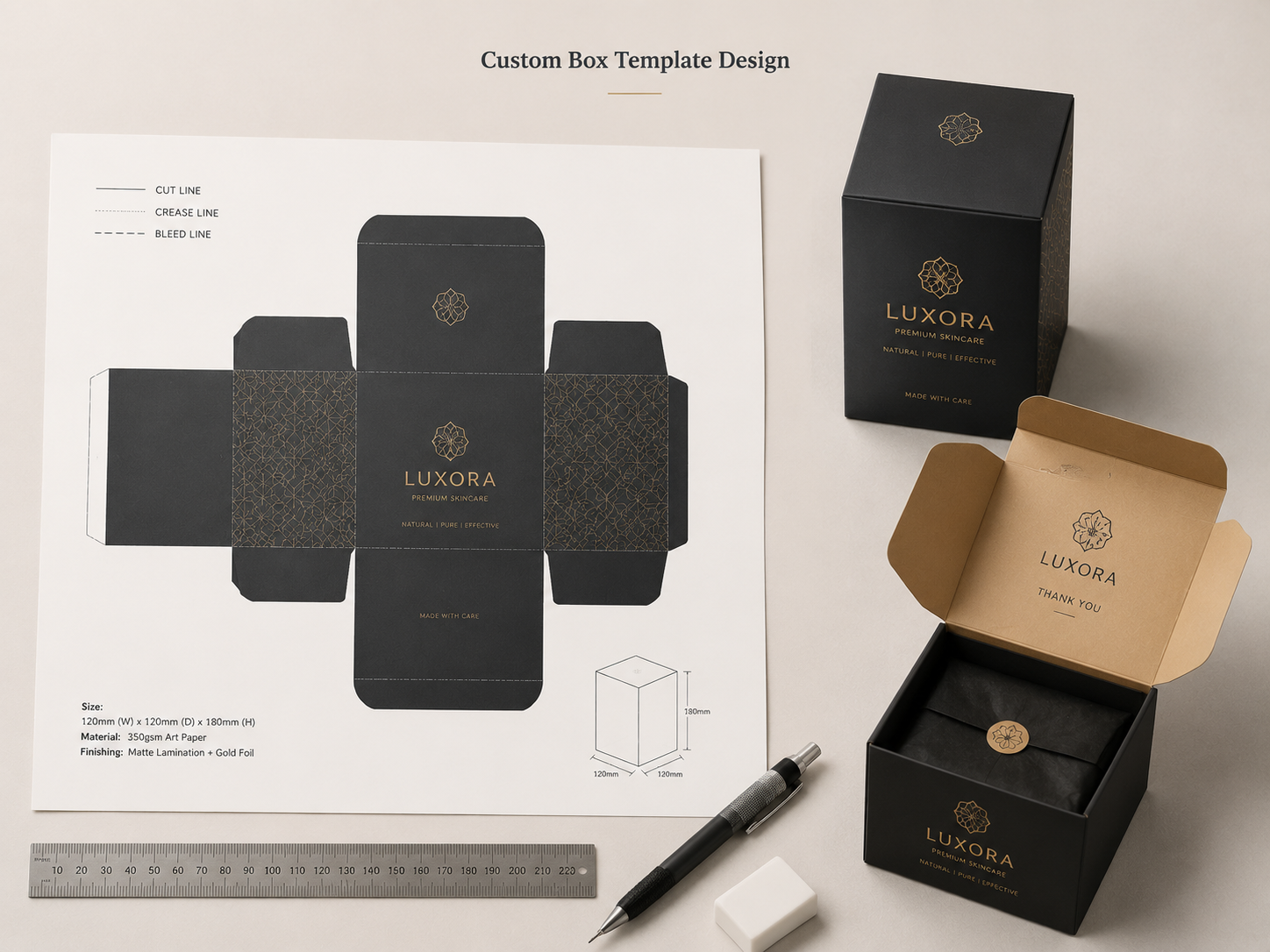
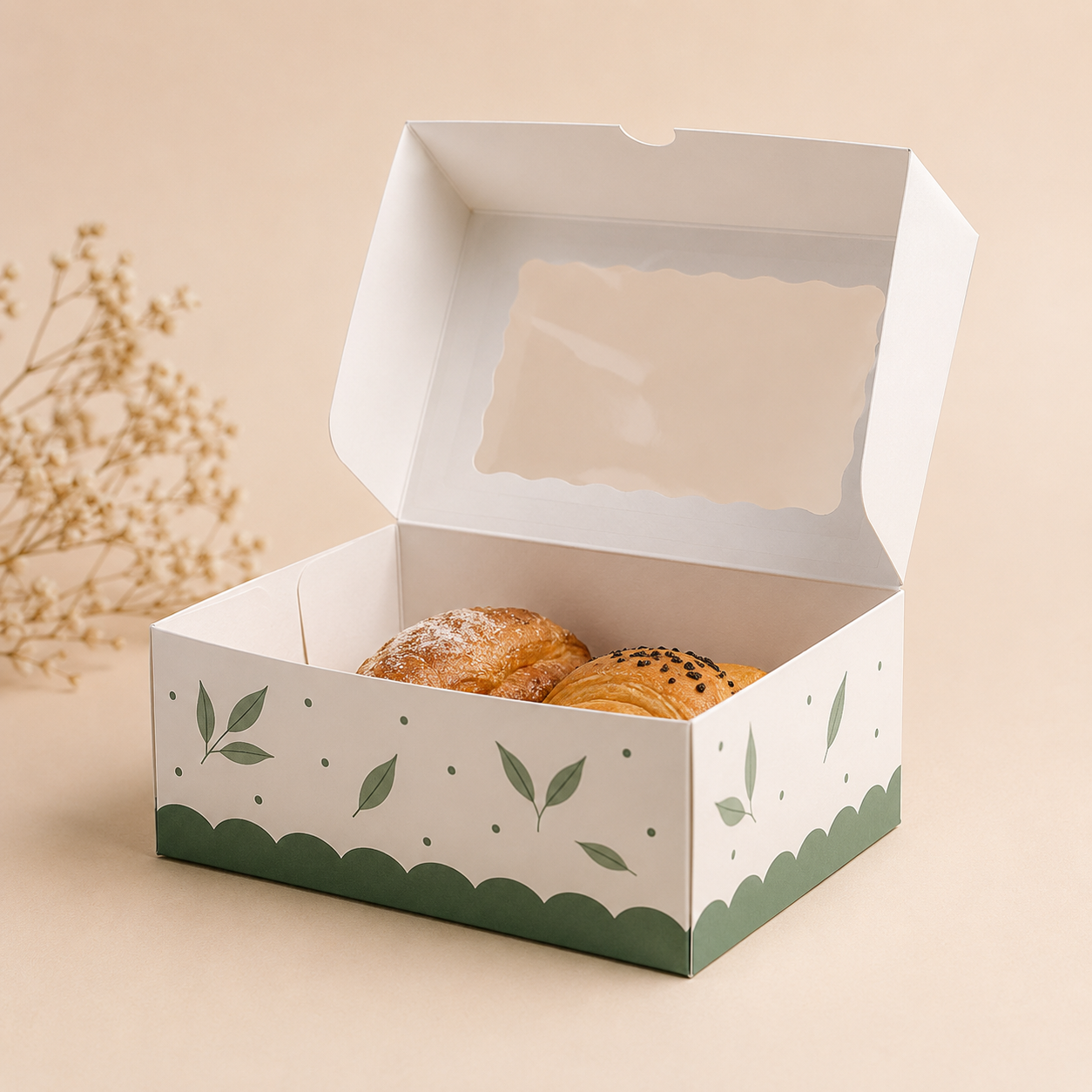
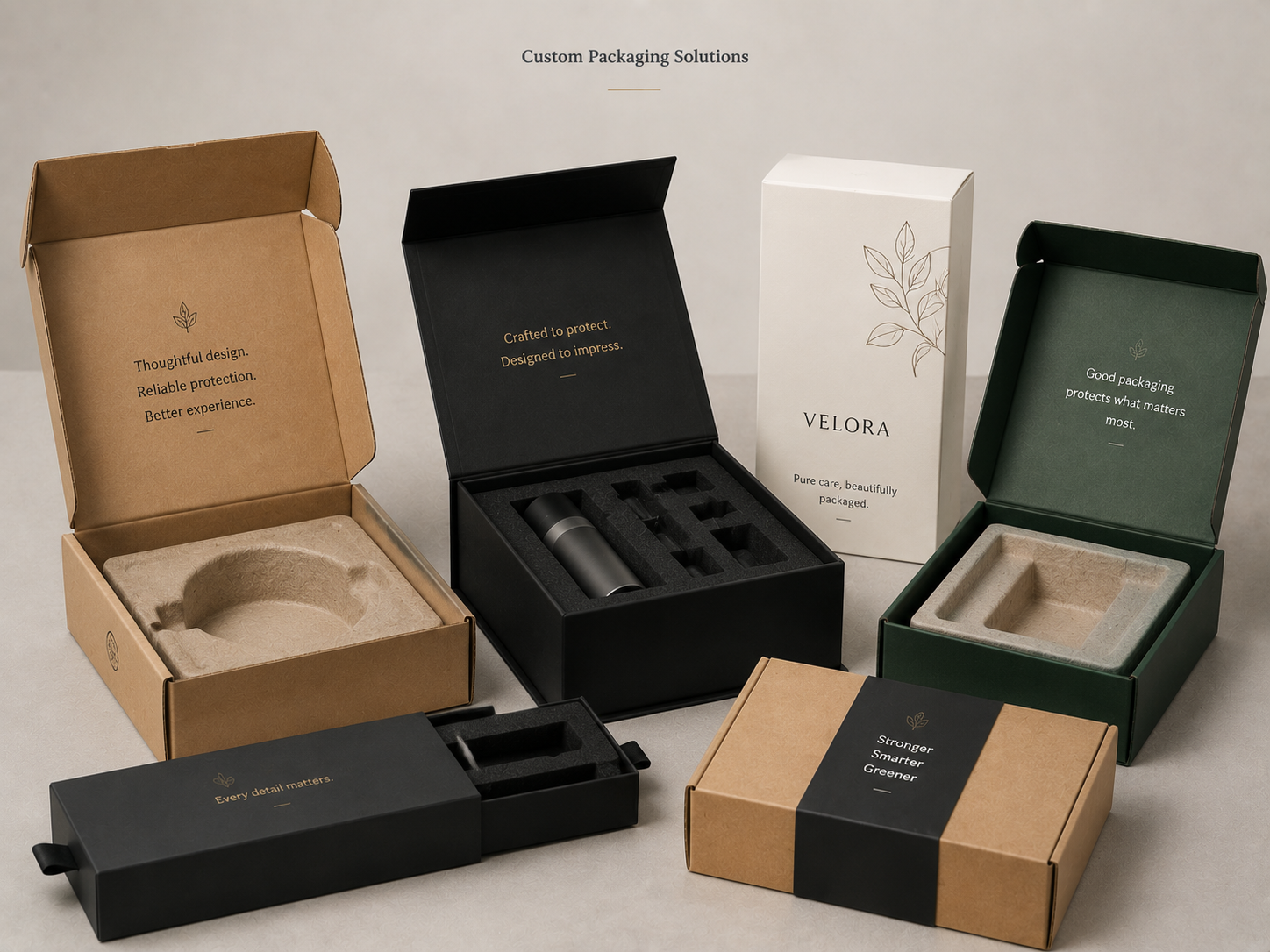
Many packaging projects look attractive at first glance but fail during production, transport, or real use. This usually happens when packaging design is judged only by appearance instead of overall performance.
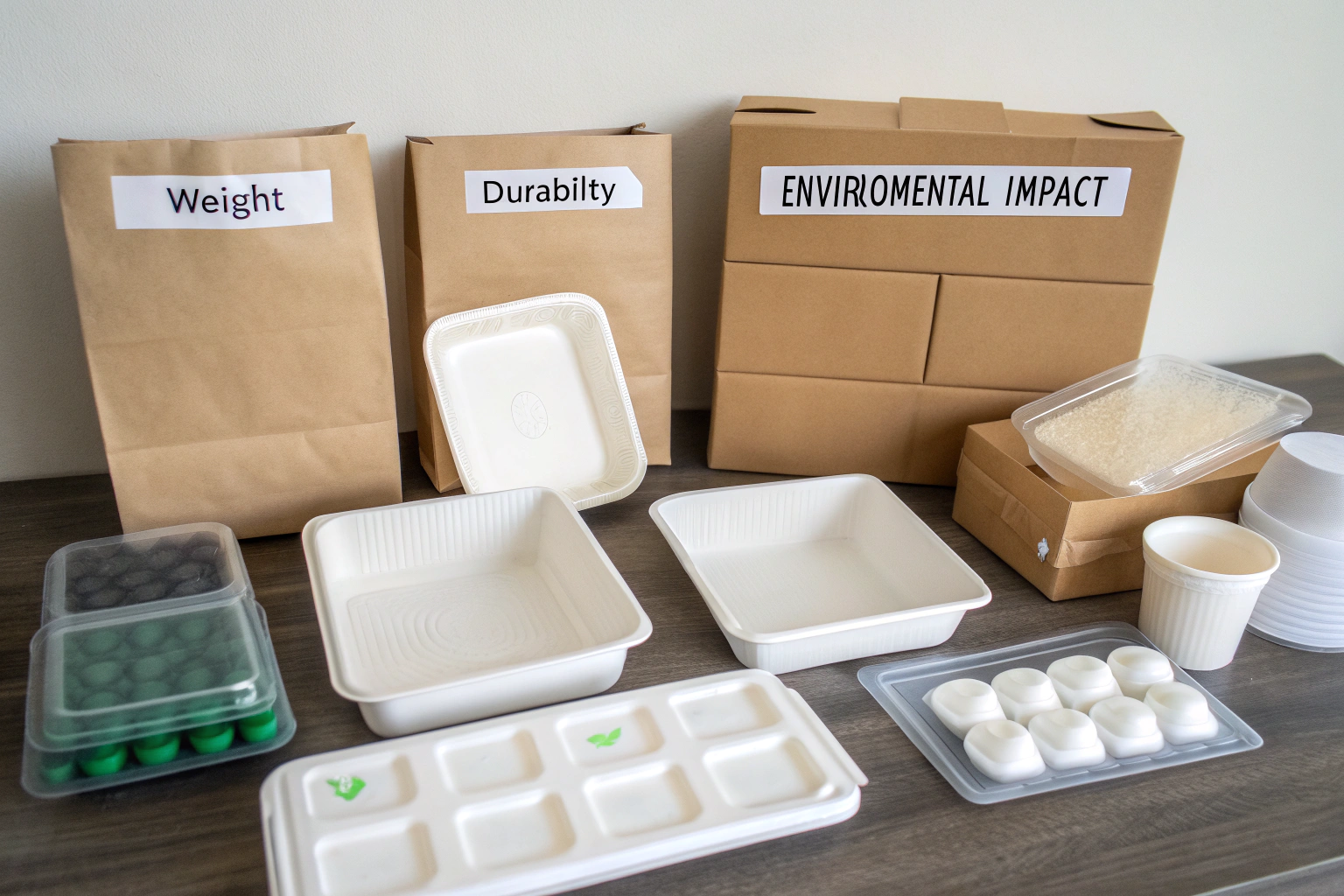
A good packaging design is one that balances protection, manufacturability, cost control, visual consistency, and sustainability, while remaining stable in mass production. It is defined by performance, not decoration.
From a manufacturing perspective, good packaging design must work reliably on the factory floor before it can succeed in the market. The following sections explain what truly defines good packaging design in practice.
Good Packaging Design Starts With Strong Structure
Structure is the foundation of any successful packaging.
A good packaging design uses a well-engineered structure to protect the product under real handling and transport conditions.
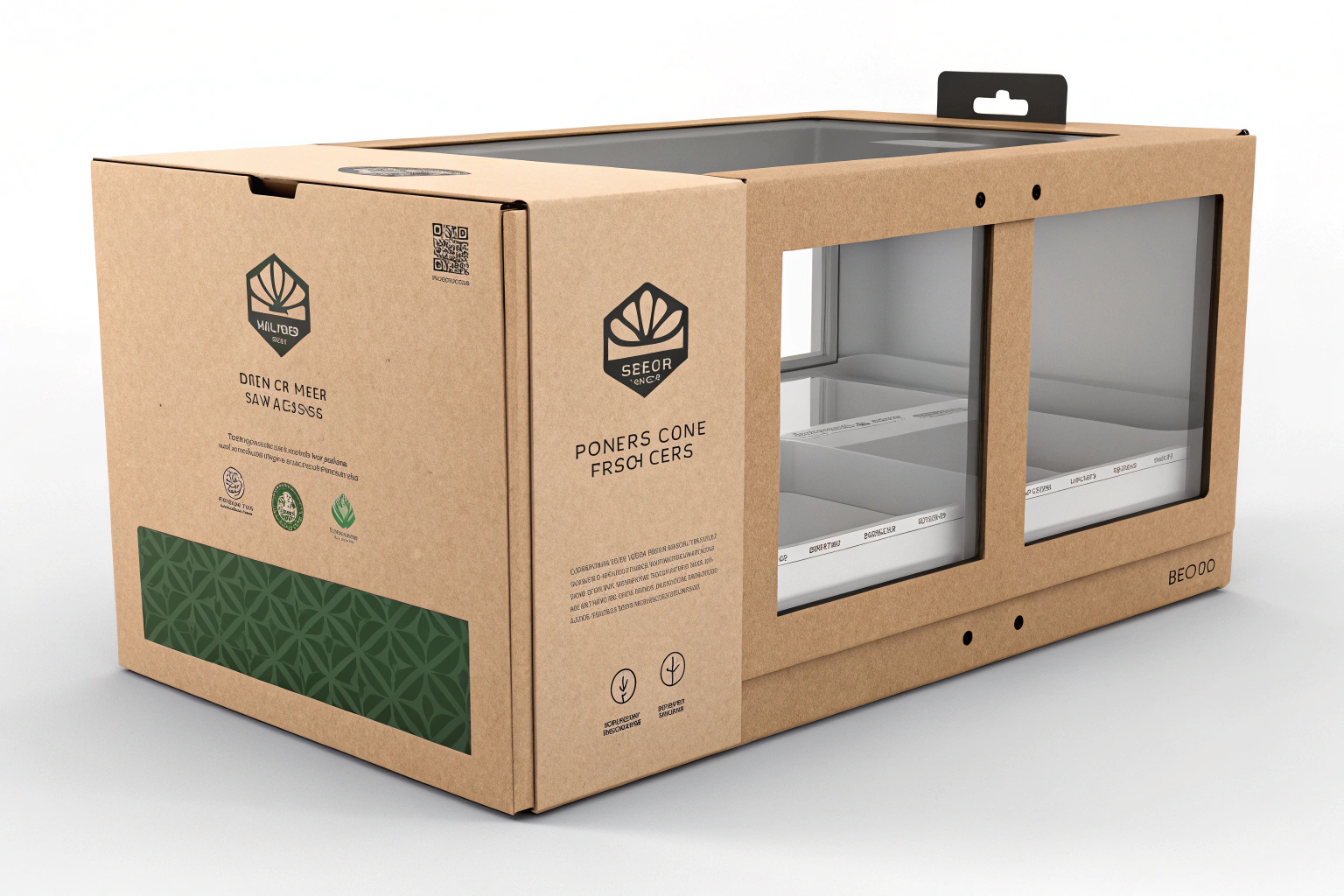
Correct structure controls load distribution, stacking strength, and impact resistance. Box geometry, folding logic, reinforcement points, and internal supports are all part of this stage. Without proper structure, even premium materials and printing cannot prevent damage.
In factory workshops, strong structural design shows clear advantages during assembly and testing. Boxes stay square, folds align correctly, and compression and drop tests produce consistent results. Good structure reduces breakage, returns, and hidden logistics costs.
Good Packaging Design Uses the Right Materials
Material choice directly affects strength, appearance, and production stability.
A good packaging design selects materials based on performance requirements, not only cost or appearance.
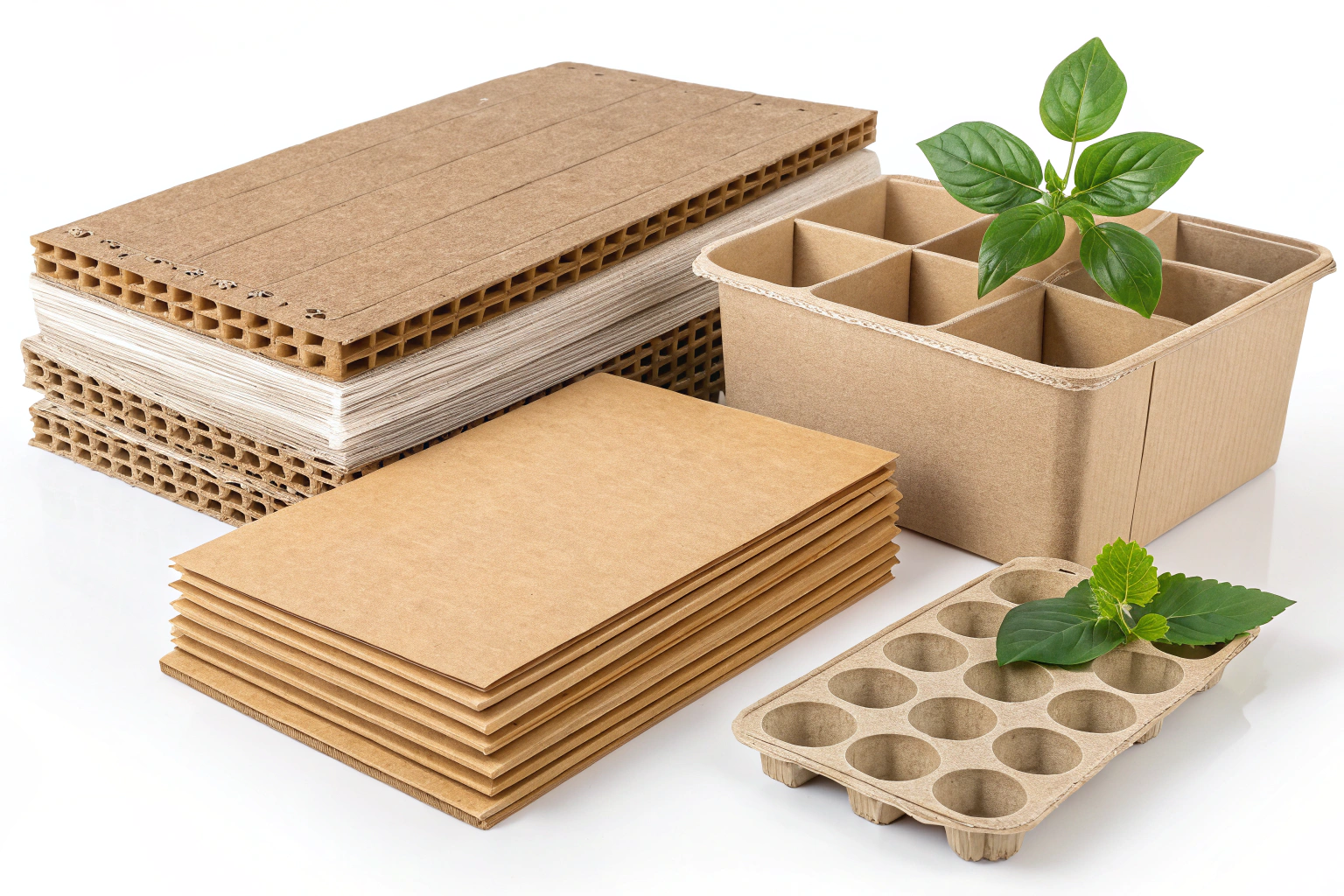
Paperboard, corrugated board, kraft paper, and molded pulp each behave differently during cutting, folding, printing, and gluing. Thickness, fiber direction, stiffness, and surface treatment must match the structure design.
In manufacturing, incorrect material choice causes cracking on folds, weak bonding, warping, or unstable printing. Good packaging design aligns material behavior with machine capability, ensuring consistent results from sampling to mass production.
Good Packaging Design Is Easy to Produce at Scale
Design success is proven in mass production, not in samples.
A good packaging design can be produced efficiently, repeatedly, and with low defect rates.
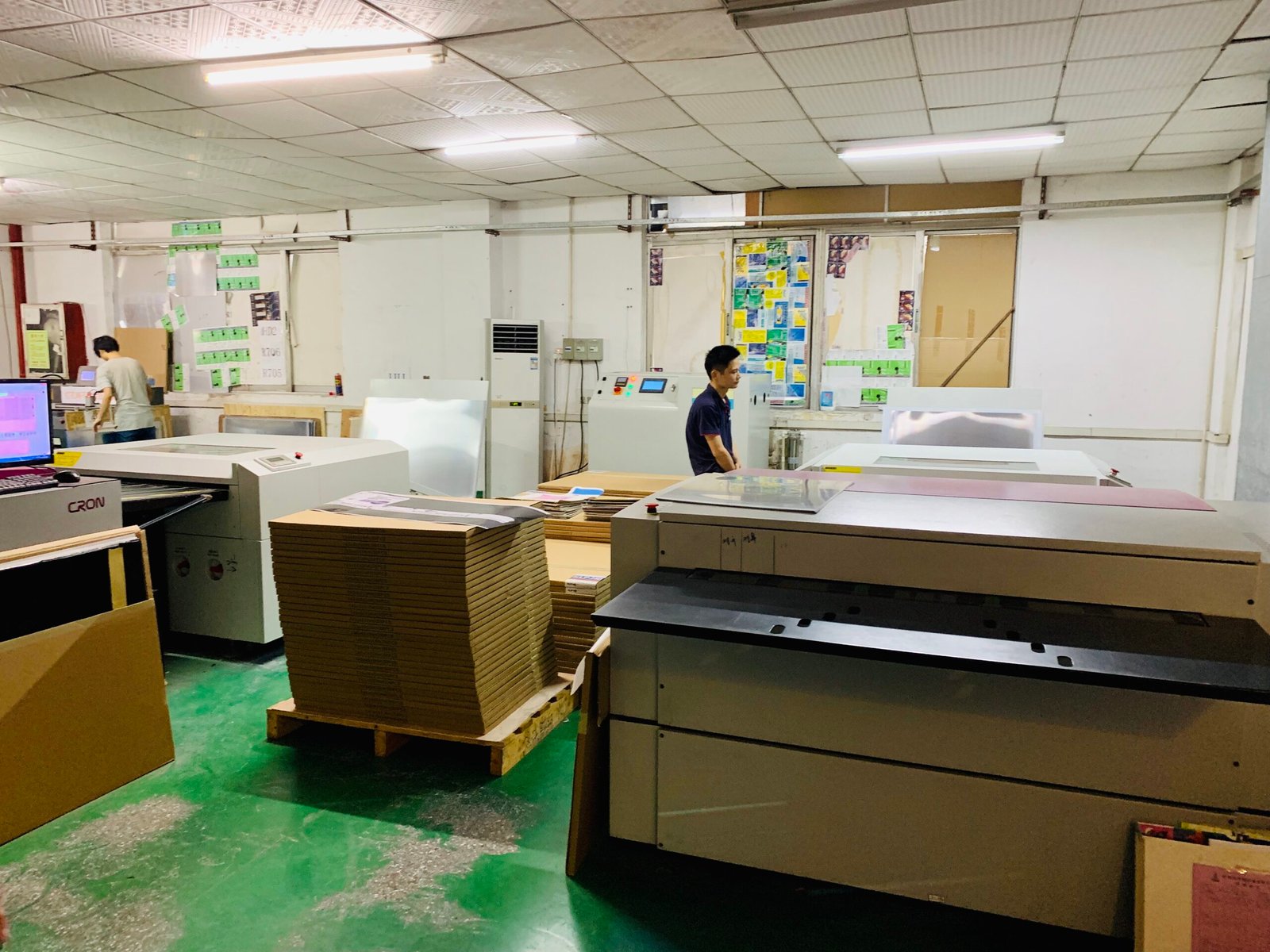
Packaging that requires complex folding steps, tight tolerances, or excessive manual adjustment increases production risk. Good designs simplify assembly flow, reduce glue points, and allow stable machine operation.
In factory workshops, good packaging design improves output speed, reduces training time, and lowers rejection rates. Stable production leads to predictable delivery schedules and consistent quality.
Good Packaging Design Maintains Visual Consistency
Appearance matters, but consistency matters more.
A good packaging design delivers stable printing and finishing results across large volumes.
Simple, well-planned layouts support accurate color control and clean finishing. Designs that overload ink coverage or combine too many finishing processes often suffer from variation between batches.
In printing workshops, good packaging design respects material limits and printing capability. Color management and process control keep samples and bulk production aligned, protecting brand presentation over time.
Good Packaging Design Controls Total Cost
Cost control goes beyond unit price.
A good packaging design reduces total cost by balancing material use, production efficiency, and damage prevention.
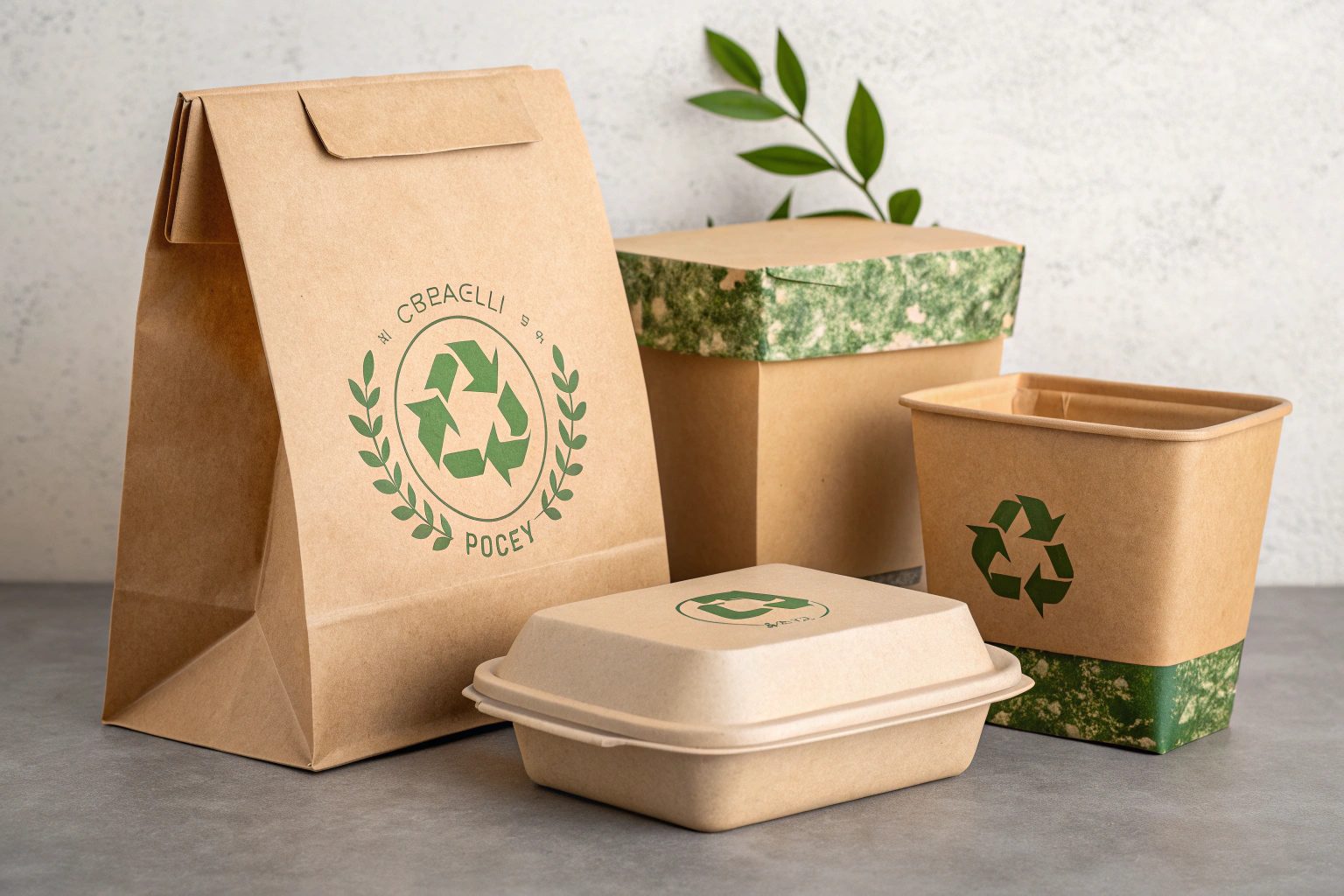
Overdesigned packaging wastes material and increases tooling and transport cost. Underdesigned packaging causes product damage and replacement losses. Good packaging design uses only the material required to achieve reliable performance.
From a manufacturing view, optimized design improves yield rate, lowers scrap, and reduces rework. These savings accumulate across long production runs and are more valuable than short-term material reduction.
Good Packaging Design Supports Sustainability
Sustainability is achieved through design discipline.
A good packaging design reduces material usage, improves recyclability, and minimizes production waste.
Efficient structures reduce paper consumption. Single-material designs improve recycling outcomes. Stable production reduces scrap and rejected units.
In factory operations, sustainable packaging design also improves efficiency. Less waste, fewer defects, and better material utilization benefit both environmental performance and operational stability.
Conclusion
A good packaging design is not defined by how it looks, but by how well it performs across its entire lifecycle. Strong structure, correct material selection, efficient manufacturability, visual consistency, cost control, and sustainability all work together to define real quality. When any one of these elements is missing, packaging problems appear later as damage, delays, or rising costs.
From a manufacturing perspective, good packaging design connects design intent with factory reality. It ensures that what is approved as a sample can be produced repeatedly at scale without surprises. Packaging that performs reliably in production, transport, and use creates long-term stability, protects brand value, and reduces operational risk. This is what truly defines a good packaging design.