Many people hear the term “corrugated cardboard” but struggle to connect it with a real, clear example. This confusion often leads to wrong material choices and unrealistic expectations about strength and use.
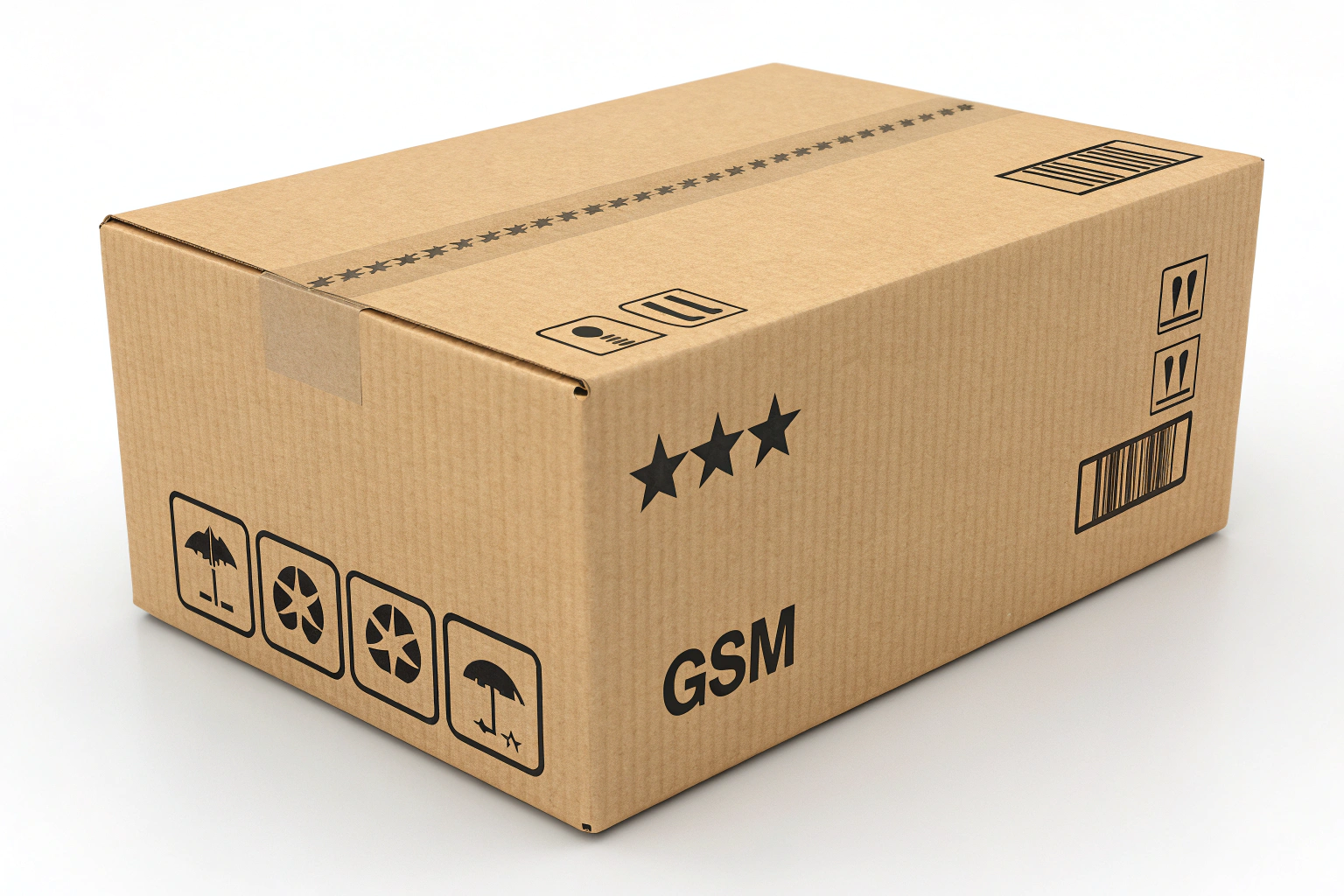
A standard shipping box is the most common and clear example of corrugated cardboard. It uses a fluted paper core between liner papers to provide strength and protection.

As a professional packaging manufacturer, I prefer to explain corrugated cardboard through real, everyday examples that come directly from factory production and logistics use. Below, I walk through several clear examples and explain why each one qualifies as corrugated cardboard.
Understanding these examples makes the structure easy to recognize.
: Standard shipping box
This is the most typical example.
A regular brown shipping carton used for transport is corrugated cardboard.

These boxes are used to ship electronics, household goods, tools, and general products. When you look at the edge of the box, you can see a wave-shaped paper layer inside. That fluted layer is what makes the box corrugated.
From a manufacturing perspective, this box is usually made from single wall corrugated board. It balances strength, cost, and ease of handling. This is the clearest real-world example of corrugated cardboard.
: Moving boxes used for relocation
Moving boxes are another common example.
Household moving boxes are made from corrugated cardboard to support stacking and lifting.
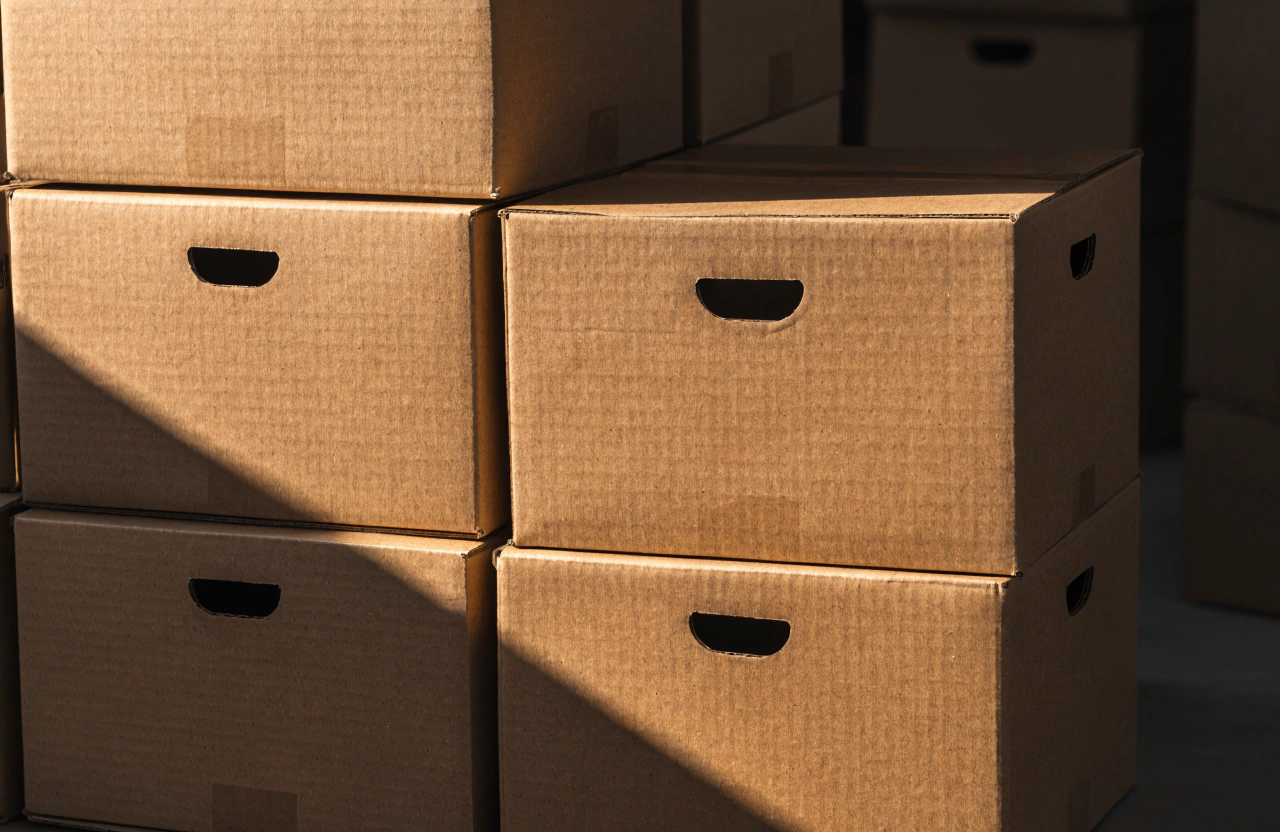
During moving, boxes are stacked, carried, and loaded into trucks. Solid paperboard would collapse under this stress. Corrugated cardboard absorbs impact and supports weight through its internal flute structure.
From factory experience, moving boxes are often made from stronger single wall or double wall corrugated board, depending on size and load.
: Corrugated cardboard with visible flutes
Sometimes the best example is structural.
A cut edge of corrugated cardboard showing the wave-shaped flutes is a direct example of corrugated material.
When you cut a box and see:
- Flat outer liner
- Wave-shaped middle layer
- Flat inner liner
You are looking at corrugated cardboard. This internal structure is the defining feature, regardless of box size or shape.
As a manufacturer, this cross-section view is how we confirm material type on the production floor.
: Heavy-duty corrugated boxes for industrial use
Corrugated cardboard is not only light-duty.
Large industrial cartons made from double wall or triple wall board are also examples of corrugated cardboard.
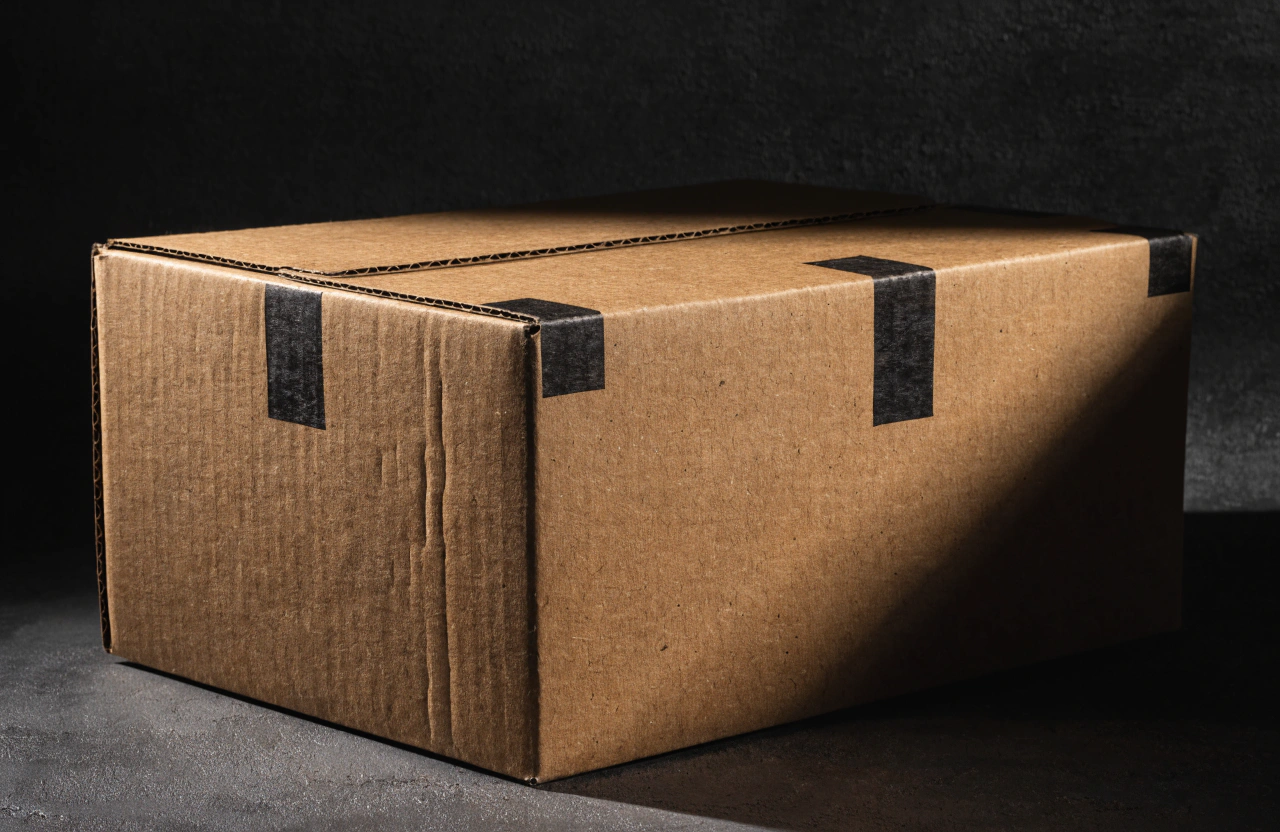
These boxes are used for machinery parts, bulk products, and heavy components. They may look very thick, but inside they still rely on fluted paper layers.
From a manufacturing standpoint, these boxes show how corrugated cardboard can be engineered for high load performance without using wood or plastic.
: Corrugated inserts and partitions
Not all examples are outer boxes.
Corrugated inserts, dividers, and pads inside packaging are also corrugated cardboard.

These parts are die-cut from corrugated sheets and used to hold products in place. They prevent movement and absorb impact.
From factory production, inserts are made from the same corrugated board as outer boxes or from thinner flute structures, depending on protection needs.
: Retail-ready corrugated display packaging
Corrugated cardboard also appears in retail.
Shelf-ready cartons and temporary retail displays are examples of corrugated cardboard applications.

These packages must support product weight while remaining easy to open and assemble. Corrugated structure provides strength without heavy material.
From a manufacturing perspective, this example shows how corrugated cardboard is used beyond simple transport.
How to recognize corrugated cardboard in daily life
Recognition is simple once you know what to look for.
If a box has a fluted, wave-shaped layer inside, it is corrugated cardboard.
Common everyday examples include:
- Online delivery boxes
- Appliance packaging cartons
- Warehouse storage boxes
- Moving boxes
If the edge shows flutes, it is corrugated.
Why these examples matter in packaging decisions
Examples clarify expectations.
Understanding real examples of corrugated cardboard helps prevent misuse and packaging failure.
From a manufacturing standpoint, many problems happen when corrugated cardboard is confused with solid paperboard. Knowing what a true corrugated example looks like ensures correct strength selection and proper application.
Corrugated cardboard is defined by structure, not by color or thickness.
Conclusion
A standard shipping box is the most common example of corrugated cardboard. Other clear examples include moving boxes, industrial cartons, corrugated inserts, and retail display packaging. All of these share one defining feature: a fluted paper layer bonded between liner papers.
As a professional packaging manufacturer, I always explain corrugated cardboard through real examples found in factories, warehouses, and daily logistics. Once the fluted structure is recognized, corrugated cardboard becomes easy to identify and understand in any packaging application.