Corrugated packaging is one of the most widely used packaging solutions in modern logistics and product distribution, yet it is often misunderstood as simple cardboard. This misunderstanding leads to poor packaging choices, product damage, and unstable supply performance. A clear explanation of corrugated packaging helps clarify why it remains essential across many industries.
Corrugated packaging refers to packaging made from corrugated board, which consists of a fluted corrugated medium sandwiched between liner papers to create strength, cushioning, and structural stability. It is designed to protect products during storage, handling, and transportation.
Corrugated packaging is not just about boxes. It is a complete system engineered to manage pressure, impact, and stacking while remaining efficient to manufacture and recycle.
How Corrugated Packaging Is Structured
The core of corrugated packaging lies in its layered structure. Corrugated board is made by bonding a wavy inner layer, known as fluting, between one or two flat linerboards. This structure creates air spaces that absorb shock and distribute pressure.
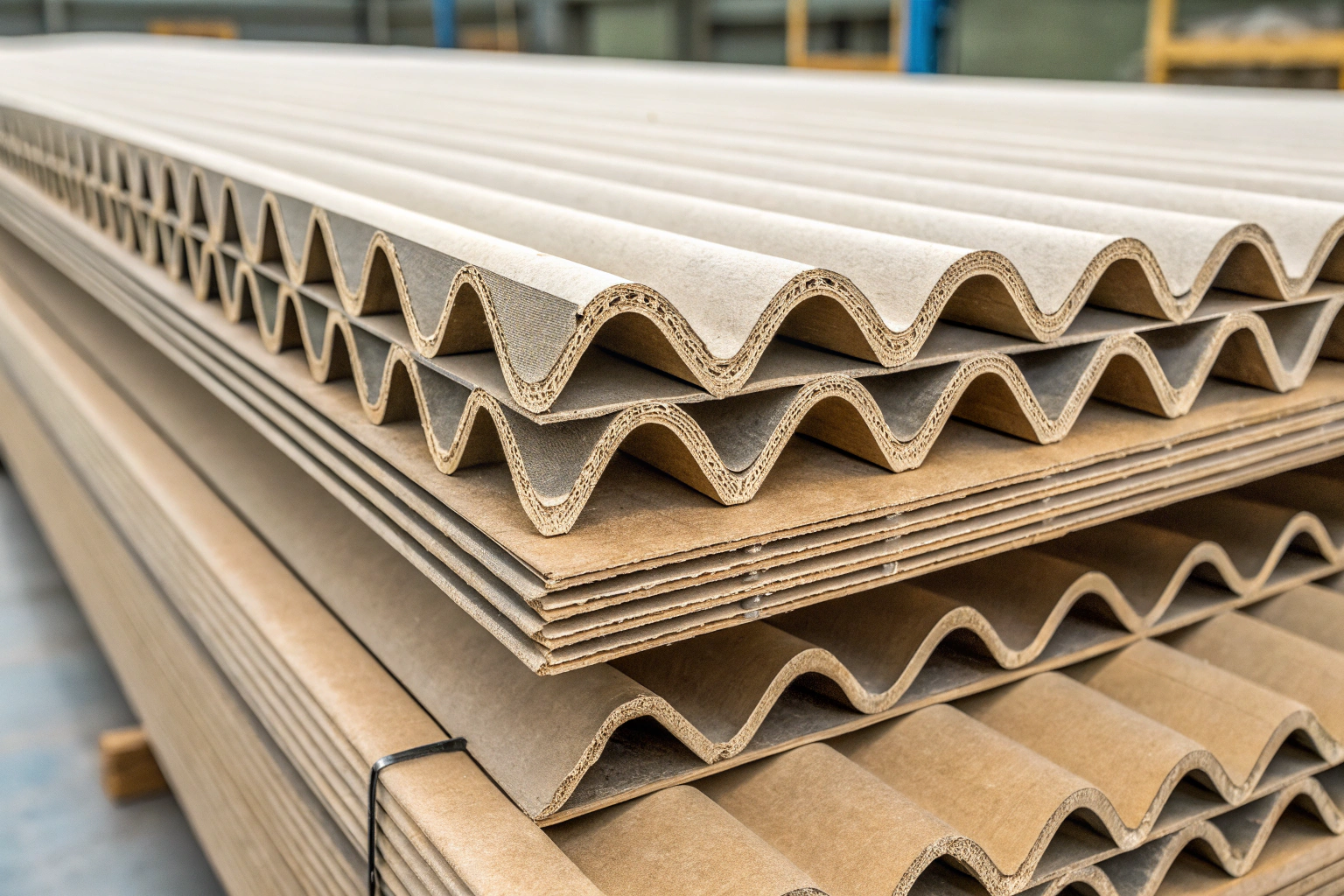
The fluted medium acts as a shock absorber, while the linerboards provide surface strength and shape. Together, they form a lightweight but highly durable material.
Different flute profiles exist, ranging from fine to thick waves. The flute size affects cushioning, stacking strength, and overall thickness. This flexibility allows corrugated packaging to be adapted for different product weights and transport conditions.
Why Corrugated Packaging Is So Strong
Corrugated packaging achieves high strength without excessive material use. The fluted structure increases rigidity while keeping weight low. When pressure is applied from above, the flutes distribute the load across the surface.
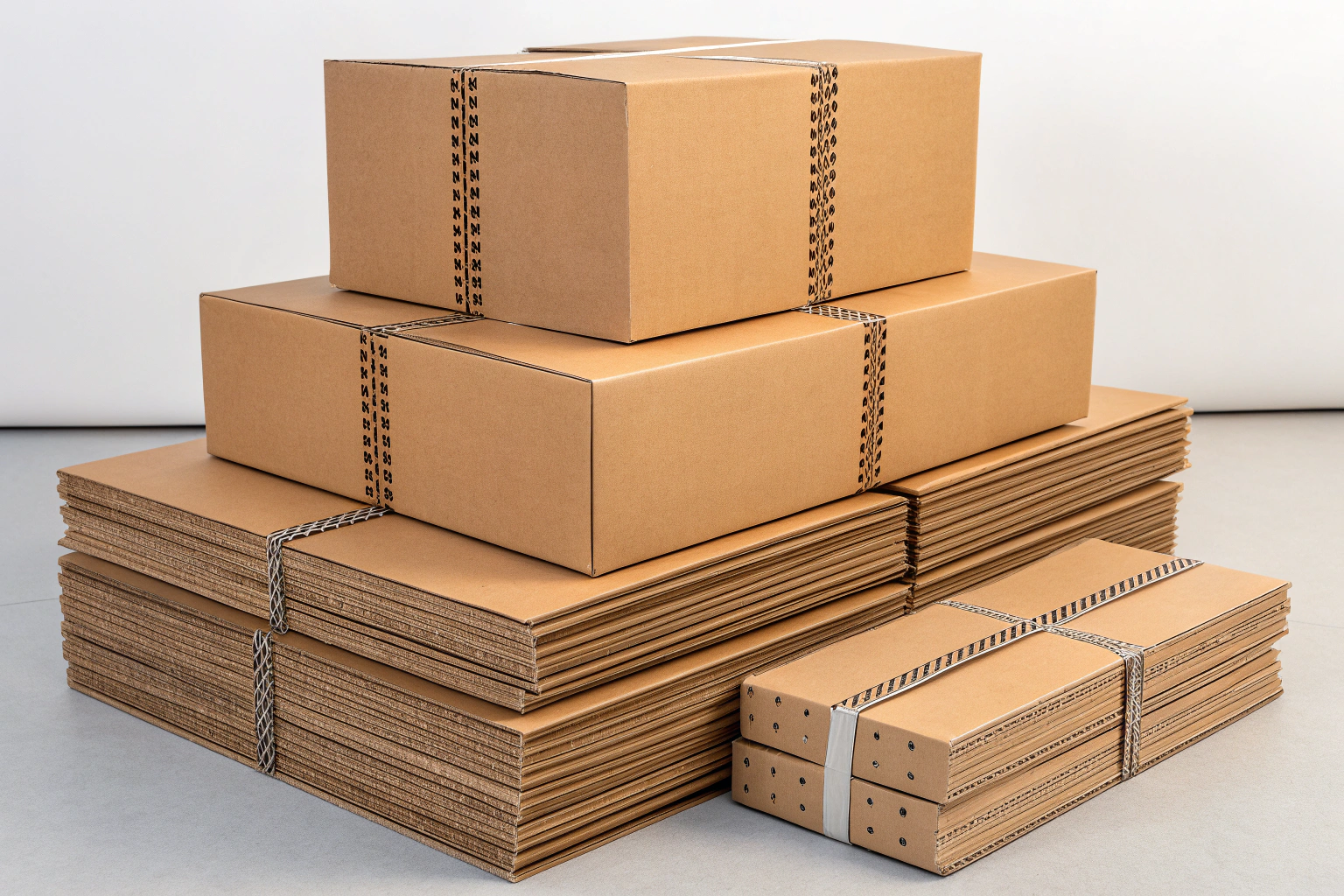
This design allows corrugated boxes to withstand stacking, vibration, and impact during shipping. It also helps prevent deformation that could damage the product inside.
Because of this strength-to-weight ratio, corrugated packaging is suitable for everything from lightweight consumer goods to heavy industrial products.
Common Uses of Corrugated Packaging
Corrugated packaging is used across nearly every industry. It serves both protective and organizational functions throughout the supply chain.
It is widely used for shipping cartons, retail-ready packaging, inner partitions, and protective inserts. Many retail displays and point-of-sale units are also made from corrugated board.
In e-commerce, corrugated packaging plays a critical role in reducing damage rates while maintaining manageable shipping costs. In retail, it supports shelf presentation and efficient stocking.
Corrugated Packaging and Custom Design
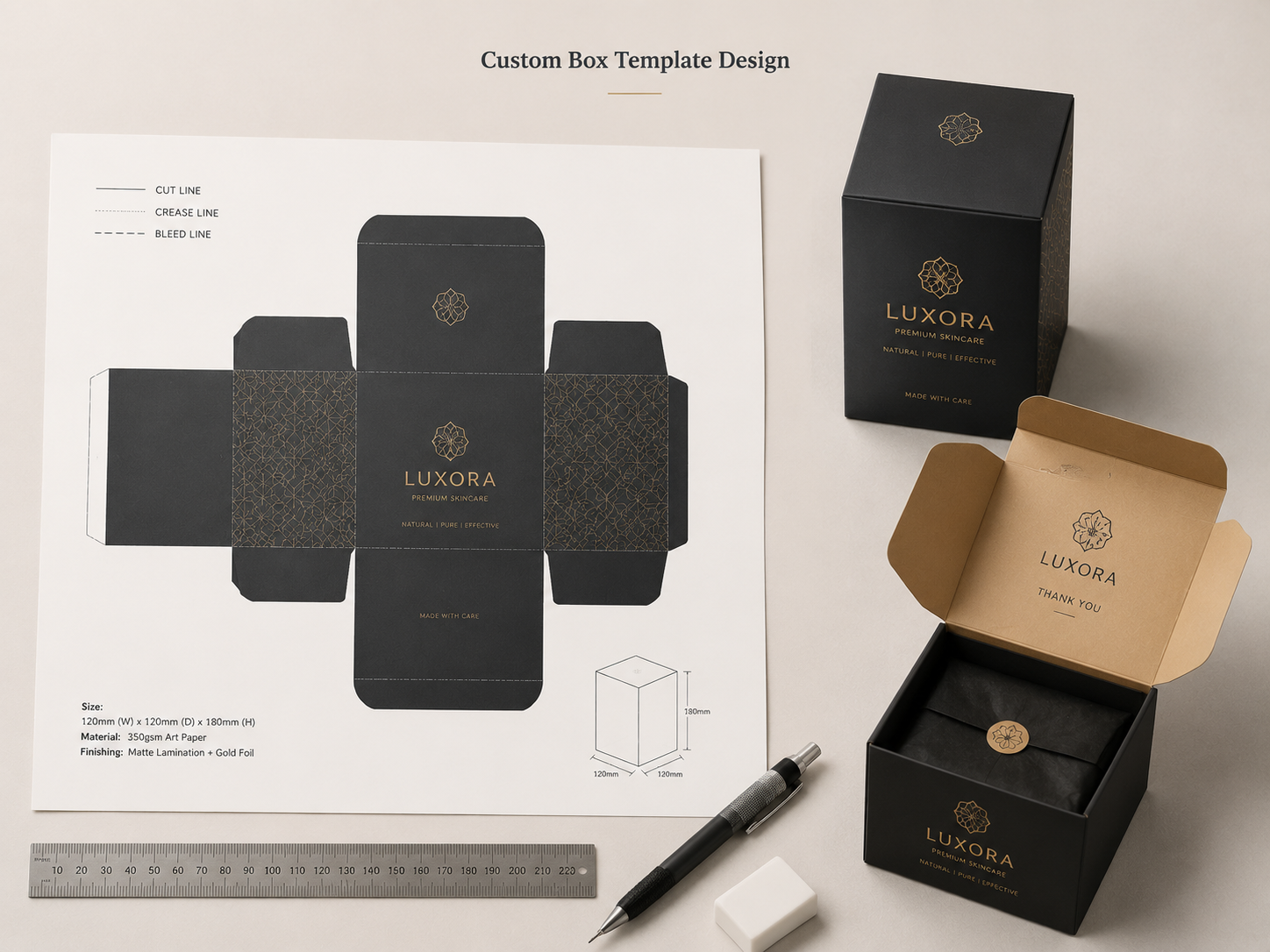
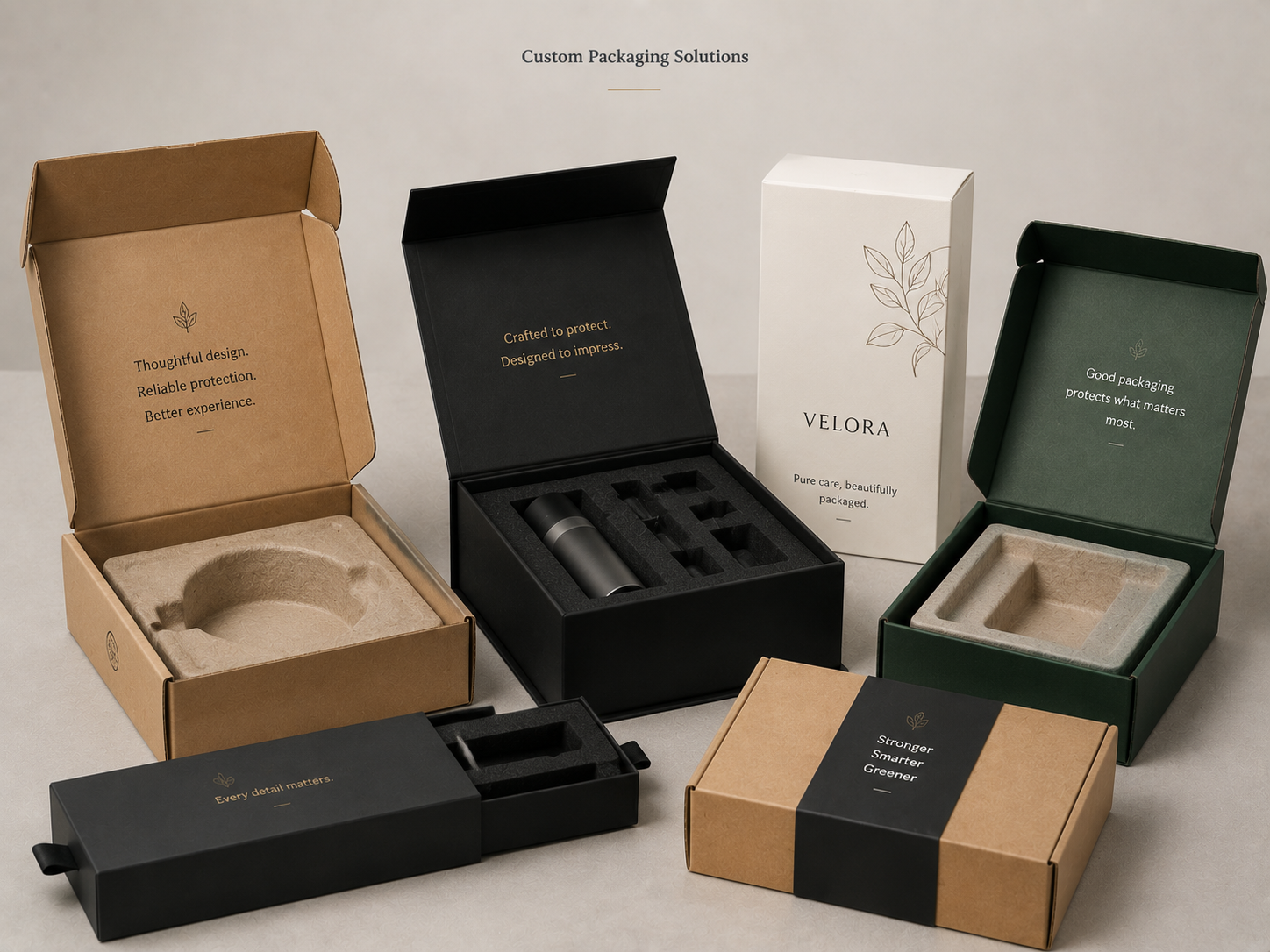
Corrugated packaging is highly adaptable to custom design. Box size, structure, flute type, and board combination can all be adjusted to match specific product needs.
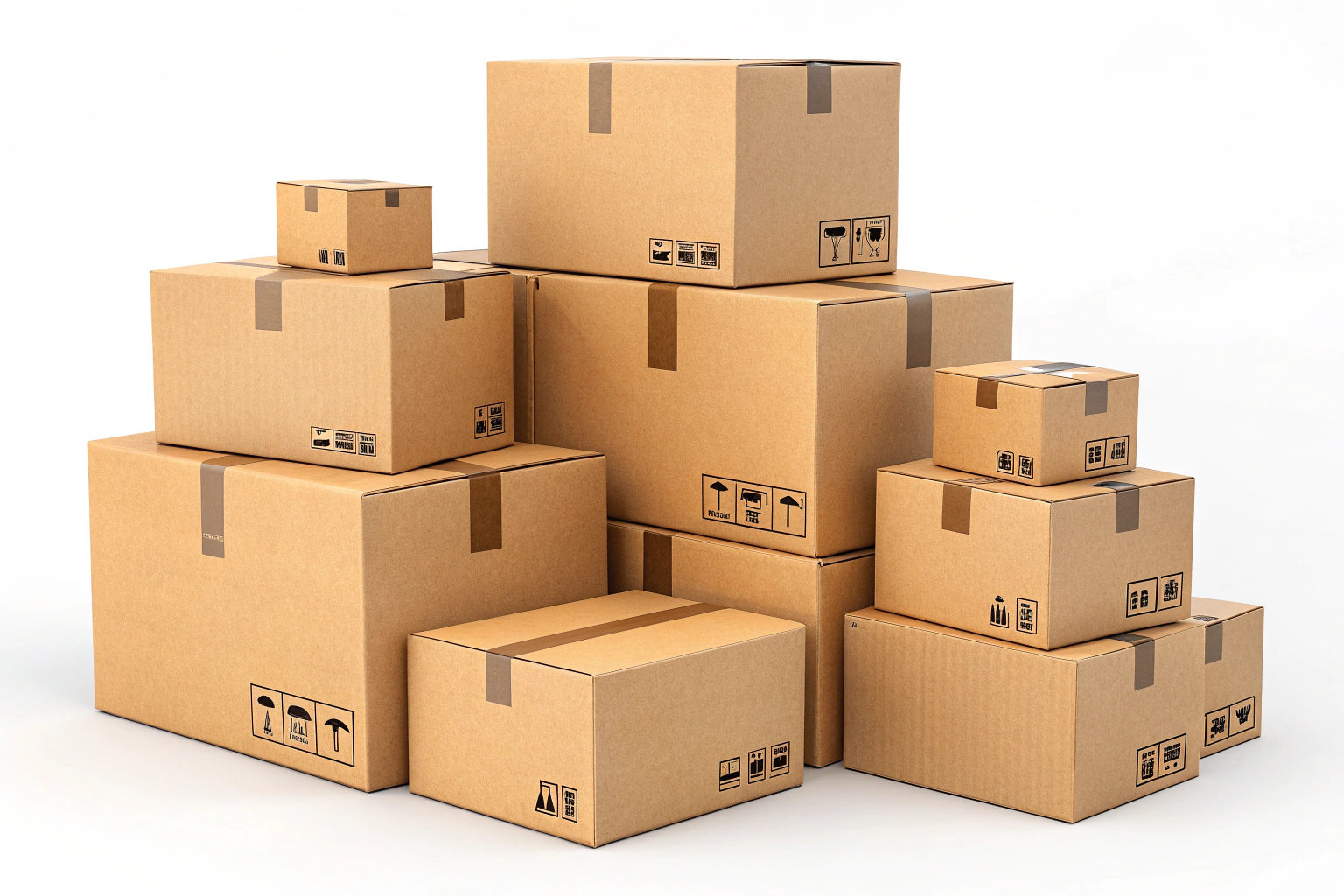
Custom corrugated packaging improves fit, reduces void space, and enhances protection. Structural design can also integrate handles, tear strips, or display functions.
Printing on corrugated packaging allows branding, handling instructions, and product information to be clearly communicated. With proper process control, print quality remains consistent even on large production runs.
Corrugated Packaging in Factory Production
In manufacturing workshops, corrugated packaging is produced through a series of controlled processes. Paper rolls are formed into corrugated board, then cut, printed, die-cut, folded, and glued into finished boxes.
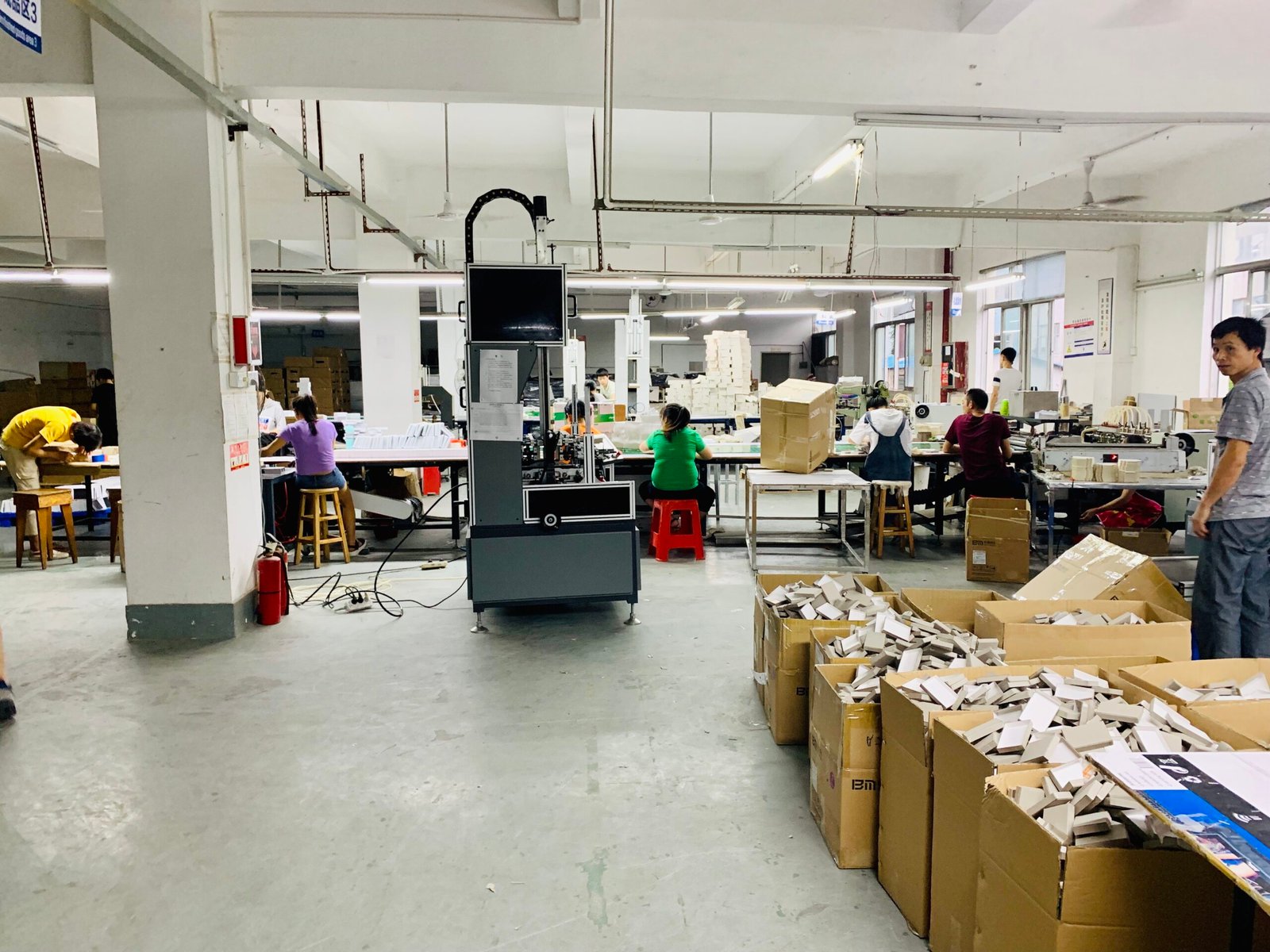
Production stability depends on paper quality, flute forming accuracy, and bonding strength. Moisture control and machine calibration are critical to ensure consistent board performance.
Quality control includes checking board thickness, compression strength, and box dimensions. These checks ensure that packaging performs as expected during transport and storage.
Sustainability of Corrugated Packaging
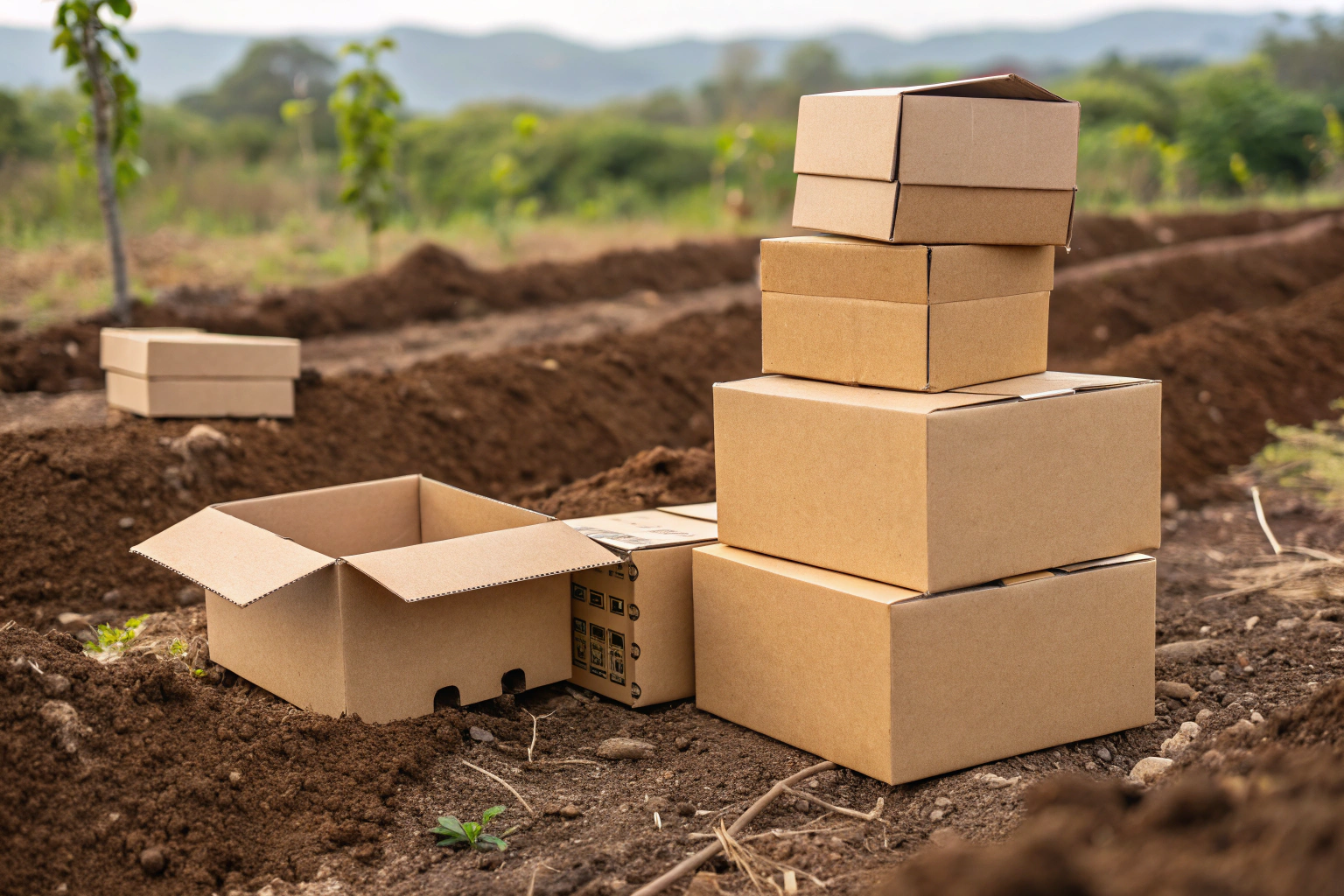
Corrugated packaging is widely recognized for its environmental advantages. It is primarily made from paper fibers, which are renewable and recyclable. Many corrugated boards contain a high percentage of recycled material.
Corrugated packaging is recyclable, biodegradable, and accepted by most recycling systems worldwide. Its efficient material use also reduces waste compared to heavier packaging options.
When responsibly sourced and properly processed, corrugated packaging supports both performance and environmental goals.
Conclusion
Corrugated packaging is a structurally engineered packaging solution designed to protect products through every stage of the supply chain. Its layered construction provides strength, cushioning, and stability while remaining lightweight and efficient. This balance makes it suitable for a wide range of products, from daily consumer goods to heavy equipment.
Beyond protection, corrugated packaging supports customization, branding, and operational efficiency. It adapts to different product sizes, transport conditions, and market requirements without complex materials or excessive cost. In manufacturing environments, controlled production processes ensure consistency from sample to mass production. Combined with strong recyclability and renewable material sourcing, corrugated packaging remains a reliable and future-ready foundation for modern packaging systems.