Many buyers use kraft paper packaging without fully understanding why it performs so well. This often leads to missed opportunities in cost control, sustainability, and brand positioning.
Kraft paper is a strong, durable paper made from wood pulp using the kraft process, and it is popular because it balances strength, sustainability, cost efficiency, and brand appeal.
When I speak with procurement managers, kraft paper almost always comes up. Once we break down how it is made and how it behaves in real production, its popularity becomes very clear.
What Exactly Is Kraft Paper?
Many people think kraft paper is just “brown paper.” This is an oversimplification.
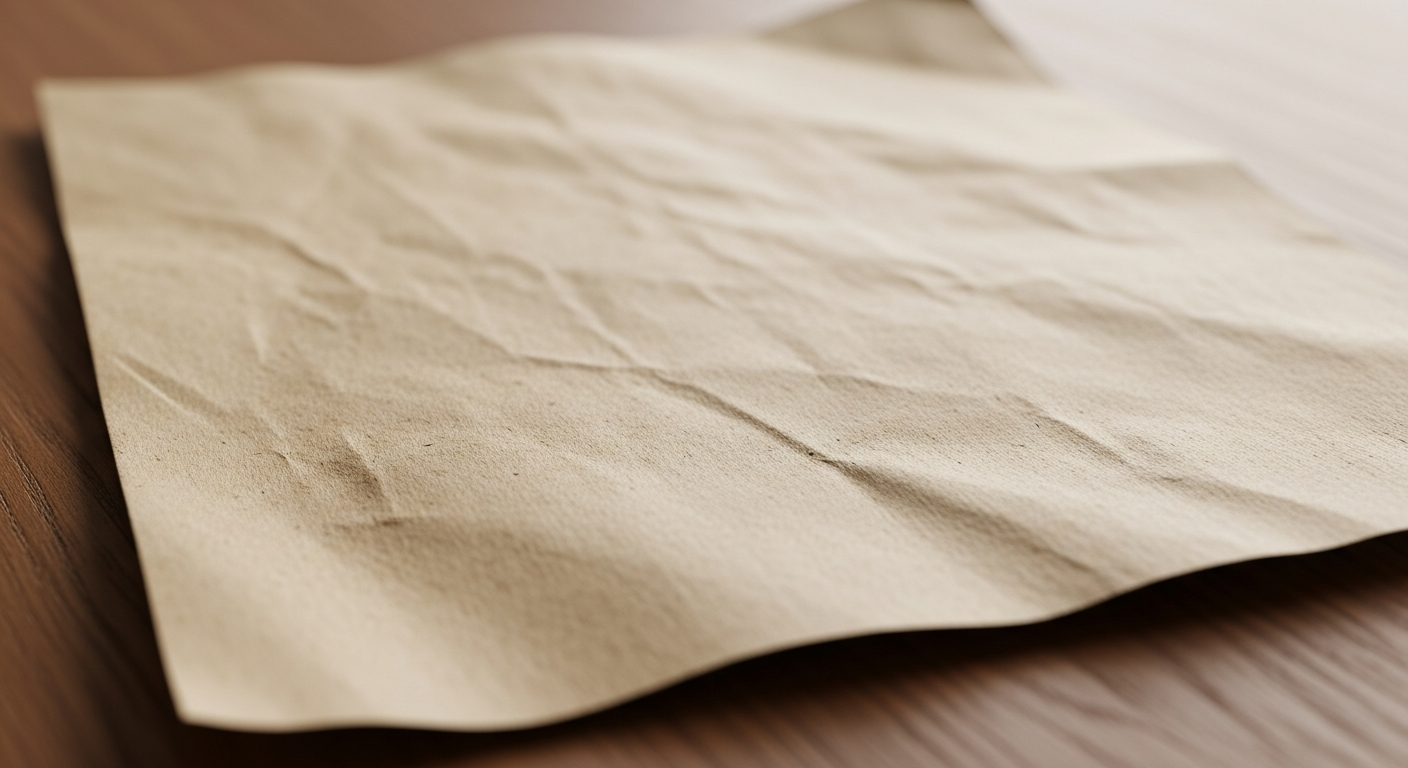
Kraft paper is paper produced from wood fibers using the kraft pulping process, which preserves fiber strength and creates high tear resistance.
From a manufacturing point of view, kraft paper is defined by its fiber quality, not just its color. The word “kraft” means strength. That strength comes from long wood fibers that are not overly damaged during pulping.
Key characteristics of kraft paper
| Property | Why It Matters |
|---|---|
| Long fibers | High tear resistance |
| High tensile strength | Better load bearing |
| Natural surface | Brand-friendly look |
| Recyclability | Sustainability compliance |
In our factory sourcing, we can adjust kraft paper grades depending on whether the priority is strength, printing quality, or cost.
How Is Kraft Paper Made?
Many buyers assume all paper is made the same way. This is not true.
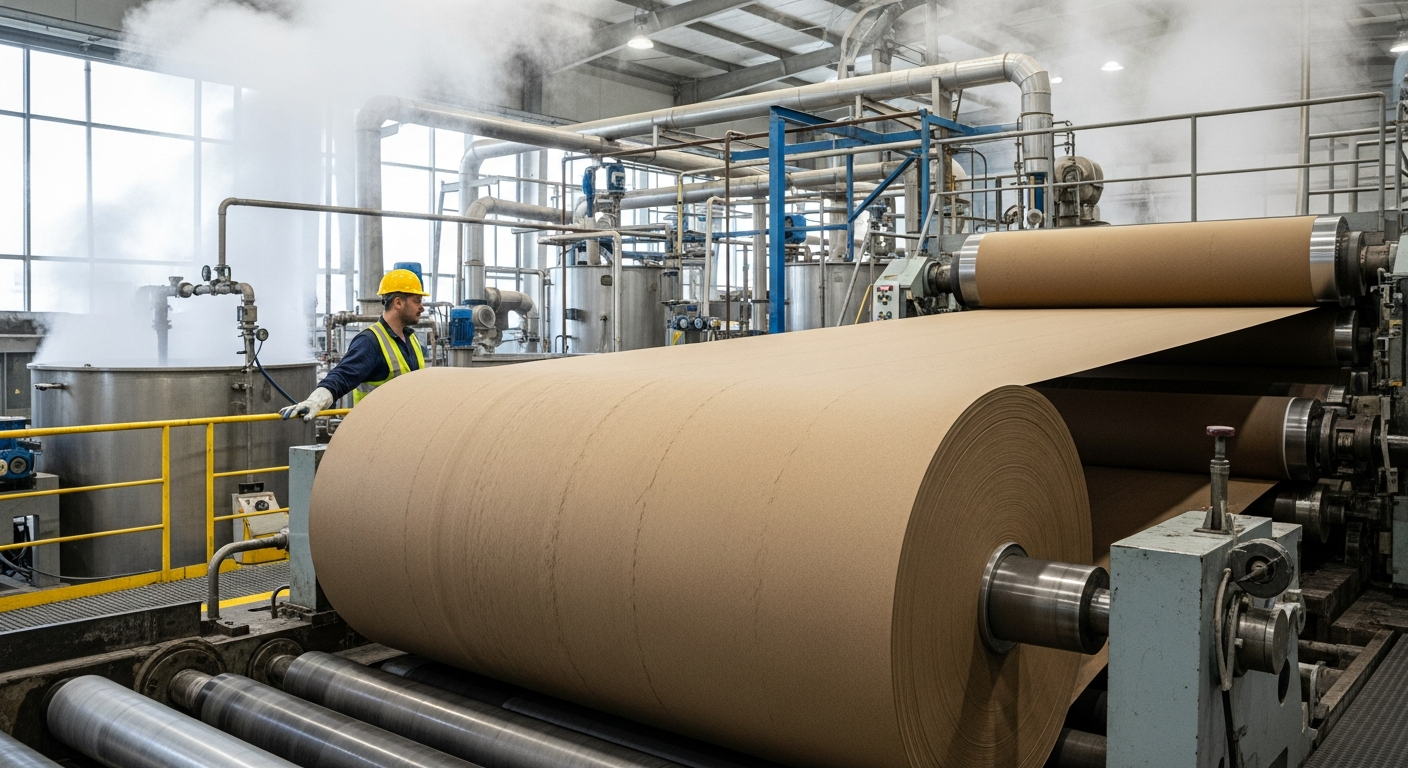
Kraft paper is made using the kraft pulping process, which removes lignin while keeping cellulose fibers strong and intact.
In simple terms, wood chips are cooked with controlled chemicals. Lignin breaks down. Fibers remain long and flexible. This process creates paper that is tougher than most bleached papers.
Simplified kraft paper production steps
- Wood chip preparation
- Kraft chemical pulping
- Fiber washing and screening
- Sheet forming and drying
From factory experience, controlling pulping quality is critical. Poor pulping leads to weak paper that cracks during creasing and folding.
Why Is Kraft Paper So Strong?
Some buyers compare kraft paper thickness with white paper and expect similar performance. This is a mistake.
Kraft paper is strong because its fibers are longer and better bonded than fibers in most bleached papers.
From lab testing, kraft paper consistently shows higher burst and tear strength at the same GSM.
Strength advantages of kraft paper
| Feature | Result |
|---|---|
| Long fiber length | Better tear resistance |
| Dense bonding | Higher compression |
| Flexible structure | Less cracking |
In our box production, kraft paper performs better during die cutting and folding. This reduces waste and improves consistency.
Why Is Kraft Paper Popular in Packaging?
Kraft paper is not popular by accident.
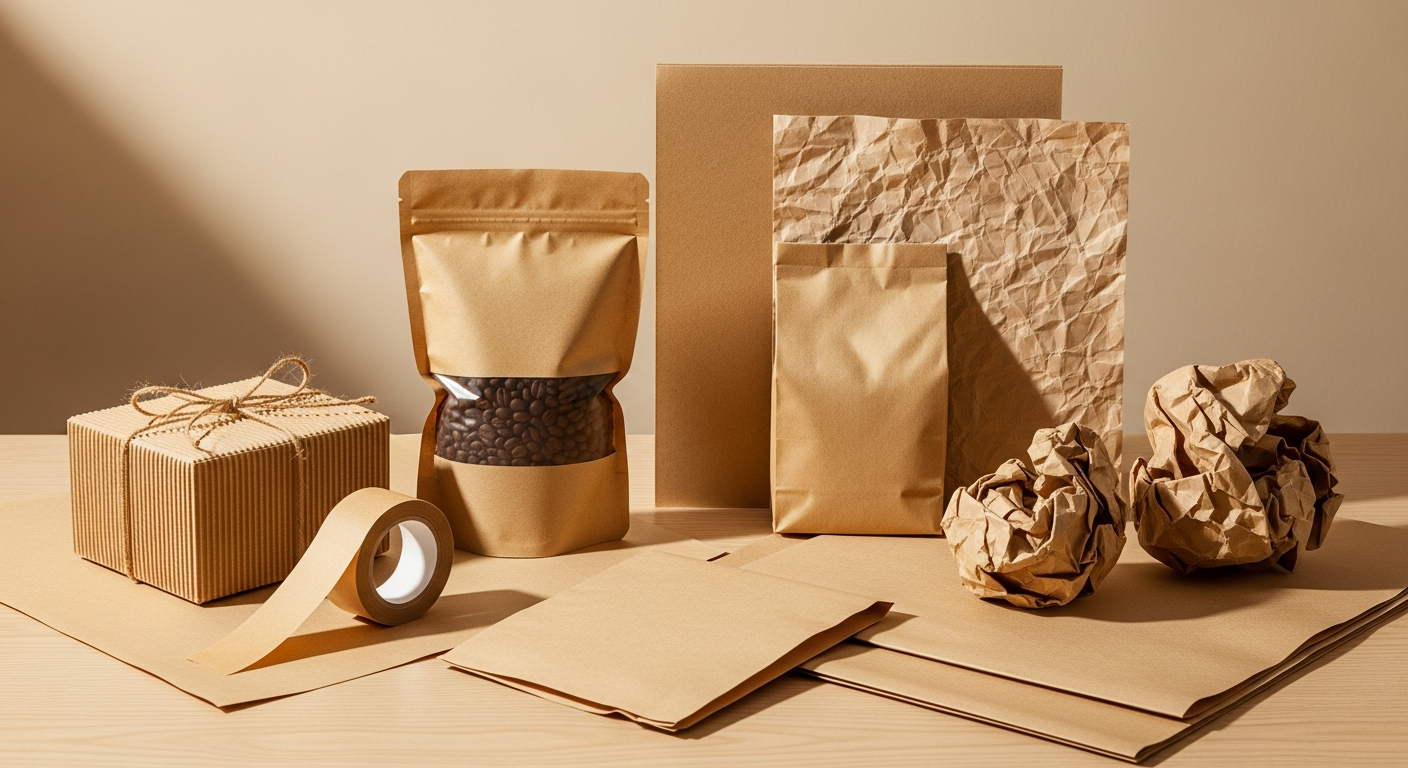
Kraft paper is widely used because it combines strength, sustainability, cost control, and brand compatibility.
From real projects, buyers choose kraft paper for both functional and marketing reasons.
Main reasons buyers choose kraft paper
| Reason | Buyer Benefit |
|---|---|
| Strength | Fewer shipping damages |
| Eco image | Better brand perception |
| Cost balance | Good performance per cost |
| Versatility | Works for many box types |
For electronics, gift, and daily-use products, kraft paper gives reliable protection without premium material cost.
Is Kraft Paper Eco-Friendly?
Many buyers ask this question first.
Kraft paper is considered eco-friendly when sourced responsibly and used without excessive coatings or plastics.
From a factory sourcing view, kraft paper can be made from virgin or recycled fibers. Both options can meet sustainability goals when managed correctly.
Environmental factors buyers should check
| Factor | Why It Matters |
|---|---|
| FSC certification | Responsible forestry |
| Recyclability | End-of-life disposal |
| Ink compatibility | Cleaner recycling |
| Fiber source | Strength vs footprint |
In our supply chain, FSC-certified kraft paper is often required by US and EU brands. It has become a baseline, not a bonus.
How Is Kraft Paper Used in Packaging?
Some buyers think kraft paper is only for simple boxes. This is outdated.
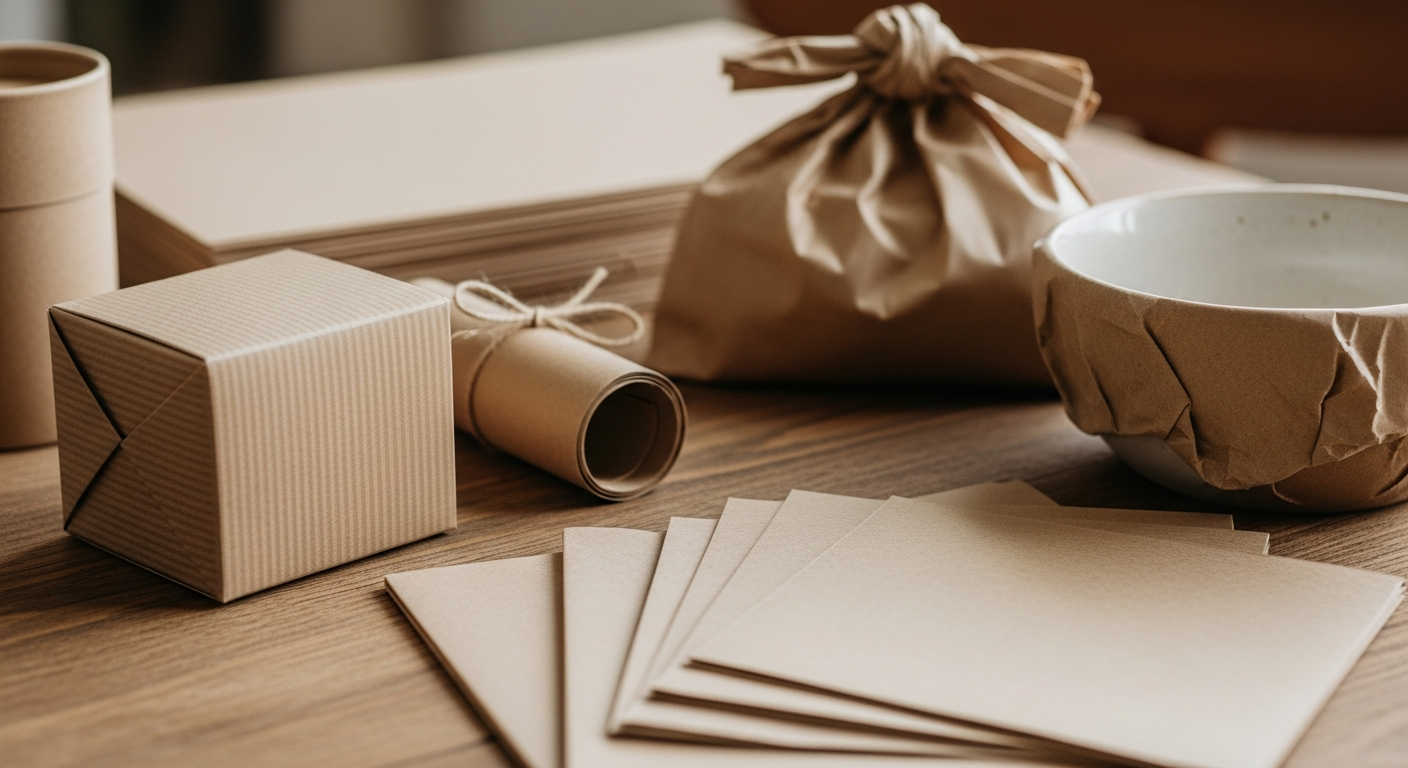
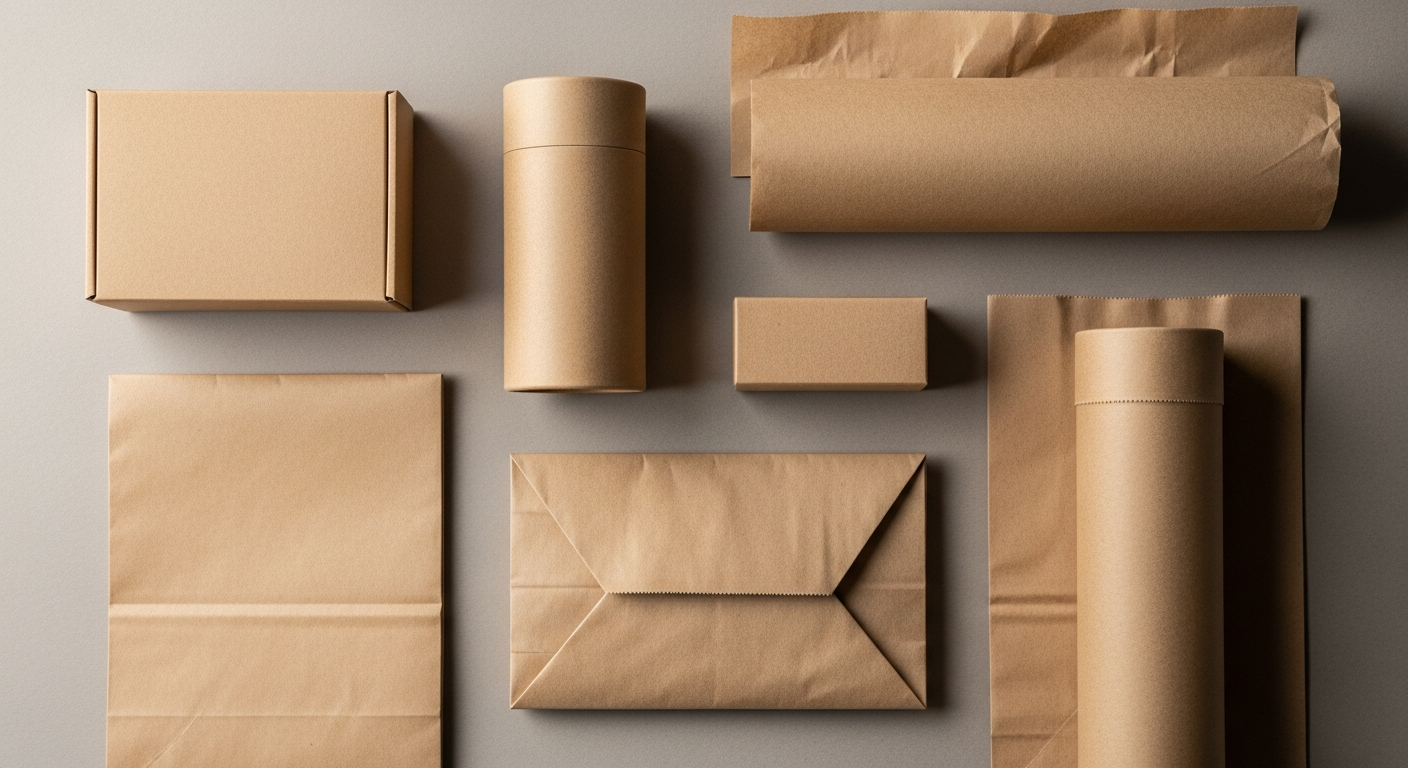
Kraft paper is used for boxes, bags, corrugated liners, inserts, and protective packaging across many industries.
From our factory production, kraft paper adapts well to many structures.
Common kraft paper packaging uses
| Application | Why Kraft Works |
|---|---|
| Folding cartons | Strength and clean folds |
| Corrugated liners | Load resistance |
| Paper bags | Tear resistance |
| Inserts and trays | Shock control |
For ODM projects, we often combine kraft paper with smart structure design to replace plastic packaging.
Kraft Paper vs Other Packaging Papers
Buyers often compare kraft paper with white paperboard.
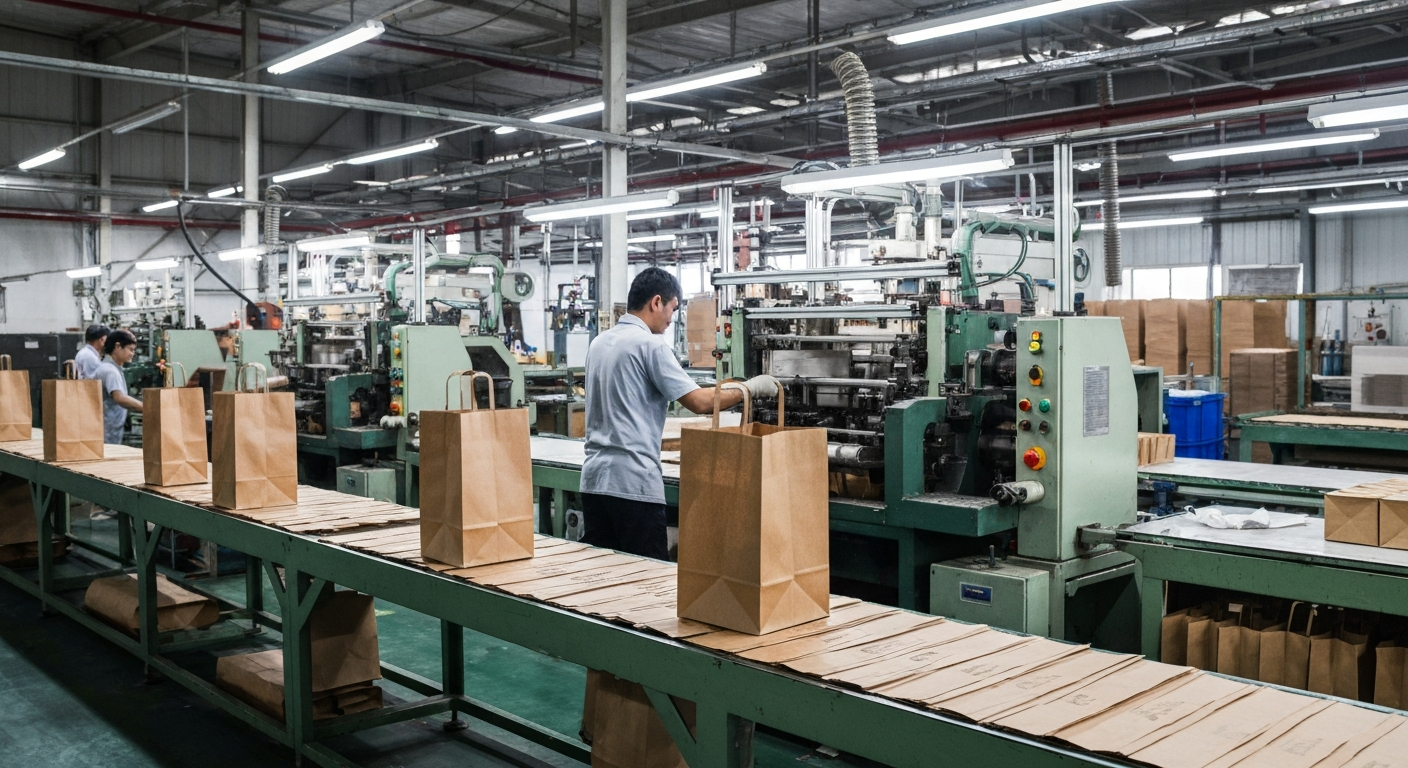
Kraft paper focuses on strength and sustainability, while white paperboard focuses on print appearance.
Material comparison
| Paper Type | Best For | Limitation |
|---|---|---|
| Kraft paper | Strength & eco image | Less color contrast |
| White paperboard | Premium printing | Lower strength |
| Recycled board | Cost control | Inconsistent quality |
In our experience, many brands use kraft paper outside and white paperboard inside to balance image and protection.
How Do We Use Kraft Paper in Our Factory?
As a manufacturer, kraft paper is a core material for us.
We select kraft paper grades based on product weight, structure, printing method, and shipping conditions.
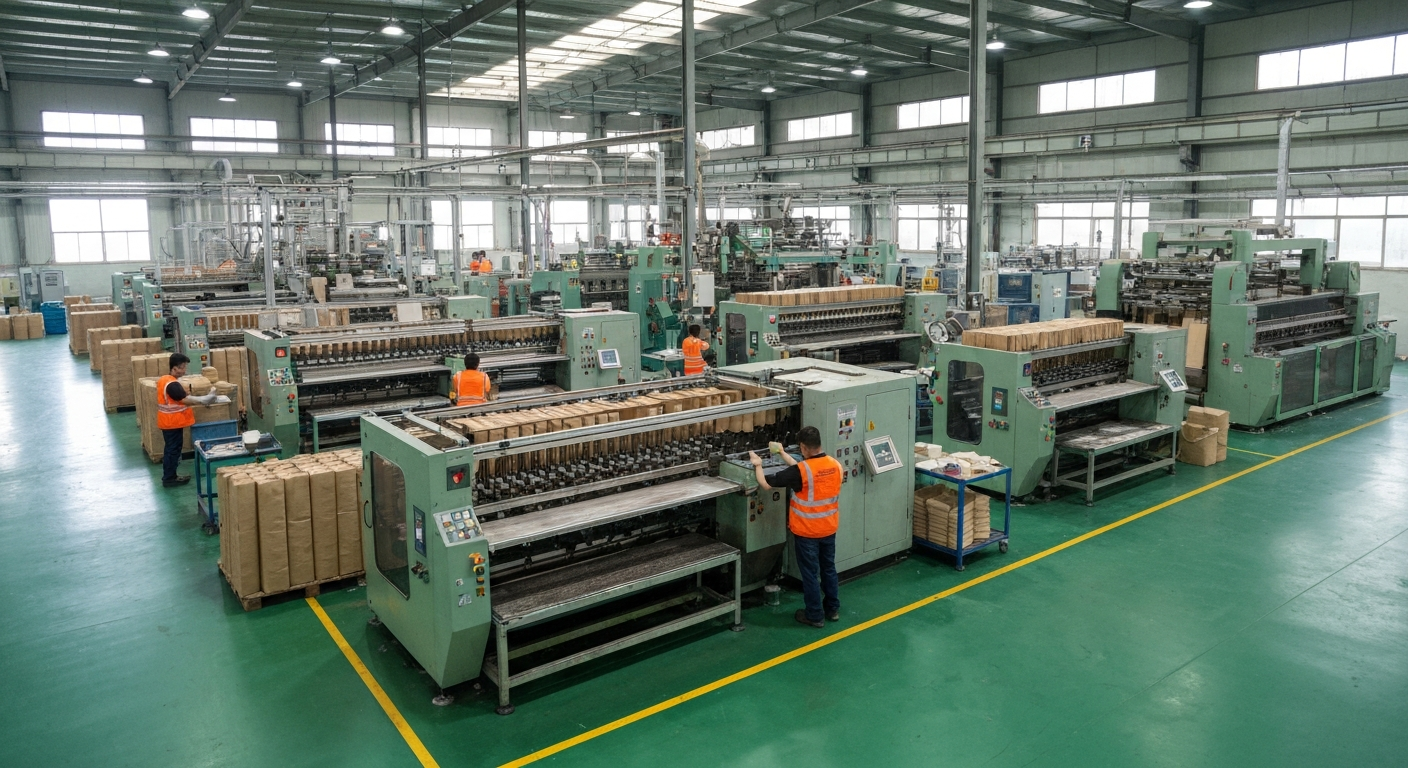
In our workshop, kraft paper goes through conditioning, printing, die cutting, folding, and quality inspection. Each step affects final performance.
Our kraft paper control points
- Paper GSM and moisture check
- Printing and color stability
- Creasing and folding accuracy
- Strength and appearance inspection
This control ensures samples and mass production remain consistent.
Conclusion
Kraft paper is popular in packaging because it delivers strength, sustainability, and cost efficiency at the same time. Its performance comes from how it is made and how it is used in real production.
As a manufacturer, my role is to help buyers use kraft paper correctly, not blindly. When material choice and factory process work together, kraft paper becomes a reliable foundation for modern packaging solutions.