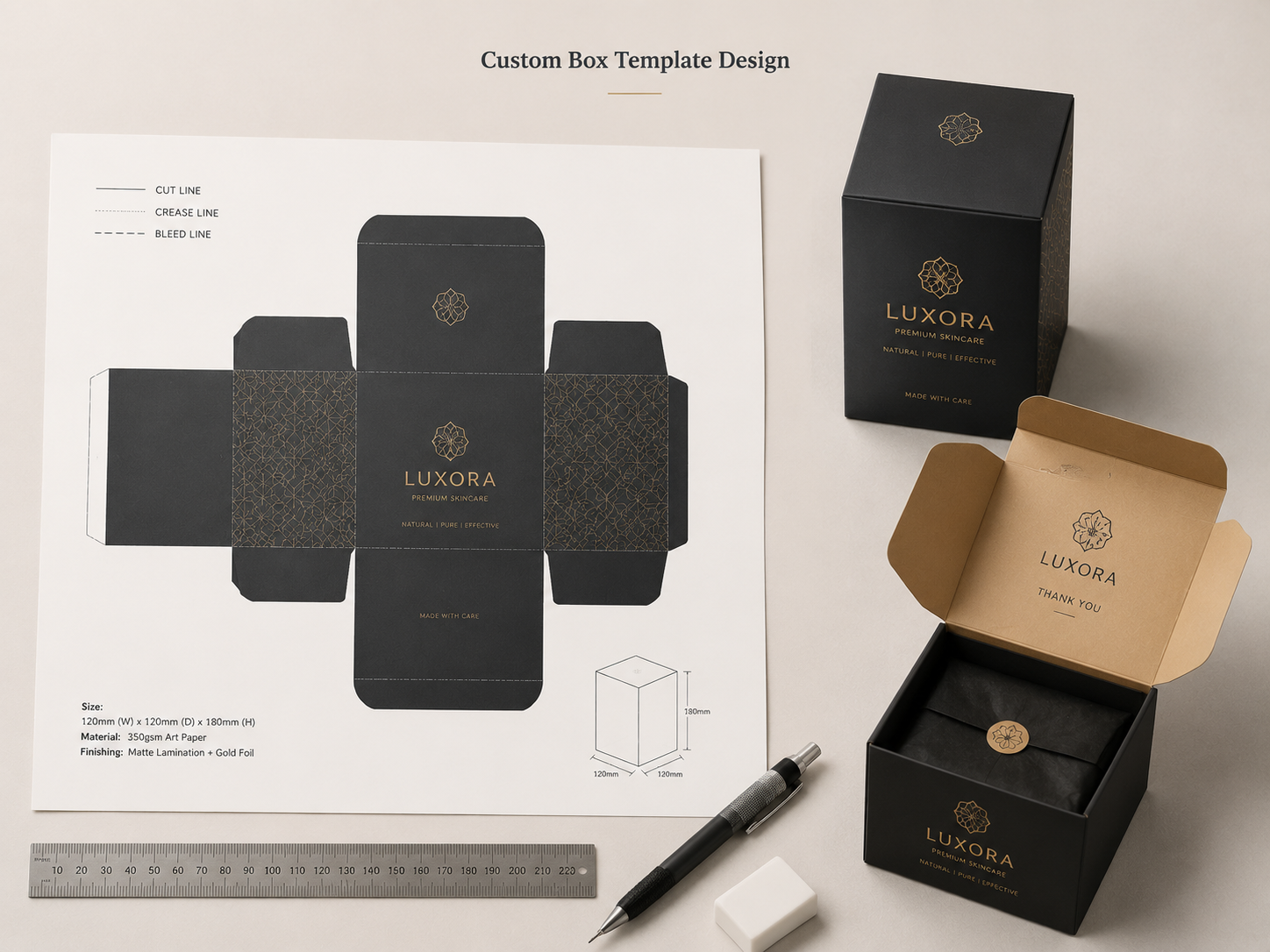
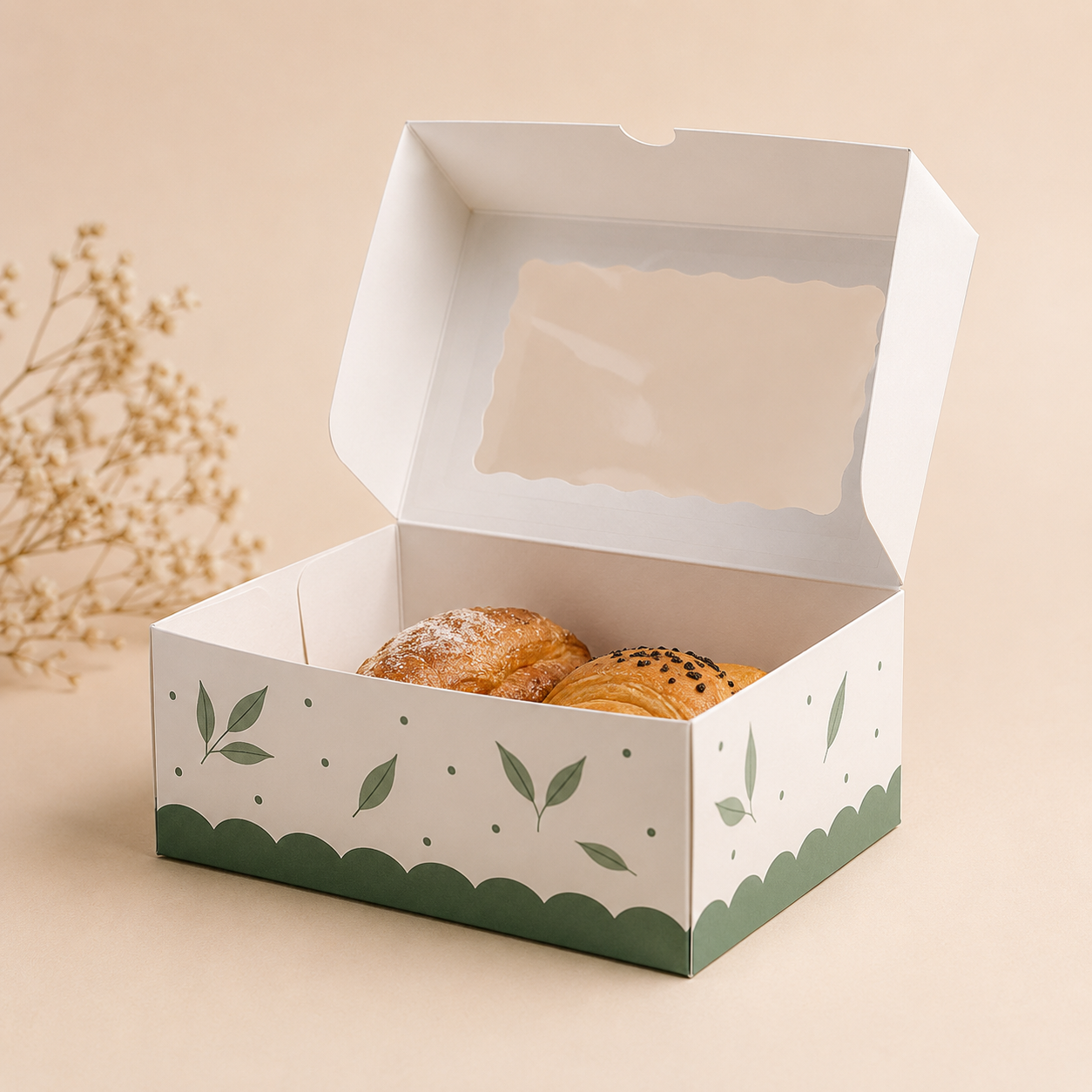
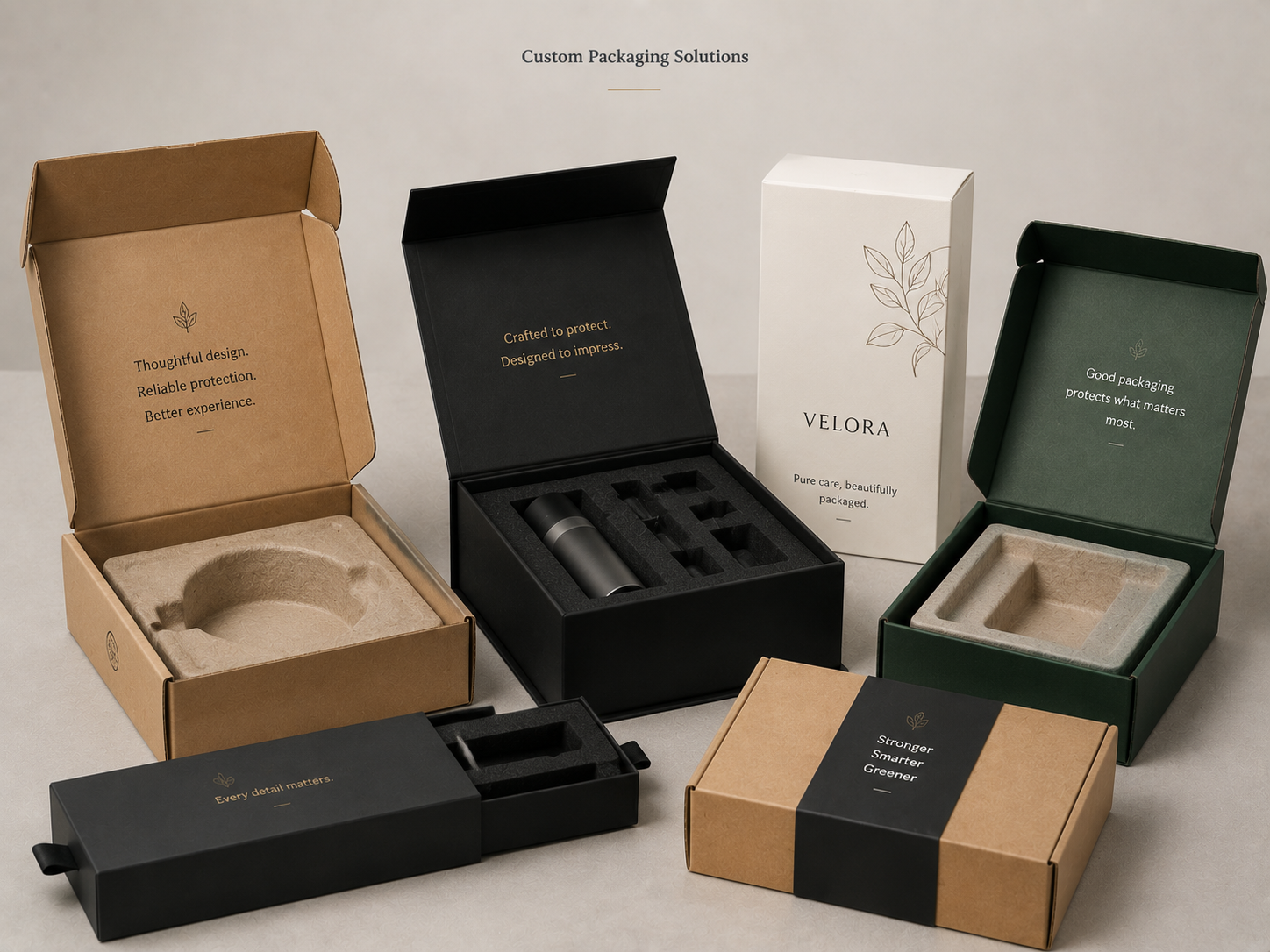
Many packaging materials look good at first, then fail in transit, feel too artificial, or make a product look less trustworthy. That is why material choice has become a bigger packaging decision than ever.
Kraft paper is a strong paper material made from chemical pulp, known for its natural look, good tear resistance, print flexibility, and wide use in boxes, sleeves, bags, wraps, and inserts. It is popular because it supports sustainable packaging goals while still offering useful strength, cost control, and a clean brand image.
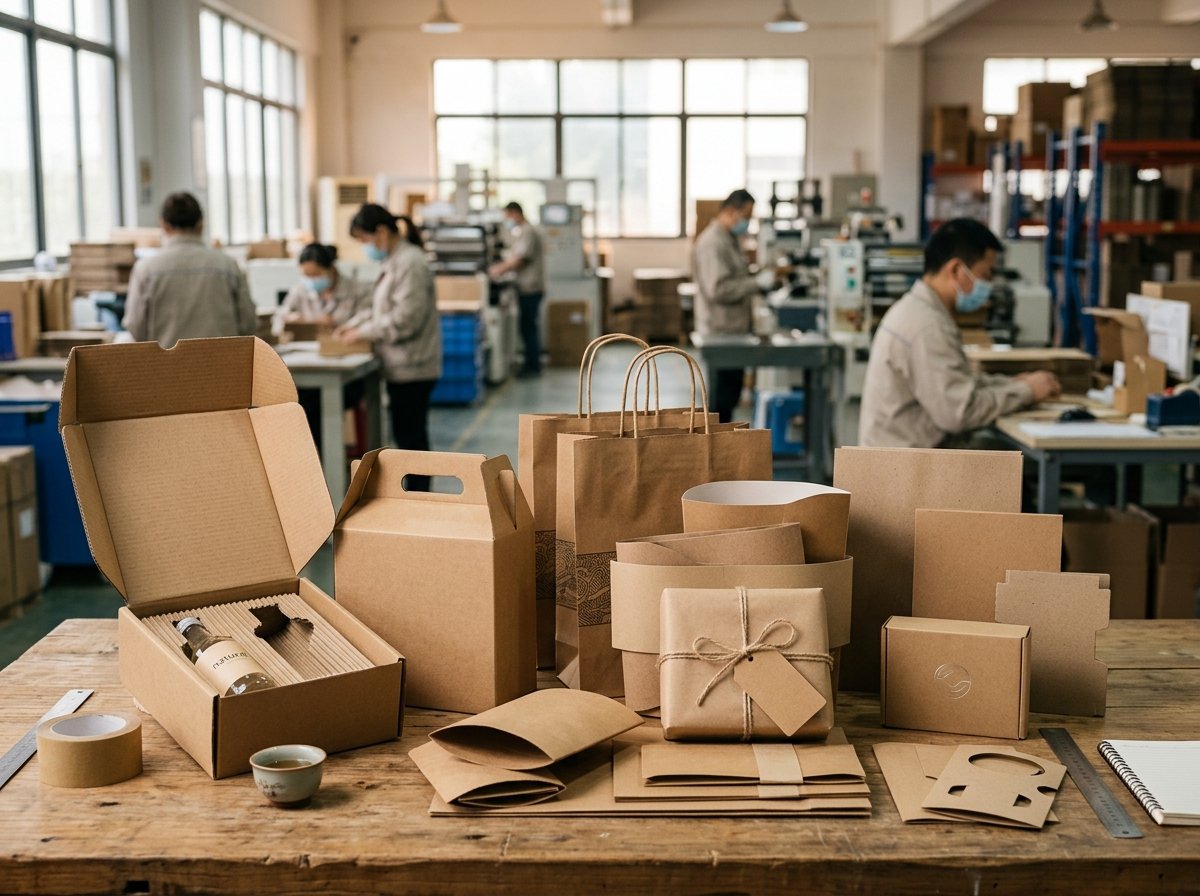
Kraft paper has become one of the most practical materials in modern packaging because it solves several problems at once. It gives a more natural and responsible look. It works across many packaging formats. It also helps brands avoid one common packaging complaint: packaging that feels cheap, too glossy, too overbuilt, or disconnected from the product itself. In many product categories, buyers now want packaging that looks simpler, protects well, and still feels intentional. Kraft paper fits that direction when it is used in the right structure and the right material grade.
What Is Kraft Paper in Packaging?
Kraft paper is widely used in packaging, but it is often misunderstood as only a rough brown paper. In reality, it covers a broader range of packaging uses and performance levels.
Kraft paper is a paper material made mainly through the kraft pulping process, which produces stronger fibers than many standard paper types. In packaging, it is used for folding cartons, corrugated liners, paper bags, sleeves, labels, wraps, and protective inserts because it offers a useful mix of strength, simplicity, and visual warmth.
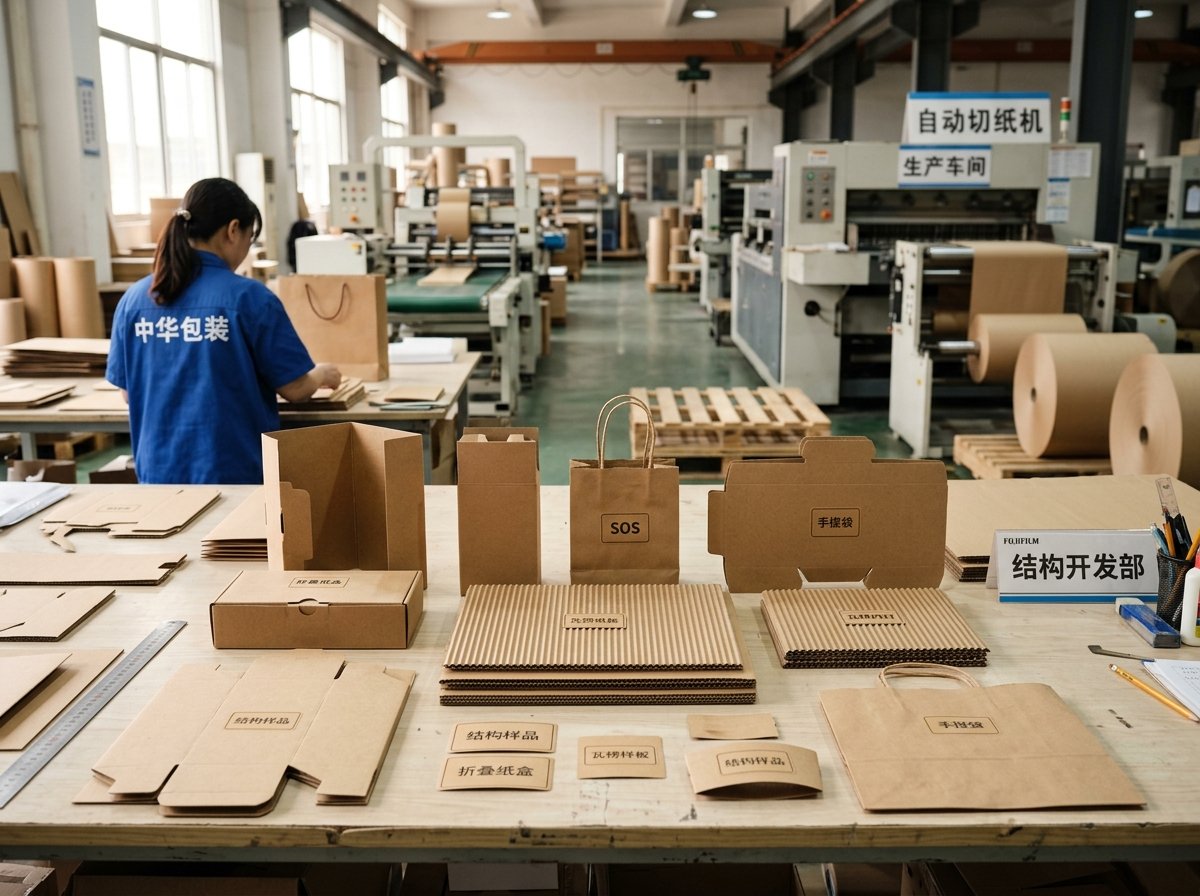
The most familiar version is brown kraft paper, but kraft can also appear in different weights, finishes, and constructions. It may be used as the outer surface of a corrugated box, the wrap on a mailer, a shopping bag material, or a branded sleeve around a carton or rigid box. In some packaging programs, kraft is chosen mainly for visual style. In others, it is chosen for durability or for a better sustainability story.
That difference matters because kraft paper should not be treated as one single material solution for every product. Like other packaging materials, it works best when matched to the product weight, fragility, shelf goal, and shipping route. Many public complaints about packaging come from using the wrong material in the wrong job. A thin or poorly chosen kraft structure can still fail. A well-matched kraft material can look clean, perform well, and support the brand more effectively than a glossier alternative.
Why Kraft Paper Is Preferred for Sustainable Packaging Applications
Kraft paper is often linked to sustainability first. That is one of its biggest advantages, but not the only one. It is preferred because it makes environmental goals easier to communicate through the packaging itself.
Kraft paper is preferred for sustainable packaging applications because it is widely associated with recyclability, reduced processing, natural appearance, and lower visual waste. It helps brands present a more responsible packaging image while still using a material that works across many common packaging formats.
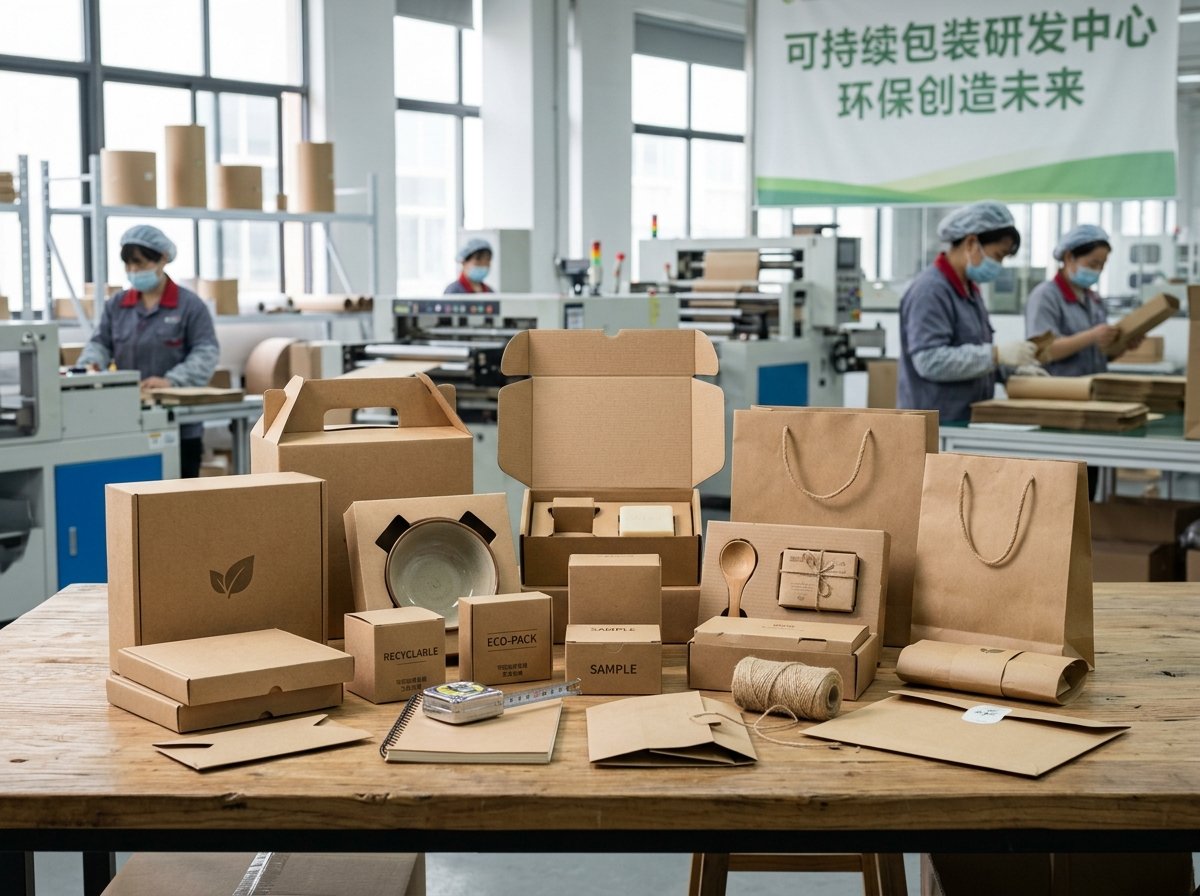
Many buyers now look for packaging that does not feel excessive. Public complaints often show frustration with over-packaging, too many layers, or packaging that feels like cost was spent on appearance instead of function. Kraft paper fits well here because it naturally supports a more restrained packaging style. It can feel honest, practical, and closer to current sustainability expectations.
This is especially useful for natural skincare, personal care, candles, lifestyle products, daily-use goods, food-related packaging, and gift items with an eco-leaning brand image. Kraft paper also works well for brands that want to highlight FSC paper options, recycled content, or a simpler material story.
Still, sustainable packaging does not mean weak packaging. One of the biggest mistakes in packaging is assuming that a more natural-looking material can be thinner or less structured without consequence. Many public complaints about flimsy boxes, torn packs, and weak outer packaging show what happens when sustainability goals are separated from real-world performance. Kraft paper works best when sustainability and structural logic are planned together.
| Sustainability-related benefit | Why it matters in packaging |
|---|---|
| Natural visual appearance | Signals simpler and more responsible packaging |
| Good compatibility with paper-based structures | Supports recyclable packaging systems |
| Less processed look | Matches eco-focused brand positioning |
| Works with FSC or recycled options | Helps support environmental claims |
| Flexible across many formats | Makes sustainable packaging easier to scale |
What Packaging Types Commonly Use Kraft Paper?
Kraft paper is popular partly because it is not limited to one packaging style. It works in both simple and premium directions, depending on how it is combined with structure and finishing.
Kraft paper is commonly used in corrugated boxes, folding cartons, sleeves, shopping bags, mailers, labels, wraps, paper inserts, and some rigid box wraps. It is especially useful when a brand wants a natural look without losing practical packaging performance.
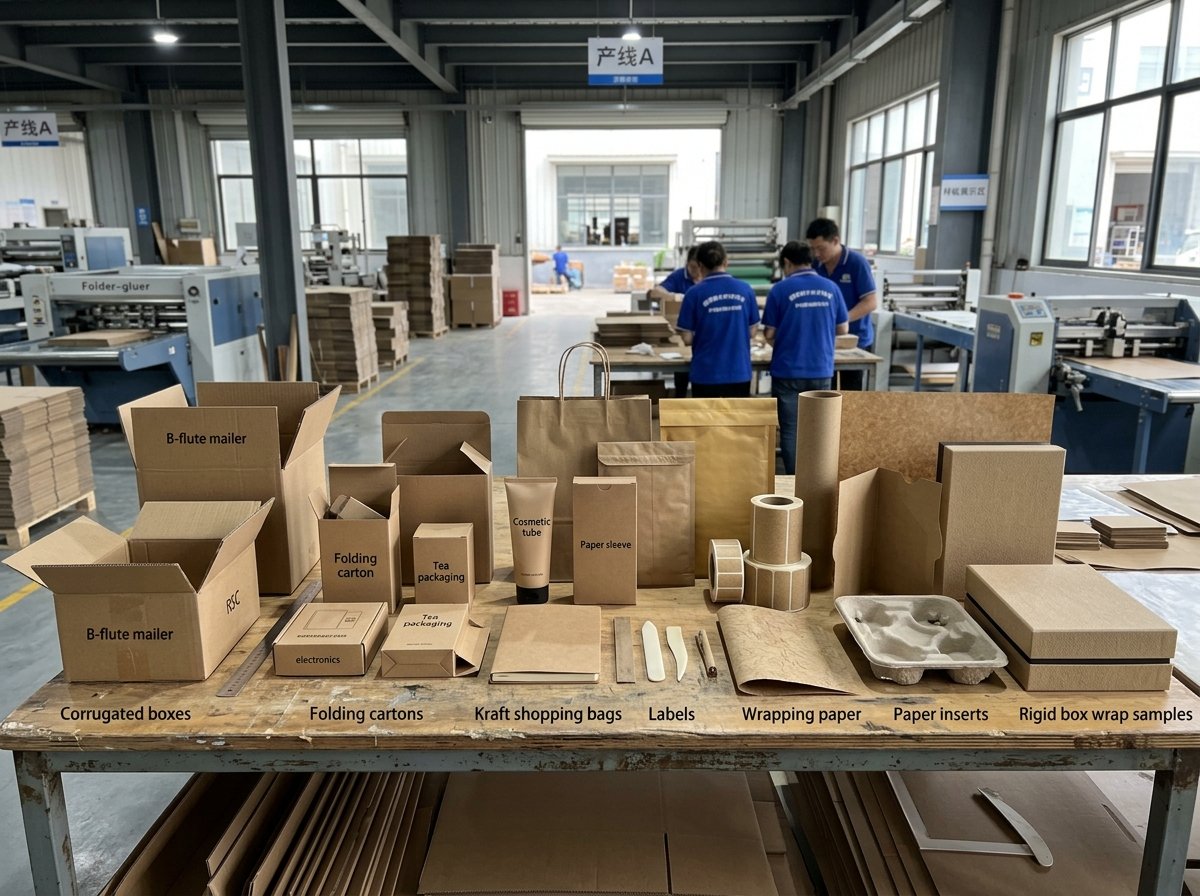
In corrugated packaging, kraft liner paper is common because it adds strength and a more natural surface look. In folding cartons, kraft board can create a softer, more organic shelf presence. In sleeves and labels, kraft helps one structure serve many product versions without making the packaging feel overdesigned. It is also widely used in gift packaging, bakery packaging, e-commerce mailers, and daily-use product boxes.
For premium packaging, kraft can also be used in a more refined way. A rigid box wrapped with textured kraft paper can feel understated but still elevated. This works well for products that want to avoid a glossy luxury look and instead show a more grounded premium image.
This range of use is important because many packaging projects need one material direction that can carry across different formats. A brand may need outer boxes, inner cartons, sleeves, and bags to feel related without making every piece heavily printed. Kraft paper helps create that consistent look.
Kraft Paper vs Coated and Bleached Paper in Packaging Use
Kraft paper is often compared with coated paper and bleached paper because these materials serve many of the same packaging categories. The best choice depends on the packaging job, not on trend alone.
Kraft paper offers a natural look and useful strength, coated paper offers a smoother print surface and more visual polish, and bleached paper offers a cleaner white base for brighter color reproduction. The right material depends on whether the priority is eco appearance, print sharpness, premium brightness, or practical durability.
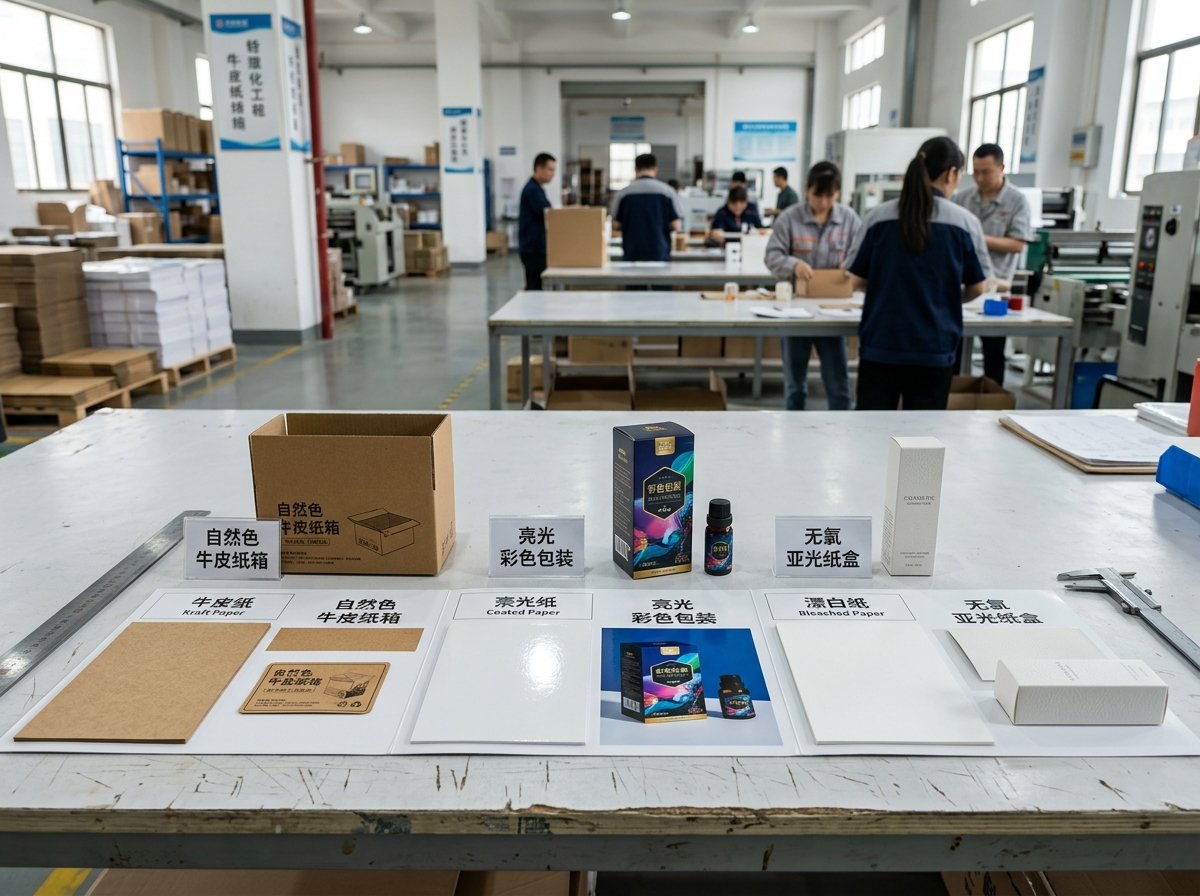
Kraft paper stands out for its warm, natural, and often more honest-looking appearance. It works well when the packaging should feel simple, sustainable, or less artificial. Coated paper is different. It gives a smoother and often more polished print result. It is better for packaging that needs bright graphics, stronger color pop, or a more refined printed finish. Bleached paper gives a white base, which is useful when clean brightness and color accuracy matter most.
This comparison matters because one of the most common packaging mistakes is choosing a surface based only on appearance in a sample. A white coated surface may look more premium in one category and too artificial in another. A kraft surface may feel more authentic in one product line and too plain in another if the structure is weak or the print treatment is not strong enough.
The decision should come from brand positioning and usage. A natural soap brand may benefit from kraft. A colorful cosmetic gift set may need coated or bleached paper for graphic impact. An electronics accessory pack may use kraft for the outer sleeve and a smoother printed insert inside. Material choice becomes stronger when it matches both visual goal and real packaging function.
| Material type | Main strength | Main weakness | Better use case |
|---|---|---|---|
| Kraft paper | Natural look, useful strength, eco appeal | Less bright print surface | Sustainable, natural, understated brands |
| Coated paper | Sharper print, smoother finish, stronger polish | Can feel less natural | High-graphic retail packaging |
| Bleached paper | Clean white base, brighter color result | Less earthy or organic feel | Packaging needing brightness and color clarity |
How Does Kraft Paper Perform in Durability and Protection?
Kraft paper is often chosen for its natural appearance, but its packaging value also depends on physical performance. This is where many buyers look more closely.
Kraft paper performs well in durability because its fiber structure supports good tear resistance and useful surface strength, especially when used in the right weight and packaging construction. In packaging, its performance depends not only on the paper itself but also on board grade, box structure, insert support, and shipping conditions.
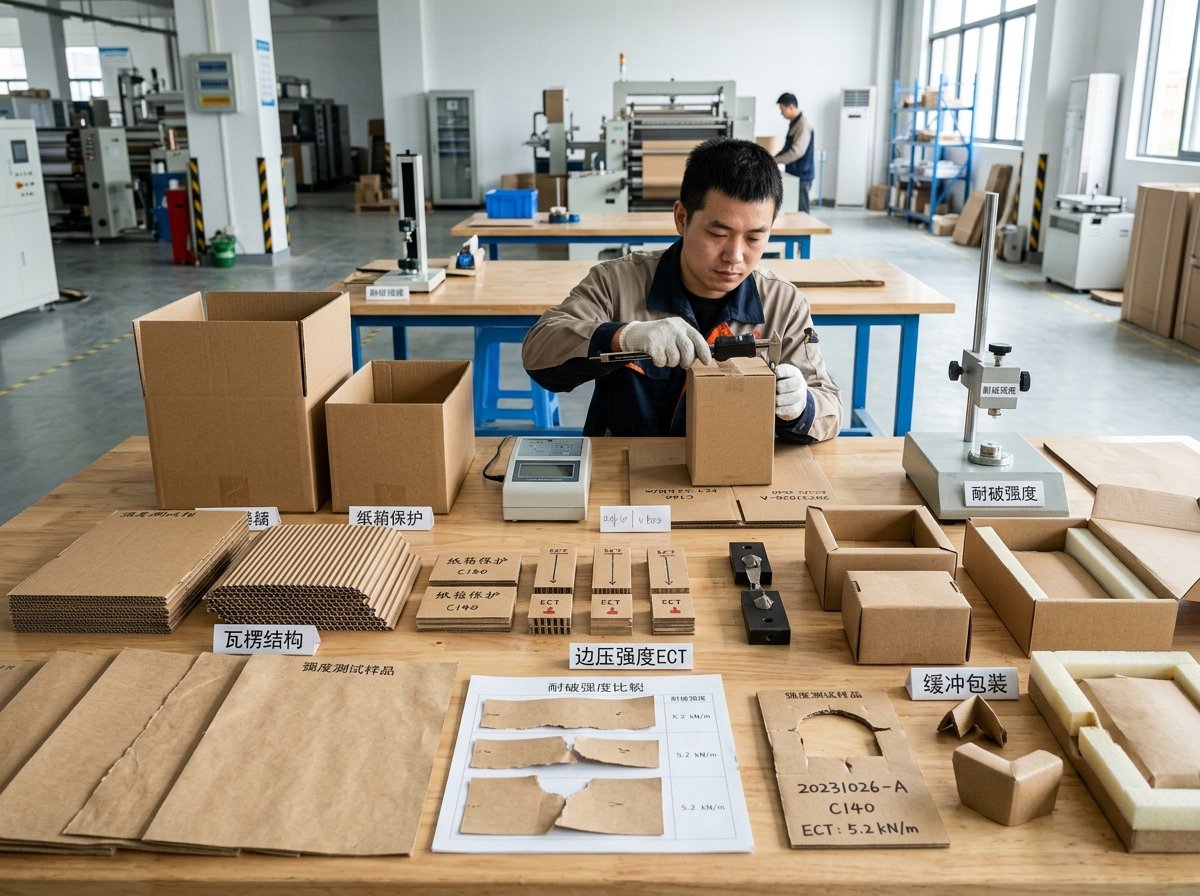
This point is important because many public packaging complaints focus on packs that look weak, crush easily, tear in transit, or fail under stacking pressure. Those failures are not always caused by the visible paper surface alone. They often come from the full packaging system being underbuilt. Kraft paper can perform very well as part of corrugated cartons, mailers, bag structures, sleeves, and box wraps, but it still needs the right thickness and support behind it.
For example, kraft liner on corrugated board can give a strong outer layer for shipping cartons. Kraft paper used as a folding carton surface can support a good retail look, but it may still need an outer transit carton if the route is rough. Kraft paper bags may work for light to medium products, but not for sharp or heavy goods without reinforcement.
The practical lesson is simple: kraft paper can be durable, but durability must be engineered, not assumed. Natural-looking packaging still needs testing, fit control, and the right level of protection.
How Kraft Paper Balances Cost, Durability, and Brand Appeal in Packaging
One reason kraft paper is used so widely is that it does not serve only one goal. It helps connect material performance, cost control, and brand image in a way many other materials do not.
Kraft paper balances cost, durability, and brand appeal by offering a practical paper-based material that often costs less than more heavily finished premium surfaces, while still giving enough strength and a distinctive natural look that many brands now prefer.
From a cost point of view, kraft paper can help avoid unnecessary finishing. A natural kraft surface often needs less visual decoration to look intentional. This can reduce dependence on heavy coatings, complex print treatments, or high-gloss effects that raise cost without always improving customer perception. This matters more now because many public complaints about packaging are not only about weak protection. Some are about over-packaging and packaging that feels wasteful or too expensive for what it delivers.
From a durability point of view, kraft paper offers a dependable base when matched with the right structure. It performs especially well in corrugated packaging, sleeves, wraps, and bags designed for the correct load and route.
From a brand point of view, kraft paper offers a recognizable packaging message. It suggests simplicity, practicality, and a more grounded material choice. For many modern brands, especially in personal care, gifts, food-adjacent products, daily-use goods, and eco-positioned retail packaging, that image creates real value.
| Packaging goal | How kraft paper helps |
|---|---|
| Cost control | Can reduce need for heavy finishing or complex decoration |
| Durability | Supports useful strength when paired with the right structure |
| Brand image | Creates a natural, modern, less artificial look |
| Sustainability signal | Helps communicate paper-based and eco-minded packaging |
| Product line consistency | Works across boxes, bags, sleeves, and inserts |
What Buyers Should Check Before Choosing Kraft Paper for Packaging?
Kraft paper can be a strong packaging choice, but the right decision depends on more than liking the color or the natural look. Material details still matter.
Before choosing kraft paper for packaging, buyers should check material weight, board construction, print expectations, surface durability, shipping conditions, product fit, and whether the natural kraft look matches the intended brand position.
The first point is usage. Is the kraft paper for a sleeve, a box wrap, a shopping bag, a mailer, or a corrugated outer carton? Each application needs a different weight and performance level. The second point is printing. Kraft can print very well, but it does not behave like a bright white coated surface. If strong color brightness is important, the artwork and print plan should reflect that early.
Surface resistance should also be reviewed. Some kraft packaging looks appealing because it feels raw and simple, but that does not mean it should mark too easily or wear badly in transit. For retail-facing packs, the balance between natural feel and clean appearance matters.
Shipping method should also be considered from the start. Many damaged packaging complaints come from retail-ready packs being treated as shipping-ready packs. A kraft carton or rigid wrap may still need a corrugated outer box, protective insert, or tighter fit control to arrive in good condition.
When Is Kraft Paper the Right Packaging Choice?
Kraft paper is not automatically the best option for every product. It is strongest when the material direction matches both the product and the brand story.
Kraft paper is the right packaging choice when a business wants a natural and sustainable appearance, practical strength, and flexible use across boxes, sleeves, bags, or corrugated formats. It works best when the product does not depend on a very glossy or high-brightness visual style to sell.
It works especially well for natural skincare, candles, soap, daily-use goods, gift items, e-commerce mailers, and many products where sustainability and authenticity matter. It also works for brands that want the packaging to feel modern and restrained rather than loud and highly finished.
It may be less suitable when the packaging needs very bright color reproduction, strong luxury shine, or a highly polished retail effect. In those cases, coated or bleached paper may support the product better. Even then, kraft can still be used as part of the packaging system, such as the shipping layer, the inner wrap, or the sleeve.
The best packaging material decisions rarely come from trend alone. They come from fit. Kraft paper becomes valuable when it fits the product weight, the product story, the shipping reality, and the desired customer impression.
Conclusion
Kraft paper remains a popular packaging material because it gives brands something many materials struggle to combine: a natural look, useful strength, broad packaging flexibility, and a more sustainable packaging direction. It works across cartons, sleeves, bags, mailers, corrugated boxes, and even premium packaging when the structure is planned well.
Its real value is not only that it looks eco-friendly. Its value is that it can balance cost, durability, and brand appeal in a practical way. When kraft paper is matched to the right product, the right packaging format, and the right shipping method, it helps create packaging that feels more trustworthy, more current, and more aligned with what many buyers now expect.
For brands comparing material options, kraft paper is often the strongest choice when the goal is not only to package the product, but also to communicate simplicity, responsibility, and reliable packaging value at the same time.