Weak packaging often starts with the wrong paper choice. A box may look simple and natural, but poor paper strength, poor print fit, or poor moisture control can quickly lead to damage and complaints.
Kraft paper is a strong paper material made through the kraft pulping process. In packaging manufacturing, it is widely used for corrugated boxes, folding cartons, paper bags, wrap paper, sleeves, and protective inserts because it offers a practical balance of strength, sustainability, surface character, and converting flexibility.
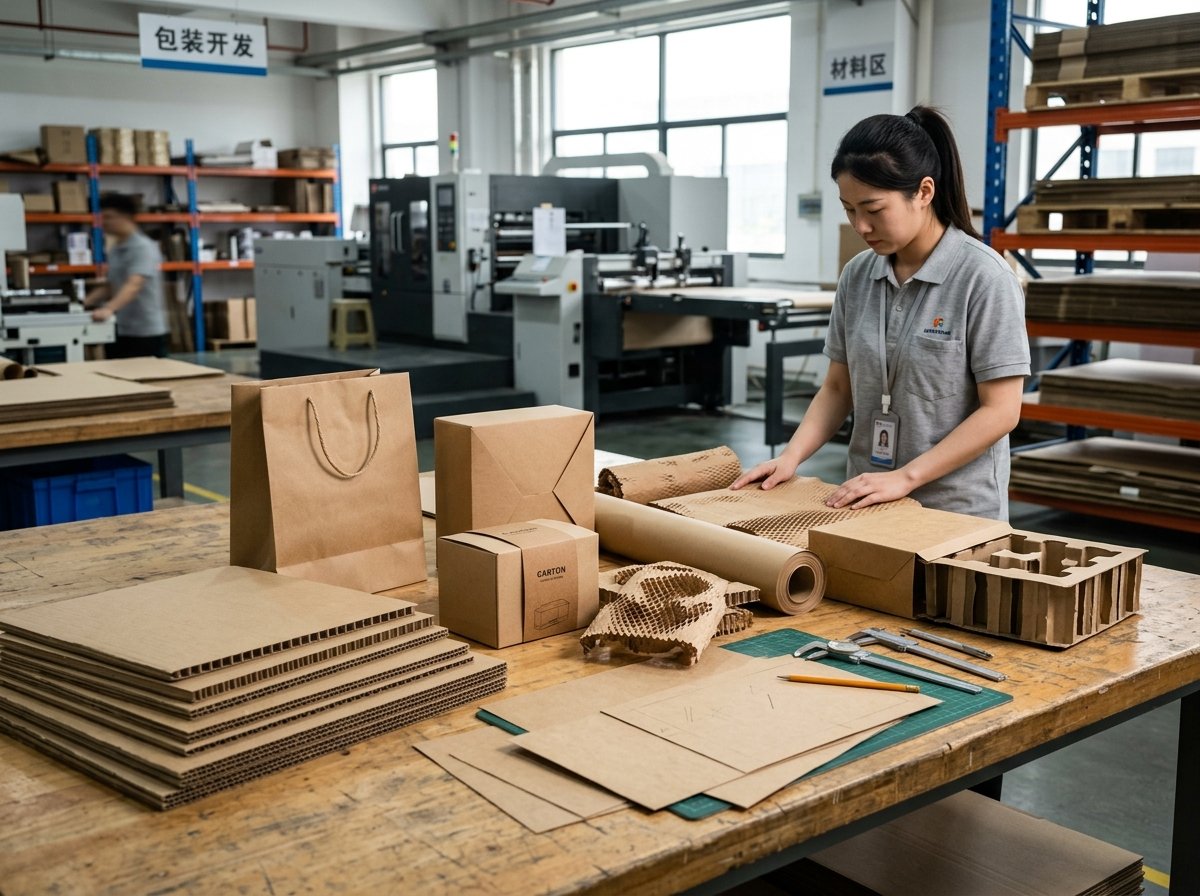
Kraft paper has become one of the most recognized materials in modern packaging. It is used across retail, e-commerce, industrial shipping, gift packaging, food packaging, and branded paper bags. Its popularity comes from a mix of practical reasons. It has a natural look. It usually offers better tear resistance than many lighter paper options. It supports a strong sustainability message when sourced and used correctly. It can also work in very different packaging structures, from corrugated cartons and mailer boxes to paper bags, wrapping sheets, and carton sleeves. Still, kraft paper is often misunderstood. Many buyers see the brown look and think all kraft paper is the same. In reality, kraft paper grades, weights, surface treatments, and converting behavior can vary a lot. That is why material choice matters. The wrong kraft paper can create weak print results, surface marks, poor folding, or packaging that looks eco-friendly but does not perform well enough in real shipping or retail use.
What Is Kraft Paper and How Is It Used in Packaging Manufacturing?
Many packaging materials look similar at first. Kraft paper stands out because it is known for its strength, fibrous texture, and broad use across many paper packaging formats.
Kraft paper is made from wood pulp through the kraft process, which keeps more of the paper fiber strength and makes the final paper suitable for demanding packaging applications.
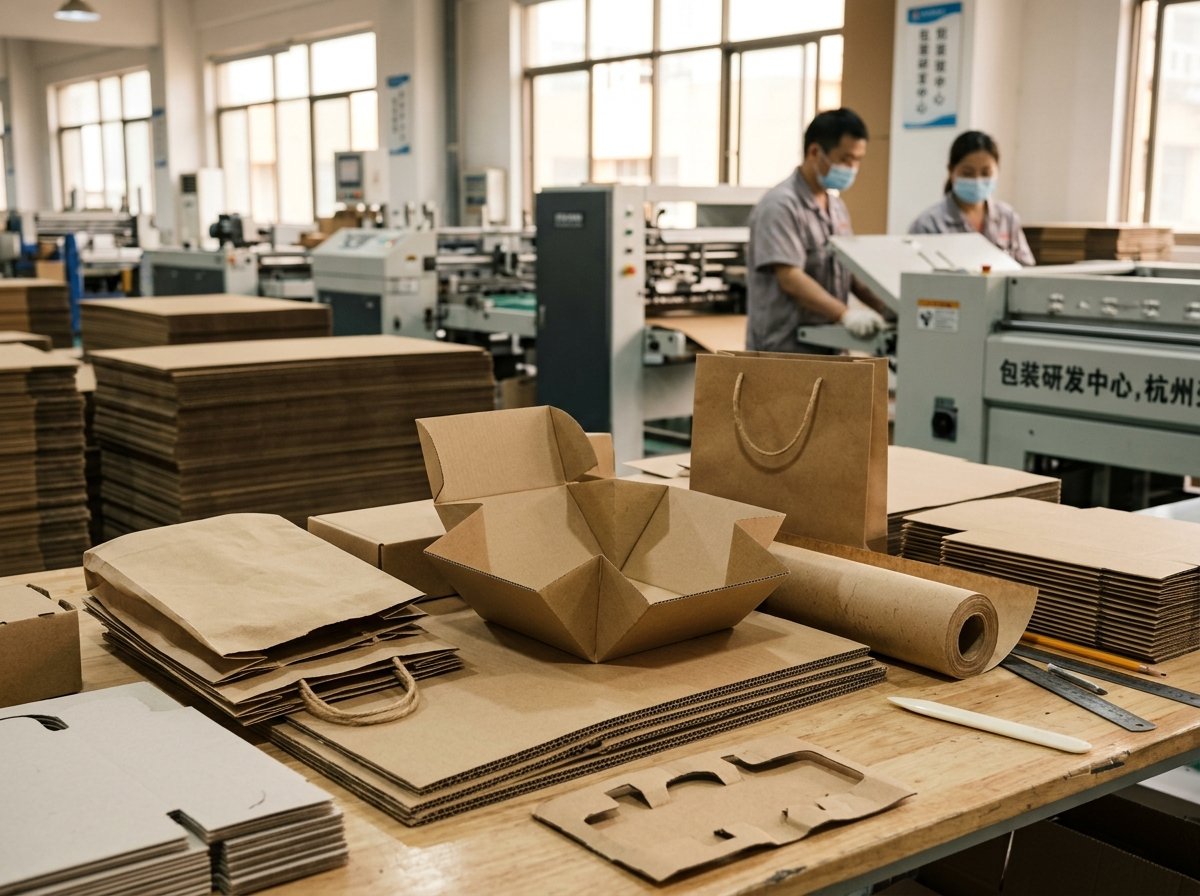
In packaging manufacturing, kraft paper can appear in several forms. It is used as the outer liner in corrugated board, as the main material in paper bags, as wrapping paper, as inner support paper, and as the visible outer layer in cartons or rigid boxes that need a natural look. It is also used in e-commerce mailers, kraft sleeves, hang tags, instruction cards, and molded packaging combinations. Some kraft paper is unbleached and keeps its brown color. Some is bleached for a lighter appearance while still keeping some of the same material identity. In corrugated packaging, kraft liners are often chosen because they handle shipping abuse better than weaker surface papers. In retail packaging, kraft paper is often chosen because it gives a simple and natural brand image. In food-related packaging, special kraft grades may also be used when barrier or food-contact needs are part of the packaging design.
| Kraft Paper Use | Main Role in Packaging | Common Application |
|---|---|---|
| Corrugated liner | Surface strength and transport protection | Shipping cartons, mailers, master cartons |
| Paper bag material | Carrying strength and brand presentation | Shopping bags, takeaway bags |
| Wrapping paper | Surface protection and product presentation | Gift wrap, inner wraps, clothing packaging |
| Carton surface paper | Natural appearance and print base | Sleeves, folding cartons, gift packaging |
| Insert or separator paper | Product separation and protection | Inner packing, retail kits, industrial packs |
Why Is Kraft Paper So Popular in Packaging?
A packaging material stays popular only when it solves real problems. Kraft paper keeps showing up in many packaging projects because it does more than create an eco look.
Kraft paper is popular because it offers a practical mix of strength, versatility, sustainability positioning, and a surface style that works well in modern packaging markets.
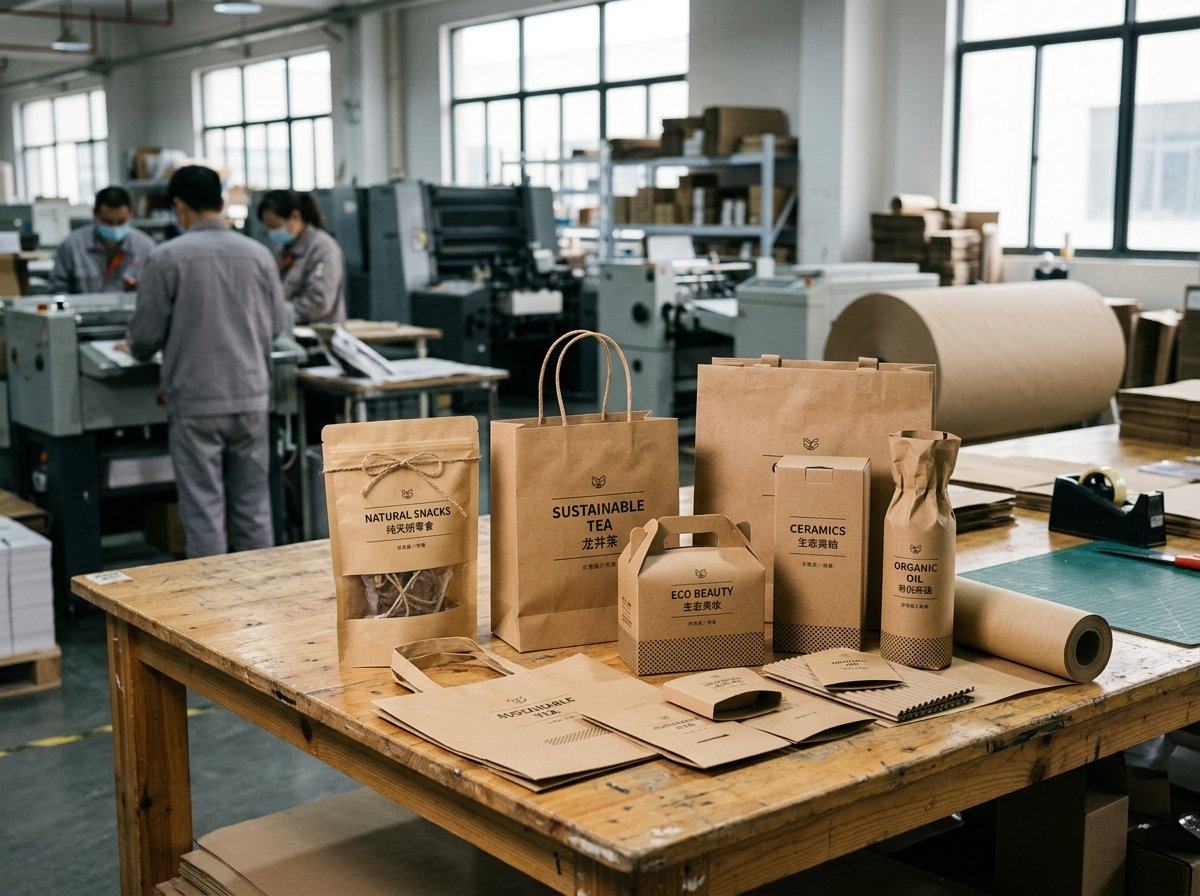
Many brands use kraft paper because customers often connect it with simplicity, recyclability, and a more responsible packaging image. That visual message is useful, but performance matters even more. In shipping packaging, kraft-based corrugated liners help cartons resist tearing, bursting, and rough handling better than weaker paper options. In paper bags, kraft paper helps improve carrying strength and reduce the cheap feel that lighter paper can create. In carton packaging, kraft surfaces can create a clean, understated look that fits personal care, daily goods, food, and gift packaging well. Another reason is flexibility. Kraft paper can be used in heavy-duty transport packaging and also in lighter retail packaging. This range makes it a useful material for brands that want more consistency across different packaging formats. Still, kraft paper should not be chosen only because it looks natural. If the paper grade, thickness, or finish is wrong, the packaging can still feel weak, print badly, or fail in real use.
Key Differences Between Kraft Paper and Other Packaging Paper Materials?
Not all packaging paper is built for the same job. Some papers are smoother. Some are cheaper. Some print better. Some carry more strength. Kraft paper fits into this picture as a performance-focused material with a very different balance.
The main differences between kraft paper and other packaging paper materials usually come down to strength, fiber character, surface appearance, print result, and end-use suitability.
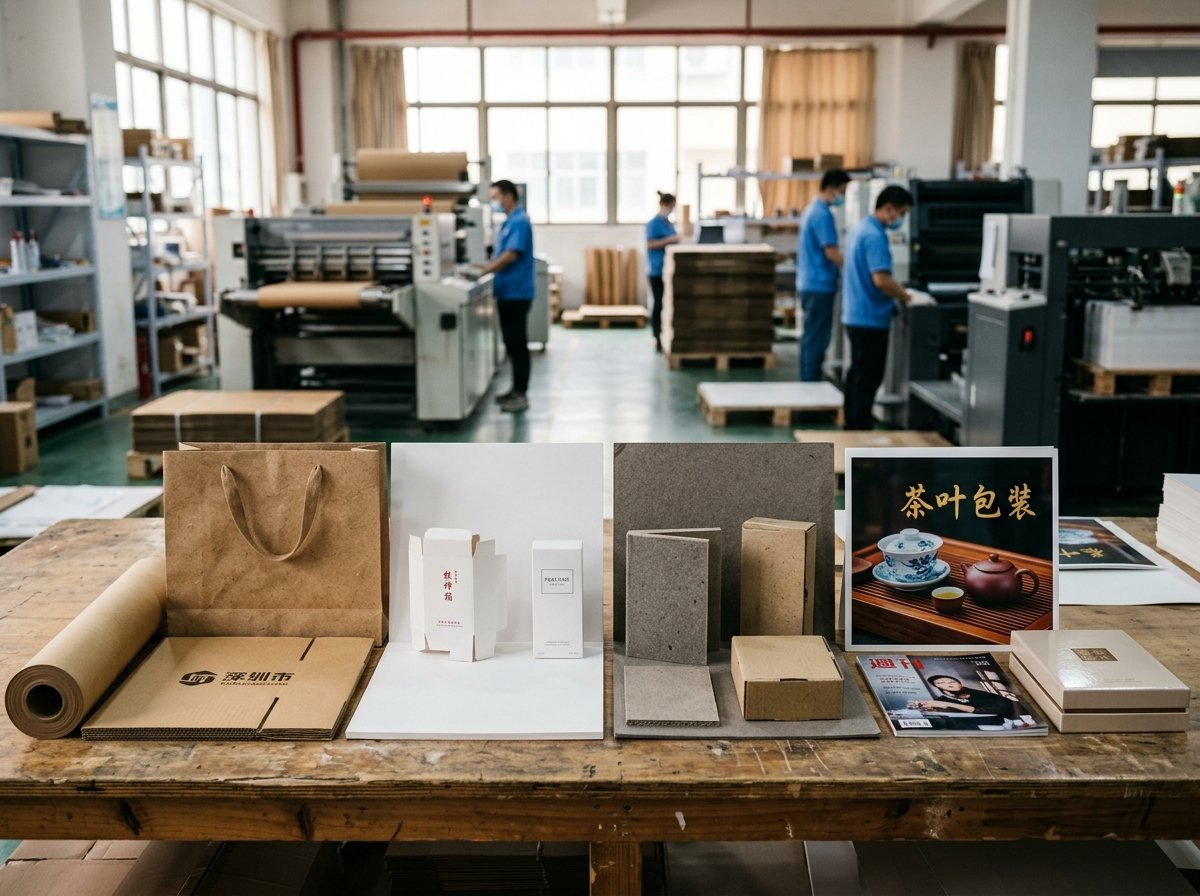
Compared with white coated paperboard, kraft paper usually has a more natural surface and a less polished print look. White board is often better when sharp graphics, clean brand colors, and premium cosmetic print quality are the top goals. Compared with recycled low-strength paper, kraft paper usually offers better tear resistance and better packaging reliability. Compared with art paper or laminated paper, kraft paper often looks less refined but can feel more honest and practical in the right product category. In corrugated packaging, kraft liner is often preferred over weaker test liner when more shipping strength is needed. In folding cartons, kraft board may create a strong eco image, but it may not replace SBS or FBB when high-detail print and bright color performance are required. This means kraft paper should be judged by function, not by trend.
| Paper Material | Main Advantage | Main Limitation | Best-Fit Packaging Use |
|---|---|---|---|
| Kraft paper | Strength and natural look | Less refined print surface | Bags, corrugated liners, natural-style cartons |
| White paperboard | Strong print and clean visual result | Less natural look, may show wear faster | Cosmetics, pharma, premium retail cartons |
| Recycled board | Cost and sustainability story | Can be weaker or less consistent | Secondary cartons, value packaging |
| Art paper / coated paper | Smooth print surface and color sharpness | Lower raw strength by itself | Decorative outer wraps and premium print layers |
How Buyers Evaluate Kraft Paper Strength, Sustainability, and Printability?
A kraft paper grade may look right in a sample book and still perform poorly in production if the real evaluation is too shallow. Buyers usually need to look at three things together: strength, sustainability, and printability.
A good kraft paper choice should perform well in converting, support the right environmental goal, and still fit the brand’s visual needs.
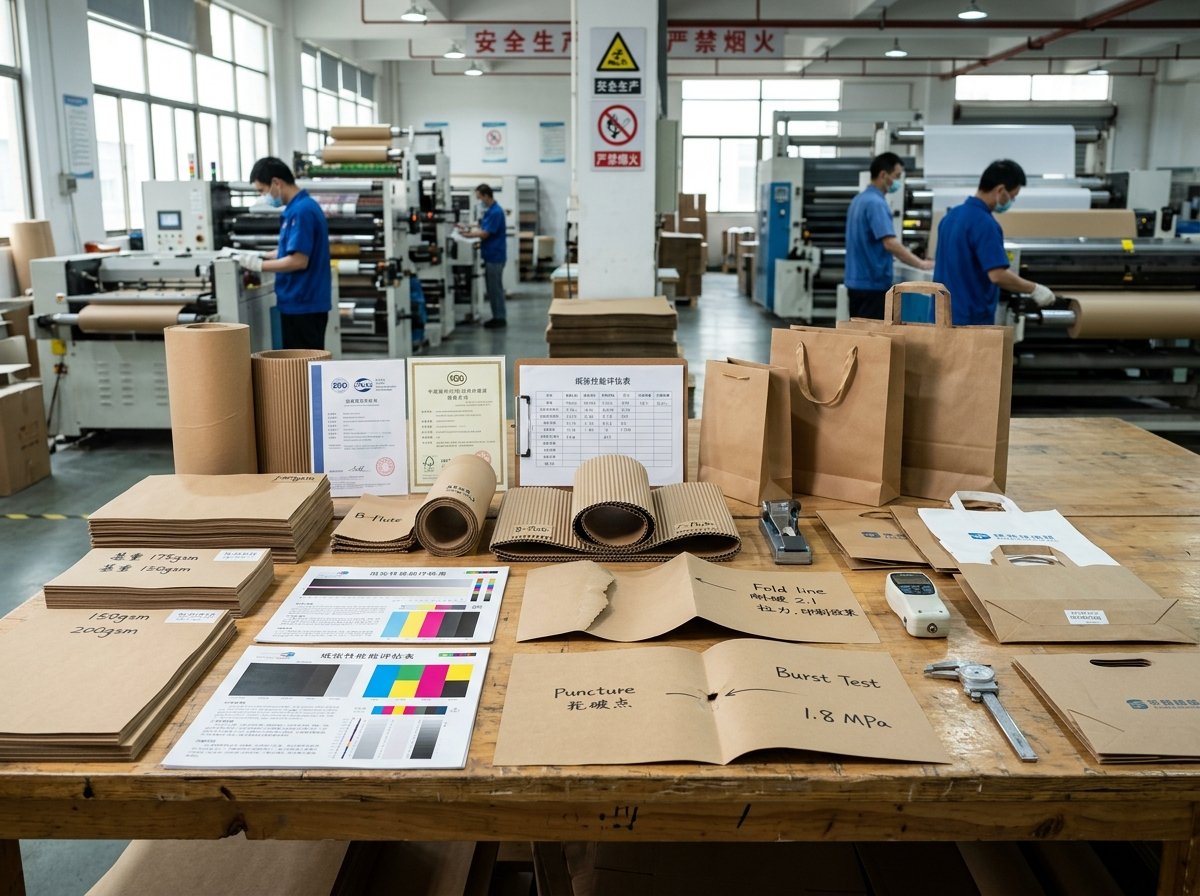
Strength is usually the first practical check. Buyers look at basis weight, burst strength, tear resistance, stiffness, and how the paper behaves in the final packaging structure. In corrugated board, kraft liner strength matters because weak outer paper leads to torn cartons, crushed corners, and poor arrival condition. In bags, low-strength paper can create handle failure or seam breakage. Sustainability is the next area. Buyers often ask whether the paper comes from certified sources, whether it is recyclable, and whether recycled content is included where suitable. Still, sustainability claims should match the real packaging function. A paper that sounds greener but fails too easily can create more waste through damaged goods and replacement shipments. Printability is the third major factor. Kraft paper can print very well in the right design style, but buyers need to know that dark brown paper affects color brightness, fine detail, and contrast. Bold designs, black print, dark green, white ink, and simple layouts often work better than trying to force high-gloss cosmetic-style graphics onto a rough natural sheet.
| Evaluation Area | What Buyers Check | Why It Matters |
|---|---|---|
| Strength | Basis weight, tear strength, stiffness, burst performance | Prevents flimsy packaging and shipping failure |
| Sustainability | FSC sourcing, recyclability, recycled content | Supports compliance and brand claims |
| Printability | Surface smoothness, ink holdout, color contrast | Affects final packaging appearance |
| Converting behavior | Folding, gluing, die-cut response | Reduces cracking, lifting, and poor assembly |
How Does Kraft Paper Perform in Corrugated Boxes and Carton Packaging?
Kraft paper is used in both corrugated packaging and carton packaging, but its job is not exactly the same in each format. The performance target changes with the structure.
In corrugated boxes, kraft paper is often chosen for shipping strength. In carton packaging, it is more often chosen for brand style, moderate stiffness, and material identity.
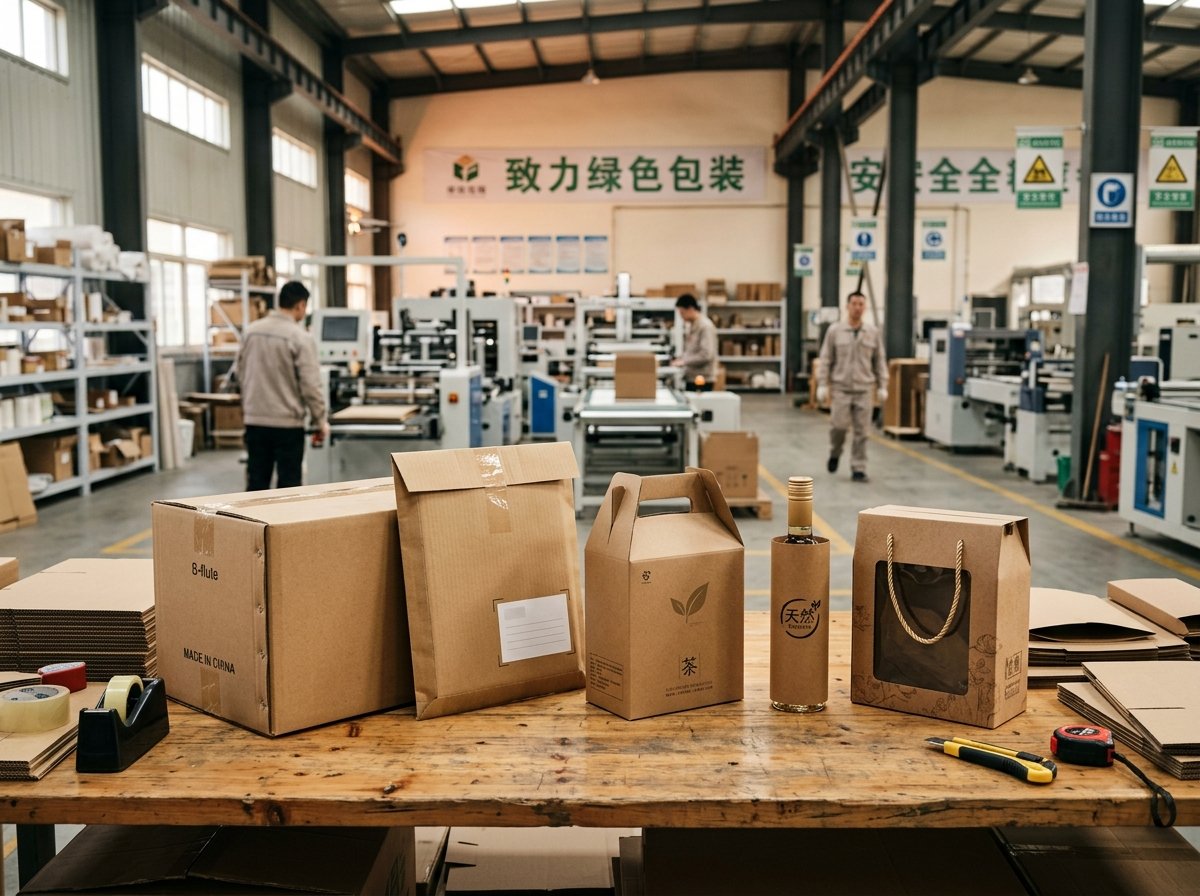
In corrugated boxes, kraft liner paper helps improve edge strength, surface durability, and resistance to rough transport handling. This matters because many packaging complaints come from cartons that are too flimsy, tear too easily, or arrive crushed and burst open. A stronger kraft liner can help reduce those failures when paired with the right flute and board grade. In carton packaging, kraft paper usually plays more of a visual and structural role. It can be used as the board itself or as an outer wrap layer. Here, it supports a natural look that works well in food, skincare, handmade products, accessories, and environmentally positioned brands. Still, carton performance depends on the full structure. If the board is too light, the box may still feel cheap. If the product is fragile, inserts or an outer shipping carton may still be needed. Kraft paper is useful, but it does not remove the need for good packaging engineering.
What Print and Finishing Options Work Best on Kraft Paper?
Some buyers assume kraft paper should stay plain. Others try to apply every premium finish at once. Neither approach is always right. The best result depends on the product category and the look the packaging is meant to create.
Kraft paper usually works best with printing and finishing choices that respect its natural surface instead of trying to hide it completely.
Black ink, dark spot colors, white ink, simple line art, and minimal layouts often perform very well on kraft paper. Flexo, offset, and screen printing may all be used depending on the structure and volume. In carton packaging, foil stamping, embossing, debossing, and selective coating can also work well when the design stays balanced. Matte finishes usually pair better with kraft than overly glossy treatments. Heavy surface decoration may weaken the honest, natural effect that made kraft appealing in the first place. Another point is consistency. Because kraft paper has more visible fiber character and color variation than very white coated papers, print testing matters. A brand should know how the paper affects logo contrast, barcode readability, and small text before mass production begins. Good design with kraft paper usually comes from using the material’s natural strengths, not from fighting against them.
| Print or Finish Option | Works Well on Kraft? | Main Effect |
|---|---|---|
| Black or dark ink | Yes | Strong contrast and clean branding |
| White ink | Yes | Better visibility on brown surface |
| Full-color bright graphics | Limited | Colors may lose brightness |
| Foil stamping | Yes | Adds contrast and premium detail |
| Embossing / debossing | Yes | Adds texture without overloading design |
| Heavy gloss treatment | Less ideal | May conflict with natural material look |
What Common Mistakes Happen When Choosing Kraft Paper for Packaging?
Kraft paper can solve many packaging needs, but it can also create problems when it is chosen for the wrong reason or used without enough technical review.
The most common mistakes come from treating kraft paper as a style trend instead of a real packaging material with limits and performance rules.
One common mistake is choosing kraft paper only because it looks eco-friendly while ignoring whether the grade is strong enough for the product and shipping route. Another mistake is expecting kraft paper to deliver the same bright and polished print result as coated white paperboard. Buyers also sometimes choose paper that is too light, which creates weak bags, soft cartons, or poor wrap durability. Another issue is poor matching between kraft paper and product category. A natural kraft look may work very well for handmade goods, organic products, and many daily-use items, but not every luxury or pharma product should use the same material logic. Some projects also fail because the outer natural paper looks right, but there is no support from proper inserts, corrugated outer cartons, or moisture consideration. Good kraft packaging comes from balanced material choice, not from appearance alone.
Why Does Kraft Paper Need to Be Judged by Total Packaging Performance?
A sheet of kraft paper does not work alone. It becomes part of a bag, a carton, a corrugated board, or a protective pack. That means the real decision is not whether kraft paper is good in theory. The real decision is whether it works in the full packaging system.
The best kraft paper choice is the one that matches product weight, shipping risk, print expectation, sustainability goal, and final packaging structure at the same time.
Many public complaints about packaging do not come from paper name alone. They come from weak boxes, poor fit, missing support, bad printing, and materials that do not match the job. Kraft paper should be judged in the same practical way. In shipping cartons, the question is whether the kraft liner helps prevent crushing and tearing. In carton packaging, the question is whether the board gives enough stiffness and the right look. In bags, the question is whether the handles, folds, and seams stay reliable. In printed retail packaging, the question is whether the natural surface supports the brand image without hurting clarity or consistency. When these questions are answered early, kraft paper becomes a strong packaging material. When they are ignored, even a good-looking kraft pack can turn into a weak packaging result.
Conclusion
Kraft paper remains one of the most practical and widely used materials in packaging because it combines strength, converting flexibility, and a natural material image that works across many product categories.
Its real value depends on choosing the right grade for the right job. A good kraft paper solution should support structure, shipping performance, sustainability goals, and print needs at the same time. It should not be selected only for its brown color or eco message. When kraft paper is matched correctly to corrugated boxes, carton packaging, paper bags, or inner wraps, it helps create packaging that looks honest, performs well, and gives buyers a better balance between protection, presentation, and material efficiency.