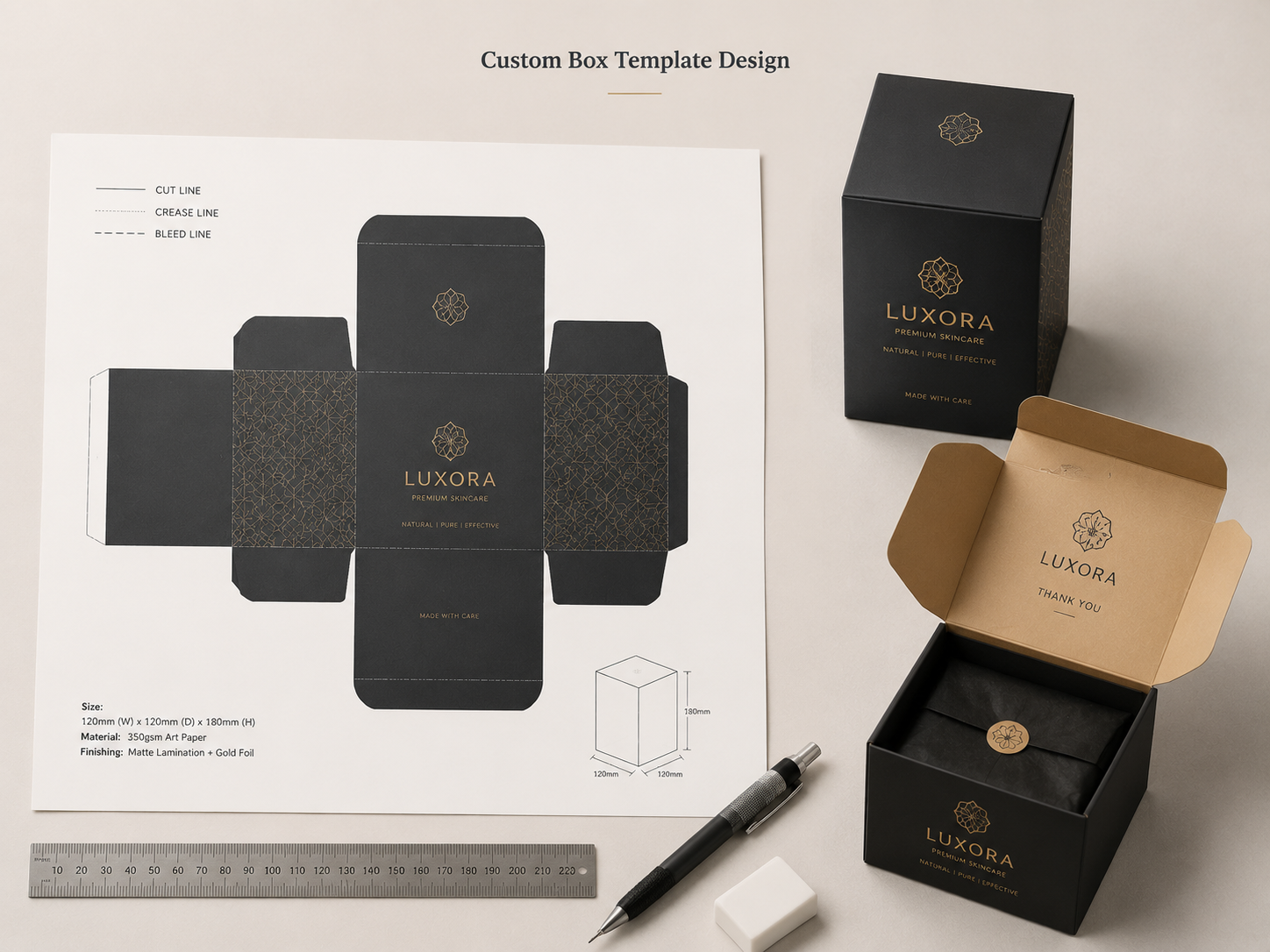
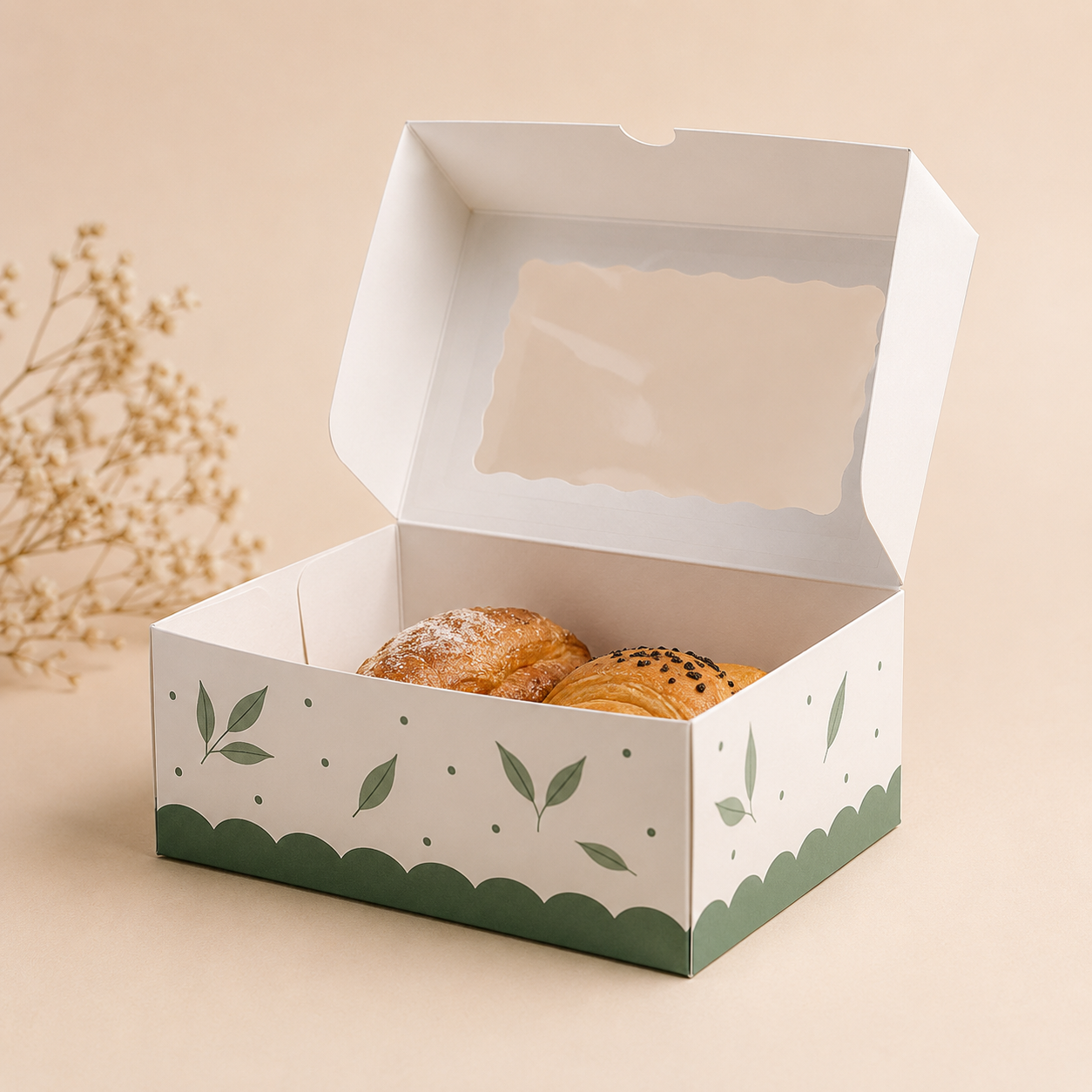
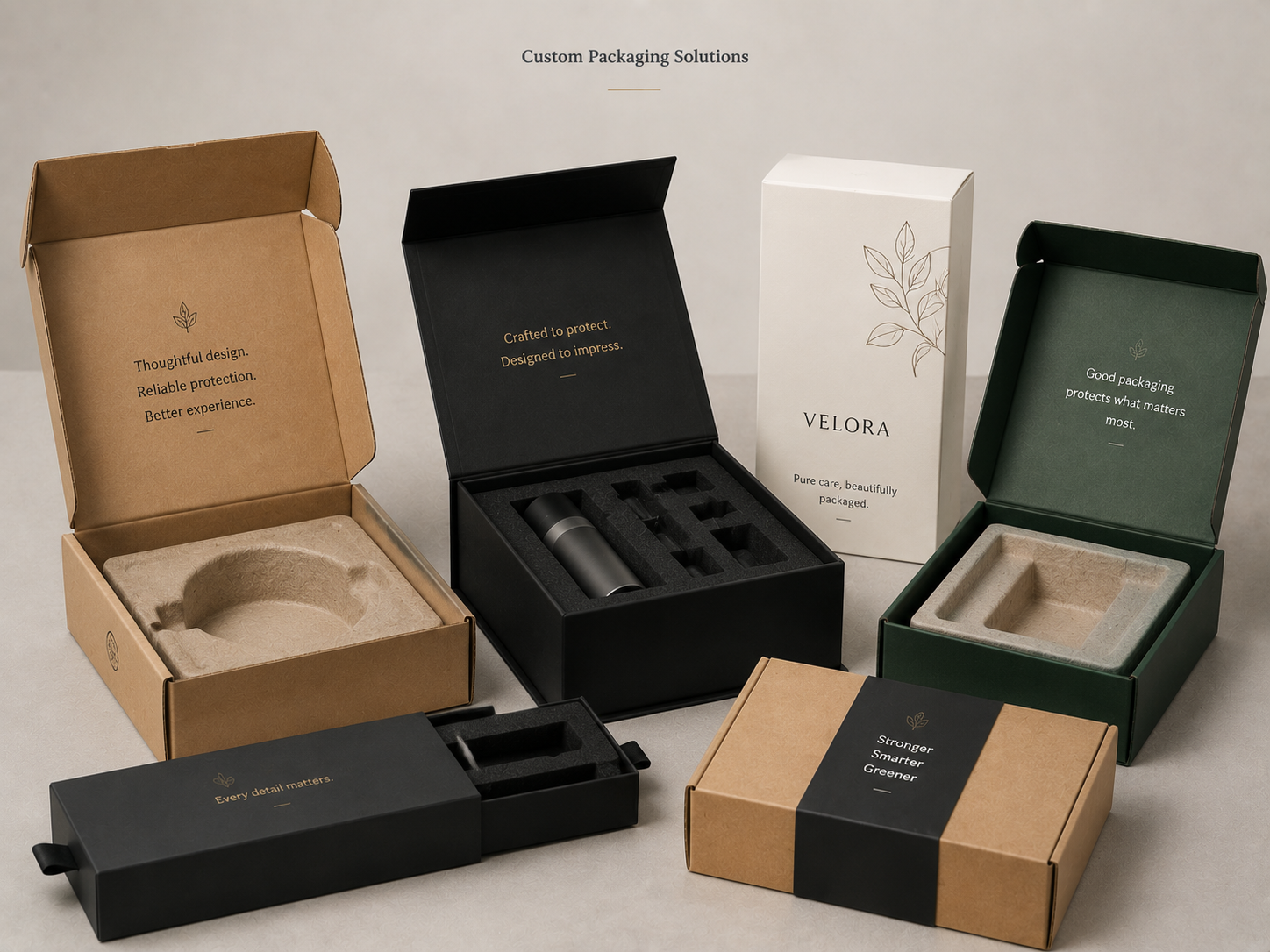
Packaging is an essential part of modern commerce and plays a much larger role than simply containing a product. From food and cosmetics to electronics and e-commerce shipments, product packaging is present at every stage of the customer journey. It not only protects products during transportation and storage but also helps businesses communicate their brand identity, create memorable customer experiences, and influence purchasing decisions.
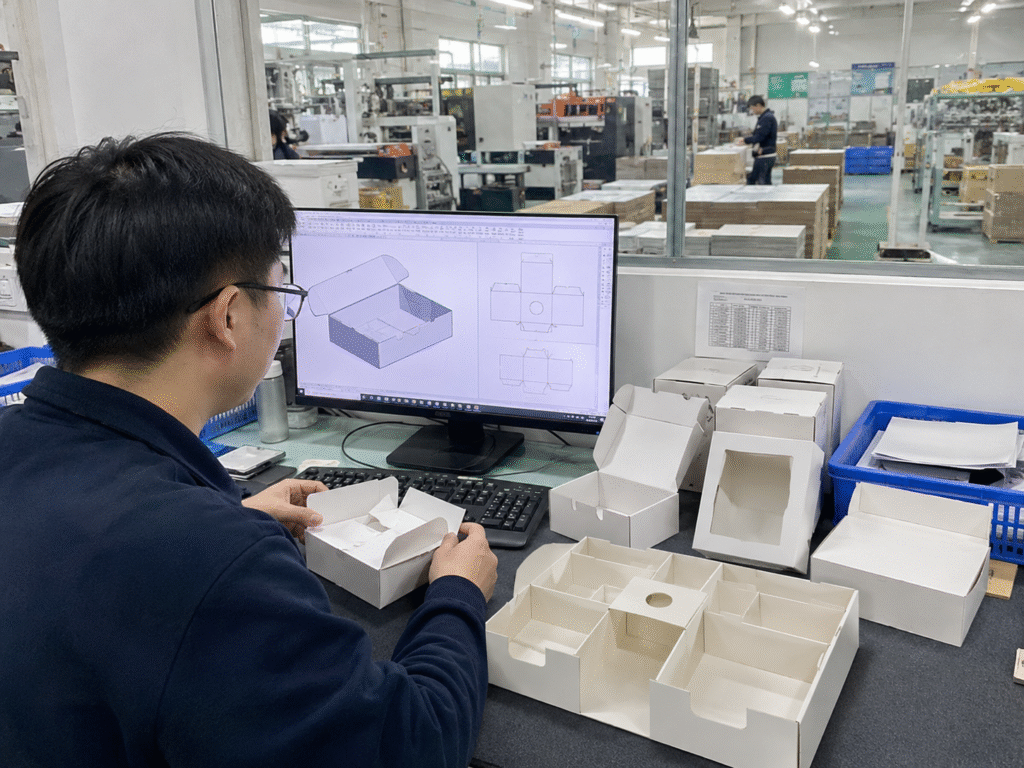
In today’s highly competitive marketplace, effective packaging design has become a powerful marketing tool. Well-designed custom packaging can differentiate a brand from its competitors, enhance product presentation, and build stronger connections with consumers. Whether displayed on retail shelves or delivered directly to customers through online orders, packaging often creates the first impression of a product and can significantly impact customer satisfaction and brand perception.
While packaging may appear simple on the surface, it involves a combination of design, functionality, material selection, branding, and logistics. In this comprehensive guide, we’ll explore what packaging is, its key functions, different packaging types, and why investing in high-quality packaging solutions is essential for businesses looking to improve product protection, strengthen brand recognition, and drive long-term growth.
What Is Packaging?
Before exploring the many functions and benefits of packaging, it’s important to understand what packaging actually means.
Packaging refers to the materials, containers, and protective systems used to enclose, protect, transport, store, and present a product. Beyond simple protection, modern product packaging plays a crucial role in branding, customer experience, logistics, and product marketing.
In today’s competitive marketplace, packaging serves multiple purposes. It protects products from damage during transportation, provides important product information, enhances shelf appeal, and helps businesses create a strong brand identity. As a result, packaging has become an essential component of both product development and business strategy.
Levels of Packaging
Most products utilize a packaging system that consists of multiple layers, each serving a specific purpose throughout the supply chain.
Primary Packaging
Primary packaging is the layer that comes into direct contact with the product. It protects the product and is typically the packaging consumers interact with first.
Examples include:
- Cosmetic containers
- Food pouches
- Pharmaceutical blister packs
- Beverage bottles
Secondary Packaging
Secondary packaging groups and protects primary packages while enhancing product presentation and branding.
Examples include:
- Folding cartons
- Product boxes
- Retail packaging sleeves
- Gift packaging
Tertiary Packaging
Tertiary packaging is designed for shipping, warehousing, and distribution purposes.
Examples include:
- Corrugated shipping boxes
- Pallets
- Stretch wrap
- Bulk transport containers
Tip: Effective packaging combines product protection, visual appeal, and functionality to create a better customer experience while supporting efficient logistics and transportation.
Common Types of Packaging and Their Applications
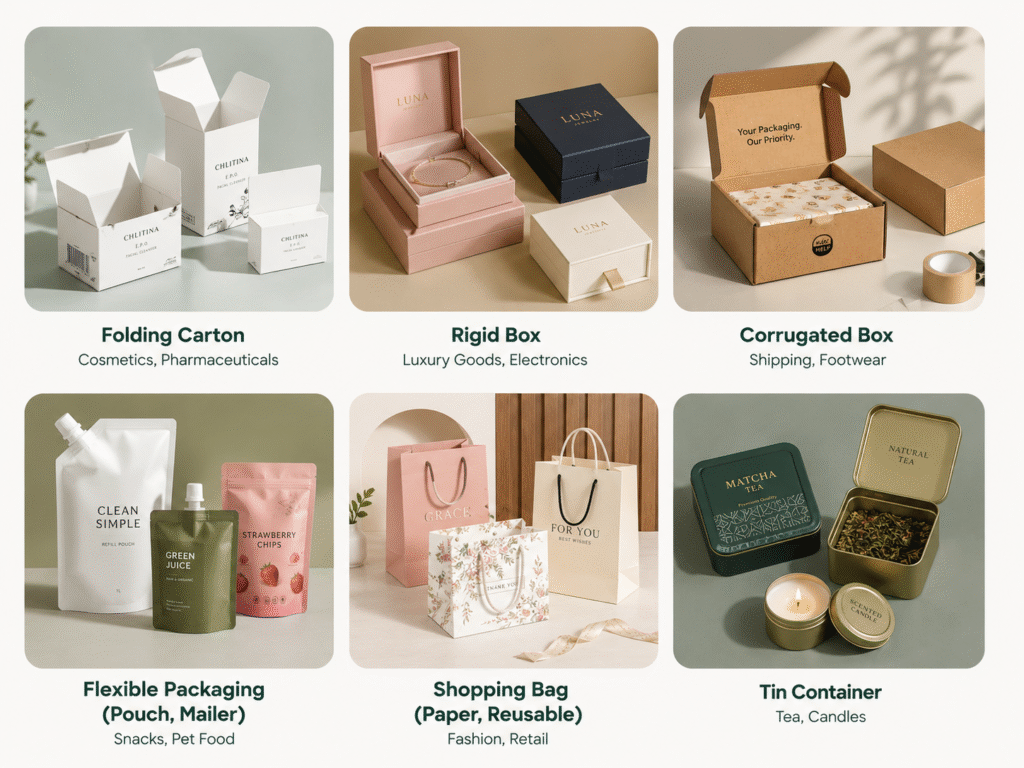
There are many types of custom packaging solutions, each designed to meet specific product, branding, and shipping requirements.
| Packaging Type | Common Applications |
|---|---|
| Folding Cartons | Cosmetics, pharmaceuticals, food products |
| Corrugated Boxes | Shipping, e-commerce, footwear, electronics |
| Rigid Boxes | Luxury goods, jewelry, premium electronics |
| Flexible Packaging | Snacks, pet food, coffee, frozen foods |
| Paper Shopping Bags | Retail stores, fashion brands, gift packaging |
| Tin Containers | Tea, candles, confectionery, specialty products |
Different packaging materials, structural designs, printing techniques, coatings, and finishing options all contribute to the final appearance, durability, and functionality of the package. Selecting the right packaging solution helps businesses improve product protection, strengthen brand recognition, and create a more memorable customer experience.
The Roles and Importance of Packaging
Packaging is much more than a container for a product. Effective product packaging protects goods, strengthens brand identity, improves customer experience, and supports efficient logistics throughout the supply chain. Below are the key functions that make packaging an essential part of modern business.
1. Product Protection and Preservation
One of the most important functions of packaging is protecting products from damage during transportation, storage, and handling. High-quality custom packaging helps prevent impacts, moisture exposure, contamination, and other environmental factors that could affect product quality.
For industries such as cosmetics, pharmaceuticals, electronics, and food packaging, protection is especially critical. Proper packaging helps maintain product integrity, extend shelf life, and ensure customers receive products in excellent condition.
Benefits include:
- Reduced product damage
- Lower return rates
- Improved customer satisfaction
- Better product preservation
- Enhanced shipping performance
Tip: Investing in protective packaging can significantly reduce shipping damage and help maintain product quality throughout the supply chain.
2. Product Identification and Information Communication
Packaging serves as the first point of communication between a brand and its customers. It immediately identifies the product, showcases the brand, and provides essential information that helps consumers make informed purchasing decisions.
Common information displayed on packaging includes:
- Product name
- Brand logo
- Usage instructions
- Ingredients or materials
- Nutritional information
- Expiration dates
- Safety warnings
- Regulatory compliance details
Clear and informative packaging builds consumer trust while helping brands meet industry regulations and labeling requirements.
3. Efficient Storage and Handling
Well-designed packaging solutions improve operational efficiency throughout the supply chain. Packaging helps organize products, maximize storage space, and simplify transportation and inventory management.
Advantages include:
- Better warehouse organization
- Improved inventory control
- Reduced shipping costs
- Easier product handling
- More efficient logistics operations
By optimizing package dimensions and structural design, businesses can reduce wasted space and improve overall supply chain performance.
4. Attracting Customer Attention
In today’s competitive retail environment, packaging often determines whether a product gets noticed. Attractive packaging design can instantly capture consumer attention and influence purchasing decisions.
Elements that contribute to strong shelf appeal include:
- Color selection
- Typography
- Graphics and imagery
- Structural design
- Premium finishes
- Unique packaging shapes
Whether displayed in a retail store or online marketplace, visually appealing packaging helps products stand out and increases the likelihood of purchase.
Tip: Packaging is often the first interaction consumers have with your brand, making design a powerful marketing and sales tool.
5. Strengthening Brand Identity
Packaging is one of the most effective ways to communicate a brand’s personality, values, and market positioning. Consistent custom packaging design helps create a recognizable brand image and builds trust with consumers.
Premium packaging can elevate perceived product value, while sustainable packaging materials can demonstrate environmental responsibility.
Strong branding through packaging helps:
- Increase brand recognition
- Improve customer trust
- Differentiate products from competitors
- Reinforce brand values
- Create a memorable customer experience
For many businesses, packaging serves as an extension of their overall marketing strategy.
6. Enhancing Customer Experience
Modern packaging is not only expected to look attractive but also provide convenience and functionality. Features such as easy-open designs, resealable closures, protective inserts, and premium unboxing experiences contribute to greater customer satisfaction.
A positive packaging experience can:
- Improve product usability
- Increase customer loyalty
- Encourage repeat purchases
- Generate social media sharing
- Strengthen brand engagement
As e-commerce continues to grow, the unboxing experience has become an increasingly important part of the customer journey. Thoughtfully designed packaging can transform a simple delivery into a memorable brand interaction.
Tip: A memorable unboxing experience can turn customers into brand advocates and generate valuable word-of-mouth marketing.
Why Packaging Matters
From protecting products and improving logistics to building brand recognition and enhancing customer experience, packaging plays a critical role in business success. Companies that invest in high-quality custom packaging solutions not only protect their products but also create stronger brand connections, improve customer satisfaction, and gain a competitive advantage in the marketplace.
Conclusion
Packaging is far more than a simple container—it is a critical business tool that influences product protection, brand perception, customer experience, and operational efficiency. From safeguarding products during transportation to communicating important information and creating memorable first impressions, effective product packaging plays a vital role throughout the entire customer journey.
As consumer expectations continue to evolve, businesses must view packaging as a strategic investment rather than just a necessity. High-quality custom packaging can help strengthen brand recognition, improve customer satisfaction, reduce product damage, and even support sustainability goals. Whether you’re selling products in retail stores, through e-commerce channels, or in global markets, the right packaging solution can provide a significant competitive advantage.
By understanding the different types, functions, and benefits of packaging, businesses can make more informed decisions that align with their products, target audience, and brand objectives. Working with an experienced packaging manufacturer can further ensure that your packaging not only protects your products but also enhances your brand image and delivers a better customer experience.
Frequently Asked Questions About Packaging
1. What is the primary purpose of packaging?
Packaging protects products during transportation, storage, and handling while ensuring they arrive intact. It also preserves product quality, extends shelf life, and prevents damage from environmental factors such as moisture, air, or dust.
2. How does packaging influence customer perception?
Well-designed packaging communicates a brand’s identity, enhances visual appeal, and builds trust. Premium or creative packaging can increase perceived value and encourage customer loyalty and repeat purchases.
3. What are the common types of packaging used in business?
Common packaging types include folding cartons for cosmetics and pharmaceuticals, corrugated boxes for shipping, rigid boxes for luxury products, flexible packaging for food, paper shopping bags for retail, and tin containers for specialty products like tea or candles.
4. Why is custom packaging important?
Custom packaging ensures the product fits perfectly, offers optimal protection, and enhances brand identity. It also allows for tailored design, printing, and finishes that appeal to your target audience and differentiate your product from competitors.
5. How does packaging affect logistics and storage?
Efficient packaging optimizes space, reduces shipping and storage costs, and simplifies handling. Well-organized packaging allows for faster warehouse operations, safer stacking, and maximized load capacity during transport.
6. How does sustainable packaging benefit a business?
Sustainable packaging made from recycled or renewable materials reduces environmental impact and appeals to eco-conscious consumers. It can enhance brand reputation, meet regulatory requirements, and support corporate social responsibility initiatives.