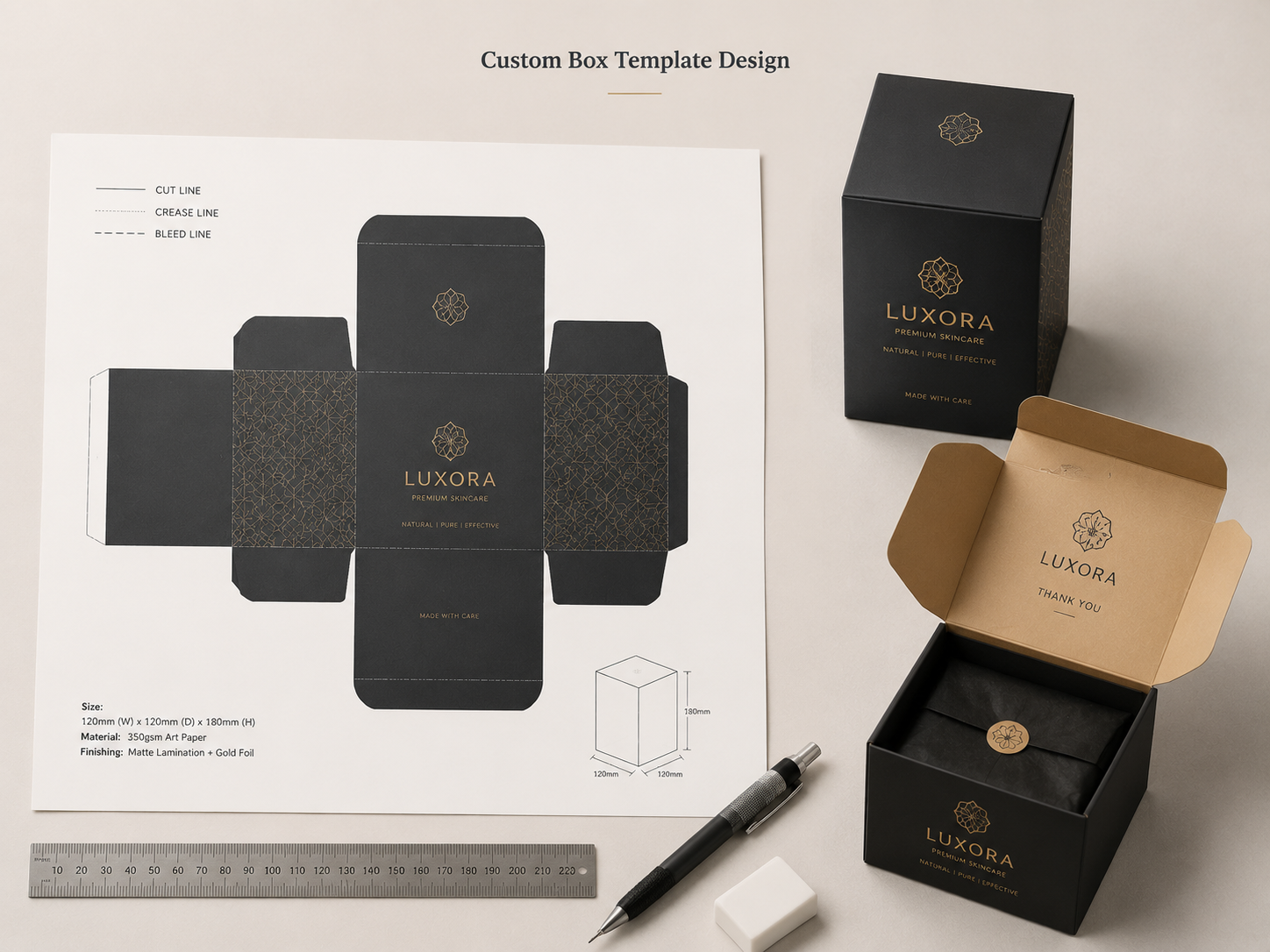
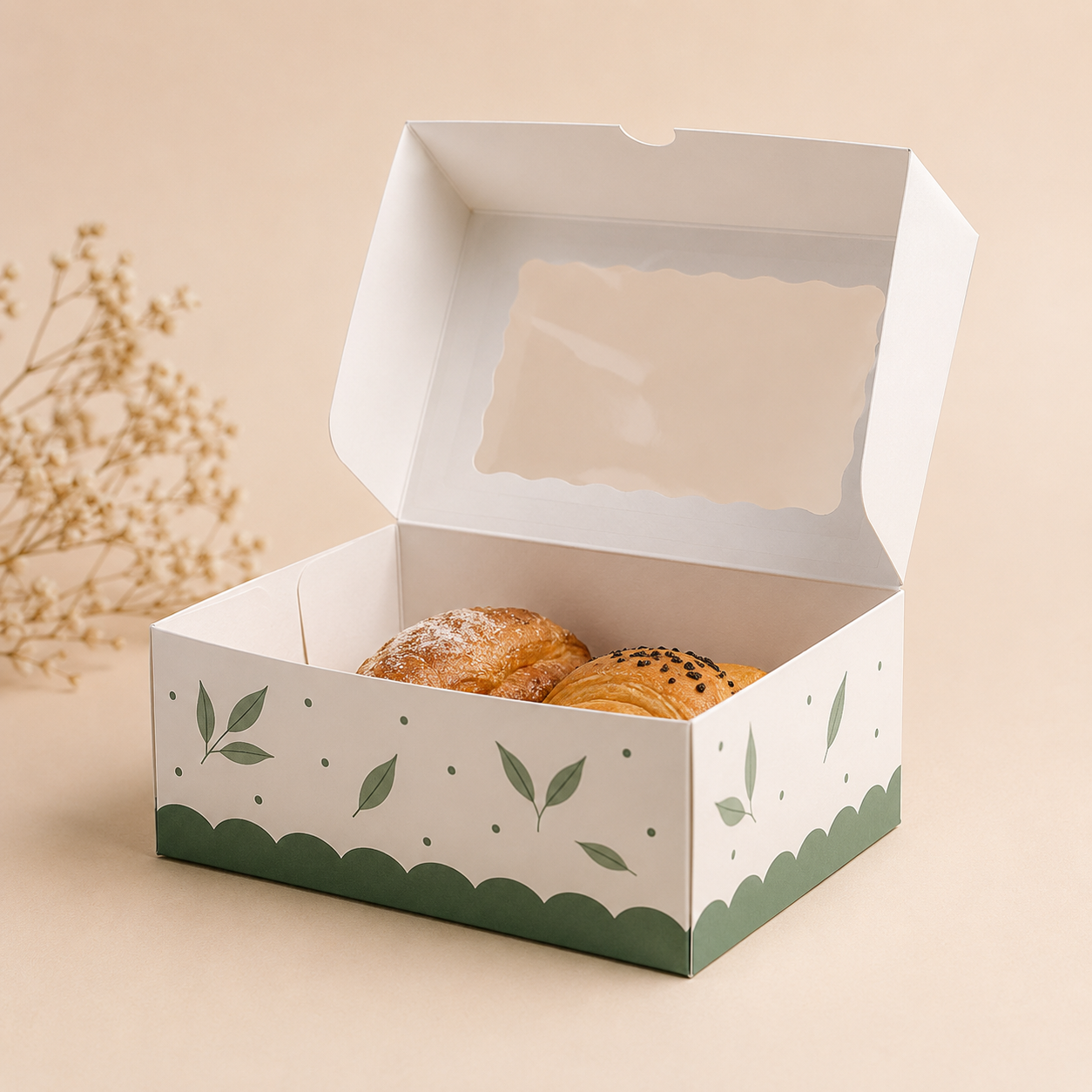
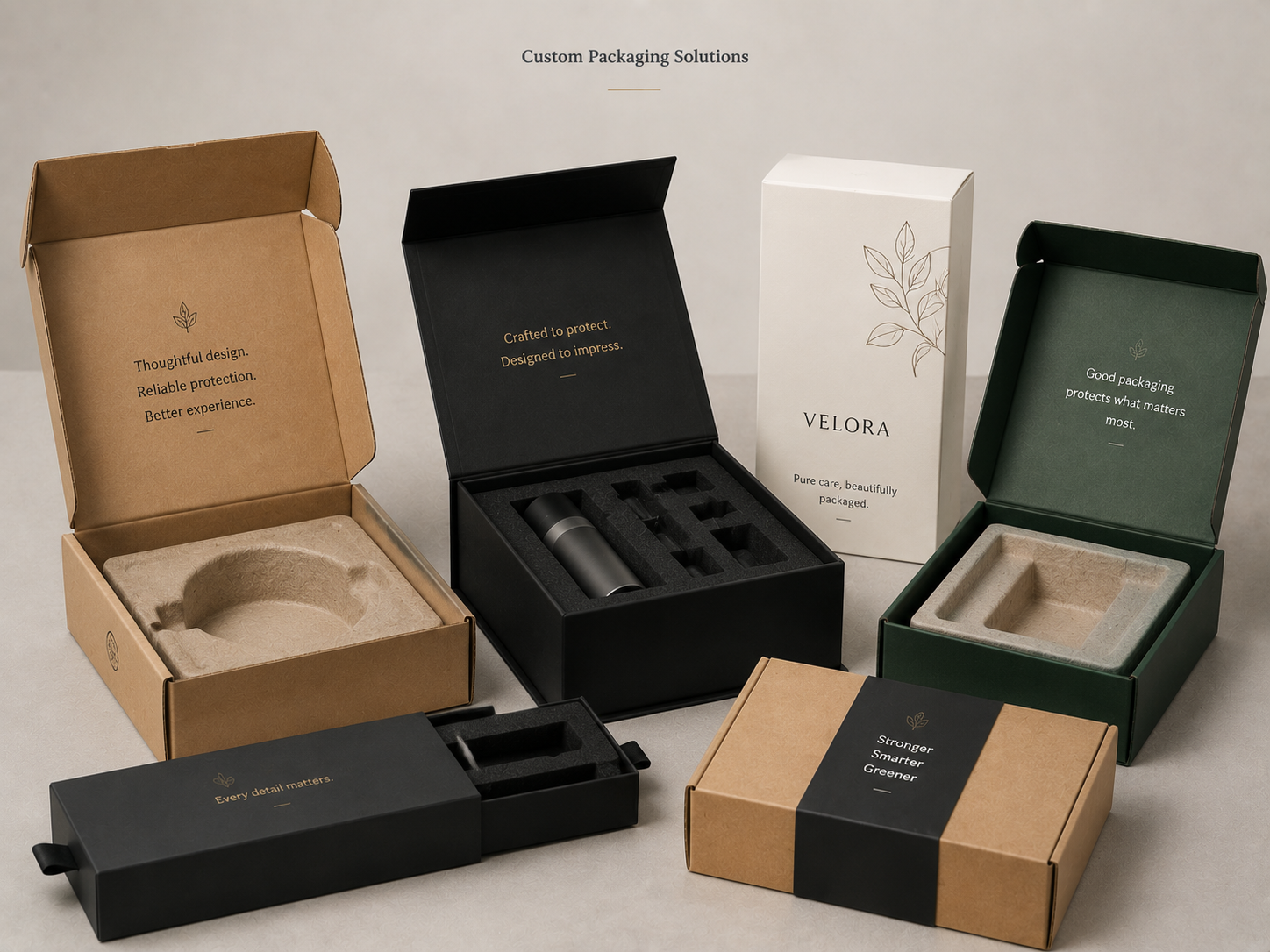
Many brands focus on packaging appearance but overlook one important factor: functionality. Beautiful packaging that is difficult to use, weak during transportation, or unable to protect products can create problems for both brands and customers.
Packaging functionality means how well packaging performs its practical roles, including product protection, convenience, storage, transportation, and customer experience while supporting brand value.
Packaging is no longer only a protective layer around products. Modern brands need packaging that combines attractive design with practical performance. From rigid boxes and paper bags to display packaging and retail cartons, every packaging solution needs to support the product journey from factory to customer. A professional packaging factory helps brands create packaging that balances appearance, structure, usability, sustainability, and production efficiency.
What Is Packaging Functionality and Why Does It Matter?
Packaging functionality refers to how effectively packaging performs its intended purposes. It includes protecting products, improving handling, supporting transportation, creating convenience, and enhancing customer interaction.
A package may look attractive, but if it cannot protect the product or provide a good user experience, it fails to deliver complete value.
For brands, functional packaging helps reduce risks and improve customer satisfaction. A strong package can prevent damage, simplify logistics, and create a better experience when customers open and use the product.
What Are the Main Functions of Packaging?
| Packaging Function | Purpose |
|---|---|
| Product protection | Prevents damage during transportation |
| Storage support | Keeps products organized |
| Transportation efficiency | Improves logistics performance |
| Customer convenience | Makes products easier to use |
| Brand communication | Shares product information and identity |
Packaging functionality is especially important for industries such as consumer electronics, cosmetics, jewelry, watches, gifts, and retail products.
For example, a perfume box needs to protect a fragile glass bottle while creating a luxury experience. A shipping carton needs to handle transportation pressure while maintaining product safety.
A professional packaging manufacturer considers these requirements during the design stage to create packaging that works in real situations.
How Does Functional Packaging Protect Products?
Product protection is one of the most important functions of packaging. Products often experience different risks during storage, transportation, and handling.
A functional package should reduce these risks through suitable materials, structures, and internal protection systems.
Common Product Protection Features
| Protection Method | Benefit |
|---|---|
| Strong paperboard structure | Prevents crushing and deformation |
| Custom inserts | Keeps products in position |
| Protective layers | Reduces impact damage |
| Proper sizing | Prevents unnecessary movement |
Different products require different protection solutions. Electronics may require foam or paper inserts to prevent movement. Jewelry may need soft internal materials to avoid scratches. Cosmetics may require secure structures to protect bottles and containers.
Packaging functionality begins with understanding the product itself. The weight, shape, fragility, and transportation method all influence packaging decisions.
A professional packaging factory can help brands develop structures that protect products while maintaining attractive presentation.
Why Is Packaging Structure Important for Functionality?
Packaging structure determines how a package performs during production, transportation, and customer use.
A good structure should provide strength while remaining practical for assembly and storage.
Custom structures allow brands to create packaging solutions that match specific product requirements.
Examples of Functional Packaging Structures
| Structure Type | Functional Advantage |
|---|---|
| Magnetic rigid box | Provides premium opening experience |
| Drawer box | Improves product presentation |
| Folding carton | Supports efficient production |
| Display box | Improves retail visibility |
| Custom insert box | Provides better protection |
For premium products, structure design has a direct impact on customer perception. A smooth opening process and well-organized internal layout can create a stronger product experience.
For retail products, functional structures can improve shelf presentation and make products easier for customers to identify.
Packaging design should not only focus on visual creativity. It should also consider manufacturing efficiency, transportation requirements, and customer usability.
How Does Packaging Functionality Improve Customer Experience?
Customer experience begins before the product is used. Packaging is often the first physical interaction between customers and brands.
Functional packaging makes products easier to open, store, carry, and reuse. These details influence how customers remember the brand.
Customer Experience Features in Packaging
| Feature | Customer Benefit |
|---|---|
| Easy opening design | Improves convenience |
| Clear product arrangement | Creates better understanding |
| Reusable structure | Extends packaging value |
| Premium texture | Improves emotional connection |
For online brands, packaging functionality is especially important because customers receive products without seeing them in advance.
A well-designed package creates excitement during delivery and reduces frustration during opening.
For premium brands, the opening experience can become part of the product value. Magnetic boxes, drawer structures, and customized inserts help create memorable moments.
A packaging manufacturer with design experience can help brands create packaging that combines practical functions with emotional value.
What Role Does Packaging Functionality Play in Transportation?
Transportation creates many challenges for packaging. Products may face pressure, vibration, stacking, and environmental changes during shipping.
Functional packaging needs to maintain product safety throughout the entire supply chain.
Transportation Requirements for Packaging
| Requirement | Purpose |
|---|---|
| Strong materials | Handles external pressure |
| Correct dimensions | Improves shipping efficiency |
| Secure structure | Prevents product movement |
| Quality testing | Reduces damage risks |
Poor packaging functionality can lead to damaged products, customer complaints, and additional costs.
For international brands, transportation performance is especially important because products often travel long distances before reaching customers.
A professional packaging factory evaluates material strength, structure design, and production quality to ensure packaging performs well during shipping.
How Does Functional Packaging Support Brand Image?
Packaging functionality is not only about practical performance. It also affects how customers view a brand.
Customers often associate packaging quality with product quality. A package that feels strong, convenient, and well-designed creates more trust.
How Functionality Influences Brand Perception
| Packaging Quality | Customer Impression |
|---|---|
| Strong structure | Professional and reliable |
| Smooth opening experience | Premium and thoughtful |
| Organized interior | High attention to detail |
| Sustainable materials | Responsible brand image |
Successful brands understand that packaging must represent both product value and company values.
A luxury product with poor functionality can reduce customer confidence. A practical and beautiful package can strengthen brand loyalty.
Custom packaging allows brands to create solutions that match their positioning while improving real customer experiences.
How Do Sustainable Materials Affect Packaging Functionality?
Sustainability has become an important packaging consideration, but environmentally friendly materials must still provide reliable performance.
Functional sustainable packaging balances environmental responsibility with protection and usability.
Sustainable Functional Packaging Options
| Solution | Functional Benefit |
|---|---|
| FSC certified paper | Supports responsible sourcing |
| Recycled paper board | Provides sustainable material options |
| Efficient structures | Reduces unnecessary material use |
| Lightweight design | Improves transportation efficiency |
Many brands now request FSC certified materials because they want packaging that supports environmental goals.
However, sustainability should not reduce packaging performance. The material must still provide enough strength, printing quality, and durability.
A professional packaging supplier can help brands select materials that meet both functional requirements and sustainability expectations.
What Should Brands Consider When Designing Functional Packaging?
Creating functional packaging requires careful planning. Brands need to consider product requirements, customer expectations, production methods, and market goals.
Important Functional Packaging Considerations
| Consideration | Why It Matters |
|---|---|
| Product protection | Prevents damage |
| User convenience | Improves customer experience |
| Material selection | Affects quality and sustainability |
| Production efficiency | Controls manufacturing costs |
| Brand consistency | Supports recognition |
The best packaging solutions combine design and functionality. A package should look attractive but also work effectively in real conditions.
A professional packaging factory can provide support from early design concepts to final production. This includes structure development, material recommendations, sample testing, and quality control.
How Should Brands Choose a Packaging Partner for Functional Solutions?
Choosing the right packaging partner is important because functionality depends on manufacturing experience and technical ability.
A reliable supplier should understand materials, structures, production processes, and quality requirements.
Key Supplier Evaluation Factors
| Factor | Importance |
|---|---|
| Structural design ability | Creates practical packaging solutions |
| Material knowledge | Supports better decisions |
| Sample development | Confirms functionality |
| Quality control | Maintains consistency |
| Production stability | Ensures reliable delivery |
Brands should look for packaging manufacturers that provide solutions rather than only production services.
A professional factory can help solve packaging challenges through technical suggestions, customized designs, and stable manufacturing processes.
Good packaging functionality comes from cooperation between brand requirements and manufacturing expertise.
Conclusion
Packaging functionality is a key factor that determines whether packaging can successfully protect products, improve customer experience, and support brand growth. A package should not only look attractive. It should also perform well throughout transportation, storage, retail display, and daily customer use.
For brands, functional packaging requires careful consideration of structure design, material selection, protection needs, sustainability goals, and production quality. A professional packaging factory with strong customization capability, structural design experience, FSC certified material options, and reliable manufacturing processes can help create packaging solutions that combine beauty and performance.
The best packaging does more than hold a product. It protects value, communicates brand quality, and creates a better experience for customers from the first interaction.