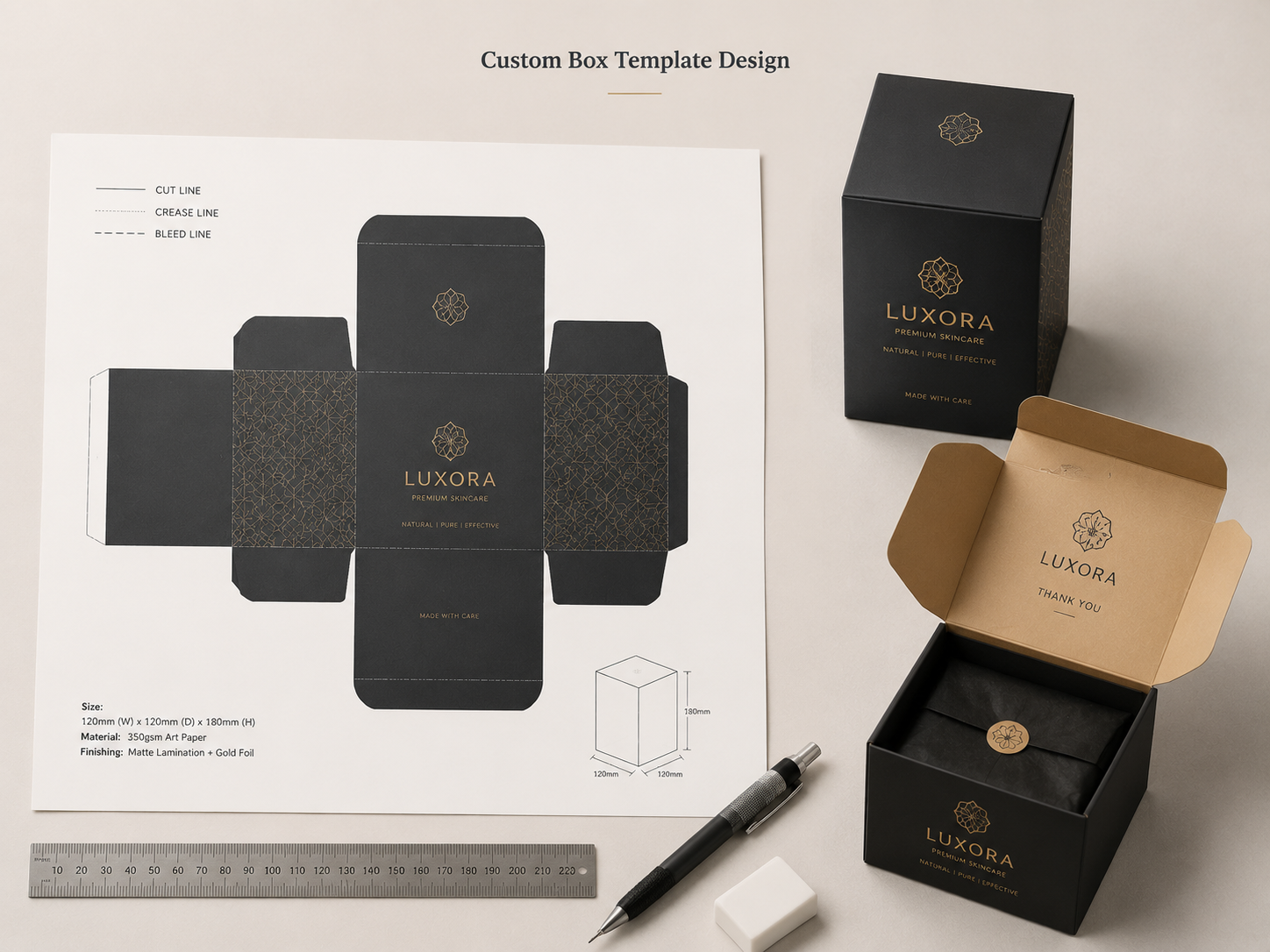
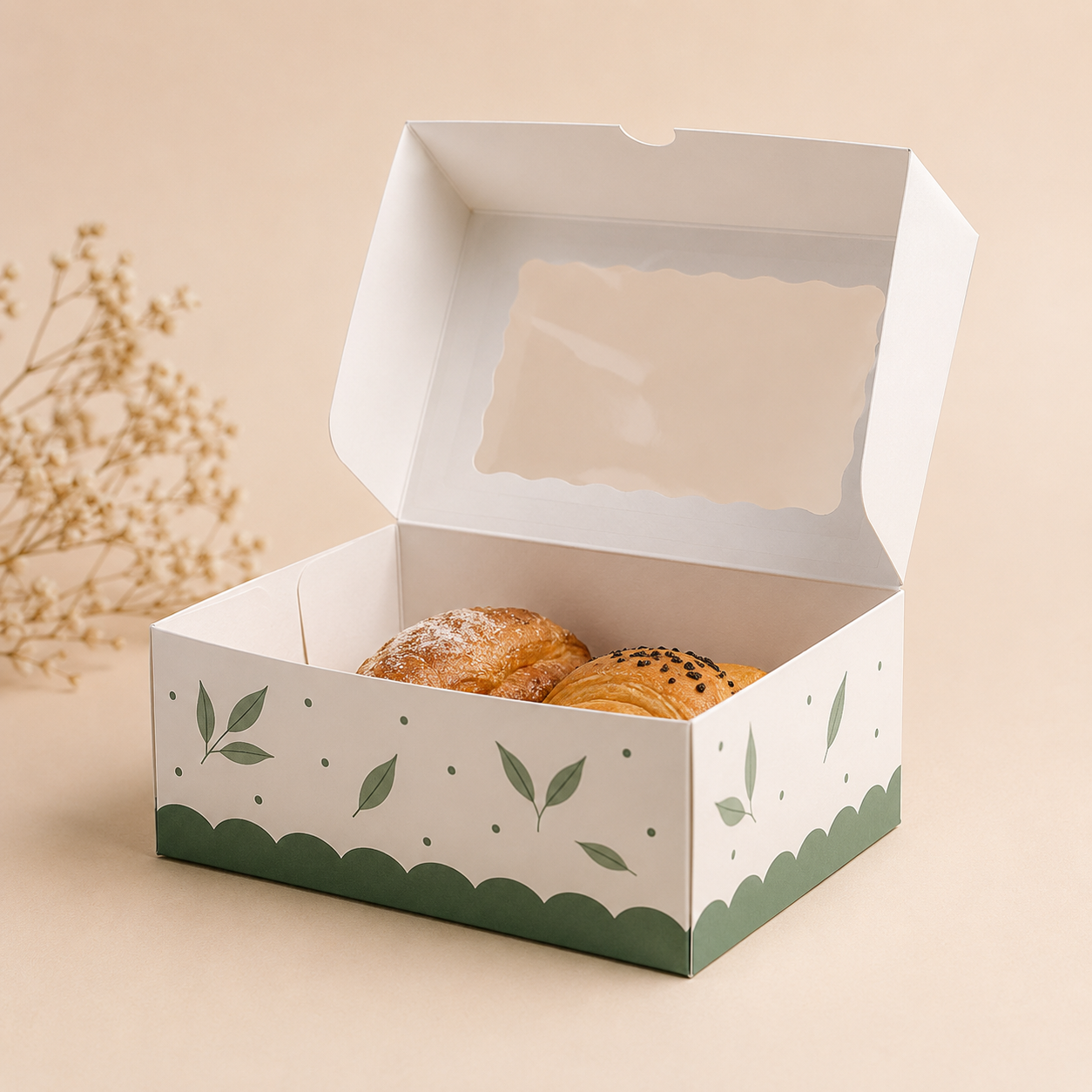
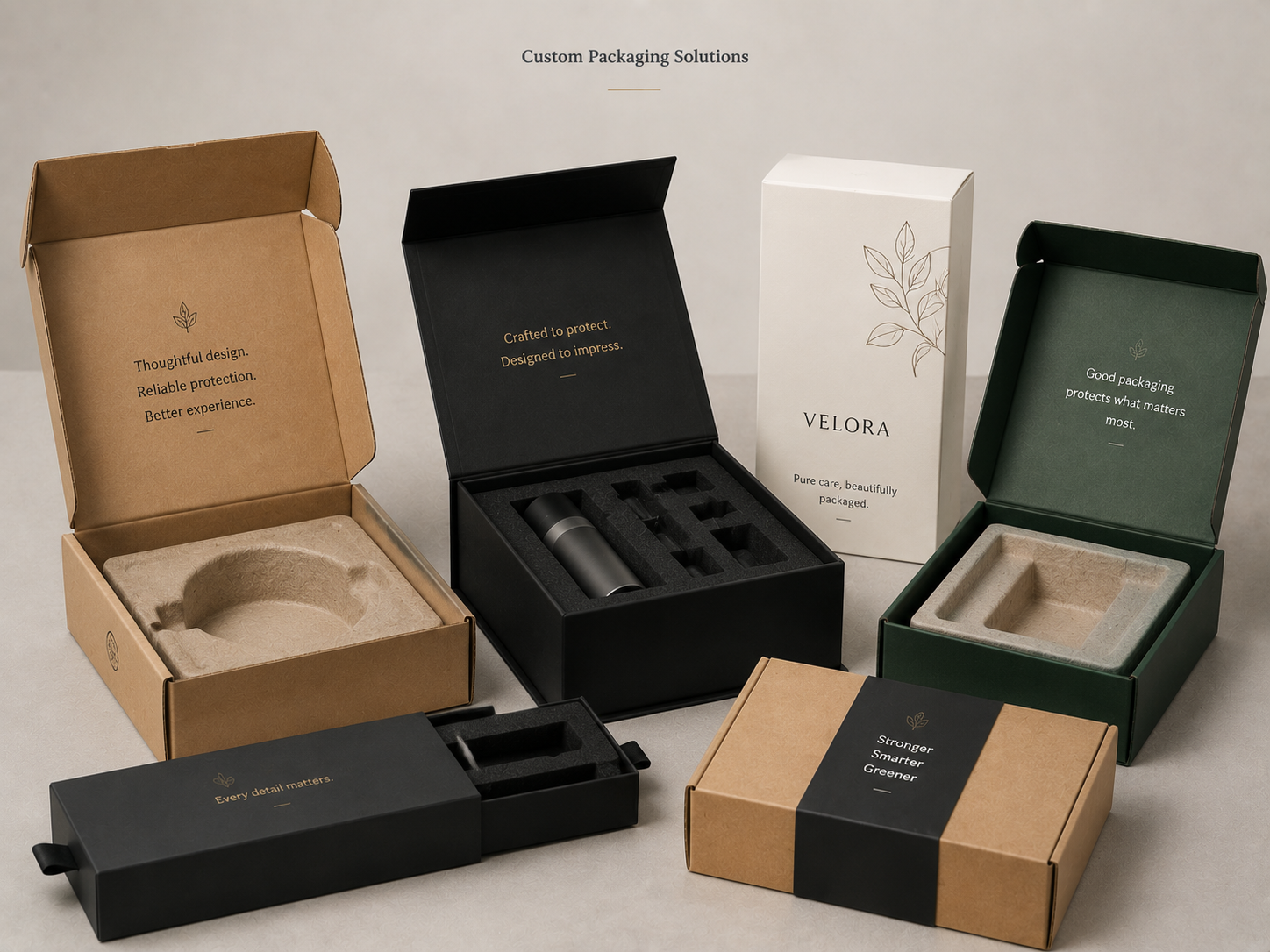
Paperboard packaging is everywhere, but many buyers still treat it as a simple paper box. That often leads to weak structure choices, wrong material selection, and packaging that looks right in photos but performs poorly in real use.
Paperboard packaging is packaging made from thick paper-based board that is lighter and smoother than corrugated board, yet more structured than ordinary paper. It is widely used for folding cartons, sleeves, retail boxes, inserts, and display packs because it offers strong printability, good visual quality, flexible converting, and a practical balance between cost and sustainability.
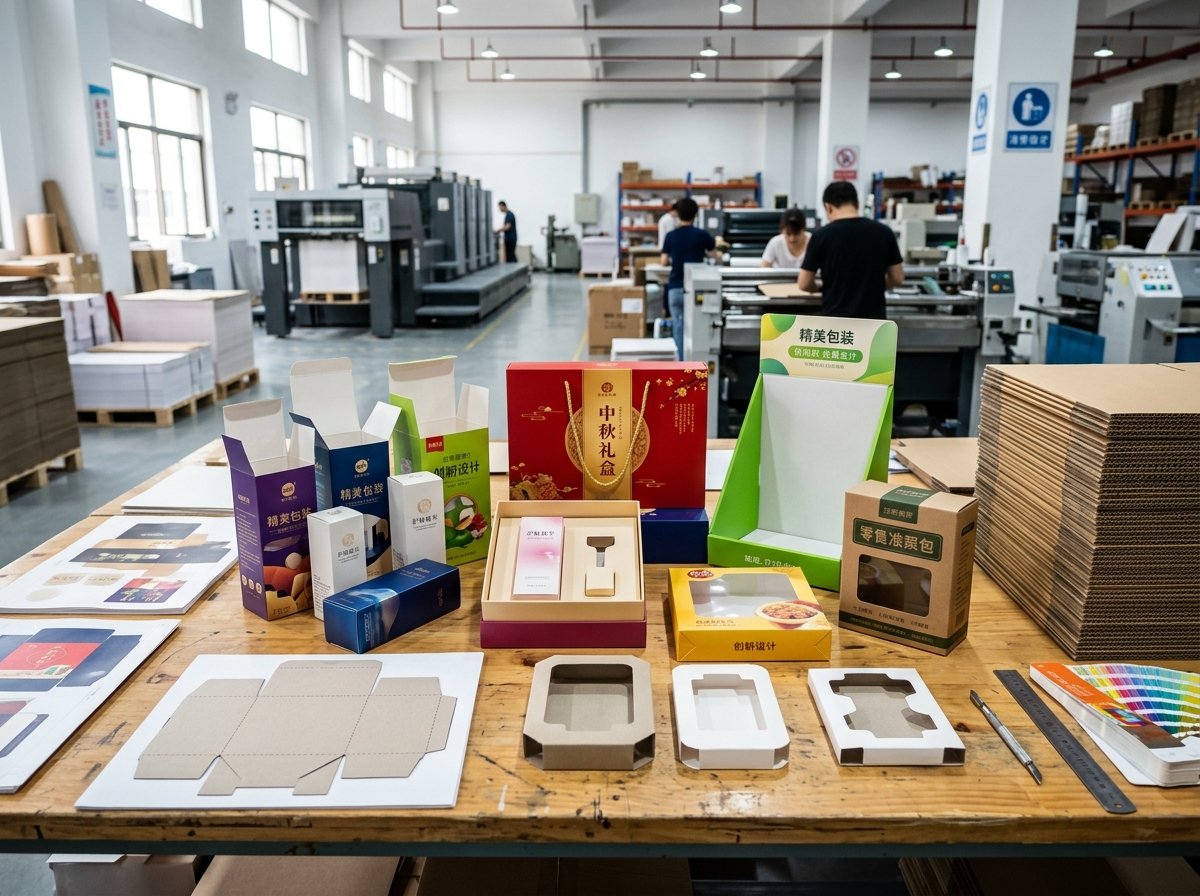
Paperboard packaging matters because it sits at the point where branding, structure, and cost meet. It can create a clean retail look, support product presentation, and still stay efficient in production. At the same time, paperboard is often chosen for the wrong applications. That is when complaints start. Boxes may feel too soft. Edges may crush. Inserts may fail. Printed cartons may look premium on screen but arrive with poor stiffness, scratches, or weak performance in logistics. This is why paperboard should be understood as a commercial packaging material, not just a printed surface.
What is Paperboard Packaging in Commercial Use?
Many businesses know the term, but fewer understand how paperboard works in packaging development. That gap often leads to poor material matching and avoidable packaging failures.
Paperboard packaging is a category of packaging made from paper-based board with enough thickness and stiffness to hold shape, print clearly, and convert into cartons or packaging components. It is commonly used for retail-facing packs where visual presentation, shelf impact, and clean structural form matter more than heavy-duty shipping strength.
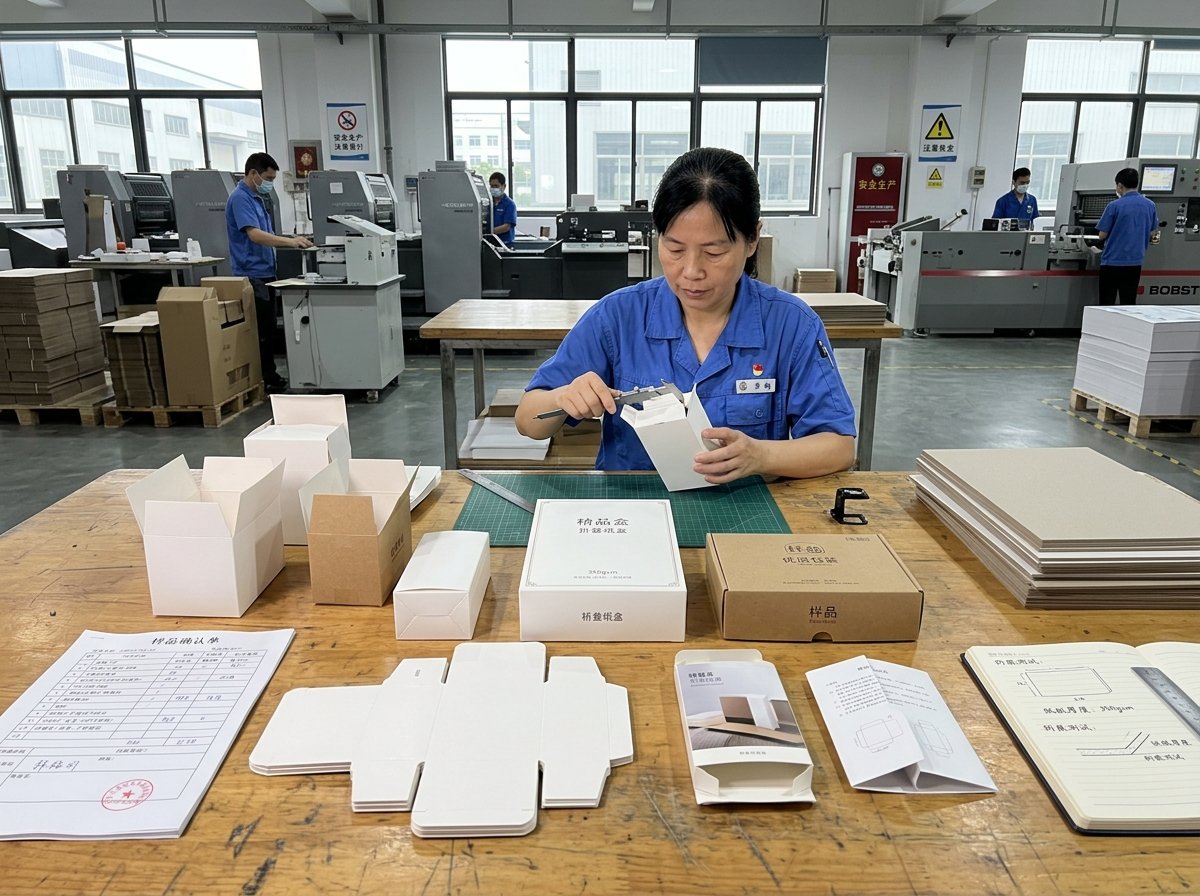
In commercial use, paperboard packaging usually appears in folding cartons, printed sleeves, cosmetic boxes, pharmaceutical cartons, electronics accessory packs, hanging display packs, and branded inserts. It is chosen because it gives a smooth print surface, sharp graphics, and more refined branding than standard transport cartons. This makes it especially useful for cosmetics, personal care, gift packaging, light electronics, wellness products, and consumer accessories.
Still, paperboard should not be treated as a universal answer. One of the most common packaging mistakes across the market is using a printed paperboard box as if it were a transport carton. When that happens, the result is familiar: bent retail boxes, torn corners, crushed surfaces, and packaging that reaches the customer looking weak or damaged. A paperboard carton may be excellent as a retail pack, but it often needs an outer shipping carton, a well-designed insert, or stronger support if the item is fragile or the logistics route is rough. The right commercial use depends on what the package is expected to do: display, protect, organize, carry branding, or survive transport.
Types of Paperboard Used in Packaging and Their Commercial Applications?
Paperboard is not one single material. Different grades serve different functions, and the wrong grade can create both quality problems and cost waste.
The main types of paperboard used in packaging include SBS, FBB, CCNB, kraft paperboard, and specialty coated boards. Each type has different print quality, stiffness, color, cost, and market fit.
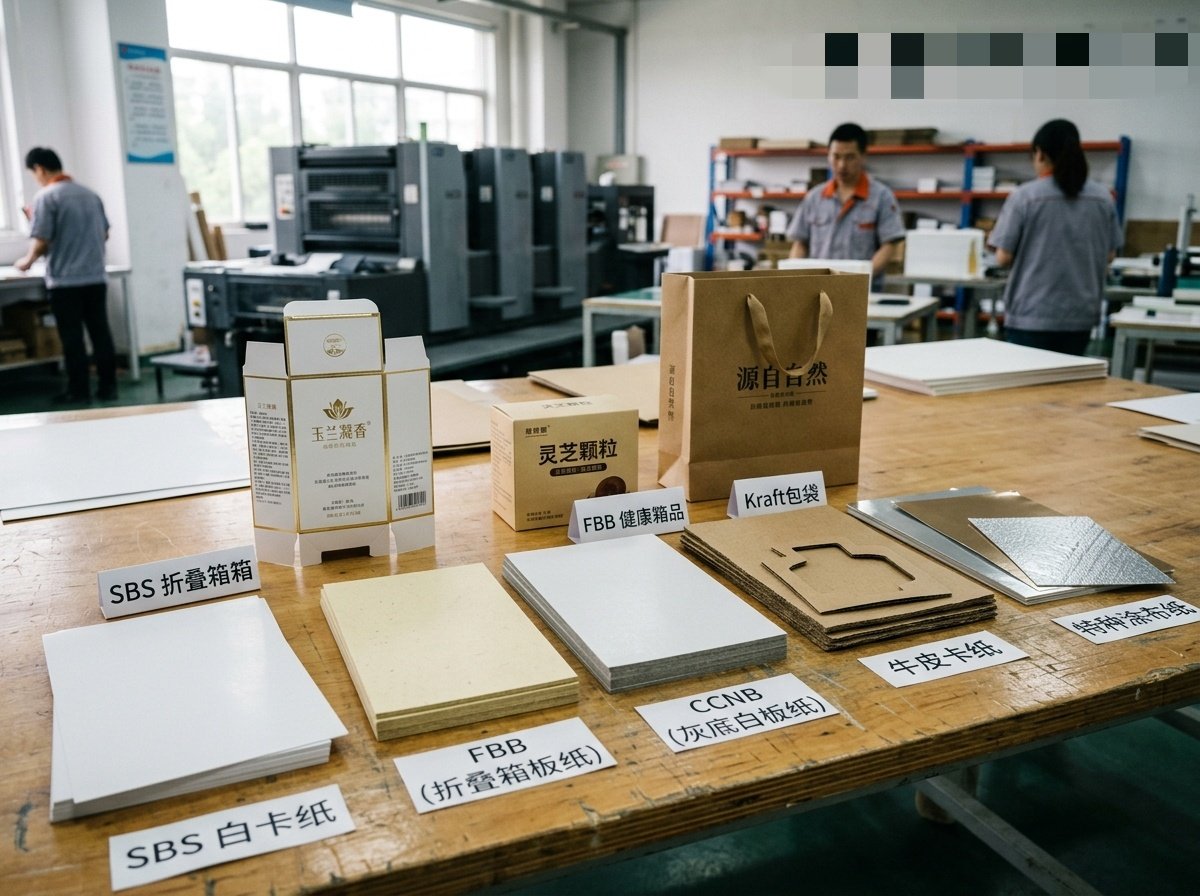
The most common commercial grades can be understood more clearly in a simple way:
| Paperboard Type | Main Features | Common Applications | Commercial Notes |
|---|---|---|---|
| SBS (Solid Bleached Sulfate) | Bright white, smooth surface, high print quality | Cosmetics, skincare, pharmaceuticals, premium retail cartons | Strong visual performance and clean finishing |
| FBB (Folding Box Board) | Multi-layer structure, good stiffness, lighter weight efficiency | Food cartons, health products, consumer goods | Balances print quality and structural value |
| CCNB (Clay Coated News Back) | Coated front, gray back, cost-effective | Mass-market cartons, dry goods, secondary packaging | Lower cost but less premium appearance |
| Kraft Paperboard | Natural look, strong fiber feel, earthy brand image | Eco-focused retail packs, sleeves, takeaway packs | Often used when natural branding matters |
| Specialty Coated Boards | Barrier or surface-enhanced boards | Food packs, moisture-sensitive items, high-spec cartons | Added function for specific packaging needs |
SBS is often selected when visual quality matters most. It supports sharper print, cleaner color, and a more premium appearance. FBB is widely used when both presentation and efficiency are important, especially in folding cartons. CCNB is common in value-driven projects where cost control matters more than luxury appearance. Kraft paperboard fits brands that want a natural and recyclable image. Specialty boards are often chosen when extra barrier performance, grease resistance, or moisture handling is needed.
Commercially, the board type should match the product category and the customer expectation. A skincare carton with weak print and soft structure creates distrust. A gift product packed in low-grade gray-back material may look cheap. A food carton without the right surface properties may fail in practical use. This is why paperboard selection should begin with product use, brand level, and packaging function rather than paper color alone.
How Does Paperboard Packaging Perform in Printability, Strength, and Sustainability?
Paperboard is often chosen because it prints well and looks refined. But performance is not only about the surface. Real packaging success depends on how printability, structural behavior, and sustainability work together.
Paperboard packaging performs well when it combines good printability, enough strength for the application, and practical sustainability advantages such as recyclability, material efficiency, and reduced packaging weight.
Printability is one of paperboard’s strongest advantages. The smoother surface allows cleaner graphics, better color reproduction, and more precise finishing. This matters a great deal in retail-facing packaging where first impression affects perceived value. Cosmetics, gift products, electronics accessories, and health products often depend on this clean print surface to support the brand. Foil stamping, embossing, matte or gloss lamination, spot UV, and special coatings also work well when the base board is selected correctly.
Strength is the part buyers often misunderstand. Paperboard has good stiffness for cartons and structured retail packs, but it is not the same as corrugated strength. It can hold form well, support inserts, and create a neat unboxing experience. Still, it should not be expected to handle heavy stacking, large void spaces, or rough parcel movement without extra support. Many public complaints about flimsy boxes, crushed retail cartons, and weak package feel come from using paperboard where a stronger outer carton or layered packaging solution was needed.
Sustainability is another reason paperboard is widely used. It is fiber-based, widely recyclable, and can help reduce plastic use in many packaging formats. It is also material-efficient compared with heavier structures. But sustainability only works when the packaging still performs. A recyclable carton that fails in transport and causes product loss is not a smart solution. Good sustainable packaging means the material, structure, and shipping use all stay in balance.
Why is Paperboard Popular for Retail and Branded Packaging?
Many brands choose paperboard first when presentation matters. That is not accidental. Paperboard supports a type of packaging that sells the product before the product is even opened.
Paperboard is popular for retail and branded packaging because it combines strong visual quality, efficient converting, broad finishing options, and a lighter, more cost-controlled structure than rigid packaging.
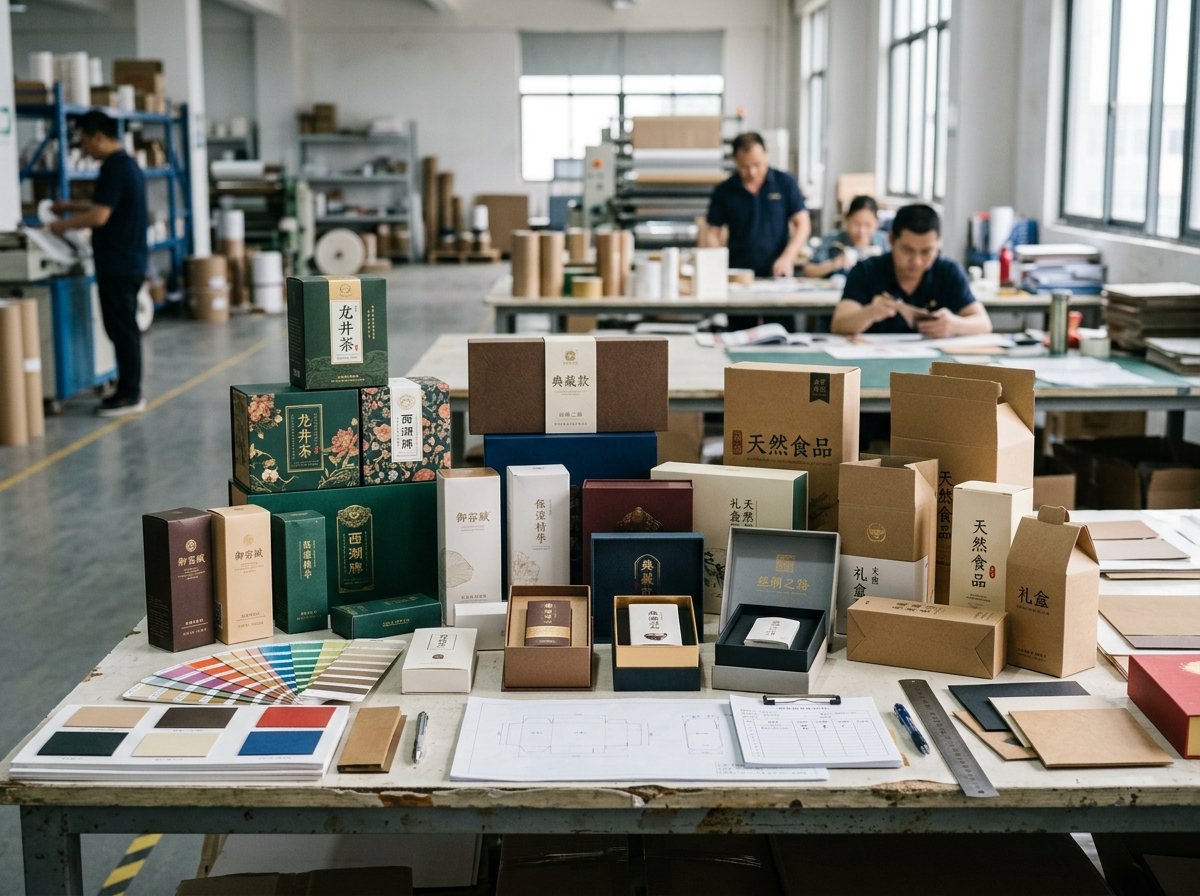
Retail packaging must do more than contain the item. It has to communicate product quality, support shelf presence, fit the product neatly, and often provide space for brand story, instructions, compliance text, or product features. Paperboard does all of this well. It can be die-cut into many forms. It can create windows, sleeves, tuck boxes, crash-lock cartons, and inner supports. It can also support premium graphics without the higher handwork cost that comes with rigid boxes.
This is especially useful in categories where buyers care about branding and value perception. Skincare cartons, electronics accessory packaging, wellness product boxes, and gift sets all rely on packaging to create confidence. If the board is too weak, the print is dull, or the carton loses shape quickly, the packaging starts to work against the product. That is one reason packaging complaints often mention that a box felt cheap, flimsy, or inconsistent with the price. In branded retail packaging, appearance and structure cannot be separated. Paperboard works best when both are handled together.
What Are the Common Mistakes When Using Paperboard Packaging?
Paperboard works very well when used correctly. Most failures happen not because paperboard is a poor material, but because the packaging system around it is poorly planned.
The most common mistakes are choosing board that is too thin, using paperboard as a shipping box, skipping inserts, allowing poor fit, and focusing on print decoration before solving structural needs.
One repeated mistake is board under-specification. The carton looks attractive in artwork stage, but in real production the walls feel soft, the lid deforms, or the box loses shape after handling. Another common mistake is using a paperboard retail carton without an outer transit carton. This often leads to bent corners, torn edges, and crushed packaging on arrival. That problem appears again and again across public feedback in many product categories.
Fit is another issue. If the carton is too large, the product moves and damages the inside surfaces. If it is too tight, the pack looks forced and may slow assembly. Insert design is often ignored as well. A light electronics item, bottle, or cosmetic jar may need a paper insert, divider, or support card to stay stable. Without that support, even a good printed carton can perform badly.
There is also the mismatch problem between price image and material reality. A box may use strong branding, foil, and premium graphics, but if the paperboard grade is too low, the packaging feels cheap. That disconnect hurts trust quickly. Good paperboard packaging should never rely on printing alone to create value.
How Should Buyers Evaluate Paperboard Packaging for Commercial Projects?
A paperboard project should not be reviewed by artwork only. Commercial success comes from matching material, structure, print, and logistics from the beginning.
Buyers should evaluate paperboard packaging by board type, thickness, structural design, insert need, surface finish, pack-out method, and whether the carton is retail packaging only or part of a larger shipping system.
A practical review starts with the product itself. Weight, fragility, size, surface sensitivity, and sales channel should all be clear first. Then the packaging supplier should recommend the right paperboard grade, carton style, and any support parts needed inside. It is also important to confirm whether the package will go directly to consumers, to stores, or into another outer carton.
Print and finish should be discussed after the structure is right. Color control, scratch resistance, lamination choice, and mass production consistency all matter. A sample may look good, but the real question is whether the production run will stay stable. That is especially important for branded cartons where poor registration, weak adhesion, or easy surface scratching can quickly turn a strong design into a packaging complaint.
For commercial projects, the best results usually come when the packaging factory helps balance appearance and performance. That means avoiding over-packaging, but also avoiding the under-protected cartons that create damage, returns, and poor customer experience.
Conclusion
Paperboard packaging is a practical and widely used solution for retail cartons, branded packs, sleeves, inserts, and many consumer product boxes. It offers strong printability, flexible converting, and a good balance between cost, presentation, and sustainability. But paperboard only performs well when it is matched to the right job.
That is why the real question is not only what paperboard packaging is. The more useful question is where it should be used, what grade should be selected, and how it should work with inserts, outer cartons, and brand expectations. When those decisions are made well, paperboard becomes more than a printed box. It becomes a packaging solution that protects product image, supports efficient production, and helps brands avoid the same packaging problems that create complaints across the market.