Many packaging problems come from choosing the wrong box structure. Boxes look similar, but performance in stacking, transport, and handling can be very different. This is especially true when comparing 3-ply and 5-ply corrugated boxes.
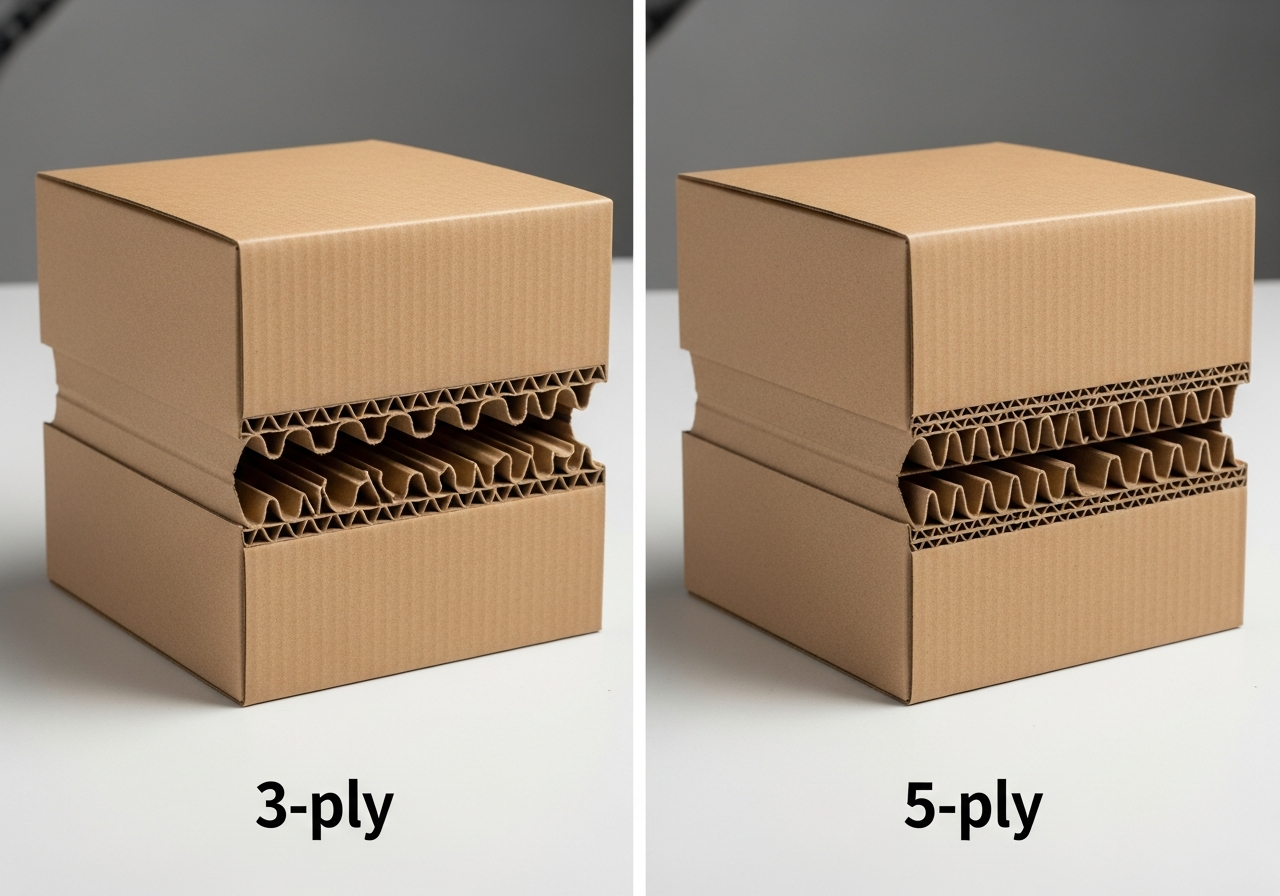
The main difference between 3-ply and 5-ply corrugated boxes is structural strength.
3-ply boxes are lighter and suitable for moderate loads, while 5-ply boxes are designed for heavier weight, higher stacking, and tougher transport conditions.
As a professional packaging manufacturer, I explain this difference based on structure, factory production, and real performance, not just terminology.
Before choosing between them, it is important to understand what “ply” actually means.
What does 3-ply corrugated mean?
3-ply is the most common corrugated structure.
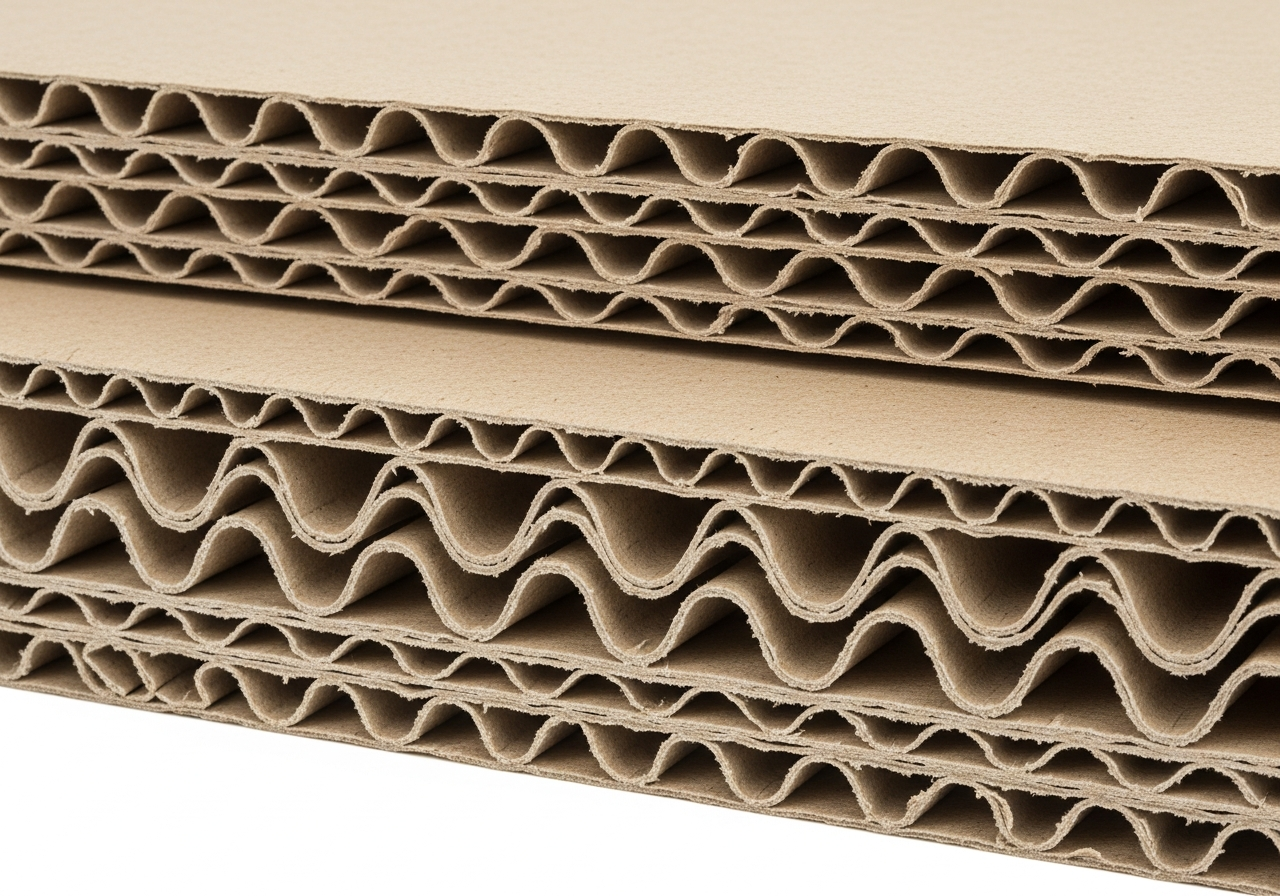
A 3-ply corrugated box is made of one fluted layer bonded between two flat liner papers.
This structure is also known as single wall corrugated. The fluted layer provides cushioning and basic compression resistance, while the two liners provide surface strength and tear resistance.
From a manufacturing perspective, 3-ply corrugated board is efficient to produce. It runs fast on corrugator machines and converts easily during die cutting and folding.
Typical characteristics of 3-ply boxes:
- Lightweight
- Easy to handle
- Cost-efficient
- Suitable for light to medium loads
3-ply boxes are widely used where stacking height and weight are controlled.
What does 5-ply corrugated mean?
5-ply adds a second strength layer.
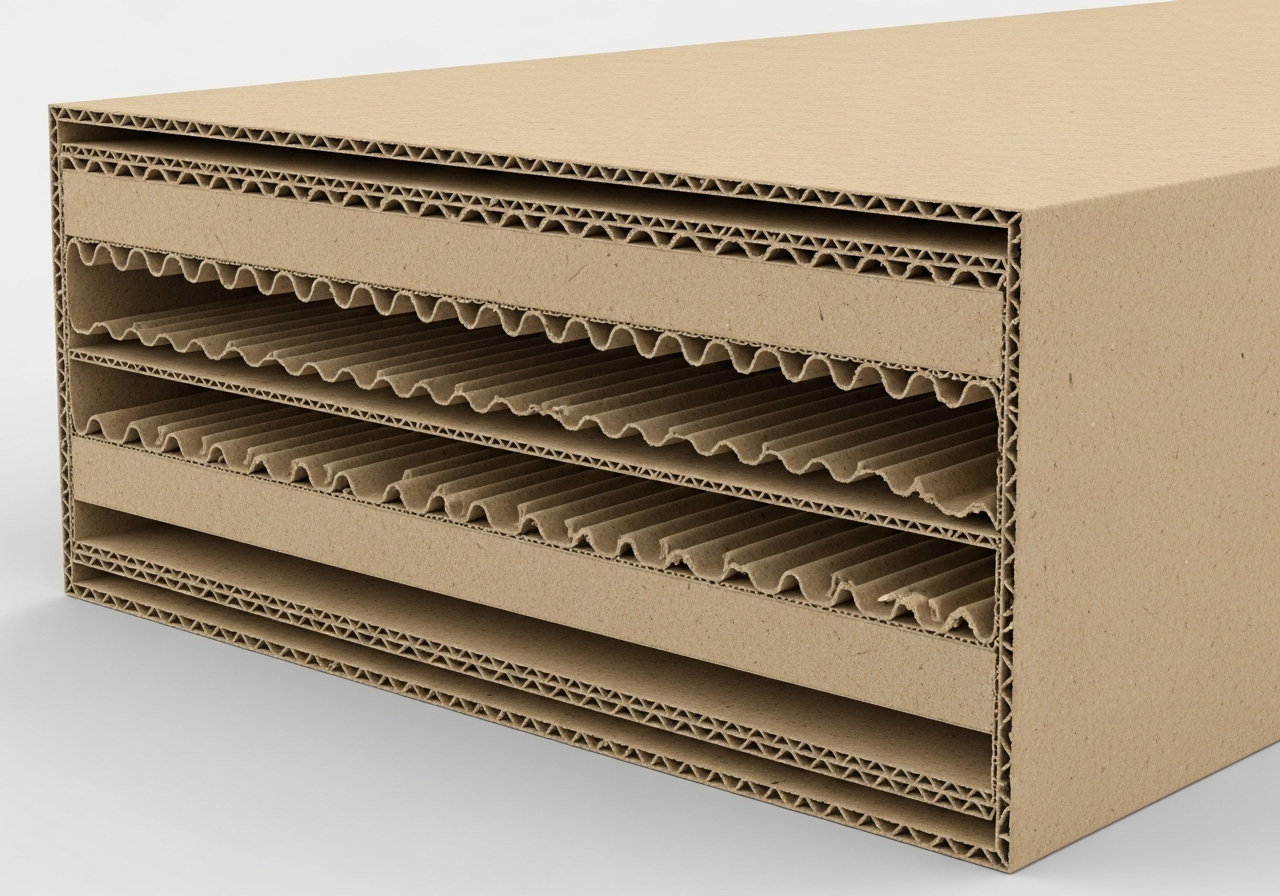
A 5-ply corrugated box is made of two fluted layers bonded between three liner papers.
This structure is also called double wall corrugated. The two flute layers work together to distribute load and absorb impact. This greatly increases compression strength and puncture resistance.
From a factory standpoint, 5-ply board requires tighter process control. Adhesive bonding, moisture balance, and flute alignment must be stable. Any imbalance reduces strength.
5-ply corrugated boxes are engineered for demanding packaging conditions where failure risk must be minimized.
Strength and load-bearing differences
Strength is the core difference.
5-ply corrugated boxes are significantly stronger than 3-ply boxes in stacking and compression performance.
3-ply boxes handle moderate stacking and controlled loads. As weight increases or stacking height rises, the single flute layer becomes the limit.
5-ply boxes spread vertical force across two flute layers. This allows much higher safe stacking and better resistance to deformation.
| Feature | 3-Ply | 5-Ply |
|---|---|---|
| Compression strength | Medium | High |
| Stacking safety | Limited | Strong |
| Impact resistance | Moderate | High |
| Puncture resistance | Lower | Higher |
As a manufacturer, I select 5-ply whenever load safety margin is critical.
Differences in real packaging applications
Application decides the structure.

3-ply boxes are used for lighter products, while 5-ply boxes are used for heavy or fragile products.
3-ply corrugated boxes are commonly used for:
- Apparel and textiles
- Light consumer goods
- Printed materials
- Small electronics accessories
5-ply corrugated boxes are commonly used for:
- Heavy electronics
- Tools and hardware
- Bulk packed products
- Long-distance or export transport
From manufacturing experience, using 3-ply where 5-ply is required leads to bottom failure or stacking collapse. Using 5-ply where 3-ply is enough leads to unnecessary cost and material use.
How factory production affects 3-ply and 5-ply performance
Structure alone is not enough.
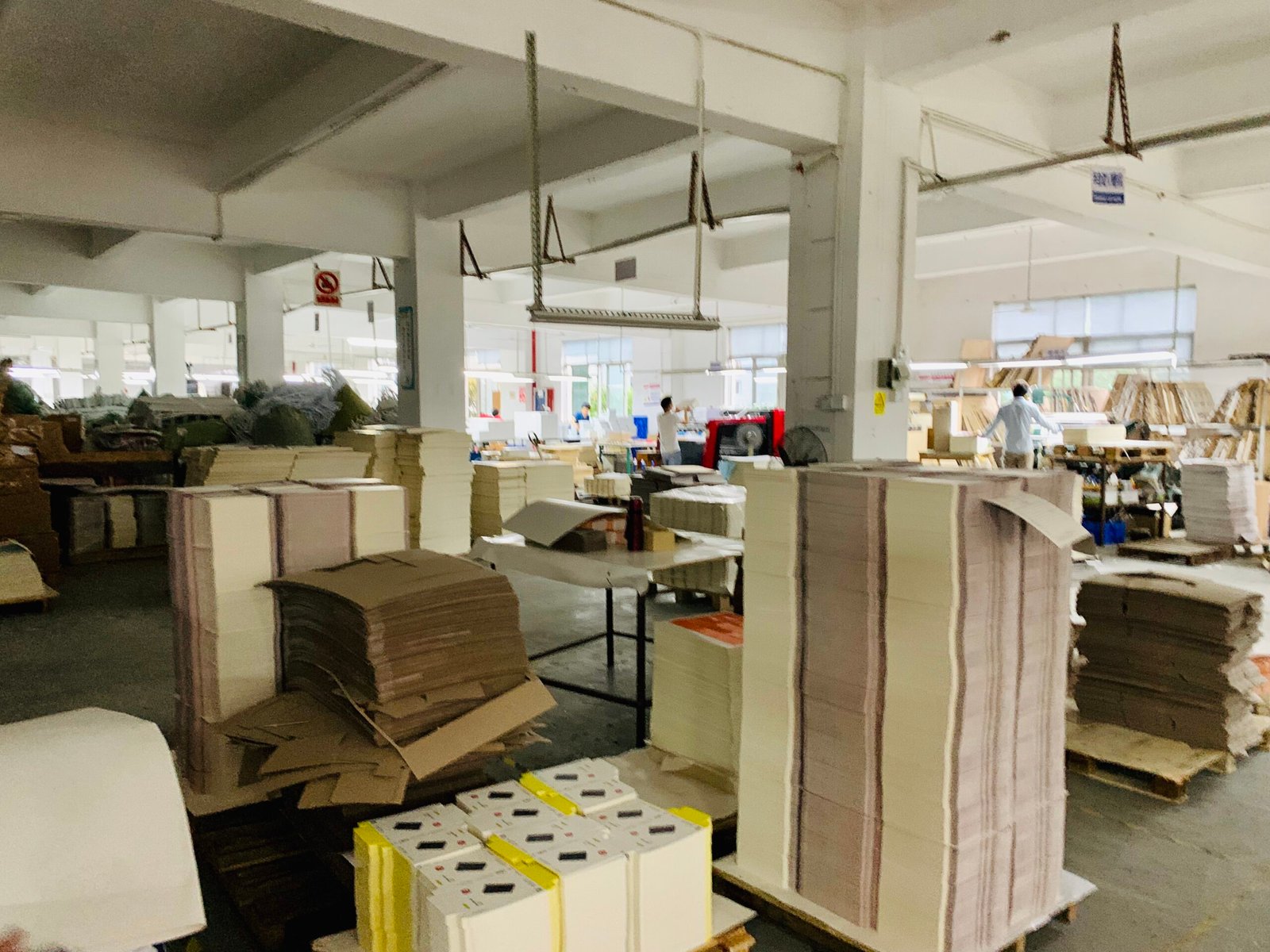
The real performance difference between 3-ply and 5-ply boxes depends heavily on factory process control.
Inside the production workshop:
- Paper moisture is controlled before corrugation
- Flutes are formed with stable pressure and heat
- Adhesives are applied evenly
- Boards are conditioned before die cutting
For 5-ply board, these controls are even more critical. Poor bonding between layers creates delamination, which destroys strength even in thick boards.
As a professional manufacturer, I treat 5-ply production as a precision process, not just adding more paper.
How to choose between 3-ply and 5-ply correctly
The choice must be functional.
Choose 3-ply when product weight, stacking height, and handling are controlled. Choose 5-ply when loads are heavy, stacking is high, or transport is demanding.

From a manufacturing perspective, the correct choice depends on:
- Product weight and density
- Box footprint and height
- Stacking duration
- Transport environment
- Handling intensity
The strongest box is not always the best box. The correct box is the one that meets real conditions with minimum waste.
Conclusion
The difference between 3-ply and 5-ply corrugated boxes lies in structure, strength, and application. 3-ply boxes use one fluted layer and are suitable for light to medium loads. 5-ply boxes use two fluted layers and deliver much higher stacking and compression strength.
As a professional packaging manufacturer, I see this choice as an engineering decision, not a price decision. When ply structure matches real load and handling conditions, corrugated packaging delivers stable performance, controlled cost, and reliable protection throughout production, storage, and transport.