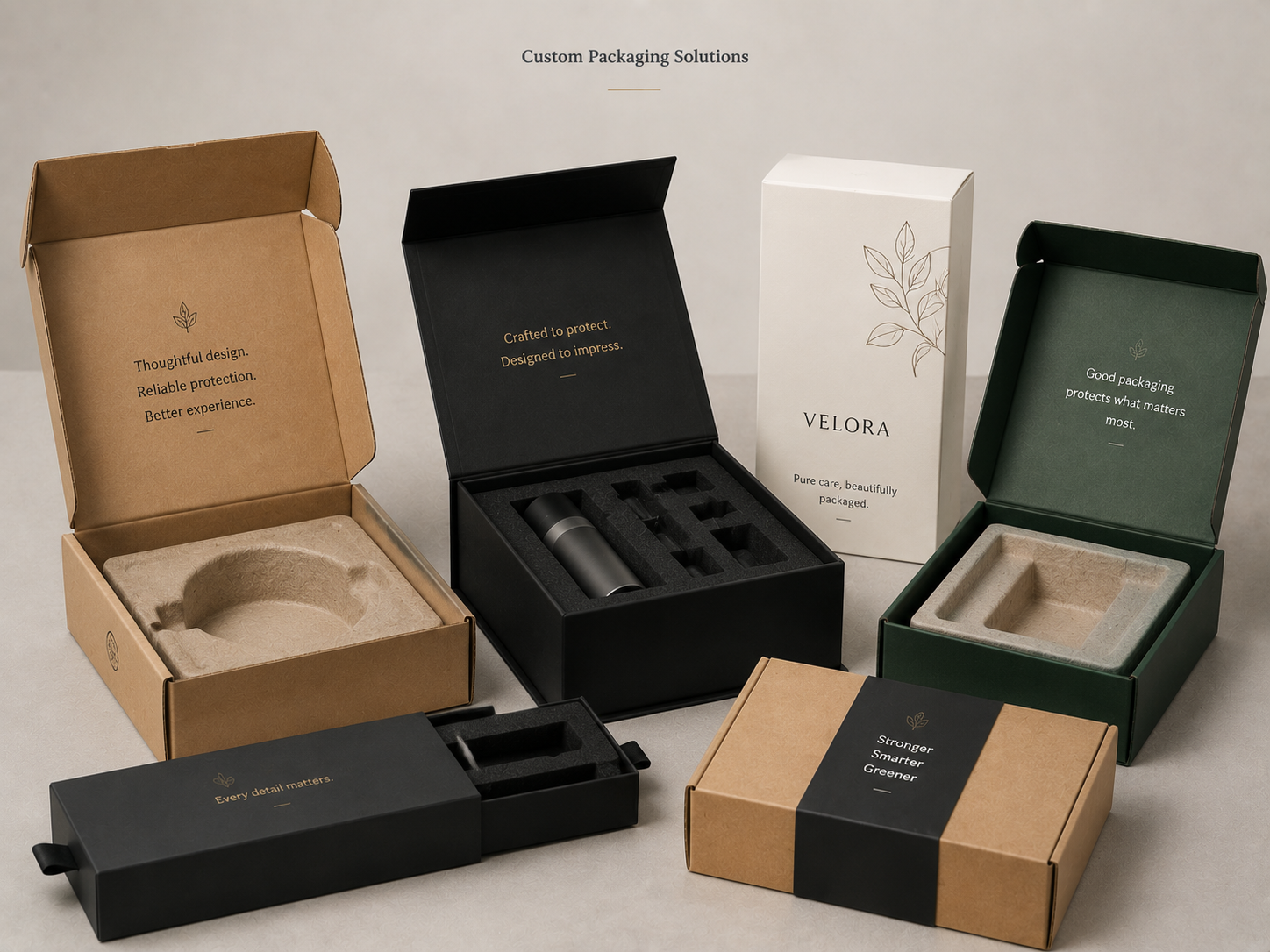
The term “eco-friendly” is often used loosely in packaging discussions, yet the real environmental impact of a bag material depends on how it is sourced, produced, used, and handled after disposal. When these factors are ignored, packaging that appears sustainable on the surface may create hidden environmental costs.
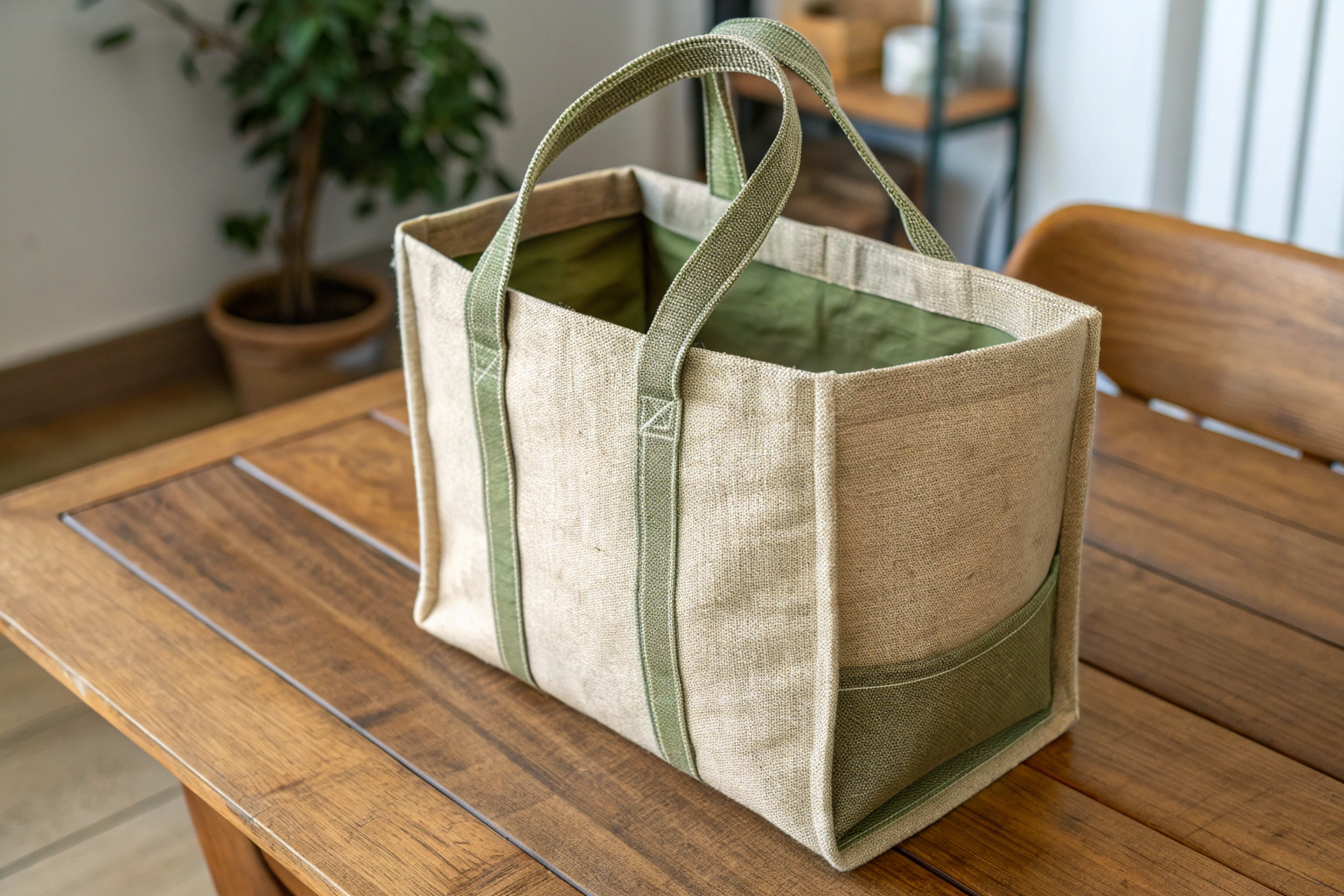
The most eco-friendly bag material is one that uses renewable or reusable resources, fits real use conditions, and can be produced with stable, low-waste manufacturing processes. In practice, paper and reusable cloth materials perform best in most common applications.
From a manufacturing perspective, environmental performance is not defined by material name alone. It is the result of material lifecycle, workshop processes, durability, and end-of-life behavior. The sections below explain how different bag materials compare.
How Is Eco-Friendliness Measured for Bag Materials?
Eco-friendliness cannot be judged by a single factor such as recyclability or biodegradability.
Bag materials are evaluated based on resource origin, production impact, durability, reuse potential, and disposal outcome.

Materials made from renewable resources reduce pressure on finite raw materials. Efficient production reduces energy use and waste. Durable materials reduce replacement frequency. Clear recycling or reuse pathways lower long-term environmental burden.
In factory planning, these factors are reviewed together. A material that performs well in one area but fails in others may not be environmentally responsible in real use.
Why Are Paper Bags Considered Eco-Friendly?
Paper bags are one of the most widely accepted eco-friendly options, but their advantage comes from system compatibility rather than appearance alone.
Paper bags are eco-friendly because they are fiber-based, renewable, recyclable, and biodegradable.
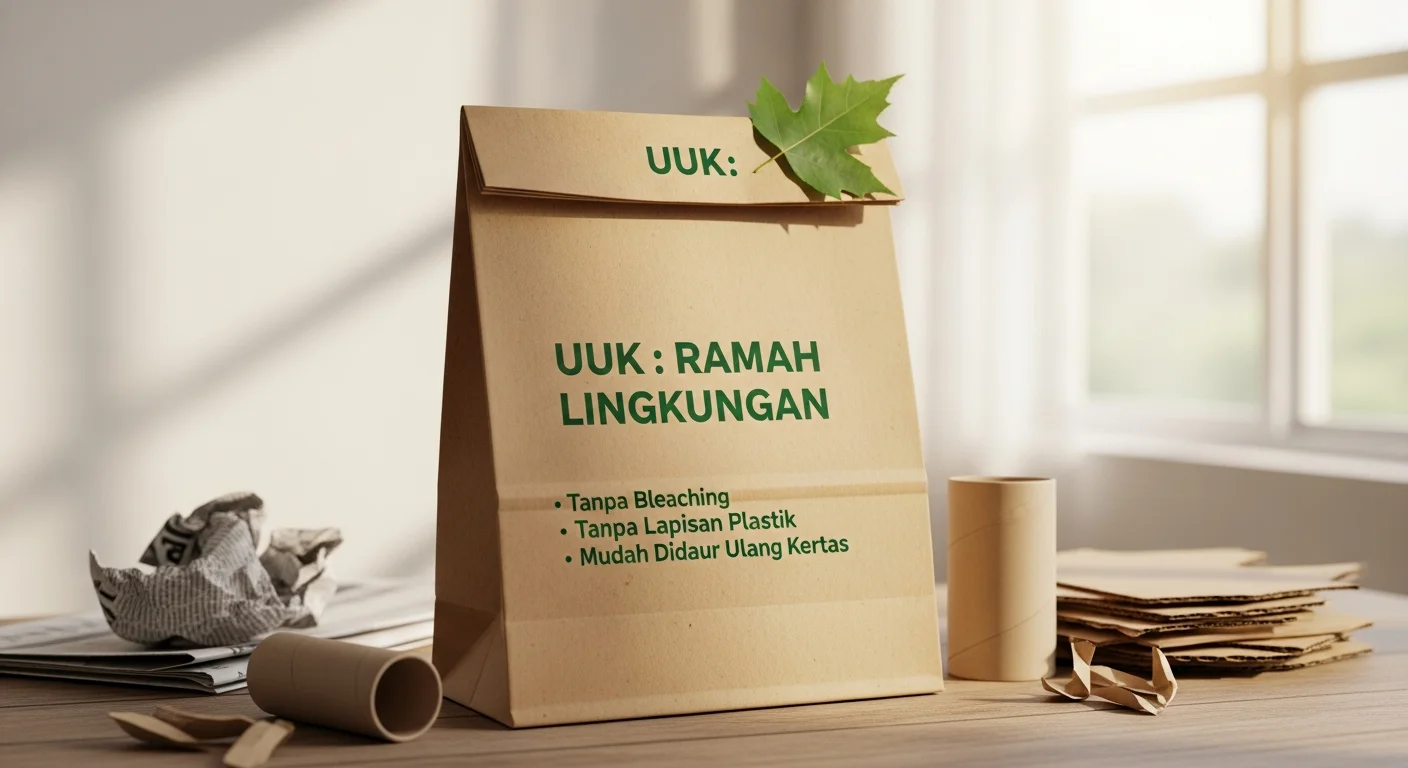
Paper is produced from wood pulp or recycled fibers, which can be replenished through managed forestry and recycling streams. After use, paper bags are widely accepted by recycling systems and break down naturally if disposal is imperfect.
From a manufacturing standpoint, paper bag production allows good control over waste. Printing, die-cutting, folding, and gluing are visible processes, making defects easy to detect early. Production scrap can often be recycled internally, reducing overall environmental impact.
Are Reusable Cloth Bags the Best Environmental Option?
Reusable cloth bags are often promoted as the most sustainable choice, but their performance depends heavily on usage behavior.
Cloth bags are environmentally effective only when reused many times over a long period.
Cloth bags require more raw material and energy to produce than single-use bags. However, their durability allows this impact to be spread across many uses. When reused consistently, their total environmental footprint becomes very low.
In manufacturing workshops, cloth bag sustainability depends on fabric quality, stitching strength, and reinforcement design. Well-made cloth bags can last for years. Poorly made ones fail early and lose their environmental advantage.
Why Is Plastic the Weakest Eco-Friendly Option?
Plastic bags remain common, but their environmental drawbacks are significant.
Plastic bags are the least eco-friendly option due to fossil-based sourcing and long-term pollution.

Plastic bags are made from non-renewable resources and persist in the environment for hundreds of years. Recycling rates for thin plastic bags are low, and many end up in landfills or natural environments.
From a production perspective, plastic bag manufacturing relies on energy-intensive processes such as extrusion and heat sealing. Once plastic waste leaves the factory, its environmental impact becomes difficult to control or trace.
How Do Manufacturing Processes Affect Material Sustainability?
Environmental performance is shaped inside the factory as much as after use.
Bag materials produced with stable, efficient manufacturing processes create less waste and lower environmental risk.
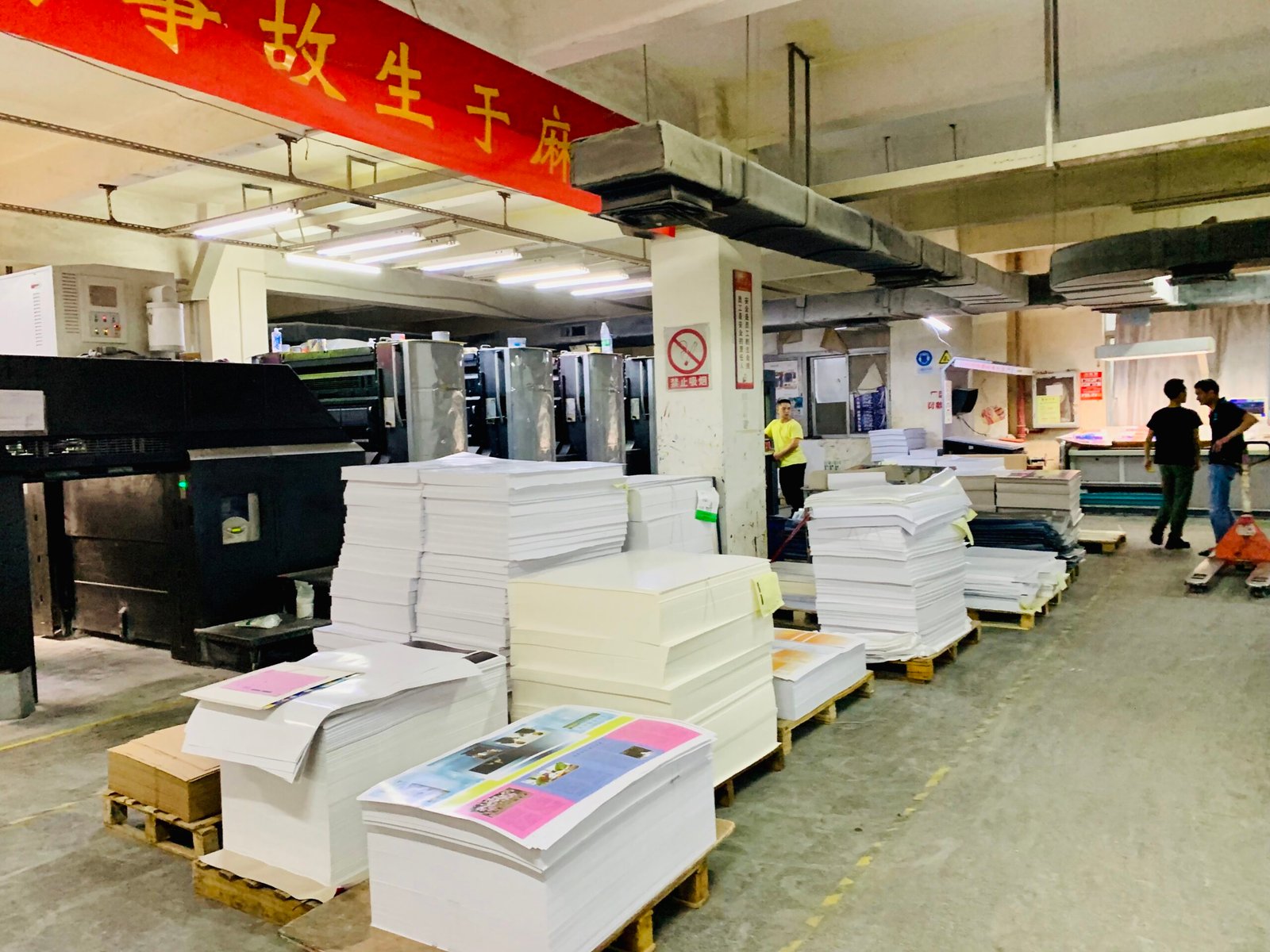
Paper bag production involves structured steps that are easy to inspect and adjust. Cloth bag production focuses on durability through stitching and reinforcement. These processes allow clear quality control and predictable output.
Plastic bag production is more sensitive to temperature and material variation, which increases scrap rates. From a manufacturing viewpoint, paper and cloth materials offer better environmental control over long production cycles.
Which Bag Material Is the Most Eco-Friendly Overall?
No single material is perfect in every situation.
The most eco-friendly bag material is the one that matches real use conditions and is either reused many times or recycled efficiently.
Reusable cloth bags perform best when long-term reuse is realistic. Paper bags perform best for recyclable, brand-facing, and short-to-medium use scenarios. Plastic bags perform poorly in most everyday applications due to long-term pollution and low recovery rates.
Factories evaluate usage frequency, load, exposure, and disposal conditions before recommending materials. Correct matching prevents overdesign and unnecessary waste.
Conclusion
The most eco-friendly bag material is not defined by trend or marketing claims, but by real performance across its entire lifecycle. Paper bags offer a strong balance of renewable sourcing, recyclability, and controlled manufacturing, making them suitable for many retail and packaging applications. Reusable cloth bags deliver excellent environmental results when designed for durability and used repeatedly over time.
Plastic bags, while lightweight and convenient, create long-term environmental pressure that is difficult to manage. From a manufacturing perspective, sustainable bag selection requires aligning material choice with actual use behavior, stable workshop processes, and realistic end-of-life handling. When these factors are considered together, environmental impact can be reduced in a practical, measurable, and responsible way.