Many packaging solutions claim to be sustainable, yet still create waste, recycling issues, or hidden environmental costs. These problems often come from focusing on labels instead of real material performance and factory-level control.
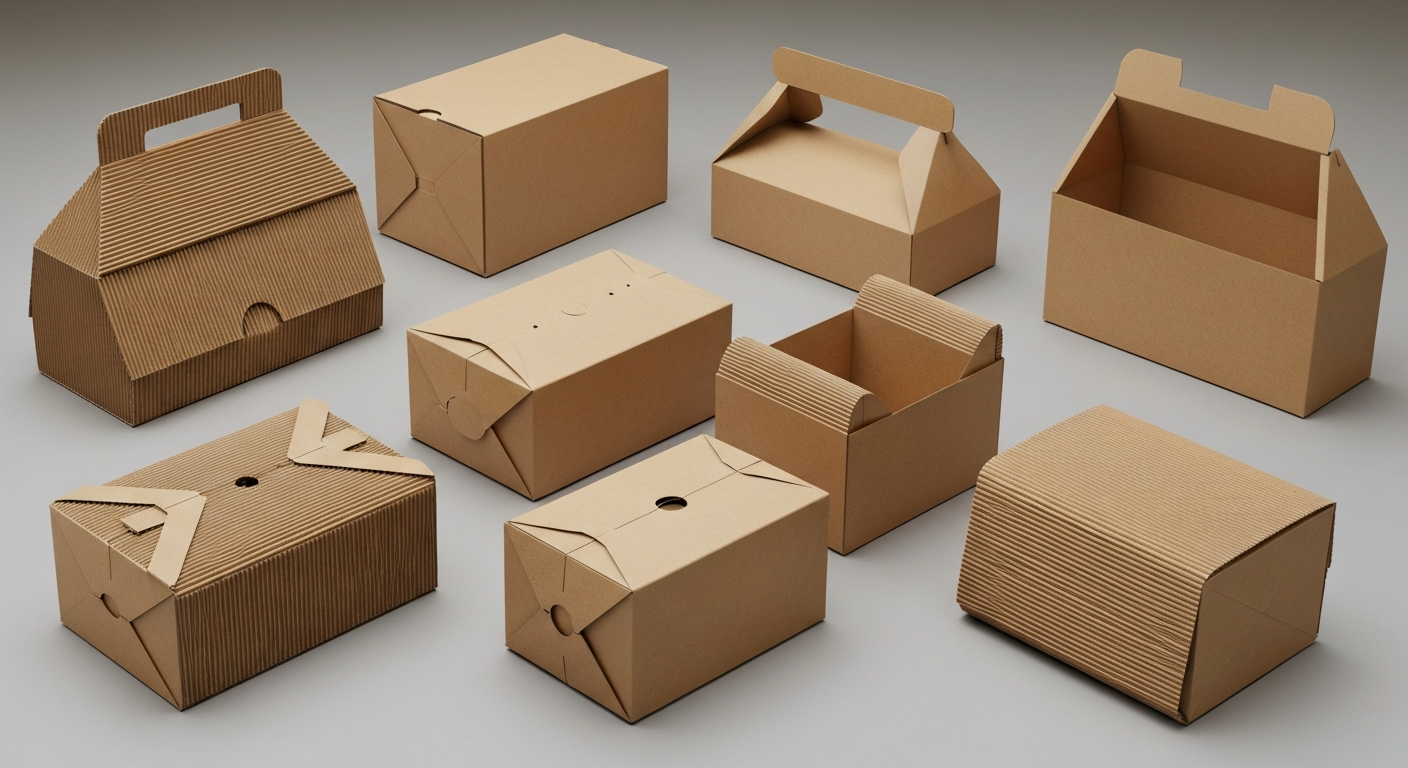
The most eco-friendly packaging is fiber-based packaging that uses renewable materials, efficient structure, recyclable design, and controlled manufacturing processes. Sustainability depends on the full lifecycle, not a single feature.
From a manufacturing perspective, eco-friendly packaging is engineered through material choice, structure optimization, and responsible production management.
Why Fiber-Based Packaging Is the Foundation of Eco-Friendly Solutions?
Fiber-based materials form the core of most sustainable packaging systems.
Packaging made from paper, corrugated board, and molded fiber is considered eco-friendly because it is renewable, recyclable, and biodegradable.
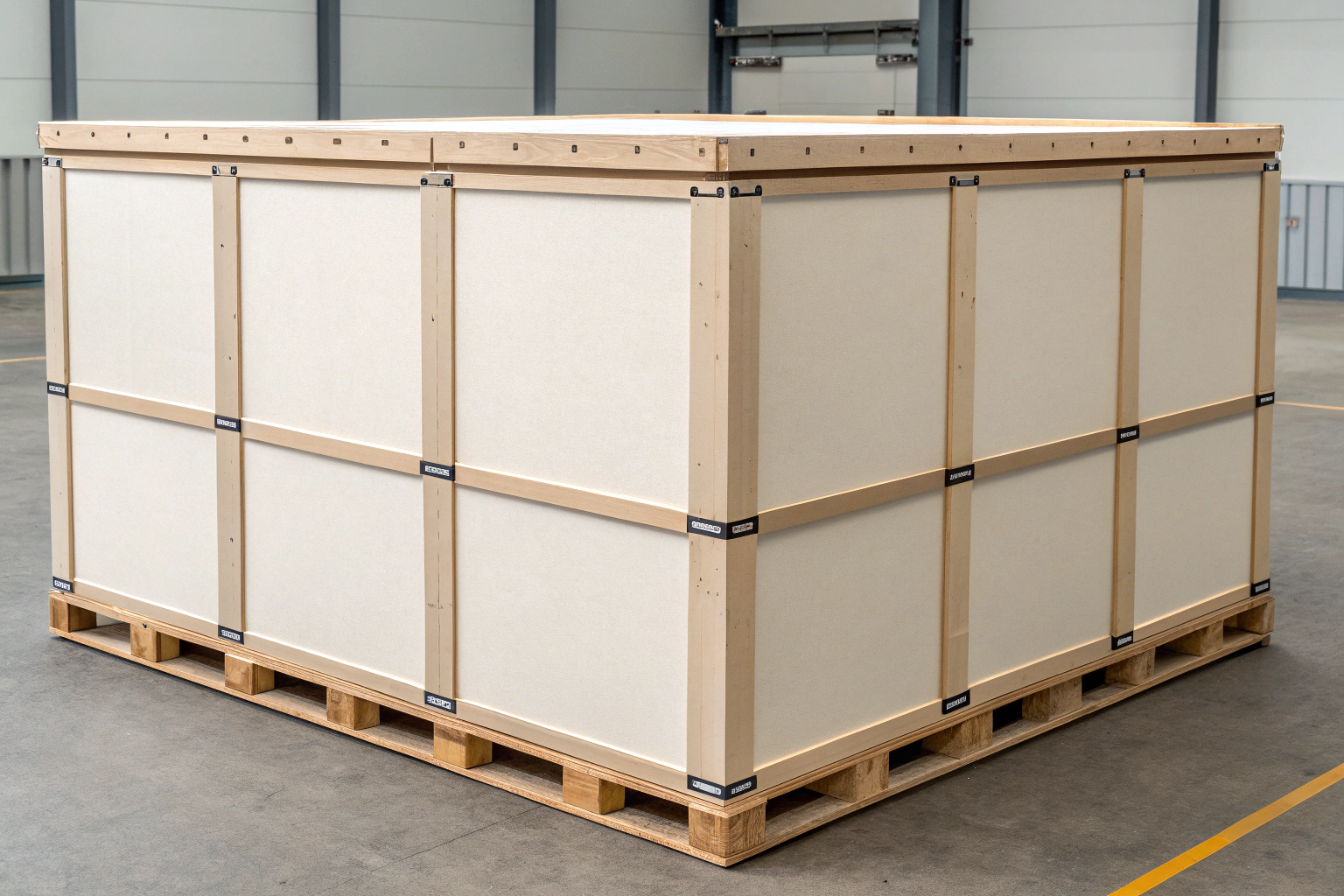
These materials are derived from wood fibers sourced from managed forests or recycled paper streams. They naturally break down and integrate into existing recycling systems. Compared to plastic or composite materials, fiber packaging has lower long-term environmental impact.
In manufacturing environments, fiber-based materials allow flexible design and efficient converting. Corrugated board, kraft paper, and paperboard can be produced in multiple grades to match protection needs without excess material use. This adaptability supports sustainability at scale.
How Corrugated Packaging Reduces Material and Emissions?
Corrugated packaging is one of the most efficient eco-friendly packaging formats.
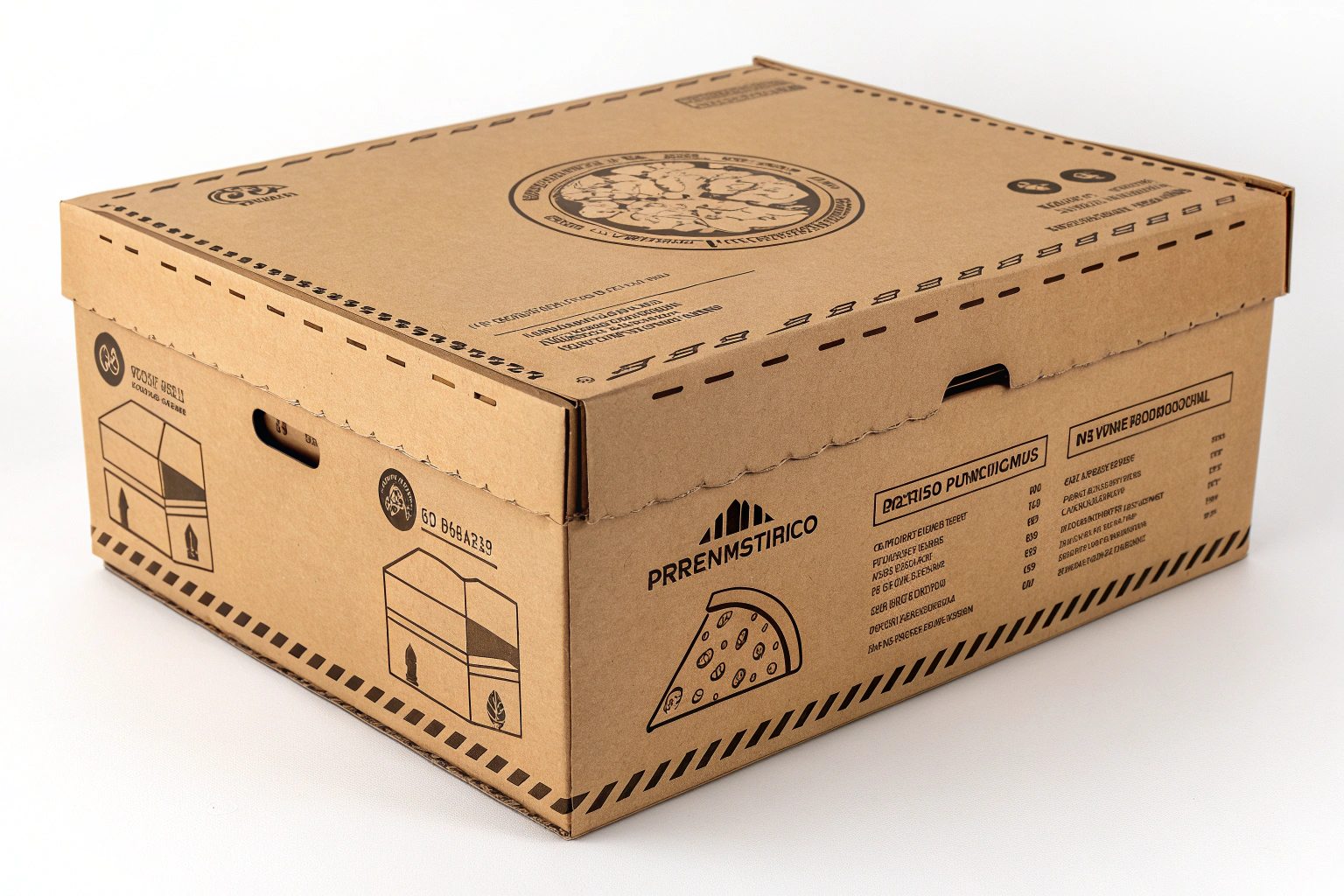
Corrugated boxes achieve high strength using minimal material through fluted structural design.
The fluted core replaces solid mass with air space. This reduces fiber consumption while maintaining stacking strength and impact resistance. Lighter packaging lowers transportation emissions and improves pallet efficiency.
In factory workshops, corrugated production allows precise control of paper grade, flute type, and board thickness. Boxes are designed to match product dimensions, reducing void space and filler use. Right-sized corrugated packaging directly lowers material waste and logistics carbon footprint.
Why Kraft Paper Is Considered an Eco-Friendly Material?
Kraft paper is widely recognized as a sustainable packaging material.
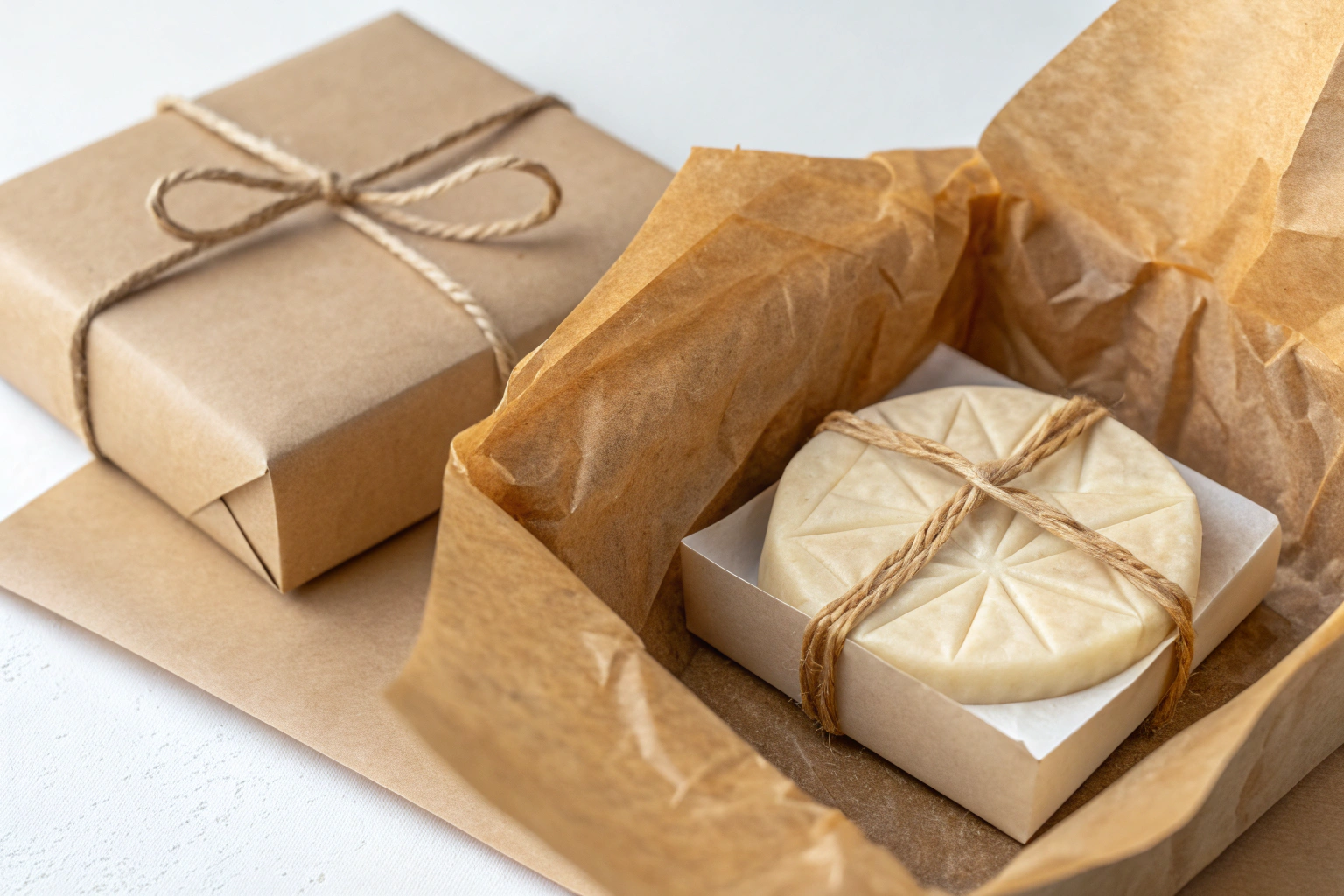
Kraft paper is eco-friendly because it is made from natural fibers, is recyclable, and requires fewer chemical treatments than many coated papers.
Unbleached kraft paper retains high fiber strength and avoids excessive processing. This reduces energy use during production. It is commonly used for bags, wrapping, void fill, and corrugated liners.
In manufacturing, kraft paper supports sustainability through efficient machine performance and low waste rates. Recycled fiber can be added while maintaining acceptable strength. This balance allows reduced virgin fiber use without sacrificing functionality.
How Does Molded Fiber Packaging Support Sustainability?
Molded fiber packaging is another strong eco-friendly option.
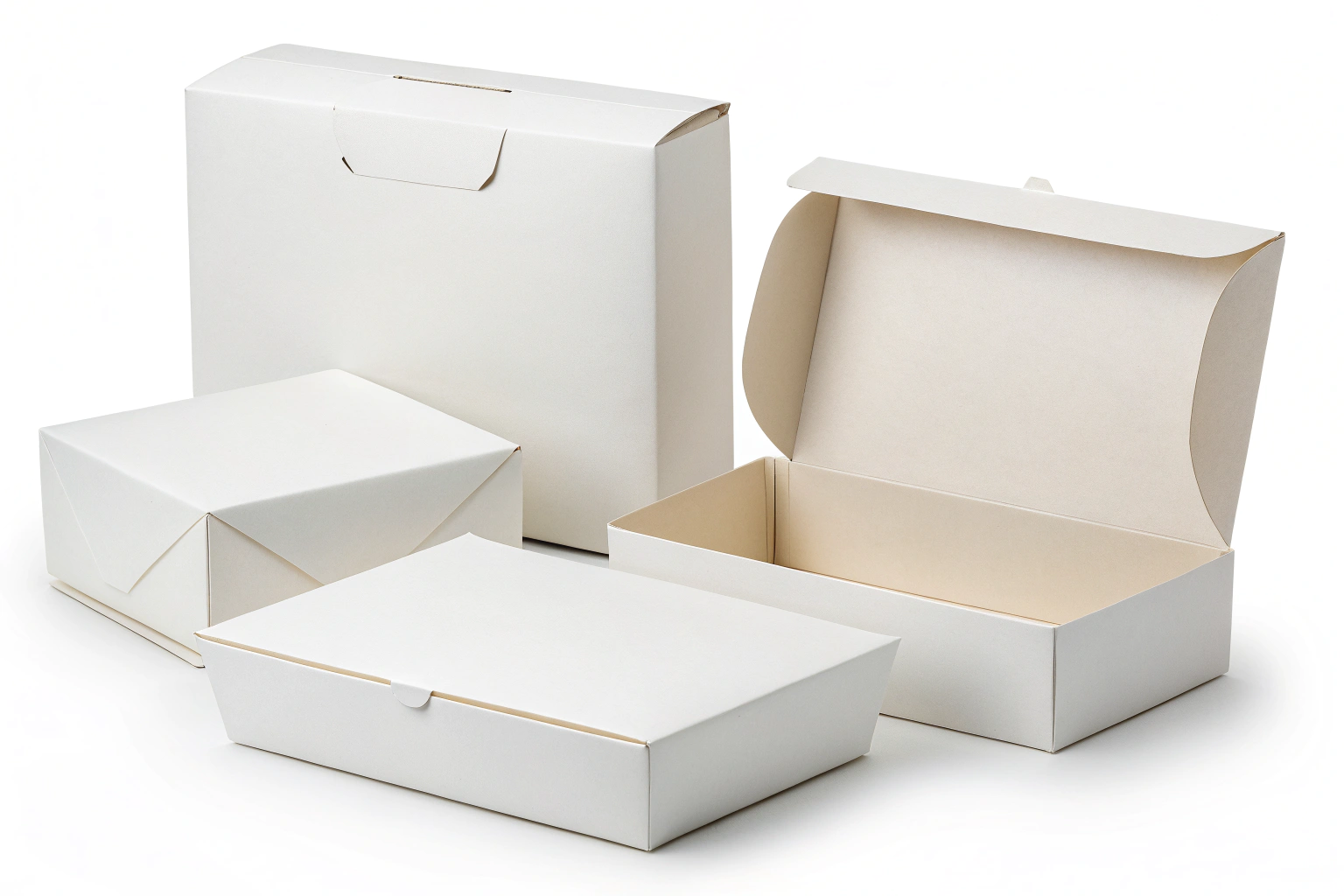
Molded fiber packaging uses recycled paper pulp to create protective shapes that replace plastic inserts.
This material is commonly used for trays, clamshells, and protective inserts. It provides cushioning and shape retention while remaining recyclable and biodegradable.
From a factory process view, molded fiber production uses water-based forming and controlled drying. Tooling shapes the pulp precisely around the product. This reduces the need for mixed materials and simplifies recycling for end users.
Why Material Reduction Is as Important as Material Choice?
Eco-friendly packaging is not only about what material is used, but how much is used.
The most sustainable packaging designs use the least amount of material required to meet performance needs.
Oversized boxes, excessive thickness, and unnecessary layers increase environmental impact even if materials are recyclable. Efficient structural design reduces fiber consumption, energy use, and transport volume.
In manufacturing design departments, packaging is optimized through structural testing and sample validation. Flute selection, board grade adjustment, and insert design help achieve protection with minimal material. This approach delivers sustainability through engineering, not marketing claims.
How Factory Processes Determine Real Sustainability?
True eco-friendly packaging depends on factory-level execution.
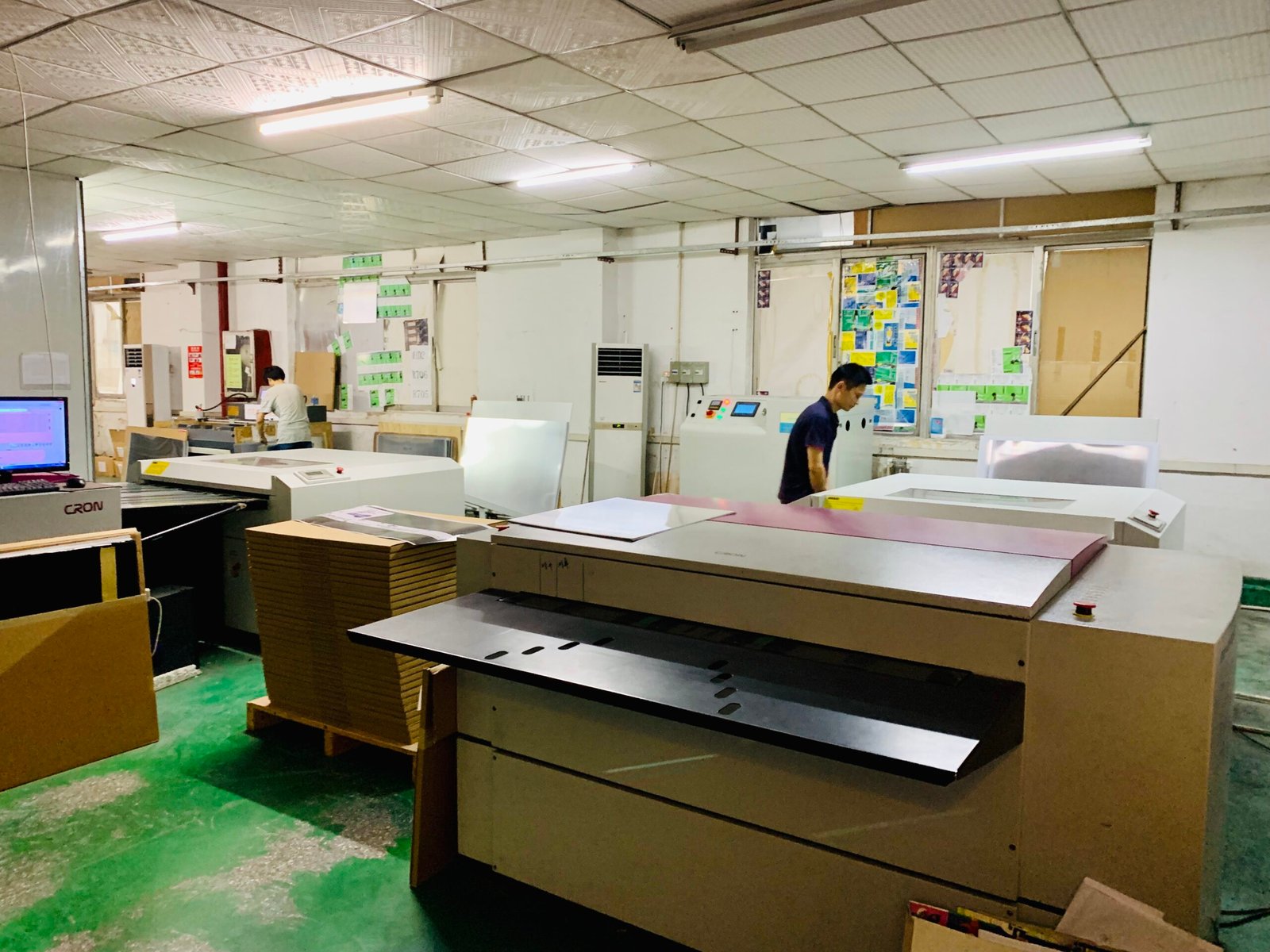
Sustainable packaging requires controlled production processes, waste management, and stable quality systems.
In manufacturing workshops, sustainability is influenced by paper sourcing, recycled content ratio, energy efficiency, and waste recovery. Trim waste is recycled back into the paper stream. Water-based adhesives and inks reduce environmental impact.
Consistent production reduces rejects and rework. Poor process control increases scrap, which offsets material sustainability benefits. Responsible manufacturing turns eco-friendly materials into genuinely sustainable packaging solutions.
Conclusion
The most eco-friendly packaging is fiber-based packaging that combines renewable materials, recyclable design, efficient structure, and disciplined manufacturing control. Corrugated board, kraft paper, paperboard, and molded fiber stand out because they balance performance with environmental responsibility.
Sustainability is achieved through material selection, right-sized design, and factory process optimization. Packaging that uses less material, avoids unnecessary complexity, and performs reliably throughout its lifecycle delivers the lowest environmental impact. When eco-friendly materials are paired with professional manufacturing and smart design, packaging becomes both responsible and effective from production to end use.