Insulation failures often remain hidden for years. Walls look fine. Energy loss continues. Moisture slowly builds up behind finished surfaces.
The purpose of kraft paper on insulation is to act as a vapor retarder. It slows moisture movement from warm indoor air into wall cavities while allowing controlled drying over time.
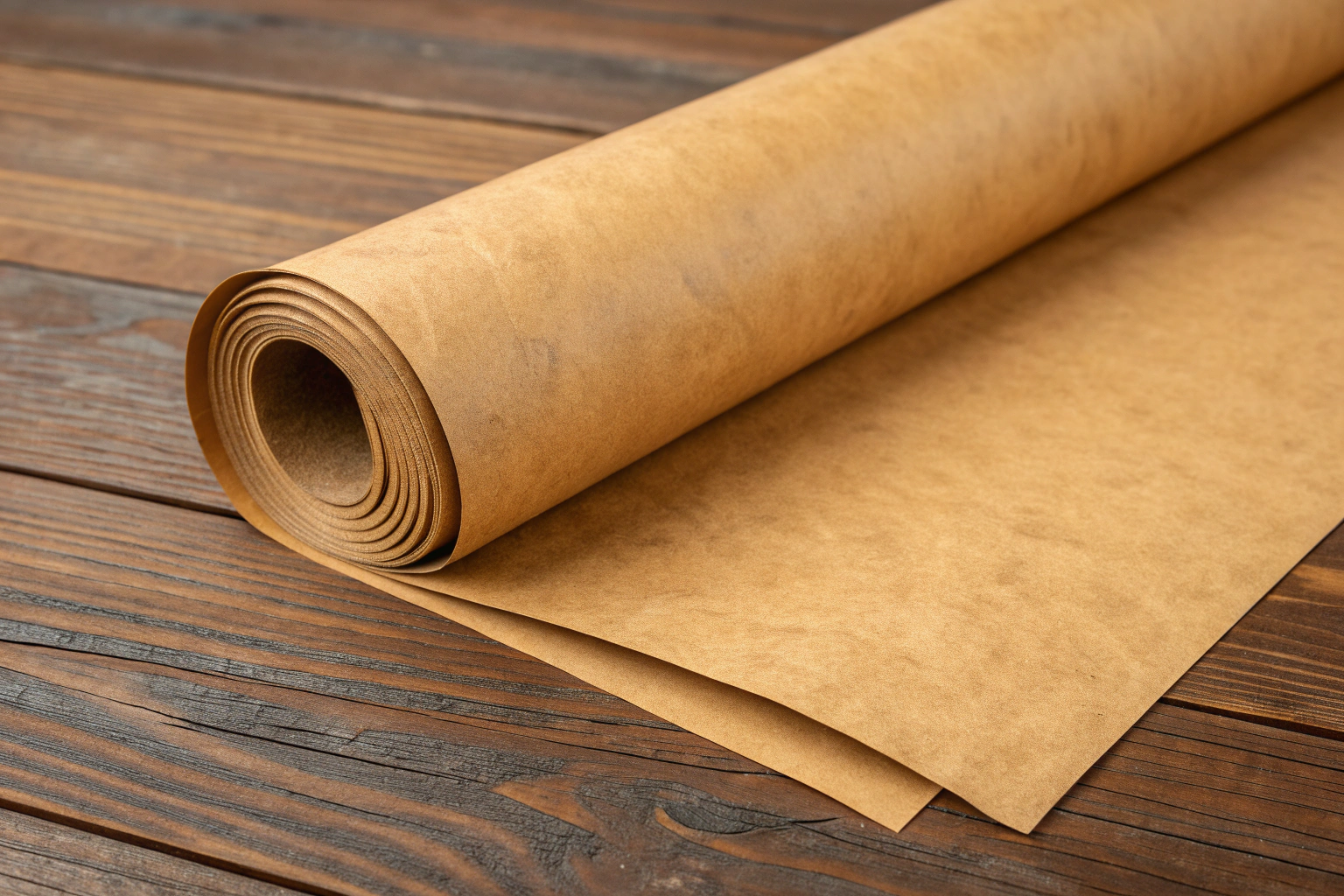
Kraft paper is not added to insulation for strength or appearance. Its role is functional and related to moisture control. When used correctly, it helps insulation maintain performance and reduces long-term risks inside building assemblies.
Why moisture control matters in insulation systems?
Most insulation problems start with moisture, not temperature.
Moisture inside walls reduces insulation efficiency and creates conditions for mold and material damage.
Warm air holds moisture. During heating seasons, indoor air is usually warmer and more humid than outdoor air. This moisture naturally moves toward colder areas through walls and ceilings.
When moist air enters a cold cavity, condensation can form. Water collects on insulation, framing, or sheathing. Over time, this leads to reduced thermal performance and structural decay.
Insulation alone cannot stop moisture movement. Vapor control layers are needed to manage how moisture enters and exits wall assemblies. Kraft paper is one of these control layers.
What exactly does kraft paper do on insulation?
Kraft paper has a specific and limited function.
Kraft paper bonded to insulation works as a vapor retarder, not a full vapor barrier.
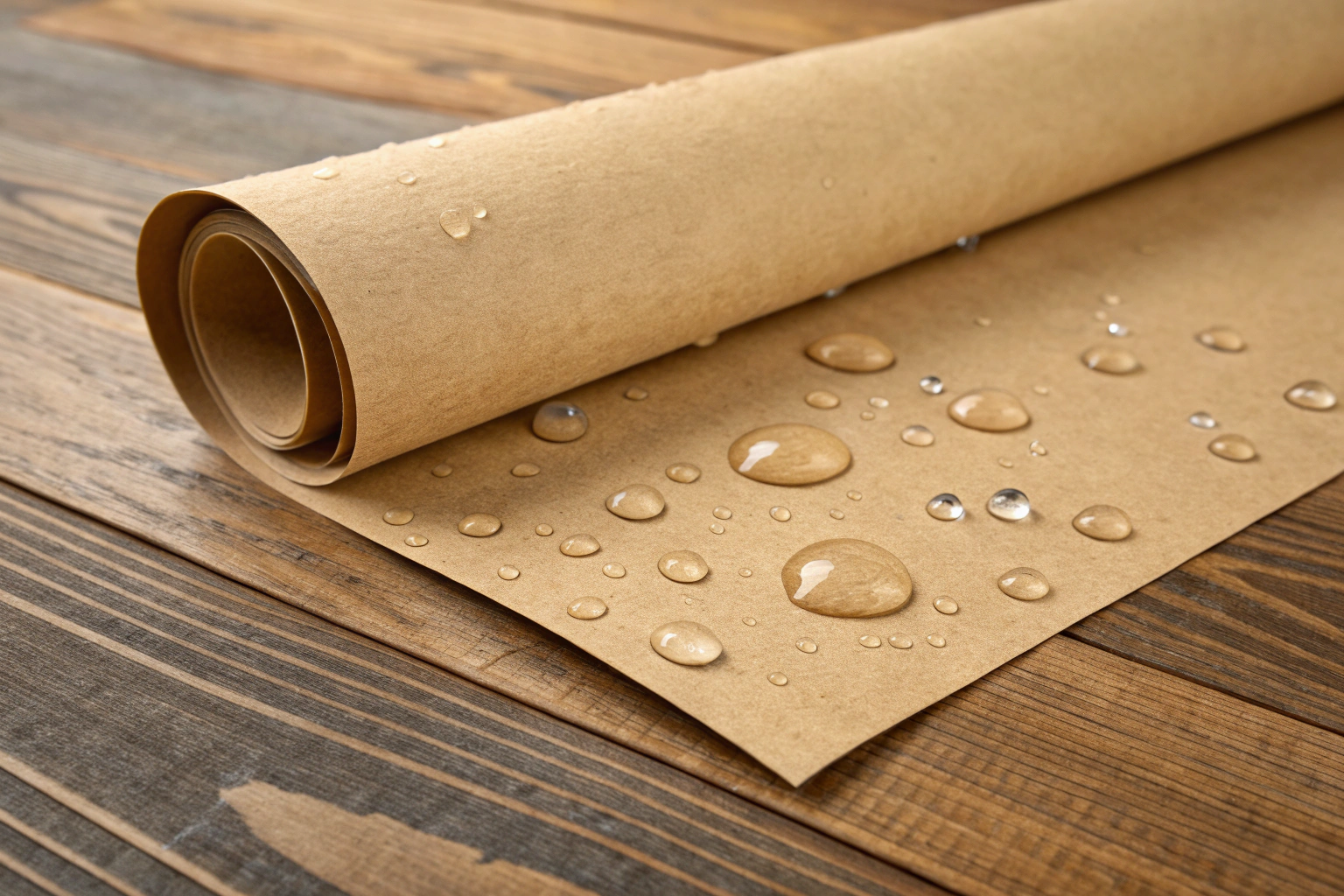
Kraft paper is usually treated with asphalt or similar compounds. This treatment reduces water vapor transmission while keeping the paper semi-permeable.
This means moisture movement slows down but does not stop completely. Walls can still dry if small amounts of moisture enter the cavity.
This balance is important. Fully blocking vapor can trap moisture. Allowing unlimited vapor flow can cause condensation. Kraft paper sits between these extremes and supports stable wall performance in many climates.
Why kraft paper is placed on the warm-in-winter side?
Orientation determines effectiveness.
Kraft paper is designed to face the warm-in-winter side of the insulation assembly.
In cold and mixed climates, indoor air during winter carries more moisture than outdoor air. Vapor pressure pushes moisture outward.
By placing kraft paper toward the interior side, moisture movement is slowed before it reaches colder surfaces deeper in the wall.
If kraft paper is installed on the wrong side, moisture can become trapped inside the cavity. This increases the risk of mold growth and material degradation. Correct placement is critical for the paper to serve its intended purpose.
How kraft paper differs from plastic vapor barriers?
Not all vapor control layers behave the same.
Kraft paper allows limited drying, while plastic sheets block vapor almost completely.
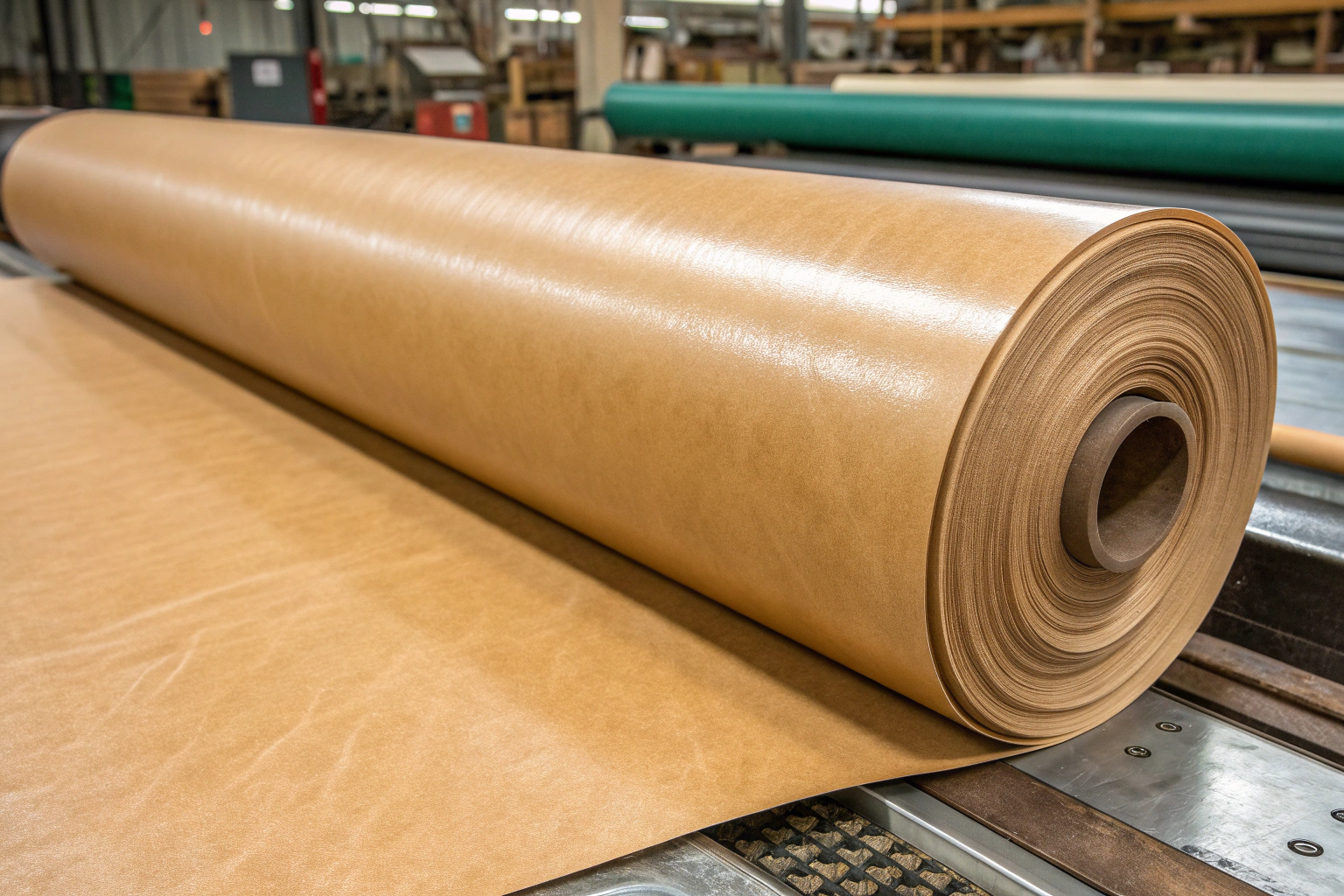
Plastic vapor barriers, such as polyethylene film, have very low vapor permeability. They are effective at blocking moisture but also prevent drying.
Kraft paper has higher permeability. It slows vapor diffusion but still allows moisture to escape gradually. This reduces the risk of trapped moisture in wall assemblies.
Because of this behavior, kraft paper is often preferred in residential construction where walls need to manage small moisture loads without becoming sealed systems.
Where kraft paper on insulation works best?
Material effectiveness depends on environment.
Kraft-faced insulation works best in dry, cold, or mixed climates with heating-dominated seasons.
In cold climates, kraft paper helps protect walls during long heating periods. In mixed climates, it provides enough vapor control without creating moisture traps.
It is commonly used in exterior walls, ceilings below cold attics, and floors above unheated spaces.
In hot and humid climates, moisture movement often reverses direction. In these cases, kraft paper may not be suitable and can increase moisture risk if used incorrectly.
How installation quality affects kraft paper performance?
Correct material still fails with poor installation.
Kraft paper only works when installed carefully and consistently.
The paper should remain continuous across the wall surface. Tears, gaps, and loose areas allow moisture-laden air to bypass the vapor retarder.
Stapling must be secure but not excessive. Over-stapling can tear the paper. Under-stapling allows sagging.
Seams should align tightly. Small repairs using approved tape maintain continuity. These details directly affect how well kraft paper performs its moisture control role.
Why kraft paper is still widely used?
Despite newer materials, kraft paper remains common.
Its balance of vapor control, cost efficiency, and workability keeps it relevant.
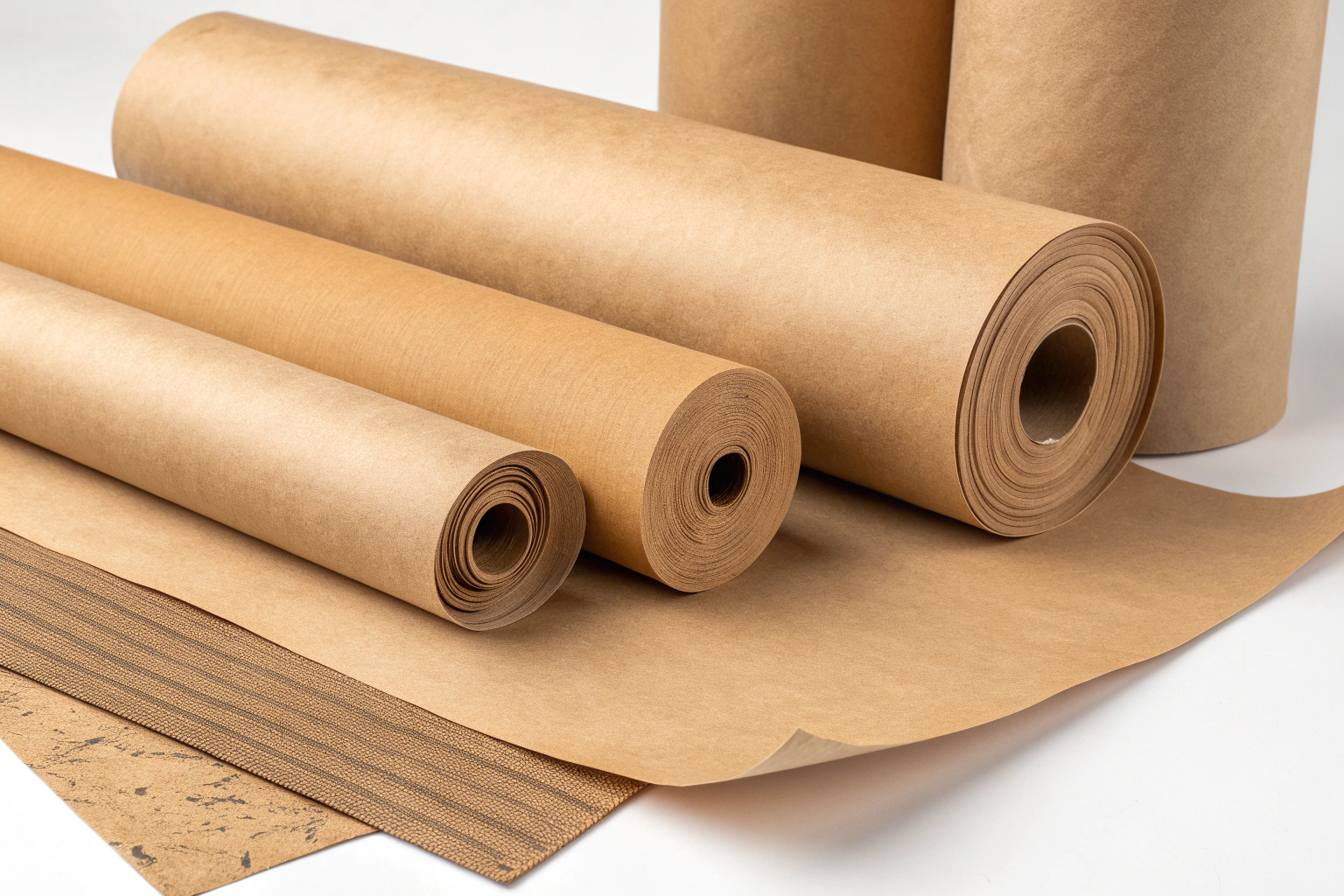
Kraft paper integrates easily with fiberglass and mineral wool insulation. It runs well in production and installs efficiently on site.
It provides predictable vapor performance without creating sealed wall systems. This suits many standard building assemblies.
When used in the right conditions, kraft paper offers long-term stability without complex installation requirements. Its continued use reflects proven performance rather than tradition alone.
Conclusion
The purpose of kraft paper on insulation is to manage moisture, not to add strength or thermal value. It acts as a vapor retarder that slows moisture movement from warm indoor air into wall cavities while allowing controlled drying.
This function protects insulation performance, reduces condensation risk, and supports long-term durability of wall assemblies. Kraft paper is most effective in cold and mixed climates when installed on the warm-in-winter side and handled with care.
Understanding its purpose prevents misuse. Kraft paper is not a universal solution, but when selected for the right environment and installed correctly, it remains a reliable and practical part of insulation systems.