Kraft paper looks simple, but its performance depends on strict material selection. Weak raw materials lead to tearing, poor printing, and unstable packaging. Many packaging failures start from misunderstanding what kraft paper is really made of.
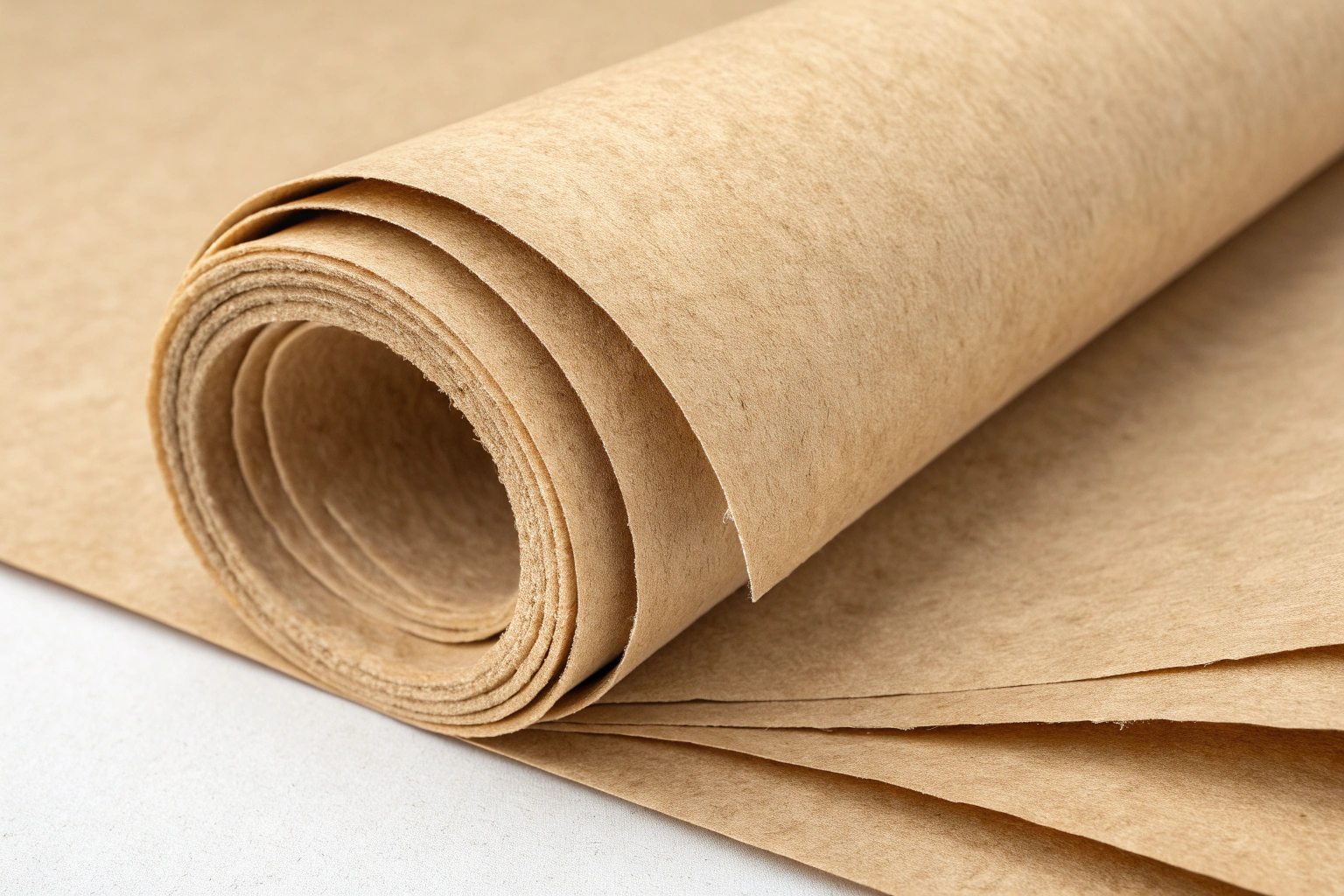
The main raw material for kraft paper is wood pulp, produced through the kraft pulping process, using softwood and hardwood fibers for strength and flexibility. Fiber quality and processing control define final performance.
Kraft paper is not just “brown paper.” It is an engineered paper material designed for strength, durability, and reliability in packaging and industrial use.
What Type of Wood Is Used to Make Kraft Paper?
The primary raw material for kraft paper is wood. Not all wood types are suitable. Fiber length and structure determine paper strength.
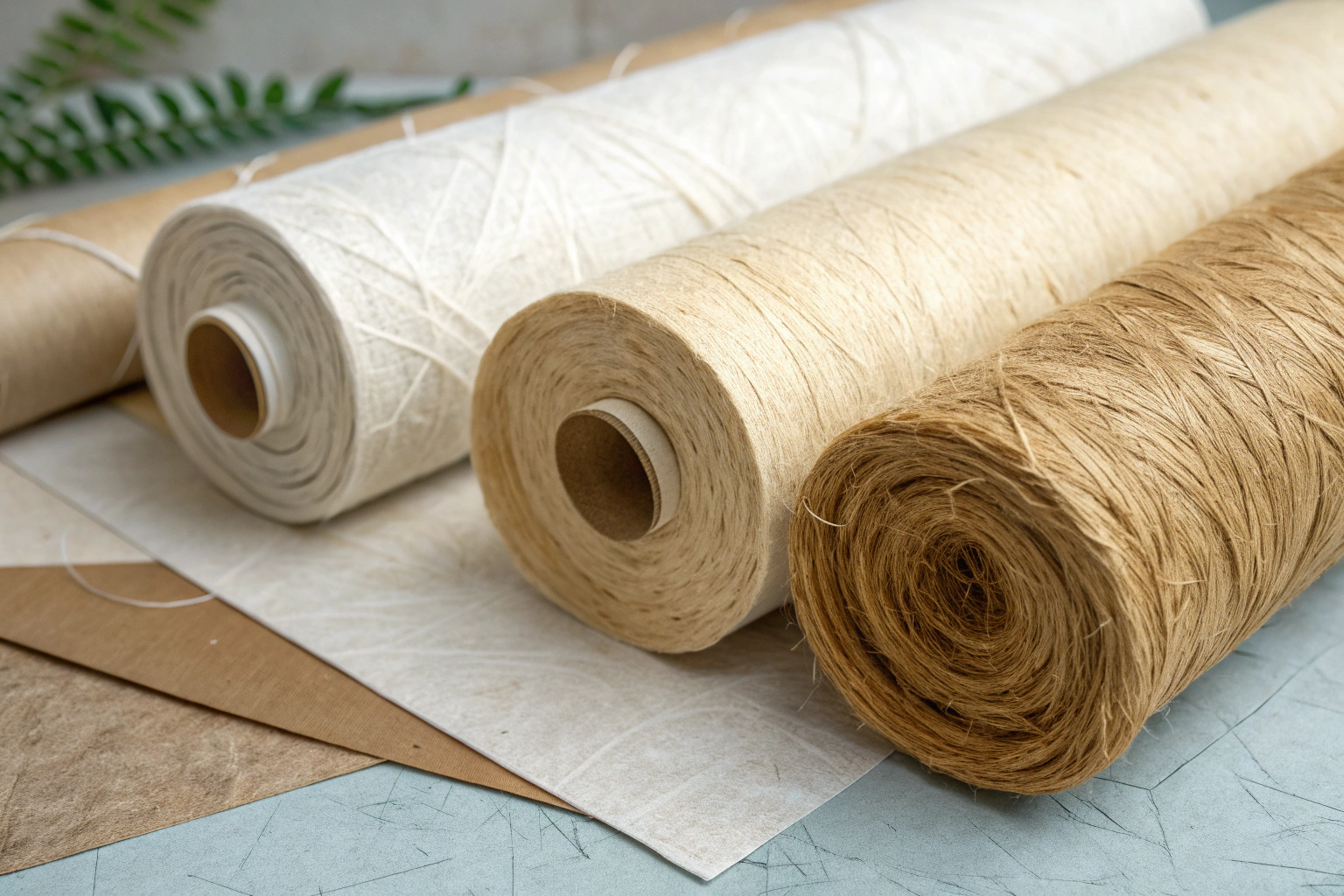
Softwood fibers are the core raw material for kraft paper because of their long fiber length and high tensile strength. Hardwood fibers are used as support.
Softwood comes from pine, spruce, and fir. These fibers are long and flexible. They interlock well during papermaking. This creates high tear resistance and strong bonding. Hardwood fibers come from eucalyptus, birch, or poplar. These fibers are shorter and smoother. They improve surface quality and printability.
In manufacturing, pulp recipes are adjusted based on use. Packaging kraft paper needs more softwood pulp. Printing kraft paper needs a controlled mix of hardwood pulp. Balancing these fibers is a core technical step in production.
How Does the Kraft Pulping Process Create Strong Paper?
The word “kraft” means strength. This strength comes from the pulping method, not just the wood itself.

Kraft paper is produced by chemical pulping that removes lignin while preserving fiber strength. This process creates durable pulp.
In the kraft process, wood chips are cooked in a solution of sodium hydroxide and sodium sulfide. This breaks down lignin, which binds fibers together in raw wood. Unlike mechanical pulping, fibers remain long and strong.
Inside pulp mills, cooking time, temperature, and chemical ratio are tightly controlled. Overcooking weakens fibers. Undercooking leaves excess lignin. Stable control ensures pulp strength and consistency before papermaking even begins.
Is Recycled Paper a Raw Material for Kraft Paper?
Virgin wood pulp is the base, but recycled fiber also plays a role in some kraft papers.
Recycled paper can be used as part of the raw material, but it reduces strength compared to virgin pulp. The ratio depends on application needs.
In packaging factories, recycled kraft paper is common for inner layers or non-structural uses. Recycled fibers are shorter due to previous processing. They absorb moisture faster and lose bonding ability.
For heavy-duty packaging, high virgin pulp content is preferred. For eco-focused applications, recycled content is increased while controlling performance loss. Fiber screening, cleaning, and refining are critical steps to stabilize recycled pulp quality.
How Do Chemicals and Additives Affect Kraft Paper Raw Materials?
Wood pulp alone is not enough. Additives are part of the raw material system.
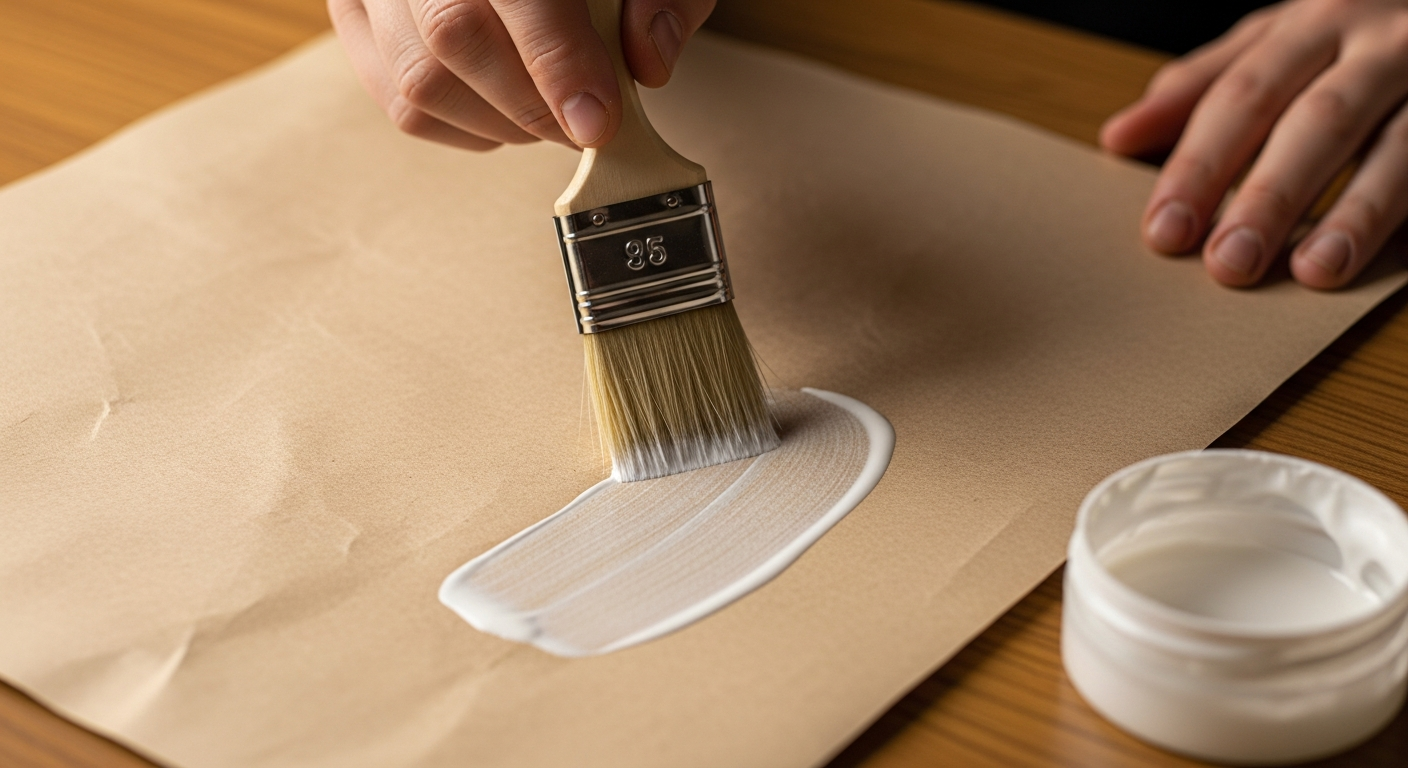
Sizing agents, strength additives, and fillers modify kraft paper properties without changing its fiber base.
Sizing agents improve water resistance. This is important for bags and corrugated liners. Strength additives enhance fiber bonding. This improves burst and tensile strength. Small amounts of fillers may improve surface smoothness but are limited to avoid weakening the sheet.
In factory production, additives are dosed precisely. Excess additives increase cost and reduce recyclability. Controlled use maintains kraft paper’s natural strength and eco profile.
How Does Raw Material Choice Affect Kraft Paper Grades?
Not all kraft paper is the same. Raw material selection defines the grade.
Different kraft paper grades are produced by adjusting pulp source, fiber ratio, and processing intensity.
Unbleached kraft paper uses natural brown pulp. It keeps maximum fiber strength. Bleached kraft paper removes color but slightly reduces strength. Sack kraft paper uses high softwood content for load-bearing use. Linerboard kraft paper is optimized for corrugated board production.
In manufacturing workshops, each grade follows a defined recipe. Raw material consistency ensures stable performance during printing, die cutting, and converting. This stability is critical for downstream packaging operations.
How Does Factory Processing Turn Raw Materials into Kraft Paper?
Raw materials only become kraft paper through controlled industrial processing.
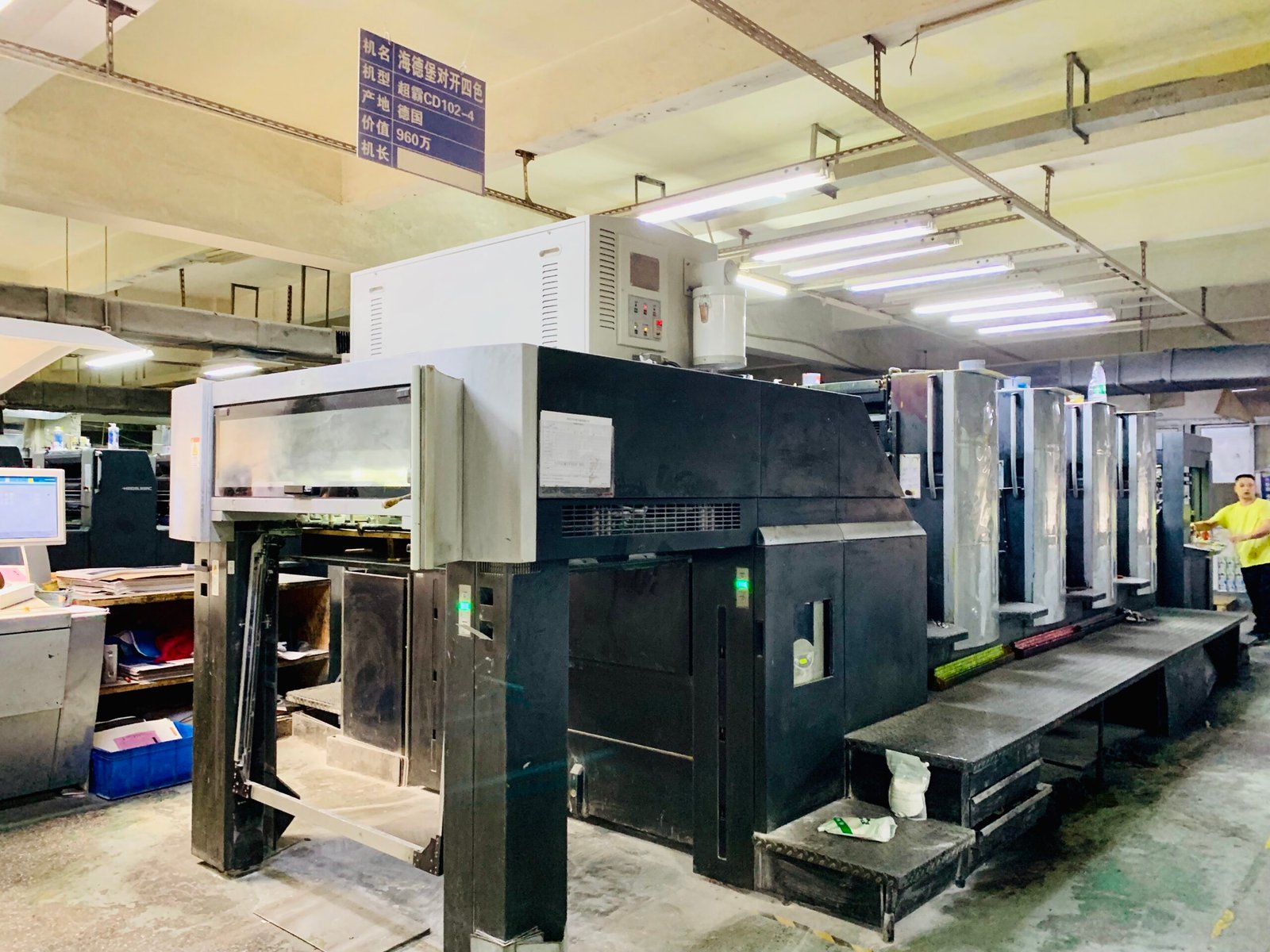
Kraft paper is formed by refining pulp fibers, forming sheets, pressing, drying, and finishing under strict process control.
In the wet end, pulp fibers are suspended in water and spread evenly. Refining controls fiber bonding. In the press section, water is removed while fibers lock together. In the dryer section, moisture content is stabilized.
Factory workshops monitor moisture, basis weight, thickness, and strength in real time. Poor control at this stage wastes good raw materials. Strong pulp alone cannot compensate for poor process discipline.
Why Is Raw Material Control Critical for Packaging Performance?
Raw material choice directly affects packaging outcomes.
Kraft paper made from stable pulp sources delivers predictable strength, print quality, and converting performance.
In packaging production, kraft paper becomes bags, corrugated liners, wraps, and protective materials. Weak raw material leads to tearing during forming. Inconsistent fiber mix causes print defects and box failure.
Manufacturers evaluate pulp suppliers, fiber origin, and batch stability. Raw material control is part of long-term quality assurance. This ensures packaging performs well from factory to transport to final use.
Conclusion
The raw material for kraft paper is primarily wood pulp produced through the kraft pulping process, supported by controlled use of recycled fiber and functional additives. Softwood fibers provide strength, hardwood fibers improve surface quality, and chemical pulping preserves fiber integrity.
From raw wood selection to pulp processing and factory production, each step shapes final paper performance. Strong kraft paper begins with disciplined raw material control. This foundation supports reliable packaging, stable converting, and consistent results across supply chains.