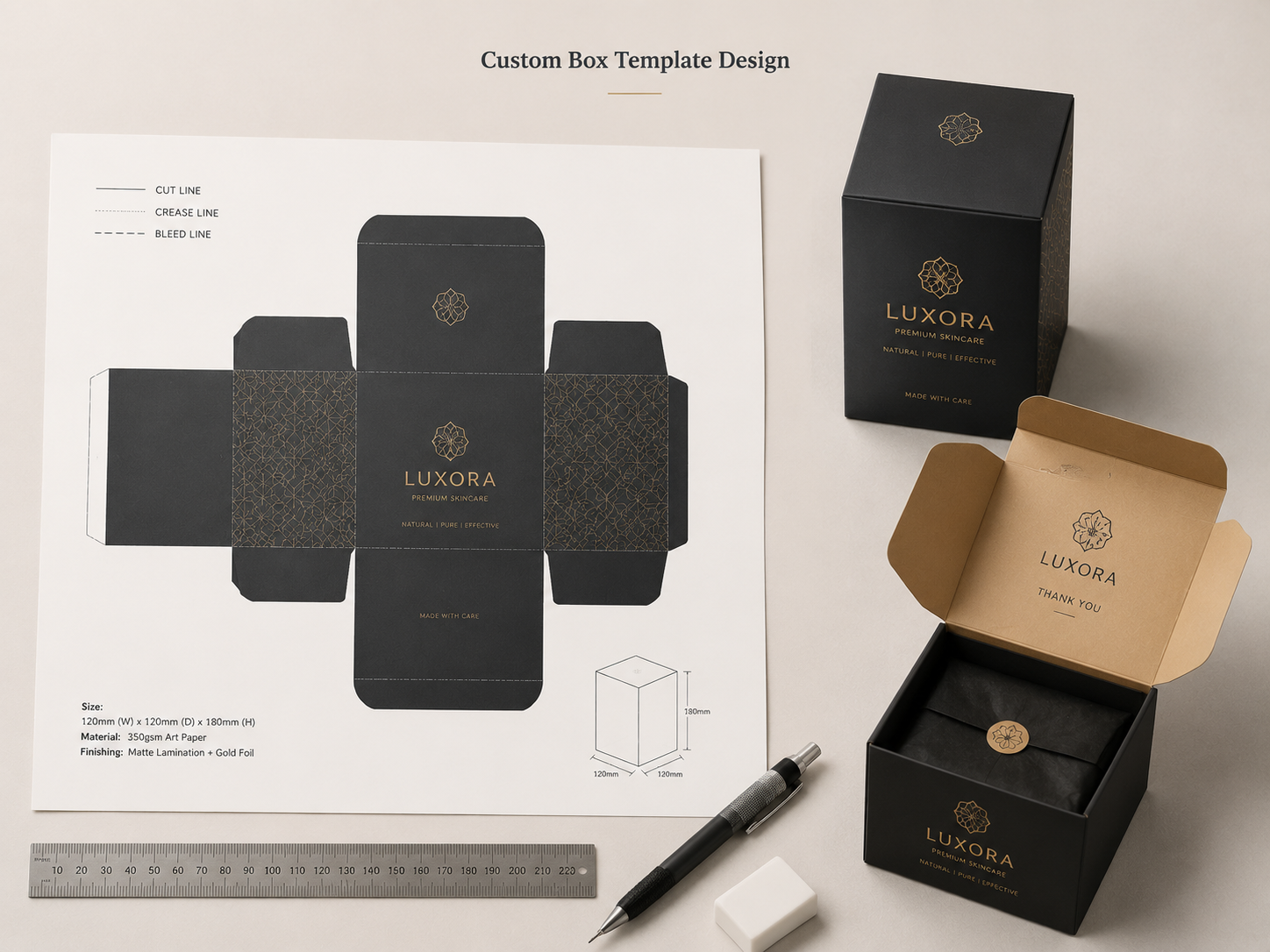
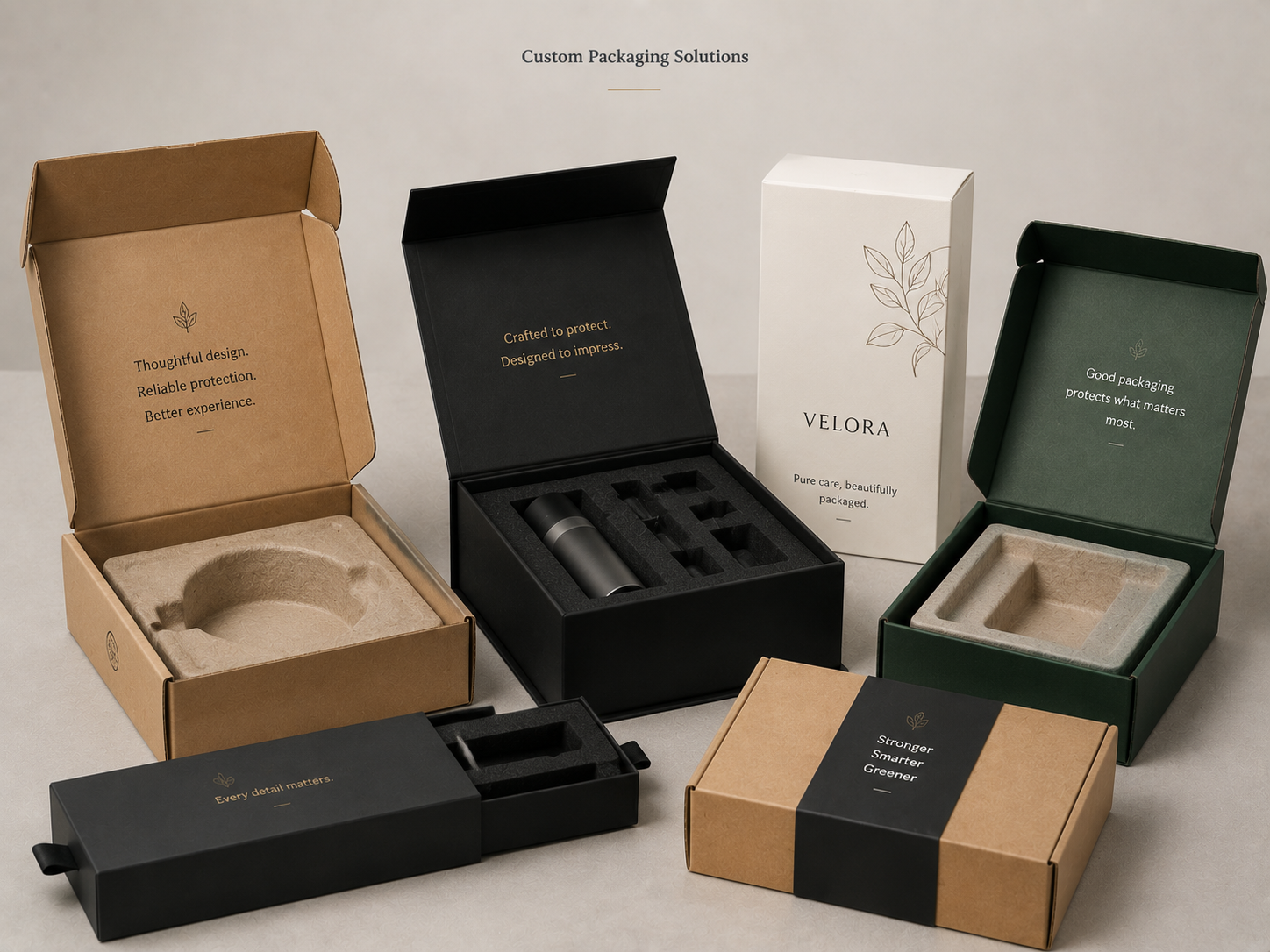
Packaging problems often appear when visual quality and material strength are not balanced. Boxes look good but tear easily, or packaging is strong but lacks brand appeal. These issues usually arise when white kraft paper is not clearly understood or correctly applied.

White kraft paper is used where strength, clean appearance, and reliable processing are required at the same time. It combines the durability of kraft paper with a lighter, more refined surface.
From a manufacturing perspective, white kraft paper is selected not only for how it looks, but for how it performs on production lines and in real packaging conditions.
Used for Premium Retail and Brand Packaging
White kraft paper is widely used in retail and brand-focused packaging.
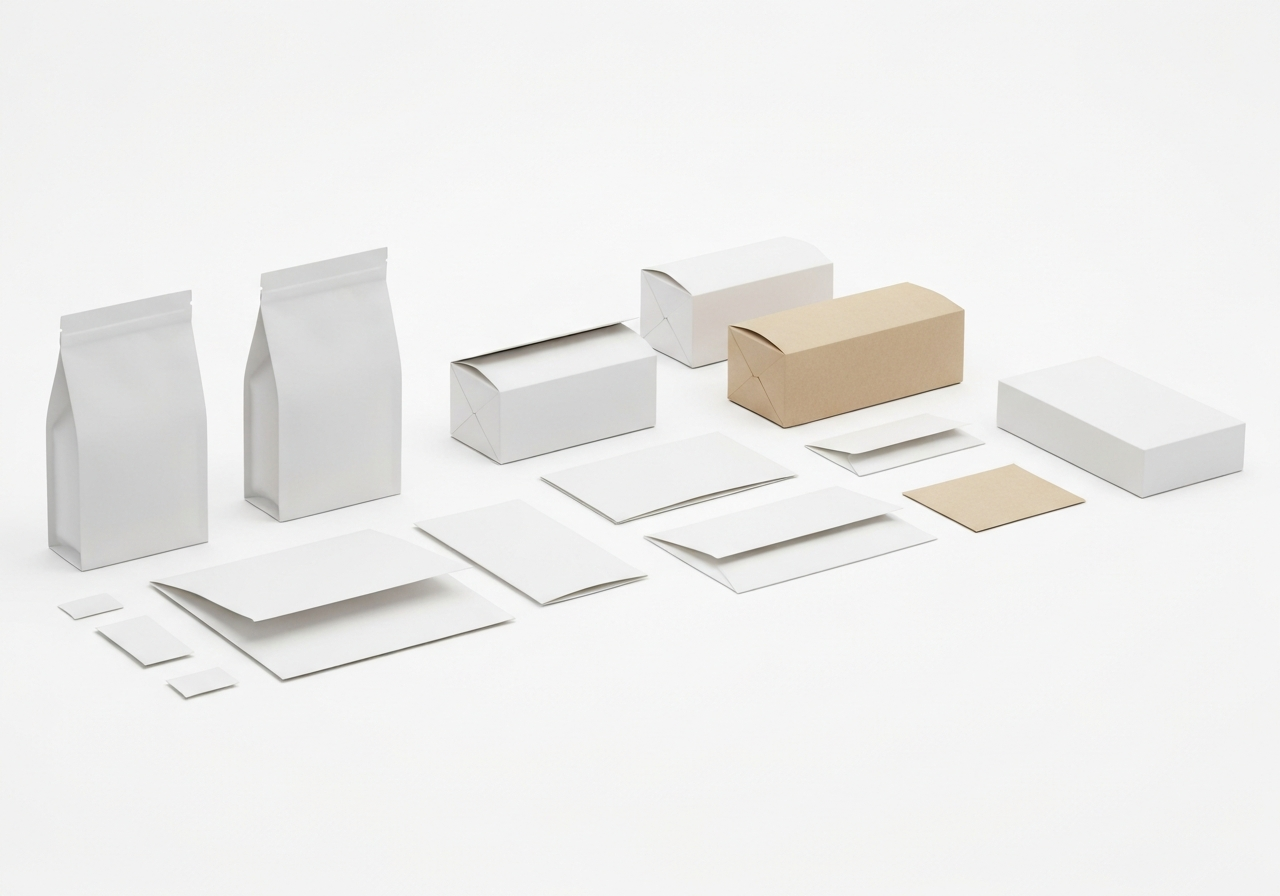
White kraft paper is used for shopping bags, branded wraps, sleeves, and outer packaging that require a clean and professional appearance.
The white surface provides better color contrast than brown kraft paper. Logos, text, and simple graphics appear clearer and more consistent. At the same time, the paper retains the strength and flexibility expected from kraft material.
In factory workshops, white kraft paper performs well on bag-making and wrapping lines. It folds cleanly and resists tearing during high-speed production. This makes it suitable for packaging that must look refined while maintaining structural reliability.
Used for Corrugated Box Liners and High-End Cartons
White kraft paper plays an important role in corrugated packaging.
White kraft paper is used as linerboard for corrugated boxes that require both strength and visual quality.
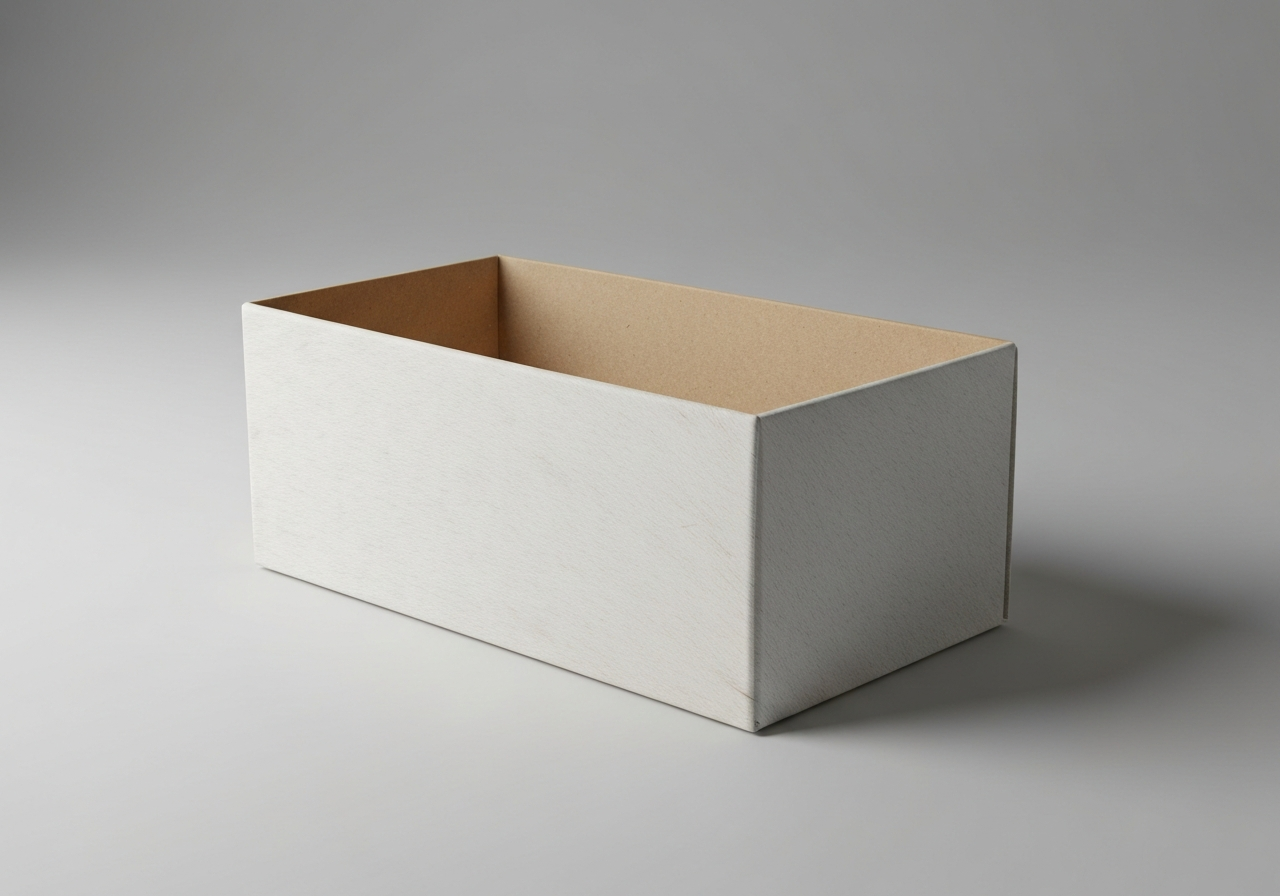
When used as the outer liner of corrugated board, white kraft paper improves shelf appearance and print clarity. This is common for retail-ready packaging, electronics boxes, and branded shipping cartons.
From a manufacturing view, white kraft liners are engineered to maintain compression strength while offering a smoother surface. During corrugation, bonding strength, moisture balance, and liner stiffness are tightly controlled to avoid warp and print distortion.
Used for Food and Takeaway Packaging
White kraft paper is also used in food-related packaging.
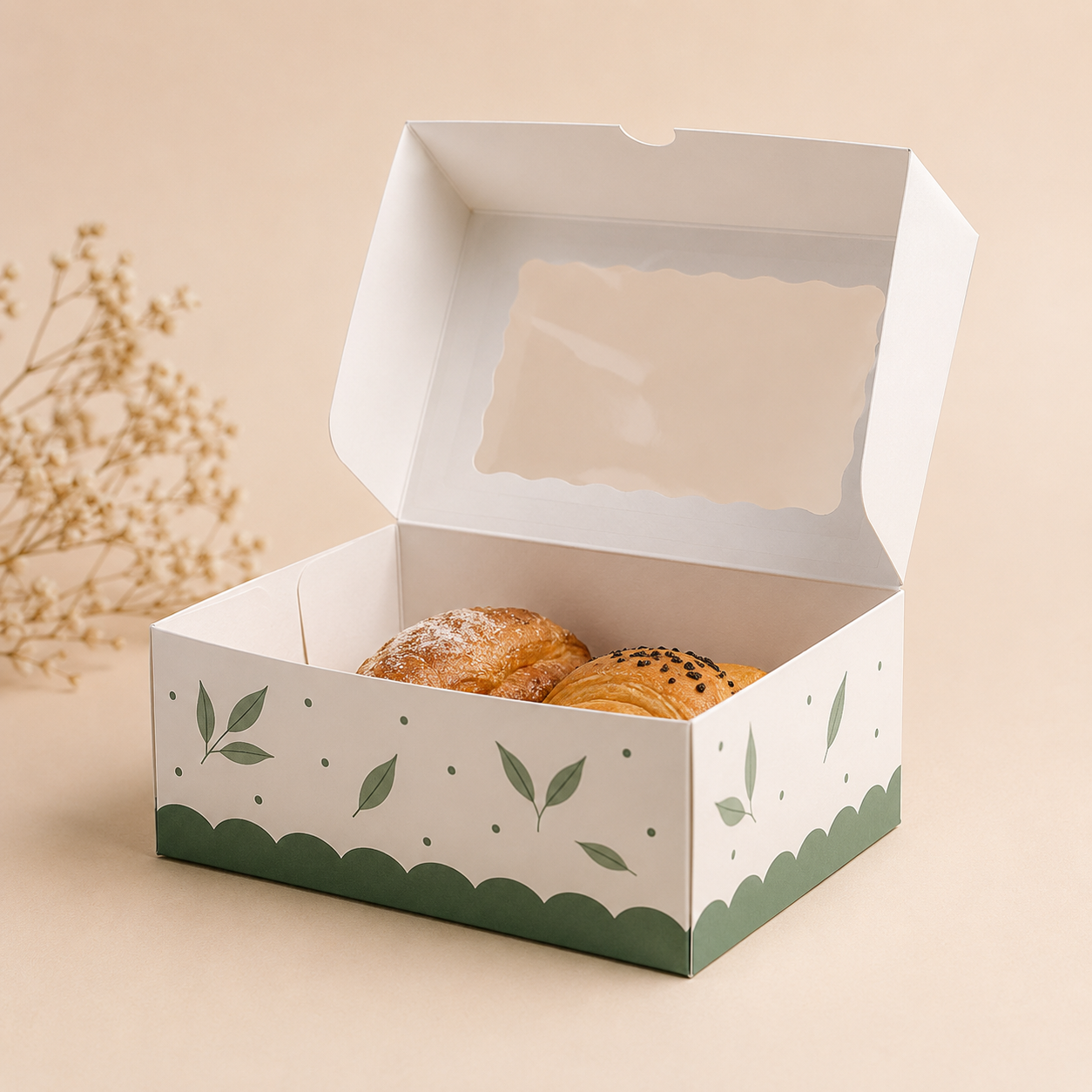
White kraft paper is used for food wraps, bakery bags, sandwich paper, and takeaway packaging where cleanliness and strength matter.
The lighter color gives a cleaner visual impression, which is important for food contact packaging. At the same time, the paper remains breathable and resistant to tearing.
In production, food-grade white kraft paper is manufactured with controlled additives and strict hygiene standards. Surface sizing may be adjusted to improve grease resistance while keeping recyclability. These features make it suitable for both direct and indirect food contact applications.
Used for Printing and Graphic Packaging
Printing performance is another reason white kraft paper is used.
White kraft paper is used for packaging that requires clearer printing than brown kraft paper can provide.
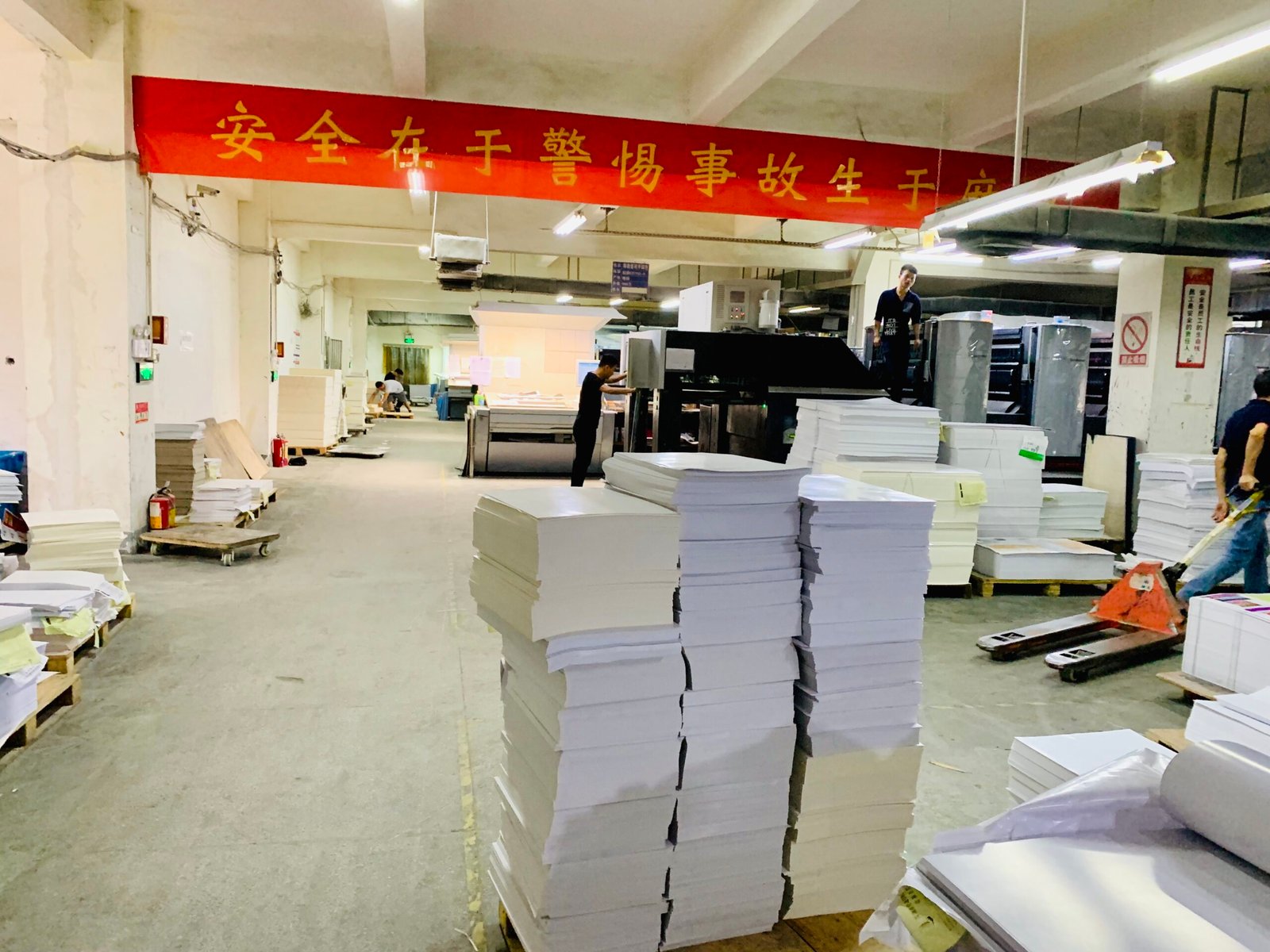
Compared to brown kraft paper, white kraft paper allows better color accuracy and sharper text. It works well with flexographic and digital printing for logos, instructions, and branding elements.
In factory printing workshops, ink absorption and pressure are adjusted for white kraft surfaces. This balance prevents ink spread while avoiding cracking or surface damage. White kraft paper supports consistent print results without the cost of fully coated paper.
Used for Inner Packaging and Product Protection
White kraft paper is commonly used inside packaging systems.
White kraft paper is used as inner wrapping, interleaving, and protective paper for finished products.
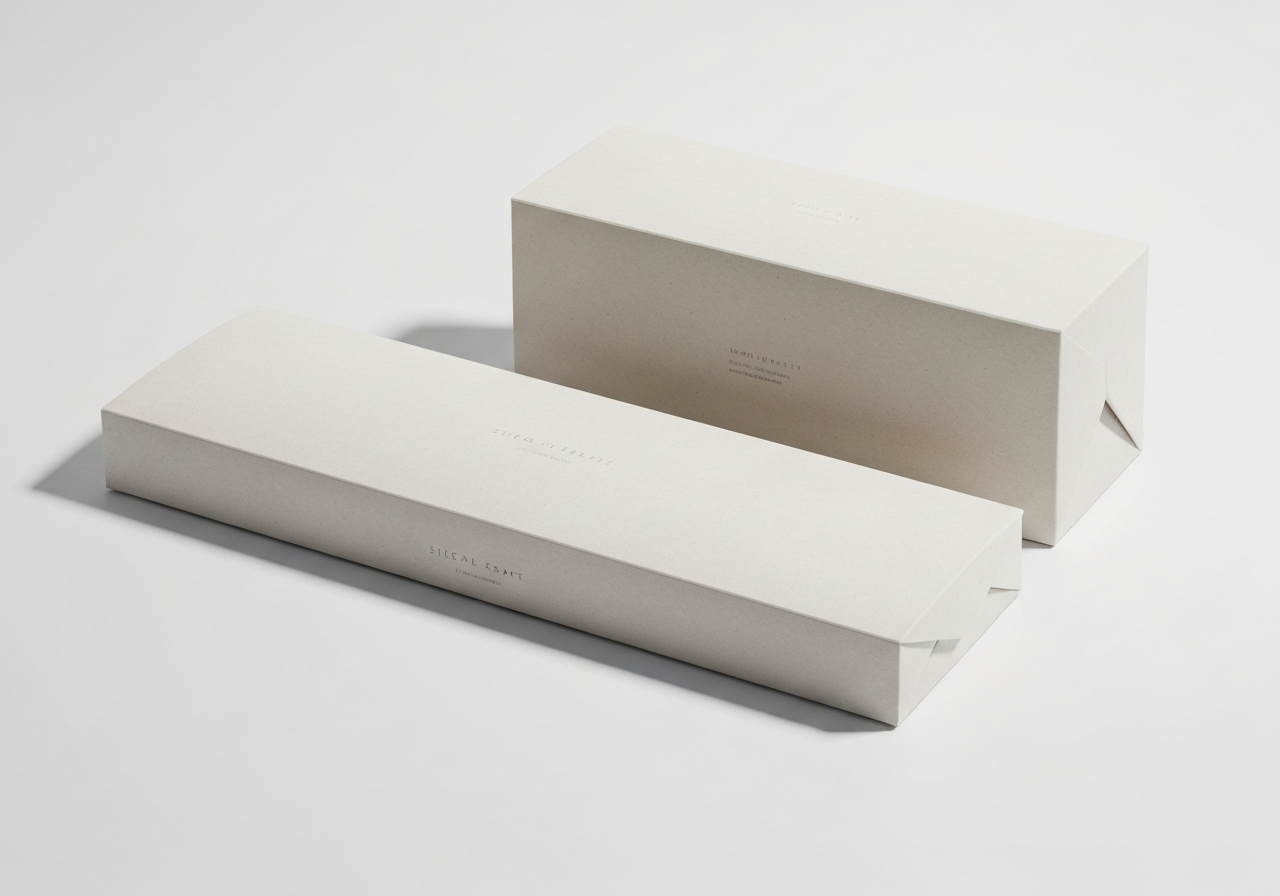
It protects surfaces from scratches and dust while keeping a clean appearance. This is common for electronics, cosmetics, glass items, and premium goods.
In packing workshops, white kraft paper handles folding, wrapping, and manual packing smoothly. Its strength prevents tearing during handling, and its appearance supports premium positioning even inside the box.
Used Where Sustainability and Appearance Must Coexist
White kraft paper supports sustainability goals.
White kraft paper is used when recyclable, fiber-based packaging is required without sacrificing visual quality.
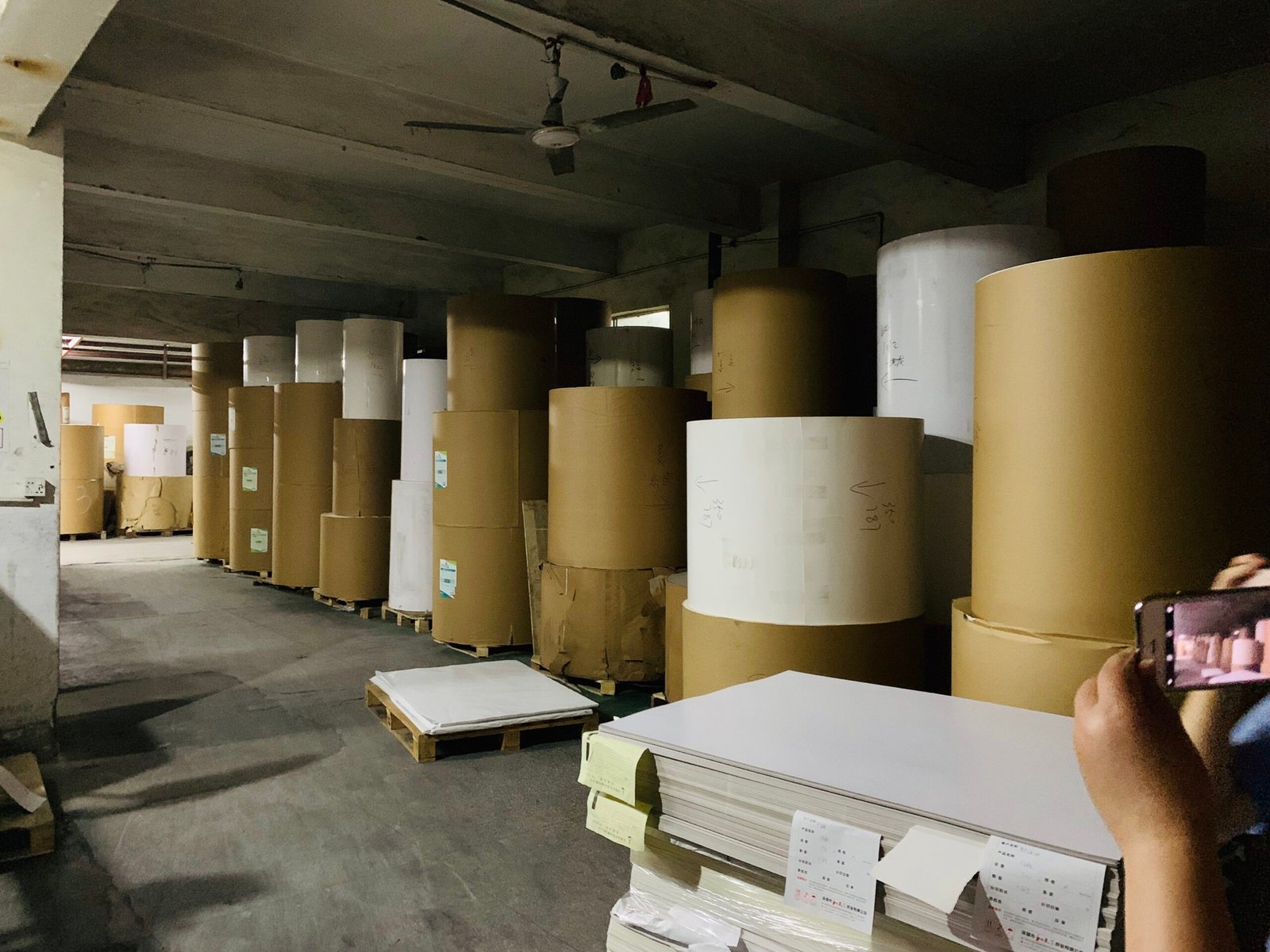
It is made primarily from wood fibers and fits into standard paper recycling systems. Compared with plastic or laminated materials, it offers easier disposal and lower environmental impact.
From a manufacturing standpoint, white kraft paper allows material reduction through strength optimization. Lighter grammage can be used without compromising performance, reducing fiber consumption and waste during production.
Conclusion
White kraft paper is used in retail packaging, corrugated box liners, food packaging, printed packaging, inner protection, and sustainable packaging systems. Its value lies in combining the mechanical strength of kraft paper with a cleaner, brighter surface that supports branding and presentation.
From raw material selection to factory processing, white kraft paper is engineered for consistent performance. It runs reliably on production lines, prints more clearly than brown kraft paper, and maintains durability during packing and transport. For packaging that must look clean, feel strong, and perform consistently, white kraft paper provides a balanced and professional solution across many industries.