Many boxes look similar on the outside, yet perform very differently in real use. Some collapse under weight, while others stack reliably for weeks. The key difference is not thickness or appearance. It is structure.
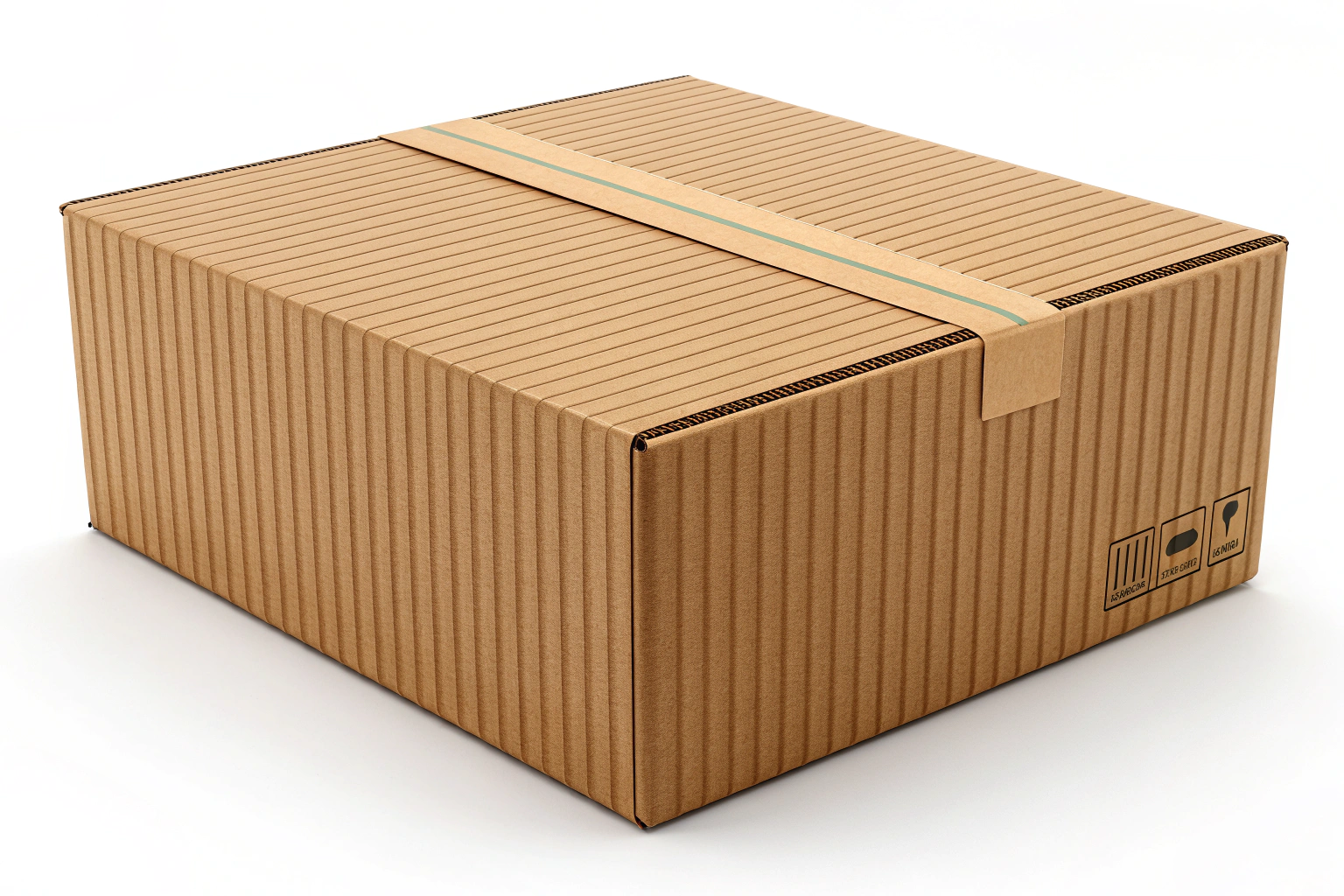
A box is corrugated because it contains a fluted, wave-shaped paper layer sandwiched between flat liner papers. This internal structure is what defines corrugated packaging, not the word “cardboard” itself.
As a professional packaging manufacturer, I define corrugated boxes by engineering and production standards, not by common language. Below, I explain exactly what makes a box corrugated, how that structure is made in the factory, and why it matters in real packaging use.
Let’s start with the core structural feature.
The fluted medium is what makes a box corrugated
Everything starts with the flute.
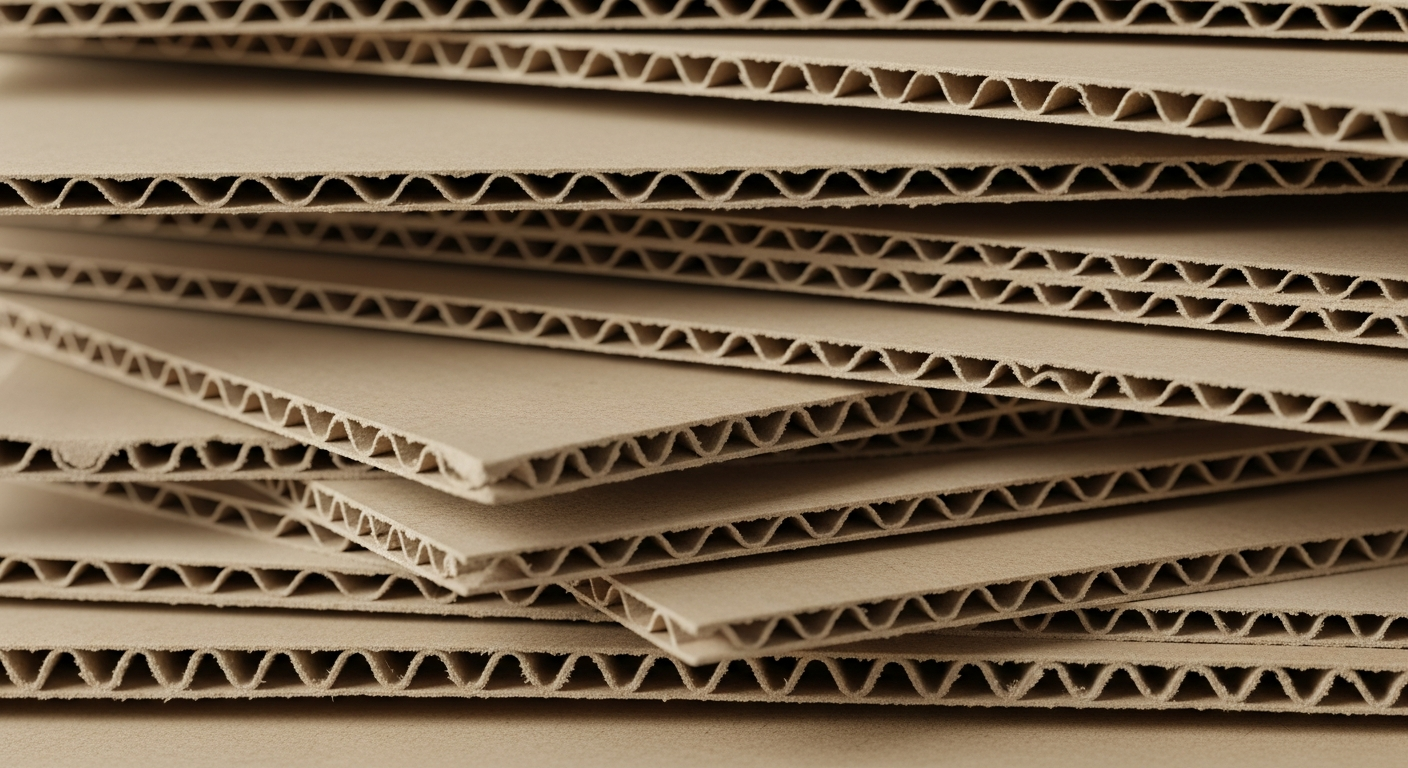
A box is corrugated because it contains a fluted medium, a paper layer formed into continuous wave-like arches.
This fluted paper sits between flat liner papers. The arches act like vertical columns. They resist compression and absorb impact. This design allows the box to be strong while remaining lightweight.
From a manufacturing perspective, without this fluted layer, the box is not corrugated. It becomes paperboard or solid board instead.
Core corrugated structure
| Layer | Function |
|---|---|
| Outer liner | Surface strength and tear resistance |
| Fluted medium | Cushioning and compression resistance |
| Inner liner | Structural support and bonding |
This layered structure is the defining feature of corrugated boxes.
Liner papers complete the corrugated structure
Flutes alone are not enough.
A corrugated box must have liner papers bonded to the fluted medium on one or both sides.
The liner papers provide:
- Tensile strength
- Puncture resistance
- A printable surface
In professional manufacturing, liner paper quality is critical. Even with good flutes, weak liners result in box failure. Most real-world box damage starts with liner buckling or tearing.
This is why corrugated boxes are specified by both flute type and liner grade, not just thickness.
Single wall, double wall, and more
The number of fluted layers matters.
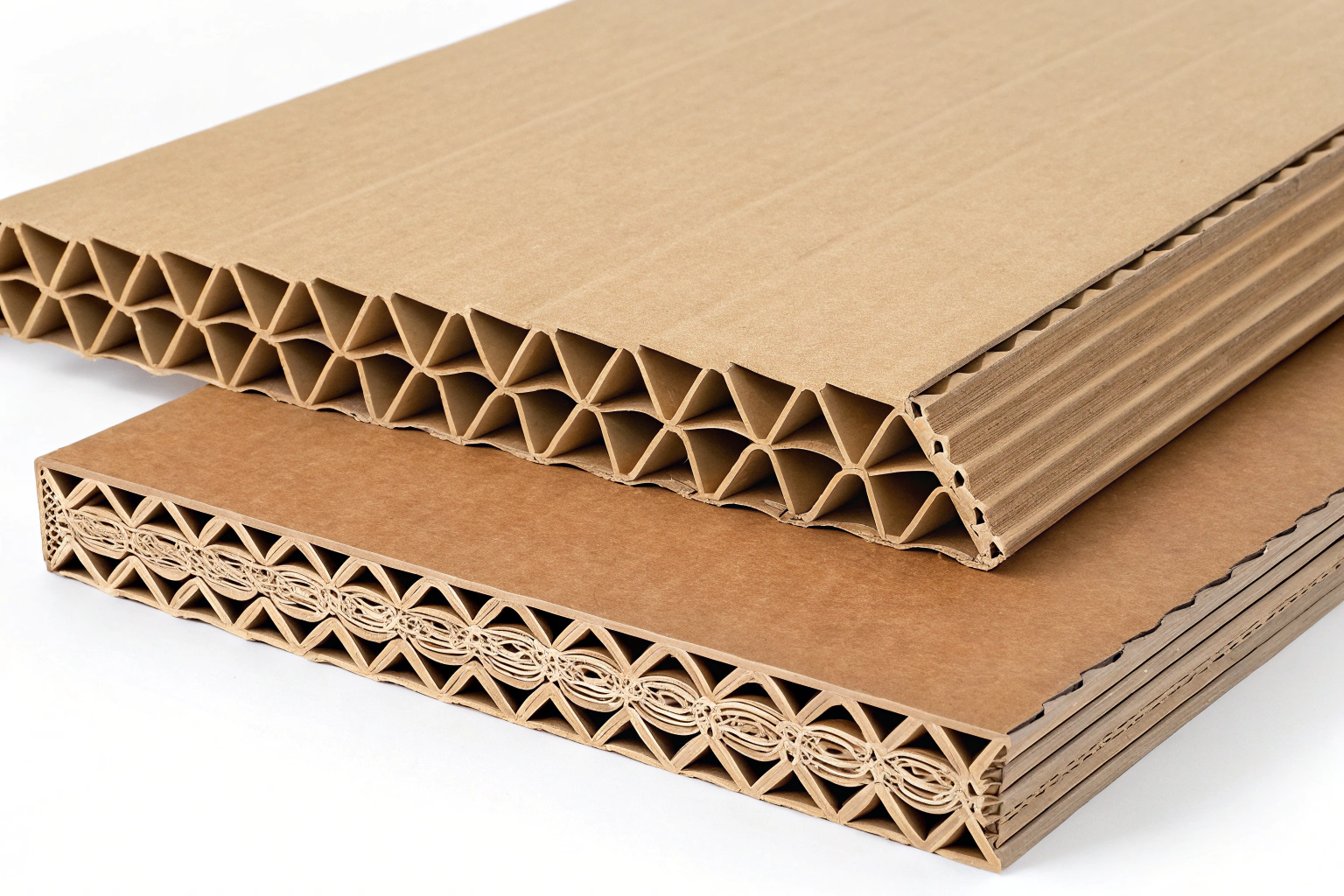
A box is corrugated whether it has one or multiple fluted layers. The difference is strength level.
Common corrugated constructions include:
- Single wall: one fluted layer, two liners
- Double wall: two fluted layers, three liners
- Triple wall: three fluted layers, four liners
From a factory standpoint, all of these are corrugated. The difference lies in load capacity and application, not in definition.
Corrugation is about the presence of flutes, not how many.
How corrugation is formed in the factory
Corrugation is created during production, not after.
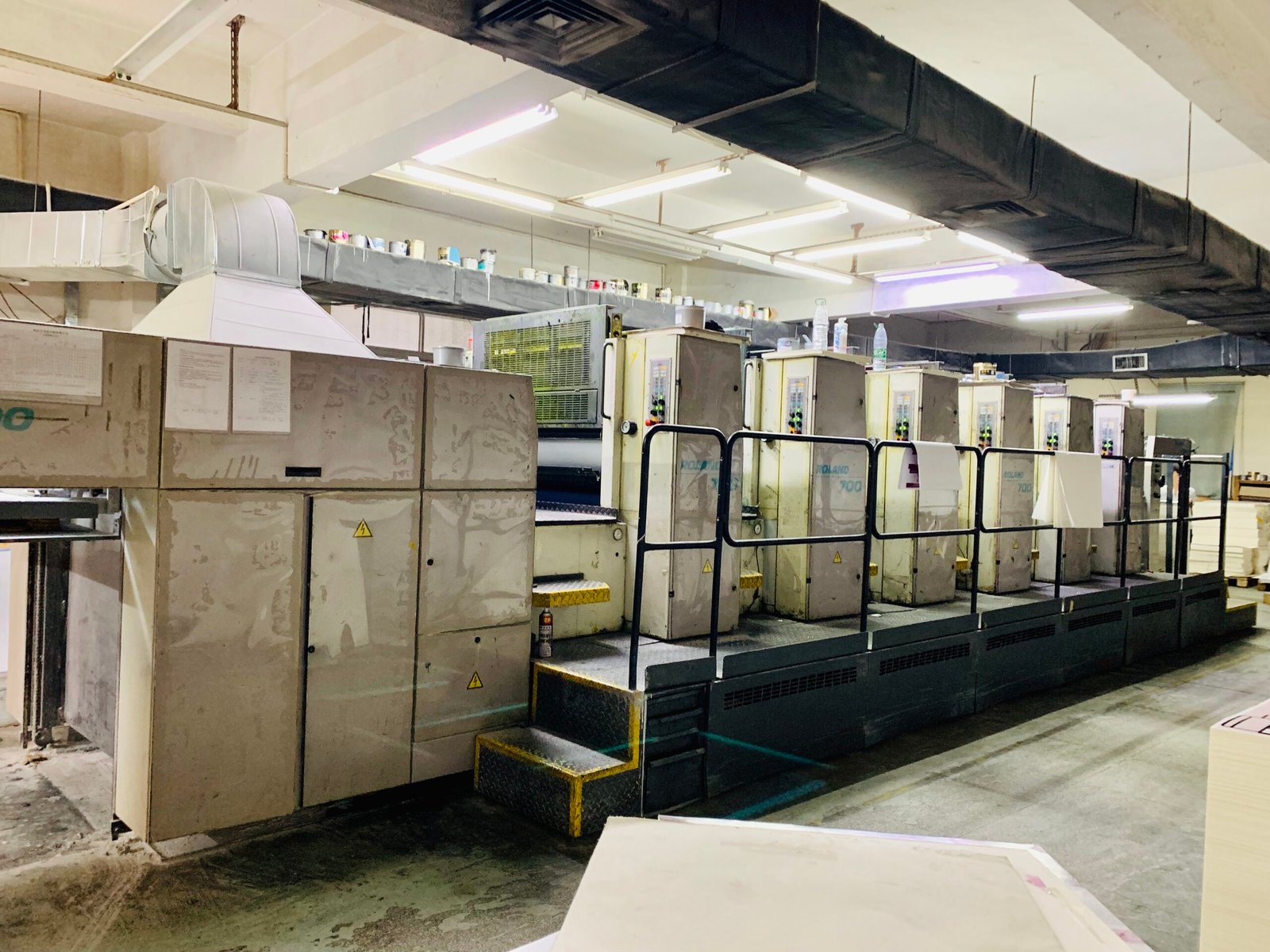
A box is corrugated because the paper is mechanically formed into flutes and bonded under controlled conditions in the factory.
Inside the production workshop:
- Medium paper is heated and shaped into flutes
- Adhesive is applied to flute tips
- Liner papers are bonded to the flutes
- Board is dried, cut, and converted
This process happens on a corrugator machine. Flute height, pitch, and bonding strength are tightly controlled. Poor bonding or moisture imbalance weakens the structure even if the flutes are visible.
From a manufacturing perspective, corrugation quality depends on process control, not just raw material.
Why thickness alone does not make a box corrugated
This is a common misunderstanding.
A thick box is not corrugated unless it contains a fluted internal layer.
Solid paperboard can be thick and rigid, but it has no internal waves. Its strength comes from compressed fibers, not structure. Corrugated boxes achieve strength through geometry, not mass.
This is why corrugated boxes often feel lighter than solid board boxes of similar thickness. Air space inside the flutes does the work.
How corrugation changes box performance
Structure defines behavior.
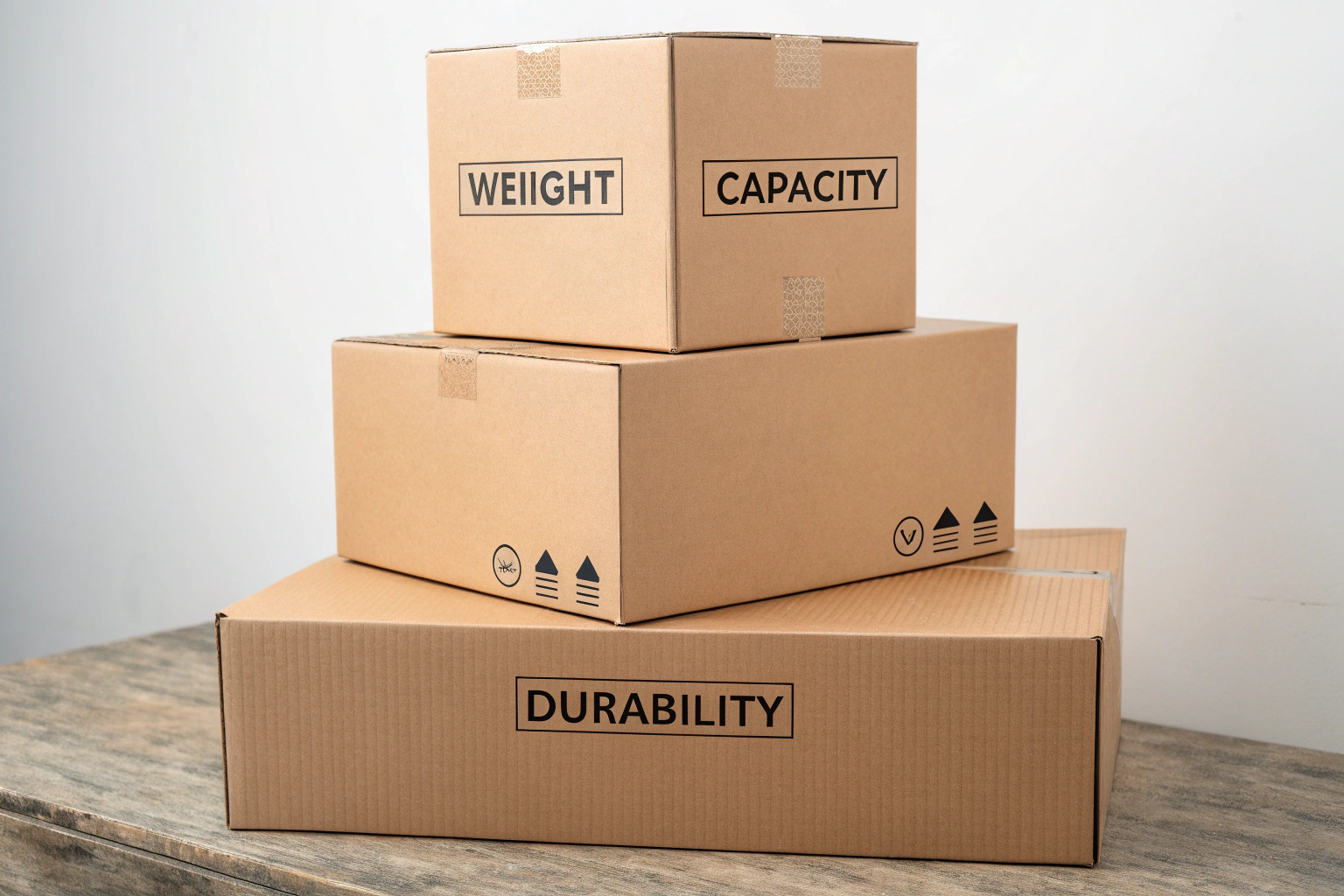
Corrugation gives boxes stacking strength, shock absorption, and material efficiency.
The flutes:
- Absorb vertical load
- Reduce impact transfer
- Improve strength-to-weight ratio
From a professional manufacturer’s view, this is why corrugated boxes dominate shipping, storage, and transport packaging. No single-layer paper can match this performance at the same weight.
How to confirm if a box is truly corrugated
There are simple checks.
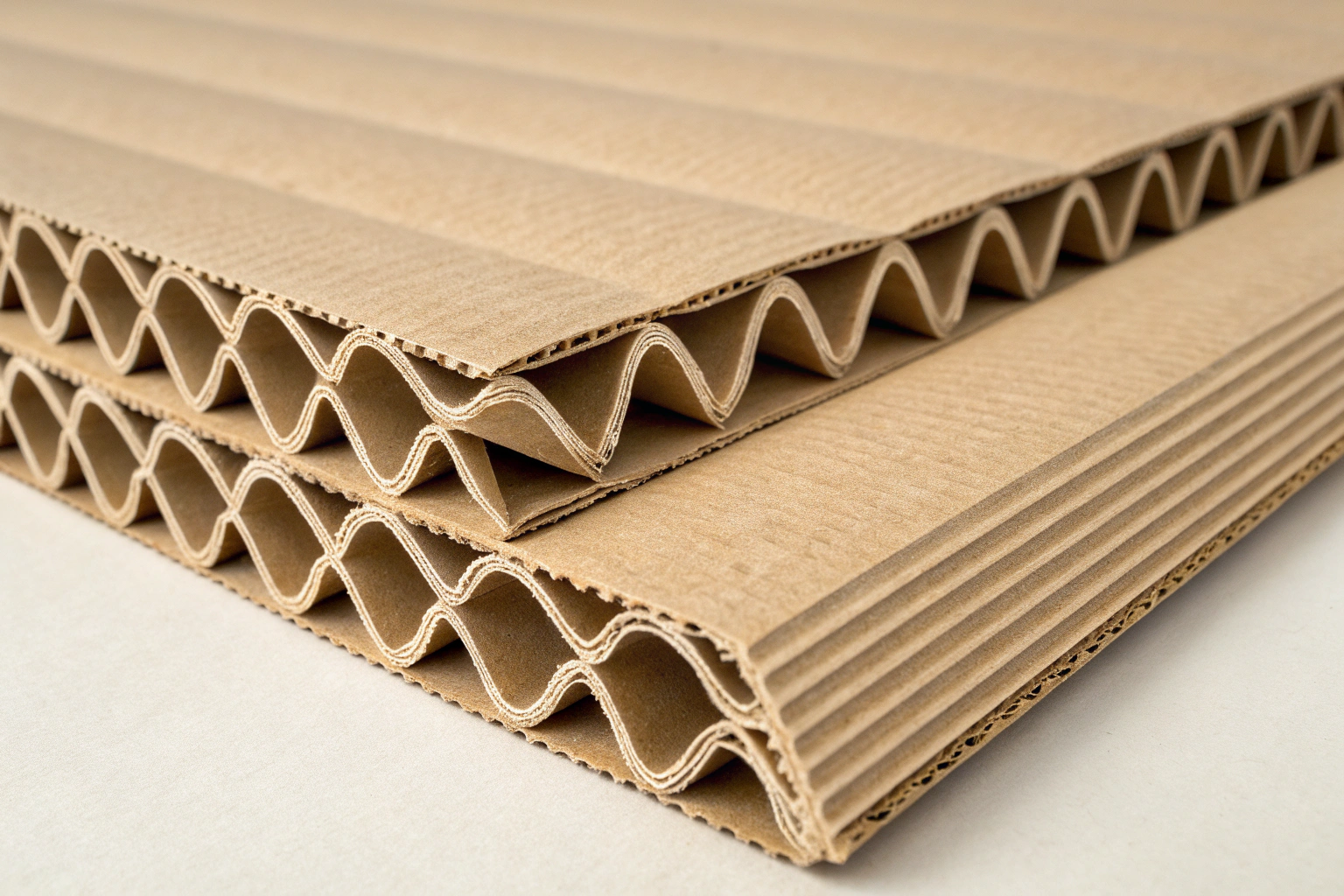
You can confirm corrugation by looking at the edge, cutting a cross-section, or reviewing production specifications.
Visible waves at the edge mean the box is corrugated. A clean cut will clearly show the fluted layer. In factory documentation, corrugated boxes are identified by flute type and wall structure.
Assumptions based on appearance alone often lead to mistakes.
When a box is not considered corrugated
Clarity avoids misuse.
A box is not corrugated if it is made from solid paperboard, chipboard, or compressed fiberboard without flutes.
These materials have their own uses, especially for retail or premium packaging, but they are structurally different.
As a manufacturer, I never use the term “corrugated” loosely. It describes a specific engineered structure.
Conclusion
A box is corrugated because it contains a fluted, wave-shaped paper layer bonded between liner papers. This internal structure, created during controlled factory production, is what gives corrugated boxes their strength, cushioning, and efficiency.
As a professional packaging manufacturer, I define corrugation by structure, not by thickness or appearance. When the fluted medium is present and properly bonded, the box is truly corrugated and capable of reliable performance in real-world packaging conditions.