Many packaging materials are labeled as “green” or “sustainable,” but environmental performance is often misunderstood. Packaging that looks eco-friendly on the surface can still create waste, inefficiency, and pollution if it is poorly designed or incorrectly produced.
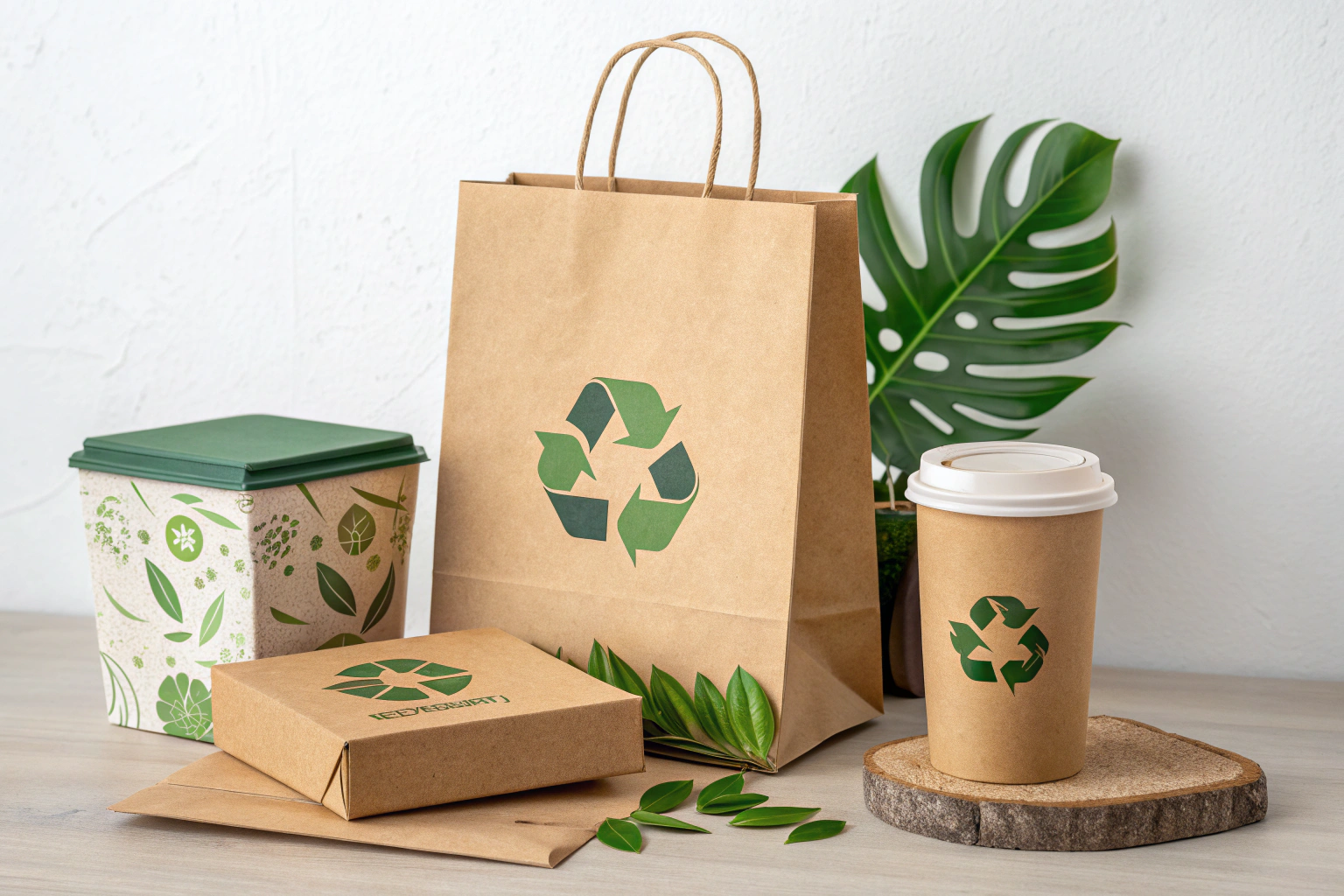
The most environmentally friendly packaging is packaging that uses renewable or recycled materials, minimizes material usage through smart structure design, and can be efficiently produced, reused, or recycled in real conditions. Environmental value comes from the full system, not a single label.
From a manufacturing perspective, environmental performance is decided inside the factory as much as after disposal. The following sections explain which types of packaging perform best and why.
Why Material Choice Matters for Environmental Packaging
Environmental impact starts with raw materials, long before packaging reaches the market.
Fiber-based materials such as paper, cardboard, and molded pulp are generally more environmentally friendly than fossil-based plastics.
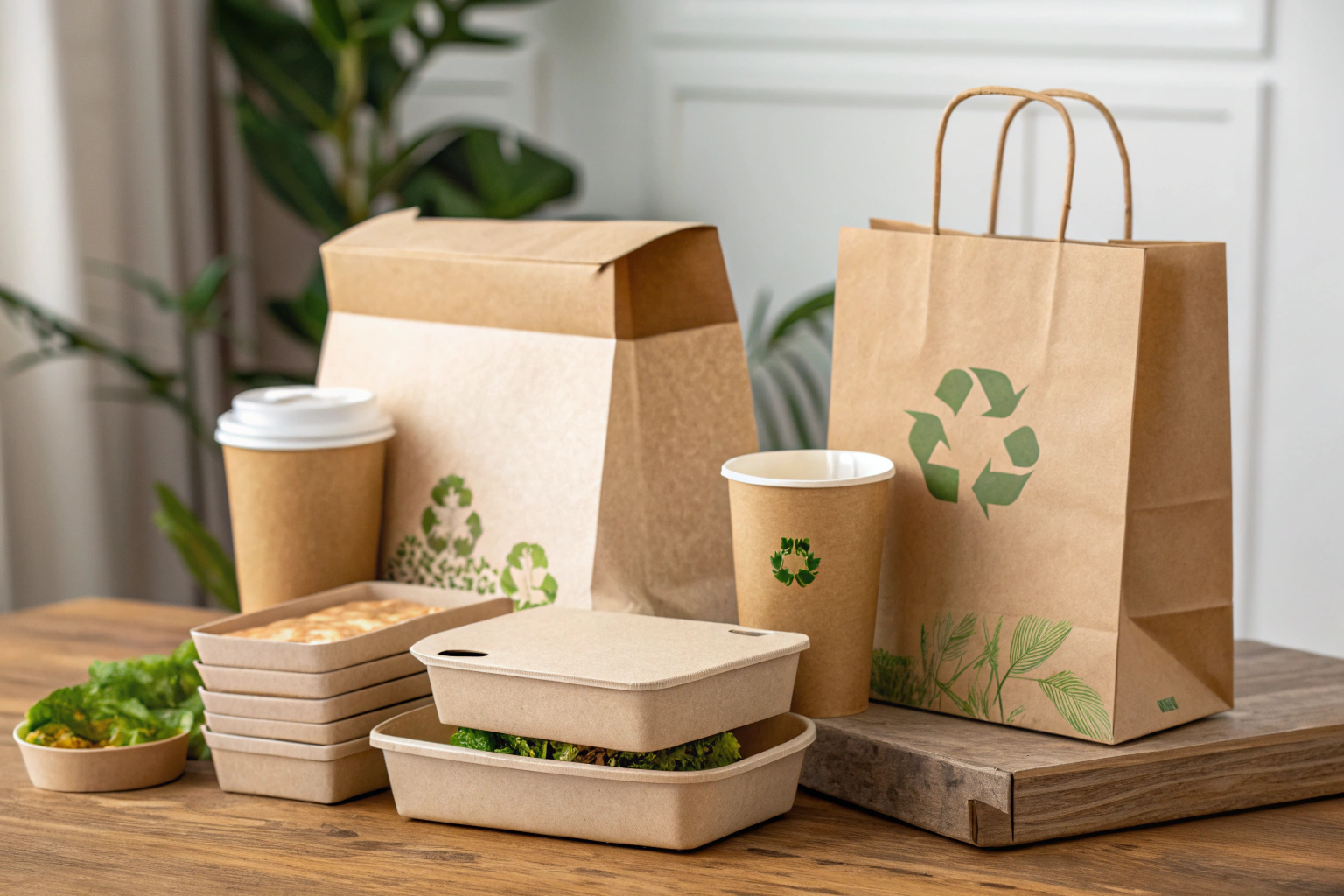
Paper and cardboard are made from renewable fiber resources and can include recycled content. These materials fit well into existing recycling systems and degrade naturally if disposal is not ideal. Plastic packaging relies on non-renewable resources and remains in the environment for long periods.
In manufacturing, fiber materials offer clearer sourcing documentation and more predictable environmental performance. This makes them easier to manage responsibly across long production cycles.
How Structure Design Reduces Environmental Impact
Material alone does not define sustainability. Structure design plays a critical role.
Environmentally friendly packaging uses optimized structures to achieve protection with less material.
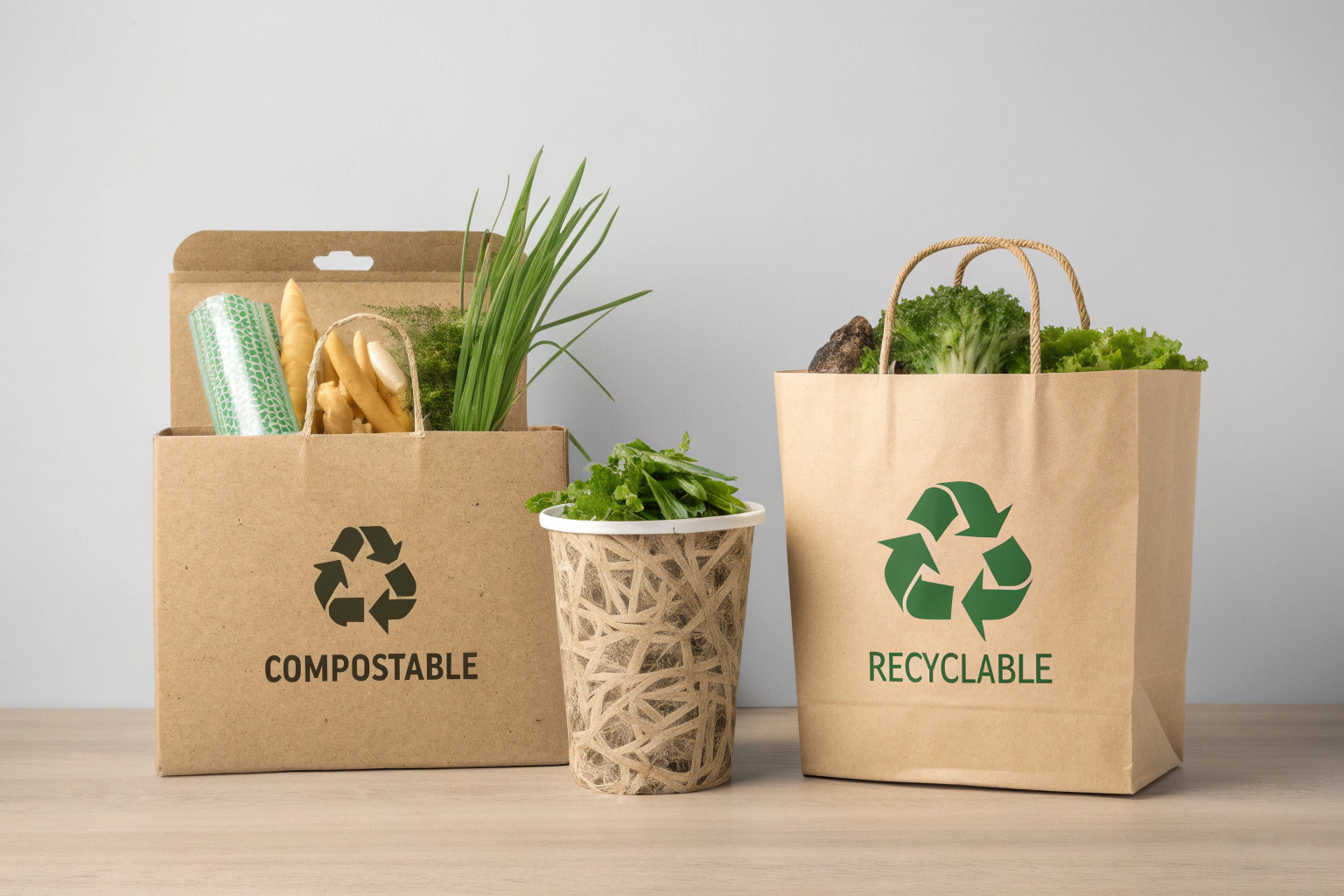
Well-designed boxes, cartons, and inserts reduce unnecessary layers and excess thickness. Strong folding geometry, reinforced stress points, and efficient internal layouts prevent product damage without overpackaging.
In the factory, structure optimization is achieved through CAD design, white samples, and performance testing. Compression and drop tests ensure that reduced material usage does not increase damage or replacement shipments. Fewer damaged products directly reduce environmental burden.
Why Paper-Based Packaging Is Often the Best Option
Paper-based packaging is one of the most widely used environmentally friendly solutions, but its advantage lies in execution.
Paper boxes, cartons, and bags provide a strong balance of recyclability, performance, and production stability.
Paper packaging supports high-quality printing, precise cutting, and consistent assembly. These qualities reduce defect rates and rework. Production scrap can often be recycled internally, lowering total waste.
From a workshop perspective, paper packaging processes such as printing, die-cutting, folding, and gluing are visible and controllable. This allows early detection of issues and stable output, which is essential for real environmental performance.
What Role Does Recycled and Molded Pulp Packaging Play?
Recycled fiber solutions are increasingly important in sustainable packaging systems.
Molded pulp and recycled paper packaging reduce reliance on virgin materials and support circular material use.
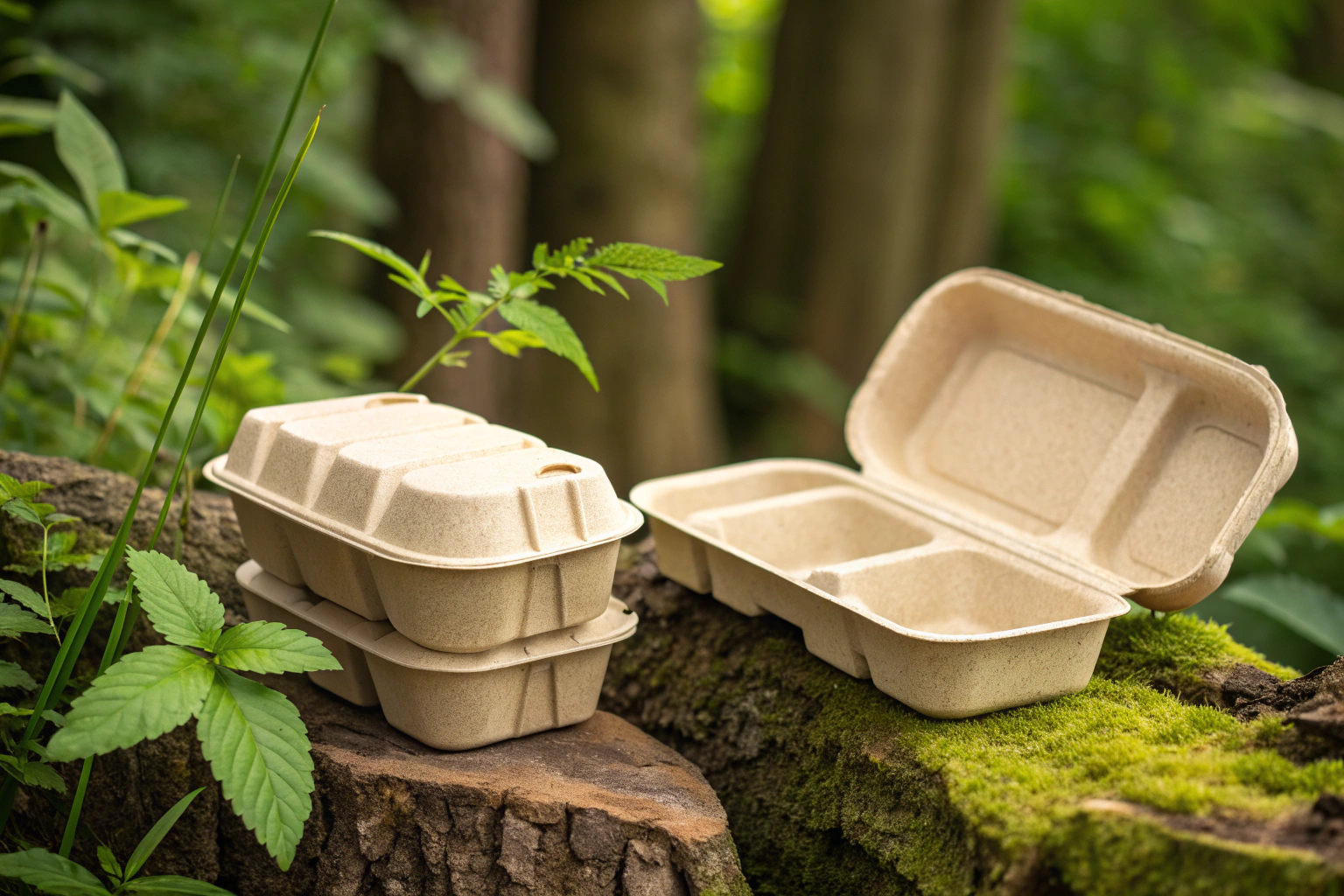
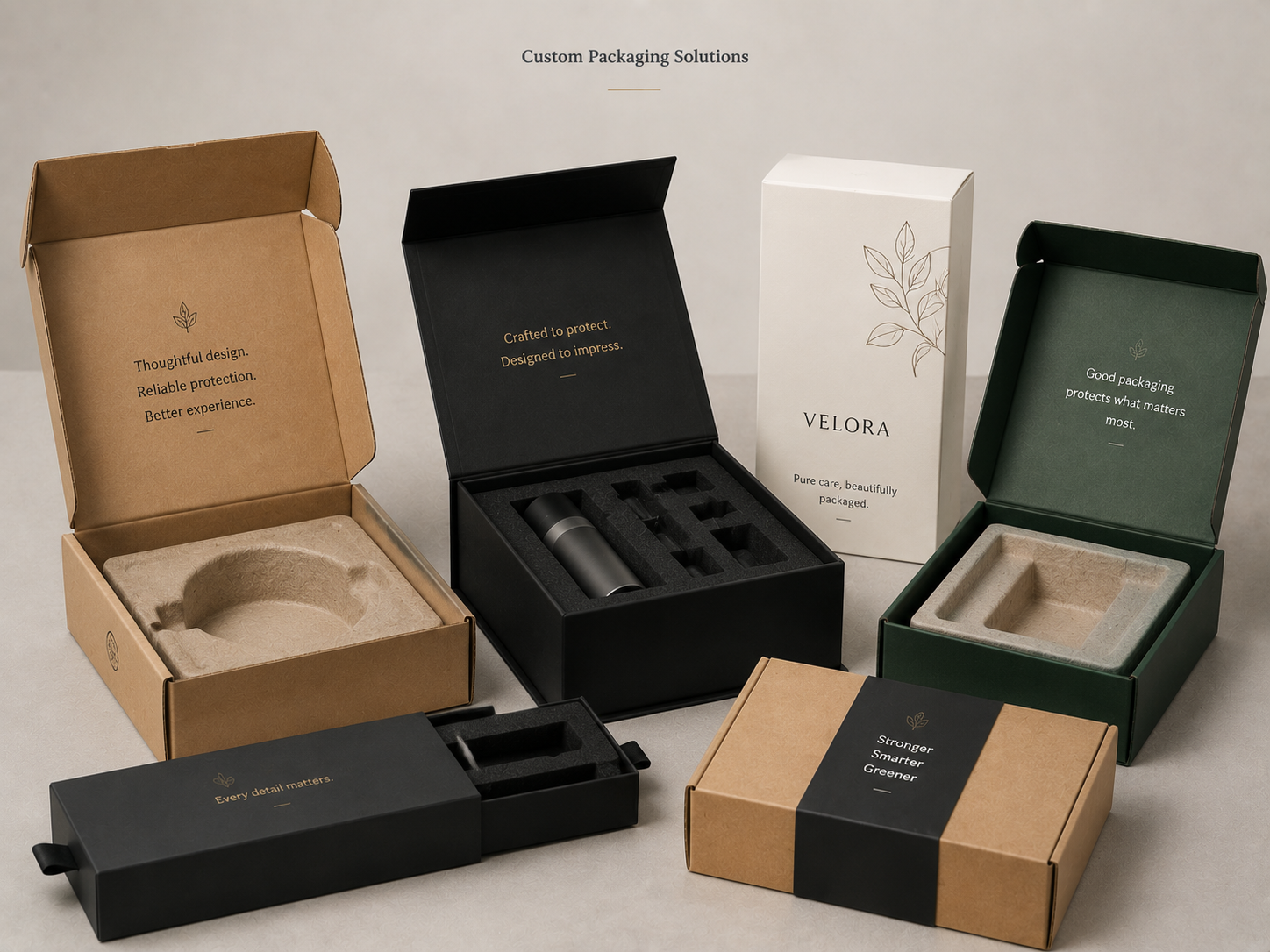
Molded pulp trays and inserts are commonly used for electronics, cosmetics, and consumer goods. They provide cushioning and protection while remaining fully recyclable. Recycled paperboard reduces pressure on forest resources and lowers carbon footprint.
In manufacturing, molded pulp production focuses on tooling accuracy, drying control, and dimensional stability. When processes are controlled, recycled fiber packaging performs reliably and supports long-term sustainability goals.
How Manufacturing Processes Affect Eco-Friendliness
Environmental impact is strongly influenced by production efficiency.
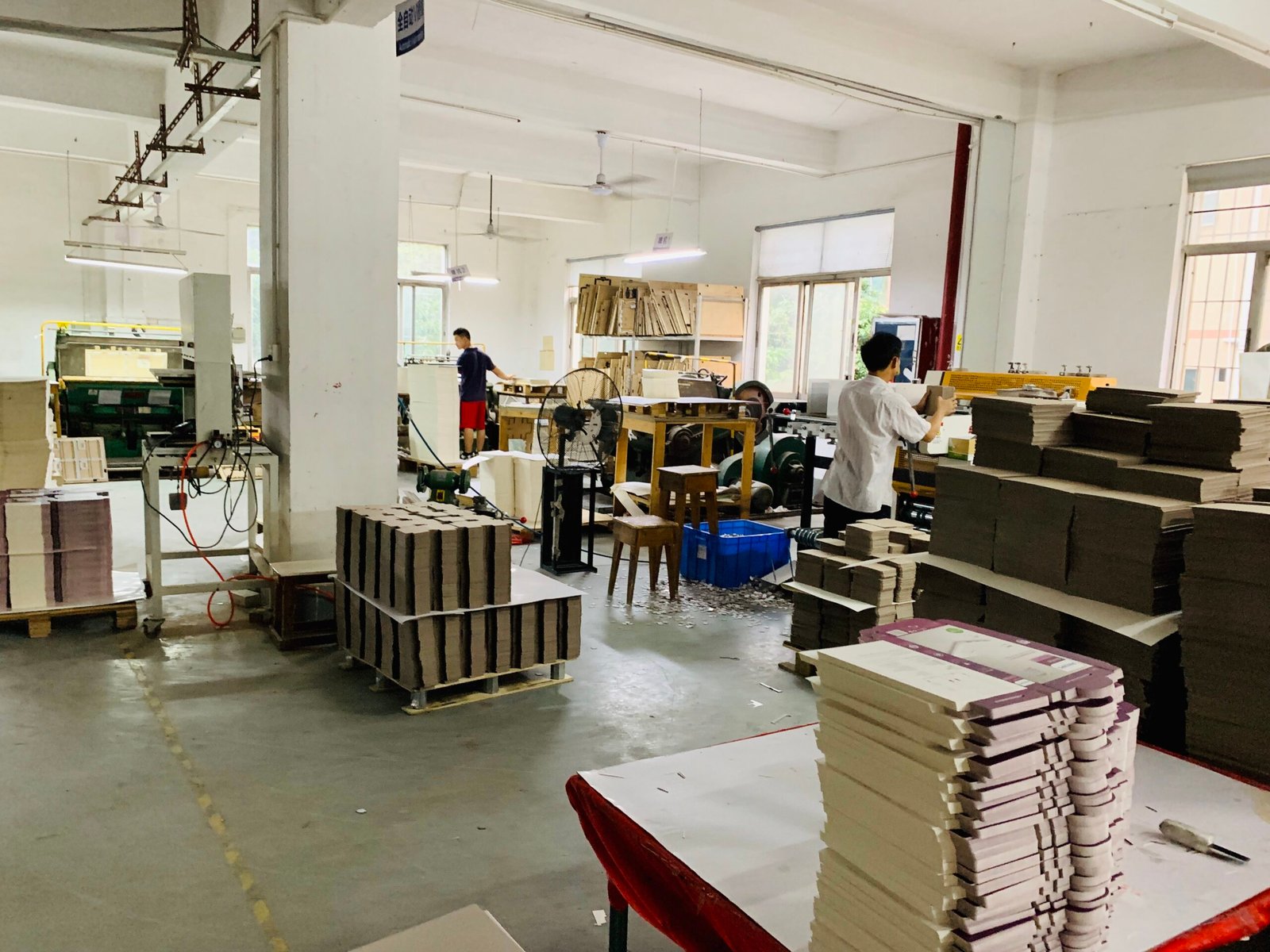
The most environmentally friendly packaging is produced through stable, low-waste manufacturing processes.
Paper packaging production allows clear inspection at every stage. Defects can be corrected early, reducing scrap. Material conditioning controls humidity and prevents warping. Machine calibration ensures consistent cutting and folding.
In contrast, unstable processes increase rework, waste, and energy use. From a factory standpoint, process discipline is as important as material choice when evaluating environmental impact.
When Is Plastic or Alternative Packaging Still Necessary?
No packaging material is perfect for all situations.
Plastic or coated packaging may still be required for liquid products, heavy moisture exposure, or extreme conditions.
In these cases, failure of paper packaging would lead to product loss and replacement, which increases overall environmental cost. The key is limiting plastic use to situations where it is technically necessary, rather than using it by default.
Manufacturing evaluation focuses on real use conditions such as weight, exposure, storage time, and transport risk before final material selection.
Conclusion
The most environmentally friendly packaging is not defined by a single material, but by how materials, structure design, and manufacturing processes work together. In most everyday and retail applications, paper-based packaging, recycled paperboard, and molded pulp solutions provide the best balance of renewability, recyclability, and production stability.
From a manufacturing perspective, true sustainable packaging reduces waste inside the factory, prevents product damage during transport, and fits real recycling systems after use. Poorly designed “green” packaging that fails in practice creates more waste than it saves. When material choice, structural engineering, and workshop process control are aligned, environmentally friendly packaging becomes practical, measurable, and reliable rather than symbolic.