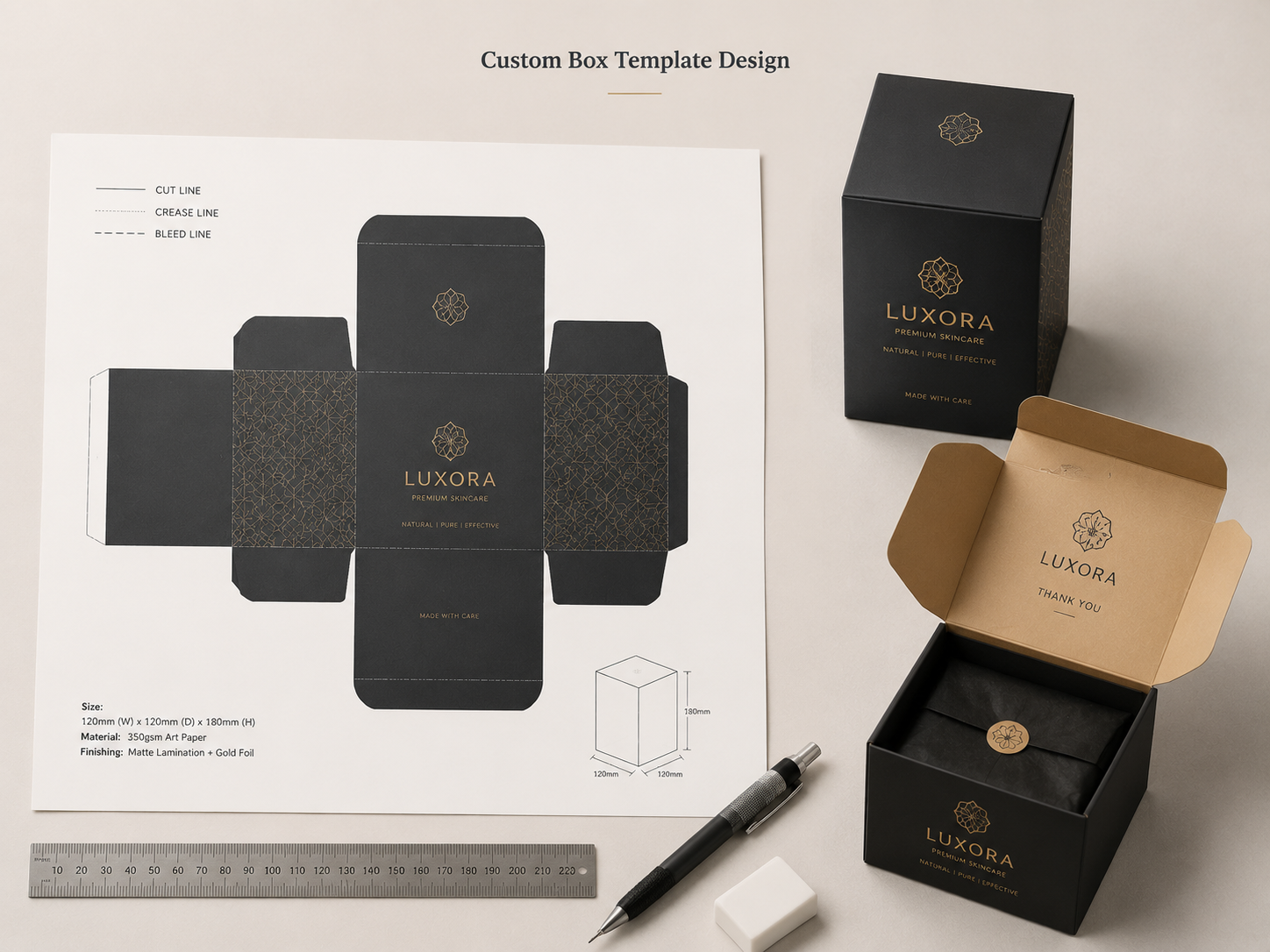
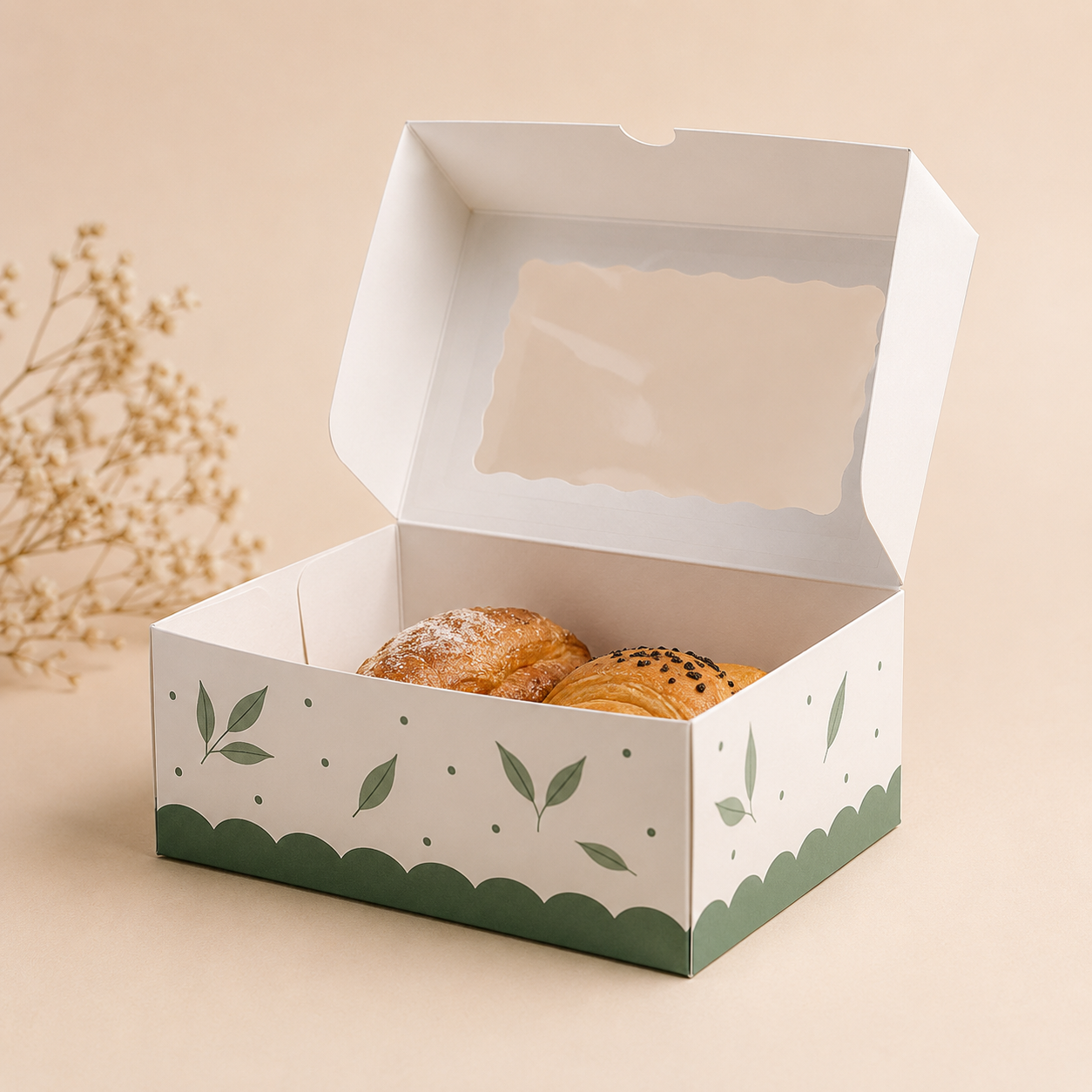
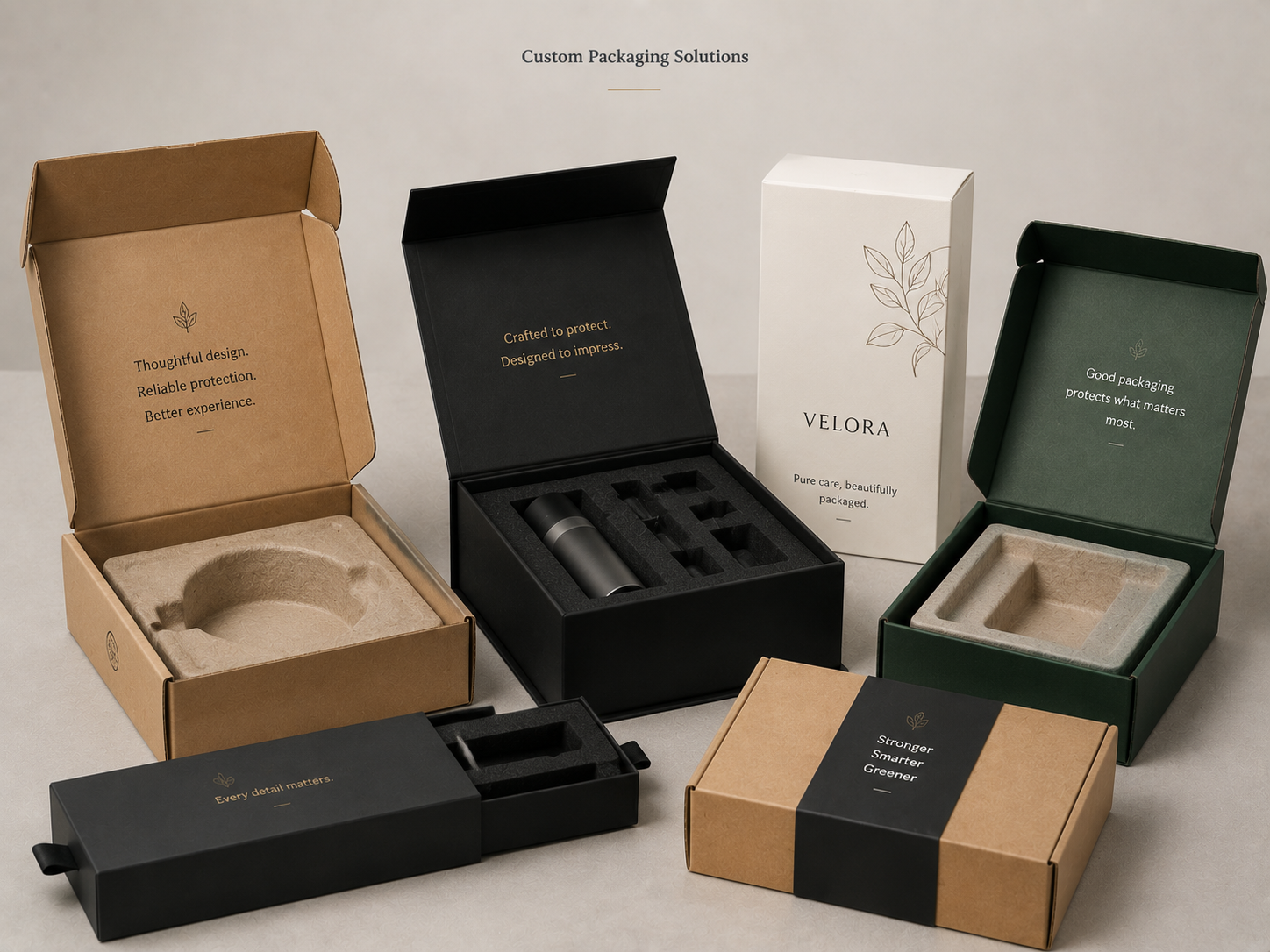
Many buyers think corrugated boxes are only for shipping. This narrow view often leads to missed opportunities in cost control, protection, and branding.
Corrugated boxes are used across logistics, retail, e-commerce, manufacturing, and industrial supply chains to protect products, improve efficiency, and support sustainability goals.
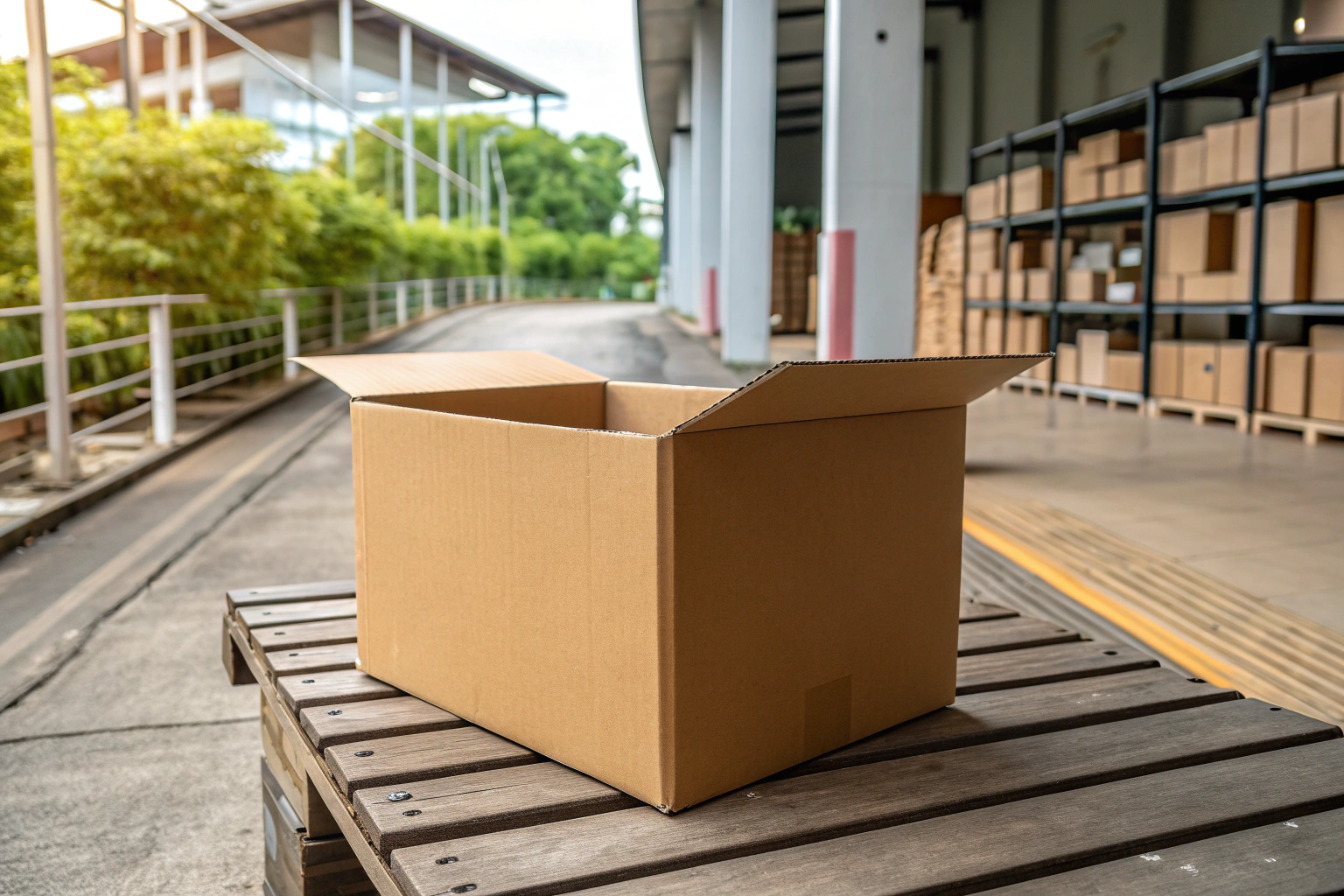
As a manufacturer, I look at corrugated boxes as infrastructure. They support products at every stage, from factory floor to end consumer.
Where Are Corrugated Boxes Used in Logistics and Transportation?
Logistics is the most common use case.
Corrugated boxes are used in logistics to protect goods during transport, stacking, and storage.
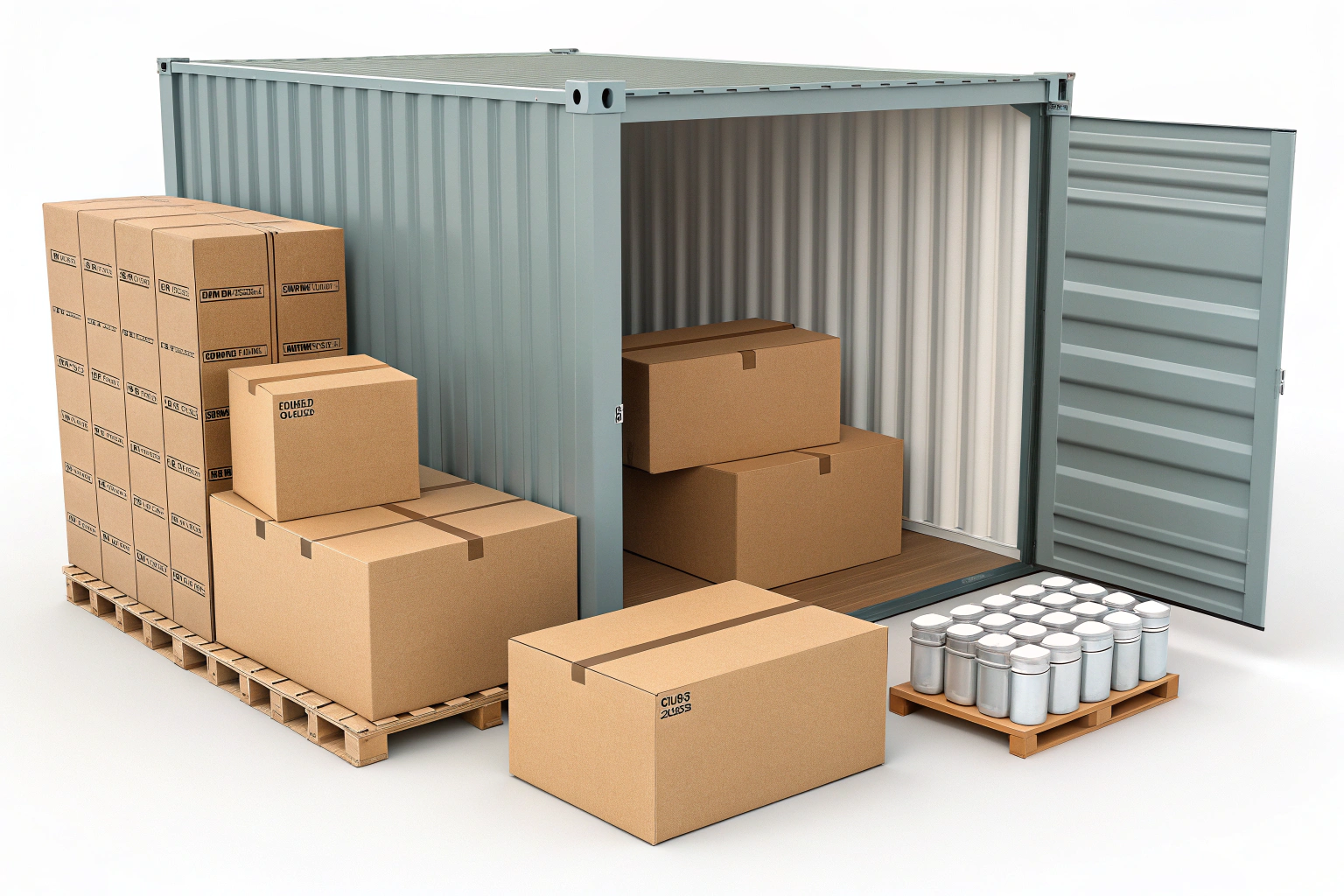
Shipping environments are harsh.
Corrugated boxes are designed to handle vibration, drops, compression, and repeated handling. Single wall boxes support light goods. Double and triple wall boxes handle heavier loads and pallet stacking.
In manufacturing, cartons are designed based on pallet size, stacking height, and container loading. Correct carton design reduces damage, improves space use, and lowers freight cost. This is why corrugated packaging dominates global transport systems.
Where Are Corrugated Boxes Used in Warehouses?
Warehouses rely on stable packaging.
Corrugated boxes are used in warehouses for stacking, inventory storage, and internal material handling.
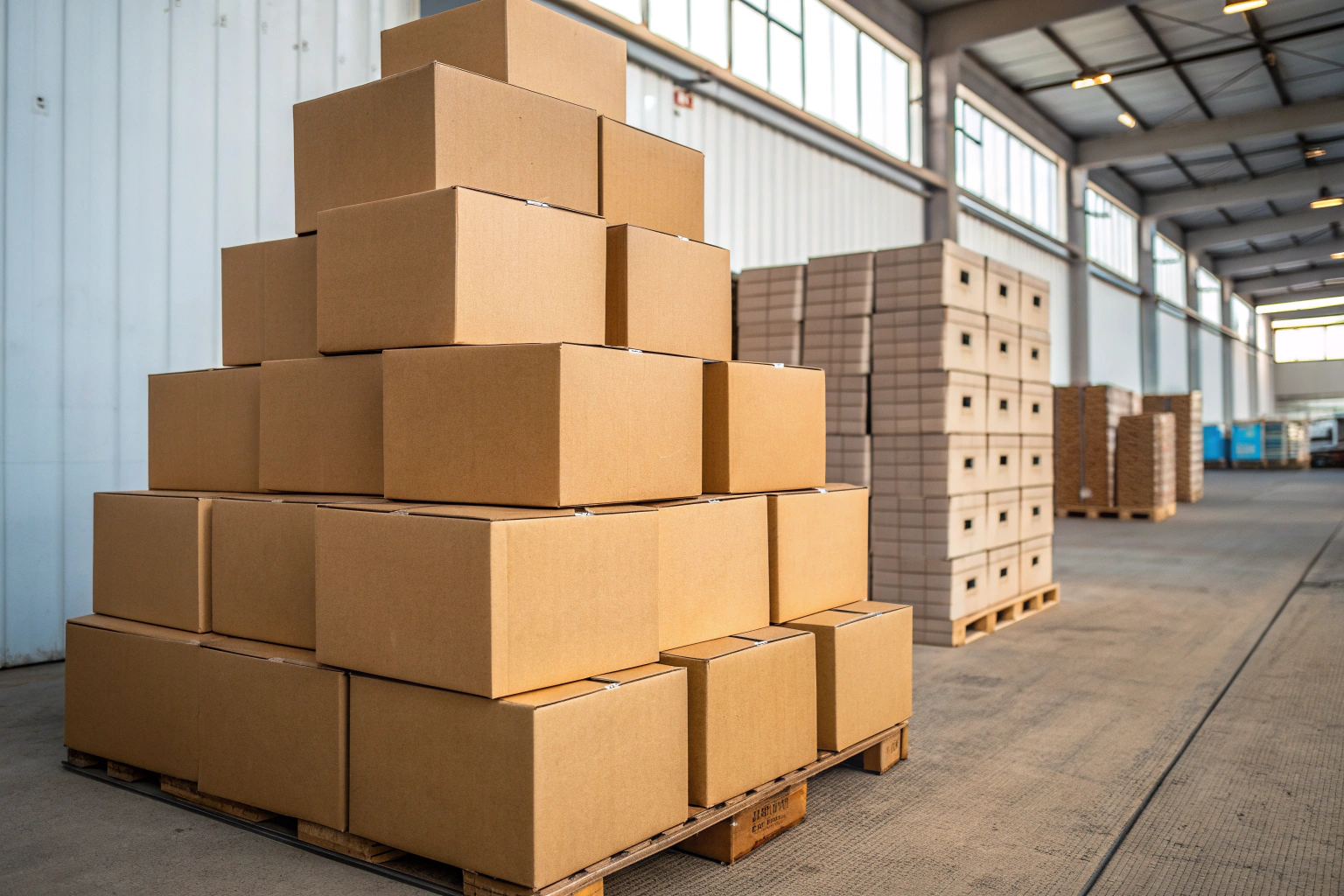
Stacking strength is critical.
Corrugated boxes must maintain shape under vertical load for weeks or months. Proper flute type and paper grade prevent collapse. Standardized carton sizes also support automated systems and manual handling.
From a factory view, warehouse use often drives higher compression requirements than shipping alone. This is why carton design must consider storage time, not just transport distance.
Where Are Corrugated Boxes Used in E-commerce?
E-commerce has changed packaging demand.
Corrugated boxes are widely used in e-commerce for order fulfillment, last-mile delivery, and return handling.
E-commerce adds more handling steps.
Packages move through fulfillment centers, sorting hubs, couriers, and doorsteps. Corrugated mailer boxes and die-cut cartons improve packing speed and reduce void fill. Right-sized cartons lower shipping cost and reduce damage.
From manufacturing, e-commerce cartons focus on fast assembly, stable locking structures, and consistent quality. These factors help sellers manage high order volumes efficiently.
Where Are Corrugated Boxes Used in Retail and Display?
Corrugated boxes also support retail operations.
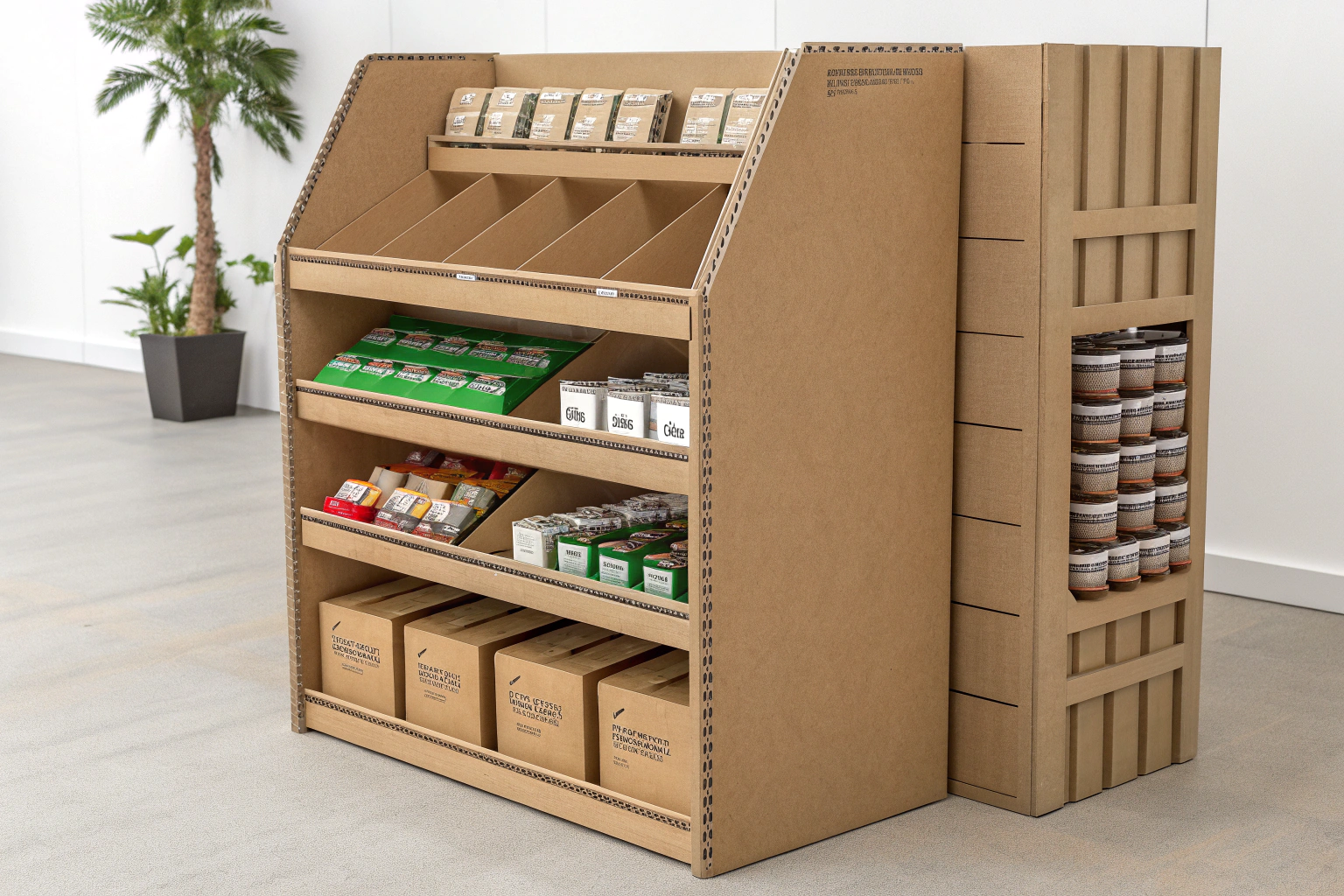
Corrugated boxes are used in retail for shelf-ready packaging, point-of-sale displays, and stock replenishment.
Retail needs speed and presentation.
Shelf-ready cartons allow staff to place products directly on shelves. Printed corrugated displays promote products at low cost. Trays and sleeves group items for easy handling.
From a manufacturing perspective, retail cartons require good printing, clean die-cuts, and structural stability. They must look acceptable while still performing like transport packaging.
Where Are Corrugated Boxes Used in Manufacturing and Factories?
Factories depend on corrugated packaging daily.
Corrugated boxes are used inside factories for component storage, internal transport, and finished goods packing.
Internal logistics matter.
Corrugated cartons move parts between workstations and protect finished products before shipment. Reusable heavy-duty cartons are often used for internal circulation.
From a factory-side view, these cartons prioritize durability, consistent size, and easy handling. Appearance is secondary to function, but quality must still be stable.
Where Are Corrugated Boxes Used in Different Industries?
Industry needs define carton design.
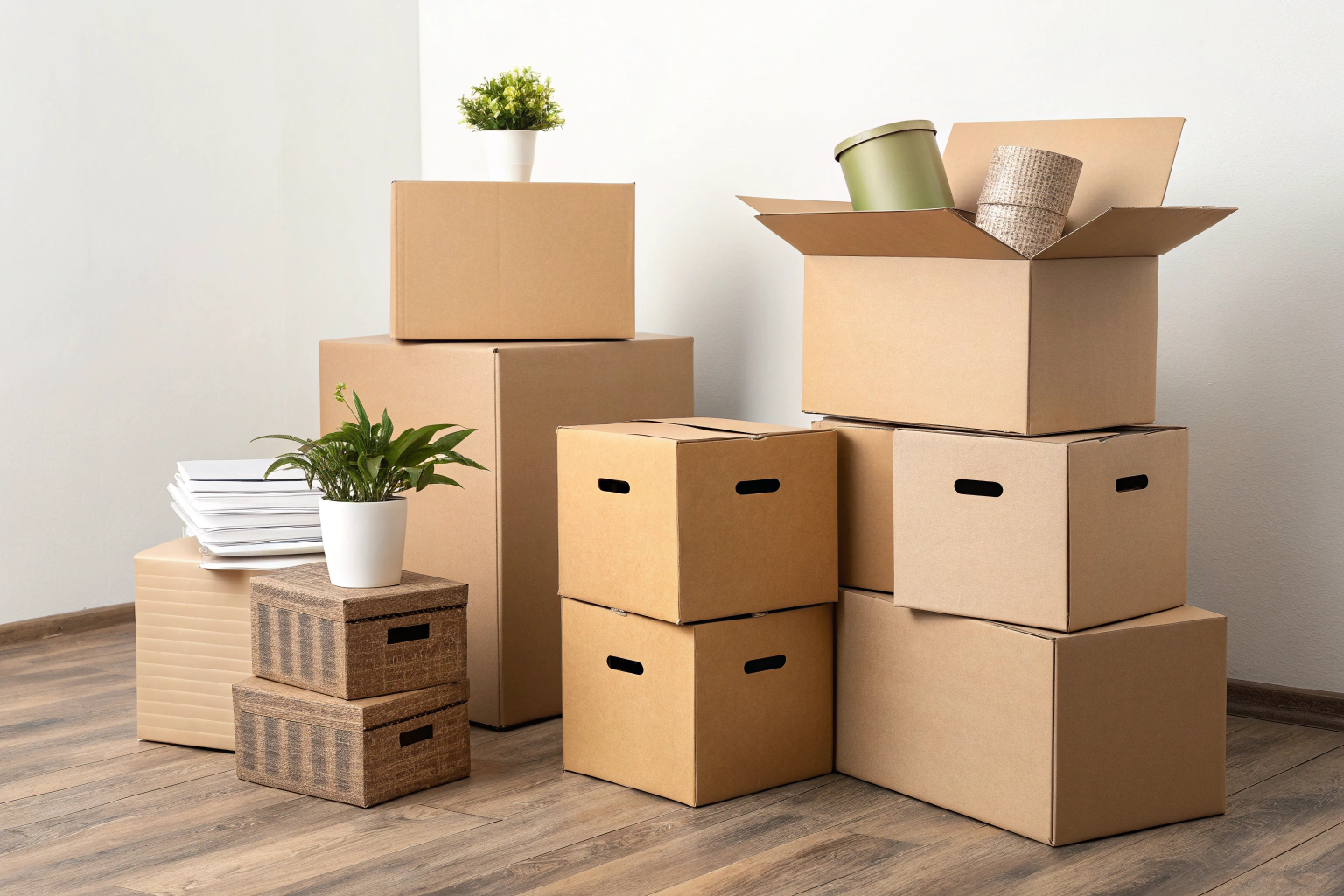
Corrugated boxes are used across electronics, cosmetics, food, daily goods, gifts, and industrial sectors.
Each industry uses cartons differently.
Electronics packaging focuses on protection and internal fit. Cosmetics and gifts emphasize printing and appearance. Food packaging requires clean materials and compliance. Industrial products demand high load capacity and durability.
As a manufacturer, I adjust structure, flute type, and paper grade based on industry use. This ensures cartons meet real operational requirements.
Where Are Corrugated Boxes Used for Sustainability Purposes?
Sustainability drives many packaging decisions.
Corrugated boxes are used as a sustainable alternative to plastic and foam packaging.
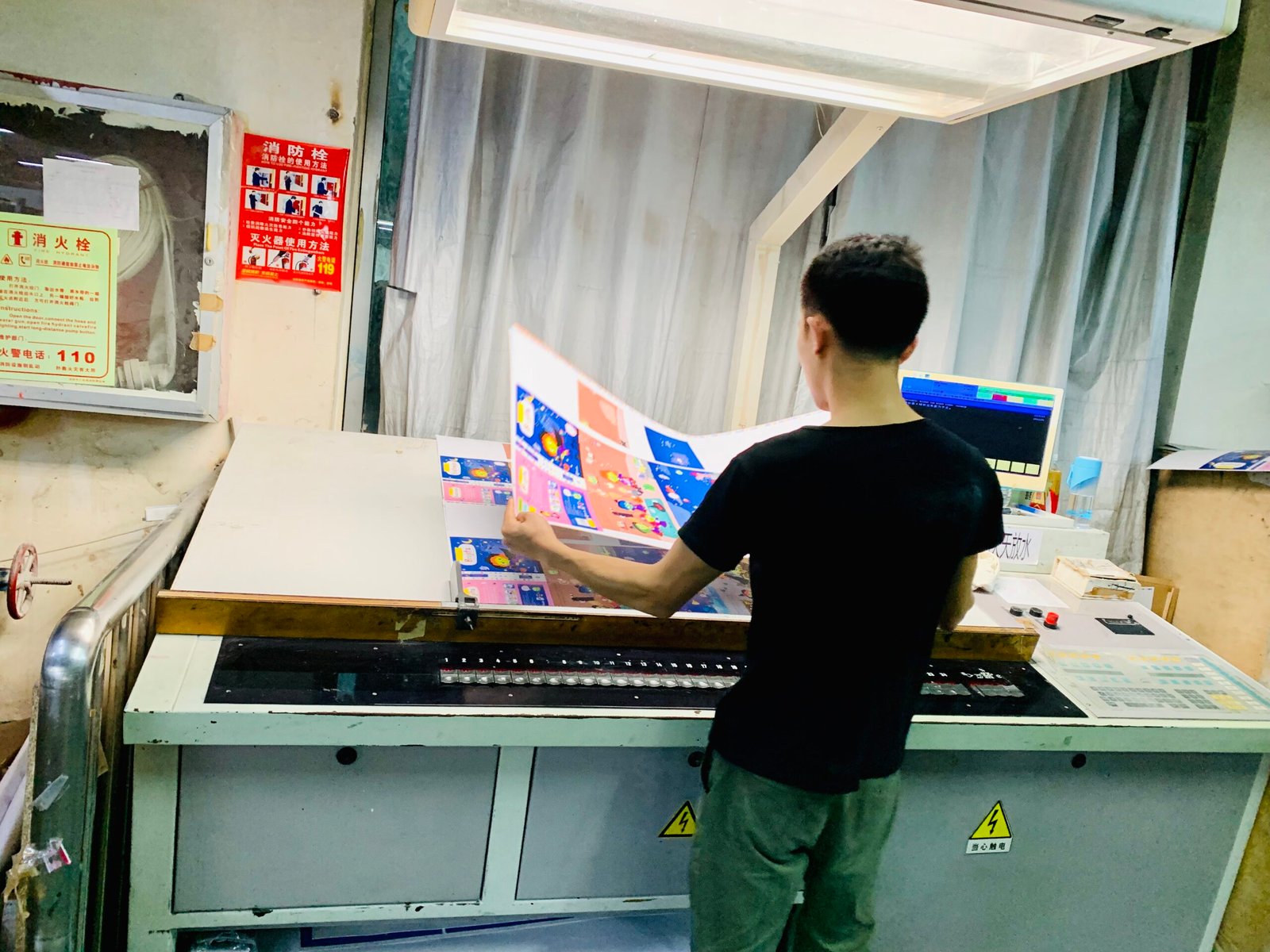
Paper-based systems are widely accepted.
Corrugated boxes are recyclable and often made from recycled fibers. FSC-certified paper supports environmental compliance. Structural optimization reduces material use without sacrificing strength.
From a manufacturing standpoint, corrugated packaging fits well into circular economy models. This makes it a preferred choice for brands with sustainability goals.
Where Are Corrugated Boxes Used Compared to Other Packaging Types?
Corrugated boxes work as part of a system.
Corrugated boxes are often used as outer packaging, while inner packaging may use paperboard or molded pulp.
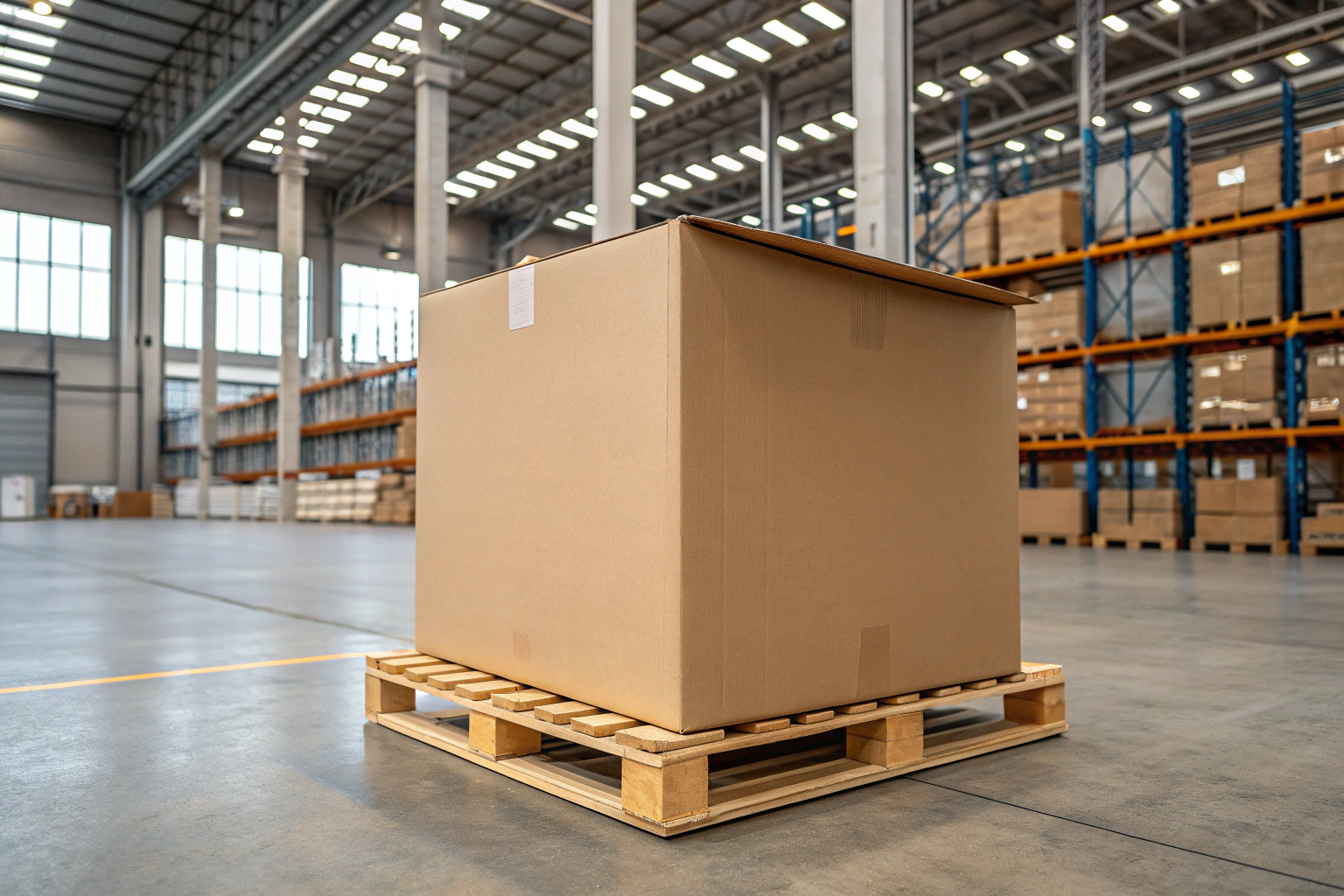
Each layer has a role.
Corrugated cartons protect during transport and storage. Inner boxes handle branding and presentation. This combination balances protection, appearance, and cost.
As a manufacturer, I design corrugated packaging to integrate smoothly with inner packaging. This avoids over-packaging and improves efficiency.
Conclusion
Corrugated boxes are used throughout the entire supply chain, including logistics, warehousing, e-commerce, retail, manufacturing, and industrial applications. They protect products, support stacking and transport, improve operational efficiency, and meet sustainability requirements. As a manufacturer, I see corrugated boxes as a foundational packaging solution rather than a simple container. When designed correctly for their specific use environment, corrugated boxes deliver reliable performance, controlled cost, and long-term value across global supply chains.