Many buyers use kraft bags every day, but few stop to ask why they are called “kraft.” This small question actually reveals why kraft bags are so widely trusted in packaging.
They are called kraft bags because they are made from kraft paper, and the word “kraft” comes from German, meaning “strength,” which describes the bag’s core performance advantage.

When I explain this to procurement managers, it often changes how they evaluate paper bags. Kraft bags are not named for style or color. They are named for strength and reliability.
What Does “Kraft” Mean in Kraft Bags?
Many people assume “kraft” is just a product name. It is not.
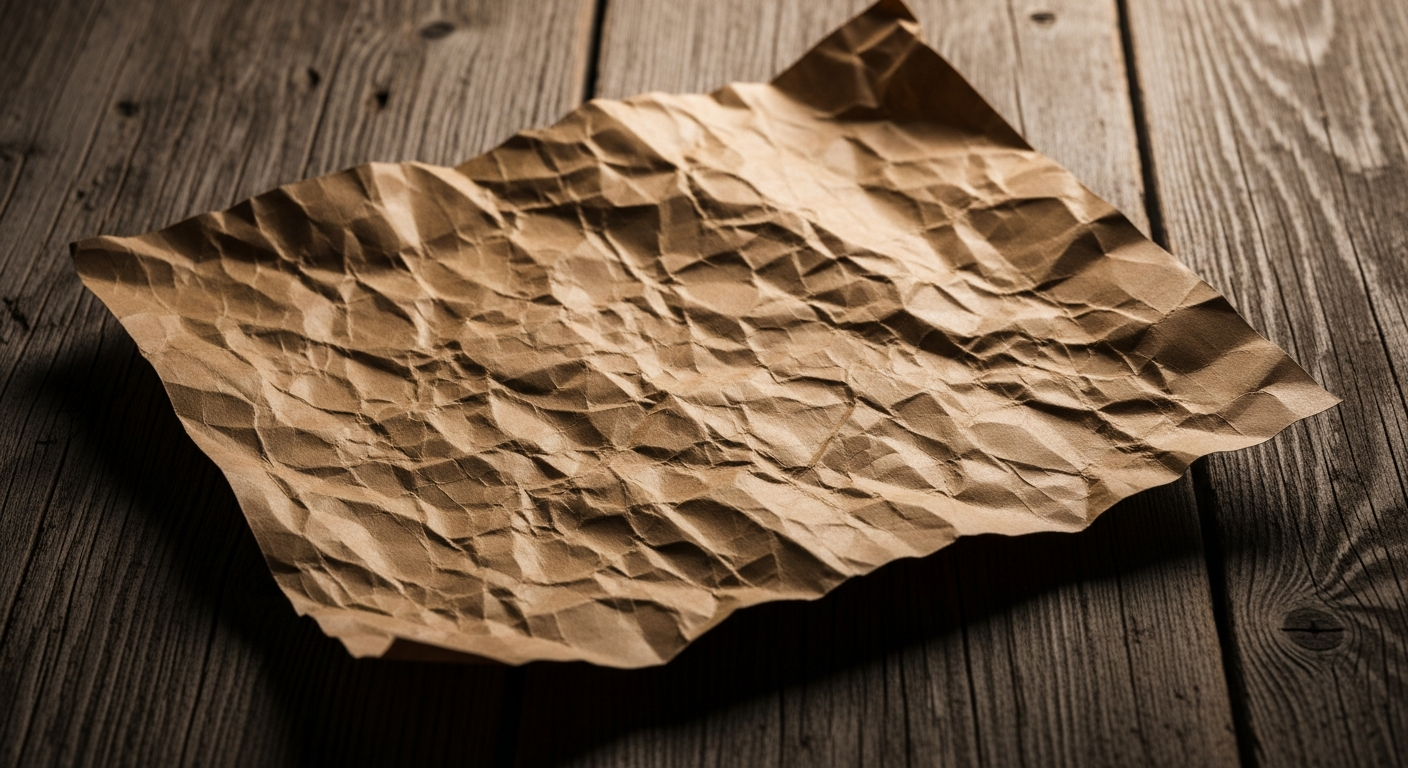
The word “kraft” comes from German and means strength or power, directly referring to the paper’s durability.
Historically, when kraft paper was developed, it was much stronger than traditional paper. Bags made from it could carry more weight without tearing. The name stayed because it described real performance.
Meaning behind the name
| Term | Meaning |
|---|---|
| Kraft (German) | Strength |
| Kraft paper | Strong paper |
| Kraft bag | Strong paper bag |
From a manufacturer’s view, the name still makes sense today. When buyers choose kraft bags, they expect load strength and reliability.
What Are Kraft Bags Made Of?
Some buyers think kraft bags are just brown paper bags. This is an oversimplification.
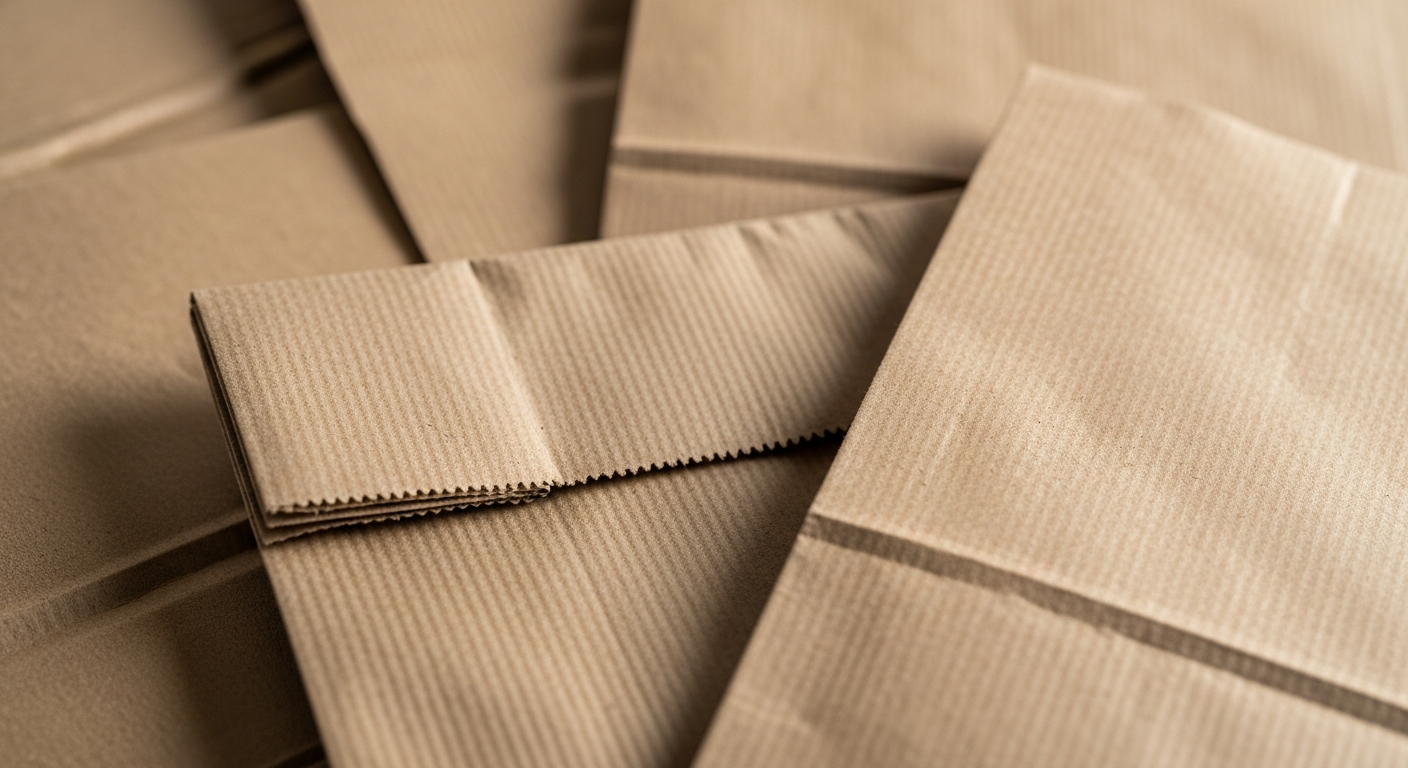
Kraft bags are made from kraft paper, which is produced from wood pulp using the kraft pulping process that preserves long, strong fibers.
Softwood fibers like pine or spruce are commonly used. These fibers are long and flexible, which gives the bag tear resistance and carrying strength.
Common kraft paper types used for bags
| Kraft Paper Type | Typical Use |
|---|---|
| Virgin brown kraft | Heavy-duty shopping bags |
| White kraft | Premium retail bags |
| Recycled kraft | Cost-focused bags |
In our factory sourcing, bag-grade kraft paper is selected specifically for folding strength and handle performance.
Why Are Kraft Bags Stronger Than Regular Paper Bags?
Many buyers compare bags by thickness only. This causes wrong expectations.
Kraft bags are stronger because the kraft pulping process keeps fibers longer and less damaged than other paper-making methods.
Long fibers bond better. This improves tear resistance, especially at stress points like handles and bottom folds.
Strength advantages of kraft bags
| Feature | Benefit |
|---|---|
| Long fibers | Higher tear resistance |
| Dense bonding | Better load capacity |
| Flexible paper | Less cracking |
This is why kraft bags are widely used for groceries, apparel, electronics, and takeaway food.
Why Are Kraft Bags Usually Brown?
Many people think the brown color defines kraft bags. That is only partly true.
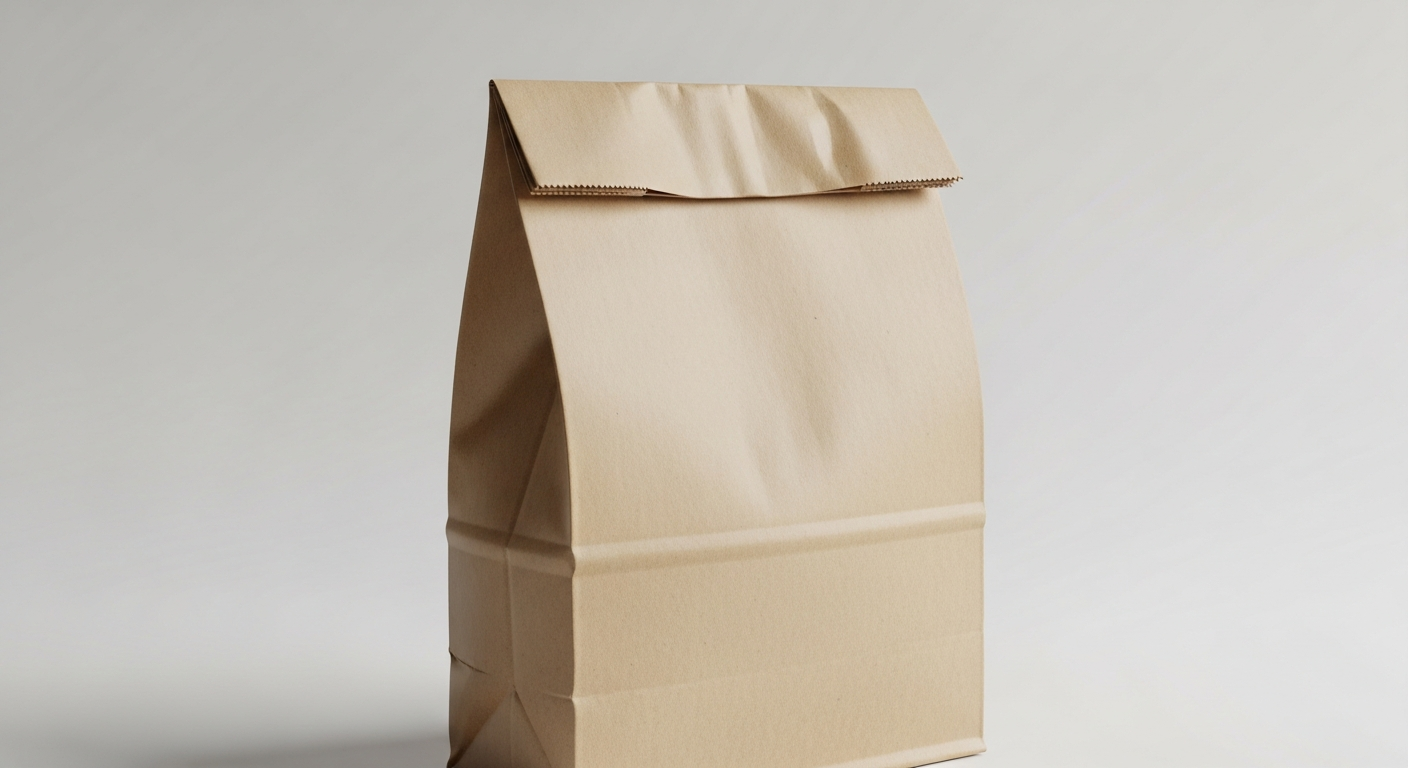
Kraft bags are usually brown because kraft paper is often unbleached, not because of the name “kraft.”
Unbleached kraft paper keeps more natural fiber strength and costs less to produce. It also signals sustainability, which many brands value.
Brown vs white kraft bags
| Type | Advantage | Trade-off |
|---|---|---|
| Brown kraft bag | Stronger, eco look | Less print contrast |
| White kraft bag | Cleaner appearance | Higher cost |
In our projects, brown kraft bags are popular for eco branding. White kraft bags are chosen for fashion and premium retail.
Why Did Kraft Bags Become So Popular?
Kraft bags did not become popular by accident.
Kraft bags gained popularity because they combine strength, low cost, recyclability, and scalability for mass production.
From a manufacturing and supply view, kraft bags solved many problems at once.
Reasons buyers prefer kraft bags
| Reason | Buyer Value |
|---|---|
| High strength | Carry heavier products |
| Recyclable | Easy compliance |
| Custom printable | Brand visibility |
| Cost efficient | Scalable supply |
This makes kraft bags suitable for both small shops and large international brands.
Are Kraft Bags Eco-Friendly?
This is one of the first questions buyers ask.
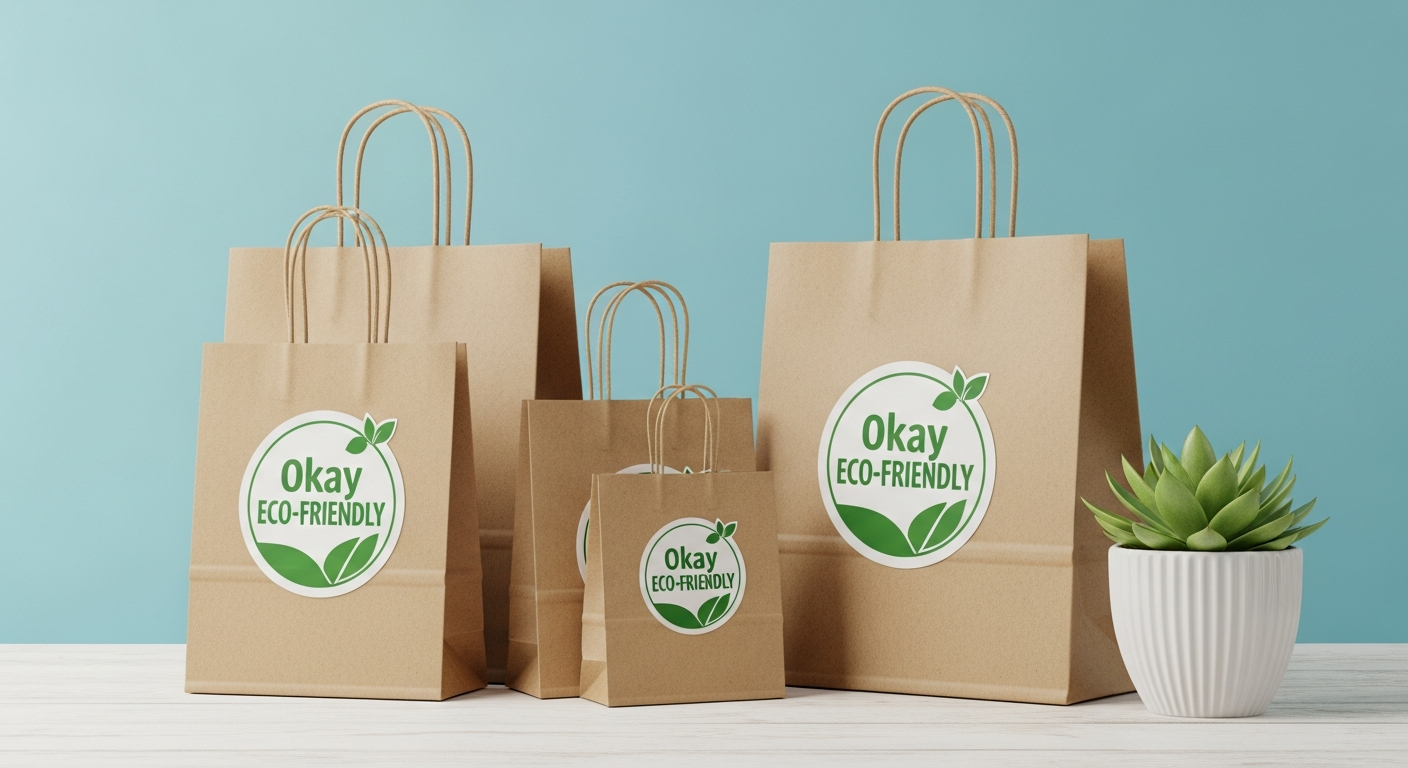
Kraft bags are considered eco-friendly when made from responsibly sourced paper and printed with compliant inks.
Kraft bags are paper-based and recyclable. Many are made with FSC-certified paper.
Sustainability factors buyers should check
| Factor | Why It Matters |
|---|---|
| FSC certification | Responsible forestry |
| Recyclability | End-of-life disposal |
| Ink type | Clean recycling |
| Fiber source | Strength vs footprint |
In our factory, FSC kraft bags are often a standard request from US and EU brands.
How Are Kraft Bags Made in the Factory?
Some buyers underestimate the manufacturing behind a simple paper bag.
Kraft bags are produced through printing, cutting, folding, gluing, and strict quality control.
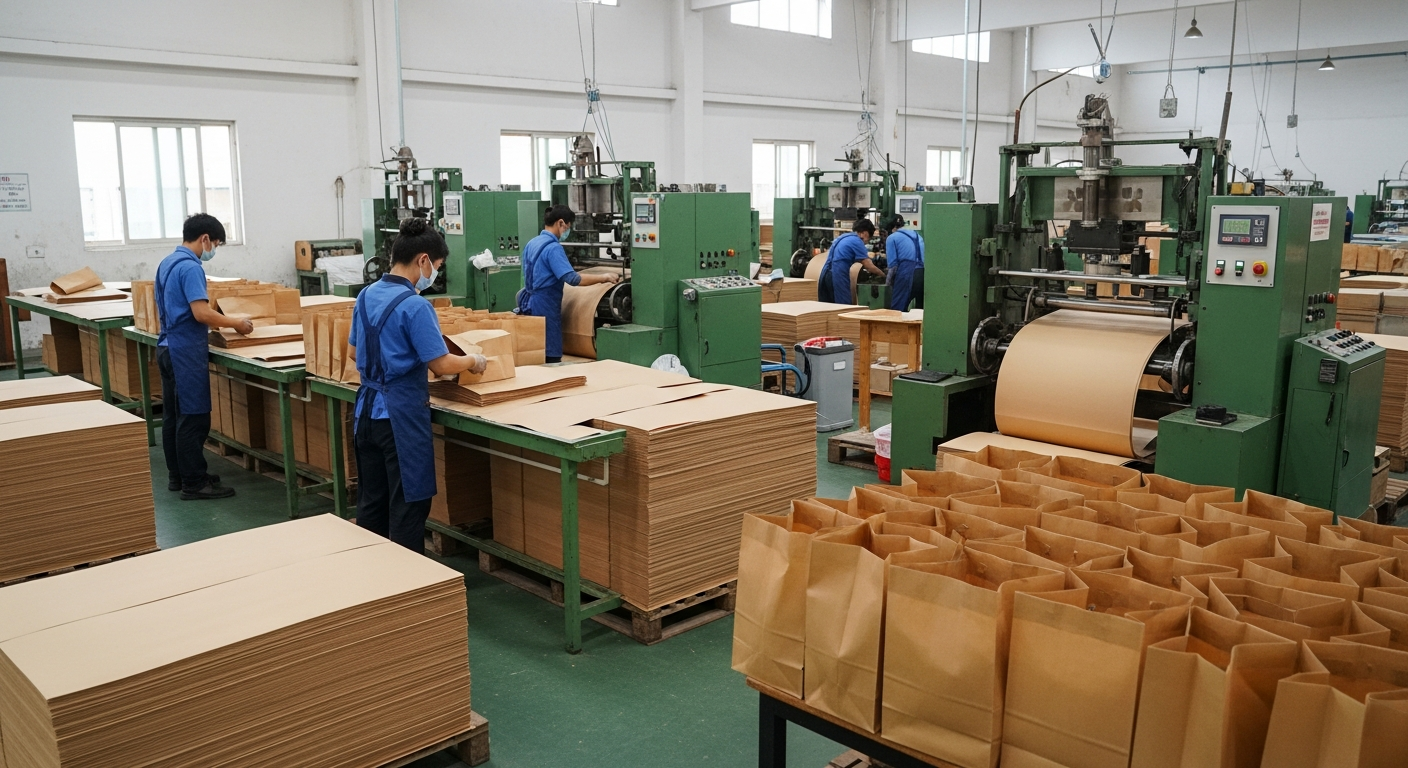
In our workshop, kraft paper rolls are conditioned to control moisture before bag making. This prevents cracking and weak folds.
Our kraft bag production process
- Paper conditioning
- Printing
- Cutting and folding
- Handle attachment
- Load testing and inspection
Handle strength is a critical control point. A strong bag fails if the handle fails.
Does the Name “Kraft” Still Matter Today?
Some buyers think the name is just tradition. It still has meaning.
The word “kraft” still signals strength, durability, and suitability for carrying and packaging.

From a sourcing view, when a supplier specifies kraft bags, buyers immediately expect higher performance than ordinary paper bags.
Conclusion
Kraft bags are called “kraft” because the word means strength, and strength is exactly what these bags are designed to deliver. The name comes from history, but the performance remains relevant today.
As a manufacturer, I see this daily on the production floor. Kraft bags are not just brown paper bags. They are engineered paper packaging built to carry weight, support brands, and meet modern sustainability needs.