Designers rely on pattern-making materials that stay stable, easy to handle, and accurate over time. Poor material choices lead to distorted shapes, measurement errors, and wasted development time. Kraft paper has become a standard material because it solves these practical problems in daily design and production work.
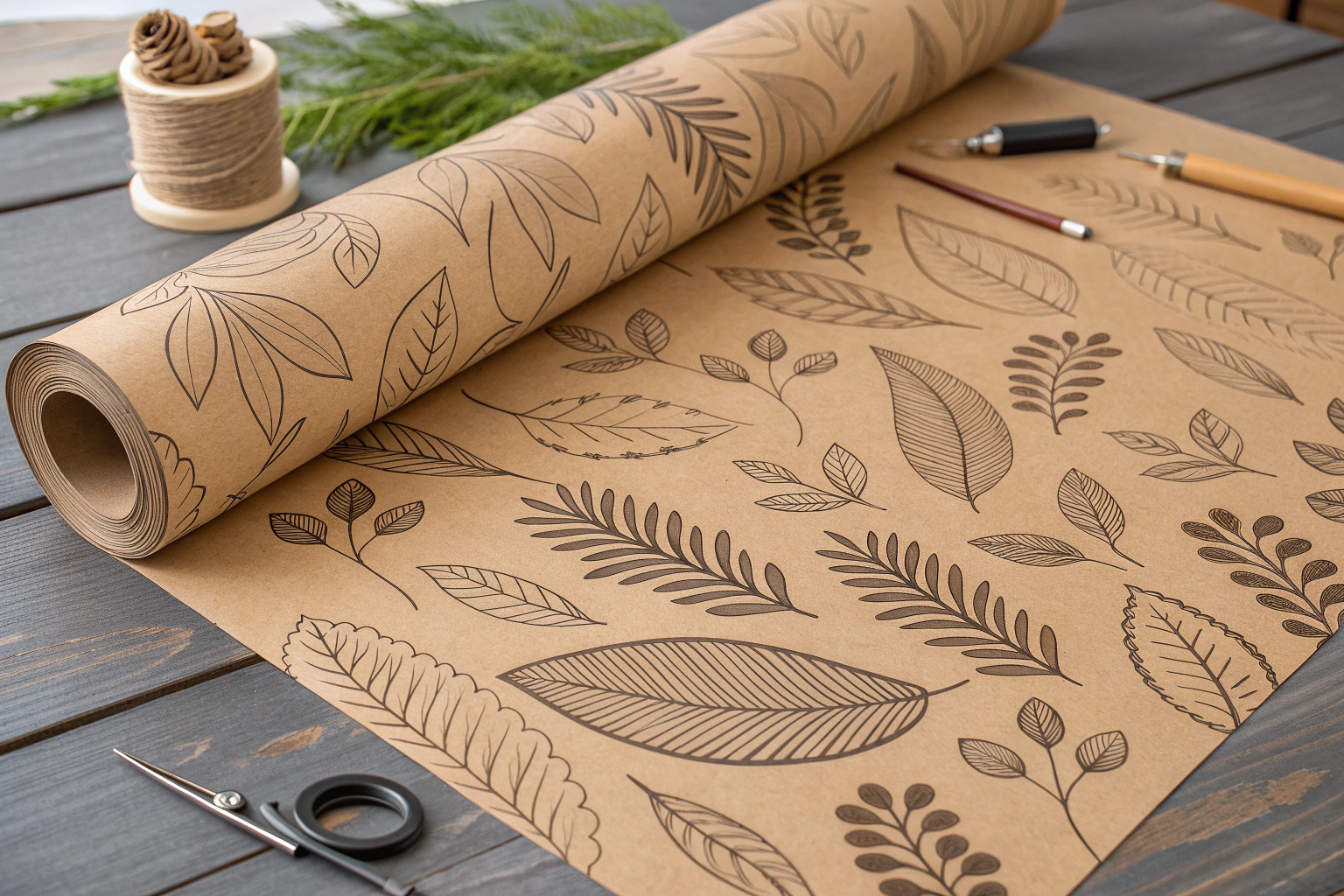
Designers use kraft paper for making patterns because it is strong, dimensionally stable, easy to cut, and able to hold precise markings without deformation. These qualities support accurate pattern development and repeatable results.
Kraft paper is not chosen for style. It is chosen for control, consistency, and reliability throughout the design and sampling process.
How Kraft Paper Supports Accurate Pattern Development
Pattern making depends on accuracy. Lines must stay straight. Angles must remain true. Measurements must not shift after repeated handling. Kraft paper performs well because its long fiber structure gives it natural resistance to stretching and tearing.
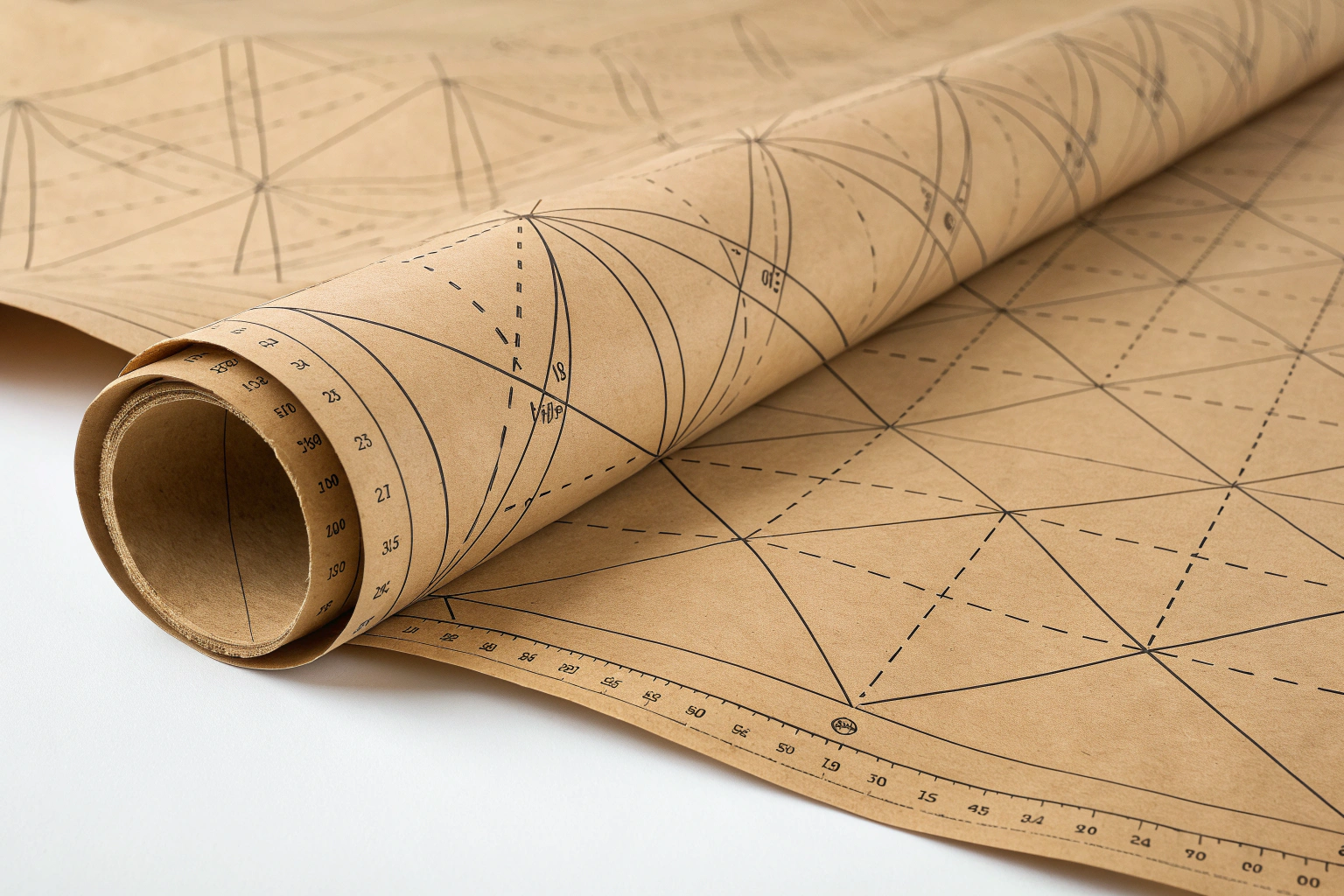
Kraft paper maintains its shape even after folding, rolling, or repeated tracing. This stability allows designers to store patterns, reuse them, and make adjustments without losing original proportions. Unlike thin paper, kraft paper does not wrinkle easily, which helps preserve clean edges and smooth curves.
This reliability is critical during early design stages, where patterns may be revised many times before final approval.
Why Kraft Paper Is Easy to Mark, Cut, and Modify
Design patterns require constant marking, erasing, cutting, and taping. Kraft paper offers a surface that accepts pencil, pen, and marker clearly without bleeding or feathering. Lines remain visible and precise.
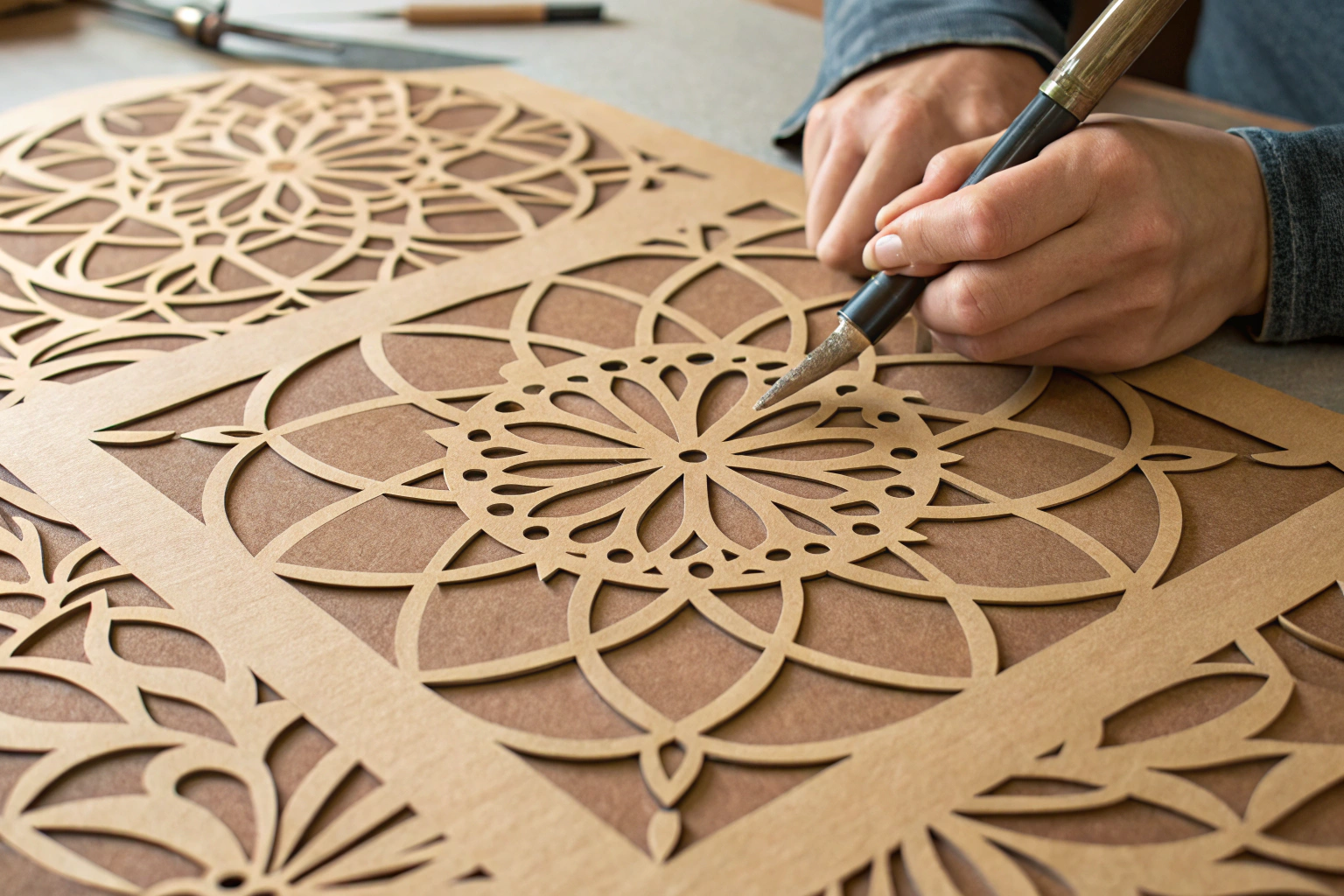
Kraft paper cuts cleanly and holds edges well, which reduces error during manual cutting. It also bonds effectively with tape or adhesive when patterns need to be extended or corrected. These qualities make it suitable for both quick mockups and detailed master patterns.
Because of this flexibility, designers can work faster while keeping control over detail and accuracy.
The Role of Kraft Paper in Repeated Sampling and Production
Patterns are rarely used once. They are referenced across sampling, testing, and production stages. Kraft paper withstands repeated use better than lightweight paper. It resists tearing along fold lines and edges, even after frequent handling.
Kraft paper allows consistent pattern transfer across multiple samples without distortion. This consistency reduces variation between prototypes and final products. In manufacturing environments, this stability helps bridge the gap between design intent and production reality.
For production teams, this means fewer adjustments and clearer communication between design and manufacturing.
Kraft Paper as a Practical Material for Workshops and Studios
Design studios and factory workshops require materials that perform reliably under real working conditions. Kraft paper tolerates humidity changes better than many thin papers and remains workable in different environments.
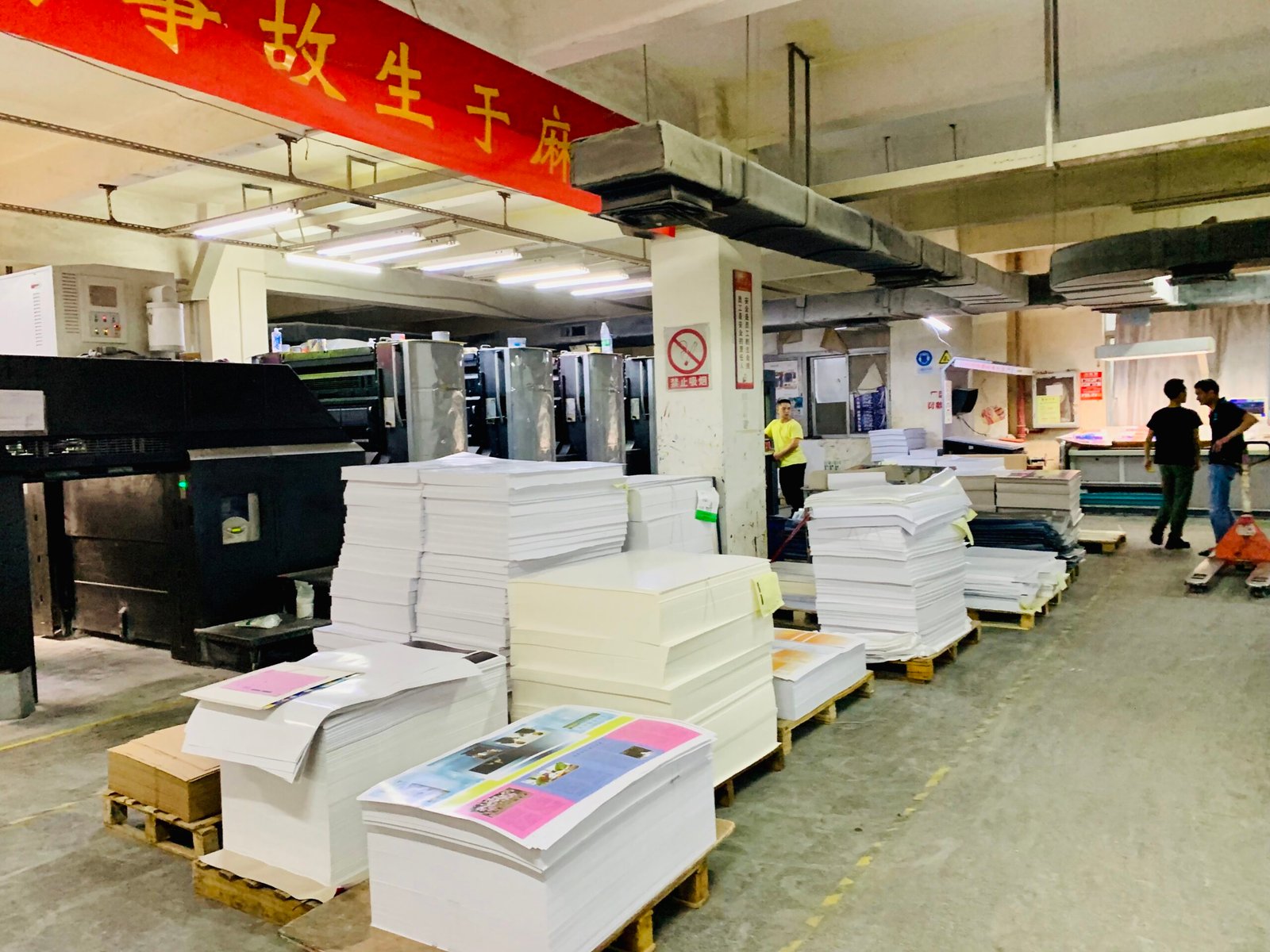
In workshops, kraft paper patterns are easy to store, stack, and transport without damage. They can be pinned, clipped, or hung without tearing. This practicality supports smooth workflow between design tables, sampling areas, and production lines.
This durability is especially important when patterns move between departments or production locations.
Connection Between Kraft Paper Patterns and Manufacturing Efficiency
Patterns act as the foundation of production accuracy. When pattern materials are unstable, downstream errors increase. Kraft paper reduces this risk by providing consistent reference points throughout development.
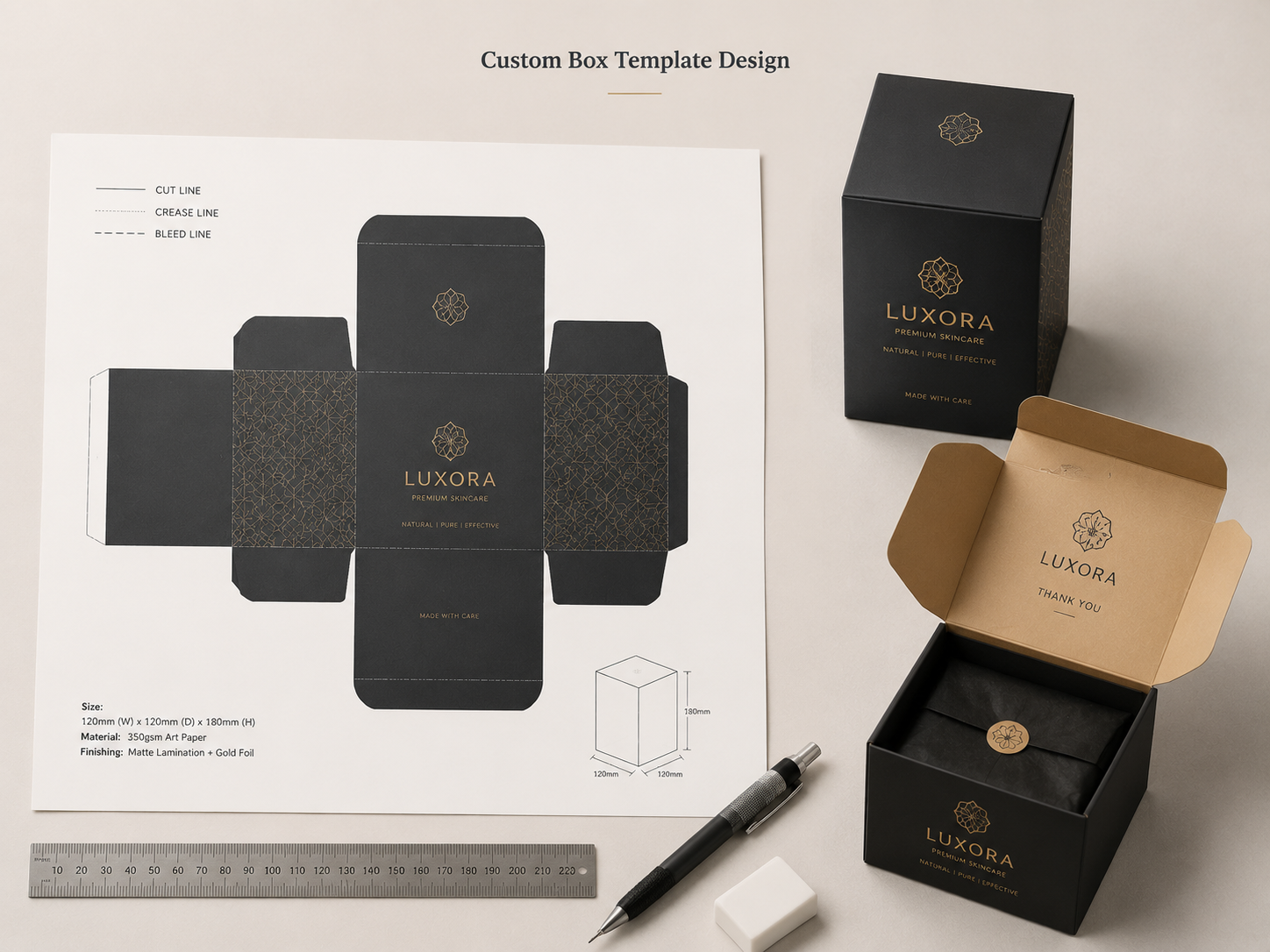
Clear and stable kraft paper patterns help production teams follow structure, size, and alignment requirements accurately. This improves die-cut accuracy, reduces trial-and-error, and supports smoother mass production.
For manufacturers, reliable patterns translate into fewer material losses and more predictable output.
Kraft Paper Patterns and Sustainable Design Practices
Material choice in design also reflects environmental responsibility. Kraft paper is commonly recyclable and made from renewable resources. Using it for pattern development reduces reliance on plastic films or synthetic sheets.
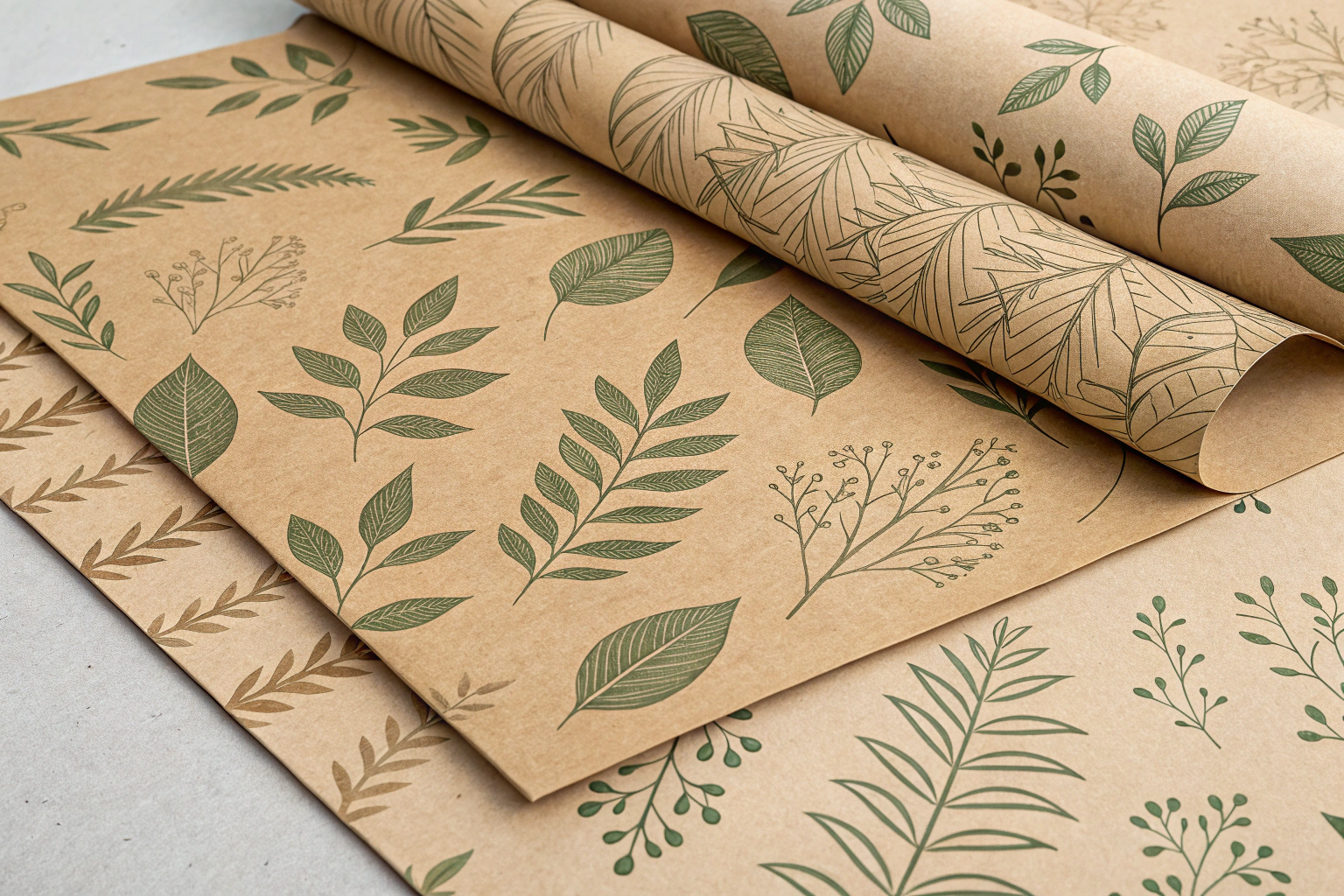
Kraft paper patterns align with sustainable workflow practices while still meeting technical requirements. They offer a balance between performance and environmental consideration without sacrificing accuracy or durability.
This makes kraft paper suitable for long-term design systems focused on efficiency and responsibility.
Conclusion
Designers use kraft paper for making patterns because it delivers control, accuracy, and durability across every stage of design and production. Its long fiber structure supports dimensional stability, clean cutting, and clear marking, which are essential for reliable pattern development. Kraft paper withstands repeated handling, revisions, and storage without losing shape, making it suitable for both early concept work and finalized master patterns.
From design studios to factory workshops, kraft paper patterns help maintain consistency between design intent and manufactured results. They reduce errors during sampling, improve communication between teams, and support efficient production workflows. At the same time, kraft paper aligns with responsible material practices through recyclability and renewable sourcing. These combined advantages explain why kraft paper remains a trusted and widely used material for pattern making in professional design and manufacturing environments.